

Motorcycle race fairings play a pivotal role in the performance and aesthetics of racing bikes, influencing aerodynamics, speed, and driver safety. In the UK market, where competitive racing flourishes, understanding the various aspects surrounding race fairings is crucial for business owners in this field. This article delves into essential considerations, examining materials and manufacturing techniques, design features that enhance aerodynamics, compatibility with popular motorcycle brands, vital installation guidelines driven by safety standards, and current market trends. Each chapter aims to equip business owners with the insight needed to effectively select, sell, or manufacture these critical components in the motorcycle racing ecosystem.
Forged for the Fast: UK Race Fairings, Materials, and the Craft of Aerodynamic Mastery
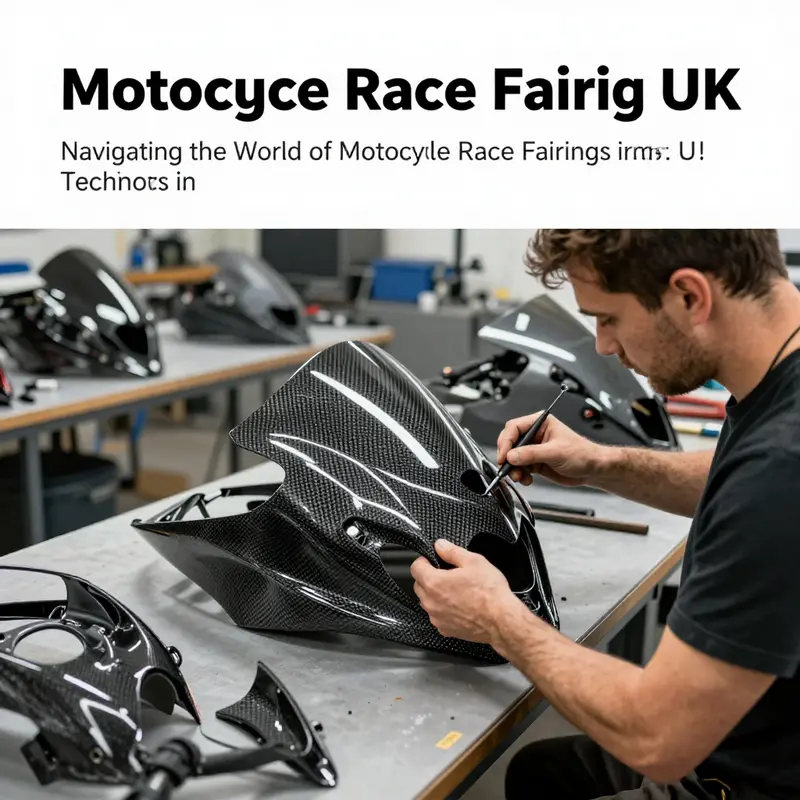
In the United Kingdom, the appetite for race-ready fairings runs as fast as the bikes they adorn. The chapter you are reading explores more than just shells of plastic and carbon; it unveils a material conversation that governs weight, stiffness, impact protection, and how a fairing communicates with wind, engine, and rider under track pressure. Across the UK scene, designers and builders treat fairings as critical performance components, not merely cosmetic shells. They are engineered to coax air into clean, stable streams, to blunt buffeting at altitude or on blistering straights, and to shoulder the rider through a high-speed corner with predictable behavior. The result is a spectrum of solutions that balance cost, manufacturability, and the relentless demands of racing regulations, while remaining accessible to track-day enthusiasts who push their machines toward the edge of grip and control. As the market has evolved, the thread that ties every choice together is a clear design philosophy: every fairing must protect the rider, harmonize with the bike’s geometry, and shed weight without sacrificing structural integrity when it matters most. This approach rests on three pillars—materials, manufacturing techniques, and the realities of the UK racing environment—and each pillar carries its own set of trade-offs that practitioners continually weigh on the way to the next season’s race pace.
The materials chosen for UK race fairings reveal the trade-offs at the heart of performance engineering. Fiberglass remains a workhorse for many teams and builders, valued for its balance of stiffness, rigidity, and cost. Its growth in popularity has been tied to the need for aerodynamic shaping that can be pursued with a craftsman’s touch, often resulting in fairings that can be tuned to a rider’s preferred flow across the front of the bike. While fiberglass is easier on the wallet than carbon fiber, it is heavier and can crack under sharp impact. Yet in the hands of skilled fabricators, it yields robust, track-ready parts that can be repaired with relative ease after the inevitable scrapes of practice and competition. The UK market often sees fiberglass chosen for sections of the fairing where geometry must be preserved with reliability, especially in areas where the rider’s line of sight and instrument cluster visibility demand a predictable, glass-smooth surface.
Polycarbonate has emerged as a compelling alternative in safety-focused regions of the fairing, particularly for sections that must endure energy absorption during a crash. Its impact resistance is unmatched by traditional plastics, and it retains optical clarity and formability even as it is thermoformed into complex curves. This makes polycarbonate an attractive option for headlight covers, front sections, and other critical areas where a sudden load could otherwise shatter a more brittle material. In endurance and track-day contexts, polycarbonate’s resilience translates into longer life during repeated lane changes, heavy braking, and occasional rider slides, all while keeping weight down and profile compact. The material’s ability to be tuned for stiffness and its energy-dissipating characteristics reinforce its role in the modern fairing deck, where rider protection and aerodynamic efficiency must go hand in hand.
Carbon fiber composites sit at the pinnacle of performance, favored by professional teams and high-end aftermarket suppliers who push for the ultimate weight savings and stiffness. The carbon fiber layups deliver an exceptionally favorable strength-to-weight ratio, enabling significant reductions in inertia and improved handling—crucial benefits at the very limits of grip and cornering speed. Manufacturing carbon fiber fairings typically involves vacuum bagging or autoclave processes to secure precise layer alignment and minimize voids. While the cost can be steep and the fabrication more demanding, the payoff is measurable: faster acceleration, improved throttle response, and more confident mid-corner transition through lean angles. In the UK context, carbon fiber is often reserved for track-focused builds where the rider’s schedule includes long sessions on demanding circuits, and where team budgets are oriented toward performance returns that justify investment. The narrative of material choice is not a simple ladder of “cheapest to strongest.” It is a nuanced map where weight, stiffness, impact protection, and cost intersect with the bike’s overall design goals and the rider’s priorities.
Behind these material choices lies a spectrum of manufacturing techniques that translate raw fibers and resins into aerodynamically coherent packages. Traditional hand lay-up remains common for many custom and smaller-scale projects. Here, skilled craftsmen lay each layer with control over fiber orientation, resin content, and surface finish, building a mold-accurate shape that can be painstakingly sanded and gel-coated before final paint work. The manual nature of hand lay-up offers flexibility—an essential attribute when the UK market requires bespoke geometries or rapid iterations for prototype testing. As with any craft, the finish quality is a direct reflection of the operator’s skill and the mold’s condition, which means consistent results demand meticulous process discipline and robust quality control.
To reduce voids and improve resin distribution, manufacturers increasingly turn to vacuum bagging. This technique removes air pockets and produces a more uniform laminate, enhancing both strength and surface finish. By employing vacuum pressure, teams can push resin into the laminate evenly, which translates to better structural integrity at high loads and improved resistance to delamination during high-speed gusts or minor impacts. Vacuum bagging is especially valuable in sections that must maintain smooth, uninterrupted airflow, such as the lower fairing panels and side sections where slight deviations in curvature can disrupt downstream aerodynamics. In parallel, resin transfer molding (RTM) has become a viable option for carbon fiber work. RTM involves injecting resin into a pre-formed dry fiber preform within a closed mold, resulting in good control of resin content and a steadier cure cycle. For track-day enthusiasts, RTM can offer consistent quality at a more predictable cost than autoclave processing, while still delivering carbon fiber’s performance benefits. Autoclave processing, meanwhile, remains the gold standard for elite teams. The confining heat and pressure of an autoclave minimize voids and optimize resin crosslinking, yielding laminates with exceptional stiffness and fatigue resistance—crucial in sustained high-speed loading during cornering and braking. Although autoclave manufacturing is resource-intensive, it is emblematic of the pursuit of maximum performance through material science.
The tooling and fabrication ecosystem that supports these techniques is as important as the materials themselves. In the UK, many producers operate with CNC-machined tooling and precision jigs that guarantee repeatable geometry across batches. This is essential when time on the track is precious and riders demand consistent fitment with minimal alignment adjustments. The process begins with accurate mold creation and digital data that capture the bike’s geometry with high fidelity. Advanced routing, trimming, and finishing steps ensure the final fairing surfaces not only match aerodynamic goals but also offer compatibility with mounting hardware, electronics, and seat clearance. Designers increasingly rely on computer-aided design tools to analyze the fairing’s perforations, cutouts, and venting channels, ensuring that every feature serves a functional purpose—whether it is channeling airflow for cooling, reducing drag, or providing access points for quick rider adjustments. When the fairing is complete, the surface is prepared for a protective gel coat and paint system that resists abrasion from gravel and track debris while preserving the surface’s smooth profile that fuels downforce benefits.
A critical factor in the UK market is the regulatory and practical context in which racing operates. Track use labeling, safety certifications, and compatibility with standard mounting points shape the design and manufacturing choices. The fairing must not only deliver on aerodynamic goals but also integrate with rider protection requirements, such as energy absorption in the event of a slide or collision. The relationship between a fairing’s surface quality and its mechanical resilience becomes most visible during practice sessions, where a sheet of material that is perfectly aligned in theory may reveal micro-stress concentrations or surface imperfections when subjected to real-world load paths. In this environment, skilled fabrication, rigorous testing, and disciplined finishing converge to produce parts that stay true through many laps and a season’s worth of adjustments.
As with any high-performance sector, the market’s breadth means a rider can opt for different routes to track readiness. Some builders prioritize full fairings to maximize clean aerodynamics and rider protection, while others favor modular or half-fairing configurations to reduce weight and ease daily setup. The choice between these approaches ties back to the fundamental design question: how to balance aero efficiency with serviceability and repairability. In practice, this balance often means that the least expensive parts are not necessarily the best for every rider. For some, the rigidity and surface durability of carbon fiber justify the extra cost, while others gain more from the impact resistance and repairability of fiberglass or polycarbonate in a busy racing calendar. The result is a market in which a wide range of geometries, materials, and fabrication methods coexist, each with its own performance signature and lifecycle costs.
Designers and fabricators in the UK frequently emphasize harmony between the fairing and the bike’s overall envelope. The composer’s goal is to achieve a seamless silhouette that minimizes parasitic drag while providing protection where it matters most. Aerodynamic considerations—such as the fairing’s coefficient of drag, flow separation points, and the effectiveness of integrated deflectors—are addressed with a practical mindset. The fairing must also fit within the constraints of a bike’s chassis, coolant routing, radiators, and following components. Even factors like the fairing’s edge radii and surface finish influence on-track stability, corner entry behavior, and feel at the rider’s hands. This is why, in the UK, a single project can involve multiple stages of refinement—from mold creation and early rough lamination to precision interface work and full-scale endurance testing. It is a testament to the collaborative nature of the sport, where engineers, fabricators, and riders share a common aim: to advance speed while preserving control and safety.
A practical thread running through these narratives is repairability and maintenance. Carbon fiber, for all its performance advantages, presents repair challenges that can extend downtime and complicate field adjustments. Fiberglass, by contrast, often repairs more readily, which is a meaningful advantage for teams balancing frequent testing with tight race schedules. Polycarbonate offers its own repair story: its impact-resistant nature can absorb energy in unexpected impacts, but it can scratch easily and may require careful finishing to maintain optical clarity or a pristine surface for aerodynamics. The UK market’s pragmatic approach often means selecting materials informed by the expected ride profile, the track’s characteristics, and the rider’s tolerance for downtime. For many, the winning combination is a hybrid approach—fiberglass in some sections for cost and repairability, carbon fiber where weight and stiffness are decisive, and polycarbonate in safety-critical zones to preserve rider protection during unavoidable misadventures on the track.
In this landscape, the reference point for many practitioners is the shared objective of achieving track-ready aerodynamics with reliable, predictable behavior. The fairing must blend with the bike’s geometry, support efficient air separation, and maintain a surface that can withstand consistent exposure to high-speed air and occasional contact with track debris. The craft here is not only about raw materials and curing methods; it is about the disciplined synthesis of form, function, and finish. It is about translating the physics of air flow into a predictable cockpit experience and a bike that responds with the steadiness riders demand when approaching the edge of adhesion. And in the UK, where weather, circuits, and competition mix with a diverse rider base, this synthesis becomes a field of continual refinement. Each season invites new combinations of materials, molding techniques, and finishing protocols, all aimed at shaving seconds while preserving rider safety and confidence.
As this chapter moves toward its close within the broader article, the reader is left with the understanding that motorcycle race fairings in the UK are not monolithic objects but dynamic systems. They are the product of deliberate material choice, precise manufacturing, and a culture of experimentation that thrives on the race track. The practical implication for riders and builders alike is clear: a successful fairing strategy is a careful negotiation of weight, stiffness, impact resilience, and serviceability, all anchored by a steadfast commitment to aerodynamic efficiency and rider protection. That is the heart of the craft that keeps pace with the evolving demands of track racing, where even millimeters and grams matter and where the clever use of materials and methods can translate into measurable competitive advantage. To learn how this philosophy is reflected in a broader catalog of fairing options—including catalog pages focused on a specific range of geometries—consider exploring the ducati-fairings collection. This internal reference helps illustrate how the same principles apply across different shapes and frame layouts, reaffirming that the core challenge remains constant: shape, strength, and speed must align.
For those seeking additional structural and manufacturing insights that transcend regional practice, an external resource offers a detailed overview of materials and manufacturing practices in motorcycle race fairings. It provides context on the common workflows, laminate architecture, and testing approaches that underpin high-performance track parts. External reference: https://www.bikesplast.com/
Forged in Wind: Designing UK Motorcycle Race Fairings for Speed, Stability, and Safety

Across the UK, the discipline of motorcycle racing has driven an extraordinary devotion to aerodynamic efficiency. The race fairings that cloak track machines are not mere shells of aesthetic gloss; they are engineered environments where every contour, edge, and junction is tuned to coax speed and control from air. In the design studios and wind tunnels that feed this craft, the fairing becomes a living interface between rider, machine, and atmosphere. The result is a synthesis of lightness, rigidity, and precision that supports not only outright top speeds but the nuanced stability needed for rapid course corrections, sustained lean angles, and the unpredictable gusts that can arise on any circuit. To understand how the UK industry approaches this challenge is to glimpse a disciplined approach to aerodynamics that blends tradition with modern computation, materials science, and an intimate knowledge of racing psychology.
A primary aim of any race fairing is drag reduction. The streamlined silhouette is more than a stylistic choice; it is a deliberate strategy to minimize pressure drag as air streams past and around the rider. Subtle refinements—the curvature of the nose, the smooth transitions into the side panels, the shaping of the tail—all contribute to a smoother flow. Drag reduction translates directly into a more efficient power transfer: less energy wasted fighting air, more energy available to maintain acceleration or sustain high-speed stability through corners. Yet drag is only part of the equation. In racing aerodynamics, downforce becomes a principal ally. The fairing design often integrates features like carefully placed air intakes, rear spoilers, and small winglets to generate downward pressure on the front and rear tires. This downforce helps maintain tire contact with the tarmac at high speeds and through braking into apexes, increasing grip and predictability for the rider. The engineering logic here is nuanced: too much downforce can rob top speed, while too little can invite instability. The art is in balancing these forces so that the bike remains planted without becoming lethargic in response to steering input.
The design language of race fairings in the UK tends toward complex contours rather than the simpler shapes seen on street-legal models. The smooth, continuous surfaces minimize flow separation, yet they must accommodate a forge of functional realities: air routing to radiators, internal cable and harness paths, mounting points for wings or spoilers, and access panels for quick crash repairs between sessions. Material selection reinforces this balance between lightness and stiffness. Carbon fiber profiles are favored for their high strength-to-weight ratio, enabling aggressive shapes without a burden of mass. Reinforced plastics, such as ABS-based composites, offer impact resistance and resilience to debris common on race days. The collaboration between material science and geometry ensures rigid paneling that resists deformation under high-speed buffeting while remaining repairable and serviceable within the paddock economy. In practice, the fairing system is often modular enough to be replaced in sections after a crash or a significant impact, preserving the rest of the assembly and keeping a rider ready for the next session without lengthy downtime.
Customization is a central thread in UK fairing work. Teams and riders seek fitments that align weight distribution with their preferred riding stance and ergonomics. The rider’s position—torso angle, knee interface, and arm reach—interacts with the fairing to shape both aerodynamics and control feel. Changes to the rider’s position can alter the effective frontal area and the boundary layer behavior along the body of the bike. Consequently, race fairing suppliers offer configurations that can adjust weight, balance, and even airflow characteristics to support a rider’s unique style. The result is a spectrum of options rather than a single, universal form. For a track-ready build, this means fairings can be tuned to accommodate different chassis geometries and radiator layouts while still delivering the expected aerodynamic gains. The emphasis is on interoperability and precise fitment, so that every screw, seam, and joint speaks to reliability under track conditions and the demands of pit-stop maintenance.
A crucial part of the UK approach is the emphasis on rigorous testing and simulation before any physical prototype is finalized. Computational Fluid Dynamics, or CFD, is employed to model airflow around the bike and along the rider. Through virtual iterations, engineers can visualize pressure distributions, identify flow separation points, and optimize the placement of vents, ducts, and spoilers. CFD allows for rapid exploration of alternative fairing geometries, reducing the time and cost of physical prototyping. Yet virtual models are not sufficient alone. Wind tunnel testing provides a tangible validation of CFD results, confirming how the fairing behaves under controlled, repeatable conditions. In wind tunnels, designers can measure forces and moments with high precision, assess the stability of the bike at varied yaw angles, and examine how the rider’s presence alters the aerodynamics. The feedback from these tests informs iterative refinements, enabling adjustments to internal duct routing or the external geometry that would be more difficult to predict from simulations alone.
This dual approach—virtual experimentation paired with empirical validation—feeds a safer, more predictable riding experience. Aerodynamic stability is not merely about reducing drag; it is about shaping a response profile that keeps the bike steady through the ebb and flow of a race lap. Fairings contribute to reducing buffeting, which can disrupt a rider’s line of sight and control at the limit. They also affect steering responsiveness by tuning the pressure distribution around the front wheel. The rider’s sense of the machine is refined through this aerodynamic orchestration: subtle feedback through the handlebars, seat, and pegs that guide the rider’s micro-adjustments during fast, high-g maneuvers. In this sense, the fairing becomes a tactile amplifier of the rider’s intent, translating a rider’s precise inputs into a composed, confident trajectory around the circuit.
The operational realities of racing in the UK also shape how fairings are produced and deployed. Track use, a label often affixed to race-specific parts, signals a commitment to performance and safety over street-legal versatility. The track-use designation implies that the fairings have undergone testing for high-speed endurance, impact resistance, and compatibility with ballast and mounting standards used in competition. This is not a cosmetic upgrade; it is a functional modification with manufacturing tolerances, certification considerations, and serviceability in mind. For teams, this translates into shorter lead times and easier replacement procedures after a session—crucial when a practice lap reveals a minor impact or an evolving aerodynamic preference from the rider.
The UK ecosystem surrounding race fairings also includes an emphasis on integration with other performance components. The fairing system must align with the chassis, the cooling architecture, and the overall weight budget of the bike. Panels are designed to minimize interference with radiators and ducting while maximizing the potential for quick repairs. The mounting interfaces are engineered to withstand the rigors of track life, including the vibrations and impacts that occur at the edge of performance. Even in markets where regulation and homologation play a significant role, the racing fraternity prioritizes a balance of protection, cooling, and aerodynamics so that a bike remains nimble through the corners and stable on the straights.
As an overarching narrative, the UK’s race fairing practice reflects a broader philosophy: the air that an open circuit demands is a force to harness, not merely to resist. Designers think in terms of how the air stream interacts with the rider’s silhouette, the bike’s silhouette, and the flow around the entire package from nose to tail. The result is a wind-informed design language that is both functionally rigorous and aesthetically coherent. The aesthetic, far from being a fringe benefit, is a downstream indicator of aerodynamic efficiency. Sharp, deliberate lines signal where flow remains attached and where it detaches, while the overall silhouette tells a story of controlled airflow optimized for the race environment. In this way, form and function converge under the pressure of performance, with engineers and riders jointly shaping what it means to ride at the limit.
For readers who want to explore how these ideas translate into real-world choices, consider surveying category pages that categorize fairings by make and model compatibility. A prominent example in the UK market features a dedicated BMW fairings section, which illustrates how groups curate fit, weight, and aerodynamic cues to complement a range of chassis configurations. This kind of catalog reflects a practical approach: you can study how different shapes correspond to different performance envelopes, and you can compare how materials and construction methods influence stiffness, crash resistance, and repairability after a session. It is through this lens that the fairing becomes not only a protective cover but a controlled aerodynamic system that works in concert with suspension, tires, and rider inputs to deliver consistent performance on the track. BMW fairings offers insight into how a single category can embrace multiple iterations designed for various tracks, climates, and rider preferences, highlighting the practicalities of supply, customization, and maintenance that underpin successful racing programs.
The conversation about race fairings would be incomplete without acknowledging the broader milieu of research and standards that shape practice. The British Motorcyclists’ Federation, among others, publishes technical reports that document aerodynamics and performance data related to fairings. These resources provide empirical underpinnings for the engineering choices described above, translating laboratory insights into actionable guidance for teams and manufacturers alike. They remind us that the race track is a dynamic testbed where design choices must withstand repeated exposure to high speeds, turbulence, and the unpredictable forces that accompany competition. In this sense, the UK’s approach to race fairings is not a collection of isolated tricks but a disciplined, evidence-based craft that links computational insight, wind tunnel validation, and field experience into a coherent pathway from concept to competitive edge.
For readers seeking a deeper, external context on the science and standards behind race fairings, the British federation’s technical discourse provides a valuable anchor. It points toward a shared framework that governs how aerodynamic features are evaluated, how safety boundaries are defined, and how innovations are translated into track-ready equipment. This body of work complements the practical, shop-floor wisdom that teams accumulate through years of testing on diverse circuits and weather conditions. In the end, the strength of the UK’s approach lies in its integration: aerodynamic theory that informs panel shapes, testing that confirms performance, and a sourcing network that keeps teams equipped for the fast cadence of modern racing. External resources, such as the BMF technical report on race fairing aerodynamics, offer a rigorous, data-driven perspective that enriches the narrative of what makes a fairing not only faster but safer and more controllable on the limit of adhesion. https://www.bmf.org.uk/technical-reports/race-fairing-aerodynamics-2025
null

null
Racing Armor on British Tracks: Precision Installation and Safety Standards for UK Race Fairings
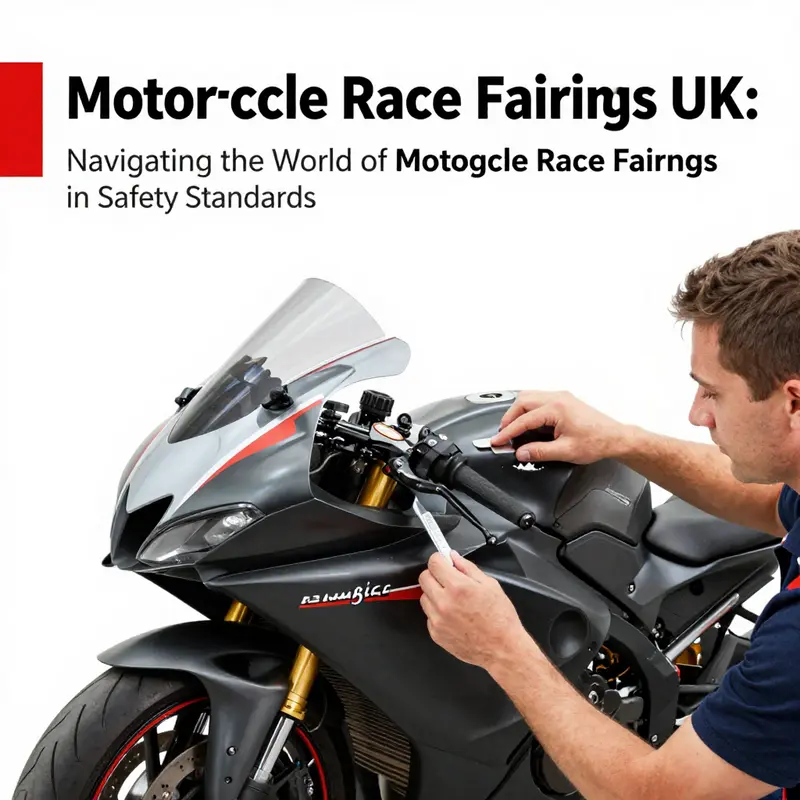
On British circuits, the right race fairing is more than a stylish cover; it is a carefully engineered component that shapes airflow, protects rider and machine, and contributes to predictable handling at blistering speeds. In the UK, the pursuit of optimal aerodynamics sits at the intersection of engineering precision and practical compliance. The chapter that follows threads together installation discipline, safety imperatives, and the realities of track performance, offering a cohesive picture of how fairings function as a technical investment rather than a cosmetic upgrade. Across the paddock, riders and teams are aligned on one unwavering premise: performance on the track begins long before the engine fires, with how the fairings are seated, sealed, and supported around the bike’s fundamental geometry. When a fairing is mounted with surgical accuracy, its contour works with the air as an ally rather than a competing force. When it is mounted carelessly, even the slightest misalignment can ripple through the bike’s balance, robbing stability and corner speed at the most demanding moments on a fast straight or a tight braking zone. This makes installation guidelines more than a set of steps; they are the procedural guardrails that protect both performance and safety as a rider pushes toward the apex of each lap.
The installation discipline begins with alignment. Precision is achieved by ensuring the new panels line up with the frame and the original mounting points with exactitude. For a race-focused configuration, manufacturers specify torque values for fasteners and delineate which points must be clamped to the frame rails, the forks, or specialized brackets. The intent is not to force a rigid, unyielding structure but to create a stiff, vibration-resistant barrier that rides cleanly through the oscillations of a high-speed section and negotiates the gusts and pressure differentials of the environment. In practice, this means selecting the hardware that came with the kit and applying the torque to the exact specification. It also means treating fasteners and seals as a system. High-quality fasteners reduce the risk of loosening under vibration, and silicone gaskets or comparable seals defend against water ingress and micro-movement that can loosen parts over time. The consequence of neglect in this area is not merely a rattling panel but a subtle drift in the bike’s front-end geometry, which can alter steering feel, reduce grip consistency, and complicate rider input.
The next layer concerns secure attachment. Modern race fairings are not simply bolted on; they rely on a combination of bracketry, clamps, and engineered attachment points that tie into the bike’s structural elements. Front-fork mounts, frame rails, and cockpit transitions are common anchoring zones, and each requires dependable, high-quality hardware. The objective is to create a sealed, stable perimeter that resists the centrifugal and lateral forces generated by aggressive acceleration and deceleration on the track. In addition to mechanical security, there is a need to guard against environmental challenges. Imperfectly sealed seams can become pathways for water or moisture to creep into the interior of the fairing, which in turn may affect wiring or electronics housed within or nearby. Sealing compounds, gasket materials, and seam treatments are chosen not only for their impermeability but for their compatibility with the composite or polymer layers used in the panels. The aim is a clean, continuous skin that remains robust under the heat and vibration of track hours while maintaining a professional appearance that reflects the rider’s meticulous approach to setup.
A practical, step-by-step fitting routine emerges from this logic. Following a methodical sequence—positioning, aligning, fastening to the prescribed points, and then rechecking alignment and tightness—helps reduce the chances of errors. Reputable English-language guidance from track-side coaching and teardown resources emphasizes the importance of a check-list approach. A step-by-step guide underscores the value of double-checking inter-panel gaps, ensuring that the new pieces do not interfere with the steering lock, hand controls, or instrument visibility. It is not unusual for riders to perform the procedure with a spotter or crew member to simulate race conditions and verify that the whole assembly maintains its integrity under dynamic loads. For machines tuned for race performance, professional installation is especially recommended. A qualified fitter has the experience to anticipate how panel mass, joint stiffness, and mounting geometry influence the bike’s geometry and the rider’s posture. Even small misalignments, when multiplied across the fairing’s surface area, can subtly shift airflow, alter the boundary layer effects at the tank neck, or cause slight changes in ride height that ripple into changes on corner entry and exit speeds.
Safety standards attach to both the static and the dynamic realities of use. While there are no universal UK laws mandating a particular fairing style for road-going motorcycles, modifications must not render the machine unsafe or non-compliant with general road-use regulations. The key safety expectations are straightforward: fairings must be securely fixed, they must not obstruct visibility, and they should not introduce hazards through sharp edges, loose parts, or unintentional contact with moving components. On the track, the safety calculus becomes more stringent through the standards set by governing bodies. Fairings intended for competition are typically subjected to impact resistance tests and fire retardancy evaluations, ensuring that in a crash or an engine bay fire scenario the panels do not contribute to injury risk or uncontrolled movement. This safety framework dovetails with broader product quality expectations. Documentation of tests and conformity, where available, offers valuable assurance to teams and scrutineers. The standardization conversation is complemented by materials science considerations. Many fairing systems combine lightweight composites with protective layers to balance stiffness, weight, and energy absorption. In practice, the goal is a skin that can endure track life—resistant to chips and delamination—while not overburdening the bike with excess mass that would blunt handling or reduce acceleration potential.
Placed within the context of the UK market, these considerations are supported by a network of resources and authorities that provide current safety checklists and installation best practices. For instance, respected national and regional organizations offer guidelines that address both the mechanics of mounting and the procedural checks riders should perform before a track day or race event. Keeping a record of checks, tests, and fitment notes can be a practical strategy when entering the competition environment, as it helps with audits and potential inspections from race officials or team managers. In terms of material standards, reference points such as EN 13594 for protective equipment and ISO/TS 16949 for manufacturing quality become part of the broader conversation about what constitutes reliable, track-ready components. Retaining documentation from the installation and testing process is not merely bureaucratic; it is part of the ongoing risk management and quality assurance that underpins a rider’s confidence when the lights go out on the warm-up lap.
The practical implications of these standards extend to the daily realities of preparation. Riders who plan ahead will coordinate with their maintenance crews to compile a fitment dossier that includes torque specifications, sealing methods, and inspection routines. This dossier serves not only as a guide for initial installation but as a reference for regular maintenance, inspection after session testing, and pre-race checks. In a culture where the margin between performance and retirement from a race is measured in milliseconds, the discipline around fairing installation becomes a competitive asset. The fastest lap can hinge on a fairing that is glued to the bike through precise fitment, not a fragile cosmetic shell that peels away under high-speed air loads. The result is a more predictable ride with consistent aero characteristics, which translates into steadier corner entry and more confident mid-corner stability.
In the broader landscape of UK practice, access to authoritative information about race fairings is shaped by a few key platforms. For riders seeking a practical sense of what track-focused fairings entail, and for crews evaluating compatibility with different bike architectures, reputable sources compile technical specifications, installation guidance, and safety considerations into accessible formats. The combination of vendor documentation, track coaching insights, and national safety guidelines forms a holistic view: correct materials, correct fitment, correct checks, and correct documentation. This synergy is essential for riders who insist on performance without compromising safety. A careful balance is achieved when the fairing system is treated as an integral part of the machine’s overall physics, rather than as an afterthought glued on at the last minute. The chapter’s aim is to emphasize that installation and safety are not merely regulatory obligations; they are part of the craft of racing, shaping the rider’s confidence and the machine’s capacity to sustain near-limit performance across a full race weekend.
For readers seeking a practical anchor in this landscape, a targeted reference to a broad category page can be helpful as a starting point for understanding how various fairing sets are organized within the UK market. See the resource at product-category/yamaha-fairings for an example of how parts are categorized and documented, which can inform decisions about fitment philosophy and compatibility assessments. This internal reference is intended to illustrate how a well-structured catalog supports rigorous installation practices and safety considerations without getting lost in model-specific particulars. The broader message remains clear: alignment, secure attachment, and adherence to safety thresholds are universal requirements that enable track performance while protecting the rider. As track days and races continue to push the limits of aero relationship with rider technique, the discipline of fairing installation remains a foundational skill for any serious competitor.
External resources can offer additional, in-depth guidance on the practical steps involved in fitting race fairings to a bike. For a thorough, step-by-step treatment of installation nuances, consult the detailed guide from a reputable coaching source. This external reference complements the UK-specific safety and compliance considerations discussed here, providing a hands-on perspective that practitioners can apply in real-world setups. Access to such guidance helps ensure that riders and crews approach installation with the same rigor that engineers apply to aerodynamic testing, ultimately contributing to safer, faster, and more repeatable performances on the track.
External resource: How to install race fairings to your bike, part 1 – Superbike-Coach: https://www.superbike-coach.com/how-to-install-race-fairings-to-your-bike-part-1/
Engineering the Wind: UK Track-Ready Fairings and the Quiet Revolution

In the sprint from launch to checkered flag, motorcycle race fairings are not just wind shields but engineered interfaces. In the United Kingdom, track-focused fairings are increasingly modular, lightweight, and tuned for safety. This chapter explores how UK riders and suppliers merge aerodynamics, materials science, and racing culture to push performance while meeting regulatory requirements. The discussion covers weight and stiffness, air flow management, modular design, and the role of data-driven development in shaping the track fairing market. It also highlights the importance of accessibility for clubs and amateur racers alongside the needs of professional teams as they seek faster lap times with reliable protection. As the market grows toward new categories and smarter, more adaptable shells, UK track days and races continue to be a proving ground for innovation in aerodynamic hardware.
Final thoughts
Understanding motorcycle race fairings is essential for business owners engaged in the racing industry in the UK. With insights into materials, innovative designs that leverage aerodynamics, compatibility with leading motorcycle brands, necessary installation practices, and the analysis of market trends, businesses can make strategic decisions that enhance their offerings. By prioritizing quality, performance, and safety, owners can not only satisfy consumer demands but also establish a strong presence in the competitive motorcycle racing market. Embracing these insights will ultimately lead to better product selections and customer satisfaction, setting the stage for sustained growth in this dynamic field.