
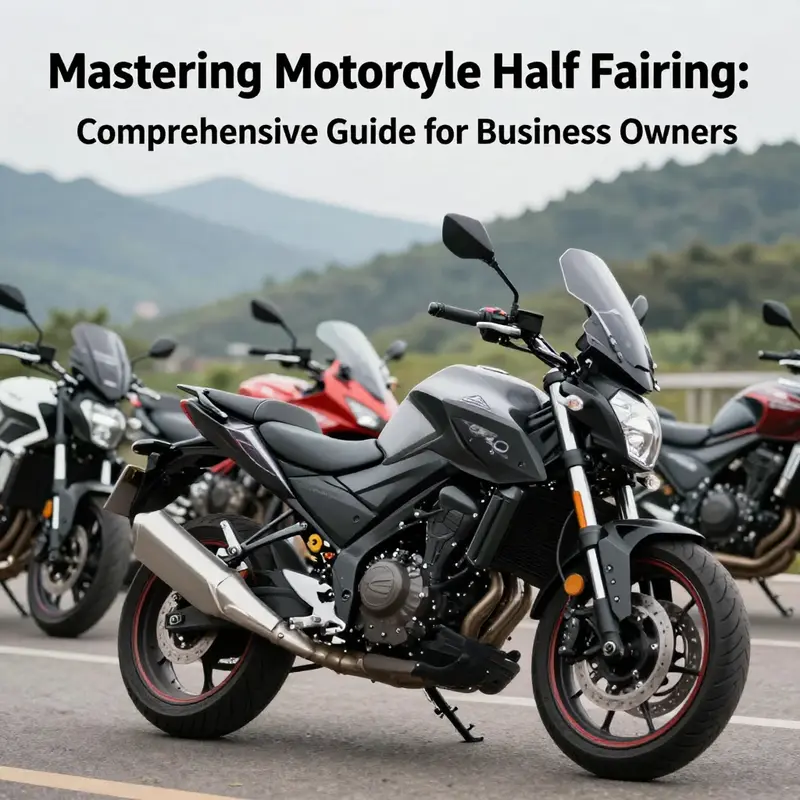
For business owners in the motorcycle industry, understanding the nuances of motorcycle half fairings is essential. These components not only contribute to the aesthetic appeal of motorcycles but also enhance performance and rider experience. This article delves into the critical aspects of half fairings, starting with their design and functionality, and exploring their benefits for riders. Furthermore, we will cover how to choose the right materials and ensure compatibility with various models. The third chapter will showcase popular motorcycle models equipped with half fairings, while the final chapter will examine the economic impact of aftermarket options. Each section contributes to a holistic understanding of motorcycle half fairings and their significance in the market.
The Half Fairing Story: Designing Airflow, Access, and Attitude on Modern Motorcycles
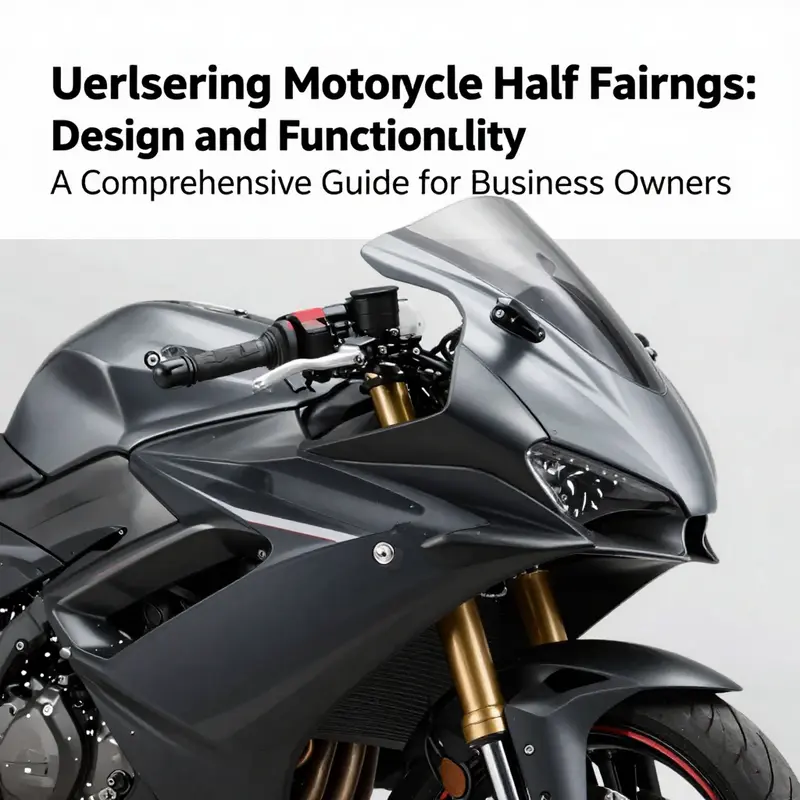
Half fairings sit at an intriguing intersection in motorcycle design. They are not the full enclosure of a sport bike, and they are not the naked, exposed engine and handlebars that invite a raw, direct connection to the road. They occupy a middle ground that appeals to riders who want a more efficient ride at speed, a touch of weather and wind protection, and still crave the open, agile feel that made naked bikes and café racers so beloved. The essence of a half fairing lies in its restrained coverage: a small windshield or headlight housing mounted ahead of the handlebars, and a sculpted upper body that shields the rider from the sharpest gusts while leaving the lower engine and front forks visible and accessible. This balance matters because it shapes the rider’s experience more than most people realize. It alters the quiet conversation between wind and body that governs comfort at highway velocities, and it influences how a bike looks in motion, not just how it feels at rest in the driveway. The design intention, therefore, is not to conquer the entire wind stream but to negotiate it with grace. By catching and diverting air at the rider’s chest and shoulders, a half fairing reduces the turbulent wake that can buffet the torso at speed. The wind does not disappear, but it becomes more predictable, more manageable, and less intrusive on long rides. In this sense, the half fairing delivers a practical aerodynamic benefit that is especially appreciated by sport-touring riders, commuters with long daily miles, and café racers who want a distinctive silhouette without the bulk of a full fairing. The result is a riding experience that feels both connected to the machine and refined by geometry. The rider remains in touch with the bike’s chassis and response, yet gains a layer of protection from weather and road spray that makes daily use more comfortable. This is where style and function converge. A well-executed half fairing does more than carve a cleaner air path; it contributes to the bike’s stance, its line, and even its perceived speed. The visual language of half fairings—a sweeping curve over the headlights, a graceful bridge from tank to shield, and a subtle taper that Aberrations in airflow would otherwise magnify—creates a cafe racer or standard-bike aura that many riders find appealing. The aesthetic is not mere ornament; it reinforces the rider’s sense of control and identity on the road, a factor that matters as much as the aerodynamics when one spends hours in the saddle. The practicalities of choosing a half fairing hinge on fitment and material quality as much as on looks. Compatibility with a specific motorcycle model is essential because mounting points, instrument clusters, and the headlight housing must align with the frame geometry. A misfit introduces not only visual gaps but airflow irregularities that can disrupt the intended shielding effect. For a rider who relies on predictable airflow at highway speeds, even a small misalignment can create buffeting, increase drag, or complicate maintenance access. Given that many half fairings are aftermarket or OEM-inspired alternatives, verification of fit is a prudent step. Riders often consult fitment guides or rely on trusted retailers that offer model-specific compatibility. The choice between OEM-inspired and aftermarket options is rarely a simple matter of price. It becomes a careful assessment of weight, rigidity, and how the material handles impact over time. Here, materials matter as much as design. High-grade ABS plastic has long been a mainstay for fairings because it resists impact, holds its shape, and keeps costs reasonable. It tolerates the rigors of daily riding and minor road hazards without cracking easily. For riders chasing longer-term durability or a specific performance target, some aftermarket producers experiment with composite materials that promise lighter weight and stiffer behavior. Yet with composites, price and repairability become factors, particularly if a rider plans to ride aggressively or frequently in challenging weather. The engineering decision is not merely about strength; it is about how the fairing behaves in tandem with other components. Windshields, for instance, are not just decorative barriers. A curved, swept-back windshield can steer air away from the helmet and face, diminishing high-speed turbulence while maintaining a clear and wide field of vision. The relationship between the fairing and the rider’s position is intimate. The fairing’s height, angle, and curvature interact with the rider’s torso angle and helmet line. A half fairing designed for one model may not deliver the same comfort on another, even if the bikes share a similar silhouette. This is why compatibility verification, including mounting hardware alignment and bracket geometry, is vital. The practical side of owning a half fairing extends beyond momentary wind comfort. Access to the engine and top-mounted components remains relatively straightforward compared with the heavier, full-cover setups. This accessibility matters for routine maintenance, oil changes, or minor adjustments that riders and mechanics perform on the road rather than in a shop. The exposed lower engine and front forks can still need protection from weather and debris, but the rider benefits from easier inspection and quicker servicing, a feature appreciated by daily commuters who value uptime as much as uptime. In addition, the riding experience is influenced by the way the fairing integrates with the bike’s overall stance and its lines. A well-chosen half fairing complements the mechanical proportions and contributes to a cohesive look. When a half fairing curves to meet the tank and flows toward the headlight housing, it communicates a deliberate design choice: the bike’s personality is not sacrificed for mass aero coverage but refined through a careful balance of form and function. This is especially true for bikes that have historically leaned toward a naked or café racer aesthetic, where the half fairing helps maintain a lean, sculpted appearance. The allure of the half fairing also extends to practical customization. For riders who want to tailor their bike to a particular riding string—daily commuting, weekend sport riding, or long-distance café racer itineraries—an aftermarket half fairing can be a meaningful upgrade. The value proposition rests not only on improved airflow and weather protection but on the way it frames the bike’s silhouette and influences how the rider perceives the machine in motion. It can be a stately, retro-inspired line or a sharper, sportier edge, depending on the chosen model and finish. When selecting a candidate, a thoughtful approach blends fitment accuracy, material performance, and the rider’s intended use. Checking fitment guides and confirming that the chosen half fairing aligns with the bike’s headlight, instrument cluster, and mounting points reduces the risk of misalignment or compromised airflow. For riders who want to see what a specific bike’s configuration looks like with a half fairing, model-specific fit guides and community feedback are invaluable. In the realm of aftermarket choices, it is common to find listings that emphasize a “guaranteed fit” for certain makes and models on large selling platforms. While such assurances provide peace of mind, they do not replace careful measurement and a direct check of mounting points. The right half fairing, installed with proper hardware and a careful alignment, becomes more than a cosmetic addition; it becomes a functional partner that can optimize wind protection, improve engine access, and elevate the bike’s character. For riders who weigh efficiency at speed against the open feel of a naked bike, the half fairing offers a practical compromise. It makes high-speed cruising more comfortable by shaping the airflow in a controlled manner and by reducing fatigue in the upper body. It preserves the tactile connection to the road, so the rider still feels the bike’s steering cues and weight shift. It acknowledges that wind is a factor worth managing, not a force to endure. As with any aftermarket or OEM-inspired component, the true measure of success is how well it serves the rider’s goals: comfort on long rides, ease of maintenance, and a look that resonates with the bike’s identity. If you are curious about brand-specific fitments or want to explore the particular shapes and lines that different manufacturers offer, a good starting point is the Honda fairings category, which provides model-aligned options that have already been vetted for compatibility and installation complexity. Honda fairings can be a practical resource for riders seeking reliable fit and a straightforward upgrade path that preserves the balance a half fairing brings to the riding experience. Ultimately, a half fairing is not just a piece of plastic or a shield from the wind; it is a design decision that shapes performance, comfort, and the bike’s visual identity. It invites riders to consider how air, line, and access interact, and it challenges them to choose a configuration that honors both the machine’s heritage and their daily riding needs. For those who want a concise external reference that delves into the rationale behind half fairings and their practical benefits, a well-regarded guide offers a clear, readable overview that aligns with the themes of this discussion. External resource: What is a half fairing and why do you need one? https://www.bikeradar.com/uk/motorcycles/gear/what-is-a-half-fairing-and-why-do-you-need-one-2026-01-17/
Between Breeze and Balance: The Case for Motorcycle Half Fairings as Everyday Performance and Accessibility
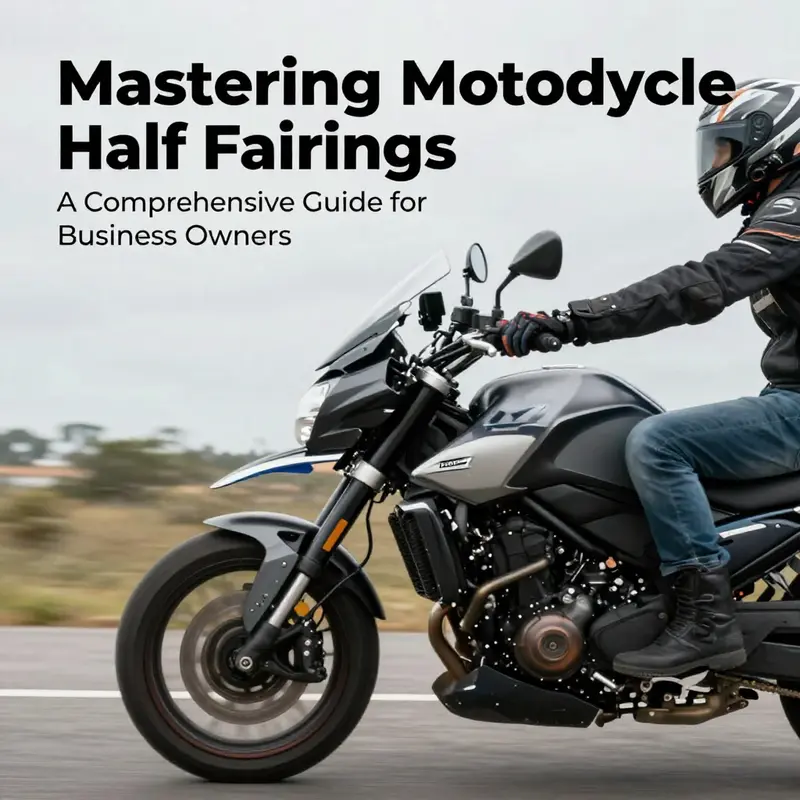
Half fairings occupy a thoughtful niche in the world of motorcycle design. They are not full enclosures, nor are they mere cosmetic add-ons; they are a practical compromise that speaks to riders who want a machine that moves efficiently, protects the rider from the worst wind and weather, and remains approachable for maintenance and customization. The chapter that follows treats half fairings as more than a style choice. It treats them as a rider-centered choice, capable of shaping daily commutes, spirited weekend rides, and longer journeys alike. In that sense, half fairings are less about chasing a single performance metric and more about weaving together several riding priorities into one integrated experience. This is where the benefits become most evident: not in a single, dramatic uplift, but in a steady, cumulative improvement across how a bike feels in the real world from sunrise to sunset.
Aerodynamics is the first vein in the story of half fairings. A well-shaped half fairing reduces the frontal area that the rider and bike must push through at speed, lessening drag without wrapping the entire bike in plastic. The result is a bike that behaves with a lighter touch at highway velocities. Fuel efficiency tends to improve when air is managed more cleanly, especially on longer rides where wind resistance compounds. And because the fairing covers only the upper portion, it preserves the bike’s illusion and feel of lightness while still performing its quiet job of slicing through air. Riders who prefer a sportier posture often appreciate how a half fairing blends with a windswept silhouette, giving a streamlined aesthetic without sacrificing the naked-bike sensation that some riders crave.
Wind management is the second pillar in this narrative. The wind blast that travels across a rider’s torso can accumulate fatigue over hours of riding. A half fairing, when paired with a purpose-built windscreen, creates a more forgiving wind envelope. The rider sits behind a shield that diverts a portion of the air away from the chest and shoulders, reducing fatigue from gusts and persistent vibration. This setup is particularly appealing for riders who log long weekday commutes or weekend sport-touring trips and who want a calm cadence rather than a constant wrestle with wind pressure. It is worth noting that the protection is not equal to a full fairing. The lower body remains exposed, but the top of the torso and the headlight area gain a degree of shelter that translates into better comfort at speed and more consistent throttle control.
Weather protection follows naturally from wind management. Even a modest shield can reduce rain spray and chilly air, keeping the upper body warmer on chilly mornings or during sudden showers. The result is a riding experience that feels more resilient to the vagaries of weather, which in turn reduces weather-induced riding decisions, such as pulling over too early or rushing through rain to reach shelter. Riders who are keen on year-round usability often find this aspect particularly appealing. The protection is never complete, but it is meaningful enough to influence comfort, confidence, and, by extension, willingness to ride in less than perfect conditions.
Weight and handling form another strand of the benefits. Compared with full fairings, half fairings are lighter. This reduction in weight, coupled with a lower overall mass, can contribute to a slightly easier steering feel and a more agile response in urban environments or tight twisting roads. The change is subtle, but for riders who benefit from precise, immediate feedback from the handlebars, it can be noticeable in daily maneuvers, parking, and corner entries. A lighter fairing also means the combined mass of the bike and its protective shell is closer to the rider’s center of gravity, which can aid balance when transitioning from straight-line cruising to cornering. The practical upshot is easier ground clearance management and more forgiving handling at lower speeds, where the rider most frequently makes corrections.
Maintaining accessibility is perhaps the most underappreciated advantage of half fairings. One of the main reasons riders gravitate toward this design is exactly the ease with which the engine and related systems can be inspected and serviced. The upper fairing portion opens up maintenance access to critical components such as the intake, coolant lines, and electrical connectors. This accessibility translates into real-world time savings during routine service or in the event of a minor repair. For riders who enjoy doing their own maintenance or who rely on quick turnarounds between rides, that ease of access reduces downtime and keeps the bike on the road more of the time. It also reduces the intimidation factor for new riders who are learning to perform basic checks—oil level, coolant, wiring, and fuses—without having to disassemble a full fairing or lie on the ground with tools under a mountain of plastic.
The aesthetic language of half fairings is part of their appeal. They offer a sportier, more integrated look than naked bikes while preserving a certain “open” honesty about the bike’s mechanical character. The lines can be clean and purposeful, echoing café racer and standard-machine silhouettes while still delivering practical benefits. This styling flexibility is valuable for riders who want their machine to express a personal identity—whether that means a classic, retro-inspired stance or a cleaner, modern edge. The opportunity for customization is a major draw. With half fairings, riders can select mounting styles, shapes, and surface finishes that harmonize with their bike’s geometry and their own taste. Material choices, most commonly high-grade ABS, provide a good balance of durability, impact resistance, and cost-effectiveness. ABS resists cracking from minor impacts and stands up well to the daily grind of street riding and occasional drops, which makes it a practical default in the aftermarket world. The customization journey becomes part of the rider’s ongoing relationship with the motorcycle.
A practical note on compatibility shapes the decision process. Half fairings must align with the bike’s model, year, and mounting points. A careful fit ensures clean airflow, reliable mounting, and unobstructed access to the headlight, instrument cluster, and the top of the engine. It also mitigates rattling and vibration that can occur if the fairing is poorly matched or flexes under load. When riders source aftermarket options, they look for fitment information, mounting hardware compatibility, and the ability to adapt to the rider’s preferred windscreen height and seating position. In this context, the marketplace and its fit-guarantee promises—present in many listings—become part of the practical decision-making process. They provide reassurance that the chosen half fairing will align with the specific motorcycle in question, minimizing the risk of a mismatch and the hassle of returns. A robust approach blends a careful physical check with a consideration of the rider’s priorities: lightweight feel for agility, protection where needed, and straightforward service access for maintenance.
For riders curious about how the half-faired look translates across brands and styles, a quick look at catalogs such as the Suzuki fairings can offer useful reference points. The catalog can illustrate how designers shape upper body coverage to maintain a balanced silhouette while providing practical access to key components. This kind of comparative view helps riders understand how small differences in mounting points, airflow shaping, and line integration influence the daily riding experience. It also underscores the broader truth that the appeal of half fairings lies not in a single feature but in how the features cohere into a riding experience that feels coherent from the first ride to the last stop of the day.
Beyond the design and mechanics, the decision to adopt half fairings is also a matter of lifestyle and riding goals. Commuters who ride in varied weather, sport-tourers who crave long-duration comfort, and café racers who want a lean, aggressive stance all find something in half fairings that aligns with their needs. For someone who uses the bike daily, the combined advantages of wind management, weather protection, and maintenance access translate into real-world benefits: a more comfortable ride at tempo, fewer interruptions for weather-related discomfort, and a more straightforward path to keeping the bike in top running condition. The half fairing’s contribution to fuel economy is not a dramatic multiplier; rather, it is a consistent, incremental improvement that compounds with higher speeds and steady cruising. Over time, those small advantages accumulate into a notable reduction in fatigue and a smoother, more relaxed riding rhythm that keeps the rider engaged rather than overwhelmed by the elements.
In closing, the half fairing represents a pragmatic, rider-centric design philosophy. It is the middle ground that respects the rider’s desire for protection and aesthetics while honoring the practical realities of maintenance and ownership. It is not a one-size-fits-all solution; rather, it is a flexible platform from which riders tailor their machines to their local roads, climate, and personal style. The benefits—clear wind and weather protection at the top, enhanced aerodynamics, lighter weight, ease of maintenance, and abundant customization potential—coalesce into a riding experience that feels balanced rather than compromised. For many riders, this balance is precisely what the journey demands: a bike that moves efficiently, shields the rider from wind where it counts, and remains approachable for the business of keeping a motorcycle in motion day after day.
External resource: https://en.wikipedia.org/wiki/Aerodynamics
Material Matters and Fit: Selecting a Half Fairing with Style, Protection, and Performance
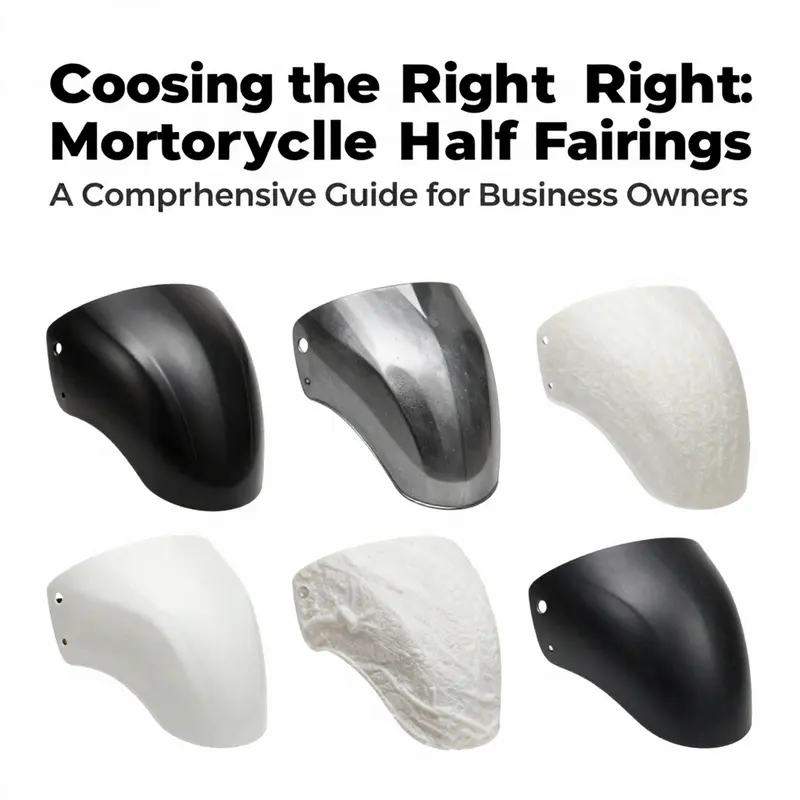
A motorcycle half fairing sits at a practical crossroads. It is not a full shield, yet it is more substantial than nothing at all. For riders who want better wind management, a cleaner, more integrated look, and easier access to the engine and bearings, the half fairing offers a thoughtful compromise. The way a half fairing performs and how long it lasts depend almost entirely on two intertwined decisions: the material it is built from and how precisely it fits the machine it is meant to adorn. Those choices ripple through every ride, affecting comfort, handling, maintenance, and even the bike’s quiet personality when the throttle opens and air glides over the rider’s torso and shoulders. In this space, where practicality meets aesthetics, material selection and compatibility form the quiet backbone of a successful upgrade. The first factor that riders encounter when weighing options is the material. ABS plastic is the most common starting point. It brings a balanced blend of strength, impact resistance, and affordability that suits daily riding in varied weather. ABS can absorb minor impacts without cracking, and its manufacturability allows manufacturers and retailers to offer a broad range of shapes and finishes. For riders who ride through a mix of urban, highway, and occasional backroad sessions, ABS is a solid, long-lasting choice because it resists dents and holds paint well enough to maintain a clean, crisp look over time. It is also forgiving to repair, which matters when a fairing encounters gravel, curbs, or potholes on rough days. Fiberglass is the next notch up in rigidity and customization. Compared to ABS, fiberglass panels tend to feel stiffer and can be tuned with finer details for a more exact fit along the bike’s curves. The finish can be tailored, and complex contours that echo a model’s lines are achievable without the high cost of carbon fiber. Yet fiberglass has its caveats. It is heavier than ABS, which can modestly affect the bike’s dynamics, and it can crack if subjected to a sharp impact. The repair process for fiberglass is different from ABS, often involving resin repair and sanding to reestablish the intended surface geometry. For riders who want a more sculpted appearance or a finish that can be precisely matched to intricate paint schemes, fiberglass offers a compelling combination of form and function, provided the installation is meticulous and the mounting points are kept true. Carbon fiber represents the premium end of half fairings. The allure here goes beyond looks; carbon fiber delivers a remarkable strength-to-weight ratio that translates into less overall mass and a more efficient airflow profile. The stark, weave-rich aesthetic is a visual cue of performance intent. However, the price tag is a real consideration. Carbon fiber parts are less forgiving of mistakes during fabrication and installation, and they require careful handling to avoid fiber print-through and micro-delamination under stress. For riders who care deeply about weight reduction as part of a broader performance strategy, and who want a high-end finish that complements a sport-tfocused stance, carbon fiber can be a compelling long-term investment. It is also the material that tends to attract attention in the shop and at the track, where every gram shaved matters. Beyond the material itself, compatibility sits at the heart of any fairing choice. Regardless of whether a panel is ABS, fiberglass, or carbon fiber, the half fairing must align with the frame and mounting points on the specific model. Even small misalignments can alter the aerodynamics enough to affect stability at speed, distort the header proximity to the headlight and instruments, or create friction with the front wheel or forks. Precision here is not just about making the piece sit neatly; it is about preserving the bike’s intended airflow, protecting vital components, and keeping the rider safe from any contact or snag points during aggressive cornering or sudden gusts. This is why the fitment process is not a convenience but a necessity. Before committing to a purchase, verify fitment against the model’s official specifications or consult with a reputable supplier who can confirm that mounting points, screw threads, and contour lines align with your bike’s geometry. The practical implications of compatibility go even deeper. A half fairing that is too tall or too wide can alter the bike’s steering feel, especially at higher speeds where wind loads begin to influence the balance of weight and control. A misaligned fairing can interrupt the air stream in ways that provoke buffeting, which rattles the rider and can fatigue the neck and shoulders during long rides. It can also interact with the instrumentation or the headlight assembly, obscuring gauges or creating stray reflections that hinder visibility. Conversely, a well-matched fairing respects the bike’s original design intent. It reduces unnecessary drag, smooths the airflow over the rider, and helps maintain the focused, upright riding posture preferred for daily commuting or touring. This is not a cosmetic exercise; it is a biomechanical and aerodynamic collaboration between the rider, the bike, and the fairing itself. Riders who lean toward more extended rides often think of the half fairing as a shield that balances protection and accessibility. In this light, the choice of material can influence not just aesthetics but also practical maintenance. ABS builds on durability with lower repair costs and simpler refinishing processes after impact or scratches. It tolerates a wider range of temperature swings and humidity, which is particularly useful for riders who face morning dew and evening heat fluctuations. The upshot is a fairing that can endure everyday conditions without demanding specialized care. Fiberglass, while offering superior rigidity, can demand more attention to moisture management and crack repair if the sheet is stressed in a sharp impact. It rewards careful handling and thoughtful finishing work, particularly for riders who want a more custom look or a precise contour alignment with a model’s lines. Carbon fiber, with its light touch and high stiffness, asks for thoughtful handling and robust mounting hardware. When installed correctly, it contributes to a feeling of agile precision on the bike, a sensation a rider can notice every time the road opens up. Fitment is not a one-and-done step. It is a process that begins with accurate measurement and ends with an informed, install-ready assessment. Some riders approach this as if installing a piece of a puzzle, checking each mounting point, bolster, and edge for alignment and clearance. Others rely on professional installation to ensure the fairing’s contour mirrors the bike’s lines exactly, preserving the visual flow from the fuel tank to the tail. Either way, the goal remains identical: a seamless integration where fasteners pull the pieces into a precise, symmetrical shape with even gaps and a uniform interface to the surrounding panels. And once it is in place, the fairing should feel like it belongs to the bike, not an add-on that was tacked on to satisfy a momentary impulse. The mark of a quality fit is not only how it looks at rest but how it behaves under wind pressure, cornering loads, and the routine vibrations of daily riding. In the broader sense, a well-chosen half fairing offers more than a protectedly clean silhouette. It anchors a rider’s comfort on long trips by reducing wind fatigue and limiting weather exposure without surrendering the open, accessible character of the naked bike lineage. For sport-touring and commuting setups, this combination can translate into smoother highway runs, improved fuel efficiency at speed, and easier engine access when maintenance or adjustments are needed. A well-executed half fairing becomes a piece of the bike’s persona, echoing the rider’s preference for a streamlined presence without the full bodily commitment of a complete fairing. This is where the decision to select the right material and verify compatibility merges with the rider’s goals and riding style, producing a machine that feels more cohesive and efficient at every mile. For riders who want to explore compatible options beyond a single model, the journey can be guided by broad catalogues that group fairings by platform and mounting approach. A practical starting point is to examine a dedicated catalog of fairings that aligns with your bike’s architecture and mounting philosophy. That approach makes it easier to compare how different materials respond to similar mounting points while preserving the bike’s geometry and handling characteristics. When you locate a kit that promises a precise fit, you gain more than just a new look; you gain a tested alignment that respects the bike’s wind envelope and the rider’s posture. Such a thoughtful selection process can yield a half fairing that looks integrated and performs reliably, turning a mid-market upgrade into a meaningful, durable improvement. As you weigh the options, keep in mind the value of a measured approach to installation and finish. A well-prepared surface, proper sealants, and correct torque on mounting bolts all contribute to the lifecycle of the fairing. The material, the fit, and the mounting hardware together define how long the fairing will stand up to transport vibrations, road debris, and weather exposure. A successful half fairing project, then, is less about chasing the latest trend and more about choosing a solution that fits your bike’s geometry, your riding climate, and your daily routine. It is about balancing style with protection and performance, ensuring that every mile feels just right because the combination of materials and fit makes sense for the machine and the rider alike. For riders who want to delve deeper into the selection framework, a detailed, model-agnostic guide is available from a respected resource on motorcycle interiors and related components. This reference can illuminate measurement techniques, installation considerations, and common buyer mistakes, helping ensure your purchase yields the intended benefits. Internal catalog explorations, paired with careful fitment checks and a clear view of your riding goals, can transform a half fairing from a casual upgrade into a deliberate modification that respects the bike’s original character while enhancing comfort and efficiency. To start exploring compatibility options featured in model-specific catalogs, you can browse the Kawasaki fairings catalog for a sense of how similar bikes approach the same design problem and how mounting demands shape the final look. Kawasaki fairings External resource: For a concise guide that covers fundamentals and practical steps in choosing the right motorcycle fairing, consult this established reference: https://www.carinterior.com/motorcycle-fairing-guide-how-to-choose-the-right-one
Between Wind and Accessibility: The Subtle Advantage of Half Fairings in Modern Motorcycling
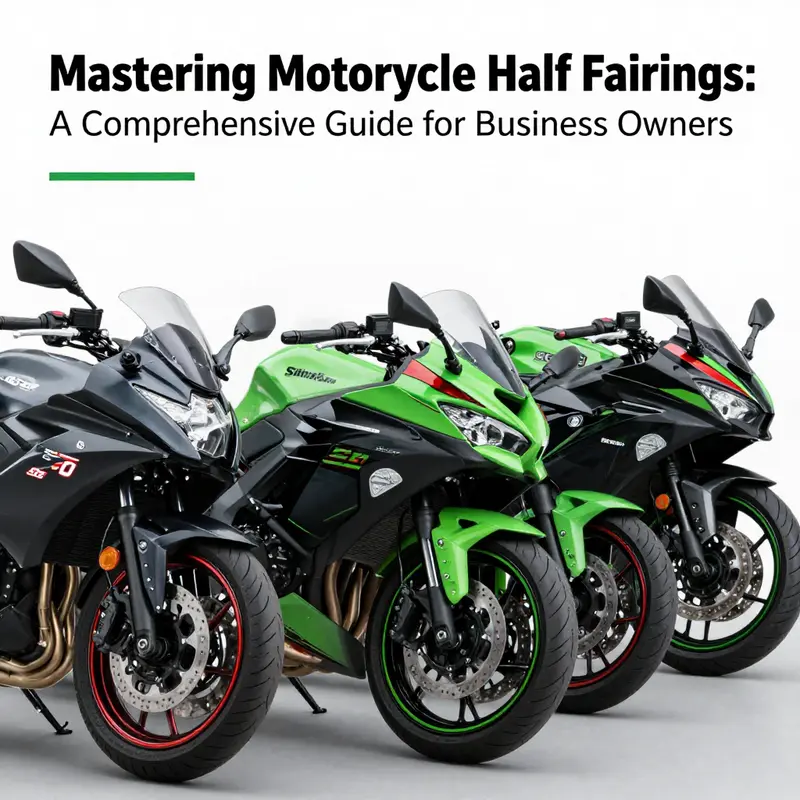
Riding a motorcycle is often a game of balance. Riders weigh protection against performance, style against practicality, and aerodynamic efficiency against everyday accessibility. Half fairings sit at the heart of that balancing act. They blanket the upper portion of the machine—usually the headlight, instrument cluster, and the upper frame area—while leaving the lower engine, forks, and radiators exposed. This layout is not an accident or a cosmetic choice alone; it is a thoughtful compromise designed to offer meaningful wind protection without sacrificing the tactile intimacy riders expect with the bike they own and ride every day. In that sense, half fairings are less a niche feature and more a philosophy of design that respects the rider’s needs as much as the bike’s mechanical heart. They provide a middle ground where aerodynamics, accessibility, and weather protection converge, producing a riding experience that can feel both nimble and capable, depending on how the bike is put to work.
From a wind perspective, half fairings reduce the direct wind pressure that comes off a naked bike. The top portion acts as a shield against gusts and turbulence that can buffet a rider at highway speeds, especially when the wind is coming from the rider’s chest or shoulders. However, because the lower portions of the bike remain exposed, the half fairing does not attempt to channel air as aggressively as a full fairing; it instead shapes a streamlined silhouette that lowers drag compared to a naked setup but stops short of the added complexity that full protection entails. The result is a predictable, more manageable wind experience for a broad range of riding styles. For daily commuting, the midsize protection can translate into a calmer cockpit at speed and during long highway stints, especially when a separate windscreen is chosen to tune the ride height and the amount of buffeting that travels through the cockpit.
Material choice further shapes the character of a half fairing. Most aftermarket or factory half fairings rely on high-grade ABS plastic because it blends durability with cost efficiency. ABS resists impact well enough for everyday mishaps and offers reasonable resistance to the sun’s ultraviolet rays when properly treated and painted, which matters for riders who spend long hours in the sun. In more performance-focused or bespoke builds, you might encounter composites such as fiberglass or carbon-reinforced materials. These bring stiffness and a lighter touch but can raise price and repair complexity. The trade-off is clear: a robust, airworthy shell that doesn’t demand the heavier structural framework of a full fairing can be a prudent choice for riders who value ease of maintenance and the freedom to repair with conventional tools.
Aesthetics and ergonomics are inseparable in this conversation. The half fairing’s shape typically follows the bike’s overall lines, aiming for a clean, integrated look that nods to sportier intentions without turning the machine into a wind-tunnel sculpture. The upper fairing often houses the instrument cluster in a way that keeps vital information within easy sightlines while still preserving a cockpit that feels open and approachable. The interplay between the fairing’s contour and a rider’s posture is crucial; a well-matched windscreen can complement the fairing by smoothing airflow over the torso and head, reducing strain on the shoulders and neck on longer rides. The windscreen, in this sense, is not merely a shield but a partner in the overall aero package. Together, the half fairing and windscreen become a tuned system rather than a single component.
Riders who lean toward sport-touring, adaptable daily riding, or café-racer aesthetics often gravitate to half fairings because they deliver practical versatility. The design permits quick engine access for routine maintenance—oil checks, filter swaps, or spark plug service—without the need to disassemble a full shell. That accessibility is not just a matter of convenience; it reduces downtime and encourages riders to perform quick checks and tune-ups themselves, reinforcing a hands-on, maintenance-friendly ownership experience. In the crowded space of mid-to-high-end bikes, the half fairing represents pragmatic engineering: it respects the rider’s time, the bike’s heart, and the road’s variable demands.
Choosing a half fairing, then, becomes a matter of compatibility and finish. Compatibility matters more than novelty because the half fairing must fit the frame geometry, mounting points, tank silhouette, and headlight assembly of a specific motorcycle. The aftermarket ecosystem is rich, with options from many reputable manufacturers that emphasize fit and durability. When evaluating candidates, riders should cross-reference fitment guides with their exact model year and any notable variations in trim or subframes. A well-engineered half fairing will align with the bike’s lines at a glance and feel secure when mounted, with fasteners that sit flush and weather-sealed seams that keep dampness and dust at bay. Aesthetics, too, play a significant role. The paint finish, ribbing, and edge profiles should mirror the bike’s personality: a sportier silhouette benefits from sharp lines and tight gaps, while a café-racer or standard bike often reads best with a smoother, minimalistic edge that favors simplicity over aggressive contouring.
The purchase process, particularly for riders who prefer to source parts without visiting a shop, has evolved to emphasize fit guarantees and clear fitment data. A common reality is that a well-made aftermarket half fairing can dramatically improve a bike’s presence—altering not just aerodynamics but also the perceived value of the entire machine. One practical path to ensure a good match is to consult dedicated fitment guides and catalog pages that group fairings by make or by the family of models they visually align with. In many cases, that catalog includes suggested color-matching options, mounting hardware compatibility notes, and revisions that address common mounting challenges or cumulative alterations in newer bike generations. The aim is to reduce the guesswork and ensure a visually cohesive installation that respects the bike’s ethos. For riders who want a broad sense of what is possible, exploring a general catalog can be enlightening, and a specific brand page may reveal options that feel tailor-made for one’s intended build. Within the broader ecosystem, one can find reliable references that guide the selection toward a half fairing that harmonizes with the bike’s frame, fuel tank curvature, and rider geometry.
For riders who want a concrete sense of availability and selection, a practical step is to review catalogs that present fairings by brand and model family. If you’re curious about how a particular brand approaches the half-fairing concept and how those options integrate with a bike’s existing styling cues, a visit to the Suzuki fairings catalog offers a clear snapshot of how the design language translates across multiple mid-range sport-touring and standard models. The catalog presents a range of shapes, mounting options, and finishes that illustrate how half fairings can honor a bike’s silhouette while delivering tangible wind protection and serviceability. The link below provides a direct pathway to that concept in a format that many riders find approachable and informative: Suzuki fairings catalog.
Beyond the practicalities of fit and finish, the environmental and economic dimensions of half fairings deserve attention. A half fairing’s impact on fuel economy is modest but real, especially on longer rides at highway speed where even small reductions in drag translate into meaningful savings over time. The decision to install or upgrade a half fairing can thus be framed not only as an aesthetic or aerodynamic improvement but also as a pragmatic investment in comfort and efficiency. For riders who log substantial highway miles or who value a calmer, more controlled aerothermal environment, the half fairing can be a meaningful contributor to long-term riding enjoyment. In addition, the modular nature of half fairings makes them an appealing platform for tasteful customization that respects the bike’s original intention while enabling a rider to express personal taste through color, finish, and hardware accents.
Maintenance considerations, too, are part of the conversation. With any fairing, care should be taken to inspect mounting points for signs of stress or cracks, especially after a minor tip or a parking lot bump. The exposed lower engine and frame areas beneath a half fairing are not left unprotected; they rely on the fairing to divert weathering and road spray. A well-maintained half fairing system includes regular checks of the fasteners, seals, and painted surfaces to prevent corrosion and moisture intrusion. Cleaning should be gentle and comprehensive, focusing on seams and edges where dust can accumulate. If a repair is necessary, the ease of access to the engine bay is a practical advantage—engine removal or fairing replacement often becomes a straightforward exercise rather than a disassembly drill. The overall truth is that a half fairing invites a rider to engage more deeply with the bike’s ongoing care because the parts are approachable, the maintenance tasks are clear, and the integration with the machine’s mechanical core remains intimate rather than obscured by heavy panels.
In the broader arc of motorcycle design, half fairings reflect a philosophy that values versatility without sacrificing form. They acknowledge that not every rider seeks the uniformity of a full sport bike shell or the minimalism of a naked bike. Instead, they welcome riders who want mid-range wind protection, energy-efficient performance, and straightforward access to the bike’s heart. The resulting machines feel balanced and adaptable, ready for daily commutes that stretch into weekend rides, and capable enough to handle urban traffic, open highways, and curvy back roads with equal poise. This adaptability is perhaps the most convincing argument for half fairings: they respond to real-world riding where the road is unpredictable, and the rider’s priorities can shift from one day to the next.
As the conversation about motorcycle half fairings continues to evolve, the emphasis remains on compatibility, practical performance, and authentic riding pleasure. The half fairing is not merely a protective shell; it is a design statement about how riders value access, upkeep, and the rhythm of every ride. It invites evaluation not only of how a bike looks in a showroom but also of how it behaves on a daily basis when the road becomes the true test. For those exploring options, the journey through catalogues and fitment guides is part of the process that leads to a final choice—one that embraces wind comfort, ease of service, and the integrity of the bike’s original character. If you want a practical starting point for exploring compatible options, the Suzuki fairings catalog offers a representative glimpse into the kind of design language and fitment precision that many riders expect when they decide to move beyond naked styling while avoiding full enclosure. This approach, grounded in compatibility and everyday usability, makes half fairings a compelling, enduring choice for a broad spectrum of riders.
External resources can further illuminate how half fairings fit into broader riding goals. For a broader marketplace view and to see current listings that reflect real-world availability, explore the external reference: https://www.ebay.com/sch/i.html?nkw=Motorcycle+Half+Fairings&sacat=0&LHTitleDesc=0&sop=15
Riding the Balance Sheet: The Economic Pulse of Aftermarket Half Fairings in the Modern Motorcycle Market
The rise of the motorcycle half fairing sits at a quiet crossroads where performance, protection, and practicality converge into a compelling economic argument. These mid-coverage shells occupy a middle ground between full, invasive aerodynamics and the naked, unfettered exposure of a minimalist bike. They offer a nuanced value proposition: small but meaningful gains in wind management and weather protection, coupled with accessible price points and straightforward maintenance access. This blend translates into a distinctive market dynamic. When riders weigh the costs and benefits of a customization upgrade, half fairings emerge as a sensible investment that can alter the economics of daily commuting, weekend sport riding, and long-distance touring alike. A practical entry point—often starting near modest price thresholds for ABS plastic variants—lowers the barrier to entry for a broad audience seeking tangible improvements without the higher outlay associated with full fairings. The result is a diffusion of modification across a wide spectrum of riders, from budget-conscious commuters to enthusiasts chasing a more refined silhouette and enhanced aerodynamics, all of which sustains steady demand and repeat purchases in the aftermarket ecosystem.
At the heart of the economic appeal is wind deflection. Half fairings deflect a significant portion of the wind at moderate speeds, transforming rider comfort on longer rides and reducing fatigue. This comfort carries a monetary logic: riders who experience less wind stress on a daily basis may ride more, log more miles, and view the bike as a more versatile companion rather than a constrained machine. The maintenance story reinforces the appeal. Unlike full fairings, which demand careful disassembly to reach the engine and mechanicals, half fairings unlock easier access to vital components for inspection and service. A quick check of filters, belts, or couplings becomes less disruptive, translating into lower labor time and, over the course of ownership, reduced maintenance downtime. In markets where labor costs climb and service times matter, that convenience is itself a form of value, a savings that compounds with repeated servicing and seasonal work-ups.
The price dynamics of half fairings cast a strong shadow over buying behavior. In many regional markets, ABS plastic variants can be found at price points that are approachable for a wide cohort of riders. This affordability widens the pool of potential buyers, fueling volume and, in turn, diversification of product lines as manufacturers and artisans compete to offer better fit, smarter mounting hardware, and more durable finishes. The affordability factor also makes half fairings appealing as a first major upgrade for new riders who are still learning how to accessorize responsibly. When the upfront cost is modest and the potential payoff is clear—improved aerodynamics, a cleaner look, and better shielding from the elements—the decision to invest becomes less risky and more routinized. In turn, this stimulates a broader aftermarket economy, inviting more shops, fabricators, and designers to participate, driving competition and encouraging continuous improvement across materials, fitment, and finishing.
Market data from the broader fairing segment underscores the momentum behind these mid-range upgrades. A global market valued in the early billions reflects a healthy appetite for customization and performance enhancements that are economical relative to full fairings. Growth forecasts through the 2026–2033 horizon emphasize expanding opportunities driven by rider demand for customizable, performance-enhancing accessories that can tune airflow and fuel efficiency without imposing heavy weight or complex installation. Half fairings contribute to airflow management in ways that can complement other components—such as lowers or race cowling kits—pushing not only comfort but also energy efficiency at speed. The cumulative effect of these small aerodynamic improvements is a rider experience that feels more controlled and composed, which, in turn, supports longer rides and a broader geographic appeal for enthusiasts who crave regional touring without sacrificing performance.
A wider consumer base has emerged as a direct consequence of the availability and versatility of half fairings. The rise of cafe racer sensibilities, sport-standard configurations, and adventure-touring setups has broadened the appeal, inviting riders with varied goals to explore aftermarket upgrades that harmonize form and function. In this expanding landscape, universal designs and adaptable fitment strategies have become the backbone of a dynamic product ecosystem. As more riders seek to tailor their machines to personal aesthetics and practical needs, the market sees heightened competition among manufacturers and artisans. This competition drives material innovation—lighter plastics, more robust composites, and coatings that resist impact and UV exposure—while also refining manufacturing standards to ensure consistent fit across a wider array of models. The result is a more resilient supply chain that supports employment, skilled labor, and R&D investment across the aftermarket sector.
The economic ripple extends beyond the rider’s wallet to touch small- and medium-sized enterprises that form the backbone of the aftermarket economy. Independent fabricators, small shops, and regional distributors contribute to a robust, localized supply chain that not only creates jobs but also fuels knowledge transfer and capability-building. Investment in design, testing, and quality control becomes a recurring theme as firms strive to outperform competitors and deliver durable, aesthetically appealing parts. This ongoing R&D activity feeds back into product quality and reliability, reducing returns and dissatisfaction while promoting a stronger brand narrative around value, longevity, and performance. In markets where consumer confidence in aftermarket components hinges on fit and durability, the emphasis on rigorous testing and standardized mounting interfaces helps sustain trust and repeat business, a critical element in the long-term health of the sector.
Fitment certainty emerges as a central factor in the economic narrative of half fairings. Compatibility with specific makes and models reduces the risk of ill-fitting parts, minimizes installation friction, and lowers the likelihood of post-purchase returns. The ecosystem supporting fitment—ranging from detailed technical guides to standardized mounting patterns—becomes a valuable service layer that adds efficiency for retailers, repair shops, and owners alike. This attention to fit and finish also enhances the resale value of modified bikes, preserving equity for owners who invest in high-quality components and ensuring continued demand as models evolve. The market’s emphasis on fitment and ease of service reinforces the idea that half fairings are not merely cosmetic; they are practical upgrades that integrate gracefully with a rider’s broader maintenance and lifecycle planning. For those curious about how compatible options vary across regions, the Suzuki fairings catalog offers a representative glimpse into the aftermarket ecosystem and the practical implications of model-specific fitment.
The interplay between aftermarket offerings and original equipment strategies shapes how manufacturers and retailers think about the long arc of the category. Aftermarket half fairings do not merely fill a niche; they broaden the accessibility of aerodynamic improvements and protective features, allowing a wider audience to participate in performance-oriented customization without the weight penalties or cost of full fairings. This democratization of performance—made possible by modular design, standardized mounting, and more economical materials—reconfigures the traditional calculus of ownership. Riders who previously viewed aerodynamic upgrades as out of reach may now consider them a routine, incremental enhancement, reinforcing the habit of maintenance, upgrade, and optimization as part of a rider’s ongoing relationship with the machine.
The cumulative economic impact also ripples into workforce development and regional commerce. As the market for half fairings expands, training opportunities for technicians, fabricators, and designers grow in tandem. Shops that specialize in fitting and finishing these components gain visibility and clients, while platform-based marketplaces that curate compatible options help streamline procurement and reduce transactional friction. This injected efficiency aligns with broader trends toward modular, repair-friendly design philosophy in the motorcycle world, where parts are expected to be replaceable, repairable, and upgradable without unnecessary downtime or cost escalation. The result is a more resilient ecosystem capable of sustaining employment, encouraging experimentation, and driving iterative improvements that benefit riders and suppliers alike.
For readers seeking a broader lens on the market, the macroeconomic context matters as much as the microeconomics of a single upgrade. The half fairing segment benefits from a steady push toward lightweight, durable materials that balance cost with performance. The accessibility and value proposition of these components induce higher purchase frequency and longer ownership cycles, supporting steady revenue streams for retailers and manufacturers. This durability–affordability nexus helps maintain demand even as other sectors of the motorcycle market see cyclical fluctuations. It also encourages cross-category synergy, where riders combine half fairings with other aerodynamics or weather-protection accessories to tailor a bike’s overall performance profile for specific riding styles or climates. The net effect is a market that grows not only through new buyers but also through more creative and durable configurations that retain value over time.
For a broader market view, see MarketsandMarkets’ extended analysis of the motorcycle fairing sector: https://www.marketsandmarkets.com/Market-Reports/motorcycle-fairing-market-1485.html
Final thoughts
Motorcycle half fairings embody a critical intersection between performance, aesthetics, and practicality within the motorcycle industry. For business owners, understanding their design, benefits, and market dynamics can enhance customer satisfaction and potentially increase sales through informed offerings. By selecting the right materials, ensuring compatibility with popular models, and acknowledging the economic impact of aftermarket proprietary products, businesses can better cater to the needs of riders seeking that ideal blend of protection and style on the road.