
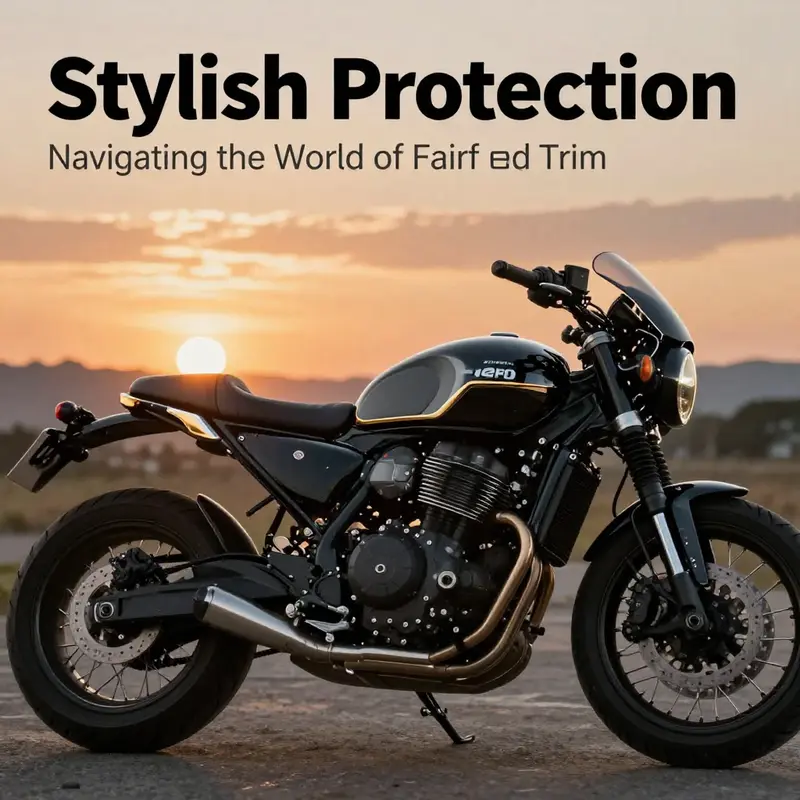
Motorcycle fairing trim is more than just a decorative feature; it’s a key component that enhances both the appearance and performance of a motorcycle. For business owners in the motorcycle industry, understanding the importance of fairing trim is crucial to cater to a niche but vital clientele. This article delves into various aspects of fairing trim, from types and aesthetic benefits to installation techniques and economic impacts. Each chapter will equip you with comprehensive knowledge to help your customers make informed decisions, maximizing both their satisfaction and your business’s growth.
Edges with Purpose: How Motorcycle Fairing Trim Shapes Aerodynamics, Comfort, and Style
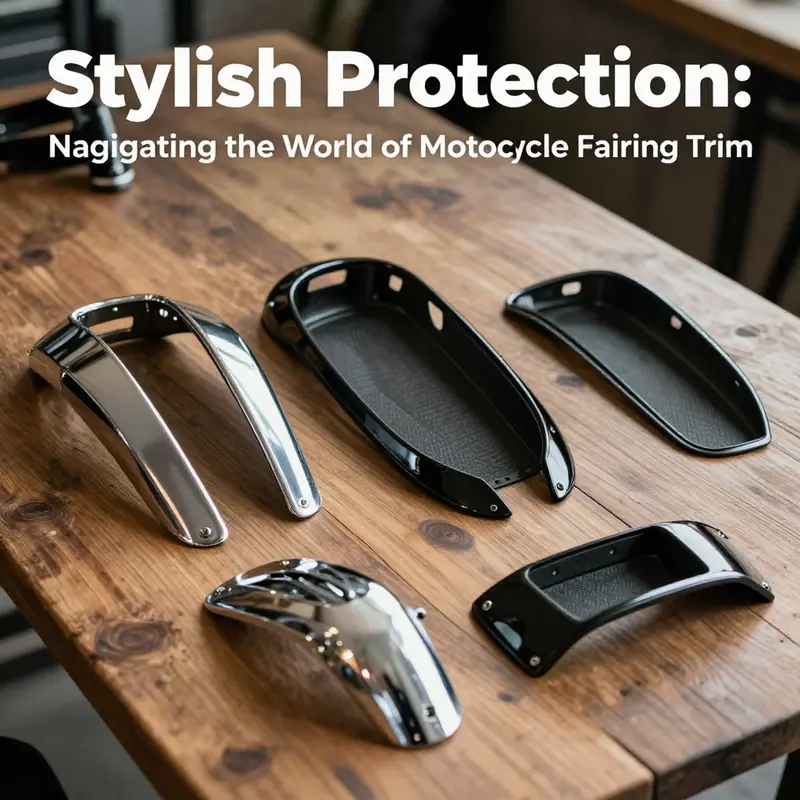
Edges and seams are not afterthoughts on a motorcycle; they are the quiet edges of performance. The fairing that wraps a bike is a carefully shaped shell, and the trim that finishes its margins works to harmonize function with form. When riders talk about trim, they often mean chrome highlights or color accents, but the truest value lies in how these pieces interact with air, wind, and the rider’s experience. Trim is where aesthetics meet physics. It is the subtle calibration that can soften the wind across a rider’s chest, quiet a rattling seam at speed, or lock in the lines of a design so the bike feels both fast and intentional. In this sense, trim is not mere decoration; it is a practical interface between machine and environment, a practical belt and buckle that keeps the whole garment from fluttering apart under pressure or age.
Among the most important roles trim plays is guiding the flow of air around the bike. Aerodynamic spoilers or winglets, for example, are small protrusions that anchor to the leading or trailing edges of the fairing. While they are visually understated, their impact on handling at speed can be meaningful. Properly positioned, these features redirect turbulent air, reducing drag and rechanneling forces so the front end remains stable when the rider presses into corners or rides through gusty crosswinds. The effect is not merely a test in the wind tunnel; it translates on the road as improved steering feel and a steadier sense of control. The aim is a clean, continuous airflow that keeps the bike planted, letting the rider concentrate on line choice rather than compensating for buffeting that otherwise echoes through the cockpit. The goal is subtlety: a trim piece that does not shout its presence yet quietly reinforces confidence when the pace climbs.
Side fairing strips and accents perform a complementary duty. They are often crafted from plastics, composites, or metal and can be simple or elaborate in profile. Beyond aesthetics, they function as wind guides along the sides, interrupting vortex formation that would otherwise peel away from the fairing edges. In designs where textures or ribbing are used, the aim is to disrupt coherent swirling patterns and reduce wake stall, contributing to a smoother airflow path. Even when a rider is cruising at modest speeds, these trims help to minimize drag-induced fatigue and create a more effortless ride. Aesthetics play a role here too, because well-executed side accents can lend depth and gravity to a bike’s silhouette, making the entire chassis look more cohesive and deliberate.
The front of the bike often hosts integrated handlebar or windscreen trim, a junction where form meets function in a highly personal way. This trim is responsible for clean edges around the windshield and the faux or real handlebar area, but it also participates in wind management. Subtle contours in the trim can redirect a portion of wind away from the rider’s chest and face, reducing buffeting on long rides. The effect is cumulative: less fatigue after hours in the saddle, better comfort on uneven roads, and a more composed riding posture. When the wind comes up, a well-tuned edge can make the difference between a tense, braced ride and a smooth, controlled one. It is here that the art of trim becomes a matter of ergonomic comfort as much as visual polish.
Lighting and reflector trims add a different, equally vital dimension. Integrated LEDs, covers, or reflective strips along fairing edges enhance visibility and safety in low-light conditions. They are about being seen as much as being seen well, and they fuse safety with a premium appearance. The modern approach to lighting trim is built to endure weathering and vibration while maintaining a crisp, continuous line with the fairing. Strips and covers must be sealed and precisely aligned to avoid accumulating moisture or introducing rattles into the cockpit. In essence, lighting trim is where the motorcycle’s daylight aesthetics meet its night-time responsibilities, offering a practical glow that makes the bike more legible to other road users without overpowering its design language.
Inside the fairing, inner trim panels provide a different kind of refinement. These panels cover gaps and junctions, silencing creaks that may emerge as the bike ages or the weather cycles through heat and cold. They also protect against abrasion where plastic or composite edges might otherwise rub against metal mounts or wiring harnesses. The inner trim does not seek attention; its importance lies in the quiet, consistent finish it offers every mile. A well-fitted inner trim can improve the overall perceived quality of a bike, giving riders a sense of a lovingly engineered cradle around the steering and instrumentation rather than a fragile shell prone to rattles and chips. In this sense, inner trim is the unsung guardian of durability and comfort, ensuring that daily use does not erode the bike’s tactile feel.
The windshield trim is another crucial detail that speaks to both edge finishing and wind behavior. A precise edge around the glass or plexi not only enhances the bike’s lines but also minimizes the chance of water ingress or edge chipping when faced with road spray or debris. A firm, well-seated trim around the windshield helps keep wind at the rider’s chest at bay while preserving a direct line of sight and reducing the chance of buffeting that can contribute to fatigue on longer trips. The windshield trim, in this sense, performs as a bridge point: integrating the glass with the broader fairing shape while quietly contributing to rider comfort through a refined edge that reduces turbulence at key contact points.
Material choices and finishes influence how trim ages and how it communicates the bike’s personality. Chrome and polished metal evoke a classic or touring aesthetic, while color-matched trims blend with factory lines for a seamless, factory-finish appearance. Carbon fiber or brushed metal accents can convey a sportier, high-performance sensibility. The trick is balancing durability with the look you want. Chrome, for instance, demands regular care to maintain its luster, while painted or color-matched trims must resist UV fade and paint cracking. Carbon fiber demands careful mounting to avoid crack propagation under vibration. Each material has its own story of maintenance and longevity, and the rider’s choice will shape how the bike reads from a distance and feels up close during a long ride.
For riders who care about compatibility and fit, the importance of verifying model and year-specific fit cannot be overstated. A trim piece that looks right on a stand may not align with the contours of a particular fairing série or year of manufacture. Good-fit trim aligns with the fairing’s radii, mounting points, and fastener patterns so that gaps are minimized and the overall silhouette remains uninterrupted. This careful alignment matters because even small misalignments can create wind pockets, increase vibration, or invite rattles that undermine the ride experience. In practical terms, choosing trim for a given bike is not about chasing the latest trend but about matching the bike’s geometry, recognizing that the fairing is a system with aerodynamics, acoustics, and endurance built into every seam. The goal is a cohesive whole in which trim supports the fairing’s function without forcing a compromise in strength or reliability.
As with any modification or addition to a motorcycle’s bodywork, installation and care play major roles in the long-term performance of fairing trim. Proper cleaning before installation, the use of appropriate fasteners, and correct torque for screws and clips help ensure the trim remains secure through vibrations, temperature swings, and road debris. Regular inspection of edges, seals, and mounting points can prevent rare but disruptive failures, such as edge separation or trim delamination. The best outcomes come from trims designed to work with the bike’s existing geometry and from parts produced to exacting tolerances by manufacturers who understand the stresses their pieces will face on the road. When trim is done right, the bike looks finished, performs predictably, and invites the rider to focus on the road rather than the hardware at the edge.
For readers curious about how trims sit within the broader ecosystem of fairing design, a deeper look at how trims integrate with overall fairing geometry can prove enlightening. One practical way to glimpse this is to explore the broader range of fairing components, such as those offered in the Yamaha fairings category. This collection demonstrates how trim elements align with production lines and how a cohesive finish supports the intended aerodynamics and aesthetics of the bike. Yamaha fairings provide a tangible example of how trim silhouettes can echo and complement factory lines while still allowing for personal customization. In the end, trimming is about achieving a balance between the eye and the wind, the voice of the bike and the rider’s hands, and the light that makes a chassis look as fast as it feels.
External resource for further context: BikeExif offers a concise explanation of how motorcycle fairings work and why trims matter in shaping aerodynamics and rider comfort. https://www.bikeexif.com/motorcycle-fairings-explained
Finishing Touches on the Ride: The Aesthetic and Functional Power of Motorcycle Fairing Trim
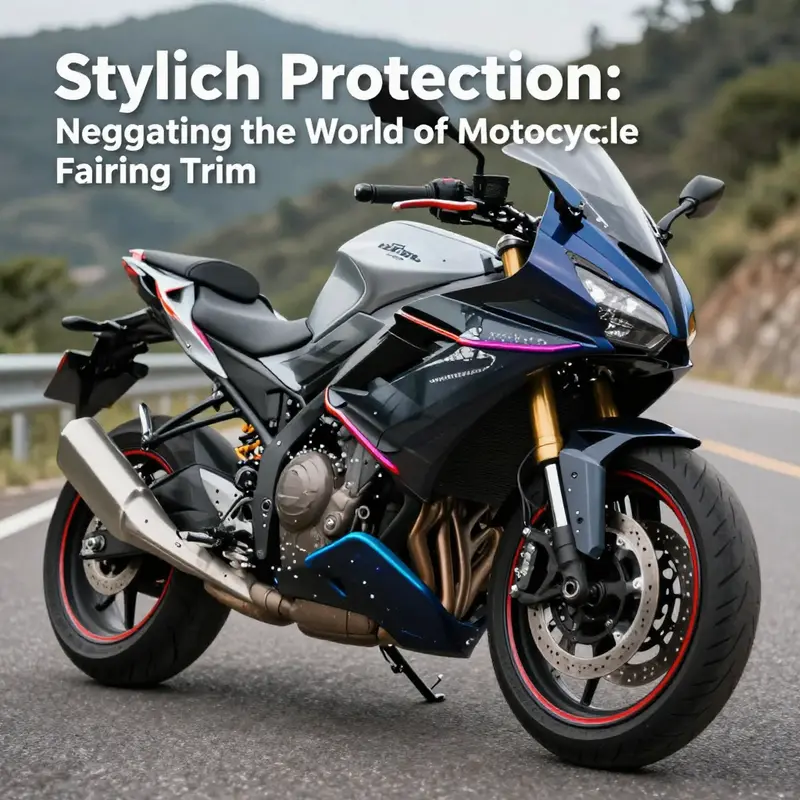
Fairing trim is more than a cosmetic line on a motorcycle; it is a quiet conductor of perception, guiding the eye along the bike’s silhouette and signaling a rider’s attention to detail. It sits where panels meet, along edges, seams, and the edges around openings, and its presence can transform a stock appearance into something that feels bespoke. The trim’s visual impact is immediate: it creates a polished, cohesive look that reads as a deliberate design choice rather than a random assembly of parts. When trim lines up perfectly with contours, the result is a surface that looks streamlined and integrated, as if the bike were sculpted rather than assembled. In this sense, fairing trim does more than decorate; it communicates care, intention, and a willingness to invest in the bike’s long-term presentation. The effect is not merely about flash; the right trim can elevate the perceived value of the entire machine, suggesting premium craftsmanship even before the engine is fired up. Visual harmony matters because it frames how the rider interacts with the bike—how quickly the eye can follow a curve, or how confidently the stance reads from a distance. For many riders, the appeal lies in the way chrome or dark accents catch light at different angles, drawing attention to the bike’s architecture without shouting for attention. The trim’s ability to highlight design elements is especially evident when it aligns with lines in the fairing or windshield, creating subtle accents that emphasize aerodynamics and the bike’s aggressiveness. In custom or high-end builds, trim is often a signature element, a signal that the owner has not settled for off-the-shelf aesthetics. Thoughtful trim choices can imply a deeper narrative about where the ride has been, what it has learned, and where it is headed. The craft involved in selecting and installing trim communicates a sense of premium workmanship. The pieces are not merely decorative; they must fit with tight tolerances, endure weather, and hold their finish through countless miles. When trim is well-chosen, it reads as a continuation of the bike’s lines, not a separate layer slapped on as an afterthought. A careful trim strategy can also influence how a rider perceives scale and proportion, subtly altering the bike’s apparent wheelbase, width, and even the perceived speed of its profile. This is particularly noticeable when trim accents edge toward high-contrast finishes, like chrome against a darker fairing, or when color-matched pieces sweep along a panel to create a hidden seam that your eye barely notices until the bike is in motion. The aesthetic benefits of fairing trim extend into the realm of customization. Riders seeking a tailored look often pair trim with other refinements, such as interior panels or windshield edges, to craft a cohesive interior and exterior story. In such builds, trim helps unify disparate components, diminishing the visual frequency of mismatched gaps and gaps behind the screen. The result is not merely a prettier surface but a more deliberate, professional finish that communicates pride in the bike’s appearance. The relationship between trim and craftsmanship also influences how a bike is perceived when it is stationary, on show or in a parking lot. A well-finished edge catches a passer’s eye and invites closer inspection, inviting comments about attention to detail and the belief that a machine can be a work of art as well as a machine for travel. Beyond aesthetics, trim has a practical role that complements its beauty. It can protect delicate edges from scuffs and other wear that accumulate from routine maintenance, curb encounters, or the occasional gear-shift misstep at a stop. A protective function does not negate style; instead, it reinforces the idea that a well-chosen trim system is a long-term investment in the bike’s health. Uniform edging can also help minimize maintenance headaches by providing cleaner gaps that resist grime buildup, making cleaning easier and more effective over time. The perception of durability is itself an aesthetic asset because it signals reliability. When trim withstands weather, sun exposure, and road debris, the bike looks cared for and ready for action, not abandoned to the elements. The interplay between form and function is at the heart of trim design. Chrome accents gleam across the bike’s surface, catching a rider’s gaze and anchoring the eye to auxiliary details like gauge faces or air ducts. Black or satin trim, by contrast, can heighten a sportier, more aggressive stance by receding visually and letting the overall shape dominate the frame. Color-matched trims, meanwhile, integrate with the fairing to minimize visual breaks, producing a factory-finished vibe that is both clean and contemporary. The choice among chrome, black, or color-matched trim is not simply taste; it is a decision about balance. Chrome emphasizes tradition and highlight, drawing attention to the pedestrian lines of the bike. Black trims tend to recede, sharpening the perception of speed and silhouette. Color matching creates a seamless surface that can make a complex fairing composition appear as a single, continuous form. As with any design choice, compatibility matters. The aesthetics of trim are inseparable from fit and material. Trim pieces must align precisely with panel edges, mounting points, and sealing surfaces to avoid gaps, pop-outs, or rattles that undermine both appearance and function. Poorly fitting trim can creep into years of use as loose edges, causing micro-scratches on paint and creating opportunities for moisture to penetrate. Experienced riders understand that a good trim kit is a thoughtful combination of materials, finishes, and texture that stands up to the sun and the road without fading or cracking. When approaching trim selection, many riders weigh the benefits of polished versus satin finishes, the durability of different coatings, and the ease of replacement should a piece suffer damage. The longevity of the finish can be as important as the initial look; a trim that shows its age through dulling or peeling will quickly undermine an otherwise polished appearance. A crucial aspect of achieving that long-lasting effect is ensuring lay flat installation and secure mounting. Trim that sits away from the panel can trap moisture, collect dust, or vibrate in windy conditions. Properly installed trim not only looks better, but it behaves better under rain, heat, and highway speeds. In practice, this means choosing trims with reliable mounting systems and compatible fasteners, plus attention to the underlying fairing material to prevent corrosion or substrate damage. The conversation about trim also intersects with the broader ecosystem of fairing customization. As trim options diversify, riders can visualize how a particular piece will breathe alongside gauge bezels, air intakes, and windshield contours. With the right combination, the bike’s overall geometry appears more unified, and the rider’s sense of control is reinforced by the perception of a well-integrated front end. To see a sense of how trim categories are organized within a broader lineup, one can explore the BMW fairings product category. BMW fairings product category. This example helps illustrate how trim pieces are mapped to specific styling intentions and engineering constraints, guiding choices that respect both aesthetics and performance. For those who want to go deeper, a broader guide on fairing trim offers practical context on materials, finishes, and maintenance, which can inform decisions across different bikes and riding styles. External resources provide a grounded framework for understanding how trim contributes to a bike’s story, far beyond initial impressions. See the broader context here: Motorcycle Fair Trim: A Comprehensive Guide to Enhancing Your Ride.
Fit, Finish, and Flow: How to Choose the Right Motorcycle Fairing Trim for Your Bike
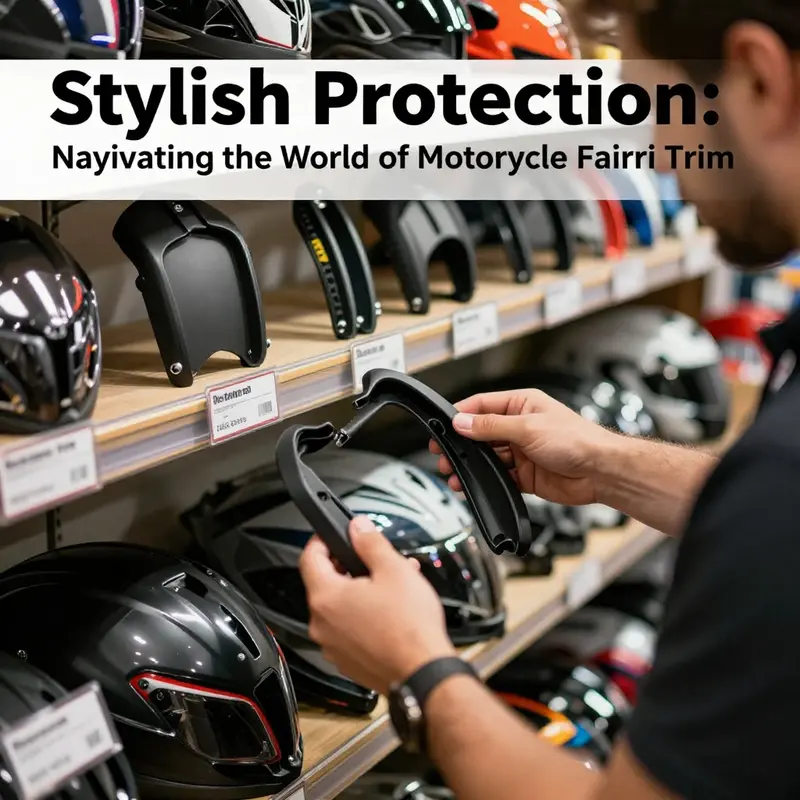
Choosing the right motorcycle fairing trim is more than a quick style decision. It is a practical alignment of form and function, a careful calibration that affects how a bike looks, sounds, and rides in the street and on the track. The trim around the edges, seams, and openings does not merely polish the silhouette; it protects vulnerable edges from chafing and cracking, reduces paint chips, and contributes to a smoother, more efficient airflow across the fairing surfaces. In the mind of a rider who wants both personality and reliability, the trim acts as a bridge between custom expression and long-term durability, a small component with outsized impact on the overall riding experience. The choice, therefore, needs to balance aesthetics with precise integration into the bike’s existing hardware—lighting, gauges, vents, and the way the fairing sits against the rider’s knees and the wind stream.
To begin, think beyond the trim as a single decorative piece. The finished look depends on the trim type and how it anchors to or sits within the fairing’s architecture. Trims that frame gauge clusters or hide seams create a cleaner cockpit that feels cohesive rather than patched together. Vent trims and speaker trims, when chosen with compatibility in mind, contribute to a unified interior appearance without impeding airflow or stereo acoustics. The goal is to achieve a seamless transition where every line, edge, and contour complements the bike’s geometry rather than competing with it. When a trim aligns with mounting points and gaps are minimized, the overall impression is one of professional fit and deliberate design.
Material and finish choices play a pivotal role in delivering that synergy. Finishes range from deep, glossy blacks that blend with factory hues to bright, polished metals that catch the light and add contrast. Carbon fiber finishes offer a sporty look that can elevate the entire fairing while remaining lightweight and resilient. The underlying material matters as well; trims designed to withstand UV exposure and temperature swings will not warp or fade as quickly as cheaper options. A color-matched trim can read as an extension of the fairing, while a contrasting trim can highlight lines and render a more aggressive silhouette. Durability and ease of maintenance are key; a well-chosen finish should resist micro-scratches and maintain its luster after regular cleaning so it reads as intentional design rather than a collection of small flaws.
Another critical consideration is fit for your bike’s make and model year. Compatibility is not a cosmetic nicety; it is a performance and durability factor. Poorly matched trims can leave subtle gaps that trap moisture, allow wind to catch on edges, or misalign with lighting fixtures. The best trims are labeled with verified fitment, clearly stating which years and configurations they support, and they align with fairing contours so mounting points line up without forceful bending. The rider who plans ahead will measure, compare, and confirm fitment before purchasing, saving time and avoiding misfires that can ruin the look and function.
A practical shopping approach blends style with assurance. Look for trims that offer straightforward installation with clearly documented fitment for your model year and a straightforward return policy. The sense of security from free returns or a confident warranty makes it easier to explore finishes and profiles without fear of being stuck with an ill-fitting piece. Consider how the trim interacts with other accents—lights, dashboards, and vents—so the overall presentation reads as a single, deliberate design. As you compare options, think about how each trim’s color and texture will age alongside the rest of the bike’s finish.
In the end, finding the right fairing trim is about balance between the bike’s geometry, the rider’s style, and the daily needs of riding. A trim that is well chosen will feel like a natural extension of the bike, reinforcing the silhouette without shouting for attention. It should stand up to the elements and the test of time, maintaining appearance and function through many miles and diverse weather. When you approach the decision with a clear sense of fit, finish, and flow, the payoff is a bike that looks polished and rides with quiet confidence, completed by a trim that earns its keep every time you swing a leg over.
Edges in Motion: The Art and Science of Installing and Maintaining Motorcycle Fairing Trim
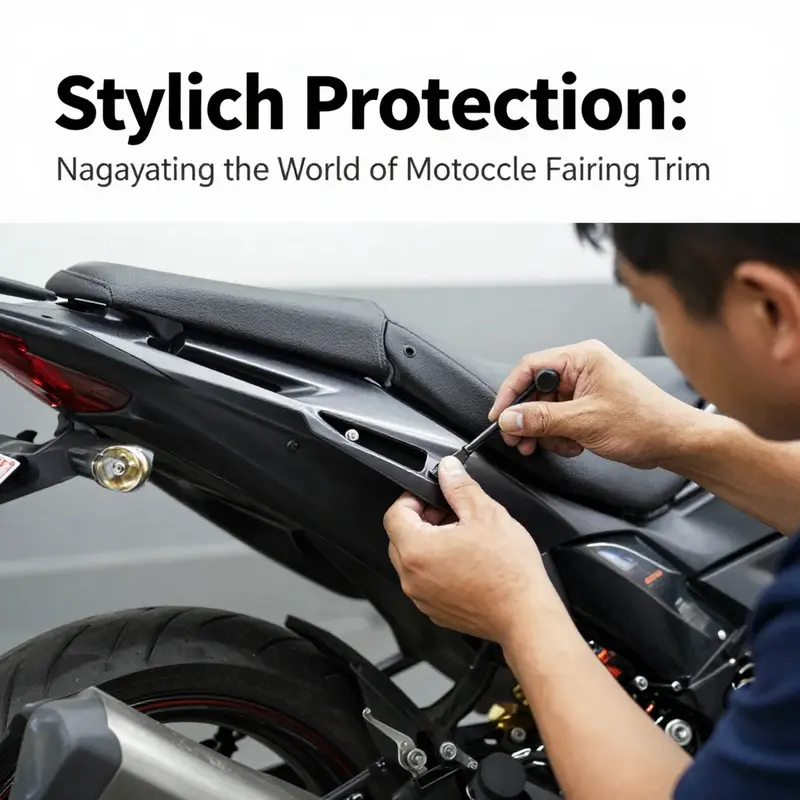
Installing motorcycle fairing trim is a deceptively delicate balance of aesthetics and function. It is where engineering meets handcraft, where the edge lines of a bodywork become a polished statement of style and a shield against the elements. The trim pieces themselves are more than decorative accents; they serve as protective seals, alignment guides, and aerodynamic aids that can quiet the wind at speed and reduce wear on the fairing’s joints. When done with care, trim pieces sit flush with the surface, trace the bike’s silhouette with a refined edge, and stay in place under countless miles of road vibration. When rushed, they peel, crack, or buzz, and even the most beautiful paintwork can suffer after a highway gust or a stray stone. The truth is that trim installation and ongoing care require a mindset that blends patience, precision, and a basic respect for the materials you’re working with. A well-executed job looks effortless because every piece was aligned thoughtfully, every fastener torqued to spec, and every surface prepared to accept adhesive or clips without leaving residue or marring.
The first consideration in any installation is compatibility. Fairing trim is offered in several forms, from chrome or brushed metal accents to color-matched bands that vanish into the paintwork, and from internal panels that hide seams to edge trims around windshields that seal and finish the presentation. The rider who plans ahead will verify fitment against the model year and the specific fairing variant. A trim kit that fits a nearby year or another model might look right, but it can introduce gaps, wind noise, or even air leaks that alter the aerodynamic balance of the bike. This is not mere cosmetic caution; the slightest misalignment can become an air-door, slowing the bike or creating a flutter that unsettles the riding feel at speed. In practice, that means test fitting before adhesiveness is applied, softening the bunched edges, and using alignment aids when available. When the components marry the bodywork properly, the result is a seamless line that reads as one with the bike rather than as an afterthought tacked on.
Preparation is the unsung hero of a durable installation. The surface where trim will reside must be clean, dry, and free of waxes or silicone that can undermine adhesion. A gentle wash with mild soap and water, followed by a wipe with isopropyl alcohol or another surface cleaner recommended by the trim manufacturer, sets a reliable stage. Avoid harsh solvents that might soften paint or leave residues that compromise grip. If the surface has existing wear—chips, micro-scratches, or pitting—addressing these flaws before applying new trim helps prevent the new pieces from catching on irregularities and becoming stressed at the edges. Even the best adhesive can fail if the surface is not prepared, so the time spent on cleaning, drying, and inspecting pays dividends in the long run.
When the install begins, the tools you choose matter as much as your technique. Plastic trim removal tools protect soft plastics from gouges. Adhesive removers help lift old residue without marring, and a soft cloth can catch dust as you re-check alignment. Alignment jigs or simple mechanical references, like string lines or masking tape laid along reference points, become invaluable in keeping lines true across the fairing segments. The gauge panel trim, for example, must sit in a fixed relationship to surrounding instruments and surfaces. It should look like it belongs in the same plane as the dash, otherwise wind-induced vibrations can become a nuisance and undermine the trim’s effectiveness. If a clip-based system is used, ensure every clip seats fully and that the fasteners do not over-tighten and pinch the panel. Over-torquing can warp plastic or peel paint; under-tightening can invite movement and wind noise. The torque specifications supplied by the manufacturer must guide every turn of the screwdriver or the snugging of a clip. Where no specific torque is listed, the general rule is to secure enough to maintain alignment without compressing the trim into the face of the fairing or distorting the mount points.
The actual process of laying trim into place is a sequence of careful checks. Dry-fit the pieces first, without glue or adhesive, to map how they will sit against every contour. If there are gaps on curved sections, you may need to gently bend trims along their natural curvature, watching for overstressing the material. When adhesive removers or double-sided tapes are involved, start at one end and work toward the other, applying even pressure so the adhesive seats uniformly. For edge trims around windshields, the final steps often involve securing the edge with a clip system or a slim gasket that both holds and seals. The goal is a tight, uniform edge that does not catch on clothing, riding gear, or gloves. As the installation completes, a visual sweep along the length of each trim line helps confirm that the alignment remains true and that the pieces have settled into place without raised edges that catch air or fingers.
Maintenance follows installation like a steady maintenance crew follows a performance schedule. Regular cleaning with mild soap and water removes road grime, UV residue, and insect deposits that can degrade finishes over time. Harsh abrasives are a no-go; they scratch paint and chrome and can dull the reflective quality of metallic trims. Pressure washers, though tempting for speed, risk forcing water into seams where trims join the fairing, which can loosen fasteners or cause corrosion in hidden areas. Periodic inspection becomes a routine part of riding life: check for cracks or warping in trim pieces, and feel for any loose fasteners. If you find movement, address it promptly—loose trim can ricochet in gusts and cause greater wear or noise after long highway runs. If the trim shows signs of wear—fading, cracking, or separation—replacing worn or damaged pieces is not merely cosmetic; it preserves the integrity of the fairing and prevents air leaks that can disrupt aerodynamics and cabin comfort.
Riders who value both style and function often consider trims that keep the air flowing smoothly around critical joints. Split-stream vent trims, inner trim panels, and windshield-edge finishes are designed to minimize drag while maintaining accessibility for routine maintenance. The interplay between the object and the air is subtle but real; clean lines and precise gaps reduce turbulent flow that can otherwise coerce wind noise into the rider’s helmet or disturb the cockpit environment. In practice, the choice of trim should be guided by fit across the bike’s geometry, the rider’s aesthetic goals, and the practical reality of maintenance access. A high-quality trim from a reputable source offers longevity, stabilizes the bodywork against weathering, and gives a professional, factory-finished appearance that makes every ride feel like a premiere.
For those who want a guided tutorial, practical video content can provide real-world demonstrations of alignment and securing methods in a garage setting. Such resources illustrate how to treat trim as a controllable element of the bike’s form, not merely a decorative flourish. When exploring further, a broad catalog of options is available to suit different fairings and styles, and riders can browse the bike fairings catalog to find compatible trim pieces that respect both form and function. This approach helps ensure that the trim complements the bike’s lines rather than competing with them. See the catalog for a sense of scope and to compare how trims finish edges, cover seams, and seal critical joints. For an accessible, practical walk-through of installation techniques, a widely viewed step-by-step video demonstrates alignment, clip securing, and edge finishing in a garage environment, underscoring how a measured workflow translates to a clean, durable result. External resources may be consulted for broader technique examples, and a direct link to a concise tutorial is provided here: https://www.tiktok.com/@chrisfix/video/748329456789123456. While watching, note how the presenter emphasizes alignment and careful pressure along each seam to avoid gaps that can later widen under vibration. The combination of careful prep, precise fitment, and thoughtful maintenance makes the idea of trim nothing less than a durable, enduring part of the bike’s appearance and performance.
Riding Value: The Economic Pulse of Motorcycle Fairing Trim in Modern Customization
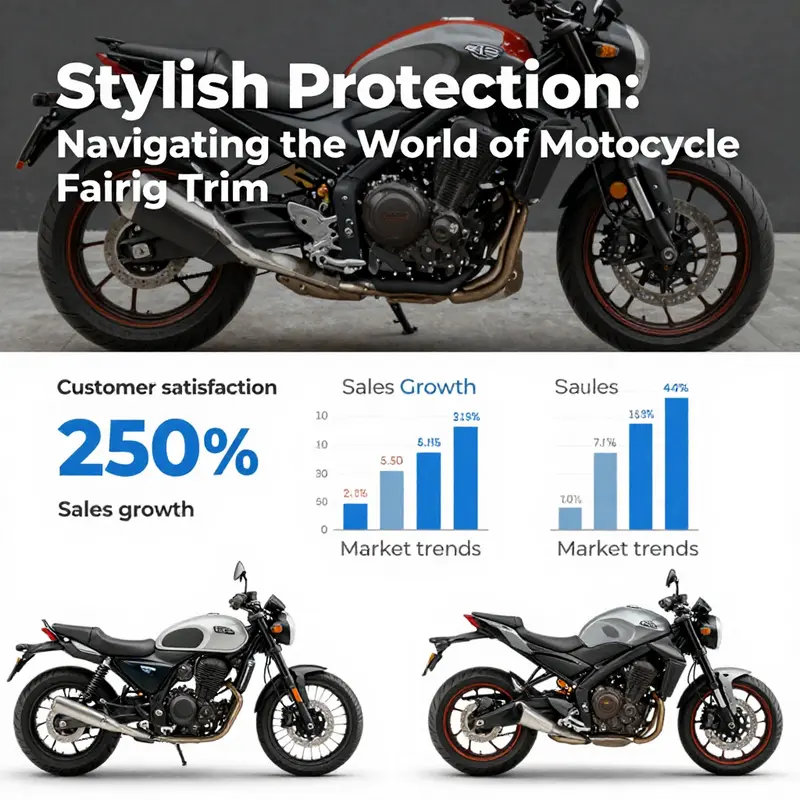
Fairing trim sits at a curious crossroads in motorcycle culture. It is small enough to be overlooked at first glance, yet powerful enough to shift how riders perceive value, how dealers price choice, and how workshop owners frame their services. These trim pieces finish edges, seal seams, and add subtle contrast or gleam to the bike’s silhouette. They do not alter the engine’s function or the chassis’s fundamental dynamics, yet they can redefine a rider’s sense of ownership. This is not mere decoration; it is a lever for personalization that quietly expands the economic footprint of the motorcycle aftermarket. In markets where customization is a core selling proposition, trim components supply a low-risk entry point for riders who want a more distinctive look without committing to major bodywork. They are the visual upgrades that can lift perceived value, reinforce brand identity through careful design language, and create a ripple effect through consumer spending within a bustling ecosystem of retailers, fabricators, and service shops. The economic impact of these trims, though focused on small parts, is surprisingly large when viewed through the lens of consumer psychology, market dynamics, and the supplier network that keeps the customization economy turning.\n\nFrom the consumer side, the appeal of fairing trim rests on a relatively simple premise: it is an affordable path to a visibly refreshed machine. The breadth of trim choices—gauge panels, vent covers, inner panels, and edge finishes—lets riders tailor the bike’s interior and exterior not by replacing an entire component, but by refining its contours and details. That refinement, in turn, enhances the bike’s perceived value. When a rider sees a crisp edge around a windshield or a cockpit bezel that echoes the bike’s paint or chrome accents, the entire machine feels more intentional. The psychological payoff translates into repeated purchases across the season as riders chase small but meaningful upgrades. A guide to modern fairing markets notes how even minimal upgrades can lift rider satisfaction and perceived value, a signal to retailers that the marginal cost of a trim piece is often outweighed by the added emotional payoff for the buyer. This dynamic helps explain why trim items, while individually modest in price, contribute disproportionately to showroom and online cart profitability.\n\nEconomically, the fairing trim segment is a critical artery in the broader aftermarket parts economy. Market projections show a robust growth trajectory for the motorcycle fairing market over the next several years, driven by rising demand for customization and personalization across a wide demographic of riders. Trim accessories, though not as expensive as full fairings, carry favorable margins for retailers and manufacturers who can leverage design specificity and brand resonance. When a trim piece is marketed with a sense of fit, finish, and authenticity, it commands a premium that reflects both craftsmanship and the aspirational value riders seek. The economic logic is clear: low installation barriers invite quick, repeat purchases, while high perceived value encourages brand loyalty and word-of-mouth referrals. This combination fuels a cycle in which small, easily accessible upgrades become recurring revenue streams for shops and online retailers alike. The result is a diversified aftermarket that can adapt to shifting tastes without requiring heavy capital investment in new tooling or large-scale inventory.\n\nThe market dynamics surrounding fairing trim also highlight the importance of compatibility and fitment. Riders prize pieces that adhere precisely to model year and geometry, because accuracy reduces installation time and protects the integrity of the fairing surface. Verified fitment and clear installation guidance mitigate risk, which in turn lowers return rates and elevates customer confidence. For shop owners and fabricators, this reliability translates into smoother workflows and higher throughput. It means technicians can upsell a sequence of minor upgrades with confidence, knowing each piece integrates cleanly with the existing fairing structure. The ability to install trim quickly without specialized tools lowers the barrier to entry for DIY enthusiasts as well, expanding the pool of potential buyers who can realize a perceived upgrade with modest effort. The reach of this dynamic is evident in the proliferation of trim kits and components that allow a rider to refresh a cockpit, edges, or ventilation features in a few hours rather than in days of labor.\n\nBeyond aesthetics and ease of installation, the integration of trim with more functional features marks a meaningful shift in how riders view value. Modern trims are not simply cosmetic; some designs incorporate elements that interact with the bike’s air flow or cockpit ambience, contributing to a subtle aerodynamic or acoustic benefit. When a vent cover or a gauge bezel is designed to complement the fairing’s body lines while also reducing drag or smoothing airflow around critical seams, riders perceive a more tangible return on investment. This dual functionality—form plus function—adds to the economic appeal of trim, as it aligns with a growing appetite for upgrades that deliver measurable benefits alongside style. The result is a more compelling value proposition for consumers who previously limited their upgrades to visibility or aesthetics. It is this blend of beauty and utility that helps explain the sustained demand and premium pricing observed in credible trim lines across well-resourced retail environments.\n\nThe economic ripple of fairing trim also reaches the SME sector, where small and medium-sized enterprises specialize in detailing, customization, and niche fabrication. These businesses thrive on the growing trend of “visual upgrades” that let riders personalize without undertaking major renovations. The accessibility of trim pieces—generally straightforward to install and available in many finishes and tones—invites regular procurement cycles. Shops that build expertise around fitment verification, paint-to-match capabilities, and precise interior detailing can foster loyal client bases and recurring revenue streams. This creates a network effect: as more riders embrace aesthetic and subtle functional upgrades, demand ripples through fabrication studios, paint shops, and accessory distributors, encouraging innovation and specialized manufacturing. Such a network not only fuels current sales but also drives product development as manufacturers respond to the appetite for more authentic finishes, better edge protection, and innovative integration with digital cockpit components or venting systems.\n\nIn shaping broader market behavior, trim’s economic impact also reflects how online and brick-and-mortar channels collaborate to broaden access. The ability to browse, compare, and purchase specific trims for one’s exact model year underpins a standardized shopping experience that reinforces consumer trust. An informed customer who can confirm fitment and visualize the finished result is more likely to add multiple components to the cart, experiment with color matches, and pursue additional upgrades in subsequent seasons. For those exploring the landscape of aftermarket options, the Honda fairings category represents a microcosm of how model-specific customization options cohere into a broader strategy of personalization. For more context on model-specific aftermarket options, see the Honda fairings category. Honda fairings serves as a practical reference point for how consumers navigate compatibility and aesthetic coherence across families of bikes, reinforcing the idea that fitment confidence translates into sustained spending.\n\nThe narrative of fairing trim’s economic impact cannot be isolated from the broader culture of customization. As riders increasingly view their machines as expressions of identity, the demand for distinctive trim grows, supported by competitive pricing, rapid installation, and a wealth of design choices. This convergence of consumer appetite, retailer strategy, and SME ingenuity propels a resilient aftermarket that is adaptable to evolving tastes and technologies. In practice, trim pieces become a bridge between the desire for personal expression and the practical realities of maintenance, protection, and comfort. They offer a low-risk, high-reward pathway to upgrade a bike’s appearance and perceived value, while also contributing to the health and depth of the aftermarket economy that underpins customization across brands and models. The story of fairing trim is, at its core, a story about how small enhancements can recalibrate value in a marketplace that thrives on differentiation, craftsmanship, and the joy of riding.\n\nExternal resource: https://www.harley-davidson.com/en_gb/shop/motorcycle-parts-accessories/custom-accessories-trim/fairing-trim.html
Final thoughts
In conclusion, motorcycle fairing trim plays a pivotal role in enhancing both the aesthetic appeal and functional performance of motorcycles. For business owners, understanding the intricacies of fairing trim not only enhances customer service but also contributes to the overall economic vitality of the motorcycle industry. By providing high-quality trim options and expert guidance on selection and maintenance, businesses can foster greater customer satisfaction and drive sales, ensuring long-term success in a competitive market.