
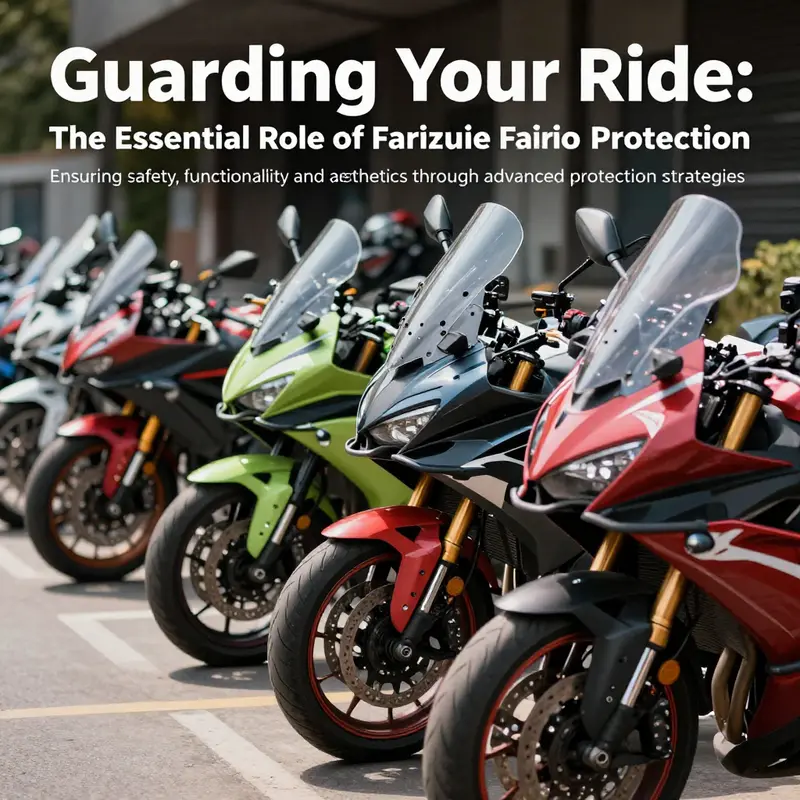
Motorcycle fairing protection is not merely an aesthetic enhancement; it plays a crucial role in ensuring the safety and longevity of a motorcycle. Business owners, particularly those in the motorcycle industry, must recognize the importance of fairings in safeguarding both their investment and the rider’s experience. This article delves into the various facets of motorcycle fairing protection, beginning with its significance in preserving safety and aesthetics, before moving on to contemporary technological innovations in protective accessories, and finally discussing the best maintenance practices to prolong their life. Each chapter aims to provide valuable insights that can help business owners make informed decisions regarding product offerings and customer education.
Guardians of the Glide: How Motorcycle Fairings Shield Safety and Style in Modern Motorcycling
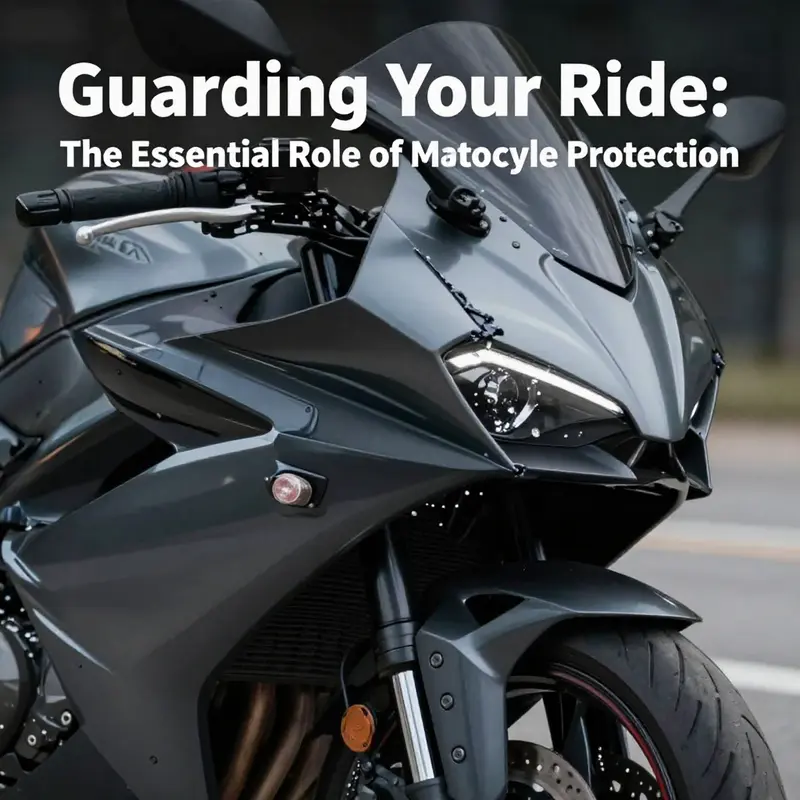
The fairing on a motorcycle is more than a visual flourish or a frame for a sculpture of chrome and color. It is a carefully engineered shield that sits between the rider and the road, a composite of form and function that shapes airflow, protects critical components, and subtly influences how a bike feels when it moves. In a landscape where speed, efficiency, and personal expression converge, fairings serve a dual role. They are the guardians of safety and the canvas on which a rider’s identity is projected. Their protection is not incidental; it is a deliberate design choice that aligns aerodynamics with durability, aesthetics with practicality, and performance with peace of mind. When we explore why fairing protection matters, we tap into a broader conversation about how motorcycles survive the realities of riding—dirt, debris, and the occasional tumble—without surrendering their visual appeal or their carefully tuned aerodynamic profile.
Materials and architecture matter more than most riders admit. Modern fairings are usually crafted from durable materials such as ABS plastic, polycarbonate, or fiberglass, each offering a distinct balance of strength, weight, and impact resistance. ABS plastic provides a cost-effective, impact-absorbing backbone that resists cracking and maintains flexibility under stress. Polycarbonate brings a higher level of shatter resistance and rigidity, which helps preserve the smooth lines essential for aerodynamic performance at speed. Fiberglass, often found in performance and specialty applications, offers a favorable strength-to-weight ratio and the possibility for intricate, aggressive shapes that can channel air in precise ways. The choice among these materials matters not only for how the panels wear in a scrape or a slide, but also for how well they can be restored after a minor incident, and how they interact with maintenance products that keep a bike pristine over the years.
Yet even the toughest materials meet their limits. The road is a harsh testing ground where small stones, salt, and gravel can chip paint, dull gloss, or leave micro-scratches that accumulate into a compromised appearance and reduced resale value. The fast-moving air that cools the engine and trims drag can push a minor impact into a costly repair if a fairing reveals a crack or deformation. In practice, this is where a rider’s investment in protection pays off. The fairing is not simply a cosmetic shell; it is part of the bike’s safety system. When a fall or slide occurs, the fairing panels, along with the engine cover and radiator shrouds they shield, can suffer damage that would otherwise force a rider into expensive downtime or intrusive repairs. By protecting these components, fairings support reliability and help preserve the machine’s core geometry and aerodynamics, which are essential to both handling and efficiency at speed.
A crucial aspect of protection lies in how fairings are mounted and how they interact with other protective elements installed on the bike. Frame sliders and fairing guards are common upgrades that many riders add not as afterthoughts but as essential components of the motorcycle’s safety ecosystem. Frame sliders, in particular, are designed to absorb and dissipate impact forces during a fall, stepping in as sacrificial parts that take the brunt of the impact so that more expensive panels bear less of the damage. When properly mounted, these protectors act like a router for energy: they give a controlled escape path to the force that travels through the frame and surrounding fairings. The result is a bike that, even in a mishap, can be salvaged more easily and kept closer to its original aerodynamic shape.
The design philosophy behind these protective add-ons is simple in concept but nuanced in execution. The energy path in a crash should be predictable and directed toward components that are simpler and cheaper to replace. This approach minimizes the cascade of damage that can occur when one impact causes a chain reaction through a cluster of intricate fairing panels. The protective system thus becomes a kind of sacrificial architecture: it takes the hit, while the more complex and costly elements that are expensive to repopulate and recalibrate—like the fairing’s inner mounting brackets or sensor housings—are spared the worst of the damage. In practical terms, what riders get is not merely a shield from chips and scratches, but a higher likelihood of a quick, affordable return to riding after an incident.
Aesthetic considerations are inseparable from functional protection. The visual impact of fairings plays a major role in how riders perceive their Bike’s character, from fierce sport machines to refined sport-tourers. A pristine fairing contributes to a motorcycle’s perceived value and allure, reinforcing its heritage, personality, and brand language. Protection does not erase this, it rather preserves it. When fairings are damaged, they often expose the underlying structure and mounting points, revealing a contrast between the bike’s sleek exterior and the rough reality of a fall. In many cases, the presence of protective devices or robust fairing materials can preserve the bike’s lines and silhouette, ensuring that the bike continues to present its intended appearance after a knock or a close encounter with debris. In this way, protection and appearance are not competing forces but coauthors of the motorcycle’s enduring look.
Maintenance is the quiet partner to protection. The best protection plan cannot compensate for neglect. Regular cleaning, careful inspection, and timely repairs all play a part in maintaining both the integrity and the visual appeal of fairings. The cleaning routine is more than aesthetics. Mild soap and water remove road grime that can degrade surfaces and accelerate wear, while avoiding harsh chemicals helps preserve paints, coatings, and the protective films that shield against stone chips. Protective films and wraps add another layer of defense, creating a sacrificial barrier that can be replaced as needed without touching the underlying paint. These films, when properly applied, maintain the fairing’s appearance and glide by preserving color, depth, and shine, even after repeated encounters with grit and rain. A well-maintained fairing also means fewer opportunities for moisture to invade seams and fasteners, which could corrode or loosen over time and undermine the panel’s alignment and aerodynamics.
Riders who are attentive to both protection and aesthetics frequently adopt a balanced approach. They select materials that match their riding style and climate, and they integrate protective add-ons in a way that complements the bike’s line and balance. There is a discipline to this. It requires understanding the bike’s geometry and how the fairing panels interact with each other in high-speed airflow, how gaps and seams can become stress points in a crash, and how replacing or repairing a panel might affect the bike’s center of mass and handling. The goal is a coordinated system in which every piece—fairing, bracket, slider, film—works in harmony. When this harmony is achieved, the result is not merely a safer ride but a machine that retains its character through years of performance riding and casual weekend cruises alike.
The conversation about fairing protection, especially for high-performance machines, naturally returns to the rider’s intent. A Honda CBR or a Yamaha YZF, for example, is often celebrated for its aerodynamic efficiency, cornering prowess, and distinctive styling. Protecting these assets is not about thwarting the machine’s essence; it is about ensuring that the bike’s aerodynamic benefits persist across its lifetime. The fairing’s shape is a consequence of countless hours of wind tunnel testing, computational fluid dynamics, and empirical feedback from riders who push machines to the edge. Scratches and cracks can alter the surface texture and the boundary layer of air that glides over the bike. While minor, these changes accumulate over time and can slightly elevate drag or alter stability, particularly at highway speeds. Protection, then, becomes a shield for the bike’s physics as much as for its appearance.
In practical terms, riders who invest in protective measures often find that the long-term payoff includes lower maintenance costs and reduced downtime. When a fall occurs, the chance of salvageable panels and intact mounting points increases if the bike has protective sliders and properly applied films. This translates to lower repair bills, faster returns to the road, and less time spent in the shop reconciling mismatched panels or repainting damaged sections. The net effect is a motorcycle that remains faithful to its original design language, that keeps its lines clean, and that continues to deliver the precise, predictable handling that drew the rider to it in the first place. The emotional value of this continuity should not be underestimated. A machine that looks and feels the same after a minor incident preserves the rider’s confidence and commitment to riding as a craft, not merely a pastime.
For riders who see their bike as an extension of themselves, there is an added dimension to fairing protection. It becomes part of a ritual of care and expression: choosing a colorway that resonates with personal identity, selecting a finish that highlights the bike’s geometry, and maintaining those choices through the ebbs and flows of riding life. This is where the intersection of safety and aesthetics becomes most tangible. A bike that is protected, well maintained, and visually coherent is not merely a tool for transport; it is a statement about values—about responsibility, pride in craftsmanship, and a commitment to preserving the machine’s ability to connect rider and road with grace and confidence.
The practical act of integrating protection with aesthetics is a subtle art. It involves evaluating the bike’s intended use, from urban commuting to weekend track days, then layering protective strategies that respond to that use. For city riding, where debris and sudden obstacles are common, a combination of robust ABS fairings, solid frame sliders, and a durable film layer might suffice to prevent unsightly chips and panel damage. For sport riding, where aerodynamic precision matters more and the stakes are higher, the emphasis shifts toward maintaining the smooth, uninterrupted surface that reduces drag and preserves downforce. Regardless of the scenario, the core philosophy remains: protection should be proactive, integrated, and visually coherent with the bike’s design language. Riders who practice this philosophy are often rewarded with a machine that remains balanced in weight distribution, keeps its steering response crisp, and looks the part of a purpose-built performance machine no matter how many miles it has logged.
As with any protective strategy, the human factor is central. The best outcomes come from informed choices and careful installation. Improper mounting can introduce new stress points, misalign panels, and even affect the bike’s cooling efficiency. It is worth consulting professionals or manufacturer guidelines to ensure that sliders and guards are positioned to absorb energy without compromising the function of the cooling system, fork movement, or steering clearance. It is also prudent to assess compatibility with aftermarket or OEM fairings, because mismatches can create gaps that invite moisture intrusion or wind noise. When done correctly, protection becomes a seamless extension of the bike’s design, almost invisible in operation yet incredibly tangible in its benefit when misfortune strikes.
The discussion would be incomplete without acknowledging the rider’s role in ongoing protection and aesthetics. Regular maintenance is the baseline, but proactive attention to mounting hardware, sealants, and paint finishes sustains protection over time. The riding environment matters, too. Coastal climates with salt air demand additional care, as do regions with harsh winters or frequent road salt use. In such settings, protective coatings, ceramic seals, and periodic film refreshes become practical investments that preserve both appearance and performance. A well-protected fairing system remains readable—scratches are fewer, color is truer, and the bike’s lines continue to tell the intended story of speed and elegance. The result is a motorcycle that not only performs well but also continues to communicate its personality with clarity and confidence.
In sum, fairing protection is a multidisciplinary practice that blends material science, crash energy management, aerodynamics, aesthetics, and careful maintenance. It is an investment that extends beyond the immediate goal of avoiding cosmetic damage. It reinforces the bike’s structural integrity, preserves its aerodynamic efficiency, and sustains the rider’s emotional and psychological connection to the machine. When a rider reviews the total cost of ownership, the protection strategy often proves its value by reducing downtime, preserving resale value, and maintaining the bike’s original look and feel long after the first miles have been logged. In the end, the fairing’s protection is an enabler of riding pleasure: it allows a rider to push the edge with less fear, knowing that the machine is designed to hold up under pressures both seen and unseen, while still presenting the rider with a vehicle that looks as if it were carved from a single wind, shaped to glide with minimal resistance and maximum grace. For those who seek to honor both safety and style, embracing fairing protection is not an add-on; it is an essential element of a thoughtful riding philosophy.
For readers who want to explore practical paths to integrate protection with style, consider looking into categories that align with your bike’s brand language and riding needs. A well-chosen set of fairings and protective accessories can enhance not just how your motorcycle looks, but how reliably it performs as you chase the horizon. And if you are curious about aligning your fairing styling with specific models, you can explore the broader universe of OEM and aftermarket options that speak to your bike’s distinctive silhouette. A useful starting point to understand how fairing designs translate across different brands is to explore dedicated pages that group fairing options by manufacturer, so you can compare shapes, finishes, and fitment within a cohesive family of parts. This approach helps maintain a consistent aesthetic while ensuring robust protection across the bike’s most vulnerable surfaces. Honda fairings collection offers a gateway into the wide spectrum of styling and protection options available for Hondas and serves as a practical reference for riders who want to preserve both form and function with careful, deliberate selections.
As riders, we measure our machines by how well they endure the road and how closely they mirror the vision we had when we first climbed aboard. Fairing protection is a concrete way to honor that vision. It is a blend of science and sentiment, of engineering and artistry, of practicality and pride. In the long arc of a motorcycle’s life, protective measures help ensure that the ride remains not only safe but also beautiful, with lines that invite the eye and a performance envelope that invites confidence. The fairing, finally, becomes more than a shield. It is a partner in the journey—quietly absorbing the shocks of the road while preserving the bike’s soul for the miles ahead.
External resource: https://www.nhtsa.gov/road-safety/motorcycles
null
null
The Quiet Shield: Maintenance for Motorcycle Fairings
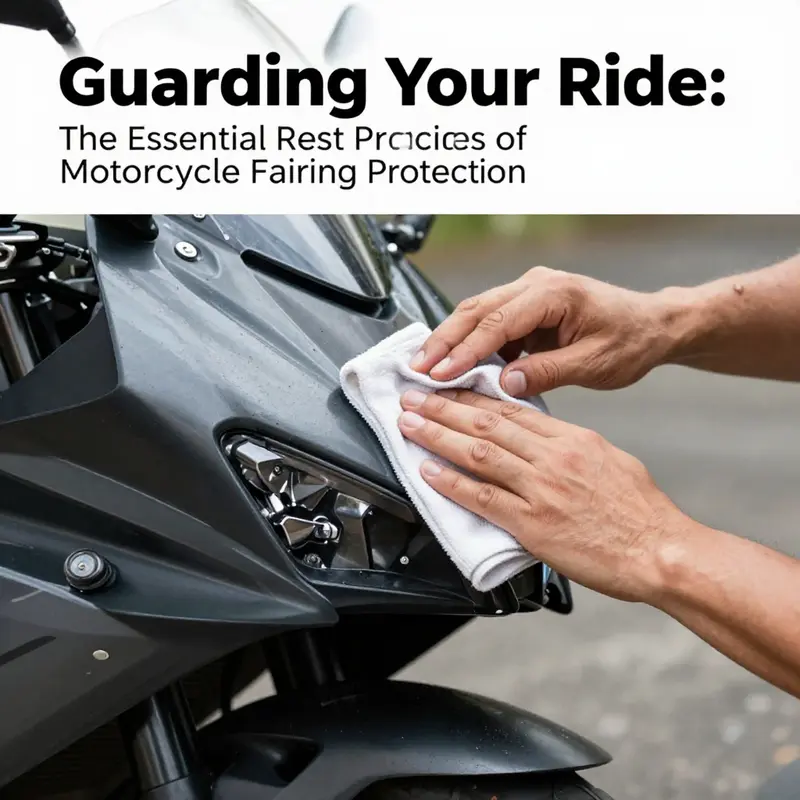
Maintaining motorcycle fairings is a practical discipline that protects both appearance and performance. Fairings shield critical components, and a steady maintenance routine helps them do their job better over time.
Materials such as ABS plastic, polycarbonate and fiberglass each bring strengths and tradeoffs. ABS is tough and repair friendly, polycarbonate offers clarity and crack resistance, and fiberglass can be lighter but may require more care. Regardless of the mix, the goal is to keep the panels serving their role while protecting the engine and chassis from debris and weather.
Cleaning is the foundation. Regular washing with mild soap and water removes dirt, oil, and road grime. Use a soft cloth or sponge and avoid abrasive cleaners that can scratch the surface. Dry with a microfiber towel to prevent water spots. If stubborn grime remains, test any cleaner on a hidden area first and follow manufacturer recommendations. After cleaning, applying a protective film or wax designed for motorcycle bodywork can help shed water and extend panel life.
Protection means maintaining UV resistance and surface integrity. Reapply protective coatings at regular intervals, especially after winter storage, to slow fading and embrittlement. A good protective layer keeps the surface smoother, which helps maintain aerodynamics and appearance.
Storage decisions influence longevity. Indoors in a dry, climate controlled space is best. A breathable cover reduces direct sun and allows moisture to escape. If you must store outdoors, use a high quality full coverage cover with ventilation or consider a protective wrap for exposed lower panels. The goal is to reduce temperature swings and moisture exposure that can accelerate aging.
Inspections and careful repair planning form the core of preventive maintenance. After rides, inspect for cracks, chips, or misalignment. Small cracks can often be repaired with plastics compatible repair kits, while larger damage may require professional assessment or panel replacement. Check mounting points and alignment; misalignment can cause rubbing, wind noise, or aerodynamic inefficiency. When you repair, choose methods compatible with the panel material and aim for a seamless finish that preserves the bike lines.
Protection devices such as frame sliders and fairing guards add a sacrificial buffer. Ensure these components are properly installed and aligned with the frame. Poorly fitted guards can create stress and interfere with steering or suspension travel. If in doubt, seek professional guidance to preserve chassis geometry and safe operation.
The overall practice is a holistic maintenance routine. Cleanliness, protection, and thoughtful storage are the first line of defense, followed by regular inspections, careful repairs, and proper installation of protective accessories. By treating the fairing system as an integrated part of the bike, you maintain efficiency, protection and visual appeal for every ride.
Final thoughts
In conclusion, motorcycle fairing protection is an essential consideration for ensuring safety, maintaining aesthetics, and extending the lifecycle of motorcycles. As business owners, recognizing the value of quality fairing protection, coupled with offering technological innovations and maintenance tips, can significantly enhance your customer service and product value. By prioritizing these aspects, you will not only safeguard your customers’ investments but also bolster their riding experience and satisfaction.