
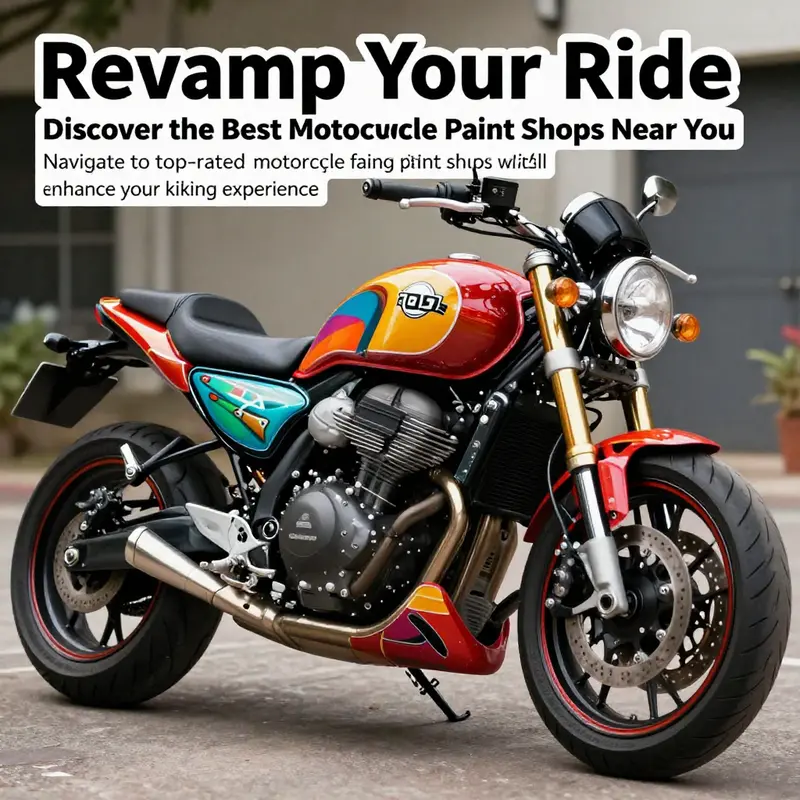
For motorcycle enthusiasts and business owners, the aesthetics of a bike play a crucial role in its appeal and market value. Finding a reputable motorcycle fairing paint shop nearby is essential not just for repairs, but also for customization that sets your ride apart. This guide will explore how to effectively use online maps for finding local motorcycle fairing paint shops, how to assess these businesses through customer reviews and recommendations, and what professional standards you should expect from quality paint shops. By focusing on these key areas, you can ensure your motorcycle receives the best possible service, leading to enhanced durability and a stunning finish.
Navigating Local Color: Finding a Motorcycle Fairing Painter with Online Maps
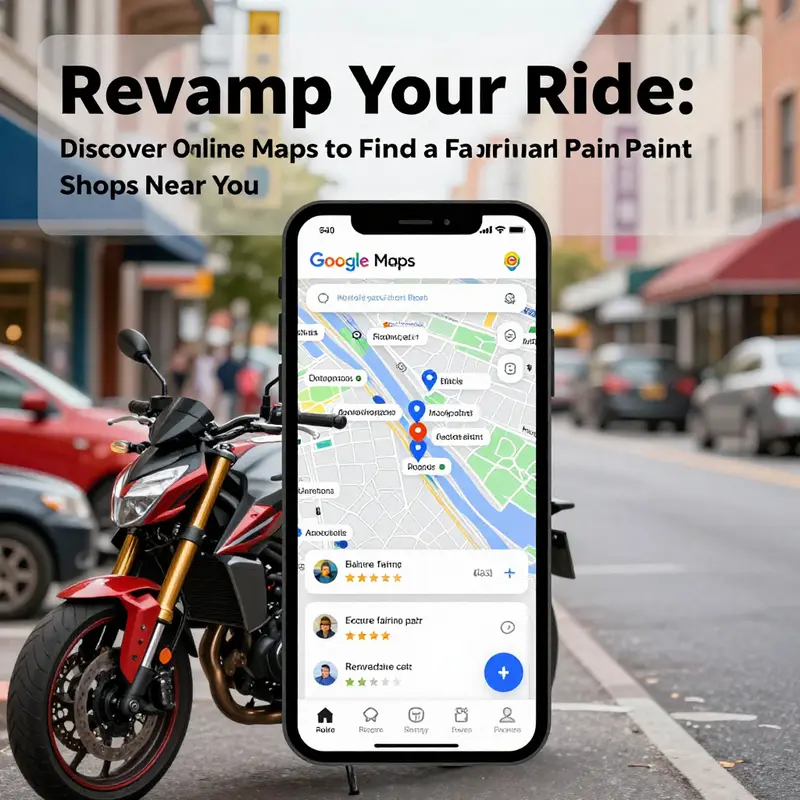
Online maps are a practical starting point for locating motorcycle fairing painters near you. Start by opening Google Maps or Apple Maps and searching for phrases like “motorcycle fairing paint shop” or “bike bodywork paint.” Refine results by adding your city or neighborhood to filter out general auto body shops. Look for listings that mention motorcycle plastics, fairing repairs, and color matching. Review photos and portfolios linked from the listing to assess finish quality, masking accuracy, and edge work on curved plastics. Read recent reviews for mentions of fairing color matching, warranty, and communication. When you find promising shops, call or message to request a detailed estimate and a discussion of the process, including surface preparation, number of coats, curing times, and whether they can provide a written quote with a scope. Ask about color matching methods, a test panel, and a color-matching workflow using spectrophotometry or client approval. Compare lead times, drop-off logistics, and post-paint support such as touch-ups and warranty. The map becomes a doorway to a short list of specialists you can visit, bring a sample, and discuss your preferred look—from gloss to matte—and how they handle masking around vents and edges. The key is to gather evidence of capability and choose a partner who communicates clearly, provides a transparent plan, and demonstrates ongoing care for protecting the plastic and finish.
Reading the Finish: Vetting Local Motorcycle Fairing Paint Shops Through Reviews and Honest Recommendations

When you begin the search for a nearby motorcycle fairing paint shop, you quickly learn that the quality of a finish rests as much on process as on the color or gloss you crave. A single superb photo can illuminate a skillful stroke of color, but a handful of thoughtful questions, careful comparisons, and a realistic sense of what you’re asking a shop to do will reveal the true character of a local outfit. The goal is not to chase the flashiest portfolio but to identify a partner who can translate your vision into a durable, museum-worthy finish that stands up to riding, exposure, and the inevitable thrum of sun and road grime. In practical terms, that means a deliberate, map-driven hunt for local options, tempered by a close reading of reviews, a careful appraisal of portfolios, and a transparent conversation about process, materials, and timelines.
The first step is to search locally with an eye toward accessibility and real-world experience. Map apps are not merely directories; they are signals that merge distance, hours, and recent activity. When you type phrases such as motorcycle paint shop or custom motorcycle painting within a defined radius, the results you see reflect not just proximity but the density of local specialists and the cadence of their business. A shop that appears frequently in your feed and garners steady reviews is more likely to be reliable than one that pops up only occasionally or relies on a single outstanding project. The goal is to assemble a short list of options you could reasonably visit in person. A neighborhood shop that manages a small but steady workflow can often deliver a more hands-on, tailored experience than a larger operation that juggles dozens of different body components each week.
But ratings alone are a shallow gauge. A high score with a low review count can mask inconsistency, while a modest rating with a substantial number of reviews often points to a track record that deserves your attention. Look for feedback about the shop’s ability to handle plastic fairings, which demand specific prep steps, sanding techniques, and compatible primers that won’t cloud or crack under stress. The most revealing reviews are those that reference real outcomes: a fairing repaired without a mismatch in color, a metallic flake rendered evenly, a clear coat that remains resistant to chips after a season of riding. In this respect, photo reviews matter just as much as text. When customers attach images of their own motorcycles and the finished work, you gain tangible evidence of the shop’s craftsmanship. It’s not unusual to see closeups of edges, transitions between painted panels, and the mastery of masking around logos, vents, and fasteners. These images can reveal a lot about attention to detail in the prep stage, which is the foundation of any successful paint job.
Specialization becomes a decisive factor once you’ve filtered by local availability and reviewed the visuals. Not every shop that paints cars or trucks will have the nuanced understanding required for motorcycle fairings. The shell of a motorcycle is a dynamic surface shaped by curves, concave lines, and varying thickness across a complex three-dimensional form. A specialist will detail their experience with fairings, plastics, and the specific challenges of multi-piece assemblies. They will discuss how they manage color matching across different plastics, how they seal and protect comings from moisture, and how they address potential heat-related issues that can affect the finish over time. A shop’s portfolio should include examples of fairings with similar contours or materials, ideally with multiple angles that reveal how the finish holds up across joints and seams. If a portfolio is thin or noticeably generic, that is a warning sign to seek further evidence of capability.
Beyond the visuals, a portfolio review serves another critical purpose: it helps you identify a shop whose aesthetic alignment with your vision is more than a matter of taste. Some riders want a deep, glossy modern finish; others seek vintage tones with subtle patina, or a bold, high-contrast design that requires precise color calibration and several mid-coat layers. When you examine the portfolio, look for consistency in color depth, evenness across panels, and the absence of telltale signs like orange peel, runs, or splotches that suggest rushed work or poor drying conditions. If you notice a series of images showing similar flaws, use that as a diagnostic cue rather than as a single data point. The aim is to map a shop’s habits: the typical prep quality, the stability of their color matching, and their capability to refine a rough draft into a refined, durable finish.
The process of obtaining estimates is a test in itself. A reputable shop will provide a detailed, itemized quotation that outlines every stage of the build, from the initial evaluation and disassembly to the final clear coat. A transparent quote should specify the materials and brands they intend to use, the number of color coats, the type of primer, the masking approach, and the curing or baking steps if a booth is employed. It should also spell out any potential variables that could affect price, such as the presence of hidden hardware, the need for color matching with stock parts, or additional protective layers for sensitive areas like fasteners and decals. Be wary of quotes that appear suspiciously low or vague. A price that seems too good to be true often signals compromises in materials, prep time, or finish quality. The right shop will offer a careful balance between value and quality, anchored by a path to a durable result rather than a quick, inexpensive patch.
Transparency in communication reinforces trust. Observe how the shop describes their painting workflow when you ask about your project. Do they walk you through the steps they would take on your fairing, from surface inspection and sanding to primer application, base color, clear coat, and final curing? Do they discuss the environmental controls in their workspace, such as ventilation, dust management, and humidity levels, all of which influence the final appearance? A reliable shop will acknowledge questions about material choices, such as whether they use UV-resistant clear coats or specialty finishes designed to resist road salts and weathering. They should be willing to share safeguards like test panels or color swatches to confirm color matching before committing to the full job. Equally important is their willingness to answer questions about the post-paint care you’ll need. A thoughtful provider will outline care instructions that help protect the new surface from scratches, chemical cleaners, and prolonged sun exposure, without shoving you toward a different maintenance routine than you already practice.
An in-person consultation can reveal much that online information cannot. If you decide to meet a shop in person, bring along your fairing or a high-resolution photo of your design. Ask them to discuss how they would approach your project, including the masking strategy around emblem zones, trim edges, and mating surfaces. Take note of the workspace environment: is it clean, organized, and clearly designed for spray finishing? Do they use dedicated booths or containment methods to minimize dust intrusion and to control overspray? The presence of a well-organized operation often correlates with consistent results. A careful visitor can also gauge the shop’s respect for your constraints—timeline, budget, and your target aesthetic—by their willingness to listen, ask clarifying questions, and propose verifiable milestones rather than presenting a one-size-fits-all plan.
In the end, the decision rests on more than glossy photos and a favorable price. It hinges on trust: trust that the shop’s process will respect the shape of your fairing, the color you want, and the schedule you need. This is where an informed comparison across several candidates becomes essential. Write down key observations as you evaluate each option: the tangibility of their evidence (photos and portfolios), the clarity of their pricing, the transparency of their process, and the responsiveness of their communication. A good practice is to rate each shop on a simple set of criteria, then cross-check their top pick against a second or third candidate to confirm that their claims hold under scrutiny. The aim is not to select the most affordable option but the one that demonstrates a reliable, repeatable approach to achieving your desired finish. When you finally settle on a partner, you should feel confident that the project will unfold with the same attention you would give your motorcycle if you were doing the work yourself—meticulous, patient, and dedicated to lasting quality.
If you are curious about the broader world of fairing options and want a sense of how different models influence the finishing process, you can explore the Honda fairings catalog for reference to how shapes, contours, and decals interact with paint. This resource demonstrates how variations in fairing geometry can alter masking requirements, edge protection, and color transitions, all of which matter when you translate your vision into a flawless finish. The catalog’s layout offers a practical glimpse into the relationship between form and finish, providing useful context as you discuss your project with a local shop. For enthusiasts who want to sample a range of styles and see how painters adapt technique to diverse shapes, this can be a helpful touchstone when planning your consults and formulating questions about feasibility and design options.
As you compare options, remember that a strong emphasis on communication and transparency helps you avoid friction later in the project. If a shop is unwilling to provide written estimates, case studies, or before-and-after photos, or if they seem to hesitate when you ask about color matching and topcoat protection, these are red flags. On the other hand, a shop that invites questions, shows flexibility to adjust color alignment, and presents a clear schedule with milestones is more likely to deliver a result that meets your expectations. The finished finish on a fairing is the culmination of multiple choices—from surface preparation to the final protective layer—and every phase benefits from a thoughtful dialogue between you and the shop. In practice, long before the spray booth comes into play, you should feel that the shop understands your goals, respects your constraints, and possesses the competence to realize them.
For readers who want a practical touchpoint on how customers in other regions evaluate and discuss their options, a helpful point of reference is a well-known local directory’s collection of motorcycle paint shops. This resource illustrates how riders across different cities frame their experiences, share images of work, and compare the trustworthiness of providers. When you read through reviews, pay attention to patterns—consistent praise for careful masking and edge work, repeated comments about color fidelity under different lighting, and notes about how closely the finished product aligns with initial design sketches. These recurring themes often indicate that a shop has refined their process through repeated engagements with riders who demand precision.
As you close the evaluation loop, you may find yourself returning to the same questions: How does the shop handle color matching across multiple panels and finishes? Do they offer a trial color panel or a digital mockup to confirm the design before final application? Will they restore or protect decals and logos, or will they require you to supply them? What does the warranty cover, and for how long? The best answers tend to be specific, with a clear outline of what is included, what is excluded, and how the shop handles adjustments if a color tone shifts after the curing process. You should feel confident that the shop’s promises align with the realities you observe in their portfolio, their reviews, and the honesty of their estimates.
In the end, the search near you is more than a geographic exercise; it is an exercise in calibrating expectations and confirming a professional fit. The right local shop will demonstrate a balanced blend of technical capability, artistic sensibility, and practical reliability. They will provide evidence that their approach to prepping, masking, and finishing is not a one-off skill but a repeatable discipline that yields consistent results across projects. They will be ready to discuss your color choices, show you how they would protect the edges of your fairing, and offer a timeline that respects your riding schedule while ensuring proper curing and durability. And they will do so with a commitment to transparency that helps you make a confident, informed decision. When that happens, the finish you imagined can become a reliable, enduring presence on the street, a testament to a collaboration that began with smart searching, meticulous vetting, and an open dialogue about what makes a fairing truly worthy of your ride.
For readers who want a concrete example of how these criteria play out in a real-world setting, imagine you are evaluating a shop in a major metropolitan area. The shop has a solid rating with a generous volume of reviews, and you notice multiple photographs that show clean masking around intricate contours and a glossy, even layer of clear. Their portfolio reveals projects with similar fairing shapes and a demonstrated ability to preserve logos or decals during the repainting process. They offer a written estimate that breaks down the cost by prep, color, and topcoat, and their correspondence is prompt, respectful, and informative. They invite you to bring your bike in for an assessment, discuss your design options, and present a plan that includes a few backup color paths in case your first choice reads differently under a particular lighting condition. This is the kind of shop that can move your vision forward without abrupt detours or hidden costs. It is the kind of shop that makes the process less about guessing and more about collaborating toward a finish you will be proud to ride with for years.
If you want a quick reference point to broaden your search beyond your immediate locale, you can browse a broader set of reviews and experiences from similar projects in nearby regions. Look for patterns in what riders value most, such as how accurately color matches, how well edges and transitions are protected, and how the shop handles potential repairs or touch-ups after the initial finish. While the specifics will vary from project to project, these patterns can guide your questions and expectations as you begin conversations with any local provider. And remember, the goal is not to find an absolute perfect finish on the first try, but to identify a partner whose process and communication give you confidence that the final result will meet, and hopefully exceed, your vision.
For those exploring design specifics and looking to translate a imagined look into an actionable plan, consider reviewing the catalog of fairing designs and color options that your local shop can reference during the consultation. This helps you articulate your desired aesthetic clearly and provides a framework for discussing feasibility, timing, and budget. The integration of design discussion with technical execution is how you move from concept to completion without unnecessary detours. By anchoring your conversation in a shared vocabulary—terminology for masking, primer, base coats, and topcoats—you enable the shop to respond with precise recommendations rather than vague assurances. The more collaborative your approach, the more likely you are to achieve a finish that not only looks exceptional under showroom lighting but also holds up to the realities of weather and road use over time.
As a closing note, keep in mind that the landscape of local painting options is constantly shifting. A shop that impresses you today may evolve in response to new materials, new techniques, and changes in demand. Your ongoing relationship with a trusted local provider—built on consistent performance, clear communication, and dependable quality—will be your most valuable resource when the next design idea or repair need arises. If you want to explore related topics and see how fairings and paints are discussed in broader contexts, you can consult a reference catalog that highlights how different fairing geometries influence the painting approach. This added perspective can sharpen your eye for what constitutes a high-quality result and help you distinguish between transient trends and lasting craftsmanship.
Internal link reference: Honda fairings catalog
External resource for broader context: https://www.yelp.com/search?finddesc=Motorcycle%20Paint%20Shop&findloc=Seattle%2C%20WA
Between Primer and Precision: Navigating Professional Standards for Motorcycle Fairing Paint Shops Nearby
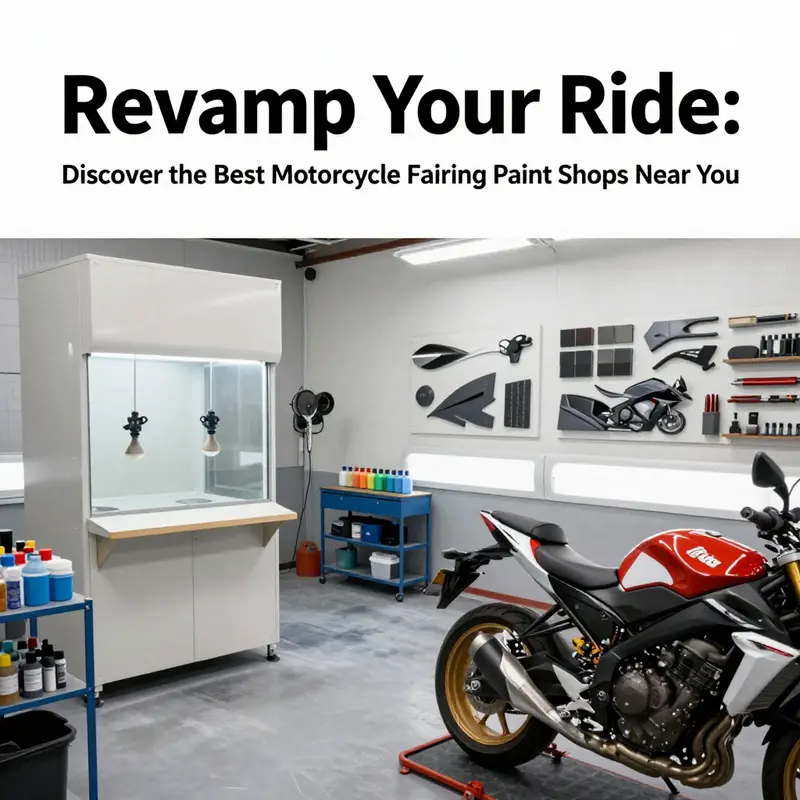
When a rider walks into a shop seeking a motorcycle fairing repaint, the first instinct is often to scan the color swatches and the glossy finish. Yet true quality hides in the steps that happen long before the spray gun fires. A reliable paint job begins with meticulous surface preparation, which is not glamorous but is essential. The technician treats the fairing as a substrate that must be coaxed into accepting new color through thorough sanding, careful priming, and thorough cleaning. This quiet triad lays the groundwork for adhesion, color integrity, and longevity. If any of these steps falter, the paint can lift, peel, or degrade under UV exposure and weathering far sooner than a rider would expect. The fairing, being a curved and composite piece, presents unique challenges that demand a methodical approach rather than a rush to finish lines or a gimmick color match. In practice, a reputable shop will show you a clear sequence: start with a clean, dry surface, progress to granular sanding to create a uniform micro-roughness, mask edges and fasteners with precision, apply a compatible primer, and then re-sand, re-clean, and re-mask before color and clear are introduced. This attention to preliminary work is not merely a ritual; it is a warranty on durability. The paint is only as strong as its adhesion, and adhesion starts with surface preparation that respects the material, the existing coatings, and the geometry of the fairing. The result is a finish that resists peeling when the bike sits in the sun at a roadside café, resists chipping from gravel and road debris, and remains true to color as it weathers through seasons of heat, rain, and spray from cleansing with waxes and cleaners. The best shops recognize that their reputation depends on what happens after the first wipe down. They test the surface by scuffing a small area to verify that the primer accepts a film of paint and that the adhesion remains robust under flexion, which is critical given the fairing’s many joints and fasteners. They also scrutinize the humidity and temperature in the booth, because a well-controlled environment matters as much as the equipment itself. A clean humidity profile and stable air pressure help prevent solvent lift and solvent pop, small imperfections that can be invisible until a rider looks at the sun glint and sees a micro-blister or a streak that betrays rushed work. In the conversation with a shop, riders can ask about the details of the preparation phase and listen for specifics rather than slogans. A good shop will describe the steps it follows to ensure the surface is truly ready to receive color. The type of paint matters as well. The most durable choice for motorcycle fairings is often a urethane-based system, favored for its balance of hardness, flexibility, and UV resistance. Urethane paints resist sun-induced fading and are less prone to micro-cracking when the fairing flexes during riding. They also offer a superior gloss that endures through the years, which is part of the reason many riders look for urethane-based finishes when they search for a fairing repaint near them. The shop’s selection of materials signals a philosophy about longevity and maintenance. It is not just about the color; it is about how the color is held onto the surface by chemistry that respects the bike’s materials and the rider’s expectations. The quality of the paint goes hand in hand with the skillful execution of color matching. This is where modern technology meets old-fashioned craft. In a modern shop, technicians do more than eyeball a shade and hope for a perfect match. They use OEM specifications as a baseline, but they understand that real-world conditions—like the curvature of a fairing, the presence of metallic flakes, and the age of the underlying coat—can alter the final appearance. To achieve an exact match, many top-rated shops rely on spectrophotometry. A spectrophotometer reads the light reflected from a color sample and translates it into a precise formula that can be reproduced in the spray booth. The result is not a guess but a calibrated recipe that can be cross-checked against the original manufacturer code. This level of precision is why color matching matters beyond aesthetics: incorrect color can be conspicuous on a touring saddlebag or a sport fairing and can ruin the visual harmony of a bike. The technicians who implement these procedures are not merely sprayers; they are color scientists with an intimate knowledge of how finishes age and how pigments interact with the cyclic heating and cooling of riding days. They must also be prepared to communicate with riders about the boundaries of color. Lighting, camera calibration, and even the lighting inside the shop can affect how a shade reads in conversation with a customer. A professional shop will present a detailed color-matching plan, including test panels, formula numbers, and a timeline for layers and curing. The value of this transparency cannot be overstated. When a shop provides a documented plan, it reduces the risk of hidden costs and misaligned expectations. It also creates a framework for accountability if the final color appears inconsistent under certain lighting angles or if the panel edges show a micro-edge tint due to the geometry of the fairing. Beyond surface prep and color, skilled technicians bring a refined understanding of the mechanical constraints of fairings. The structure of a fairing often involves multiple components: the main shell, vent ducts, mounting points, and a network of screws and rivets that can affect paint coverage and edge definition. The paint process must accommodate these features without creating runs, sags, or edge lifts. A thoughtful approach includes masking techniques that protect flanges, rivets, and trim pieces while allowing paint to reach recessed cavities evenly. The final steps—clear coats, curing, and quality checks—are the last lines of defense against defects that only appear after a ride or after months of exposure. A high-quality clear coat adds depth, hardness, and resistance to weathering, while a controlled cure time minimizes solvent entrapment and reduces the risk of micro-cracking. A shop that emphasizes durability will also explain its post-paint care instructions, including recommended cleaning products, waxes, and storage practices. It will offer a warranty or guarantee on the paint film and will be prepared to stand behind the work for a defined period. Red flags should be clear and actionable. If a shop quotes an unusually low price, that can signal corners cut in preparation, primer quality, or curing controls. A portfolio or gallery of previously completed jobs is not optional; it is a crucial record that demonstrates consistency in results across different models and years. A shop that cannot or will not provide a written estimate is not taking responsibility for the process. Absence of warranties should raise concerns, because even the best workmanship can encounter edge conditions after a few months of exposure. Transparent pricing should include itemized line items for surface prep, primer, base coat, clear coat, and any color-matching charges. If a shop cannot separate these costs, that is a reason to pause and request clarification before proceeding. When riders search for a “motorcycle fairing paint shop near me,” they are not just looking for proximity; they seek a reliable partner who understands that a repaint is an investment in the bike’s visual identity and resale value. The navigation toward such a partner blends three threads: verifiable information, practical experience, and independent verification through reviews. Online reviews on maps and local platforms reveal consistency in service, responsiveness, and aftercare. Rider forums deepen the picture by sharing nuanced experiences that feature make and model specifics, exposing how certain paint systems perform on particular fairings after time and mileage. Manufacturer dealer networks can be an even more conservative compass. In the United States, for instance, official dealer locators guide riders to service centers with factory-trained technicians and access to factory-approved color codes and materials. These channels are not guarantees of perfection, but they offer a framework for trust built on standardization and accountability. When the search narrows to local options, it is worth consulting a few practical resources and approaching the shop with a clear plan. For example, exploring a reference catalog can help a rider understand how OEM shapes and contours influence color and finish. See the Honda fairings catalog for reference on OEM shapes and surface transitions, which provides a tangible sense of how certain curves interact with light and color. To explore this reference, you can visit the Honda fairings category. Honda fairings category. This resource is not a promise of service, but it offers a useful mental model for what a top-tier job should account for in terms of geometry, line continuity, and color flow along a complex form. In practice, the path to a trustworthy near-me shop begins with a careful combination of practical checks and credible sources. Use map-based searches to identify candidates, then consult portfolios and reviews to gauge consistency. Request a formal written estimate that itemizes each stage and includes the color-matching plan, the expected number of color passes, and the curing times for each coat. Ask about the brand of paint and whether the shop uses urethane-based systems; ask how they protect trim pieces and how they address potential logo decals or insignia. If you own a bike with factory graphics or third-party sponson decals, confirm that the shop has experience with decal removal and reapplication so that the final result is clean and indistinguishable from factory paint lines. The responsibility of choosing a fairing paint shop near you is not merely about hitting the right shade of color. It is about selecting a partner who understands the rider’s expectations for durability, appearance, and return-to-road readiness. A reputable shop translates these expectations into a service plan with milestones, a transparent cost structure, and a warranty that covers both materials and workmanship. When this alignment exists, the rider can enjoy a finish that not only looks pristine but holds up under the realities of riding—sun exposure, road grime, frequent washing, and the occasional off-bike encounter that comes with a spirited day on twisty roads. The right shop becomes part of the motorcycle’s extended life, underscoring the idea that paint is more than a cosmetic layer; it is a protective and expressive coating that takes on the stories the bike carries through miles and memories. As you move toward final selection, carry the thread of professional standards into the conversation with the shop. Ask for a sample panel or a small practice coat to verify color stability under the lighting conditions you use most often, whether that’s bright sunlight or a dim garage with LED lighting. Confirm the shop’s process for color verification at multiple angles and under different lighting temperatures, and request a written warranty that clearly articulates what is covered and for how long. It is in the clarity of these communications that riders find confidence. The aim is not to chase the lowest price but to secure a finish that remains faithful to the bike’s identity for years to come. For riders who value a thoughtful, well-documented approach, the search transforms from a quick distance calculation into a careful evaluation of craft, process, and accountability. Over the long arc of ownership, a well-executed fairing repaint can feel like a quiet investment that returns daily joy through a bike that looks and feels like new. It is a reminder that the labor behind the color—preparation, material choice, color science, and careful execution—matters as much as the final gloss. In the end, the most satisfying repaint experience is one in which the rider sees the result and feels that the shop has treated the project with respect for the bike’s original design as well as its current, riding identity. For additional guidance and official dealer support in the broader context of riders seeking reliable service networks, you can consult established dealer locators and resources. For official dealer guidance, visit the Harley-Davidson dealer locator: https://www.harley-davidson.com/en_us/find-a-dealer.html.
Final thoughts
Finding the right motorcycle fairing paint shop near you is more than just a simple search; it involves understanding the tools and resources available to evaluate your options effectively. By utilizing online maps, you can quickly discover the locations of various shops and their ratings. Customer reviews offer invaluable insights that can guide your decision, allowing you to choose a shop that meets your quality expectations. Lastly, having a grasp of professional standards ensures that you not only select a shop capable of delivering high-quality results but also one that genuinely cares about your bike’s aesthetics and integrity. Taking these steps can significantly enhance your motorcycle’s appearance, value, and your overall riding experience.