
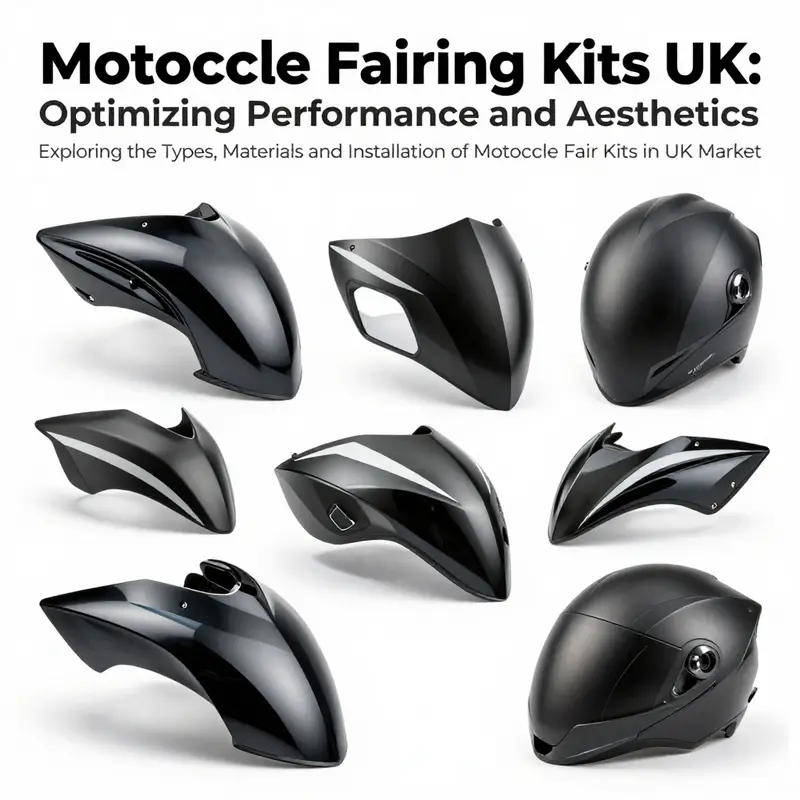
As the motorcycle industry continues to evolve, the importance of fairing kits in enhancing both the aesthetic appeal and performance of bikes cannot be overstated. With various options available in the UK market, such as complete and half fairing kits, business owners must navigate the diverse offerings to meet customer preferences. This article delves into the different types of motorcycle fairing kits, the materials used in their manufacturing, the best purchasing channels, installation challenges, and crucial performance considerations. By understanding these aspects, motorcycle businesses can make informed decisions that align with market demands and customer needs.
Full Enclosures versus Leaner Lines: A Comprehensive, UK-Focused Look at Full and Half Motorcycle Fairing Kits
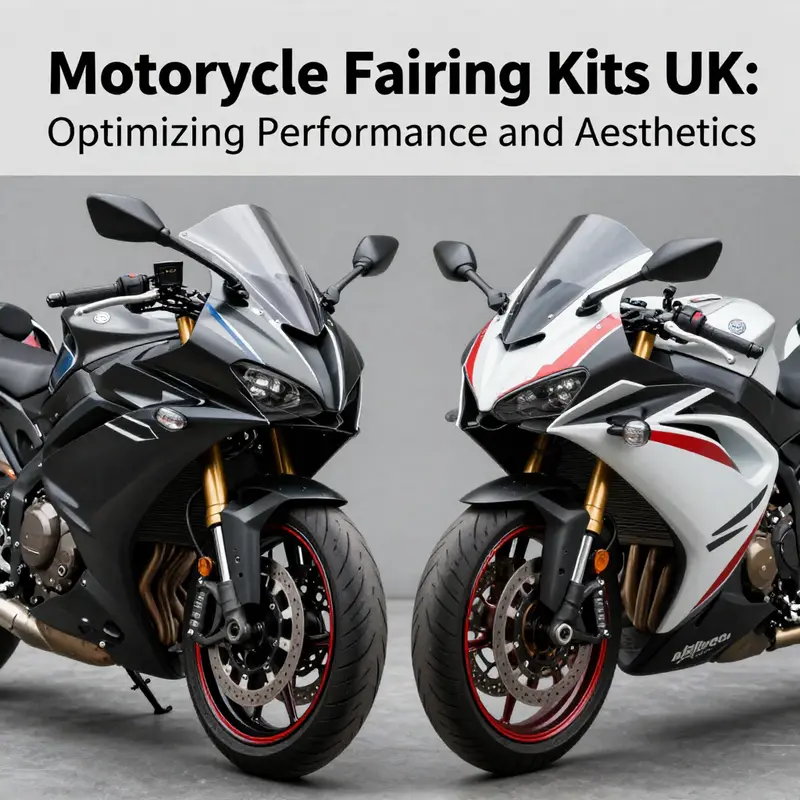
The UK market for motorcycle fairing kits stands as a reflection of riding diversity. Riders here juggle rain, high-speed transport, urban lanes, and the occasional track session, all while balancing cost, maintenance, and style. In this landscape, choices between full fairings and half fairings hinge on more than just looks. They hinge on how a rider wants to slice through air, how much protection is needed from the elements, and how much daily practicality must be preserved. Materials play a crucial role too. High-strength polycarbonate, ABS, and carbon fiber composites each bring different weight, durability, and price profiles. The goal for most UK riders is a kit that aligns with weather realities, road surfaces, and the cadence of a typical week—whether that means long highway miles, city commuting, or weekend track days. The discussion that follows weaves together design intent, aerodynamic performance, rider protection, maintenance realities, and real-world usability against the backdrop of the British riding environment.
Full fairings are designed to enclose the front and sides of the motorcycle, often wrapping around the handlebars and down toward the footpegs. Their primary advantage lies in aerodynamics. With a full shell shaping the airflow over the bike, drag is minimized, and wind pressure on the rider is greatly reduced at higher speeds. For riders who spend long stretches on highways or motorways, the advantage translates into steadier handling, improved fuel efficiency, and a more comfortable ride at touring pace. The degree of protection is another standout feature. A complete shell shields the engine, the rider’s upper torso, and much of the instrument cluster from rain, road spray, and road grit. In the UK’s climate, that all-weather shield translates directly into rider comfort, fewer interruptions for weather-related adjustments, and a sense of confidence when squalls move in without warning.
Yet there is a trade-off. The enclosure that boosts protection and aerodynamics also adds weight and can complicate maintenance. Access to engine components, spark plugs, and other servicing points becomes more involved. Tight gaps and mounting points require precise alignment during installation. This means professional fitting is often the prudent path for full fairings, especially when the goal is to preserve aerodynamic integrity and ensure windscreen and headlight lines are all in their optimum positions. The proliferation of modern materials helps mitigate these drawbacks; advanced ABS blends and reinforced polycarbonate reduce weight compared with earlier plastics, and carbon fiber options push weight further down while preserving stiffness. The result is a spectrum: some full kits emphasize maximum rigidity and wind tunnel-tested efficiency, while others lean toward cost-effectiveness and simpler, more forgiving fitment. For touring-minded riders, the full fairing becomes a kind of mobile shelter—weather protection, reduced fatigue, and a quieter cabin feel after hours in the saddle.
From a practical standpoint, the maintenance calculus tilts against the full enclosure in some contexts. With more panels to remove, maintenance access can become time-consuming. Routine checks or quick repairs might require disassembly of several sections, tools, and careful reassembly to maintain alignment. For riders who value ease of service and the ability to swap components quickly after, say, a minor accident or a cosmetic flaw, the full kit can feel less forgiving. That is not to say a full fairing is untenable for daily use; many riders optimize the experience by choosing panels that are easier to remove or by naming a designated service window with a trusted technician. The weight penalty, though modest with modern materials, still factors into handling dynamics, especially on lighter bikes where the fairing adds a noticeable fraction to the overall mass.
Half fairings present a striking counterpoint. They cover the upper portion of the bike—the front, the headlight area, and the upper fork region—while leaving the lower engine bay and sometimes the rear frame exposed. The aerodynamic gains are substantial yet more modest than those of full fairings. The wind is redirected more efficiently than naked motorcycles, reducing buffeting at mid-range speeds and delivering a sportier, aggressive silhouette. For riders who crave a balance between performance and practicality, half fairings often feel more natural on city streets and winding back roads. The reduced surface area means a lighter, more nimble feel, which translates into crisper steering response and easier maneuvering in tight spaces. In terms of protection, the rider may experience more wind on the chest and arms at highway speeds, so many owners pair a half fairing with a taller windscreen to tune the airflow and noise levels at higher speeds.
Maintenance access is where half fairings shine. With fewer panels and exposed components, routine inspections, filter changes, and minor adjustments can be accomplished with less downtime and fewer tools. This makes half fairings particularly appealing to urban commuters, cafe racers, and riders who frequently service their own bikes or rely on a quick-turnaround shop visit. The weight advantage also benefits handling, contributing to a lighter steering effort and a more agile feel during cornering. Aesthetically, half fairings often convey a minimalist, sport-oriented vibe that many riders associate with modern styling cues and a sense of speed even at rest. They are well suited to riders who value a lean, focused look and a setup that emphasizes rider interaction with the bike rather than a fortress-like enclosure around the engine.
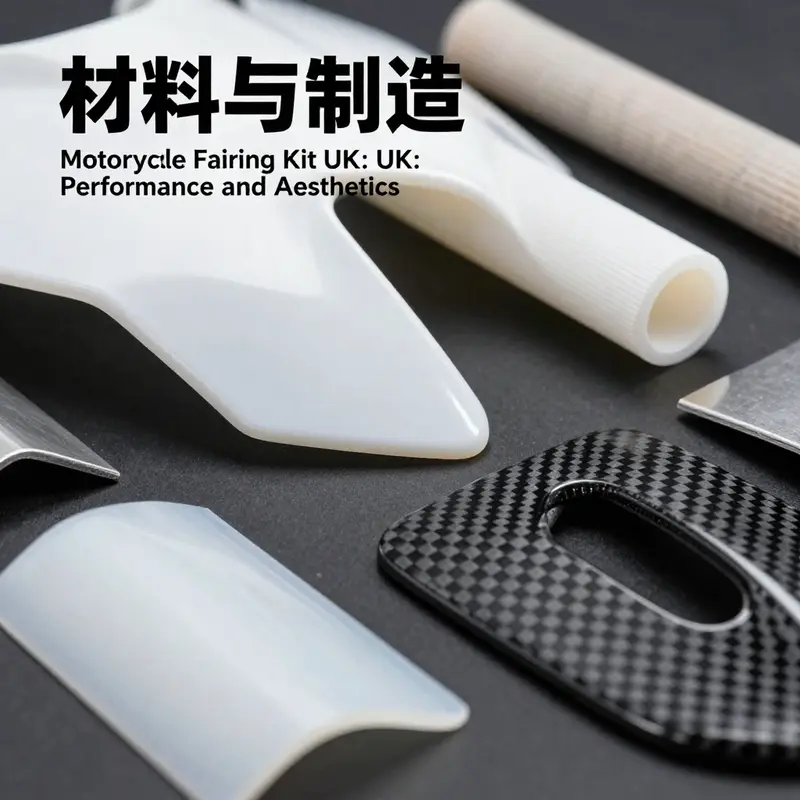
The materials used in fairings influence both performance and price, and the UK market reflects this spectrum. Carbon fiber, while at the high end for track-oriented kits, delivers the lightest weight and stiffness. Carbon components, however, command a premium and require careful mounting to avoid fatigue or impact damage. ABS plastics and polycarbonate blends offer a practical mix of impact resistance, flexibility, and cost. They handle road debris well and can be more forgiving in everyday use, especially on rough British roads where potholes and debris are a real concern. Some riders opt for polycarbonate panels with reinforced edges or multilayer laminates to improve resistance to cracking. The choice of material shapes not only the kit’s price but its durability, weather resistance, and long-term behavior under temperature cycles, which matter in the UK’s damp climate. While weight considerations are important, rigidity and impact resistance become decisive when the bike is pressed into service on fast motorway runs or track days.
Beyond the raw physics, the decision between a full and a half fairing ties to riding philosophy. A touring or long-distance rider tends to favor full coverage for weather defense and quiet, stable high-speed performance. A sportier rider who values agility and a rider-bike connection may gravitate toward a half fairing for the lighter, more tactile experience. Yet the rider’s daily reality—rainy mornings, wet streets, and the need for quick maintenance between commutes—can tilt the balance again. It is not unusual for riders to adopt a dual approach: a full fairing for weekends and longer trips, a half or minimal panel for everyday use. In some cases, riders choose single-panel replacements for targeted repairs rather than a complete swap, allowing targeted refresh while preserving the overall character of the bike. Such modularity reflects a broader trend in the UK market toward customization that remains mindful of cost, ease, and long-term reliability.
A few practical considerations underpin all these choices in the British environment. Weather resilience is a core concern. With frequent rain and road spray, a well-sealed fairing helps keep electronics and fasteners protected, while a robust mounting scheme minimizes the risk of panel misalignment after a cold snap or a rough ride. Road type matters, too. On the UK’s mix of fast dual-carriageways and narrow urban streets, the balance between coverage and weight becomes a feel question—how much protection is worth compromising agility and maintenance ease. Insurance and legal compliance add another layer. Aftermarket kits should meet safety standards and be properly mounted to avoid issues in inspections or on the road. The best options in the market today incorporate certified mounting hardware, clear fitment references, and documentation that helps ensure the kit remains compliant with road-use requirements. When in doubt, consulting a qualified technician familiar with aftermarket aerodynamics can prevent misalignment, which otherwise can degrade both performance and safety.
For buyers, channel choice matters as well. The UK market offers a spectrum of routes—from official dealers who can verify model compatibility and ensure correct mounting, to specialist parts platforms that curate fairing kits for a wide range of bikes, to general online retailers where price and availability can drive quick decisions. The most reliable paths emphasize compatibility lists, model-specific fitment notes, and robust return policies. It is wise to cross-check the kit’s model-match documentation with the bike’s frame and subframe dimensions, to confirm that headlight and turn-signal assemblies align with the new contours, and that venting and radiator clearance remain unobstructed. Ultimately, the right choice hinges on a rider’s priorities: weather protection and highway comfort, or weight, agility, and ease of maintenance. In either case, the UK’s varied riding conditions reward a thoughtful approach that blends design intent with real-world usage.
To explore related options and gauge compatibility across platforms, you can browse the broader fairings category for different makes and models on reputable catalog sites. This can be a helpful step before committing to a full fairing or a partial replacement, ensuring that the chosen kit aligns with the bike’s geometry and with the rider’s lifestyle. When evaluating any kit, look for consistently documented fitment notes, clear component lists, and evidence of quality control tests. For riders prioritizing high-speed stability and weather resilience on long UK journeys, a full fairing designed with airtight seals and precise panel alignment often delivers the best overall experience. For those who prize nimble handling, maintenance simplicity, and a lean aesthetic, a half fairing can offer an appealing balance without sacrificing the satisfaction of a well-finished appearance.
As the market evolves, the key takeaway remains straightforward: the choice between full and half fairings is ultimately a choice about balance. It is about how a rider wants to engage with the road, how much time they spend in the saddle, and how much effort they are prepared to invest in fitment and upkeep. The UK’s riding ecosystem rewards both paths when approached with attention to compatibility, quality mounting, and realistic expectations about wind, weather, and road conditions. With the right setup, a fairing kit becomes not just a cosmetic upgrade but a coherent extension of how a rider experiences speed, comfort, and control on the nation’s varied byways. The conversation between design, physics, and everyday use is ongoing, but the guiding principles are stable: prioritize alignment between riding style, environmental demands, and practical maintenance, and the kit will serve as a confident partner on every mile ahead.
Internal link reference: for a broader look at fairing options and compatibility across platforms, explore the fairings category here: fairings category.
External resource: a reliable UK-based reference for fairing options and safety standards is available at https://www.bikebandit.co.uk/motorcycle-fairings.
null
null
Navigating the UK Market: Retailers and E-commerce Platforms for Motorcycle Fairing Kits
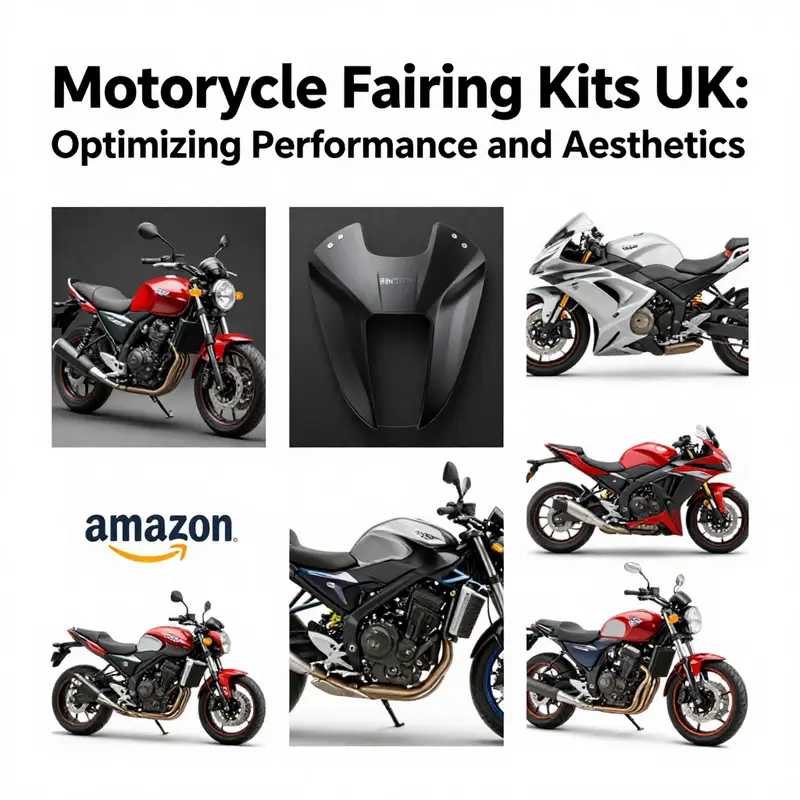
Riding a motorcycle with a fairing kit in the United Kingdom means stepping into a marketplace that blends official channels, aftermarket specialists, and broad online platforms. The spectrum is wide enough to suit a rider aiming for a showroom-perfect restoration, a sportier street machine, or a practical commuter that still carries a taste for aerodynamic refinement. In this landscape, the channels you choose can shape everything from fit and finish to warranty coverage and post-purchase support. The core insight is simple: there is no single best path, only the path that best matches your bike, your budget, and your expectations for installation and longevity.
The most straightforward entry to fairing upgrades in the UK comes through official or brand-aligned channels. These sources typically stock complete or partially complete kits designed to align with a maker’s own design language. They are especially appealing when a rider values brand-wide compatibility, consistent fitment, and a straightforward return or warranty process should anything misalign during installation. For many riders, this path is a reliable starting point when a motorbike has sustained damage and a full or semi-complete visual rebuild is on the table. The reassurance of an OEM or brand-supported kit can also help ease the transition from factory aesthetics to a more aggressive or more refined look, depending on the rider’s vision.
Beyond brand portals, the UK’s online marketplaces and specialist retailers form a dense ecosystem that expands choice while raising questions about fit, material, and long-term durability. Large regional e-commerce platforms present a broad catalog that ranges from generic fairing kits to more tailored options that claim compatibility with multiple models. The upside is obvious: breadth and quick shipping, with abundant customer reviews to guide a decision. The trade-off is that this breadth can mask critical differences in materials, thickness, and mounting hardware. For a rider who wants a ready-to-fit experience, a careful compatibility check and a closer look at the included hardware are essential steps before pulling out a credit card.
Specialist motorcycle parts retailers operate as a bridge between online convenience and hands-on expertise. They tend to curate inventories around particular brands or model ranges, and they often provide additional support such as installation guides, fitment charts, and direct access to technical staff who understand a bike’s geometry and mounting points. This is especially valuable when a kit comprises the full front, side, and rear panels, or when a rider leans toward a “half fairing” treatment that transforms a bike’s look while preserving a portion of its naked silhouette. In these contexts, the retailer’s role expands from vendor to advisor, helping the rider choose a kit that preserves original riding dynamics even as it alters appearance. The emphasis shifts from simply acquiring a panel to coordinating with brackets, grommets, and sometimes re-routing hardware, which means timing and method of installation become essential considerations.
Shopping for fairing kits in the UK also involves recognizing how the material choice intersects with cost and weight. For track-oriented builds, carbon fiber composites may be highlighted for their lightness and stiffness, yielding performance gains that matter in pure speed or aggressive handling. For daily riding or urban commuters, engineering plastics such as polycarbonate or ABS offer a pragmatic balance of cost, impact resistance, and ease of shaping. This material spectrum informs not only price but the practicality of installation. A complete fairing kit can introduce a notable weight difference and a relational change in how the bike’s front end interacts with wind and road, while a single-panel replacement focuses more on targeted aesthetic restoration with minimal disruption to ride characteristics.
For riders who prioritize a design language that flows with the bike’s silhouette, a complete kit is often the most satisfying option. These sets typically aim to cover the entire front and sides, sometimes including the tail section, windshield, and associated mounting hardware. The installation process for such a kit tends to be more involved and often benefits from professional technicians who bring precision alignment tools and experience with the model’s mounting points. In contrast, half-fairing kits, which cover only the front and midsection, offer a sportier appearance while allowing the rear to retain its original, more relaxed profile. This approach is popular with urban riders and enthusiasts who want a lean, café-racer vibe without fully transforming the bike’s ride geometry. Finally, single-panel replacements provide a budget-friendly, modular route for addressing damaged components or making incremental updates. By swapping out a damaged front fairing, a panel, or a tail section, riders can modernize the look without overhauling the entire bodywork.
The question of where to buy is ultimately a question of how you value speed of delivery, support, and assurance of compatibility. UK availability of fairing kits is robust: direct-from-brand outlets whose inventories align with UK specifications, established motorcycle parts specialists who devote attention to correct mounting schemes, and broad online marketplaces that aggregate options across brands and models. One practical benefit of shopping within the UK is the relative ease of return policies and warranty avenues, which can be more straightforward than cross-border arrangements. In addition, many retailers offer shipping within the UK with predictable timelines and local customer service channels, a convenience that matters when fitting schedules hinge on weather, workshop availability, and ride-time windows.
As riders navigate these options, a key strategy is to verify model compatibility before purchase. This means cross-checking the kit’s model-year fitment list against the bike’s exact make, model, and year. It also means paying attention to the kit’s included hardware and whether the set presumes you are starting from a near-stock frame or if it assumes the presence of existing brackets that may require modification. Reviews from other UK buyers can illuminate both ease of installation and real-world fit, which is especially valuable when the kit is intended to integrate with UK roads and typical weather conditions. Where possible, look for documentation or certification that confirms alignment to recognized industry standards.
A practical shopper in the UK will also consider long-term maintenance and serviceability. Some fairing kits come with dedicated installation guides or access to technical support that can walk a rider through alignment steps, screw torque specifications, and how to handle panels that are slightly warped or misaligned after transit. Where a kit is paired with professional installation, book-in windows, and availability of skilled technicians can influence the decision to purchase a full kit versus a smaller, incremental set. An informed buyer will weigh the total cost of ownership, including potential rework, vs. the upfront price. The wind in this equation is the improved aerodynamics and aesthetics a fairing kit can deliver, translating to reduced wind fatigue at highway speeds, a cleaner silhouette under street lighting, and the satisfaction of a bike that feels freshly built even after years on the road.
For riders who gravitate toward a model-specific or brand-aligned pathway, one can begin the exploration by exploring categories that reflect the bike’s lineage. A Kawasaki-focused pathway, for instance, can lead to a curated set of fairings designed to align with the Ninja lineage, emphasizing precise fit and minimal modification. A Ducati-specific route might highlight panels that echo the brand’s aggressive lines and distinctive angles, prioritizing a factory-like look that complements the bike’s stance. The decision to pursue a particular path is rarely just about looks; it is about how a kit harmonizes with the bike’s weight distribution, rider ergonomics, and the tactile feedback that riders associate with a given chassis. The UK market supports this layered choice by providing a mix of official channels, horse-powered performance retailers, and broad online platforms, all accessible with reasonable shipping, clear return policies, and the potential for professional installation guidance.
For riders who want a direct way to explore options tied to a specific model or brand family, internal resources within the broader motorcycle aftermarket community can be useful. A well-structured catalog can guide the eye toward a family of fairings that share mounting points, a common hardware base, and a coherent visual language. A practical path is to visit specialized categories that group fairing options by model family and then navigate toward a compatible kit using a model-year filter. While browsing, keep in mind the lifecycle of a kit: some entries reflect newer, updated designs capable of better airflow and durability, while older listings may offer cost-effective choices with proven fit.
A final consideration is the synergy between appearance and performance. Some riders plan to use their kit for more than cosmetic enhancement; they seek real aerodynamic benefits to tame drag, improve wind protection, or optimize cooling. For those riders, it can be worth consulting wind tunnel–tested or performance-validated options when they are available within the UK market. The balance between long-term reliability and immediate visual impact often determines whether a given path is pursued through a brand’s official channel, a specialist retailer, or a broad e-commerce platform.
If you are curious to explore a practical, model-oriented category that aligns with a specific bike family, a convenient entry point is to look for dedicated pages that group models by brand families. For example, a Kawasaki-focused fairings page can help you quickly assess fitment for a Ninja model and related variants. See the Kawasaki fairings category for curated options that reflect the model’s geometry and mounting philosophy: Kawasaki fairings.
As the UK market continues to evolve post-Brexit and with ongoing changes in logistics and aftersales support, the core guidance remains stable: verify compatibility, consider installation practicality, and weigh the total cost of ownership against the visual and aerodynamic gains you seek. Whether you lean toward an official kit that preserves a brand’s design integrity, a specialty retailer that blends knowledge with tailored recommendations, or a broad marketplace that offers the widest selection, the journey to a better-looking, better-performing fairing kit in the UK is navigable. The channels are abundant, the rider’s toolkit—ranging from technical diagrams to customer reviews and professional installations—continues to grow, and the road to a refreshed fairing is shorter than you might think.
External resource: https://www.harley-davidson.co.uk
Installation Dynamics in UK Motorcycle Fairing Kits: Navigating Fitment, Skill, and Practicality
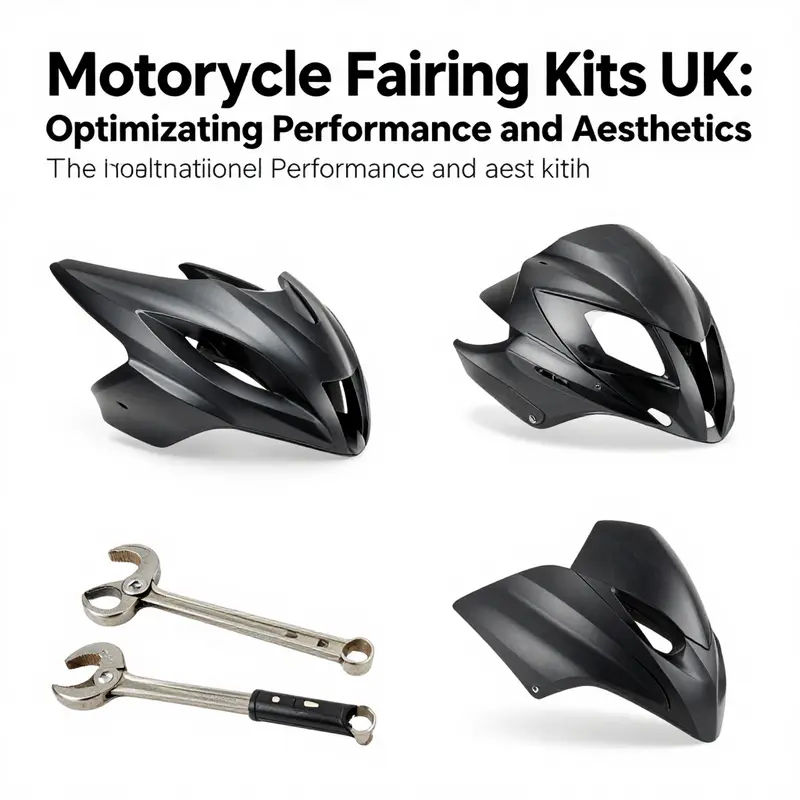
Upgrading a motorcycle’s silhouette through a fairing kit is more than a cosmetic choice; it is an exercise in aerodynamics, weight management, and, crucially, fitment reality. In the United Kingdom, the market for motorcycle fairing kits is broad and diverse, covering everything from full-body assemblies to targeted panel replacements. Riders approach these upgrades with different priorities: some chase showroom aesthetics, others seek wind protection for longer rides, and a few pursue weight reduction for better handling on mixed road surfaces. A common thread across these motivations is the need to balance ambition with practicality. A kit that looks spectacular on a showroom stand will not deliver the intended benefits if it can’t be mounted reliably, aligned precisely, and integrated with the bike’s existing systems. The journey from a box of panels to a finished, road-ready setup hinges on two core factors: installation complexity and model-specific applicability. These two factors determine not only the feasibility of the upgrade but also the overall riding experience after completion.
Installation complexity sits at the heart of every fairing decision. Many UK-sourced kits are designed for DIY installation and arrive with pre-drilled holes, OEM-style brackets, and cut lists that promise a straightforward fit. The promise is attractive: fewer hours in a workshop or fewer calls to a technician, and a finished look within reach for the hobbyist who enjoys a hands-on project. Yet the real-world experience shared by riders indicates that the reality often requires more than what the brochure suggests. A kit might bolt up with a theoretical compatibility, but the practical alignment of upper and lower panels, the exactness of fastener holes, and the integration of lighting or instrument wiring can trip even the most confident weekend wrench. Some riders underestimate the precision needed when aligning panels at several points along the fairing line. Small misalignments can cascade into gaps, wind noise, uneven tightness, or rubbing against the screen and fork crowns. In worst-case scenarios, mounting points initially drilled to a closest-match pattern must be reworked, or brackets must be swapped for aftermarket variants, extending timelines and elevating costs.
To mitigate these challenges, most reputable suppliers emphasize two aspects: detailed, model-specific instructions and the availability of compatible hardware designed for that kit. For riders who prefer the calm certainty of a factory-like fit, professional installation remains the most reliable route, especially for full fairing sets that cover the front, sides, and rear with multiple panels and integrated lighting. Yet for urban riders or weekend enthusiasts, a balanced compromise exists in half-fairing kits. These mid-coverage assemblies provide meaningful wind protection and a modern sportbike aesthetic while reducing the number of mounting points to negotiate. They also ease the wiring task since fewer electronics are relocated or extended. The experience improves further when the kit’s panels are molded from materials that tolerate on-the-road flex without cracking, such as engineered polycarbonate or ABS, and when the internal bracing aligns with the bike’s frame geometry from the outset. For riders chasing lightweight performance, carbon fiber components are a tempting option, but the cost and fabrication tolerance make them more common in race-oriented builds than in daily commuting setups.
The applicability of a fairing kit is inseparable from the bike’s make, model, and year. Compatibility lists provided by manufacturers or retailers are essential reading before any purchase. They are not mere recommendations but practical guardrails that prevent the mismatch between a panel and a frame from turning a glossy upgrade into a frustrating error. Even small variations in frame architecture, mounting points, or fuel-tiller or electrical routing can render a kit unusable without modifications. The decision space narrows further when considering the intended riding context. Riders seeking touring comfort, weather protection, and reduced fatigue may prioritize full fairing coverage that preserves aerodynamics at highway speeds, while urban riders might value a half-fairing’s lighter footprint and more accessible maintenance access. For those with older or non-standard variants, a single-panel replacement can offer a cost-effective repair or a cosmetic refresh. In short, the applicability of any kit is a negotiation between the bike’s specific architecture and the rider’s ambitions, with the kit’s design intent guiding how smoothly the upgrade will proceed.
In practical terms, the process of turning a new fairing kit into a riding reality unfolds in a handful of general steps, each echoing the installation complexity and applicability themes. Begin with a careful review of the manufacturer’s compatibility notes and the kit’s included hardware. Some kits promise direct bolt-up without frame modifications, while others require trimming, rebending, or fabricating minor brackets to achieve a clean silhouette. A second step is an initial dry-fit—placing panels near their final positions without fully tightening fasteners—to verify alignment, gaps, and evenness along the fairing line. The wiring work then moves to a critical phase: lights, indicators, harnesses, and any integrated sensors must be routed with attention to heat, vibration, and potential interference with steering or suspension movement. As work progresses, a methodical tightening sequence and torque specification become essential. Over-tightening or uneven torque can warp panels or rupture fasteners, while under-tightening invites panel shift and flutter at speed.
Riders often discover that some kits are deliberately designed to align with specific variants of a model line, while others tolerate a broader range of frames with optional adapters. This distinction matters when choosing between a “fit-for-many” approach and a model-targeted solution. The cautionary note here is simple but crucial: even if a kit looks like it should fit a bike in your category, always verify the exact fitment list for your year, sub-model, and any regional variations that might affect mounting points or electrical routing. A useful mental model is to think of a fairing kit as a modular extension of the bike’s bodywork—one that must respect and reflect the bike’s engineering habits rather than override them. In regions with strict road-use standards, riders may also encounter certification considerations; while many materials comply with general impact and durability standards, wind-tunnel-tested or aerodynamically optimized kits may appeal to those pursuing higher-speed performance and more predictable air management.
Aesthetics aside, the practicalities of purchasing and installing these kits in the UK involve a few reliable channels. Official dealers and brand-owned outlets remain important, providing assurance of compatibility and, often, access to installation support. For those who enjoy a broader market view, professional and hobbyist retailers offer a spectrum of options, with user reviews acting as a real-world barometer of fitment ease and product quality. Online platforms widen selection further, but they also raise the risk of misfit and inaccurate fitment guidance if a listing lacks detailed specification notes. When evaluating options, it helps to consider not only the listed material—whether polycarbonate, ABS, or carbon fiber—but also the construction philosophy. Some kits emphasize lightweight, modular design to maximize ease of fit, while others prioritize seamless aesthetics and flawless panel alignment at the expense of a longer build process.
To illustrate the practical browsing approach without getting lost in model names, imagine a rider who wants to explore fairing options broadly across the market. A visit to a general category that aggregates fairings can provide a sense of scale and style—an entry point before you zoom in on a model-specific listing. A sample navigation path you might encounter online could be a category page dedicated to fairings, which serves as a launching pad for more targeted results. For riders in the UK, a useful navigational step is to explore the fairings category that aligns with the brand or model family you’re considering, then to cross-check with your bike’s exact year and trim. Within this browsing journey, a practical tip is to look for listings that explicitly state compatibility lists, installation instructions, and the presence of pre-fit hardware. The more transparency a seller provides around these facets, the higher the probability that the kit will install cleanly and perform as expected.
For those who want a concrete example of the broader ecosystem, a well-structured browsing path might include a dedicated fairings category that aggregates multiple brands and styles, accompanied by clear notes on fitment and mounting hardware. The web navigation itself mirrors the decision process a rider undertakes: first, gauge the scope of coverage (full versus partial versus single-panel); second, assess the compatibility against one’s specific bike; third, weigh installation complexity against available skills and tools; and fourth, confirm the presence of essential hardware and detailed instructions. If you are aiming for a race-ready or wind-optimized setup, you should also look for kits that have been wind-tunnel tested or engineered with performance in mind, even if they command a higher price or a longer installation time. In the end, a well-chosen fairing kit delivered with clear, device-ready wiring and precise fitment can transform the riding experience—reducing wind fatigue on long road duties and giving a rider a confident, aerodynamic posture that complements a well-tuned suspension and tires.
For riders who want to broaden their search with a tangible, brand-spanning exploration, a widely used navigation path includes a category page that aggregates fairings by brand families. This approach makes it easier to compare the visual language and the mounting philosophy across different manufacturers while preserving the ability to drill down to model-specific fitment lists. If you’re curious about a category that specifically aggregates fairings for a popular sportbike family, you can explore the Kawasaki fairings category to start your comparison. The link below will take you to a structured catalog where you can compare shapes, materials, and mounting approaches, which is a practical way to crystallize whether a full-kit, half-kit, or single-panel replacement best suits your bike and riding style: Kawasaki fairings.
No matter which path you choose, the underlying message remains: installability and applicability are not afterthoughts in the fairing upgrade equation. They are the two constraints that define whether a transformation is practical, affordable, and ultimately rideable. A kit that promises dramatic aerodynamic improvements is only as valuable as the ease with which you can install it correctly, verify its fit on your bike, and integrate it with the bike’s electrical and mechanical systems. If you plan to push the performance envelope—whether for weekend track days or fast-llying highway runs—you should consider select, wind-informed designs that have been tested and validated for real-world use. Otherwise, for everyday riding and occasional show-bike moments, a well-fitting, correctly installed half or full panel kit can deliver a compelling, durable upgrade that looks right in a UK climate that blends drizzle with sun and fast urban corridors alike.
External resource: https://www.harley-davidsonparts.co.uk/ (fitment specifics and official mounting guidance for Road Glide-related fairing upgrades)
Performance and Fitment in UK Motorcycle Fairing Kits: A Practical Guide for Choosing the Right Kit
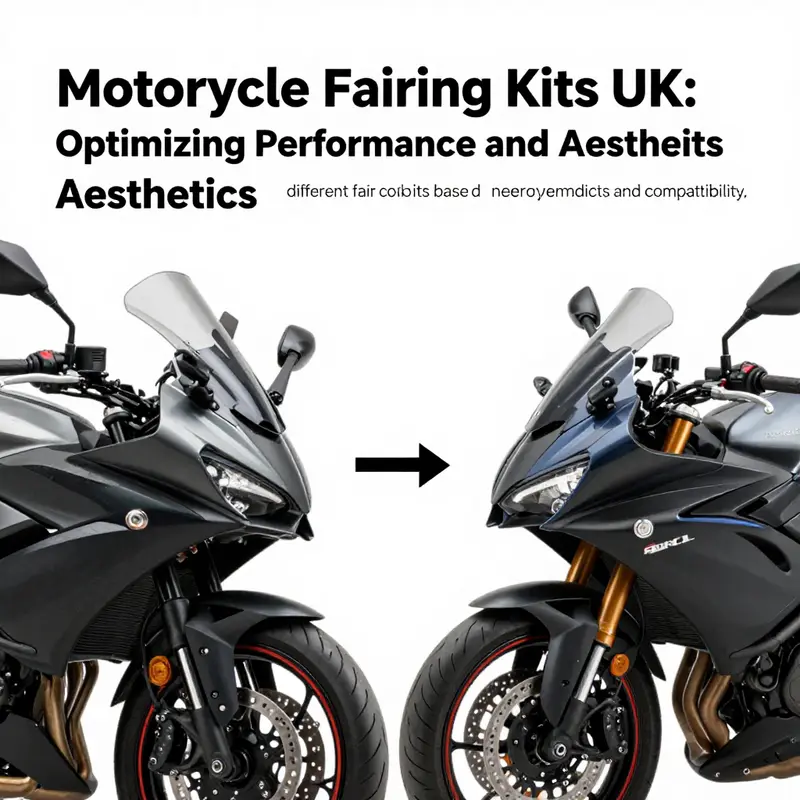
In the United Kingdom, riders encounter a rich spectrum of motorcycle fairing kits, spanning from complete full-body sets to more restrained half-fairing options. The choice isn’t merely about aesthetics; it hinges on performance, durability, and the ability to harmonize with a specific bike’s geometry. For many in the UK, fairing kits are a strategic upgrade—one that can sharpen airflow, reduce drag, and improve wind protection while projecting a rider’s personal style. The market mirrors the diversity of bikes available here, from sport-oriented machines to everyday commuters, and from factory-inspired replicas to custom, wind-influenced designs. The practical challenge is to navigate these options without sacrificing reliability or the smooth integration that a motorcycle needs on British roads and highways. The decision becomes even more nuanced when one considers how the kit will withstand frequent stops, rain, and variable temperatures that typify UK riding conditions. A thoughtful selection process should balance the visual transformation with real-world performance, ensuring the kit complements, rather than compromises, the bike’s handling and the rider’s comfort during long stretches on the motorway or through the countryside lanes.
At the heart of a sound choice lies compatibility. Compatibility is the foundation on which every other benefit rests. The UK market presents a wide array of models and generations, and even within the same model line, differences in mounting points, chassis geometry, and dashboard layouts can exist. This is why manufacturers emphasize fitment lists and precise model-year applicability. A striking visual change can quickly become a misfit if the kit doesn’t align with the bike’s fittings, screws, and electrical cutouts. A practical consequence of a poor fit may be visible gaps, misaligned panels, or rattling components at high speeds or after rough road surfaces. For riders aiming to undertake a repair after a mishap or who want a showpiece appearance, the need for exact compatibility becomes even more critical. Sometimes, riders may encounter kits that claim broad compatibility but fail to account for minor year-to-year differences. In such cases, consulting official dealers or verified retailers who specialize in UK-market bikes can help confirm whether a kit truly fits the chosen model and year. The principle is simple: confirm fitment before purchase, because even small misalignments can ripple into larger performance issues over time.
The performance dimension extends beyond fit. It encompasses the material choices, manufacturing quality, and the aerodynamic design of the kit. Standard practice in the UK market is to use engineering polymers such as ABS or polycarbonate for everyday street use. These materials offer a favorable mix of stiffness, impact resistance, and cost, which makes them a practical option for most riders who want dependable durability without a prohibitive price tag. For track-day enthusiasts or riders pursuing maximum performance, carbon-fiber composites or advanced resin-infused panels may be worth the premium. These lighter, stiffer materials can contribute to a more responsive steering feel and steadier high-speed stability. Yet material choice is not simply about weight; it also affects resilience against stone impacts, rain, and UV exposure. In this sense, a high-quality fairing kit typically integrates careful ribbing, reinforced mounting points, and precisely engineered joints that reduce flex and fatigue during long rides or high-speed stretches.
Innovative design features also influence performance in meaningful ways. Some kits incorporate vent channels and airflow guides that optimize engine cooling and cabin comfort. Subtle shapes, such as aero foils or contouring around the cockpit, can direct air to reduce buffeting at highway speeds. In a market where wind tunnels aren’t always accessible to every consumer, the reputation of a kit’s aerodynamic principles often rests on the reputation of the manufacturer and the kit’s tested lineage. When a kit has undergone wind-tunnel or computational fluid dynamics validation, riders can expect a measurable improvement in stability and reduced wind noise at speed. This consideration becomes particularly important for riders who commute at higher speeds or who travel long distances across exposed routes where wind pressure is a constant factor. With the right combination of materials and aerodynamics, a complete or half-fairing kit can meaningfully improve comfort, reduce rider fatigue, and even assist with heat management by enabling more efficient airflow around the radiator and engine areas.
In discussing performance, it is also useful to account for the broader ecosystem of the UK market. The distribution channels provide a spectrum of options, from official brand channels through local authorized dealers to specialized aftermarket retailers and established online platforms. Each channel offers a different level of assurance in terms of fitment guarantees, return policies, and after-sales support. For most riders, the safest route begins with official or highly reputable retailers who publish explicit compatibility information and detailed technical specifications. Those who are budget-conscious or seeking to salvage a damaged panel may opt for single-piece replacements or partial kits. These options can deliver targeted performance gains without the commitment of a full kit. However, the installation implications can vary widely. Full fairing kits typically require professional tools and precise alignment, while single-panel replacements may be more amenable to a DIY approach with basic hand tools. The variance in installation complexity is an important practical consideration for UK riders who may be working within a tight schedule or a modest workshop space.
One practical approach to narrowing the field is to think in terms of model families and intended use rather than chasing every possible aesthetic. For some brands, a specific fairing family may popularize a look that aligns with a rider’s preference for a race-inspired stance or a more streamlined street profile. For enthusiasts focusing on a brand with a strong racing heritage, a complete kit can deliver an integrated silhouette that retains operational clearance for headlights, indicators, and the rider’s instrument cluster, while still delivering a dramatic upgrade in appearance. For urban riders who value practicality and simplicity, a half-fairing kit can offer a balanced mix of protection and exposure, enabling quick access to the fuel tank and maintenance points while preserving the bike’s agile feel. In every case, a careful reading of the model’s fitment list, the panel layout, and any notes on electrical routing will help prevent unexpected complications during installation.
A practical route to informed decision-making is to explore brand-relevant ranges that reflect the UK market’s expectations. For example, Kawasaki riders looking for a coherent set of fairings may find a dedicated Kawasaki fairings range that aligns with their model’s unique mounting points and panel geometry. The same principle applies to other brands, where years of production may introduce subtle shifts in tank shape or dash cluster position. An important guiding principle is to prioritize compatibility over novelty. A well-fitted kit that complements the bike’s original proportions will outperform a more elaborate design that clashes with the frame, headlight geometry, or windscreen. This approach also reduces the likelihood of compromising structural integrity or creating wind-induced vibration.
When it comes to sourcing, the UK market offers several reputable pathways. Official dealers can provide confidence in fitment and warranty coverage, while specialized aftermarket retailers may offer broader color, finish, and material options. Online marketplaces can be convenient, but they require careful scrutiny of product specifications, including the panel counts, the exact model-year coverage, and any mounting hardware included. The alignment between the kit’s components and the bike’s existing fasteners is essential; missing or misaligned hardware can prolong installation and erode the kit’s visual integrity. In addition to fitment and materials, buyers should verify any certifications or standards that the kit claims to meet. A CE marking or other recognized compliance signal can offer reassurance about quality control and product safety under UK regulations. As with any substantial upgrade, riders should allocate time for a thorough inspection after installation—a period during which the panels should sit flush against the frame, the gaps should be uniform, and the windscreen should align cleanly with the panel lines.
To help connect these principles with practical choices, consider a rider who prioritizes performance but also wants a clear, coherent look. For Kawasaki enthusiasts, a dedicated Kawasaki fairings range ensures a consistent aesthetic and reliable fitment guidance, reducing the guesswork that can accompany generic or cross-brand kits. For readers who want a direct route to exploring a brand-specific catalog, a convenient entry point is the Kawasaki fairings page, which provides a curated overview of compatible models and panels. This approach helps ensure you buy with confidence, knowing that each kit is designed to align with a specific set of frame and bodywork dimensions. For deeper exploration of brand-specific options, you can browse the Kawasaki category to understand the breadth of choices and how they match popular UK models.
In the end, the right decision rests on a balance of compatibility, performance, and practical logistics. A careful fitment check, a respectful appraisal of the kit’s material and aerodynamics, and a clear plan for installation can transform a routine upgrade into a satisfying, long-lasting enhancement. The UK market rewards riders who approach the process with clarity: identify the exact model-year fit, weigh the performance benefits against the cost, and select a channel that offers reliable support and clear return policies. By grounding the choice in these principles, riders can enjoy a transformed profile that remains faithful to the bike’s original spirit while delivering the improved airflow, protection, and stance they seek. For anyone looking to explore brand-specific options further, the following link offers a straightforward entry to a relevant catalog: Kawasaki fairings.
External resource for further reading on the aerodynamic principles behind fairing design and performance: https://en.wikipedia.org/wiki/Aerodynamics
Final thoughts
In conclusion, understanding the nuances of motorcycle fairing kits is essential for business owners looking to cater to the varied demands of motorcyclists in the UK. From choosing between complete and half fairing kits to selecting the right materials, the decision-making process requires thorough insight. Additionally, knowing the best retail channels and installation challenges can enhance customer satisfaction and ensure the right products are offered. Finally, considering performance and compatibility when advising customers will serve to bolster business credibility and support riders in achieving their desired motorcycle aesthetics and functionality.