

Motorcycle fairing is a crucial component that not only enhances the aerodynamic performance of the vehicle but also provides essential protection for both the rider and the motorcycle itself. With an understanding of the various types of fairings—full, three-quarter, half, and naked—business owners can make informed decisions about product offerings and marketing strategies. Each chapter will delve into a specific type of fairing, outlining its applications, relationships to motorcycle performance, maintenance implications, and the aesthetic considerations that play a role in rider preference. A thorough grasp of these elements will empower business owners in the motorcycle industry to cater to diverse customer needs effectively.
Full Fairings in Motion: How a Complete Shell Elevates Speed, Comfort, and Safety on Motorcycles
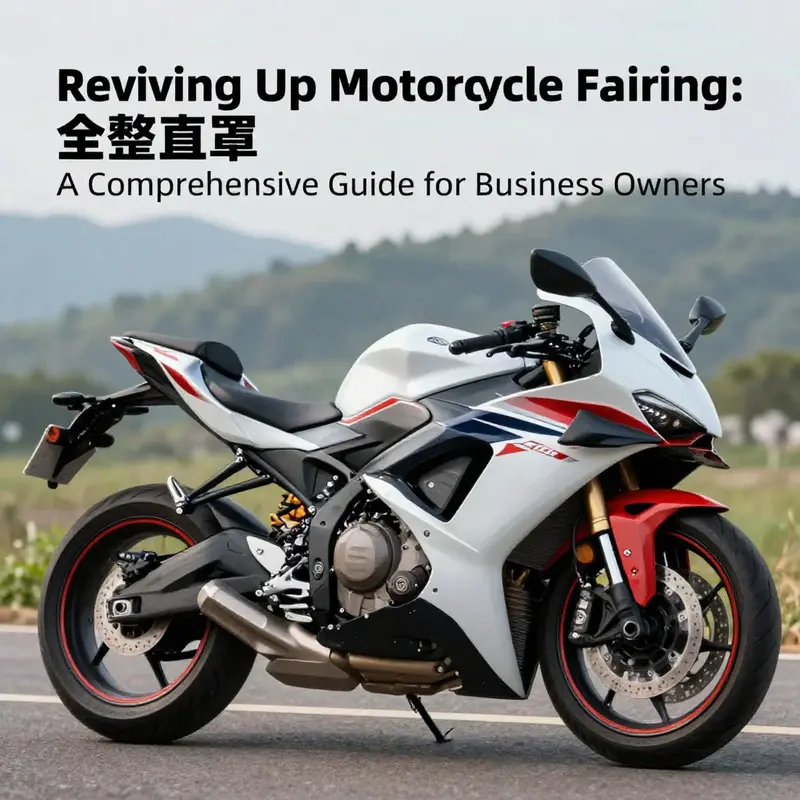
A motorcycle’s silhouette is more than a visual statement; it is a carefully engineered relationship with the air surrounding it. The full fairing, as a comprehensive body shell, embodies that relationship. It is not merely a decorative enclosure; it is an aerodynamic strategy, a shield for the rider and core components, and a canvas for the evolving aesthetics of performance motorcycles. When the shell covers the front, sides, and sometimes portions of the tank and engine, it creates a controlled flow that turns air from a disruptive opponent into a cooperative influence. This transformation is at the heart of what engineers and riders value in a full fairing. By enveloping critical surfaces, the fairing guides air to stream smoothly around the machine, reducing eddies and pulsating pressure that would otherwise sap speed and stability. In high-speed riding, even small improvements in how air negotiates the bike can yield noticeable gains in acceleration and top-end performance, while also softening the ride through reduced gusty buffeting. The full fairing thus operates on multiple axes at once: it shapes the carnal thirst for speed, it preserves a rider’s stamina on long roads, and it protects the bustling inner life of the machine from the roughness of real-world wind and weather.
The physics behind the full fairing is both elegant and relentlessly practical. By effectively cloaking the upper chassis and the front bodywork, the fairing lowers the frontal area that meets the wind and converts that encounter into a more favorable pressure distribution over the bike’s surface. This is not just about polishing the surface to look sleek; it is about balancing drag reduction with clean separation of the airflow. A well-designed full fairing minimizes turbulent wake behind the helmet and shoulders, guiding the air in a way that reduces the Cd, or drag coefficient, as the rider accelerates toward highway speeds. The result is a bike that maintains speed with less engine effort, which in turn can improve fuel efficiency and reduce thermal load on the cooling system over long stints of riding. Importantly, the influence of a full fairing is not limited to outright aerodynamics. Because the shell covers much of the frame, it also shapes the way the bike behaves when cornering at lean or when plant times are short. A smoothly contoured fairing can keep the center of pressure aligned with the bike’s mass distribution, preserving predictable handling characteristics even as the rider changes lines under load. In this sense, the fairing functions as a living part of the chassis rather than a mere add-on.
Material choice remains a cornerstone of the full fairing’s performance envelope. Composite materials such as fiberglass and carbon fiber offer the dual benefits of low weight and high stiffness, which are essential when the shell must hold a precise contour at speed while withstanding road hazards and wind pressure. The material layer also plays a crucial role in controlling noise and vibration, which touch the rider directly through the handlebars and seat. Lightweight composites enable more complex geometries, allowing designers to create smoother transitions from the nose to the tail and to craft air inlets and ducts that feed or relieve engine and brake cooling without creating drag-inducing pockets. Manufacturing methods, too, influence the final character of the shell. Techniques ranging from traditional hand layups to modern vacuum-assisted resin transfer molding or pre-preg processes determine the surface finish, the stiffness-to-weight ratio, and the tolerance with which the fairing can align with mounting points on the frame. A stiffer, well-mapped shell tends to resist deformation under stress, ensuring that the seals around the screen and the gaps between panels remain minimal across riding temperatures and speeds. In a well-executed full fairing, the choice of material and method is inseparable from the aerodynamic profile it must preserve.
A complete fairing does more than simply shield its rider; it becomes an integrated platform for the motorcycle’s lightweight ecosystem. The shell often houses essential devices like turn signals, instrumentation housing, and even small cooling channels that help pull heat away from high-demand areas. The design approach must consider both maintenance and reliability: the fairing should be serviceable without requiring the rider to disassemble large portions of the bike, yet it must protect delicate electrical components from water and grit. Vigilant attention to drainage paths, sealing interfaces, and loom routing helps prevent corrosion and short circuits, particularly on bikes intended for frequent weather exposure. At the same time, the shell’s appearance is a powerful communication tool. The lines, sweeps, and the transition between dark and highlight areas frame the rider’s posture and reflect a narrative of purpose—speed, precision, and control—whether the motorcycle is a dedicated race-bred machine or a long-haul companion.
The ergonomic implications of a full fairing are profound. A well-executed shell works with rider posture to channel wind pressure in a way that reduces fatigue. On long stretches, wind load on the chest and shoulders can accumulate, but a properly shaped fairing provides a degree of shielding that allows the rider to retain focus and form. The wind’s direct impact on helmet stability—felt as buffeting at highway speeds—becomes more manageable when the upper body, helmet, and torso experience a more predictable flow. The acoustic environment also shifts as wind noise is redirected and dampened through optimized contouring and sealing. Riders who previously fought to hear communications devices or to keep their helmets from shuddering under gusts may find the experience of speed markedly steadier and more controllable.
Yet every noble function has its compromises. The full fairing adds complexity to maintenance and repair. The external shell, with its tight tolerances, can complicate access to the engine, radiator, or wiring should a fault occur. The added surface area also introduces more potential points for damage when the bike is subjected to rocks or curbs. In urban settings, the fairing’s size can affect maneuverability in tight spaces, making parking and low-speed handling more challenging. Designers must therefore strike a balance between maximum aerodynamic benefit and practical servicing, cost, and everyday usability. This balancing act is a core part of the craft: to weave aerodynamic advantage into a package that remains approachable for riders who rely on routine checks and quick, repeatable maintenance.
One telling aspect of the full fairing’s evolution is its ability to adapt to different riding goals. A sport-tuned machine emphasizes aggressive aero shaping to support high-speed stability and rapid acceleration, often employing sharper lines and more aggressive cooling intake strategies. A touring-oriented full fairing tends to favor a larger footprint with expansive wind protection and smoother cross-sectional transitions that prioritize long-distance comfort and consistent engine temperatures. The trick is not just to create a single, optimal form but to craft an adaptable family of forms that speaks to a spectrum of use cases while preserving the core aerodynamic advantage. In practice, this means designers constantly trade off surface area against weight, intake placement against line-of-sight, and panel stiffness against the risk of flutter at certain RPM ranges. This tension is the heartbeat of full fairing design, a field where aerodynamics becomes inseparable from everyday riding experience.
For readers seeking a tangible glimpse into how modern fairings can be explored and expanded, there exists a path of cataloged options into which new designs are continually introduced. A dedicated segment of fairing options catalog highlights the latest layouts released in the current season, inviting riders and builders to compare silhouette, air management, and fit with existing chassis. This approach keeps the focus on what the fairing contributes to performance rather than merely what it looks like. To explore a catalog that reflects recent developments, you can browse this 2023 new fairings collection, which presents a spectrum of shapes and integration ideas designed to evolve with evolving riding needs. 2023 new fairings.
Ultimately, the full fairing stands at the intersection of air, ride, and craft. It translates the intangible physics of wind into tactile experience and reliable performance. It makes visible the invisible forces that a motorcycle continuously negotiates as it cuts through space at speed. It protects and enables, it frames the rider’s relationship with the road, and it shapes the machine’s character in a way no other component can. As such, it is not simply a feature but a philosophy—a disciplined approach to turning air into advantage without surrendering practicality or comfort. When a full fairing is designed with discipline and tested with rigor, the result is a motorcycle that feels as if it has learned to anticipate the wind, rather than merely endure it.
External resource: For a broader perspective on fairings, their materials, types, and performance benefits, see Cycle World’s overview, which synthesizes industry findings into an accessible guide for riders and engineers alike. https://www.cycleworld.com/motorcycles/tech/motorcycle-fairings-types-materials-performance-benefits/
Balancing Coverage and Velocity: How the Three-Quarter Fairing Shapes Modern Motorcycle Performance

The three-quarter fairing occupies a nuanced middle ground in the family of motorcycle fairings. It is not as expansive as a full race fairing, nor as naked and exposed as a street-bike chassis with no fairing at all. Yet its carefully proportioned coverages—front, upper engine, and the rider’s midsection—create a distinctive aerodynamic footprint. This footprint translates into tangible differences in how a bike behaves at speed, how it shields the rider, and how it looks in motion. What makes this configuration compelling is its ability to harmonize several design goals that often pull in different directions: aerodynamic efficiency, rider comfort, mechanical accessibility, and visual appeal. In practice, the three-quarter fairing embodies a philosophy of optimization by balance, seeking to deliver meaningful performance gains without sacrificing everyday usability or serviceability. It is the choice for riders who want speed and stability without the heightened maintenance demands or the cockpit siege that sometimes accompanies the most aggressive full-fairing designs. The result is a practical, sporty, and aesthetically flexible solution that fits a broad spectrum of riding styles, from spirited weekend sessions to midweek commutes at highway speed. For those navigating the decision-making process around fairing selection, the three-quarter option offers a vivid case study in how a single body panel family can influence the entire machine’s character and capability.
Aerodynamics is the most immediately measurable domain where the three-quarter fairing makes a difference. By covering the front and upper portions of the motorcycle, it reduces the frontal area exposed to the airstream and guides the flow more smoothly around the bike’s contours. The aim is not just to lower drag in a vacuum, but to minimize the complex wake that unfurls behind the rider and the bike at speed. When wind is managed effectively, power is not wasted fighting a turbulent hand may have dealt; instead, throttle response and sustained acceleration respond more crisply, and fuel economy benefits from a reduced parasitic load. While a full fairing can squeeze the last bit of drag reduction through meticulous envelope shaping, the three-quarter design delivers a substantial portion of that benefit in a more approachable package. In practical terms, experimental and wind-tunnel observations suggest that a well-executed three-quarter fairing can realize roughly sixty to seventy percent of the drag reduction achievable with a full fairing. It is a meaningful improvement, especially at highway speeds where wind pressure rises and rider fatigue compounds. Those gains, while perhaps less dramatic than those offered by a full fairing, are consistent across a range of riding positions and seat heights, which means the rider experiences smoother cruising, steadier airflow around the chest and helmet, and a lower wind-relation noise floor. The aerodynamic story also includes how the shape interacts with the rider’s posture. A sport-oriented stance tends to place the chest closer to the fairing’s shield, creating a more unified aerodynamic boundary with the wind, while a more upright position still benefits from a defined flow path that reduces buffeting and stray eddies. The result is not only higher top-end potential but more confident acceleration during mid-range pulls, where many riders feel most at home and most sensitive to wind shear and drag.
Beyond raw drag figures, the three-quarter fairing elevates riding comfort in everyday terms. The most immediate effect is wind shielding. By directing gusts away from the torso and helmet, it dramatically lowers the perceived wind pressure on the rider’s upper body. This translates into less neck and shoulder fatigue over long highway stints, and it can also reduce the tendency for the helmet to lift or wobble at speed—an advantage that keeps vision clear and concentration heightened. The noise environment improves as well; a smoother, more streamlined front end tends to generate less turbulent air that travels toward the rider’s ears, diminishing both wind roar and fatigue-induced irritations. For riders who do not wear professional racing gear, comfort is not merely a luxury but a practical factor that shapes daily riding behavior. A three-quarter fairing softens the wind on the torso and arms, which subtly influences posture, reduces the need to lean excessively into the wind, and encourages steadier throttle hand and torso positioning during long rides. Comfort thus becomes a feedback mechanism: less fatigue encourages longer sessions, which in turn makes the bike feel more stable and controllable overall.
Stability and handling are other spheres where this fairing architecture earns its keep. At speed, the flow separation around the front end influences not just drag but the distribution of pressure across the front wheel and the radiator area. A well-proportioned three-quarter fairing can contribute a modest amount of downforce on the front wheel while also smoothing the lift-free stability of the rider’s upper body. This combination has practical consequences for steering precision and cornering confidence. In fast transitions and mid-corner adjustments, the cleaner air path around the fairing translates into a more predictable steering feel and a resistance to darting or sudden gust-induced instability. It is important to acknowledge that the degree of downforce generated by a three-quarter fairing is far from the extreme edge found in top-tier full-fairing race configurations. The balance is inherently more conservative, reflecting the broader goals of mainstream sport- and street-oriented motorcycles. The rider’s weight shift and seating position still dominate the feel of the bike in corners, but a properly designed three-quarter fairing adds a quiet, supportive undercurrent of stability that complements the tire grip and chassis geometry. This is where the three-quarter approach shines: it enhances confidence without forcing riders into a race-track-only posture or demanding extraordinary rider strength to manage airflow.
From a practical standpoint, the three-quarter fairing also carries implications for maintenance, access, and integration with other components. Because it covers a significant portion of the front and upper engine area, engineers must reconcile the need for wind protection with routine maintenance access. The design often favors modularity and removable panels, so routine inspection of the radiator, fuel lines, and upper cylinder head remains feasible without disassembling the entire front end. This balance supports urban riders who value serviceability and quick tweaks, as well as enthusiasts who like to tailor the fairing geometry to their riding style. The fairing’s shape and mounting scheme must also accommodate mirrors, headlights, and vents in a way that preserves the intended airflow while ensuring visibility and safety. A well-integrated three-quarter fairing makes it possible to maintain a clean, cohesive silhouette without creating sharp creases that would trap dirt or disrupt airflow during frequent city rides. In this sense, the three-quarter fairing acts as a platform for both performance and practicality, a rare blend that can serve as a reliable everyday touring companion as well as a capable partner for more spirited sessions on winding back roads.
Material choice and construction quality also shape how the three-quarter fairing performs in the real world. Most modern fairings rely on composite materials—such as fiberglass-reinforced plastics or carbon fiber composites—for the right balance of stiffness, weight, and impact resistance. The exact laminate schedule, weave orientation, and resin system influence how the panel behaves under gusts, at high speeds, and after small impacts from stones or debris. A stiffer, lighter fairing can maintain its chosen aerodynamics longer and with less deflection under load, which translates into more consistent handling and noise characteristics. However, higher stiffness often comes with higher cost, manufacturing complexity, and repair considerations. The design process thus weighs aerodynamic benefit against weight, durability, cost, and ease of repair, aiming for a fairing that holds its shape through a broad spectrum of riding conditions while keeping the overall mass manageable for the bike’s chassis and powertrain. This is why the three-quarter fairing is frequently a platform for customization rather than a one-size-fits-all solution. Riders who value track-day performance may push for tighter tolerances and more aggressive shaping, while daily commuters might prioritize smoother lines, broader wind protection, and easier maintenance access.
The appeal of the three-quarter fairing also rests in its versatility across disciplines. In sport-oriented street bikes, it provides a lean, aggressive look that hints at the performance envelope without overcommitting to it. On endurance-focused machines, it can offer the necessary protection and efficient airflow for sustained high-speed cruising, while still leaving room for accessible servicing and reasonable aerodynamics for riders who spend hours in the saddle. Even in urban settings, where wind exposure and rider fatigue can accumulate quickly, the three-quarter design delivers practical benefits that are easy to appreciate after a few miles in varying weather and road conditions. The balance it strikes—between capturing enough aerodynamic advantage to matter and preserving the rideability that makes a motorcycle enjoyable week after week—speaks to a philosophy of design that prioritizes real-world performance over theoretical extremes.
For readers pursuing a more comprehensive understanding of how these shapes translate into actual riding dynamics, consider exploring catalog pages that categorize fairings for different configurations and brands. Such internal reference points help connect theory with practice, showing how the three-quarter fairing is implemented in a range of models and how riders perceive the resulting trade-offs. (Internal reference) product-category pages for motorcycle fairings.
Ultimately, the three-quarter fairing represents a thoughtful convergence of aerodynamic design, rider comfort, and practical usability. It does not promise the absolute lowest drag attainable by a full fairing, nor does it concede the raw openness of a naked bike. Instead, it mediates between the extremes to deliver a coherent riding experience: smoother airflow, reduced fatigue, stable handling, and a visually dynamic stance. For many riders, this is precisely the balance they want—the form that matches the function, the look that mirrors the ride experience, and the engineering that makes the journey as engaging as the destination. As the landscape of motorcycle design continues to evolve, the three-quarter fairing remains a robust option because it quantifies a clear and meaningful win condition: meaningful aerodynamic benefit without surrendering everyday accessibility or the joy of riding.
External resource: https://www.cycleworld.com/motorcycles/tech/motorcycle-fairings-types-materials-performance-benefits/
Half Fairings in Motion: Maintenance, Airflow, and the Riding Experience
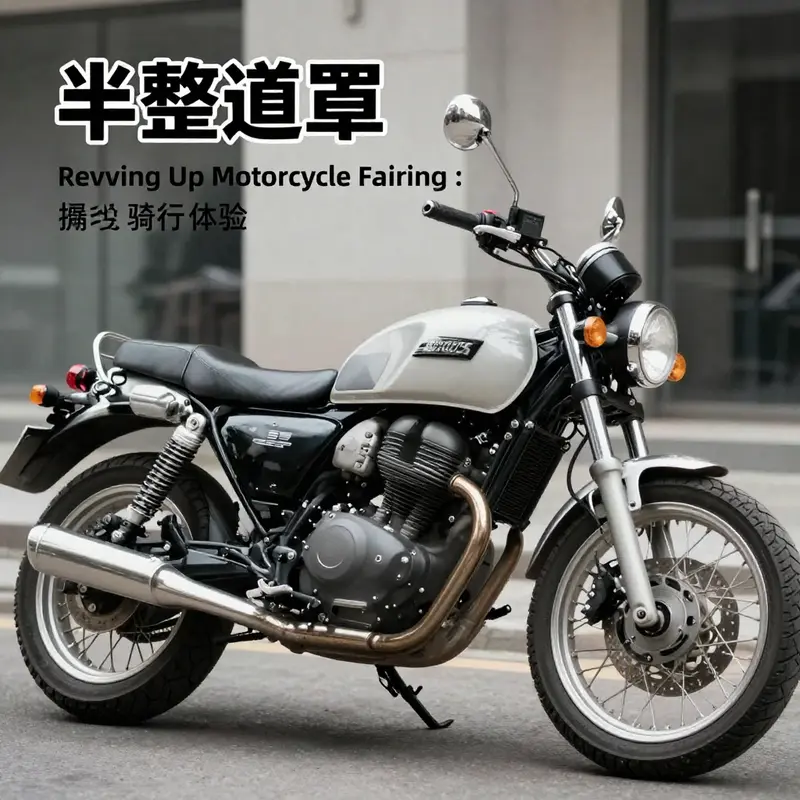
Half fairings occupy a quietly influential place in motorcycle design. They are not the largest or most aggressively styled of bodywork, yet they shape the rider’s experience in tangible ways. When a bike is equipped with a half fairing, the learner quickly discovers that aesthetics and function are not separate in this domain. The shell above the engine and the front end does more than contour the line of the machine; it governs how air shifts around the rider, how wind pressure is managed, and how fatigue compounds over miles. The maintenance philosophy for this component—careful inspection, thoughtful cleaning, and measured repairs—becomes inseparable from the riding experience itself. In short, the half fairing is a balance-maker. It preserves a sense of immediacy and rider connection while delivering a degree of wind management that makes long stints feel less like endurance tests and more like controlled, confident progress along a familiar road.
From a design standpoint, the half fairing is defined by its scope and its goals. It typically covers the upper portion of the engine and the head area, with the intent to channel air efficiently around the rider and the machine. Because it does not fully cloak the bike, the rider retains a heightened sense of the machine’s mechanical heartbeat—the direct feedback through the handlebars, the steering feel, and the tactile contact with the road. This is not merely a stylized compromise; it is a deliberate aerodynamic choice. The half fairing reduces wind pressure without sealing off the rider from the machine’s core dynamics. It is a solution aimed at delivering a smoother ride and better overall balance—especially for riders who prize agility, nimbleness, and the ease of maintenance that a lighter, simpler fairing system affords.
In practice, the half fairing’s contribution to aerodynamics rests on a few essential principles. The portion that shields the head and upper torso helps deflect oncoming air away from the rider’s chest and shoulders. By shaping the airflow across the upper body, it can lessen buffeting at moderate and higher speeds, reducing fatigue in the neck and shoulders. At the same time, the lower portions of the machine remain exposed, which preserves the motorcycle’s natural sense of balance and air movement around the engine bay. The result is a ride that feels less like being enclosed in a wind tunnel and more like moving with the wind, with a rider-managed posture and line that shift with speed and road geometry. Riders who appreciate a direct and responsive throttle response also tend to favor this architecture, because the absence of a full enclosure preserves engine access, quick-service practicality, and a sense of tuning the bike as a living tool rather than a closed capsule.
The riding experience with a half fairing also carries a distinct acoustic character. A well-shaped shell can reduce wind noise without multiplying resistance. The design directs the air away from the rider’s ears while maintaining enough exposure to allow the rider to gauge the machine’s breathing—an unspoken dialogue between rider and motorcycle. This is particularly valuable on long journeys, where fatigue is as much about the ears as it is about the shoulders. The rider’s cockpit remains open enough to allow quick visual reference to the instrument cluster, mirrors, and the line of sight to the horizon, while the air that does reach the helmet is less abrasive, enabling longer stretches without the need to seek constant respite at a toll booth or roadside cafe. In this sense, the half fairing is a facilitator of endurance, a piece of equipment that helps a rider keep pace with their own physiology as much as with the road.
The discussion of maintenance for a half fairing cannot be separated from its influence on sustained riding quality. Unlike a fully enclosed fairing, the half fairing relies on robust yet accessible mounting points and fasteners. The hardware is designed to withstand road shocks, vibration, and the occasional tangle with gravel or a parking lot misalignment, but even the sturdiest assembly responds to neglect. Regular checks become part of the ritual of ownership, not a chore done on a whim. After rough roads or sustained high-speed runs, riders should feel for looseness in bolts and brackets, audible rattles, or any misalignment that could alter airflow and, consequently, the bike’s handling. The fasteners, often clipped into steel or aluminum rails, need occasional torque checks following the manufacturer’s service manual. The torque specs vary by model and mounting scheme, and adherence to them preserves both the aerodynamics and the structural integrity of the shell.
Cleaning is another essential maintenance thread. The half fairing’s finish—whether painted, gel coated, or carbon-infused—benefits from gentleness and consistency. Harsh solvents, strong acids, or abrasive scrubbers can dull or scratch surfaces, alter color, or encourage micro-cracking that snowballs into larger issues. A mild soap solution with a soft cloth is often enough to remove road grime. For plastic and composite surfaces, applying a light, non-abrasive polish or wax can help repel dirt while preserving the surface’s optical clarity. For carbon fiber or composite panels with clear coat, a dedicated, non-abrasive cleaner and a soft microfiber cloth prevent hazing and maintain the shell’s lustre. In addition, dedicated attention to any vents or intake ducts on the half fairing prevents debris buildup that could disrupt airflow, alter cooling, or introduce unwanted turbulence around the engine bay.
Damage management is the more consequential aspect of maintenance for the half fairing. Cracks, chips, or delamination can alter the intended airflow, degrade protection for the engine bay and rider, and in extreme cases contribute to source-related vibrations that propagate through the chassis. When damage is detected, the prudent path is to assess whether repair or replacement is warranted. Small surface scratches or cosmetic cracks may be repaired with compatible resin repair systems or touch-up coatings, but structural cracks that compromise the panel’s rigidity or alignment should be considered for replacement. Delamination, especially in composite materials, signals a deeper failure in the laminate structure and usually warrants professional attention. Replacements should be selected to preserve the original aerodynamic contour and mounting geometry, ensuring consistent airflow behavior and predictable handling characteristics.
An often overlooked but critically important maintenance habit lies in the inspection of internal mounting hardware and the surrounding interfaces. The half fairing interfaces with the frame or subframe via mounting hardware, grommets, and spacers, and those components can shift slightly under load or after rough terrain. Regularly inspecting grommets for compression, checking the condition of seals around shared joints, and ensuring that there is no nibbling from cables or hoses against the fairing surface keeps the shell in a pristine, performance-preserving state. Keeping these points secure helps sustain the fairing’s intended silhouette, which in turn preserves the rider’s aero-conscious posture and the machine’s overall aerodynamic efficiency.
For riders who often traverse long distances, the tactile feedback of the half fairing becomes part of a personal calibration. The rider learns where the air flows most smoothly, which helmet shape appears to harmonize with the shell’s geometry, and how wind pressure shifts with changes in posture or equipment. Small changes—like a different windscreen height, slight adjustments to a rider’s stance, or even wearing gear with contrasting aero profiles—can subtly alter the bicycle’s interaction with air. The half fairing does not merely shelter the rider from wind; it modifies that wind’s texture, tone, and interaction with the rider’s body. This makes maintenance not merely a matter of keeping the bike in one piece, but a practice of preserving a tuned relationship between air, machine, and rider that sustains comfort as speed, weather, and terrain shift.
The maintenance rhythm, then, is not a rigid schedule but a living habit. After each ride, especially one that features aggressive cornering, long straights, or adverse weather, the rider should visually inspect the fairing for signs of stress. Tighten any loosened fasteners, clean away residual grit, and reflect on whether there is more wind noise or vibration than before. This discipline supports continual comfort and reliable performance. When paired with a careful selection of protective finishes and a disciplined maintenance routine, the half fairing reveals its full value: a component that not only shapes the machine’s character but also quietly extends the rider’s confidence on the road.
In sum, the half fairing occupies a unique niche in motorcycle design. It merges aerodynamic advantage with practical accessibility, balancing wind management against maneuverability and rider feel. Its maintenance demands—consistent checks, mindful cleaning, and thoughtful responses to damage—are not burdens but a natural part of the riding discipline. A well-kept half fairing preserves the line of the bike and the rider’s sense of connection to the machine, enabling longer, more enjoyable journeys without sacrificing control or protection. For riders who prize a blend of sportiness and practicality, the half fairing remains a compelling choice—one that rewards careful care and attentive riding with a reliably refined, engaging experience. The path to a durable, comfortable ride lies in treating the half fairing as an active partner in aerodynamics and in sustaining the small, precise actions that keep it performing as intended.
For additional context on related fairing categories and to explore compatible options, you can consult the broader Honda fairings collection, which provides a sense of how fairings are organized around model lineups and the ways in which surfaces, fasteners, and mounting points are standardized across families. Honda fairings is a representative example of how an online catalog structures this kind of component and can serve as a practical reference when considering how a half fairing integrates with other fairing elements on the bike.
External resources offer broader perspective on fairings’ types, materials, and performance implications. For a comprehensive, technical overview, see Cycle World’s discussion of fairings: types, materials, and performance benefits. https://www.cycleworld.com/motorcycles/tech/motorcycle-fairings-types-materials-performance-benefits/
去装饰的力量:裸装摩托与整流罩设计美学的对话
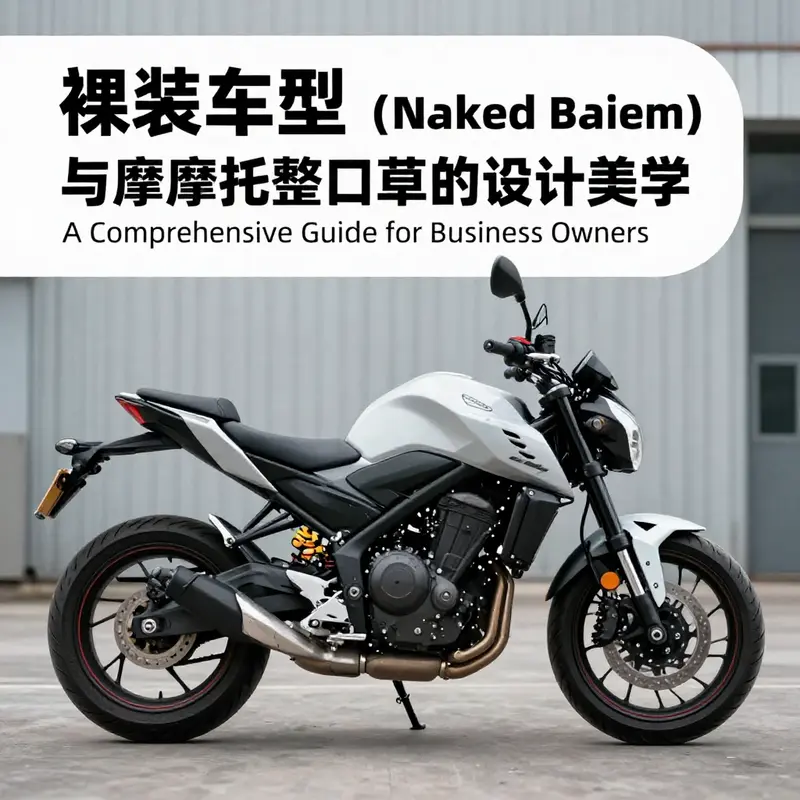
在摩托车设计的广阔对话中,裸装车型与整流罩并非简单的风格对立,而是两种关于速度、保护与表达的语言。它们各自以独特的方式讲述着“性能就是形态”的故事,同时又在市场、工艺和骑手体验之间不断寻找平衡点。裸装车型强调回归本质,像是把车体的肌肉、骨架和呼吸直接暴露在外。整流罩则像一个经过严谨风洞测试的外壳,塑造流线、控制风阻,并以雕塑般的曲线和表面处理讲述未来科技的故事。两者在同一条设计语境里展开对话,彼此推动着对速度、操控与美学的理解不断延展。
裸装车型的美学核心,是一种去装饰的工业美学,也是对机械完整性的自信展示。去除了大面积外部包覆,发动机的轮廓、连杆、排气系统的光泽和金属本色在观者眼前清晰呈现。线条不再被隐藏,而是被赋予新的语言:直线与曲线交错,材质的肌理成为视觉焦点,金属的冷光在光线变幻中演绎出层叠的纹理感。这种设计语言强调速度与触觉的直接性,骑手仿佛与机器共同呼吸、共同对抗风的阻力。车身的重量分布、悬挂的姿态与裸露的金属件一同构成一个“运动的机器”形象——不是单纯的交通工具,而是一件需要被解读的机械雕塑。设计师在这一领域的思考,往往从空气动力学的本源出发,强调空气与车体的互动如何被引导、如何在不同转向和加速阶段维持稳定性。这不仅是功能需求,更成为一种叙事手法:通过看得见的部件,传达“速度即自由、自由即力量”的核心理念。
与之对照,整流罩车型以封闭、光滑的外观语言占据主导地位。整流罩的存在,是对风的征服,是对高速稳定性与乘坐舒适性的综合追求。材料选择通常以复合材料为主,碳纤维和玻璃纤维等组合不仅减轻自重,也让曲线与表面的处理成为提升性能的关键。整流罩的曲线并非随意而为,而是在空气动力学的工作原理下被精确设计。每一道线条、每一处曲面都在讲述“如何让风流在前部汇聚、在侧翼分布、在尾部平稳排出”的故事。这类设计强调封闭的整体感,呈现出更为未来感与科技感的视觉语言。它让车辆看起来像是一台经过严格工程筛选的高效工具,隐藏了大量的机械细节,观者更容易从整体形态和光影变化中捕捉速度的意象与动势。视觉语言因此趋向“雕塑化”的边界——在高速行驶中,边缘的轮廓和光影的折射成为观者认知的一部分,风的声音与车体表面的温度变化一起构成了乘坐体验的非语言维度。
两种极端设计语言之间的对话,不仅仅发生在美学审美的层面,更深刻地映射了用户群体的多样性与使用场景的差异。裸装车型更倾向于表达骑手的个人风格、驾控的情感投入以及对机械美的欣赏。它们在城市穿行、山路探险甚至短途赛道练习中,提供一种更“原始”的参与感——空气的介入更直接,风声、振动、温度和噪音都成为骑手与机器对话的一部分。这种设计让驾驶成为一种更具参与性的体验,强调人与机之间的物理和情感连接;骑手需要对空气阻力、身姿、服装保护以及颈肩部位的疲劳管理有更高的自我意识。这并非简单的“更少罩壳就更好”,而是对自由、操控与个性表达的综合解码。设计师与制造工艺在这个维度上追求的,是如何在保留裸露美学的同时,通过可选部件、易维护的结构和合理的人体工学,尽量减少对日常使用和安全性的妥协。
相对地,整流罩车型的设计美学则是对系统性工程与整合性的庆典。它们通过封闭的前部、连续的曲线与巧妙的开口(如进风口、导流槽、通风与散热设计)来塑造风流路径,旨在提高高速行驶时的稳定性和低风阻系数。整流罩还承担着美学上的“包裹性”任务,使整车外观更像一个完整的流线雕塑。颜色、纹理、光泽的处理都成为强调现代科技感的手段:高光泽的表面反射、哑光的反差、以及在角度变化时呈现的微妙亮度,都能让整车在不同光线下呈现出不同的情绪和气质。这种美学语言常被描述为“科技美”的延伸,给人一种精准、可预测、可控的感受。它也更容易与电子化、信息化的骑行体验相结合——动力、燃油管理、行驶模式、稳定控制系统等通过外部整流罩的表面语言与内部传感器的协同呈现,形成一种“外观即功能”的叙事。
然而,设计的演变并非一条单线的直上直下的路径。越来越多的车型开始在两种极端之间探寻更具柔性、可调节性的解决方案,譬如通过半裸装或可拆卸的前整流罩来实现“场景化的骑行体验”。在城市日常通勤中,裸露的引擎与裸露的金属对 rider 的吸引力仍然强烈;而在高速公路上或长途旅行中,整流罩的保护与气动优化则显得更为重要。这种趋势表明,设计语言正从简单的“黑白对立”走向“灰度混合”的复杂性——以可配置性、模块化和维护便利性为核心,通过材料选择、几何学的微调、以及连接件的可替换性,来实现更广泛的适配性与情感回应。这也是现代工业美学不断向前的证据:用户需求的碎片化推动设计从单一风格走向多元叙事的组合,进而形成一种新的审美语言。
在此背景下,关于色彩与质感的对话也显得尤为重要。裸装车型的色彩往往强调金属本色的自然光泽、阳极氧化的表面处理、以及喷涂的耐磨层次,赋予观者直接、原始的触感与视觉冲击。色彩在这里是“骨骼的语言”,它不是单纯的装饰,而是对材料本性的揭示与强化。相对地,整流罩的色彩策略更像是在光影与体量上的场景设计。深色系的流体感、亮色的边缘线,以及表面处理的高低对比,能够使整车在不同光线中呈现出不同的体积感与动势。两者在色彩思维上的差异,正映射着两种设计语汇对环境、交通文化及骑手情感的回应:裸装更贴近个人表达与街头风格的原创性,而整流罩则强调高效性、可持续性与未来主义的宁静力量。
对设计师而言,这样的对话并非简单的二元比较,而是一种持续的、跨学科的探索。材料科学、空气动力学、人体工学、艺术史和工业生产工艺共同构成了设计决策的多维坐标。比如材料的选择不仅影响重量和强度,还直接关乎热管理、噪声控制和可持续性评估;而风洞实验的结果则会通过不同曲线的微调影响到转向响应、风切变对颈部与肩部的刺激,以及长途旅程中手臂和胸腔的舒适度。因此,设计不仅是在造一个好看的外表,更是在编织一个复杂系统的语言,让驾驶成为一种兼具安全、乐趣与美感的综合体验。裸装车型的“暴露美学”和整流罩的“保护美学”并非互斥,它们可以在同一个设计师的作品中以不同的场景实现多元表达,甚至在单一车型的不同配置中提供不同的体验路径。这正是现代摩托设计最迷人之处,也是读者在看待这些车辆时应当理解的核心。
若你愿意进一步探究整流罩设计的多样性与材料选择的具体语言,可以参阅 Honda fairings 分类页,以便理解不同曲线语言、边缘处理和连接件的设计逻辑。 Honda fairings 该页面汇集了多种整流罩风格与材质搭配的实践案例,帮助读者在理论与可视化之间建立联系。与此同时,关于整流罩与裸装之间的设计关系,学界和行业的对话也在持续发酵,鼓励设计师跨越传统边界,探索可拆卸与模块化系统在未来摩托设计中的应用潜力。在高效与自由之间寻找平衡,将是未来设计持续追问的问题。值得注意的是,关于整流罩对气动性能的影响、材料选择的工程考量以及美学表达的关系,权威性资料中有系统的分析可供参考,扩展阅读可进入周期性更新的技术评述资源。外部参考方面,可参考 Cycle World 的综合评测文章,作为对整流罩类型与材料性能关系的权威解读与案例对照的外部资料来源:https://www.cycleworld.com/motorcycles/tech/motorcycle-fairings-types-materials-performance-benefits/。
Final thoughts
Understanding the different types of motorcycle fairings—full, three-quarter, half, and naked—enables business owners to optimize their offerings and enhance customer satisfaction. By aligning product lines with the specific performance and maintenance benefits of each fairing type, businesses can adapt to market demands and improve their competitive edge. Appreciating the aesthetic aspects inherently linked to fairing design allows for a deeper connection with customers, ultimately leading to increased sales and loyalty in a dynamic motorcycle market.