

In the motorcycle care business, keeping vehicles in pristine condition is paramount, and fairing maintenance is a critical aspect of that. Motorcycle fairings are not just functional; they contribute to the overall aesthetics and performance of the bike. Selecting the right cleaner based on the finish—whether glossy or matte—can make all the difference in maintaining that showroom shine. In this guide, we’ll explore essential considerations for choosing appropriate cleaners tailored to glossy and matte finishes as well as introduce versatile all-in-one solutions that simplify your cleaning process. By the end, you’ll have a comprehensive understanding of motorcycle fairing cleaners that can elevate your business.
Glossy Brilliance, Safe Cleaning: A Practical Guide to Shine-Preserving Motorcycle Fairing Cleaners
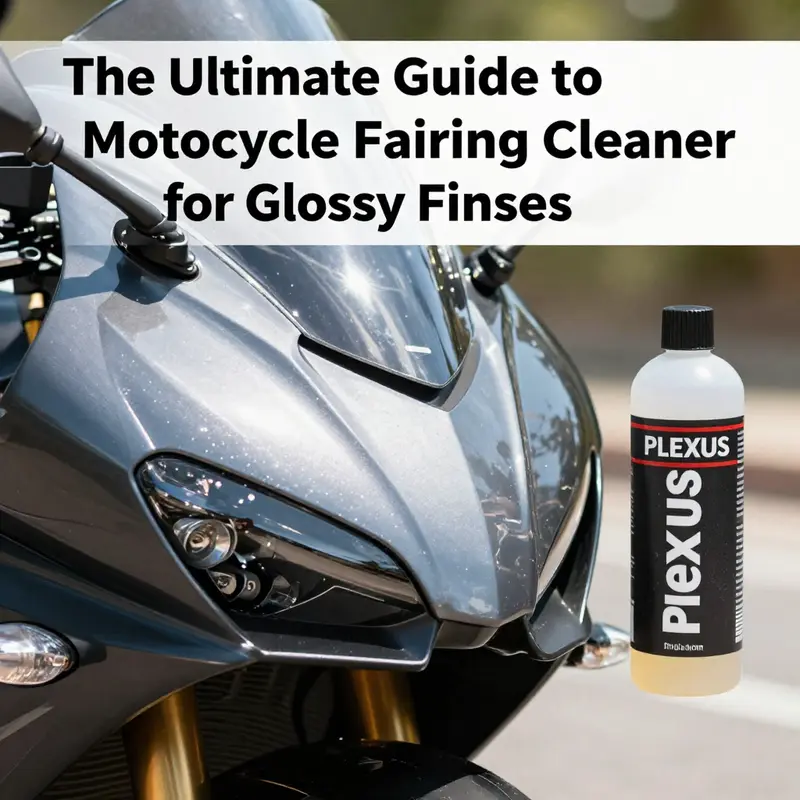
Glossy fairings catch the eye and deserve careful care.
Cleaners for glossy finishes should be pH-balanced, free of harsh solvents, and free of heavy abrasives to protect the clear coat and color.
Waterless spray-and-wipe products can be convenient if they are formulated for glossy surfaces and leave a light protective film.
When choosing a product, test it on a small area first to confirm compatibility and avoid hazing or streaks.
For best results, apply lightly, wipe with a clean microfiber in one direction, and finish with a dry buff to restore the shine.
Between washes, use quick sprays designed for gloss to maintain depth, clarity, and a showroom-like finish.
Matte Mastery: Cleaning Motorcycle Fairings Without Dulling Satin Surfaces
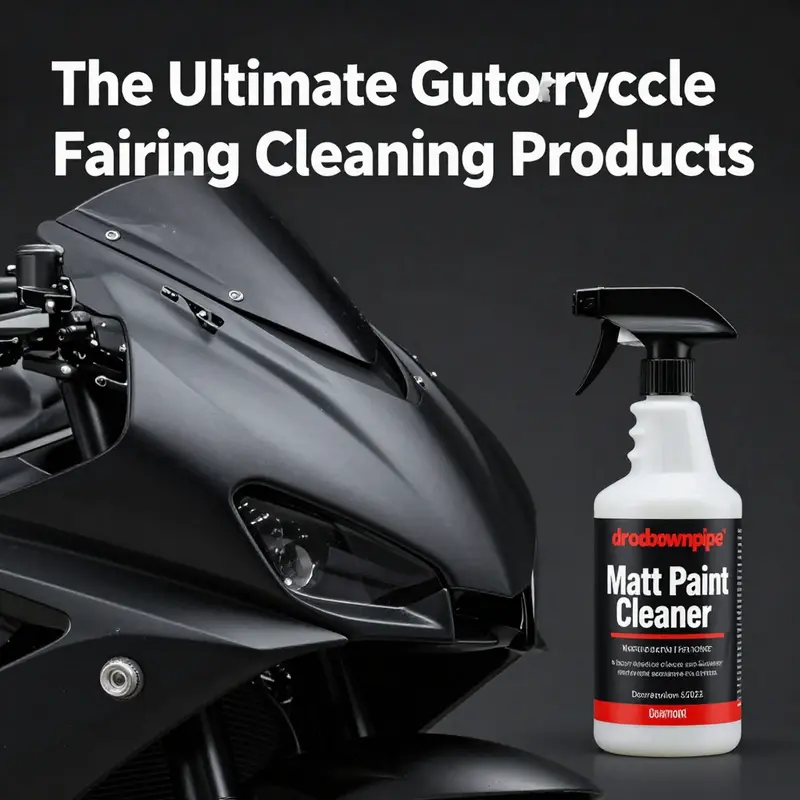
The surface of matte and satin motorcycle fairings carries a quiet sophistication. It doesn’t shout with shine the way a gloss finish does, but that restraint makes it more vulnerable to the wrong cleaning approach. When you look closely at a matte or satin panel, you’ll notice a subtle texture that scatters light in a way that hides imperfections and minimizes reflections. That texture is part of the finish’s character, and it is precisely what makes careless cleaning so risky. Standard cleaners, especially those designed for glossy surfaces, can strip away that delicate texture or leave behind faint dull spots. The result is not just cosmetic; it can alter how the panel reflects light and how the surface feels to the touch. Cleaning is not a chore to rush through. It is a careful ritual that respects the finish while removing the grime that rides along every ride and rainstorm, road debris and the inevitable fingerprint of daily use.
To maintain matte and satin finishes, the approach must be different from the glossy world. The goal is not to create a mirror-like glow but to preserve the tactile, velvety feel and the even, flat appearance that defines the finish. This is where the idea of a specialist cleaner for matte and satin surfaces enters the story. A cleaner formulated for these delicate finishes uses a balance of surfactants and mild solvents that break dirt away without dissolving or swelling the micro-texture that gives matte its character. It’s not about pushing hard or scrubbing extra long; it’s about letting the chemistry do the work while the hands stay gentle. Think of it as a partnership between product design and technique, one that respects the surface’s intent and the rider’s desire for a bike that both looks and feels right.
The first and perhaps the most important rule is straightforward: avoid standard cleaners that are marketed for glossy finishes. These products can strip away the protective layer and alter the texture in a way that dulls the surface. The matte look is a balance of tiny light-scattering micro-structures and a protective film that keeps the finish uniform. When a cleaner designed for gloss is applied, it can break down that protective film unevenly, leaving patches that catch the light differently and arrays of small dull spots that catch the eye as you ride by. The unevenness is not always obvious at first glance, but under sun or streetlight, it becomes discernible and unsightly. You may find yourself chasing the problem with harsher products or more aggressive scrubbing, which only worsens the situation. The safest path is to commit to a cleaner that explicitly targets matte or satin finishes and to use it with the right technique.
Specialist cleaners for matte and satin finishes are not merely marketing labels. They are designed with a clear understanding of the finish’s micro-texture. They are usually pH-balanced and free from waxes or gloss-enhancing agents that could alter the texture. They dissolve and lift dirt without swelling the surface or filling the pores in a way that changes how light interacts with the panel. The cleaning action is more about dissolving and suspending dirt than about polishing or rubbing the surface into a brighter look. In practical terms, you will notice that these cleaners loosen grime from the crevices and from the edges where dust and road spray tend to accumulate, while the central planes of the panel retain their flat, soft appearance.
The efficacy of a matte-specific cleaner hinges on a few subtle points. One is the cleaner’s compatibility with the fairing material. A finish may be applied over different substrates or coatings, and the cleaner must not interact violently with those underlying layers. A second point is how the product behaves on the texture itself. Some matte finishes are delicate and can be damaged by overly aggressive action. A third point is the gentle control of moisture. Water can carry minerals that become visible as spots on matte finishes. A good cleaner helps by lifting dirt away in a way that reduces the likelihood of mineral streaks or halos forming during drying. Taken together, these aspects explain why a specialist cleaner—one designed with matte and satin finishes in mind—tends to outperform generic options across a broad range of surface conditions.
In practice, the cleaning session should begin with a quick plan and a set of clean tools. Prepare a gentle, matte-specific cleaner, a couple of soft microfiber cloths, and a dedicated application cloth that won’t abrade the surface. Work in a shaded area and avoid riding in direct sun or in heat that can cause cleaners to dry too quickly and leave residues. Pre-rinse the fairings with cool water to remove loose dust and larger particles. This pre-rinse lowers the risk that dry debris will scratch the surface when you start wiping. After the rinse, apply the cleaner according to the manufacturer’s guidance. A light mist or a damp application is typically enough to break the bond between grime and paint. Let the cleaner sit for a moment if the dirt is stubborn, but never let it dry to a noticeable film. Then wipe with a clean microfiber using straight, gentle strokes. Cross-hatching or circular scrubbing can trap dirt in the micro-texture and create micro-scratches that accumulate and become visible over time.
A key practice is to work in small areas. The matte finish requires discipline: clean a panel, dry it, and then inspect the result. If you see uniformity and a consistent texture, you have won that small battle. If you notice dull spots or uneven patches, re-wipe with a fresh microfiber and, if needed, reapply a touch of cleaner in a controlled manner. Never press hard; the goal is to lift dirt without altering the texture. After the panel dries, you may appreciate the subtle difference—less film of grime, no obvious streaks, and a uniform matte appearance that looks and feels like the finish’s true character. This is the essence of care: small, deliberate actions that honor the surface rather than a one-shot, high-intensity effort that risks damage.
An important point about usage is to treat the entire bike as a system. Matte and satin finishes often extend across panels with seams, edges, and fasteners that can trap dust and enhance the perception of cleanliness only when every part is treated consistently. Pay attention to the contrast between the fairings and other components such as the tank covers, mirrors, and rims. When you adopt a routine, you will start to recognize the way each area responds to cleaner and cloth, and you will quickly learn where extra care is needed. If a panel shows signs of wear or if you notice that the texture has become irregular after cleaning, stop and reassess. It may be a sign that the cleaner chosen is not fully compatible with that particular satin or matte finish or that a small amount of residue remains, which can intensify the appearance of imperfections when light hits the surface. In such cases, a second, very light wipe with a clean microfiber can help remove any residual film, followed by thorough drying.
Beyond cleaning itself, the maintenance mindset matters. Matte and satin finishes, while not as forgiving as some experimental surface treatments, respond well to protective steps that preserve their texture. Avoid waxes or sealants that promise extra shine or that are marketed as gloss enhancers. These products can fill the texture and create a hazy or reflective look that contradicts the finish’s purpose. Instead, seek protective coatings or sealants specifically labeled for matte or satin finishes. The aim is to create a protective, non-greasing layer that repels dirt and water while remaining unobtrusive to the finish’s texture. When applied correctly, these coatings can extend the time between full cleans and help maintain a uniform, true-to-finish appearance. If you’re uncertain about a product’s suitability, read the label carefully and consult the manufacturer’s guidelines before applying it to the fairings.
The process of care is not solely about what happens on wash day. It is about building a habit that respects the condition of the surface. Frequent light cleans, completed with patience, keep the finish pristine and minimize the risk of build-up that can dull the appearance. Consider the typical riding environment: dusty roads, urban spray, rain that leaves droplets. All of these contribute to grime at different rates. A midweek wipe-down with a damp microfiber followed by a dry pass can prevent the accumulation that would otherwise demand a deeper clean on the weekend. In climates with hard water or mineral-rich rain, you may need to consider using distilled water for the rinse or drying with a microfiber that has a high absorbency and leaves minimal residue. This is not about making the panel perfectly pristine every time; it is about maintaining the finish’s integrity and avoiding cumulative damage that comes from repeated, aggressive cleaning.
As you refine your routine, you will discover the subtle cues that tell you when a matte finish is thriving and when it needs a more targeted approach. There are signs to watch for: a uniformly dull area that seems to swallow light, small patches that catch dust differently, or a rough feel under the fingertips after drying. These cues don’t always indicate a major problem, but they signal that a closer look is warranted. In many cases, a quick re-clean with the same matte-specific cleaner and a fresh microfiber is sufficient to restore the surface. If you ever encounter persistent texture irregularities or appear to lose that uniform matte character despite repeated cleaning, it may be time to consult a professional. They can assess whether the finish has experienced a surface breakdown, whether a protective layer has become compromised, or whether the texture has been affected in a way that requires a more nuanced restoration approach.
For riders who want to explore deeper into the world of fairing care across brands, a practical starting point is to examine the maintenance resources related to specific models. You can explore brand-specific fairings categories to see how different finishes are treated and what cleaning approach is recommended by enthusiasts and manufacturers alike. For example, the Honda fairings category offers a wealth of insights into care routines for that line of motorcycles, while other brands offer their own take on texture and protection. See the Honda fairings category for a sense of how care practices vary with design and finish across a spectrum of models. Honda fairings.
Ultimately, the goal is to keep the matte or satin finish honest to its original texture and tone. Cleanliness should reveal the finish’s true character rather than mask it. By choosing a cleaner designed for matte and satin surfaces, applying it with a light touch, and letting the product’s chemistry do the heavy lifting, you preserve both the look and the feel of the fairings. The discipline of technique—patch testing, gentle application, careful drying, and selective protective measures—turns maintenance from a chore into a skill. In the end, matte mastery is less about chasing a perfect, flawless surface and more about keeping the bike’s appearance faithful to its intended design: restrained, tactile, and deliberately unfussy in its beauty.
For readers who want a concrete external resource to explore broader options for matte-friendly cleaning formulations, you can consult external references that discuss dedicated matte cleaners and the science of matte finishes. External resource: https://www.amazon.co.uk/DrDownpipe-Matt-Paint-Cleaner-500ml/dp/B0C3X7V6QK
One-Product Mastery: Harnessing All-in-One Cleaners for Motorcycle Fairing Care

Choosing a cleaner for motorcycle fairings is rarely a simple matter of picking whatever is on the shelf. Riders want results that feel tangible: dirt lifts off with minimal effort, the color and texture of the plastic or paint stays true, and the finish remains resilient against the next stretch of highway grime or sudden rain. The all-in-one cleaner is pitched as a practical compromise in a world where many products promise a cascade of benefits. It aims to clean, polish, and protect in a single sweep, which can streamline a routine that sometimes feels repetitive and overwhelming. When you consider the variety of finishes on modern fairings—glossy panels that crave a bright, glassy look and matte or satin surfaces that prize a uniform, subdued texture—the appeal of a versatile formula becomes clear. The idea is not to replace careful surface preparation but to reduce friction in routine maintenance while preserving or enhancing the visual and tactile qualities that define a bike. The best all-in-one solutions respect the delicate balance between cleanliness and surface integrity. They glide over gel-coated plastics and painted panels, removing road film and grime while leaving behind a protective layer that helps resist future staining and moisture. The promise of simplicity is compelling, especially for riders who value efficiency without sacrificing long-term appearance. Yet the reality is more nuanced. A single product can do a lot, but not all in one perfect way for every fairing. The key is to understand the finish you’re dealing with and to choose an option that aligns with that finish’s needs. In practice, this means recognizing that glossy finishes demand different care from matte or satin textures and that a one-size-fits-all approach can undermine the very outcomes you want to maintain.
Glossy fairings tend to respond well to cleaners designed to refresh and preserve a high-luster surface. A gentle all-in-one can remove the everyday dust and subtle grits that accumulate from riding through urban dust or inclement weather, while also laying down a mild protective film that helps repel water and reduce micro-scratches. The advantage here is straightforward: you gain time, you reduce the number of products you juggle, and you still end up with a shine that looks intentional rather than accidental. For new riders or those returning to a monthly routine, the promise of a single, straightforward method is irresistible. The reality, though, is that glossy surfaces can reveal any misstep more clearly. If the cleaner uses harsher solvents or aggressive polishing agents, you may notice a slight hazing or a dulled reflection after repeated use. The trick is to select a formulation that emphasizes gentle cleansing with a mild polishing action and a durable, transparent protective layer. When done correctly, the result is a crisp, even finish that stands up to wash cycles and the occasional tac of bugs or tree sap that clings briefly to the fairing on a sunny morning.
Matte and satin finishes, by contrast, resist luster by design. They rely on a uniform texture that should not be obscured or altered by residues that leave a visible sheen, gloss, or blotchy patches. A standard all-in-one cleaner—especially one that leans toward aggressive degreasers or solvent-heavy formulas—can easily disrupt that texture. The danger is not only cosmetic; it can be structural in a small but meaningful way. Matte surfaces are more likely to show dull spots or patchiness after exposure to products that don’t pair well with the surface chemistry. The best practice for matte fairings is to use a cleaner crafted with matte or satin finishes in mind. Such products avoid leaving behind residues that alter the surface’s microtexture and that can become more noticeable under certain lighting. The goal is not to erase imperfections with a high-gloss gloss but to preserve the intended finish while removing grime, road film, and contaminants that prevent the surface from looking its best. This delicate balance—cleaning while preserving texture—defines the practical choice for matte finishes and explains why some riders prefer dedicated matte-safe cleaners even when they own a predominantly glossy bike. The overarching idea is that a well-chosen all-in-one formula can serve as an effective all-around option for some finishes, but you should never treat it as a universal cure. The right approach always starts with a careful assessment of the bike’s current surface and a read of the cleaner’s label to confirm compatibility with the finish you’re tending to.
To navigate this, many riders adopt a simple mental framework: if the finish is glossy, look for a product that emphasizes gentle cleansing and an even protective layer that enhances reflectivity without adding new texture. If the finish is matte or satin, actively seek a product whose marketing or formulation explicitly notes compatibility with matte surfaces, so the texture is preserved and the appearance stays even over time. The difference may seem subtle on day one, but it matters over months of use. The interior of the fairing, including recessed areas like vents or fastener channels, also benefits from thoughtful product selection. A spray-and-wipe approach can work well on flat panels, but sometimes recessed areas trap grime and require a targeted wipe with a microfiber cloth to avoid streaks or residue. The all-in-one family typically includes a spray formulation designed to cover a broad area quickly, coupled with a wipe and buff step that helps distribute the protective film evenly across the surface. This is where the “all-in-one” label shines: it reduces the number of steps, the number of products needed, and the risk of incompatibilities between separate cleaners, polishes, and sealants. However, the efficiency comes with a caveat: if you are dealing with a matte finish, you must confirm that the product does not contain fillers or waxy additives that could fill micro-porous textures and alter the surface’s tactile feel or color. In practical terms, this means reading labels, looking for matte-safe notation, and, if in doubt, conducting a small patch test in an inconspicuous area before committing to a full panel treatment. The patch test is not merely a formality; it is a small but meaningful investment in long-term appearance that can prevent a patch of dullness or an uneven sheen from becoming a permanent feature of your bike’s look. The best practice is to approach any all-in-one cleaner with a sense of curiosity and a preference for evidence of compatibility rather than assumptions about performance. This mindset helps ensure that the cleaner lives up to its promise across different materials and finishes and that you do not inadvertently compromise the very finish you aim to protect.
From a workflow perspective, the value of an all-in-one solution lies in consistency and repeatability. Riders who want to streamline their maintenance routine often favor a single, predictable method: a light spray over the surface, a broad wipe to remove grime and lightly polish, followed by a quick buff to bring out the surface’s natural tone and depth. A well-chosen formula can also contribute a protective layer that resists moisture and reduces future staining, making future washes faster and less arduous. This is particularly true for fairings that see frequent cleaning due to city dust, rain-turned-residue, or the spray of road debris. At the same time, some riders prefer to separate the cleaning and protection into distinct steps, especially on matte finishes where texture preservation is paramount. The choices come down to a balance between convenience and finish integrity, and the best approach is to tailor your routine to the finish type, local climate, and riding style. Keeping a clean fairing is not just about aesthetics; it also helps maintain the plastic’s integrity by reducing the persistence of contaminants that can cause micro-abrasions over time. In the long run, the clarity of your finish and the smoothness of touch are indicators of how well a given cleaning regimen serves the bike’s overall condition. A well-executed all-in-one approach can be a fundamental part of that regimen, but it should not supplant vigilance in finish recognition, test patches, and ongoing evaluation of how the surface responds to treatment across the seasons.
The practical value of all-in-one cleaners extends beyond the single event of cleaning. For riders who value efficiency, a formulation that combines cleaning, polishing, and a protective coating means fewer product swaps, less clutter in the cleaning kit, and a more repeatable routine. The predictability of a single product’s behavior can translate into more consistent results over time, helping maintain the fairing’s visual appeal while reducing the risk of accidental damage from mismatched products. This is particularly relevant for riders who regularly wash their bikes at home or send them to a shop for routine maintenance, where time and reliability are at a premium. The ability to perform a quick, effective pass across the fairing and then move on to other maintenance tasks can be a meaningful advantage when time is scarce and the riding season is short. In other words, all-in-one cleaners can be a practical focal point of a well-run maintenance schedule, provided you keep a few guardrails in place: confirm finish compatibility, perform patch tests, follow the label’s directions for dwell time and application, and be mindful of how the product interacts with other coatings or materials on the bike. When used thoughtfully, an all-in-one cleaner can deliver a balanced combination of cleanliness, shine, and protection that supports both the aesthetic and functional longevity of motorcycle fairings.
In the context of broader fairing care, an all-in-one solution is a versatile option that can adapt to a variety of rider lifestyles, climates, and maintenance philosophies. It does not replace the need to understand your finish, nor does it absolve you from using appropriate tools and techniques. Yet for many riders, it represents a practical and reliable option that aligns with a disciplined, streamlined approach to care. The best outcomes come from recognizing that finish type should guide product selection, applying the cleaner with a light hand to avoid oversaturation, and observing how surface texture and color respond over time. With careful choice and consistent technique, an all-in-one cleaner can become a core component of a maintenance routine that keeps fairings looking defined and protected across miles and seasons. To explore a practical starting point for a glossy finish, you may consider the Honda fairings category, which offers a curated range of components designed to complement a glossy aesthetic while supporting routine care through compatible finishes and finishes-friendly products. Honda fairings category.
For riders who ride through variable conditions, the discussion also invites attention to the subtle differences between finishes over time. A glossy finish may show water spots more readily, but it can also respond quickly to polishing and protective sealants that restore high reflectivity. Matte finishes, by contrast, reveal surface irregularities more readily, especially after exposure to cleaning products that leave a visible residue or alter texture. The latter can be mitigated by selecting a formula that explicitly safeguards matte textures and by using low-abrasion cloths and careful technique. In any case, the underlying goal remains the same: maintain a surface that feels smooth to the touch, looks evenly colored, and resists the daily onslaught of weather, road debris, and cleaning chisels of wear. As a result, the decision to adopt an all-in-one cleaner is not simply about convenience; it is about embracing a thoughtful maintenance philosophy that respects the diversity of finishes that define today’s motorcycles and acknowledges the seasonal realities that riders face. In this light, the all-in-one approach becomes less about a single product’s bravado and more about a disciplined, finish-aware method that delivers dependable outcomes across a range of scenarios and surfaces. The longer you ride, the more you appreciate the value of a routine that harmonizes cleaning, protection, and finish preservation into a single, repeatable action.
External resource for further reading on the concept of an all-in-one cleaner and its practical implications can be found on the official product page of a leading all-in-one cleaner and polish. This resource provides technical details about formulation, application, and the expected results on automotive and motorcycle finishes. official product page.
Final thoughts
Investing in the right motorcycle fairing cleaner is crucial for business owners looking to enhance the value of their services and the satisfaction of their customers. The choice of cleaner directly impacts the longevity and appearance of the motorcycle fairings. From the glossy finishes that demand specialized products to matte surfaces requiring careful consideration, selecting the correct cleaner can prevent potential damage and ensure a professional finish. With the introduction of versatile all-in-one solutions, motorcycle care can become more efficient without compromising quality. Equip your business with the knowledge to make informed decisions about motorcycle fairing cleaners, ensuring that every ride looks as good as new.