
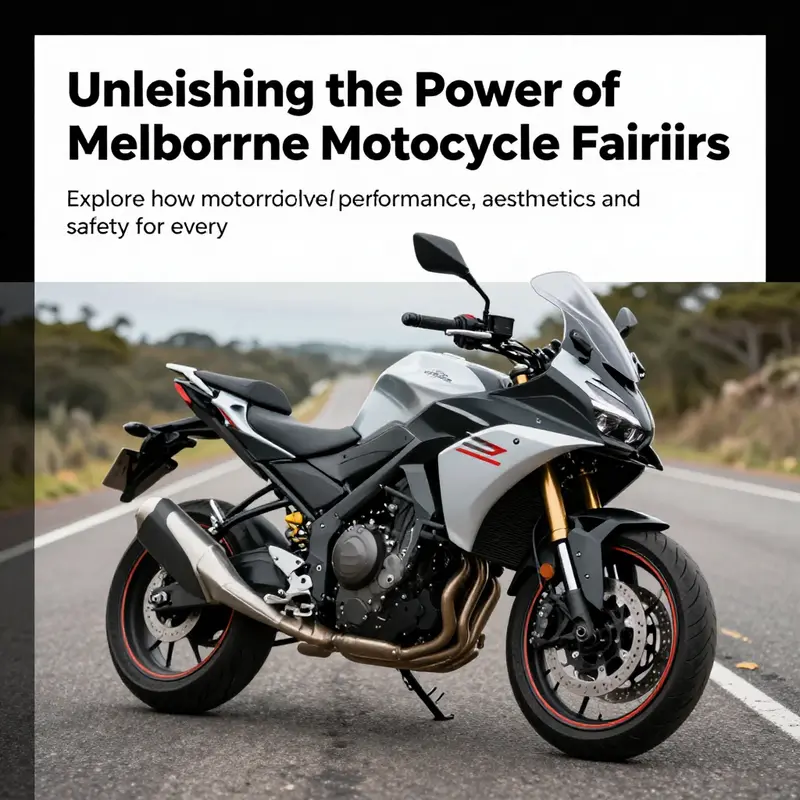
Motorcycle enthusiasts and business owners alike recognize the significance of quality components in enhancing motorcycle performance. Among these, fairings play a crucial role, not only in aerodynamics but in the overall safety and aesthetic appeal of the bike. At Melbourne Motorcycle Fairings, we have built a reputation over 15 years as a premier service provider in motorcycle repair and maintenance, emphasizing the importance of fairings in our offerings. This article delves into the types of fairings available, their contribution to performance enhancement, the necessity of repair and maintenance, and guidance for selecting the right fairing based on individual riding styles. By understanding these elements, we aim to equip motorcycle business owners with the knowledge to make informed decisions, ensuring the integration of quality fairings in their operations.
Riding the Edge: Melbourne Fairings Playbook for Performance, Protection, and Style
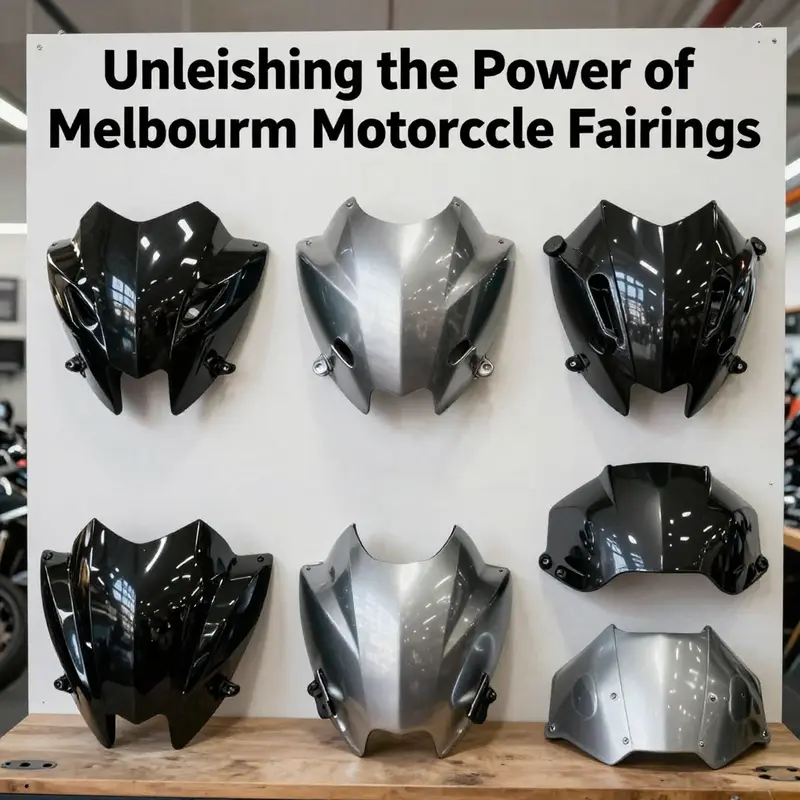
Melbourne is a city of contrasts that tests every rider who calls its streets home. In the morning, a tangle of trams hums along the inner suburbs, while the afternoon wind off Port Phillip Bay sweeps across the western freeway corridors. The climate moves quickly from sun to shower, and the roads in and around Spotswood can switch from glassy to graffiti-slick in an afternoon. In this environment, the fairing on a motorcycle becomes more than a cosmetic shell. It is a deliberate choice about how a rider will meet the city’s demands—how a bike slices through air on a long highway ride, how it shields a rider from a sudden squall, how it preserves engine life when winter’s rain and dust conspire to test seals and bearings. The fairing, in short, weaves together aerodynamics, protection, and personality, and the Melbourne rider who understands that weave gains an intuitive advantage in every commute, every coastal ride, and every weekend escape along a winding coastal road.
The spectrum of fairings available to Melbourne riders mirrors the city’s own diversity of riding styles. At one end sits the full fairing, a continuous shield that wraps the front, sides, and crown of the bike. On a sport bike that lives on the open road, a full fairing translates speed into stability. It carves a clean passage through air, slashing drag and distributing wind pressure more evenly across rider and bike. The result is not just a smoother ride at 180 kilometers per hour, but a more controlled feel through transitions, where micro-adjustments to bar angle and body position can be read in the way the wind streamlines around the bike. In Melbourne’s highway stretches—where the M1 and its spurs invite long, uninterrupted stretches—the aerodynamic gains of a full fairing are tangible. They translate into better fuel efficiency at highway speeds and a reduction in rider fatigue that compounds over long journeys. A full fairing also lends a look that many riders associate with purpose. It carries a sleek, aggressive silhouette that communicates intent even when the motorcycle is stationary at a traffic light in Docklands or along the southern edge of the city.
Half fairings, sometimes known as standard fairings, present a different balance. They offer upper-front protection while leaving the lower portion of the bike exposed, preserving a band of accessibility to the engine and chassis. For Melbourne’s urban riders, this arrangement can be a practical choice. The half fairing shields against buffeting and wind pressure on the torso while still allowing more direct access to the engine for maintenance and quick checks, which can be a relief when the bike is a daily rider in all-weather conditions. The urban environment—its tight corners, sudden stops, and variable speeds—poses a different demand than the highway. A half fairing can provide enough protection to reduce fatigue on a longer ride, yet remains nimble enough to preserve maneuverability in crowded streets and laneways. It also supports a cleaner aesthetic evolution for motorcycles whose riders prefer a blend of sportiness with street-ready practicality.
Quarter fairings offer yet another path, focusing on a minimalist approach. They cover only the most critical area around the headlamp or front portion of the bike, creating a lean, vintage-inspired look that many custom builders and cafe racer enthusiasts in Melbourne gravitate toward. The quarter fairing is lightweight, cost-conscious, and expressive; it invites individuality without the constraints of heavier assemblies. While protection is limited, the style statement is unmistakable. For riders whose priority is a clean silhouette, a café racer lineage, or a bike that communicates a story through its line and contour, the quarter fairing is a natural fit. The Melbourne climate, with intermittent showers and dust, still leaves space for a careful rider to pair a quarter fairing with thoughtful weather protection and thoughtful maintenance practices to preserve both form and function.
A growing segment in Melbourne is the aftermarket and custom fairing scene. This category is driven by enthusiasts who want to tailor the bike’s performance envelope and its visual language to precise preferences. Materials range from robust ABS plastics to the high-strength, light-weight allure of carbon fiber, and also include fiberglass options for those who value a balance between cost and performance. Custom fairings allow for targeted improvements, such as optimized airflow pathways, cooling considerations for high-performance builds, or a tailoring of the immunity to debris and rain that matches Melbourne’s variable weather. In practice, this means a rider can design a fairing to work with a particular engine layout, radiator placement, or even a riding stance that suits long-distance trips along the coast or quick hops across city bridges. The payoff arrives in a configuration that feels unique to the rider, a bike that speaks in a language of both speed and personality.
To understand why Melbourne’s fairing choices matter, one must consider the city’s riding environment. The wind can be a constant companion, and the way air flows around a bike has immediate consequences for rider comfort. A well-chosen fairing reduces wind buffeting, which is the oscillating wind effect that can fatigue the neck and shoulders during a long ride. It also minimizes the angular resistance that can push a rider sideways at high speeds, making the bike feel steadier when the rider changes lanes or approaches the crest of a hill on an open stretch. In wet seasons, fairings protect not only the rider but also the engine’s intake and vital components from rain, grit, and debris. This protective layer contributes to engine longevity and predictable performance when weather shifts in an afternoon. Beyond protection, the aerodynamics also enable more efficient cruising. Lower drag means less power required to maintain road speed, which, in turn, supports better fuel economy—a practical consideration for a city that can trap a rider in stop-and-go traffic yet offers long corridors of highway to explore on weekends.
Melbourne riders often weigh style against practicality. The aesthetics of a bike—its lines, its stance, the way light plays across a curve—are not merely decorative. They are a narrative about the rider’s identity, a wordless statement about how one chooses to ride. Fairings provide the canvas for that narrative. A full fairing can give a machine a race-ready posture, a visual cue that speaks of performance and precision. A half fairing emphasizes a no-frills practicality that suits inner-suburban commutes and urban canyons, where the rider is intimately aware of traffic dynamics and parking constraints. A quarter fairing frames a vintage or bespoke look, inviting a conversation about heritage and craft. And the aftermarket and custom fairings propel a story of innovation and self-expression—an invitation to tailor the bike’s profile to fit a rider’s precise taste and purpose, whether that purpose is high-speed touring, weekend coastal runs, or a daily city grind that still feels personal and alive.
Choosing the right fairing in Melbourne is a decision that rests on more than appearance. It hinges on riding style, climate realities, and maintenance preferences. For riders who spend long hours on highways or coastal roads, the extra wind protection and stability of a full fairing can translate into fewer breaks and greater endurance. For those who prize accessibility and community-focused rides, a half fairing offers a middle ground that preserves the bike’s personality while offering functional shielding. For the purist or the retro-builder, a quarter fairing provides a platform to celebrate form and historical lineage. And for enthusiasts who want to sculpt their bike into a bespoke machine, aftermarket and custom options become a laboratory for optimization—carefully considered to improve cooling, airflow, and even weight distribution, thereby affecting handling and cornering confidence.
In this ecosystem, Melbourne’s local suppliers and service centers play a pivotal role. They bring together fitment expertise, compatibility checks, and a sense of community that makes choosing and installing fairings a coordinated, rather than solitary, endeavor. A trusted local source can help riders confirm model compatibility, ensure proper mounting points, and advise on the appropriate materials for a given bike and climate. They also provide guidance on condition assessment—evaluating the fairing’s mounting hardware, the integrity of the attachment points, and potential impact damage that could influence performance or safety. This is not merely about swapping parts; it is about safeguarding a rider’s investment and ensuring that the new fairing integrates harmoniously with the bike’s geometry, weight distribution, and airflow. In Melbourne, where weather can shift quickly and road surfaces can vary from smooth to rough, the comfort and confidence that come with a well-fitted fairing are part of the value proposition of a complete riding experience.
For riders who want to explore specific makes and see how fairings are designed for particular lines of motorcycles, there is value in reviewing brand-focused pages and catalogs that illustrate compatibility and fitment specifics. A practical step for riders is to browse pages dedicated to fairings for a given model or brand and then consult with a local professional to verify compatibility with a particular year and trim. If the reader is curious about a model-specific pathway, a useful reference is the Honda fairings collection, which showcases a range of designs aligned with common configurations and mounting schemes. This page serves as a concrete example of how fairing design responds to a bike’s engineering constraints, rider ergonomics, and the aesthetic language of a brand lineage. Honda fairings offers a lens into how a fairing can be shaped to achieve both performance gains and a distinctive look.
The Melbourne market rewards riders who approach fairings as a living part of their bike’s performance envelope. The decision-making process blends practical considerations with personal expression, and it is this blend that keeps riders engaged with their machines through every season. The city’s nearby roads, from urban grid to coastal highway, offer a continuum of riding scenarios that reward a thoughtful fairing choice. The most effective fairing system for a given bike is the one that makes daily riding feel smoother, safer, and more exhilarating—without compromising serviceability or upholding a bespoke aesthetic that a rider has crafted over time. In that sense, the Melbourne fairing journey becomes a story about how riders transform a machine’s silhouette into a responsive instrument, capable of slicing through wind, withstanding weather, and carrying a rider’s personality from dawn to dusk along the city’s ever-changing landscape.
For readers seeking practical steps to get started, the next phase involves visiting a trusted Melbourne workshop that can assess a bike’s needs in person. In this way, the discussion extends beyond theory and into a collaborative process of selecting, fitting, and tuning a fairing system that matches the bike’s geometry and the rider’s goals. An expert will verify that mounting points align with frame and subframe tolerances, confirm that the windscreen height and angle suit rider height, and ensure that the overall setup promotes optimal airflow and rider comfort. The process often includes insurance-checking considerations, road-legal clearance for aftermarket components, and careful evaluation of any impact damage from previous rides that might affect fitment. When a rider engages with a local Melbourne specialist, the result is not simply a new shell on the bike; it is a refined configuration born from hands-on experience, a clear understanding of the local riding environment, and a shared commitment to safety and performance.
In closing, the fairing landscape in Melbourne offers a spectrum of paths that align with riding intent, climate realities, and personal style. The choice of full, half, or quarter fairings, along with aftermarket or custom options, equips riders to tailor wind management, protection, and aesthetics to their own stories on the road. These decisions echo the practical wisdom of riders who know that comfort, efficiency, and safety are interconnected through design and fitment. The result is a bike that not only performs with greater ease on long coastal byways and open highways but also communicates a clear sense of the rider’s identity in Melbourne’s streets and suburbs. The fairing is thus not a static add-on but a dynamic element of the motorcycle’s character and capability, a keystone in the relationship between rider, machine, and road.
External reading: https://www.spotwood.com.au/motorcycle-fairings
Internal reference for brand-compatible fairings: Honda fairings: https://ultimatemotorx.net/product-category/honda-fairings/. This link provides additional context about how fairings are configured to fit specific models and how engineers translate performance goals into practical, ride-ready shapes.
null
null
Shaped for Speed: Repair, Maintenance, and Accessories in Melbourne’s Fairing Craft
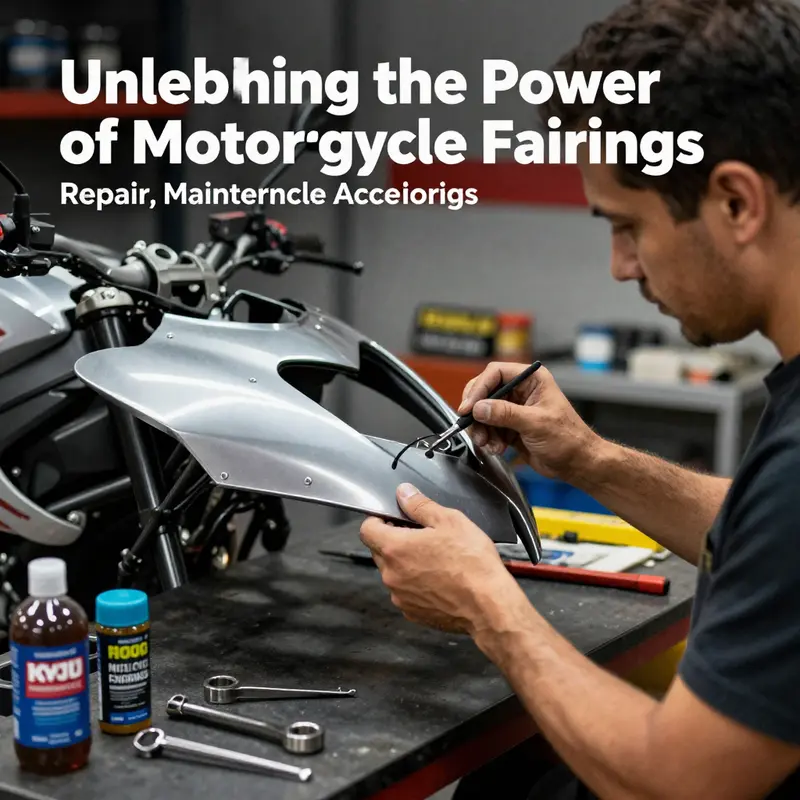
Melbourne’s riding community has long treated fairings as more than just weather shields. In Spotswood, a workshop tucked along 59 Hudsons Rd, Unit 14, riders find a partner who treats fairings as a core element of performance, safety, and character. For well over a decade, Melbourne Motorcycle Fairings has built a reputation not merely for fixing cracks and chips but for stewarding the delicate balance between aerodynamic efficiency, rider comfort, and the bike’s visual language. The shop’s daily rhythm—opening at 8 each morning and staying receptive until 5 in the afternoon, Monday through Friday—reflects a practical, no-nonsense approach. It is a place where the bodywork is treated with the same respect as the engine, because a fairing that fits well and looks right can change a ride from merely transportation into a tailored experience. The philosophy is simple: a properly repaired or thoughtfully upgraded fairing maintains the bike’s structural integrity, preserves its aerodynamic profile, and elevates both performance and pride in ownership. This is more than cosmetic care; it is engineering care, delivered with a customer-centric touch that has anchored the business in the local riding scene for many years, through the changing weather, evolving models, and shifting tastes of Melbourne’s riders.
The science behind fairings is surprisingly straightforward, yet demands disciplined craftsmanship. A fairing is a structured shell that encloses the front and sides of a motorcycle to cut wind drag, shield the rider from gusts and rain, and protect the engine bay from debris. At highway speeds, even a modest improvement in aerodynamics can translate into tangible gains in stability, fuel efficiency, and comfort. The aerodynamic profile of a well-made fairing helps keep the bike planted, reduces rider fatigue, and lowers the wind noise that can obscure communication with a passenger or a group ride. It is the combination of smooth contours and precise mounting that ensures a bike behaves predictably when conditions become demanding. In a workshop setting like Melbourne Motorcycle Fairings, this means a balance of careful inspection, measured repairs, and meticulous reassembly, all aimed at preserving the integrity of the original design while adapting to the rider’s needs.
The repair and maintenance journey begins with a practical assessment. Technicians examine the fairing’s mounting points, brackets, and fasteners for any rust, cracks, or deformation. They check the alignment against the bike’s chassis and windshield line to ensure that the surface remains true. If paint damage exists, a color-matching process is undertaken to restore the finish so it blends seamlessly with the rest of the bodywork. This is essential because a mismatched color can draw attention away from the bike’s lines and undermine the cohesive aesthetic that fairings are meant to deliver. Beyond the surface, structural integrity is the focus. A fairing may look intact, but stress fractures or weakened mounting points can compromise safety, especially in the event of a tip-over or a collision with road debris. The technicians at the shop approach repairs with a methodical eye for this kind of hidden vulnerability, replacing or reinforcing sections where needed and rechecking the fit after every adjustment.
Understanding the versatility of fairings means recognizing that there are several configurations engineered for different riding styles. The full fairing remains the most conspicuous option, wrapping around the front, sides, and top of the bike. This design delivers the most aerodynamic benefit, creating a clean silhouette that minimizes drag and maximizes high-speed stability. It also offers the best shield against wind and weather. Yet there are legitimate trade-offs. Full fairings tend to be heavier, can be costlier to repair or replace, and access to the engine for routine maintenance can require more disassembly. For riders who value a streamlined look without the bulk of a full enclosure—think cafe racers or sport-standard machines—a half fairing becomes an appealing compromise. It covers the upper front portion while leaving more of the engine and air intake exposed. This configuration supports a lighter weight and a more aggressive stance without entirely sacrificing wind protection. Then there are lowers, mounted below the engine or frame, designed to tame airflow underneath the bike, guard critical components, and support better fuel economy through refined airflow management. While lowers are most effective when used in concert with other fairing types, they offer a practical route to improving stability and protection in a broader range of riding conditions.
In practice, the decision to repair, replace, or upgrade a fairing is inseparable from the rider’s goals. For a sport rider chasing peak cornering performance, a thoughtfully repaired full fairing or a carefully chosen set of panels can tighten the bike’s response and reduce the turbulence that can upset precision handling at lean angles. For touring riders, the priority may be a robust repair that preserves weather sealing and noise reduction, along with options for pairing with compatible luggage mounting systems. For custom builds, the fairing is a canvas—one that might feature paint accents, carbon fiber accents, or a reshaped profile to emphasize a rider’s unique personality. The Melbourne workshop acknowledges this spectrum of intent and offers a comprehensive approach that blends repair with customization. Their emphasis on accuracy—matching gaps, ensuring flush seams, and maintaining the original aerodynamics—ensures that even after repairs, the bike continues to behave as intended in high-speed and high-load scenarios.
When it comes to materials, fairing components have evolved to include a range of synthetic composites and plastics. ABS plastics and fiberglass have long been reliable workhorses, offering a balance of rigidity, impact resistance, and ease of repair. Carbon fiber, prized for its extreme strength-to-weight ratio, remains a premium option for riders seeking performance gains without a dramatic increase in weight. The craft lies in the transitions between materials, where bond lines must be secure and weatherproof, and where surface finishes must withstand UV exposure, temperature cycling, and road salt. In the Melbourne workshop, technicians approach repairs with a practical respect for these materials. They prepare surfaces to receive new layers, apply controlled resin systems, and follow with careful sanding and finishing that preserve the panel’s curvature and line. The result is a fairing that not only looks right but also traps air in a way that complements the bike’s overall aerodynamic package. The goal is durability that survives many Melbourne winters and the roughness of city riding, while preserving the bike’s visual identity and performance envelope.
Beyond repairs, the shop’s services extend into accessories and upgrades that let riders push their machines further in both performance and style. Custom paint jobs are a common avenue for personal expression, offering an opportunity to align the bike’s color story with the rider’s personality or a particular race-inspired lineage. Carbon fiber upgrades, while often more costly, can deliver measurable gains in stiffness and weight reduction, contributing to improved handling and throttle response. Importantly, the team emphasizes compatibility and fitment, ensuring that any upgrade integrates seamlessly with existing mounting points and electrical routing, including indicators, lights, and gaskets. For riders who want to preserve the integrity of their original components, OEM-compatible replacement parts provide a reliable path to restoring or maintaining factory alignment while still enabling a personal touch. The overarching principle is a careful balance: enhance performance without compromising reliability or the bike’s core geometry.
The Melbourne workshop’s approach to customer engagement mirrors its technical discipline. A clear initial assessment is followed by a transparent plan, including a realistic timeline and a breakdown of materials and labor. The emphasis is on education as much as execution. Riders are guided through the strengths and limitations of different fairing configurations, with practical recommendations rooted in real-world riding scenarios rather than speculative performance claims. This pragmatic counsel helps riders align their ambitions with what their bike can safely and consistently deliver, a philosophy that resonates with Melbourne’s diverse riding communities—whether they’re commuting through wet winter mornings, carving canyon routes on weekends, or chasing track-inspired setups in controlled environments.
For riders who want to explore broader options beyond the local workshop, there are ways to connect with specialized catalogs that map a wider world of fairings to Melbourne’s bikes. A prominent example is a dedicated Yamaha fairings catalog, which provides detailed listings and category-specific options that can inspire builds while guiding compatibility checks. This resource is a useful reference for riders who appreciate the nuance of model-specific fits and the evolution of fairing design across generations. See the Yamaha fairings collection for broader model coverage and ideas to inform a future upgrade or restoration project. The dedicated catalog exists to help riders think beyond the immediate service visit and envision a broader spectrum of design possibilities that still align with the bike’s original geometry and intended riding experience.
Within the practical realities of a Melbourne workshop, it is the synthesis of repair proficiency, material understanding, and customization flexibility that sets the experience apart. Fairing work is not just about fixing cracks; it is about sustaining performance envelopes and capturing personal flair in a way that remains faithful to the bike’s core behavior. In this sense, Melbourne Motorcycle Fairings offers a careful stewardship of the fairing’s role as guardian, guide, and statement. The rider arrives with a bike that bears the marks of miles and weather, and leaves with panels that feel integrated—like they grew with the machine—from the ground up. The chain of care—from inspection, through repair, to upgrade—ensures continuity in handling, protection, and identity that a modern rider expects from a trusted local specialist.
For riders curious about the broader ecosystem of fairings and the way a local shop can translate concept into concrete results, the pathway often begins with understanding their riding priorities. Is weather protection paramount, or is it weight savings that unlock a quicker acceleration and sharper turn-in? Do you want a look that echoes a track-inspired lineage, or a discreet finish that blends into urban landscapes? The answers guide not only the repair and maintenance decisions but also the selection of accessories that turn a repair into a lasting upgrade. In Melbourne’s climate, with variable rainfall, driving rain, and occasional gusts from coastal winds, a well-executed fairing strategy can dramatically influence the comfort and confidence a rider feels on the road. This is why the workshop’s philosophy emphasizes a tailored approach rather than one-size-fits-all fixes. The job is not complete until the rider experiences a ride that feels predictably smooth, the wind feels controlled, and the bike’s silhouette speaks to its owner’s story.
In the end, the repair and maintenance of motorcycle fairings in Melbourne are about more than the panels themselves. They are about safeguarding the rider’s connection to the machine—the tactile sense of control, the visual rhythm of lines and angles, and the quiet assurance that the bike will behave as intended when the throttle opens and the road narrows ahead. It is a craft that respects the bike’s original design while allowing room for personal interpretation, and it is practiced with the steady confidence that comes from years of listening to riders, watching the weather, and measuring how air moves around a machine at speed. The result is a chapter in Melbourne’s ongoing riding story where fairings are not merely attachments but active participants in how a bike performs, protects, and presents itself to the world. The practice, in short, is about shaping a machine to meet speed with poise—and about helping riders feel at home with their bike again.
For readers seeking a practical entry point to broader options while preserving the intimate, local experience, consider exploring the Yamaha fairings collection as a gateway to model-specific possibilities. It provides a structured view of fitment and style that can inform a thoughtful upgrade plan or a complete restoration project. This approach, grounded in both design principles and hands-on craft, echoes the ethos of Melbourne’s fairing culture: a blend of science, artistry, and practical know-how that makes every ride safer, more comfortable, and genuinely personal.
External reference: If you’d like to explore the broader provider landscape and the full spectrum of services and accessories available for fairings, a detailed industry resource offers useful context and technical insights. https://www.melbournemotorcyclefairings.com.au
Wind, Weather, and the Right Fit: Selecting Melbourne Motorcycle Fairings That Align With How You Ride
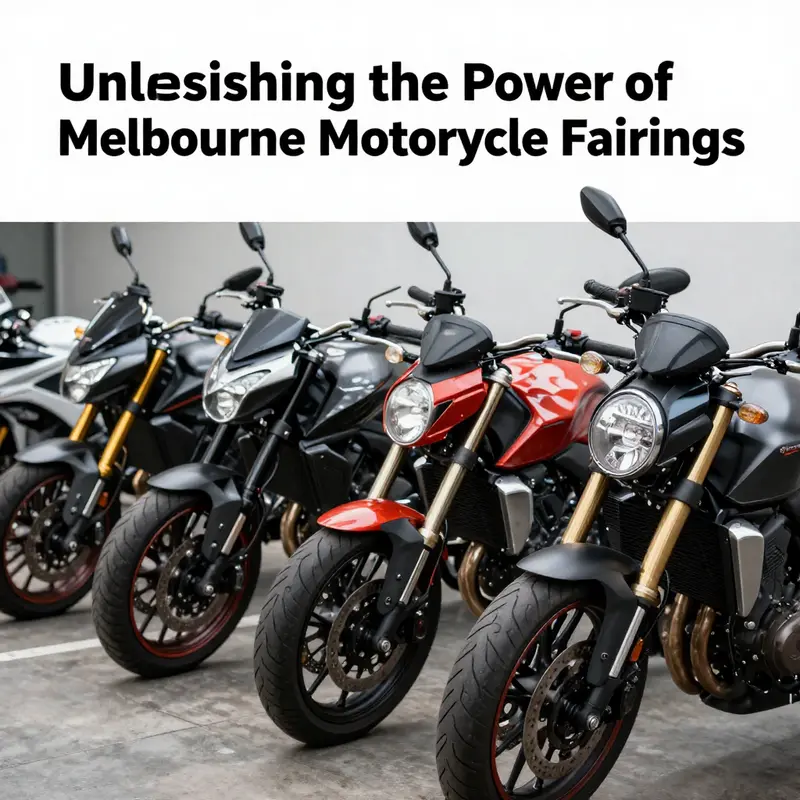
Melbourne’s streets and highways demand more than performance alone. The city’s climate swings from bright, windy mornings to sudden showers, and its roads weave through urban canyons and open coastal flats. For riders, that means a fairing is not just a cosmetic enhancement but a practical tool that shapes comfort, handling, and weather protection. A shop in Spotswood with a long track record understands this balance well. They have spent years listening to riders who commute, tour, and chase weekend rides along the shadows of the bay. Their approach isn’t about pushing a single solution; it’s about guiding a rider toward a configuration that respects the bike’s design, the rider’s daily routine, and Melbourne’s variable conditions. In this sense, choosing the right fairings becomes a conversation between wind, weight, and the inevitable compromises that come with riding life in the city and beyond.
To begin, it helps to understand the spectrum of fairing styles and what each promises in real-world terms. Full fairings envelop the front and sides of the motorcycle, delivering the most complete shield against wind and rain. They are the default choice for bikes built for high-speed stability and longer highway stints, where a smooth, enclosed profile can reduce fatigue during extended rides. Yet the larger, more encompassing shape also means more mass and sometimes a stiffer mounting process. For a rider who spends hours in the saddle on Melbourne’s varied routes, the full fairing often translates to blocks of comfort: the air pressure on the torso is more regulated, rider movement remains steady, and the rain is kept at bay with a continuous curtain of protection.
Half fairings offer a different balance. They cover the upper front portion of the bike, leaving more of the machine exposed to the wind. This design tends to feel sportier and lighter in the hands, which is appealing to riders who prize agility and quick, responsive handling. In city riding and twisty backroads, half fairings can help maintain a nimble, more direct relationship with the bike’s steering and weight transfer. The trade-off is that wind protection is reduced, and riders may notice more road spray or rain intrusion during wet commutes. For some, this is a reasonable compromise that keeps the ride lively while still providing a degree of shielding that suits Melbourne’s mix of sunshine and showers.
Clip-on fairings, smaller in scale and often mounted near the handlebars, push the envelope further toward minimal wind resistance. They appeal to riders who want a light, open riding position and a level of control that comes from a highly alert, direct contact with the windstream. The advantage lies in reduced weight and an enhanced sense of connection with the bike’s front end. The downside is that weather protection and coverage can be limited, which means clip-ons are typically chosen by riders who prioritize performance posture and precise control over long, all-day comfort.
Custom designs are the final piece of the puzzle for many Melburnians who demand personality as much as performance. Custom fairings can be tailored to fit their specific bike model, the rider’s height and seating position, and even offer graphic or color schemes that echo the rider’s personal style. The customization process is where the importance of a knowledgeable, local partner becomes clear. A good specialist can align the fairing’s geometry with the motorcycle’s frame, ensure mounting points are secure, and preserve the integrity of the fairing’s aerodynamics. The result is a visually striking, functionally integrated shell that looks as good as it rides and feels as if it was designed specifically for that rider’s journey through Melbourne’s diverse riding environment.
Beyond the shape itself, the choice of fairings is deeply tied to coverage, aerodynamics, and weather protection. Coverage determines how much of the rider and engine are shielded from wind and rain and how the airflow flows around the bike. Aerodynamics influences stability at speed and the ease with which the rider can maintain a comfortable position. Weather protection matters most on days when the sky is uncertain, or when the wind gusts off the bay can cut through gear. For many riders, Melbourne’s weather pattern makes a more complete enclosure a sensible baseline. Yet as riders lean into different roads and routes, the need to balance wind resistance with rider mobility becomes a daily consideration. A well-chosen fairing should help the rider slice through air with minimal effort, while offering a predictable shield against rain and cold.
In practical terms, the decision comes down to the rider’s style and routine. Urban commuters who navigate congested streets may value ease of access to controls, modest wind comfort, and a fairing that doesn’t overly alter weight distribution. A half fairing or even a clip-on setup might serve them best, preserving maneuverability for stop-and-go traffic and making it easier to slide between lanes as they navigate busy inner-city corridors. Sport-oriented riders who crave aggressive riding postures and more direct wind exposure may lean toward clip-ons or lighter, trimmed fairings. These configurations emphasize handling precision, enhanced feedback through the front end, and a riding stance that sharpened by mid- to high-speed cornering. For riders who chase long weekend tours or weekend escapes along coastal highways, full fairings can offer sustained comfort by maintaining a smooth flow of air over the body at highway speeds, reducing fatigue, and supporting a more relaxed breathing pattern over hours in the saddle.
The local context matters too. Melbourne’s climate can shift quickly, and the wind can come from any direction, sometimes sweeping across open plains or funneling through built-up streets. This reality makes weather sealing and rain protection not an afterthought but a core consideration. A full fairing’s contour can minimize jetting of rain into the rider’s line of sight, and a well-sealed mount can prevent water ingress into instrument clusters and electronics. For riders who live in Melbourne and ride year-round, the practical value of a robust fairing is measured not by how it looks on a showroom floor but by how it behaves on a daily commute, in morning drizzle, or during a gusty ride along a coastline road.
Another layer to this choice is the fitment and service ecosystem surrounding fairings. A nearby, experienced Melbourne shop—one that has spent years teaching riders how to fit, align, and tailor fairings to specific bikes—can make a decisive difference. A good technician knows how the fairing integrates with the bike’s frame, how to preserve fuel tank clearances, and how to prevent rattles and flutter at high speeds. They understand that the fairing’s mounting points must be sturdy enough to withstand repeated vibrations without warping, and they know that some models require careful attention to radiator clearance or to the routing of cables and hoses. It is this practical expertise that turns a theoretical choice into a ride that feels confidently engineered. The local provider, with a long-standing track record and a precise eye for fit and finish, can guide a rider through a process that begins with an assessment of riding goals and ends with a fairing that feels like an extension of the bike rather than an add-on.
The selection process also benefits from a conversation about the bike’s model family and the rider’s aesthetic priorities. Within Melbourne’s broader riding culture, there is a recognition that fairings are part function, part identity. The way a fairing lines up with the bike’s silhouette, the way it blends color and texture with the frame, and even the way the edges catch light all contribute to a sense of ownership. A knowledgeable shop will listen to the rider’s concerns, offer honest guidance on what is feasible, and present options that balance weight, stiffness, and design. They might discuss the mounting hardware, the potential for additional protection such as lower fairings to guard the undercarriage, or the possibility of integrating a windscreen with a height that suits the rider’s posture. In practice, this is a collaborative process that respects the rider’s goals while preserving the bike’s core geometry and safety margins.
For riders who want to start with a clear path toward model-specific choices, a practical starting point is to explore catalog options that reflect the kind of riding they enjoy. A linked resource that echoes this approach offers a way to browse fairings designed for particular bike families and to compare how different fairings align with riding styles. This is not a sales pitch but a navigation aid that helps riders understand fitment realities before they commit to a change. If you click through to a category that aligns with your bike’s main characteristics, you’ll see how the design language shifts from a performance-first posture to a balance of protection and aesthetics. While the specifics vary by model, the underlying framework remains consistent: alignment with your position, a credible sealing strategy, and a fairing geometry that preserves or enhances the bike’s natural handling.
Riders who are serious about personalization should also consider the long-term maintenance implications of their choice. A fairing that looks striking but is difficult to clean, or one that requires frequent adjustments to stay aligned, can become a source of ongoing frustration. The best options are those that offer straightforward mounting and reliable seals, with materials chosen for durability against road grit, UV exposure, and temperature cycles. In Melbourne’s environment, where roads can throw off moisture and dust, selecting a fairing that simplifies cleaning and resists cracking in varying temperatures is a practical advantage. The local expert can help assess the repairability and serviceability of different materials, ensuring that the rider’s investment remains functional and visually coherent for years.
In the end, choosing the right fairings is about measuring how you ride against how the bike can meet that ride. If your schedule is dominated by weekday commutes and weekend escapes along the coast, you may prioritize a balanced mix of wind protection and maneuverability. If you’re drawn to the track-like feel of spirited back-road sessions, then a lighter, more precise setup could be your preference. If aesthetics and personal expression matter, a custom design can deliver both the look you love and the aerodynamic behavior you need. The most important step is to engage with a local, knowledgeable partner who can guide you through the evaluation of coverage, aerodynamics, weather protection, and the practicalities of fitment. They can translate your riding style into a fairing configuration that feels like a natural extension of your bike and your daily routine rather than a compromise on performance.
For riders curious about model-specific options, one convenient way to explore choices is to look at catalog pages that assemble fairings by model family. This approach helps you visualize how different fairing shapes relate to the same bike architecture and what compromises might be required to achieve the look you want while preserving handling and protection. To see how a broader catalog frames this conversation, readers can explore a dedicated category that aggregates fairings by popular bike families. The catalog structure is designed to mirror the rider’s journey—from discovering a style to confirming fitment and, finally, enjoying the ride. Within this process, the local Melbourne provider’s expertise remains a constant, offering precise measurements, professional fitting, and tailored recommendations that respect the bike’s original geometry and the rider’s comfort needs.
In addition to the styling and performance considerations, riders should also remember that fairings can influence maintenance and component access. A full fairing, for instance, can alter how easily you reach the engine and electrical components for routine checks, while a lighter setup might simplify access but provide a different wind profile. The best practice is to discuss access points with the installer before committing to a configuration. Ask about stator and radiator clearances, the routing of hoses and cables, and how the fairing will interact with future maintenance tasks. A thoughtful approach ensures that the ride remains as easy to service as it is enjoyable to ride. The goal is a solution that preserves the bike’s serviceability while delivering the expected gains in aerodynamics, comfort, and protection.
For riders who want to balance performance with personalization, the local supplier can also offer guidance on the integration of lower protection and additional shields. Even when the primary focus is on upper fairing coverage, careful planning can preserve ground clearance, maintain steering geometry, and guard critical components from road debris. The result is a configuration that respects both rider preference and bike reliability, a harmony that Melbourne riders often prize given the city’s varied elevations and moisture conditions. In this light, the process of choosing fairings becomes a collaborative dialogue between rider ambitions and engineering practicality, with a trusted local partner serving as the linchpin that keeps the conversation grounded in real-world riding in and around Melbourne.
As you weigh your options, consider how your riding pattern will evolve over the coming seasons. A fairing choice that works brilliantly for a calm, predictable commute may need adjustment when you take up longer weekend rides or participate in track-focused events. A flexible, professional service that can adapt the setup—perhaps with alternative fairing configurations or quick-change panels—offers value beyond the initial installation. The right decision is not a one-size-fits-all prescription but a personalized configuration that respects the rider’s goals while maintaining the bike’s integrity and performance envelope. For those who want to spark their journey with model-aware options, a practical starting point is to browse fairings tailored for common bike families. This approach helps you visualize how different aerodynamic shapes align with your posture and riding tempo, and it sets the stage for a detailed, in-person discussion with a local expert who can translate the theory into a practical, road-ready setup.
To round out the journey, you can explore related catalog sections that group fairings by motorcycle families, which helps illuminate how different shapes manage air flow relative to a given frame. This isn’t about chasing trends; it’s about understanding the physics of wind while keeping the rider’s comfort at the fore. With the right balance of coverage, air management, and weather sealing, a fairing can reduce fatigue, enhance stability through gusty winds, and give you the confidence to lean into a corner with predictable feedback. A local partner who understands Melbourne’s climate and road textures can translate these principles into a working specification that feels almost custom-made for your bike and your life in this city.
If you’re curious about how a particular style might feel on your bike, a practical first step is to review model-aligned catalogs and then discuss options with a technician who can assess mounting points and clearance. The goal is not to produce a showroom hero but to deliver a ride that you look forward to every morning. With this approach, fairings become more than an aesthetic update; they become a crafted extension of the motorcycle—one that is tuned to your cadence, your weather, and the unique rhythm of Melbourne streets. And when you find the right fit, the wind feels less like an adversary and more like a collaborator in your daily journey.
For readers who want to peek into model-focused layouts while keeping the local context in view, a relevant resource is available through a catalog that organizes fairings by bike families. This reference point helps you compare how each design sits with a particular bike’s geometry and how it would interact with your preferred riding posture. As you move from overview to specific model alignment, you’ll appreciate the value of working with a Melbourne specialist who can translate catalog concepts into on-road reality. A core takeaway is simple: the right fairings are not just about looks; they are a strategic element of how you ride, a way to defend your comfort, your gear, and your time spent on the road.
If you’re ready to begin, consider the local pathway that combines a clear assessment of riding style with hands-on fitting and customization. The shop near Spotswood offers a long history of working with riders who demand reliability, and their team understands how to tailor a fairing package to suit a wide range of bikes and riding personalities. Their approach emphasizes practical testing, precise mounting, and thoughtful material choices that balance resilience with a clean aesthetic. The result is a fairing solution that integrates with the machine, respects the rider’s posture, and stands up to Melbourne’s weather and roads. In this sense, choosing the right fairings becomes a practical, collaborative process that yields tangible benefits in comfort, control, and confidence on every ride.
To further explore catalog options that align with your bike’s family while maintaining a focus on Melbourne’s riding context, you can follow a catalog path that compiles fairings by model lines. This approach helps you evaluate how different shapes affect wind handling and rider typography, or how a particular panel arrangement can modify the cockpit feel without compromising the bike’s core geometry. The ultimate aim is to land on a configuration that respects your personal rhythm while delivering a visually cohesive look that you’ll be proud to ride every day. As with any thoughtful upgrade, the real payoff comes when you translate the concept into real-world comfort, improved control, and a sense that the machine truly fits you as you navigate the city, the coast, and the open road that frames Melbourne’s broader riding life.
If you are seeking a starting point for model-oriented options, a practical step is to explore the Yamaha fairings category, which provides a snapshot of how fairing silhouettes align with typical bike configurations and rider expectations. Yamaha fairings This link is a useful way to visualize how different fairing shapes sit on a common frame family and to compare how each design might interact with your preferred stance and riding pace. Remember that the exact fit will depend on your bike model and the mounting points available on your frame. The local specialist can help verify compatibility and propose adjustments that preserve the bike’s safety margins while delivering the wind management you seek.
Finally, a word on the broader ecosystem of information and support. The availability of local expertise that can inspect, fit, and fine-tune fairings is a valuable resource for Melbourne riders. A skilled technician not only ensures proper alignment and sealing but also helps you understand the trade-offs between different materials, coatings, and finishes. They can guide you through the decision of whether to pursue a complete fairing system or a more restrained, modular approach that adds protection where you ride the most. They can also propose a staged approach: begin with a practical, protective configuration for daily riding and then add elements or switch to a more aggressive setup as your needs evolve. By keeping the process grounded in the realities of Melbourne riding—wind, rain, traffic, and long commutes—you build a fairing solution that remains practical, durable, and aesthetically satisfying for years to come.
In sum, choosing the right fairings for Melbourne riding is less about chasing a single “best” design and more about an informed pairing of coverage, aerodynamics, weather protection, and personal preference. It is about partnering with a local expert who can translate your riding style into a set of mounting, sealing, and finishing decisions that will hold up on the city streets as reliably as they do on a sunlit coastal highway. When done thoughtfully, the right fairings do more than sculpt the bike’s silhouette; they shape your experience on every ride, making wind manageable, weather less intrusive, and confidence more constant as you explore Melbourne’s many routes and the open road beyond. For riders ready to begin that journey, the next step is a conversation with a trusted local specialist who can translate these ideas into a on-bike reality that fits your bike, your posture, and your Melbourne life.
External resource: https://www.michelinman.com/tires/motorcycle
Final thoughts
Choosing the right motorcycle fairing is not just about aesthetics; it’s a critical decision that impacts performance, safety, and comfort. At Melbourne Motorcycle Fairings, we understand the diverse needs of riders and offer extensive knowledge to help business owners make informed choices. By exploring the types of fairings, appreciating their role in enhancing performance, acknowledging maintenance needs, and understanding how to select the right products, business owners can create a better riding experience for their clients. Collaborating with a trusted provider like Melbourne Motorcycle Fairings or integrating high-quality fairings into your inventory can lead to greater customer satisfaction and impact the overall success of your motorcycle business.