
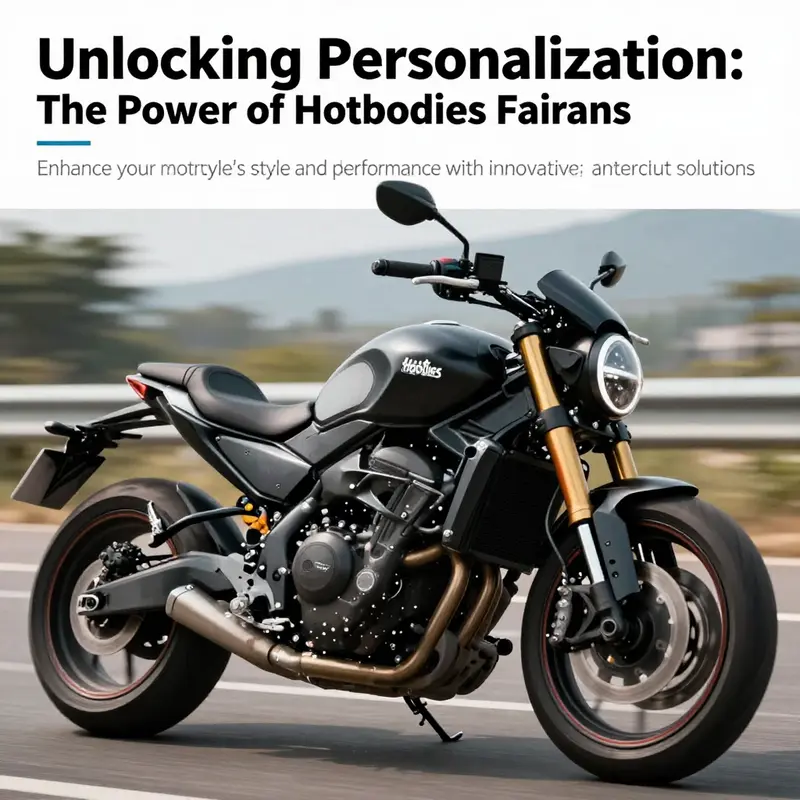
Hotbodies Motorcycle Fairings represent a significant advancement in the aftermarket motorcycle parts industry, catering to both customization enthusiasts and practical riders. Their extensive array of design options allows business owners and consumers to express individuality while achieving factory-style restoration. This article unpacks how Hotbodies stands out in terms of design diversity, material performance, cost-effectiveness, and customer experiences. Each chapter will dissect these elements to provide a thorough understanding of how these fairings can bolster business offerings and customer satisfaction.
Design Diversity in Aftermarket Fairings: Crafting Speed, Style, and Personal Narrative
A motorcycle’s skin speaks before its engine roars. In the world of aftermarket fairings, the surface is not just a shield against wind and debris; it is a canvas, a statement of how a rider wants to be seen on the street and how a bike should perform when the pace rises. A leading maker in this field has built its reputation by pairing a broad, design-forward catalog with engineering that aims to keep air separation smooth, reduce drag where it matters, and preserve the bike’s maneuverability at high speed. The result is a design language that blends aerodynamic intent with bold personal expression. This is not about vanity cloaks slapped onto metal and plastic; it is about shaping form with function, and allowing riders to choose a look that aligns with their riding persona while still respecting the realities of performance riding. In this chapter, we explore how a single brand guides this conversation between aesthetics and aerodynamics, between color and contour, and between a rider’s vision and the bike’s true capabilities on the road and the track.
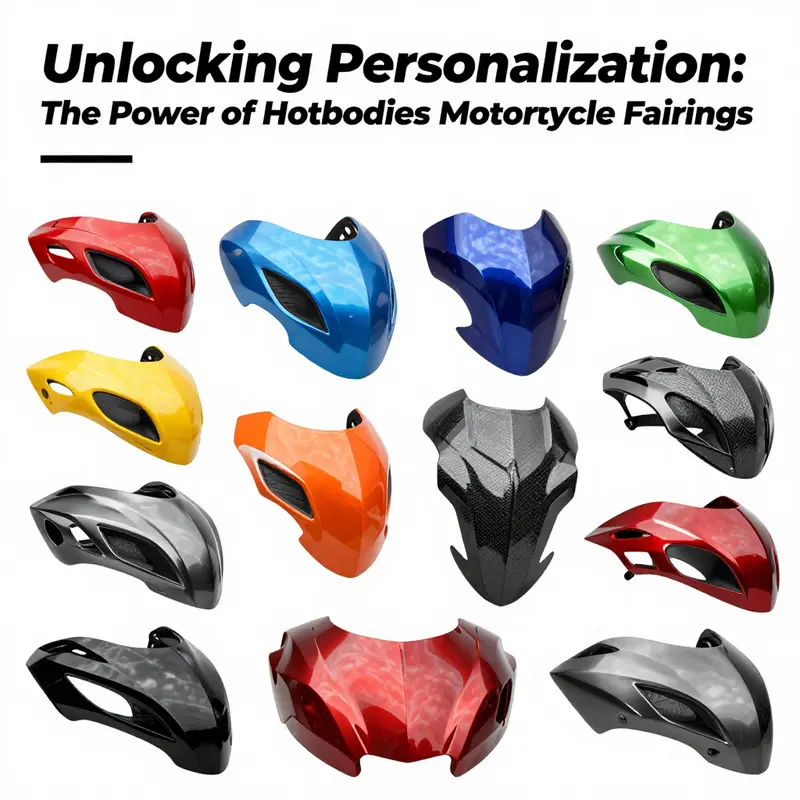
Design diversity begins with the physical language of the panels themselves. The fairings are crafted to frame a motorcycle in a way that emphasizes its speed profile without forcing dramatic compromises in strength or fit. The shapes—carefully tuned curves, abrupt shoulders, and clean radii—are not arbitrary. They reflect a meticulous balancing act: the more aggressively contoured the surface, the more it can influence airflow to guide air over and around the bike rather than to buffet it. This is where the science of aerodynamics meets street-ready aesthetics. The shapes are designed to maintain stability at speed, reduce lift on the front end, and preserve enough coverage to protect vital components during a lean. It’s a shared language across the catalog, a vocabulary of slashes and swoops that communicates speed even when the bike is standing still. Yet within this shared language there is a surprising breadth. Where some riders crave that race-inspired silhouette, others want a finish that reads as a personal banner rather than a racing chassis. The brand’s catalog honors both impulses by offering a spectrum of silhouettes, from tight, race-oriented profiles to broader, touring-friendly lines that still leave room for aggression in the stance.
What makes the design repertoire truly distinctive is the second axis of diversity: the finish and graphic strategy. The fairings aren’t simply painted shells; they’re surfaces prepared for a wide range of coatings, textures, and color narratives. The aesthetic options can range from glossy, high-contrast schemes that pop under street lights to matte or satin textures that absorb light in a more understated way. The color play is not incidental. It’s a way for riders to stage a personality, to align the bike’s visage with a mood—an electric purple that electrifies the frame’s geometry, a bold pink sparkly finish that catches the eye at a stoplight, or a graphic package that can transform a clean sheet into an urban statement piece. The Hello Kitty-style motif from the design lexicon is not simply whimsy; it’s an example of how theme-driven finishes can repurpose the same silhouette into a distinctive identity. The creative leeway continues with more mature alternatives—classic racing stripes, metallics that shift in the sun, or carbon-fiber skins that evoke mobility science while still offering practical benefits in a ride-ready shell. The finish choices are not decorative accoutrements alone; they interact with the underlying materials and how the panels are joined, wrapped, or layered to resist impact and to maintain their look after abrasion, heat cycling, and exposure to the elements.
Speaking of materials, the construction philosophy behind these fairings hinges on a blend of durability and lightness. The panels are built to withstand the kind of accidental contact common to spirited street riding and track sessions, where a corner’s brush or a gravel edge can leave a scuff or a dent. The materials chosen are designed to be impact-resistant enough to survive a casual tumble or a stray rock, yet light enough not to penalize the bike’s balance and acceleration. Many designs leverage thermoplastic composites and reinforced plastic blends that can hold complex shapes and maintain dimensional stability across temperature swings. The choice of materials has real implications for how the fairings perform and how they feel to handle during installation and maintenance. They also affect the perception of quality. When a rider opens the box and finds a panel that rings true to the motorcycle’s lines, with a surface that resists yellowing, remains glossy after a long road test, and accepts decals cleanly, the overall impression is one of a cohesive, integrated upgrade rather than a cosmetic add-on.
What riders notice, perhaps more than any other element, is the power of customization. The catalog’s diversity translates into a broad array of color schemes and graphic packages that invite riders to author their own story on two wheels. A single bike can sport a palette that borrows from neon city lights, or can wear the restrained elegance of monochrome layers with a single, vivid accent. The customization isn’t limited to color; pilot projects include graphic overlays, sponsor-aspirational motifs, and themed finishes that speak to culture and personality. The Hello Kitty-inspired motif is an evocative reminder that the riding community thrives on creative risk and personal resonance. It’s the same spirit that gives rise to subtle textures that mimic carbon fiber, gloss laminates that offer a high-luster finish, or matte overlays that reduce glare in bright sun. The result is a design ecosystem that accommodates not just a rider’s budget but also their appetite for storytelling through the bike’s skin.
This design diversity is not merely about aesthetics; it is about how riders connect with their machines at a tactile level. The fairings are designed to be visually compelling while being easy to install and, crucially, reliable in their fitment. The precise engineering behind the mounting points, the alignment of the radii with the bike’s frame, and the way the panels cohere with nearby components all influence the reliability of the upgrade. It would be a misstep to suggest that more design options automatically translate into a seamless fit. Fitment variability remains a reality in aftermarket parts, and it is an important consideration for anyone contemplating a switch from stock to aftermarket panels. The difference between a well-matched kit and a panel set that requires hours of adjustment lies not only in the design but in the manufacturing tolerances of the individual batch, the bike’s exact model year, and even subtle differences in pre-installed hardware. That is why conscientious buyers often start their journey with careful compatibility checks, consulting dealer notes, and the experiences of others who share a similar bike and setup.
The marketing voice of this design diversity emphasizes a practical balance: a broad palette to choose from, paired with materials and engineering that strive to minimize added torque or drag, and an installation experience that preserves the bike’s ergonomics and accessibility for routine maintenance. The fairings should let a rider service the bike as easily as allowed by the original design, with all necessary mounting hardware included and well-litted holes aligning with the frame’s mounting points. In practice, that means the panels may require slight adjustments during installation, because “universal” does not always mean “perfectly universal.” The rider’s tools, patience, and the dealer’s guidance all come into play. The best outcomes arise when buyers treat the upgrade as a project, a small collaborative effort between rider, supplier, and the bike’s existing architecture. When done with care, the result is a bike that looks finished, feels balanced, and communicates a narrative that is uniquely its own.
The topic of fit and finish inevitably circles back to the realities of the market. The relationship between price, quality, and reliability is nuanced. These fairings often present a compelling value proposition: a price point that is more accessible than OEM alternatives, along with a broad range of styling options and upgraded mounting hardware in some packages. This is attractive for riders who want to refresh a bike’s appearance, restore it to something closer to factory style, or push the boundaries of what a street bike can wear as a visual statement. However, there are caveats. The variability in manufacturing batches means that quality can fluctuate. Some runs may deliver panels that align perfectly the first time; others may require meticulous attention to fitment and some additional trimming or re-drilling. The risk to the vehicle warranty is a legitimate concern if the parts are not OEM-standard or installed without care, which makes the choice of supplier and dealer a decision that deserves as much scrutiny as the design itself. These considerations do not negate the value of customization; they simply place a premium on diligence—doing homework about fitment, reading user reviews, inspecting the hardware before installation, and leaning on the guidance of people who have completed similar upgrades.
Beyond the practicalities lies the human connection to design. The ability to transform a machine into a personal artifact is a meaningful aspect of riding culture. The rider’s voice is carried in the choice of finish—the purple hue that catches a streetlamp’s reflection, the pink sparkle that shifts with the angle of the sun, the playful Hello Kitty motif that makes a statement on a crowded curb, or the understated carbon-look option that whispers of performance and precision. These options empower riders to present their bikes as they want others to see them, and to align their machine with a personal sense of identity. It is about more than speed; it is about a narrative expressed through color, texture, and line. The design diversity also serves the broader community by expanding the boundaries of what is possible on a bike. With more options, there is a higher likelihood that a rider finds a look that resonates—whether it is rooted in tradition, inspired by contemporary street fashion, or a mash-up of both. The spectrum encourages experimentation, invites conversation, and ultimately broadens the appeal of customization to a wider audience.
For riders who want to explore Honda-focused or model-specific possibilities, the route to discovery is often through a dedicated category that gathers compatible fairings in one place. This makes it easier to compare shapes, finishes, and compatibility notes across a family of bikes that share certain design cues but diverge in mounting details. A practical approach is to examine multiple options, then weigh the visual impact against the ease of installation and the long-term durability of the finish. The best outcomes come from a thoughtful sequence: assess the bike’s goals, review the available designs for that platform, verify the fit with the model’s specific year or generation, and then align the choice with the rider’s maintenance habits and aesthetic preferences. The process becomes less about chasing a trend and more about cultivating a look that stands up to the scrutiny of use—crucially, the bike will be seen not just in motion but also when it is parked, and that still matters to a rider who values a coherent, purposeful appearance.
To those who want a guided entry into the Honda-focused options within this design universe, a quick navigational pointer can anchor the search. A well-curated catalog segment dedicated to Honda fairings consolidates the most market-relevant shapes, finishes, and compatibility notes in one place, making it simpler to compare how the various aesthetic and aerodynamic choices interact with a specific bike’s geometry. For readers who prefer a broader exploration that extends beyond one brand’s scope, the broader collection shows how design language travels across different platforms and styles, revealing how a successful panel family adapts to the unique curves and contour lines of different chassis. This cross-pollination between model lines helps illuminate why a particular silhouette might feel instinctive on a track-ready chassis and equally compelling on a street bike with a more relaxed pose. It also underscores how color and texture choices can transform not only the bike’s roadside silhouette but also the rider’s own relationship with the machine.
In closing, the design diversity of aftermarket fairings is not simply about dressing up a bike. It is about building a cohesive, performative, and expressive system that honors the rider’s purpose while respecting the bike’s engineering. The catalog’s breadth invites experimentation, and its engineering discipline preserves the integrity of airflow and stability at speed. The result is a marketplace where aesthetics and aerodynamics do not stand apart but rather reinforce each other. The rider who selects a modern purple hue, a striking pink sparkle, or a Hello Kitty-inspired motif is not merely decorating; they are declaring a stance—a willingness to blend speed with personality and to treat the bike as a partner in a shared narrative that unfolds every time the throttle opens. For those ready to pursue Honda-specific options or to explore beyond, a simple browse through the brand’s Honda fairings category can serve as a useful starting point. You can explore Honda-focused designs and fitment details here: Honda fairings category.
External perspective can also be instructive. A widely accessible marketplace offers a curated selection of racing-inspired fairings, with guaranteed fit and detailed product specifications that can help riders assess compatibility before committing to a purchase. This kind of resource provides a practical counterpoint to the aspirational, design-forward discussions and helps buyers ground their decisions in real-world fit and function. As with any aftermarket upgrade, the best outcomes arise when a rider couples imagination with due diligence, ensuring that the final look is as reliable as it is striking. For those who want to see how the market treats these designs in a broader context, an external reference points to a comprehensive collection of options, including a variety of finishes and installation hardware. External resource: https://www.ebay.com/bhp/hotbodies-racing-motorcycle-fairings-honda
Edge, Engineering, and Expression: Understanding Performance in Hotbodies Fairings
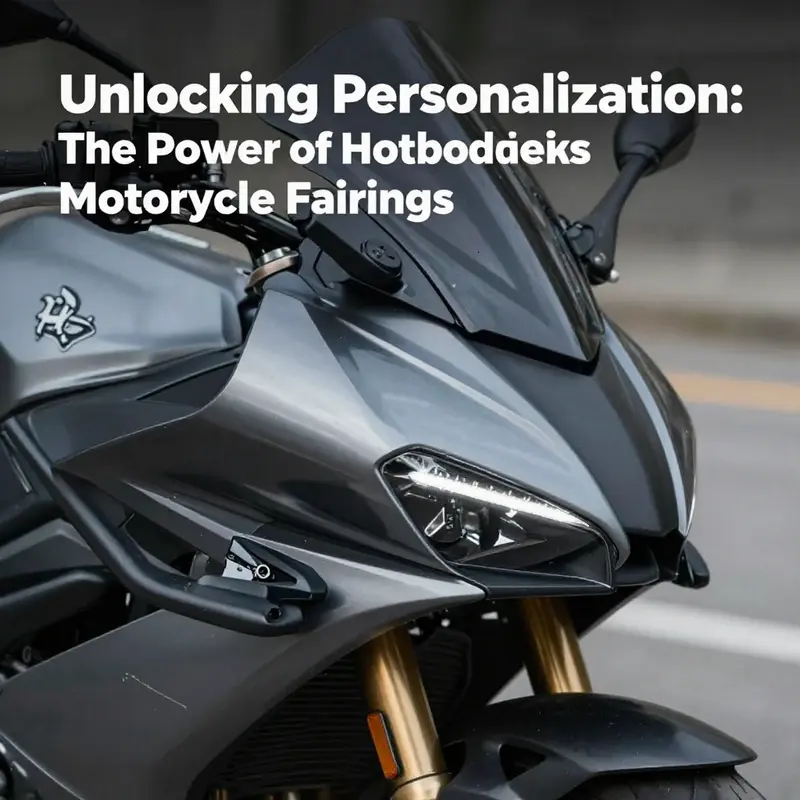
Riding an aftermarket fairing changes more than the look of a bike. It alters how air flows, how the bike feels in corners, and how confident a rider is pushing toward the limit. When the subject is Hotbodies fairings, the discussion balances design, materials, and practical realities that show up the moment a rider bolts on a new shell. This chapter explores how material choices translate into real world handling, durability, fitment, warranty, and long term use. It is about understanding what the fairing is doing in the wind, under heat, and atop the frame, and how material and build quality shape that performance over time.
At the core of the conversation is material. Carbon fiber, fiberglass composites, and high grade ABS are the three materials most often cited. Carbon shines in weight and stiffness, offering a high strength-to-weight ratio that matters for track work. Lighter shells reduce rotational inertia, aiding mid-corner transitions and response off rough pavement. Yet carbon comes at a premium, with variability in layup and resin that can affect weight, rigidity, and fatigue over time. Fiberglass sits between cost and performance, offering stiffness with more predictable production and easier repair, though repairs can change the look or weight distribution if not done to the same standard. ABS plastic provides ease of molding, weather resistance, and consistent finish, with the trade-offs of heavier weight and less stiffness.
This material choice interacts with aerodynamics and weather resilience. A well designed shell reduces drag and maintains stable flow at speed. Carbon or fiberglass can be tuned with layups to optimize stiffness along critical load paths, improving intake and exhaust patterns and even engine cooling. ABS, while lighter on the wallet, may flex and flutter under high wind loads. Beyond material, hardware, finish, and paint systems influence durability and maintenance. The goal is to evaluate the full package: fitment accuracy, mounting hardware, paint quality, and the ability to install cleanly, with a realistic expectation of misalignment or panel gaps in universal designs.
In practice, riders should clarify use case (track, street, or mixed), map the model to listings, consider total cost including hardware and paint, and verify fitment through model year references, reviews, and return policies. The Yamaha fairings collection, for example, illustrates the breadth of options and expectations for a given model family. The broader aftermarket ecosystem enables personal expression while maintaining practical performance discipline, especially when installation is approached methodically and with care.
Ultimately, the material choice matters most when aligned with goals, fitment realities, and a complete package that includes finish and hardware. Carbon is a track-oriented option, fiberglass offers a balance of stiffness and cost, and ABS delivers street practicality. With careful selection and proper installation, riders can achieve a blend of aesthetics and performance that suits aggressive sport riding without sacrificing everyday reliability.
Maximizing Value with Aftermarket Motorcycle Fairings: A Cost-Focused Guide
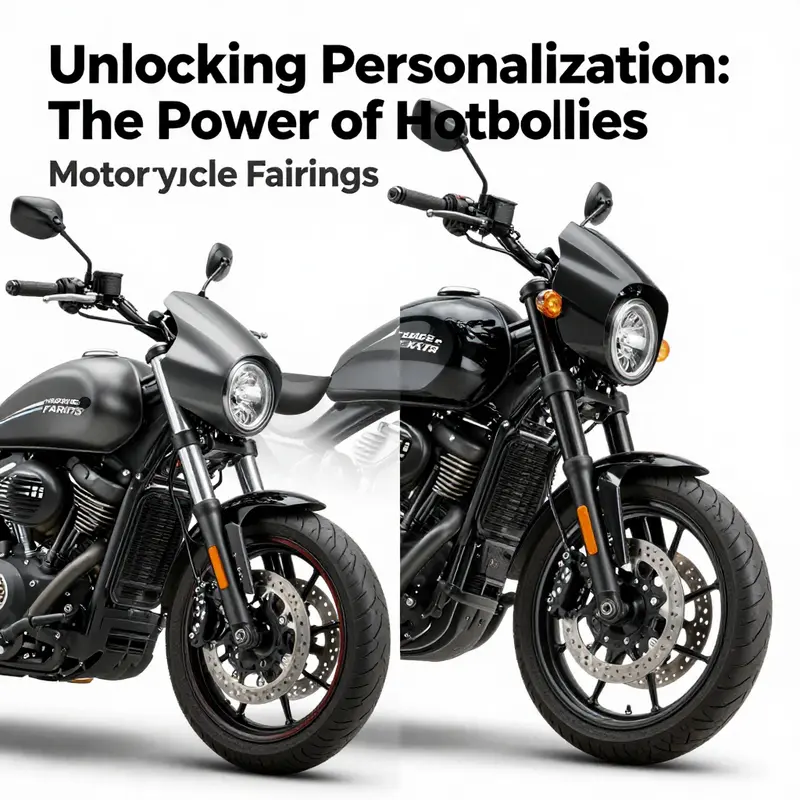
Choosing aftermarket fairings is often about trading off price, fit, and durability rather than chasing maximum materials. The goal is to maximize value: get a kit that looks right, fits well, and lasts for the riding you actually do, without paying for features you do not need. This chapter outlines a practical framework for evaluating options and building a purchase plan that keeps costs in check while preserving ride quality and aesthetics.
Materials matter for long-term value. ABS plastic is inexpensive, forgiving, and paints well; fiberglass can be lighter and easier to repair but may require more careful handling and finishing. Work out your priorities: if you ride daily and want strong impact resistance at a modest price, start with a high-quality ABS kit with reinforced mounting points. If you value ease of repair and customization and ride on weekends or tracks, fiberglass with robust hardware can be compelling, provided you budget for finishing and repairs.
Fitment and mold quality drive installation time and potential added costs. Model-specific panels designed to match the bike’s mounting points typically install cleanly and require fewer modifications than universal kits. When a kit claims model-specific fit, look for explicit model/year compatibility and, if possible, after-sales follow-up support or fit guarantees. The cost savings of a cheaper kit can disappear if you must pay a shop to reform or re-drill mounting holes.
Finish options influence perceived value more than most riders expect. Pre-painted, color-matched fairings save time and avoid repaint costs, but inspect for consistent paint thickness and edge protection. Where a color or texture matches your bike’s look, a small premium for a factory-like finish can be a savvy choice that pays off in aesthetics and resale appeal.
Durability and hardware are worth evaluating. Rigid mounting tabs, thicker leading edges, and reinforced headlight surrounds reduce damage from minor tip-overs and scrapes. Some kits include upgraded mounting hardware; while this may add upfront cost, it can prevent the need for later reinforcement parts and labor.
Installation and maintenance are the practical anchors of value. DIY installation can save money, but be honest about your skill and tools. Budget for time, paint, and potential trimming if the kit is not a perfect match. If you prefer a professional install, compare quotes and factor in reduced labor time from a precise, model-specific kit against the lower price of a generic option.
Finally, plan for long-term costs and resale value. A well-chosen kit that preserves bike geometry, offers reliable color fastness, and retains protective features tends to hold value better than a mismatched set. Keep original panels for trade-in or resale, and document installation steps, part numbers, and warranty coverage to simplify future ownership transitions.
By combining thoughtful material selection, a preference for true fitment, and clear budgeting for installation and finishing, riders can realize meaningful value from aftermarket fairings without compromising ride quality or safety.
The Fine Line Between Aggressive Style and Precise Fit: Real-World Insights into Hotbodies Fairings
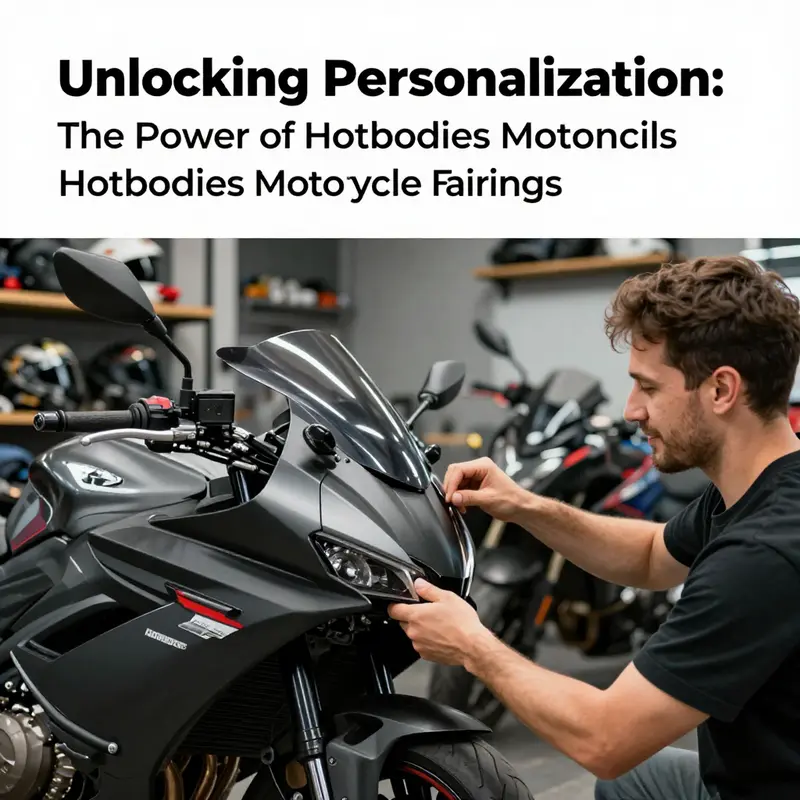
The desire to personalize a motorcycle often begins with the shell that frames everything else—the fairings. In the realm of aftermarket aesthetics, Hotbodies fairings have carved a niche for riders seeking a balance between race-inspired aggression and accessible pricing. They promise bold lines, vivid finishes, and a spectrum of design choices that can transform a bike from a showroom silhouette into a personal statement. The appeal is clear: a rider can achieve a factory-like stance or a more aggressive, track-oriented look without paying the premium typical of OEM options. And for many, the value proposition is compelling enough to warrant the trade-off. Yet as with any ambitious modification, there is a practical counterweight to the dream—the reality of fitment and installation in the real world, where differences in model years, manufacturing tolerances, and mounting architectures can complicate the process. This chapter follows the thread from the initial excitement of seeing a sleek, aggressive fairing on a bike to the sober, often nuanced work of making that design sit right on a machine, aligning with the headlight, the fuel tank, and the rider’s own sense of balance and proportion.
Hotbodies’ approach to design has long leaned into a more visually assertive aesthetic than many factory programs usually deliver. The race-inspired silhouettes, sharp edge lines, and contrasting color schemes are designed to provoke quick recognition on the street and a sense of momentum even when the bike is stationary. There is no denying the value of looking fast as you stand still, and for enthusiasts chasing a personalized brand image, that visual payoff often justifies the effort required to fit the piecework aesthetic to a specific chassis. The potential for customization is broad. With a range of textures, finishes, and color options, riders can tailor the visual language to fit a model you might have seen in competition or on a showroom floor—while keeping costs down relative to OEM full bodywork. In that sense, the proposition is compelling: more style, more choice, more control over how a bike presents itself on a public road or a closed track.
But style has a companion reality: fitment. The very factors that contribute to the allure—aggressive lines, extended panels, and complex curves—also magnify the precision required to align with the bike’s original geometry. The reports that have circulated through forums, reviews, and hands-on experiences highlight a recurring theme. On models such as the Yamaha YZF-R3 and other compact sportbikes, the fairings can reveal misalignment with essential factory components. The headlight assembly, a critical focal point for both function and appearance, often becomes a test of whether the outer shell is truly sitting where it should. Users describe gaps that draw attention to the junctions between fairing panels and the stock hardware, or interference that hints at minor scrapes or friction when turning the handlebars or when requesting a full lock with the steering. These aren’t merely cosmetic concerns; persistent misalignment can complicate daily use, especially on urban roads where vibration, accelerations, and decelerations place the panels under continuous stress.
The problem frequently extends beyond the initial headlight fit. The handlebars, a primary support structure for the front of the bike, form a cradle around which the fairing must bend and contour. When the mounting points aren’t precisely matched to the frame, the entire front of the bike can appear shifted or uneven, with a noticeable tilt that reduces the perceived symmetry of the bike’s profile. The fuel tank area presents another tricky junction. Even small deviations in the tank’s geometry or the tank’s cap area can translate to gaps along the lower edge of the fairing, or to panels that sit high or low relative to the tank seam. In some cases, the result is not just a visual inconsistency but a functional problem, where panels rub or interfere during acceleration, deceleration, or even while parking and stepping off the bike. The mixed experiences reflect a broader truth about aftermarket parts: a model-wide compatibility promise may hinge on the exact submodel, year, and sub-version of a given motorcycle, and universal-fit language rarely translates into perfect matches.
Another layer of complexity arises when riders attempt to mix Hotbodies fairings with aftermarket fuel tanks or tank accessories. The task of harmonizing an aftermarket tank with a body panel set can be easier in theory than in practice. The external appearance might look right when panels are detached, but once the tank is in place, the panels may reveal alignment quirks that were not visible during the mock-up stage. The mounting points, hardpoints, and clearance around the fuel filler area require meticulous measurement and sometimes modification to avoid a mismatch that stands out under closer inspection. The guidance that emerges from user feedback is practical and clear: verify compatibility data before purchase, and very strongly consider a test fit prior to painting or final assembly. The risk of discovering that a panel sits at an odd angle or shows a gap after the paint is applied is not trivial.
In the composite of customer experiences, a well-known review encapsulates the tension between ambition and reality. A trusted motorcycle forum dedicated to hands-on, real-world assessment highlights the nuanced outcomes riders encounter when installing Hotbodies fairings on bikes like the Yamaha R3. The review acknowledges the aggressive styling as a major draw while candidly outlining the fitment realities that follow installation. It is not a blanket condemnation; rather, it is a measured reminder that aesthetics and geometry must work in concert. The fairings can elevate the bike’s lines, but achieving a clean, precise fit often requires more than straightforward mounting. The reviewer notes that small discrepancies in panel orientation, minor gaps along the edges, and the potential need for additional trimming or adjustment are not unusual. For some riders, these steps are a satisfying part of the customization journey; for others, they represent a barrier that becomes a determinant of whether the overall project remains within budget and time constraints.
From a material standpoint, Hotbodies fairings tend to emphasize performance-conscious choices that suit riders who want more than a visually appealing shell. Some panels are constructed with materials that deliver stiffness and resilience, features that help resist flex and wind pressure at higher speeds. The hardware accompanying these sets is often upgraded to support the more aggressive mounting demands and to reduce the likelihood of weekend-warrior breakages due to stress at the mounting points. Yet even with stronger materials and hardware, the interface between the new panels and the bike’s stock geometry remains a critical determinant of success. In practical terms, the most robust fairing shells cannot compensate for misaligned mounting points or incompatible headlamp assemblies if the underlying frame and subframe aren’t prepared to accept them perfectly. The result is a nuanced calculus: you gain a striking silhouette and potentially a lighter, more aerodynamic package, but you must be prepared to invest in accurate fitment and, in some cases, professional installation.
Riders who go the extra mile often approach fitment as a two-phase process. The first phase is the verification phase: confirm the exact model, variant, and year of the motorcycle, and cross-reference those specifics against the manufacturer’s fitment data and any user-reported experiences. The second phase is the execution phase: a careful mock-up approach, using tape or light masking to check line alignment before committing to permanent fasteners, and a willingness to test multiple mounting positions or adjust the fairing’s edges to reduce gaps. It is not unusual for seasoned installers to require a different set of mounting spacers or to re-drill or slightly reposition certain mounting holes to achieve a clean, symmetrical result. The steps may add time and cost, but they significantly improve the visual and functional outcome. This methodical approach matters because it respects the rider’s investment and the bike’s integrity, especially when the goal includes achieving a high level of symmetry across the front end and a consistent transition between panels.
One accessible route to managing expectations is to framing the purchase around compatibility as a core criterion, rather than as an afterthought. This means engaging with sellers who provide precise fitment data, model-year distinctions, and explicit guidance about which configurations have the broadest, most reliable compatibility. It also means recognizing that a fairing kit touted as universal is rarely truly universal in the most critical metrics. The temptation to buy on price alone can result in a cycle of return, adjustment, and repaint that erodes any initial savings. In contrast, a cautious purchase strategy—one that prioritizes model-specific data, warranty terms, and the availability of hardware upgrades—can yield a more satisfying outcome. It is within this context that riders can decide how to balance the urgency of a fresh look against the patience required for a precise, clean fit.
For riders who want to maximize their odds of success, there is a practical step that often yields dividends: consult a resource that maps real-world configurations and outcomes. A good point of reference is the broader ecosystem of model-specific knowledge, which often includes galleries, measurements, and post-installation notes. In that spirit, exploring a dedicated Yamaha fairings category can be a productive move for someone pursuing a model-specific aesthetic path. The Yamaha fairings collection on a reputable parts hub can provide a baseline for the silhouette, line continuity, and panel spacing that would harmonize with a given bike—from the headlight contour to the tail section and the rider’s cockpit height. By focusing on model-specific data, a rider can anticipate where a fairing might require adjustments and where it should align more readily with factory components. This approach reduces the chance that what you see in a product photo will diverge from what you experience after installation. For those who want to explore a Yamaha-first approach, a targeted browse of the Yamaha fairings catalog can be a useful starting point: Yamaha fairings collection.
Despite the persistence of fitment challenges, there is an enduring spirit to the aftermarket fairing culture. It’s a culture that values experimentation, a willingness to learn from misalignment, and a sense that even imperfect fitment can be turned into a distinctive, personal statement with the right amount of patience and skill. The reality is that the aesthetic payoff often persists as a compelling reason to proceed, even when the installation demands time, care, and sometimes professional expertise. The rider who engages with a fairing project understands that the art of fitting is as much about respecting the hardware as about celebrating the new look. The result, when achieved, is a bike that not only looks ready for the next track day but also carries with it the story of the work that went into shaping its appearance. In that sense, the journey from concept to completion is a meaningful process, one that deepens a rider’s understanding of how components interact, how tolerances influence a final silhouette, and how a carefully fitted shell can frame the rider’s own sense of speed and identity on the bike.
For readers seeking deeper, real-world insights beyond this overview, there is value in turning to hands-on reviews and rider testimonials. They remind us that every fairing kit sits at the intersection of design ambition and mechanical reality. While the visual impact of a new shell can be immediate, the path to a pristine fit is often gradual and incremental. The stories shared by fellow riders—about which mounting choices worked, which hardware upgrades provided the best stability, or which panel edges yielded the most seamless transitions—can serve as a practical guide as you weigh the cost, effort, and potential wear placed on a bike’s front end. And while the journey may involve trial and error, it also offers a deeper appreciation for how aftermarket styling pushes the boundaries of what a motorcycle can look like, while challenging the owner to approach installation with a measured, thoughtful discipline. In the end, the goal is a harmonious blend of form and function: a bike that presents the bold personality of its owner without compromising the reliability and edge-of-the-seat performance that drew them to riding in the first place.
External resource for deeper context and user experiences:
- For a detailed, firsthand assessment of Hotbodies fairings on a Yamaha R3, see Bike Exif’s review: https://www.bikeexif.com/2024/05/hotbodies-fairings-on-yamaha-r3-what-you-need-to-know
Final thoughts
In summary, Hotbodies motorcycle fairings stand out in the competitive aftermarket landscape by offering unparalleled design diversity, quality materials, and cost-effective solutions that cater to customization enthusiasts and riders alike. For business owners, understanding the full spectrum of these advantages is essential. From enhancing customer offerings to ensuring product compatibility, the benefits of Hotbodies fairings extend beyond aesthetics to performance and satisfaction. Engaging with a reliable dealer and thoroughly matching products to specific motorcycle models ensures optimal installation and enhanced user experience.