
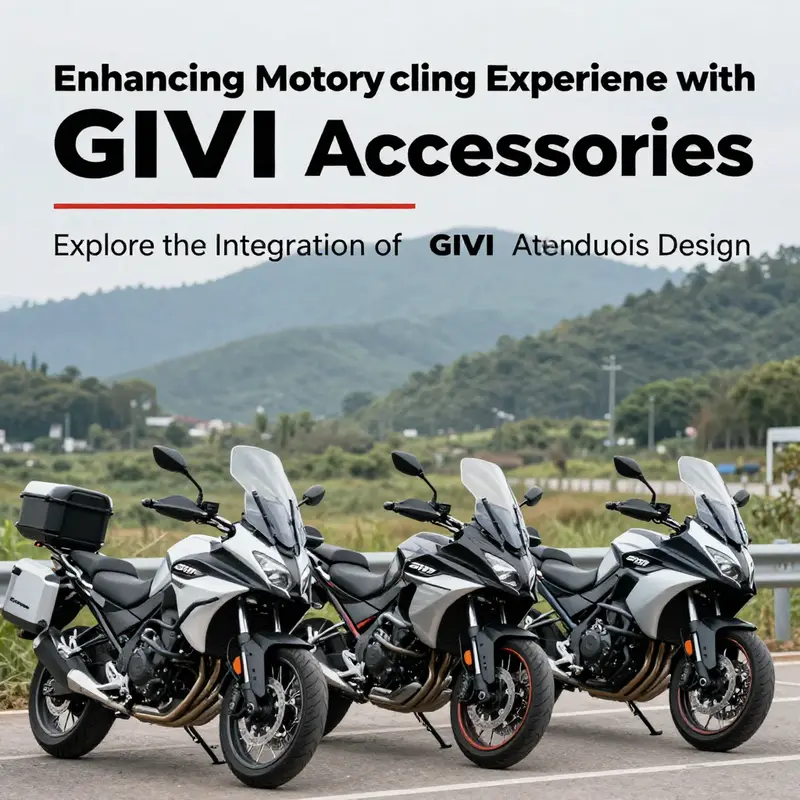
The evolution of motorcycling has been significantly influenced by accessory manufacturers, and GIVI stands at the forefront of this innovation. Notably known for high-quality motorcycle accessories, GIVI specializes in products like windshields and storage systems that enhance both functionality and aesthetic appeal. This article clarifies the common misconceptions around GIVI motorcycle fairings and illustrates their role in improving ride comfort and safety. We’ll delve deeper into GIVI windshields and their features, explore the integration of storage systems with motorcycle designs, assess compatibility with major motorcycle brands, and finally discuss the overall impact on aerodynamics and ride comfort. Each section will enhance your understanding of how these components can benefit your motorcycle business and riders alike.
Winds of Design: GIVI Windshields in Modern Motorcycle Fairings
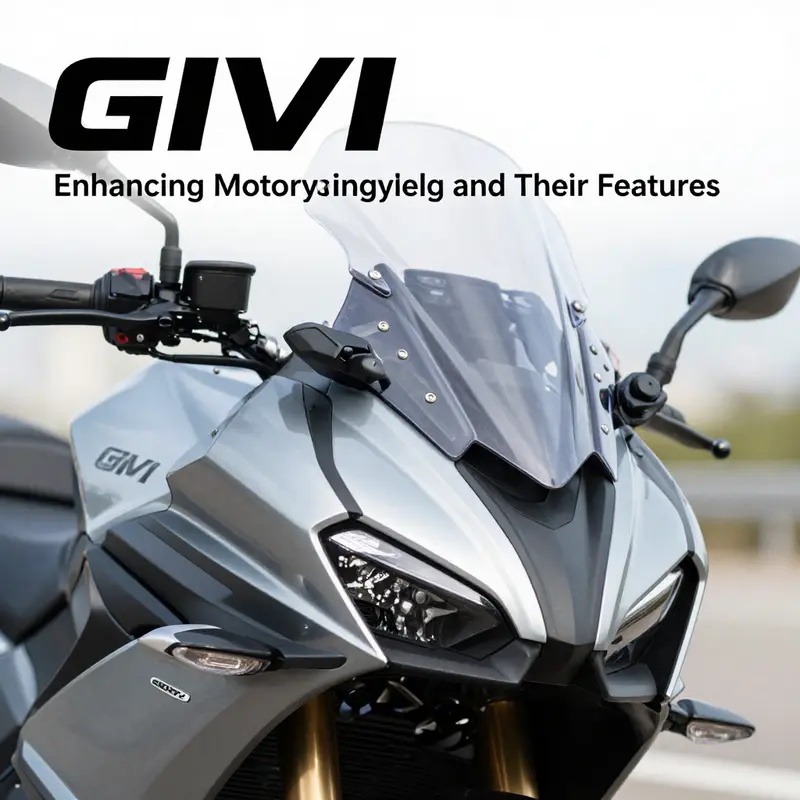
From the moment a motorcycle meets the road, air management and rider comfort emerge as deciding factors alongside chassis and engine. GIVI windshields are designed as integrated components that balance comfort, visibility, and aerodynamics with the bike’s fairing system. They influence airflow, heat buildup, and fatigue, delivering a set of features—materials, geometry, and adjustability—that work with storage and bodywork to create a more predictable ride.
At the core is durable polycarbonate that stays clear and resists impact, UV damage, and clouding, with properties that stabilize optics under sun, rain, and temperature swings. This yields a more consistent visual field and better control of aerodynamics, especially at highway speeds.
Tinted finishes reduce glare without sacrificing essential visibility, lowering eye strain and helping riders maintain a steady line of sight in changing light. Solar reflectivity helps keep the cockpit cooler, reducing heat transfer and distortion, enabling steadier posture and reduced fatigue on long trips.
Aerodynamics are about shaping airflow to minimize turbulence around the rider and helmet, preserving comfort and reducing wind fatigue on long rides. Properly integrated windshields also enhance the bike’s visual language, reinforcing a seamless silhouette.
Adjustability matters: height and angle allow riders of different statures and setups to tailor airflow and line of sight, supporting everything from urban commuting to grand tours. This modularity fits with a broader fairing ecosystem, including storage and panels, for a cohesive riding experience.
Compatibility and integration with the broader fairing ecosystem matter. GIVI windshields consider mounting points, edge geometry, and interaction with surrounding panels to reinforce airflow, weather protection, and aesthetics. A well-integrated shield preserves the aero profile while minimizing wind noise and weather intrusion.
The windshield is part of a holistic approach to wind and weather management, not a stand-alone fix. When paired with proper deflectors, casing, and a well-meshed fairing, it contributes to a riding experience where form follows function and the bike looks and feels purpose-built.
For riders exploring upgrades, choosing a GIVI windshield that matches the bike’s lines helps preserve style and performance as conditions change. External resources offer deeper context on materials, coatings, and geometry that support clarity and durability.
GIVI Motorcycle Fairings Reimagined: Aerodynamics, Protection, and Integrated Storage for Modern Touring
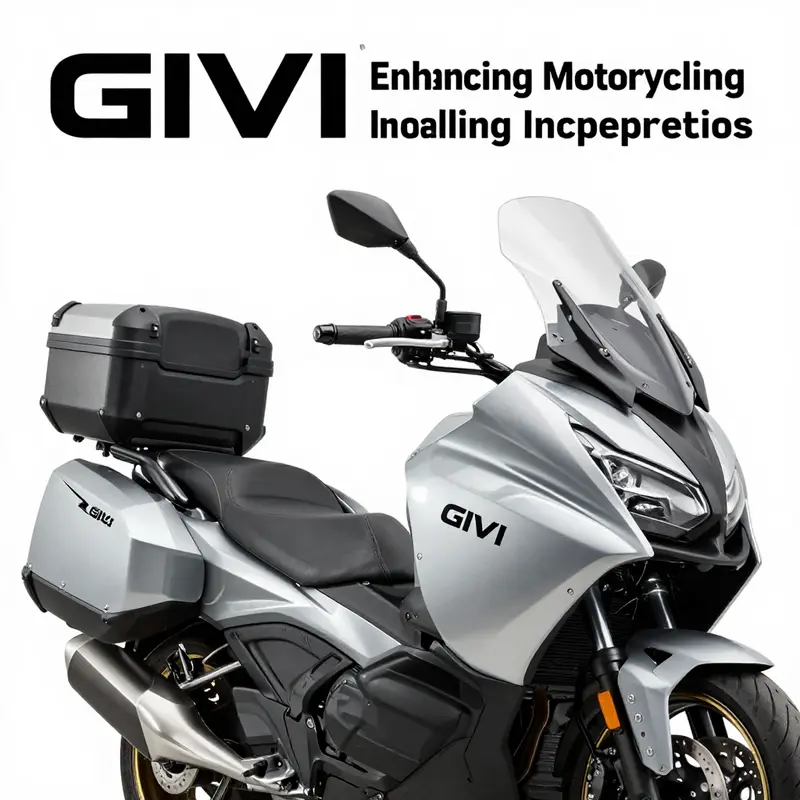
When people first hear the phrase GIVI motorcycle fairings, they often picture a single, sculpted shell wrapped around a bike. In truth, the interlocking story behind GIVI’s offerings is more nuanced and fundamentally about how air, protection, and cargo work together on two wheels. This chapter looks beyond the label of “fairings” to explore how GIVI engineers wind, weather, and luggage into a single, coherent system. The result is a touring platform where the aerodynamics of the fairing do not merely slice through the wind; they shape how gear is carried, protected, and accessed without compromising the machine’s balance, silhouette, or performance. The broader arc here is about a philosophy of integration: windshields, fairings, and storage systems designed to complement each other, delivering a riding experience that feels purposeful and complete from the moment a rider slides onto the seat and pivots the throttle toward the next horizon.
To begin, it helps to situate GIVI’s strength within the real demands of modern riding. A fairing can dramatically influence rider comfort by directing airflow and reducing exhaust-ruled drag. Yet a fairing that looks good but blocks access to essential gear or clutters the bike’s lines defeats the purpose of a touring setup. GIVI addresses this tension by focusing its engineering on three core dimensions: drive the air efficiently, protect rider and instrumentation from weather and debris, and provide a reliable platform for luggage that remains secure at high speed. The windshields, often crafted from high-strength polycarbonate, sit at the front line of that effort. They are not only about blocking wind; they are about shaping how air flows around the cockpit so that the rider experiences less noise, less buffeting, and less fatigue on long journeys. The adjustability of many windshields—height, angle, and sometimes even the angle of the surrounding fairing—ensures riders of different statures and riding postures can tailor the cockpit to their needs. This adaptability is not a cosmetic feature but a functional one. It allows a rider to refine comfort while maintaining a clean aerodynamic profile, a balance that is hard to achieve with a one-size-fits-all design.
The materials chosen for these windshields and fairing components reinforce the practical ethos. Polycarbonate’s resilience under UV exposure, cold spells, and road debris makes it a natural choice for both front-and-center protection and long-term durability. It resists impact better than glass and remains clear across a wider temperature range, a critical factor when a rider spends hours facing wind-polished air at highway speeds. Yet the influence of material choice extends beyond shielding. The optical clarity of the windshield, the absence of distortion, and the ease with which it can be kept clean all contribute to a rider’s perception of the bike’s overall quality. When that windshield is integrated with the fairing’s curvature, the wind streamlines more smoothly, reducing the sudden pressure changes that cause loud buffeting. The rider not only feels the difference; they hear it in the absence of incessant wind noise that can erode focus on the road.
Beyond the windshield, the fairing itself acts as the structural partner to luggage systems. GIVI’s design approach treats the fairing as more than a decorative shell. It becomes a mounting geometry—an aerodynamic and ergonomic backbone that supports storage in a way that preserves the bike’s silhouette while expanding its practical range. This is where the concept of “integration” truly comes alive. Some of GIVI’s fairing families are conceived with built-in attachment points and channels that enable luggage to be mounted directly to the fairing assembly. This direct integration minimizes the clutter of separate racks, brackets, and auxiliary supports. It also enhances stability by distributing the load across a broader, aerodynamically tuned surface rather than concentrating it on the rear subframe. When done well, the result is a streamlined, nearly seamless look where storage appears to ride with the bike rather than cling to it awkwardly.
The logic of integration extends to the storage systems themselves. GIVI’s luggage lines are designed to be compatible with the fairing contours, not to fight against them. This is a departure from older, more modular setups where bags and shells appeared to be added as an afterthought. The modern, integrated approach offers several tangible advantages. First, there is a cleaner aerodynamic envelope. By aligning pannier and top-case interfaces with the fairing’s flow, the rider enjoys less wind-induced drag and a more predictable buffet of air at speed. Second, weather protection and sealing are improved. The zippers and seams on the luggage are matched to the fairing’s own weather sealing, reducing the chance that rain or spray finds its way into the cargo. Third, the security of the luggage improves because the locking mechanisms can be designed to work in tandem with the fairing’s own latching points and weather seals. In practice, a rider experiences fewer points of potential failure, less fiddling with mounts, and quicker access to gear that is essential for a day’s ride or a week’s expedition.
The practical benefits of this integrated approach become clear in the real world. Riders on long-distance routes appreciate smoother airflow, which translates into less rider fatigue and more comfortable cabin conditions. When the wind is managed well, mirrors stay stable, instruments stay legible, and the cockpit remains comfortable even after hours of highway acceleration and tire wear. The added cargo capability does not come at the expense of handling; rather, it complements it. Properly positioned luggage helps maintain a balanced center of gravity, and aerodynamic shaping of the fairing helps maintain a consistent feel in steering inputs. This is critical when cornering with loaded panniers or when facing gusty crosswinds that can otherwise push a bike offline its intended line. In these moments, the rider’s confidence is bolstered not by bravado but by the sensed integrity of the bike’s overall geometry—the fairing and storage working as a single, well-calibrated system.
It is also worth noting how this philosophy resonates with the broader design language of touring and adventure motorcycles. The pairing of refined aerodynamic form with rugged, weatherproof storage speaks to a rider who expects both comfort and capability from a single investment. The aesthetic is more than skin-deep. It signals a pledge that the bike is ready for anything—an approach that aligns with the demands of weekend escapes, cross-country treks, or even the daily grind of urban riding where weather can shift from sun to rain in minutes. The job of a good fairing, in this frame, is not to obscure identity but to give the bike a credible presence—a look that communicates purpose and endurance while remaining tasteful and integrated. The storage system, in turn, echoes that same logic: understated, efficient, and capable of bearing the daily burden without drawing attention away from the machine’s core character.
Riders who value a clean, instrumented cockpit will particularly appreciate how the integration minimizes maintenance overhead. Fewer separate mounting rails mean fewer fasteners catching road spray or loosening over time. The use of weather-resistant materials and sealed interfaces reduces the amount of time spent checking weatherproofing or tightening hardware before a trip. Maintenance becomes a routine that reinforces confidence rather than a perpetual precaution. And as with any high-performance system, ease of installation and removal matters for those who like to switch between daily commuting and weekend touring. A well-crafted integration strategy ensures a quick transition from a fully loaded bike for a multi-day ride to a lighter, more agile setup for the city—without leaving scratches, mismatched gaps, or a sense that the bike’s design was compromised for the sake of function.
The rider’s experience is continually enhanced by thoughtful details that may go unnoticed until a trip reveals their value. For example, the placement of mounting interfaces can reduce the chance of luggage shifting during acceleration or braking, which improves overall ride quality. The materials’ durability means bags resist UV fade and thermal cycling, a common risk on sun-baked highways. Weatherproofing extends the life of the luggage and ensures that items stay dry in sudden showers. The result is a touring system that feels engineered for miles and miles of road, not merely designed for a brochure. In this sense, the term “fairings” expands beyond a shell to encompass a holistic approach to how air, rider, and cargo interact with the motorcycle’s geometry.
For riders who want to explore the possibilities firsthand, one can observe how different configurations respond to the demands of real-world riding. The synergy between wind protection, fairing shaping, and luggage mounting points becomes apparent on diverse machines—from nimble sport-tourers to capable adventure machines. The design language remains consistent: air is guided, protection is assured, and cargo is carried without compromising form or function. This is not about adopting a single look or a single set of accessories; it is about embracing a philosophy where the fairing and the luggage system are parts of a unified traveling solution. In that sense, a GIVI-integrated approach to windshields, fairings, and storage becomes not merely a feature set but a way of thinking about how a motorbike should respond to the road, the weather, and the rider’s ambitions.
For riders curious about how this philosophy translates to specific bike configurations, the journey is often best started by exploring how fairing compatibility guides accessory choices. On many platforms, categories of fairings and related components are designed to work with a broad range of luggage solutions, creating a harmonious ecosystem rather than a hodgepodge of add-ons. Those who want to see how such integration looks in practice can explore the Yamaha fairings category for a sense of how different bikes align with these principles. This particular path helps illustrate how a rider can maintain the bike’s identity while expanding its practical footprint. See the Yamaha fairings category for a concrete sense of how these collaborations manifest in a rider’s hands. Yamaha fairings.
As the chapter closes on this thread, the overarching message remains clear: GIVI’s contribution to motorcycle design is less about a single component and more about a coherent, disciplined approach to how wind, weather, and gear come together on the move. The fairing becomes a facilitator, not a barrier; the luggage system becomes an extension of the bike’s purpose, not a separate appendage. In pursuing this integration, GIVI speaks to riders who ride for adventure and comfort in equal measure. They seek a machine that handles well, travels far, and carries the things that turn a trip into a lasting memory. The result is a riding experience where aerodynamics, protection, and storage operate in concert, allowing the rider to focus on the road ahead rather than the array of mounting points, weather seals, or bag straps. The story of GIVI’s fairings, therefore, is not just about what sits on the bike today; it is about what those components enable the rider to do tomorrow, on distant valleys or open highways, with confidence and clarity.
External resource: https://www.givi.com/en/products/pannier-systems
GIVI Motorcycle Fairings: Seamless Compatibility Across Major Brands and the Aerodynamic Equation
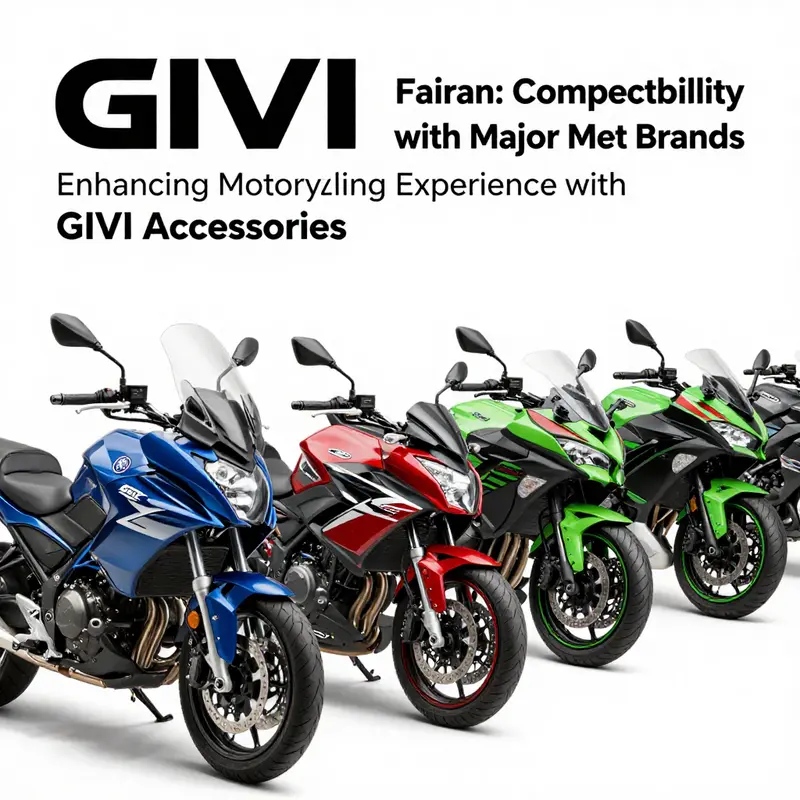
GIVI has built a reputation beyond single parts, embracing an integrated approach to aerodynamics weather protection and practical travel gear. When riders think about GIVI they often imagine windshields side cases and top cases that feel part of a coherent system rather than isolated add ons. In that sense the idea of GIVI fairings is less about replacing a factory shell and more about extending the bike s aerodynamic envelope with components that marry function form and future proof versatility. The broader objective is clear: create a set of pieces that respects the original machine ably supports long distance comfort and remains adaptable as riders refine their setups for new journeys. This is especially true in the touring and adventure segments where the interplay between a rider a bike and the wind becomes a defining element of the ride itself. The result is a narrative of compatibility that spans brand lines and model years, with the rider benefiting from a more predictable air environment lower fatigue and a cleaner more integrated appearance.
At the core of this compatibility story lies a design philosophy that treats windshields deflectors and storage components as a family rather than a random assortment. GIVI approaches aerodynamic bodywork with an intent to fit a broad spectrum of models focusing on interfaces that can accommodate both OEM parts and aftermarket refinements. This means that a shield designed to work with a popular adventure machine will typically align not only with the front cowl and handlebars but also with the mirrors headlight shape and the upper fairing contours that define the bike s face. The practical upshot is straightforward riders can upgrade air management and weather protection while preserving the machine s natural lines. The windscreen often crafted from high strength polycarbonate plays a pivotal role in reducing wind pressure at speed and shaping the flow around the rider. Its performance hinges on robust edge geometry mounting geometry and the ability to be adjusted for height and tilt. The goal is not merely to push air away from the rider but to sculpt a stable boundary layer that minimizes turbulence so the rider stays centered in a calmer pocket of air even when the road is rough or when gusts sweep across the highway.
This emphasis on precise fitment is not accidental. GIVI leverages CAD design and extensive real world testing to ensure that each piece sits in harmony with the bike s existing structure. The advantage is tangible when a fairing aligns with mounting points fasteners and weather seals the system behaves like a single coherent shell rather than a set of disparate parts. The aerodynamic surface becomes effective in both the rider s comfort zone and the bike s stability envelope. It is here that the engineering process yields its payoffs reduced front end buffeting steadier steering response and a more consistent wind profile across a wide range of speeds. The attention to surface topology matters a well tuned fairing not only looks right but also interacts seamlessly with the rider s posture and the bike s dynamic characteristics during acceleration cruising and deceleration.
Beyond the primary windscreen and its mounting the modular character of GIVI products adds another layer of coherence to the compatibility equation. A rider can extend the system with luggage carriers wind deflectors and auxiliary lighting that fit the same mounting interface and align with the bike s lines. This modularity matters because it preserves the visual continuity of the machine while expanding its ergonomic and practical capabilities. When a top case or side cases are integrated with a shield and deflectors that share a common geometry the overall silhouette remains clean and intentional. More importantly the airflow remains predictable and the added mass sits in a manner that minimizes drag penalties. The practical upshot is a travel package that feels deliberate and balanced rather than piecemeal or mismatched. It is an approach that suits riders who prize both travel efficiency and aesthetic integrity.
Of course the journey from concept to installation is guided by careful verification. The purchasing phase for fairings and related aero components is as much about model year accuracy as it is about material choice or finish. The industry practice is to cross check exact motorcycle models and production years against fitment guides and official compatibility charts. While a given windscreen might advertise broad compatibility small changes from year to year can shift mounting points sealing contours or the position of certain components. This is why many riders consult the documented fitment data corroborate it with user feedback and when possible physically test the alignment before committing to a full setup. In practice the more precise the initial specification the smoother the installation and the longer the system s service life. Riders who take a cautious informed approach often end up with a setup that remains robust through changes in hardware weather vibration or even the occasional track day.
An illustrative point of reference in the compatibility conversation is how a major brand s fairing family coexists with a comprehensive windscreen and storage ecosystem. A well charted interface demonstrates how a windscreen can be integrated without compromising the bike s original flow while a side or top case solution complements rather than competes with the fairing s geometry. This is not simply about keeping lines visually appealing it is about preserving aero efficiency reducing noise and maintaining a sense of front end unity across the entire packaging. When the windscreen deflectors and luggage system share mounting interfaces and contour alignment the rider experiences fewer adjustments less wind fatigue and a ride that feels more intuitive from the first turn of the key to the last mile of the day. It is this practical harmony that makes compatibility a real advantage in everyday motorcycling especially for long trips remote travels and the occasional weekend escape when weather road texture and traffic demand steady concentration.
In the broader ecosystem this philosophy of interoperability has tangible benefits for both new buyers and long time enthusiasts. Riders who invest in a coherent aero and storage package benefit from predictable performance easier service and maintenance and the reassurance that upgrades will still sit cleanly within their existing system. The approach also speaks to a sustainable mindset rather than accumulating a pile of incompatible accessories the rider can select a collection that speaks the same design language and shares mounting logic. This not only reduces the risk of costly misfits but also encourages a more thoughtful approach to customization one that respects the bike s original design intent while enabling personal preferences for protection storage and visibility. It is a practical philosophy that aligns with how the modern motorcycle is used varied roads varied climates and a constant search for efficiency without sacrificing character.
For readers who want a concrete pointer into how compatible aero design looks in practice the BMW fairings collection represents a useful benchmark. It showcases how a brand s lines can coexist with windshields and accessory systems that preserve both airflow and identity. The example underscores the value of consistent interfaces a clear fitment map and the willingness to adapt to model year evolution without eroding the system s integrity. The key takeaway is not simply a list of models that fit a given part but a demonstration of how a well designed ecosystem supports riders as they refine their bikes for travel sport or everyday commuting. The result is a ride that feels less like a collection of disparate parts and more like a single purposeful instrument built for distance weather and road.
As the conversation about GIVI fairings continues the overarching message is clear compatibility is not a single feature but a design discipline. It is about ensuring that wind protection airflow management and storage do not operate in isolation but in concert with the bike s architecture. It is about engineering that forecasts how changes in one component ripple through the rest of the package and about building a system that remains coherent as riders upgrade or alter parts over time. In the end that is what makes this topic compelling for riders who value reliability efficiency and a ride that feels assembled with intention rather than assembled from chance selection. It is an invitation to see aero components not as separate accessories but as a thoughtful extension of the bike s original philosophy one that respects the machine supports the rider and invites longer more confident journeys.
Internal link: BMW fairings collection
External reference: https://www.givi.com/en-us/motorcycle-accessories/fairings
GIVI Motorcycle Fairings: Impact on Aerodynamics and Ride Comfort
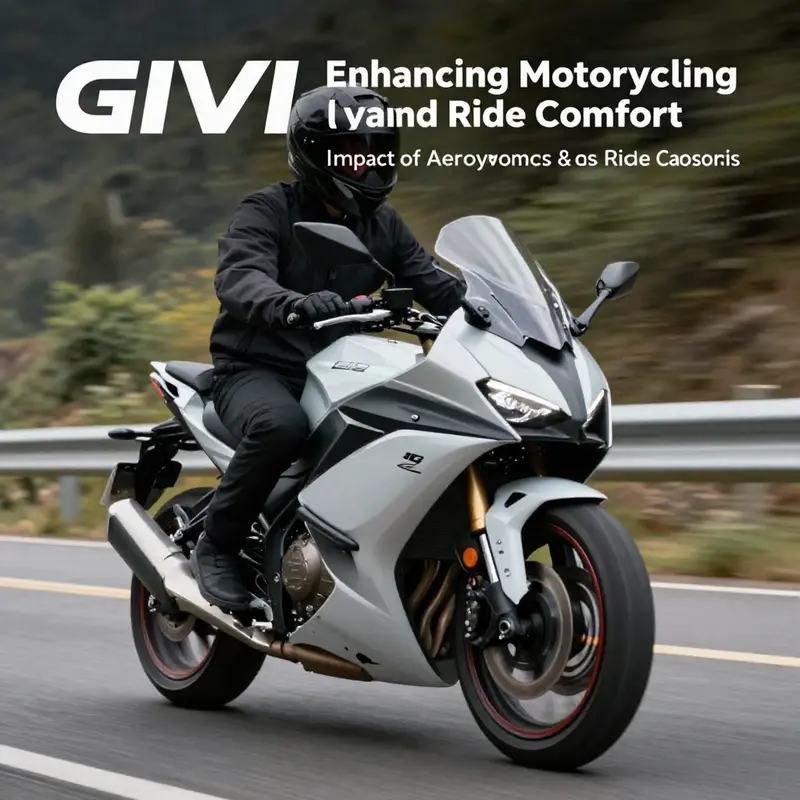
Across modern touring motorcycles, GIVI’s approach to windshields and luggage systems seeks harmony with the bike’s front end to balance protection, weight, and efficiency. The windscreen mediates the first contact with air, guiding flow to reduce buffeting and noise while preserving visibility. Effective shields are adjustable in height and angle, letting tall riders lean into the wind while shorter riders retain a calm cockpit.
The interaction between windscreen and fairing is more than a simple overlay. When aligned, the shield can help the airflow stay attached to the surface, reducing turbulence near the rider’s line of sight. This translates into lower fatigue and steadier steering over long hours.
Beyond wind protection, the full front end must also accommodate engine cooling and thermal management. A well designed windscreen channels air to cool areas while keeping drag in check, contributing to stable high speed handling and comfort on long trips.
Luggage integration adds another layer. Side cases and top cases should blend with the fairing lines, maintaining a clean aero profile and minimizing buffeting. Secure mounting systems dampen vibrations so that the windscreen’s performance remains consistent across miles.
Materials such as ABS, polycarbonate, and composites are chosen for durability, impact resistance, and lightness. The weight of the shield is weighed against its aero payoff; a stiffer, lighter shield can deliver the same stability as a heavier one with more flex. Similar considerations apply to luggage hardware and mounting points.
From the rider’s perspective, a well integrated package reduces fatigue and cognitive load, allowing more focus on road conditions, gear choice, and communication with traffic. In practice this means longer comfort without compromising safety.
Finally, the GIVI philosophy celebrates modularity and compatibility with various model geometries. The goal is to preserve the bike’s intended ergonomics while offering wind protection and cargo versatility that suits long distance journeys.
Final thoughts
Incorporating GIVI motorcycle accessories, especially windshields and storage systems, into your offerings can greatly enhance the motorcycling experience for riders. Understanding the features, storage integration, compatibility with major motorcycle brands, and the positive impacts on aerodynamics and comfort will empower business owners to promote a well-rounded approach to motorcycle enhancement. As a result, focusing on these essential components will not only attract more customers but also foster a safer and more enjoyable riding community.