

For business owners in the motorcycle industry, understanding the latest advancements and accessories is crucial for customer satisfaction and sales. Fixed fairings, specifically designed for Indian Motorcycles, provide not only enhanced aerodynamic performance but also improved rider comfort. In this article, we will explore the performance benefits of fixed fairings, how to install them, the material qualities that define their durability, their impact on aerodynamics and comfort, and the current market landscape as it relates to consumer reception. Each chapter builds a comprehensive understanding of how these accessories can add value to both your inventory and your customers’ riding experiences.
Streamlined Strength: Fixed Front Fairings and the Quiet Power They Bring to Indian Motorcycles
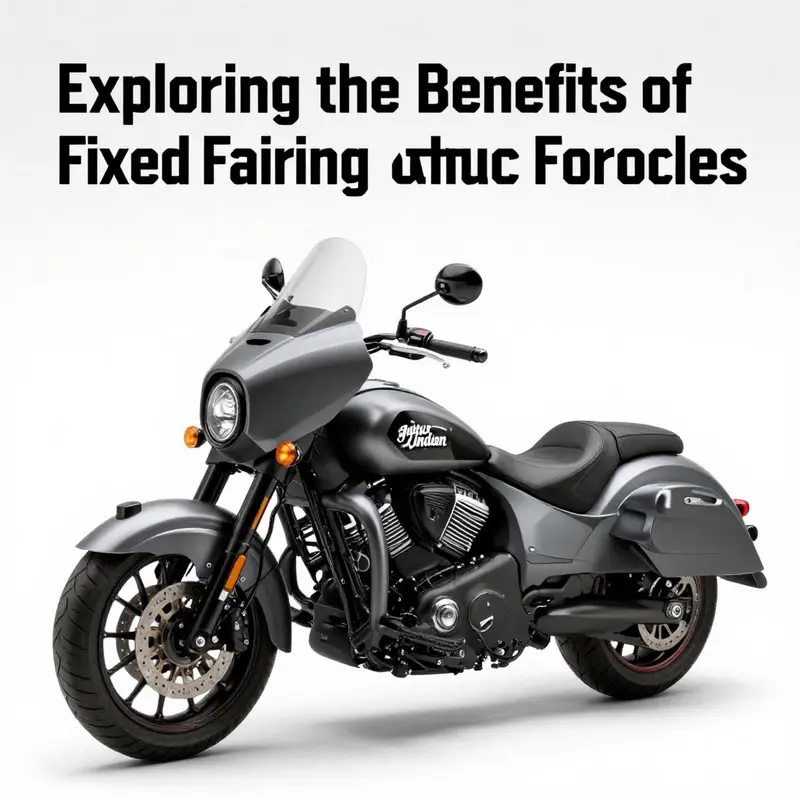
On the road, air is not a passive element but a continual shaping force. For riders who chase long-distance miles and high-speed stability, the geometry of the front of the motorcycle matters as much as the engine’s grunt. In the realm of Indian motorcycles, fixed front fairings—specifically the rigid, non-movable panels that join the headstock to the fairing itself—emerge not merely as a cosmetic upgrade but as a calculated aerodynamic element. They are designed to refine the bike’s interaction with wind, to smooth the ride, and to reinforce the rider’s confidence when the road stretches ahead. The premise is simple: when air is guided cleanly around the rider and the bike’s silhouette, wind fatigue drops, noise levels recede, and the overall feel of control grows more tangible. For models like the Chieftain Dark Horse, the Limited, and the Roadmaster Dark Horse and Limited, these fixed wing components are positioned as part of the front fairing system, integrated in a way that preserves the bike’s iconic look while delivering measurable improvements in ride quality at highway speeds and during sustained cruising.
The fixed fairing is more than a cosmetic accessory. It acts as a dedicated air-director, shaping the flow of air to reduce buffeting—where turbulent gusts bounce around the rider’s helmet and shoulders. When air is allowed to follow a stable path, the rider experiences less vibration through the torso and neck, which translates into a calmer cockpit environment after hours in the saddle. That calm is not just about comfort; it is also about endurance. A rider who spends hours facing a steady, predictable wind pattern lowers the cognitive and physical load of riding. The result is a more relaxed posture, quicker reaction times, and the mental bandwidth to focus on road conditions, fuel management, and navigation rather than fighting the wind.
From a technical standpoint, a well-designed fixed fairing on Indian motorcycles contributes to a smoother pressure distribution ahead of the rider. The fairing’s contours channel the air to reduce the formation of gust-induced eddies near the rider’s helmet. In practical terms, this means reduced wind noise and lower drag forces that would otherwise demand additional torque to maintain speed. While the exact numbers can vary by model, riders often report a more effortless feel at highway speeds, with fewer fine-grained wind gusts infiltrating the cockpit and a more settled ride on long straights and entering long, sweeping curves. The effect on fuel economy may be modest, but in the context of a touring setup, every percentage point saved through improved aerodynamics compounds over hundreds of miles, contributing to a more efficient, relaxed touring experience.
Aesthetics and protection cohabit within the fixed fairing design. Modern iterations are engineered to protect the rider from rain and road spray as much as possible, with the fixed wing acting like a shield that maintains a clearer line of sight for the rider. This protection becomes especially meaningful on days when the sky is overcast and precipitation is a real possibility, or when riding through a stretch of spray from oncoming traffic. In that sense, the fairing does double duty: it is both aerodynamic partner and weather shield. The integration is subtle, preserving the classic Indian silhouette while offering what riders describe as a more pronounced sense of unitary mass—where the front of the motorcycle feels more cohesive and less prone to the micro-mockery of gusts when the bike is leaned into a corner or pressed into a fast, straight line.
Beyond the physical effects, the fixed fairing speaks to a broader philosophy of chassis integration. The fairing is not an island attached to the bike; it is a component that harmonizes with the frame, the steering geometry, and the suspension dynamics. When done correctly, it contributes to a more predictable handling character at the limit, particularly in cornering and abrupt changes in direction. The rider’s line, the bike’s lean angle, and the feedback transmitted through the bars converge with a sense of steadiness that some describe as presence. In this sense, the fixed fairing is as much about shaping perception as it is about moving air. It creates a steadier platform on which the rider can calibrate weight shifts, lean responses, and throttle modulation without being overwhelmed by the wind’s chaotic tendencies.
The practical benefits extend into everyday riding as well. While long-range touring is the natural proving ground for a fixed front fairing, urban commutes and weekend rides also gain from the smoother air and reduced wind shear. For riders who practice routine canyon runs or highway merges, the fairing helps the bike feel more composed as crosswinds sweep across the road. The front-wheel track remains stable, the steering inputs feel measured, and the overall ride becomes more forgiving when encountering irregularities in surface texture or gusting near overpasses. In this way, the fixed fairing contributes to a safer, more predictable riding experience, even when conditions are less than ideal.
From an installation standpoint, these front fairing components are designed to align with the factory geometry of the relevant Indian models, with mounting points that fit cleanly to the existing fairing framework. The installation is commonly framed as a straightforward upgrade rather than a heavy mod, allowing riders to preserve the bike’s original personality while adding a layer of refinement. The goal is not to radically alter the bike’s identity but to enhance its performance envelope without compromising the machine’s hallmark stance and sound. In practice, this means that the rider can enjoy the benefits of improved airflow and reduced wind noise without the need for extensive reworking of the bike’s electronics or chassis. It is a clean, purposeful enhancement that respects the machine’s heritage while acknowledging the realities of modern touring demands.
In the broader conversation about fairings, fixed versions stand apart from more elaborate, multi-piece setups by offering a simplified, robust solution. A fixed front fairing is inherently sturdy, with fewer moving parts that can wear or shift over time. This robustness translates into reliability over long miles and through varying weather; it is an asset for riders who value consistency as much as performance. The design approach also leaves room for practical considerations like easier cleaning, simpler maintenance, and consistent aero performance across a wide range of temperatures and speeds. For the owner who believes touring is an art of patience as well as speed, the fixed fairing is a tool that helps maintain that patient rhythm without demanding constant fiddling with the bike.
The concept extends to the relationship between the rider and the bike’s instrumentation. For Indian motorcycles that feature integrated display options and rider information systems, the fixed fairing’s influence on wind behavior can impact how information is perceived in the cockpit. A calmer wind environment means clearer lines of sight to the instrumentation and less risk of glare or turbulence-induced distraction at high speed. In combined effect, the rider’s situational awareness is enhanced, not through a single flashy feature, but through a cohesive, well-balanced package that makes long-distance riding feel less strenuous while preserving the bike’s muscular character.
A note on the qualitative dimension of this upgrade is essential. The value of a fixed front fairing may not be fully captured by numbers alone. The real measure lies in the sense of control and the relief of fatigue after miles of open road. Riders who have spent hours exposed to crosswinds and highway gusts report that the front fairing changes the entire riding experience, turning the journey into a more forgiving, more predictable ride. The effect is not about turning a quick ride into a rocket ride; it is about turning a long ride into a confident, predictable affair—where the bike and rider remain in sync, and the miles accumulate with a sense of ease rather than strain.
In sum, fixed front fairings on Indian motorcycles embody a philosophy of thoughtful enhancement. They respect the bike’s legacy and silhouette while delivering aerodynamic advantage, rider protection, and improved stability. The result is not a dramatic shift in identity, but a refined evolution—an accessory that stays true to the machine’s essence while expanding its comfort envelope for the modern highway. For riders who value the quiet confidence that comes from clean air, steady handling, and a quieter cabin, the fixed fairing stands as a practical testament to how careful design can elevate the experience of long-distance motorcycling on iconic Indian motorcycles.
Riders Against the Wind: Installing and Ensuring Compatibility of Fixed Front Fairings on Indian Touring Motorcycles
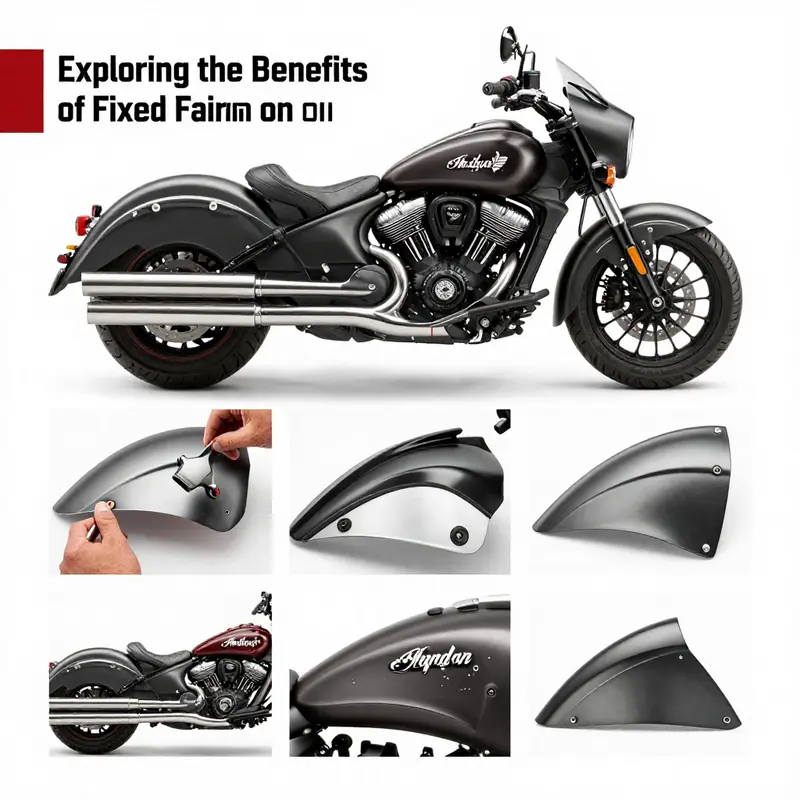
Wind is not a neutral force on long rides. It wears at the rider’s shoulders, presses against the chest, and funnels into the helmet with a constant, cumulative pressure that grows louder the faster you go. A fixed front fairing with properly designed side wings is more than a cosmetic update; it is a careful response to that pressure. On the touring lineup of the brand, a fixed fairing system is meant to guide air with surgical precision, smoothing the path along the rider’s line of vision and reducing the gusts that pull at arms and torso. The idea is simple in principle: redirect the oncoming air, minimize buffeting, and lower wind noise without sacrificing the bike’s character or the rider’s control. Yet simple principles do not guarantee a simple install. These parts are designed to work in concert with the bike’s original geometry, and that shared intention—compatibility with intent—demands a careful, model-informed approach. The result, when done well, is a ride that feels more settled at highway speed and less fatiguing after hours in the saddle, a subtle but meaningful upgrade to comfort that does not come at the expense of the machine’s personality.
To understand why fixed fairings are not universal, it helps to think about fitment as a conversation between form and function. The fairing deflectors that form a fixed wing are not a bolt-on flourish; they depend on precise alignment with the bike’s factory mounting points and the surrounding fairing geometry. This is not a decision left to guesswork. The mounting points, the angles at which the deflectors meet the air, and the way the deflectors sit relative to the rider’s seating position all influence performance as surely as the shape of the wings themselves. In practical terms, that means a part engineered for one model year or trim level may not line up with another, even if the two bikes appear visually similar. Accurate fitment requires cross-checking the exact year, model, and trim, and it often calls for hardware that is specified by the manufacturer. A mismatched part can create aerodynamic inefficiencies, introduce unwanted wind noise, or even place undue stress on the fairing mounts. The clear lesson is that compatibility is not optional; it is the foundation of performance and safety when adding a fixed front fairing.
In the broad landscape of aftermarket enhancements, the concept of a fixed wing within the front fairing is a mature design choice. It represents a deliberate balance between rigidity and airflow management. The wing elements act as statically fixed deflectors, unlike movable screens that adjust with the ride’s position or the rider’s stance. The benefit is straightforward: a stable, repeatable airflow pattern that remains constant across the day’s mileage. The philosophy that guides installation mirrors the philosophy that guides riding: do not force the bike into a shape it was not prepared to carry. Instead, respect the OEM architecture. That approach preserves not only the structural integrity of the front end but also the long-term reliability of the mounting points and the fairing’s overall geometry. The rider’s feedback—less buffeting, quieter wind, and a calmer cockpit—often speaks to a successful integration, even before any numerical measurements confirm the improvement in drag or cabin noise.
At the heart of compatibility is a model-specific checklist. Compatibility is primarily determined by the exact year, model, and trim, because what works for one configuration may not work for another. The front fairing side deflectors are designed to align with designated points on the OEM fairing, and misalignment can result in suboptimal aerodynamics, increased wind noise, or unwanted strain on mounting hardware over time. Installation precision, then, becomes not a perfunctory act but a deliberate sequence of steps that must respect the structure and tolerances chosen by the manufacturer. This is not a case of generic fitment and a handful of screws. It is a guided assembly that prioritizes the integrity of the front end, the rider’s comfort, and the bike’s handling characteristics at speed. When the setup is correct, the deflectors do not merely redirect air; they create a smooth boundary layer that reduces the turbulence encountered around the rider’s torso and helmet.
A practical note about installation is worth repeating: rely on factory-approved hardware and, if possible, the installation manual supplied with the part. The hardware is chosen to work with the fairing’s mounting framework and to remain secure under vibration and wind loads. This is not the moment to improvise with alternative fasteners or non-OEM components. Some installations may require small adjustments to the fairing structure to achieve the optimal fit, and those adjustments should be guided by the manufacturer or a certified technician. The goal is not to force a rigid wing to fit a curved shell but to harmonize the wing with the fairing’s contours so that the air flows cleanly around the rider and into the engine compartment without creating new corners where turbulence can form.
The rider’s experience is, in many ways, the final arbiter of a successful install. If the wind is no longer pressing into the torso with the same vigor and the helmet talk retreats to a more subdued level, the change is tangible. The acoustic environment becomes calmer, which reduces fatigue during long highway stretches. The wind’s kinetic energy is not eliminated; rather, it is redistributed in a way that keeps the rider more comfortable without changing the bike’s fundamental character. This is where the fixed wing design earns its keep: it provides a stable aerodynamic footprint that remains consistent as speed increases, as weather shifts, and as the rider settles into a rhythm for the miles ahead. It is not simply about reducing force; it is about improving the rider’s ability to read the air, to respond with smoother steering input, and to maintain focus on the road rather than the soundscape of the wind.
To illustrate the broader ecosystem of fairing design, consider how the logic of fitment travels across brands. While the exact mounting points and fitment guides differ by model, the underlying principle remains: compatibility hinges on precise interfaces and documented specifications. For those who want to explore variations in a related context, the BMW fairings category offers a clear example of how a brand organizes parts around specific frames and mounting geometries, showing a clean, OEM-aligned interface that minimizes the risk of misfit and ensures predictable performance. This cross-brand perspective reinforces the idea that the best outcomes come from parts that respect the bike’s original design language and the rider’s expectations for a quiet cockpit. BMW fairings illustrating that approach underscores the universality of the compatibility principle, even when the bikes and target riders differ.
Even with precise fitment, a few practical realities deserve attention. The installation may involve minor adjustments to the surrounding fairing structure, and these adjustments should be made with care. The emphasis on precision also means that dealers and certified technicians can often provide the most reliable installation, ensuring that the deflectors’ angles, gaps, and clearances align with both the rider’s posture and the bike’s structural tolerances. The aim is not cosmetic perfection alone; it is a functioning enhancement that respects airflow physics, the rider’s comfort, and the machine’s enduring integrity. Maintenance then follows logically: check fasteners for torque specs, inspect for any shifting or loosening after the first long ride, and re-torque as needed according to the manufacturer’s guidelines. This routine care helps ensure that the fixed wings remain a stable component of the bike’s aerodynamics for many miles to come.
As riders weigh the decision to adopt such a system, they often balance the desire for calmer highway experiences with the need to preserve the bike’s aesthetic and functional integrity. A fixed fairing should not be interpreted as a one-size-fits-all improvement; rather, it is a careful enhancement that, when properly matched to the model and installed with proper hardware and alignment, offers a meaningful return in terms of comfort and quietness. The rider’s eye is drawn to a clean silhouette, the handlebars feel steady, and the wind’s invective is softened without altering the bike’s essential line or its feel on the road. The result is a riding experience that remains unmistakably linked to the motorcycle’s lineage while offering a refined capability for long-distance cruising where comfort compounds with every mile.
For readers who want to explore broader context around fairing design, consider that the compatibility concept translates broadly across brands and models. While the exact fitment guides differ, the emphasis on model-specific alignment, careful installation, and maintenance remains constant. The goal is to deliver a cohesive ride that respects the bike’s architecture, delivers predictable airflow, and preserves rider confidence at speed. This approach fits naturally into a larger conversation about how riders tune their machines for comfort without compromising handling or reliability. It also foreshadows the next steps in the series, where the conversation shifts from installation and compatibility to performance metrics and rider feedback, always anchored by the same principle: airflow management must feel like a natural extension of the motorcycle, not a forced modification.
External resources can provide further guidance for those who want a deeper dive into official fitment and installation guidelines. For authoritative instructions, consult the manufacturer’s fitment guides and service literature, which lay out the exact steps, torque specifications, and sequence required for a proper installation. These resources help ensure that the upgrade aligns with the bike’s design intent and long-term reliability. In addition, riders can benefit from community testing and professional installation experiences to calibrate their expectations about wind reduction and noise levels across different terrains and speeds. The result is a well-supported, user-informed upgrade that complements the bike’s existing aerodynamics rather than disrupting them. For official fitment details, see the manufacturer’s fitment guides.
External resource: https://www.indianmotorcycle.com/en-us/support/fitment-guides.html
Streamlined Confidence: Fixed Front Fairings and the Quiet Evolution of Indian Motorcycles

Fixed front fairings on Indian motorcycles are more than a styling cue; they are a carefully engineered response to the demands of long highway miles, gusty crosswinds, and the rider’s comfort. The evolution from simple windshields to purpose-built, fixed front fairings marks a shift toward an integrated approach to aerodynamics and aesthetics. These components are designed to work with the bike’s existing silhouette, preserving the iconic lines while enhancing performance. The materials chosen for these fairings—typically a high-quality ABS plastic—offer a practical blend of durability, impact resistance, and weather resilience. ABS plastic is known for withstanding sun, rain, and temperature swings without warping, ensuring that a fixed fairing remains a long-term companion rather than a brittle add-on. Beyond its toughness, the material accepts a smooth, premium paint finish, which in this context is often a deep, glossy black that complements the brand’s classical styling. The result is a piece that looks integrated, not tacked on, and the visual effect is one of quiet confidence rather than loud statement. In practice, this is more than skin and shell; it is a carefully engineered shaping of air that reduces the drama of airflow around the rider, guiding the stream to pass by rather than buffet the cockpit. The design of such fairings balances form and function. The curves and edges are tuned to minimize drag while keeping the rider well shielded from the most intrusive gusts. The intent is to curb wind noise and fatigue, especially on sustained highway miles, without creating a claustrophobic feel or obstructing the view or control. It is the subtle interplay of line, surface, and shadow that makes the difference, a reminder that good design is as much about restraint as ambition. The result is a calmer riding environment where the match between rider, machine, and airflow feels almost intuitive after a few miles. Installation is framed as a straightforward upgrade rather than a project. These fixed fairings are designed to mount onto existing points on the front fairing or the bike’s structure, avoiding the need for intrusive modifications or aftermarket chassis changes. The fit is intended to be precise, preserving the machine’s original lines while extending protection to vital components and the rider’s torso. This precision is not merely about aesthetics; it is about maintaining the balance of weight, center of pressure, and airflow characteristics that motorcycle designers secondarily rely on when shaping a touring machine. Attention to fit also means mindful attention to fitment details and finish. For buyers, the assurance comes from compatibility notes and from choosing products manufactured to meet or exceed the manufacturer’s specifications. In practice, reputable aftermarket suppliers emphasize quality control and traceability, ensuring that each unit aligns with what the bike expects at the mounting points and how the fairing interacts with the windshield, the dash, and the rider’s line of sight. A painted black finish does more than hide seams; it ties the accessory to the bike’s persona. Black surfaces pair with chrome and nickel accents to deliver a balance of heritage and modernity. Many riders prize a black-on-black look that looks refined in city traffic and composed on long, straight stretches alike. The aesthetic is thus not a distraction but a reinforcing element of the bike’s identity—an identity defined by generous seating, confident handling, and a sense of purpose that belongs to long-range cruising. The aerodynamic benefits are pragmatic as well as observable. A well-integrated front fairing reduces the direct exposure of the rider to oncoming wind, which helps quiet the cockpit and lowers the energy cost of riding at highway speeds. Wind fatigue—head, neck, and shoulder strain induced by sustained exposure to air pressure—can be a real limiter on a long trip. By altering the airflow so that it wraps around the rider rather than striking straight into the chest, the fairing contributes to a more sustainable comfort, allowing riders to ride farther with less fatigue. It is not merely a shield; it is a sculpted surface that interacts with the air mass in a calculated way. In that sense, design becomes a partnership between material science and riding experience. The choice of ABS, in particular, mirrors practical thinking about reliability. An ABS shell resists scuffs and minor impacts from road debris, while maintaining structural integrity through temperature cycles common to continental or mountain riding. Over time, the surface can sustain a glossy finish that resists chalking and fading better than other plastics, provided it is sealed with a durable paint and clear coat. This longevity matters where a touring bike faces variable climates, from rain-drenched highways to sunlit desert stretches. There is also a broader industry context to consider. The adoption of fixed front fairings reflects a broader philosophy in motorcycle styling: the idea that a tone of cohesion between bodywork pieces is preferable to a patchwork of separate add-ons. The fairing part, rather than a standalone accessory, becomes a harmonious extension of the motorcycle’s shell. That harmonic quality is what makes the installation feel almost seamless, as if the fairing always belonged there, performing its role without demanding attention. For riders who care about compatibility and quality, the path to a successful upgrade rests on reliably sourced components and a careful check of fitment. This is not merely a shopping suggestion but a practical safeguard against mismatch, which can lead to fit issues, rattles, or degraded aerodynamics. It is worth noting that the market offers a range of options designed to address different touring needs. Some riders prioritize maximum wind deflection to create a quiet cockpit in exceptionally windy environments, while others seek a more subtle reduction in wind noise that preserves a more open ride feel. The fixed front fairing approach allows for this spectrum of preferences without compromising the core identity of the machine. The result is a product category that merges function with form and, in so doing, reinforces the sense of continuity that many riders feel when they climb onto these machines after a day away. The visual payoff is clear in urban traffic and on open roads: a machine that looks composed, prepared, and composed again. For those who understand the value of a well-designed fairing, the decision to invest goes beyond marginal gains in wind management. It is a choice about resilience, visibility, and personal comfort across miles of riding. To broaden the horizon further, the broader ecosystem around these components includes a range of partner offerings, from additional aerodynamic pieces to protective trims and careful finishes that protect the fairing’s edges and corners as the bike moves through variable environments. The long-term upkeep is manageable as well. Since the shells are designed to resist weather and rough handling, the routine care focuses on keeping the finish bright and free from micro-damage that could accumulate from road debris or UV exposure. Gentle cleaning, prompt removal of sap or bird droppings, and periodic wax or sealant help maintain the surface’s gloss and color depth. When selecting a fixed front fairing, riders should also weigh the organization of their own riding life. For some, the fairing becomes a standard piece, used every day in all seasons. For others, it provides a tactical upgrade for longer tours and weekend rides when a calmer cockpit becomes a decisive advantage in the miles ahead. In a market where aesthetics and function walk hand in hand, the fixed fairing stands as a reminder that engineering, when done with care, can amplify the rider’s experience without eroding the machine’s core personality. External resources from official sources remind readers that there is a lineage and a standard to meet, ensuring that what they install remains reliable and safe over time. For a deeper dive into the official catalog of accessories and the philosophy behind arranged touring gear, see the primary source at Indian Motorcycle’s official accessories page. External resource: https://www.indianmotorcycle.com/accessories
Flow and Fortitude: How Fixed Fairings Redefine Comfort and Performance on Indian Touring Machines
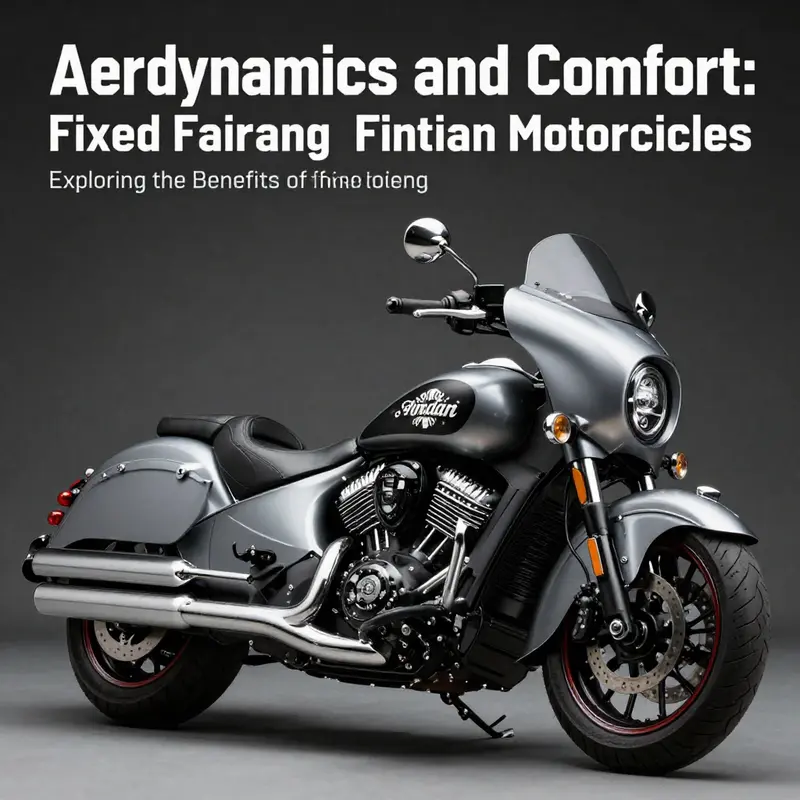
Fixed fairings on modern touring motorcycles embody a careful synthesis of aerodynamics, weather protection, and rider ergonomics. They are not simply decorative shells; they are precision-engineered interfaces between machine and environment. By shaping the air that surrounds the bike, fixed fairings influence energy expenditure, rider fatigue, and protection from weather and debris at speed. The essence of these devices lies in guiding airflow to minimize disruption, reduce drag, and lower wind noise, while preserving or enhancing the motorcycle’s stance and character. In practical terms, this results in a smoother ride at highway speeds, a more stable cockpit, and a shield against the elements without surrendering the sense of connection to the road that riders value.
Design-wise, the fixed nature of these fairings matters as much as their contour. A fixed front fairing acts like a tuned sail, catching the wind and steering it away from the rider’s torso, shoulders, and head. The primary goal is to reduce buffeting that can travel through the rider’s upper body. Buffeting occurs when turbulent air around the bike interacts with the rider, creating gusts that jar the helmet and sap stamina over hours. The well-conceived fairing smooths those airflows, guiding them around the rider’s line of sight and within the wind envelope created by handlebars and seat. The result is less noise and a steadier pressure field that makes the cockpit feel anchored, even on imperfect roads or in crosswinds.
Engineering integration with the chassis is a core principle. Contour radii, edge transitions, and surface textures are chosen to minimize flow separation. When air stays attached longer, drag decreases and fuel efficiency improves. Practically, riders may notice a modest but meaningful increase in efficiency and comfort at sustained interstate speeds. The effect compounds with distance, turning long days into more relaxed experiences. This reflects a broader shift in motorcycle design toward treating aerodynamics and rider well-being as linked.
The development path blends computational fluid dynamics (CFD) with wind-tunnel validation. CFD provides a virtual laboratory for iterating shapes, sweep angles, and edge profiles, while wind tunnels supply empirical confirmation of drag reduction, reduced buffeting, and the qualitative feel of stability at speed. In the best iterations, every curve has a reason, guiding air around the chest and away from the helmet without creating a harsh skim along the shoulders. It requires an iterative mindset: test, measure, refine, and retest until a consistent, repeatable experience emerges for a wide range of rider heights and posture preferences.
Alongside pure aerodynamics, fixed fairings deliver tangible weather protection that supports rider confidence. A shield that channels rain away from the hands and chest reduces the intimidation of sudden downpours or a cold crosswind. This protective function interacts with visibility and comfort in nuanced ways. If the windshield shape diverts air smoothly over the helmet, it can also minimize turbulence around the face and visor, which matters for long-distance focus and concentration. The same principles that improve rain handling can contribute to quieter, more predictable cabin conditions, encouraging a calm, focused posture rather than tensing up in anticipation of gusts.
The versatility of fixed fairings lies in their capacity to accommodate different riding styles and conditions without sacrificing aesthetics. A touring rider may appreciate a windscreen that is taller and more adjustable, while maintaining structural integrity and visual coherence. The technology enables a broader range of comfort presets, from a sheltered, low-drag profile at cruising speeds to an open, wind-assisted mode when the road straightens and the journey demands a crisper sense of velocity. The ability to tailor airflow is a lever that directly affects fatigue, focus, and overall ride quality.
An important dimension is rider health and endurance. When air flows smoothly around the body, the rider experiences less muscular tension in the shoulders, neck, and upper back. Over hundreds of miles this translates into reduced muscle strain, fewer headaches, and a more stable, upright posture. Coupled with weather protection, the rider can remain connected to road cues—the vibration of the front tire, the feel of the pavement through the footpegs, the wind’s change in tone—as the fairing helps translate the road’s realities into a calmer cockpit and a more controlled ride.
In summary, fixed fairings exemplify a data-driven design trend in motorcycling, using aerodynamic insight to improve everyday experiences on long trips. The fairing becomes a quiet partner in steadiness, clarity, and endurance, translating the road’s realities into a calmer cockpit and a more controlled ride.
Wings on the Horizon: The Quiet Evolution of Fixed Front Fairings in Touring Motorcycles
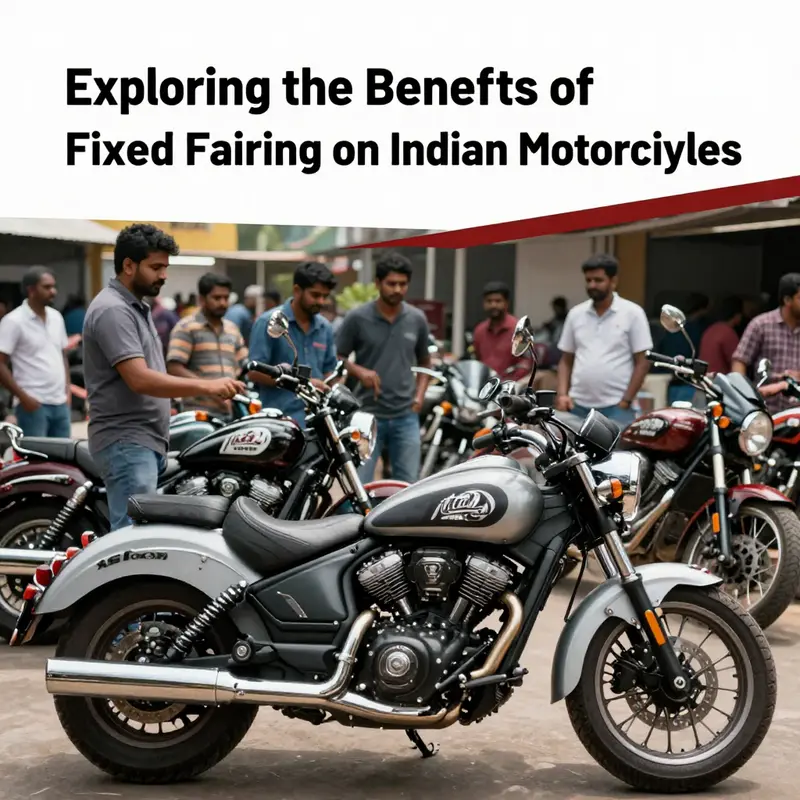
A touring motorcycle promises long miles with less fatigue, and fixed front fairings have quietly evolved to help meet that promise. These rigid shells protect the rider from wind, manage buffeting, and help maintain a calm cockpit at highway speeds. The result is a more comfortable, more predictable ride where the rider can focus on the road rather than fighting the air. The design language emphasizes a coherent integration with the bike’s lines—features like a sharknose-inspired profile reduce frontal area while guiding airflow smoothly around the torso. Materials and finishes are chosen for durability and a factory-grade appearance, and installation is planned to preserve the bike’s original character. In practice, a fixed fairing can lower wind noise, reduce fatigue in the neck and shoulders, and allow easier reading of instruments on long trips. From a maintenance perspective, modular mounting points and finish-matching paint help keep service straightforward. The broader impact extends beyond comfort: wind management improves control inputs and stability at speed, making long-distance riding feel more effortless and enjoyable. For riders evaluating different brands, the shared goal is consistent wind behavior and a unified aesthetic, with official product lines offering model-specific fitment, color options, and warranty coverage.
Final thoughts
The fixed fairing for Indian Motorcycles stands out as an essential accessory that enhances both performance and rider comfort. Its ease of installation and compatibility across various models ensures that it appeals to a wide audience. Additionally, the focus on quality materials and design underscores the commitment to durability that riders expect from Indian Motorcycles. As a business owner, staying ahead of market trends and consumer preferences will position your offerings favorably in a highly competitive industry. Embracing the fixed fairing accessory could greatly contribute to fulfilling customer needs and improving their riding experience.