
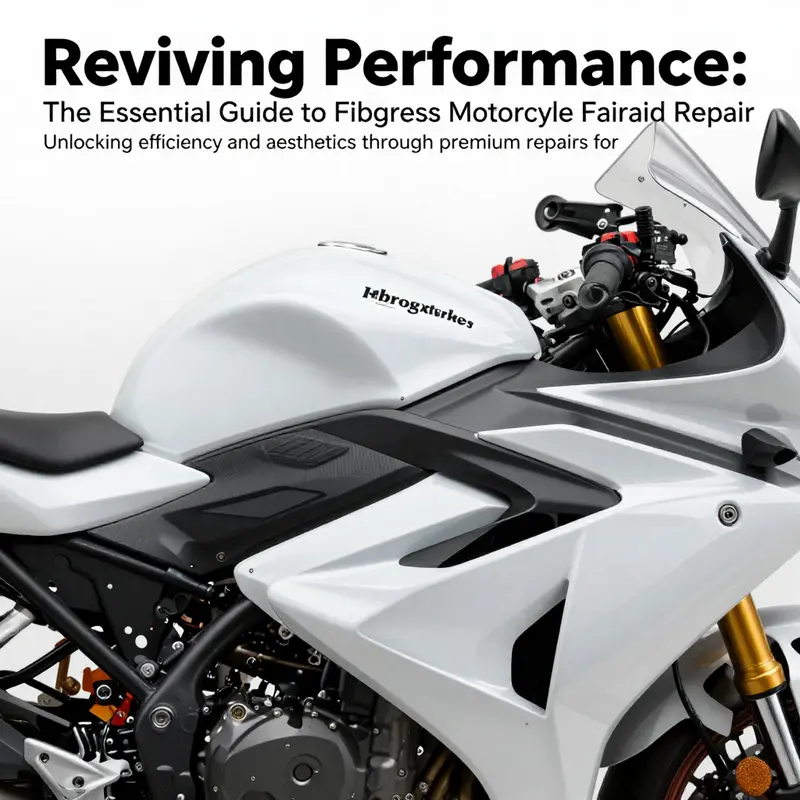
Understanding fiberglass motorcycle fairing repair is essential for businesses looking to enhance their service offerings. As customer demands evolve, providing high-quality repairs can significantly improve customer satisfaction while optimizing performance. This guide will explore the impact of different materials, the importance of infrastructure and tools, cost-effectiveness, industry applications, and the environmental sustainability of fiberglass technology. Each chapter will provide valuable insights that contribute to a comprehensive understanding of fiberglass motorcycle fairing repair.
Material Alchemy: How Resin Systems and Reinforcement Fabrics Shape Fiberglass Motorcycle Fairing Repairs
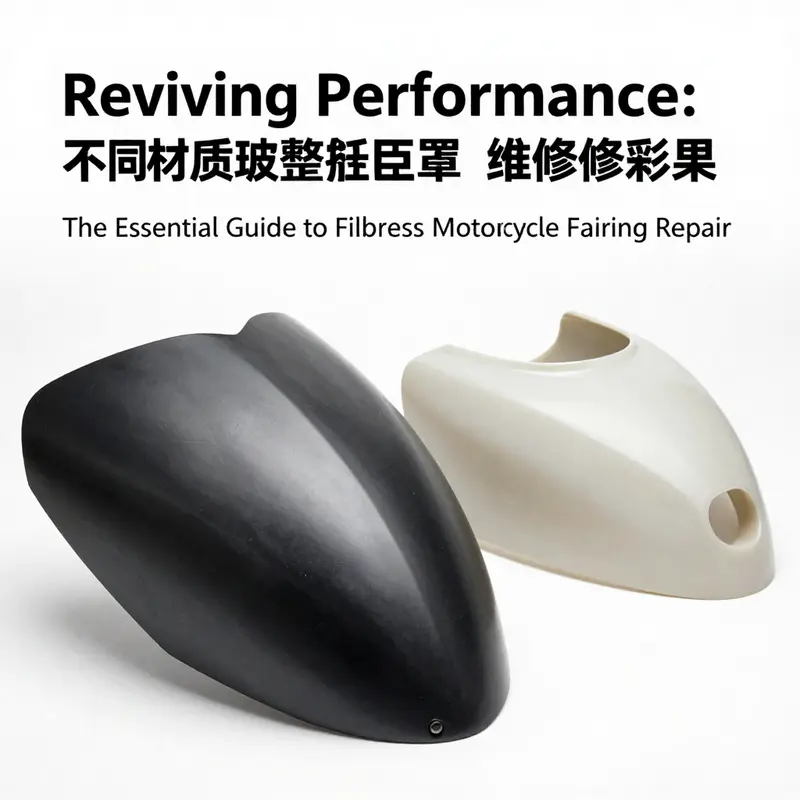
Repairing fiberglass motorcycle fairings is as much about material intelligence as it is about patching cracks. The repair’s ultimate success—its strength, durability, and surface fidelity—depends on the compatibility between the resin system, the reinforcement fabric, and the surrounding skin. When a rider or a shop manufacturer considers restoring a damaged fairing, the decision is rarely about a single patch. It is about recreating a composite that behaves like the original under load, heat, and vibration, while also delivering a finish that can be painted or decaled to taste. In this light, the material choices are not merely technical details; they are the governing force behind return-to-performance and long-term resilience. The research that guides these choices points to a simple, practical principle: use materials whose chemistry and mechanical behavior match the original layup as closely as possible, and respect the repair sequence that promotes sound interfaces and uniform cure. The first lever in this material equation is chemical compatibility. The repair environment centers on the resin system chosen to rebuild the matrix of the fairing. When the original shell is made from a typical glass fiber layup, a resin family such as unsaturated polyester or epoxy is often used in repair scenarios because they bond readily with glass fibers and cure with predictable exotherms. The critical point is not simply “strong glue” but a resin that harmonizes with the glass fibers at the molecular level. If the repair material carries a chemical affinity with the original matrix, the interfacial shear strength improves, delamination becomes unlikely, and the repaired region distributes stresses more evenly across the laminate. By contrast, choosing a bonding agent or adhesive that mismatches the chemistry can create weak layers, especially at the repair boundary, where flexural loads concentrate. Long-term durability hinges on this compatibility: a robust repair resists moisture ingress, resists cracking under flex, and remains stable when the fairing experiences temperature swings during riding or racing. The second pillar is reinforcement. Even with a well-matched resin, the fabric used to reinforce the patch plays a decisive role in restoring stiffness and impact resistance. When the reinforcement cloth mirrors the original glass fibers—typically E-glass in standard motorcycle fairings—the repair is most faithful to the rider’s expected rigidity and load transfer. Using the same fabric type helps restore the laminate’s bending strength and fatigue life, which matters when the fairing is subjected to highway buffeting, wind, and minor impacts from debris. Alternatives such as carbon fiber or aramid fabrics may offer higher local strength or reduced weight, but they alter the laminate’s modulus and failure behavior. A patch laid with carbon fiber, for instance, can create an abrupt modulus mismatch at the repair boundary, potentially steering crack growth into the surrounding native material. The repair then risks introducing a stress concentration that accelerates cracking rather than arresting it. The takeaway is clear: materials selection should align with the fairing’s original architecture, balancing strength, toughness, and predictable failure modes. Beyond the resin and fabric, the repair process itself shapes the outcome. Surface preparation, bonding layers, and curing cycles are not cosmetic rituals; they are decisive stages that determine the integrity of the patch. Old fiberglass surfaces require careful attention: the layer must be cleaned, lightly abraded to remove contaminants, and given a compatible primer or interface layer designed for the chosen resin system. If the surface is neglected or treated with inappropriate primers, the repair’s bond strength can be compromised from the outset. The proper approach emphasizes a sequence that ensures the resin can grip both the original layup and the new reinforcing fabric. When this bond is strong, the repaired region shares load with the surrounding shell, reducing the risk of crack reinitiation and propagation. Another subtle but important factor is curing. The way a repair cures—ambient temperature, humidity, and any heat optimization—directly influences resin shrinkage, void formation, and interface integrity. Epoxy systems, for example, often cure with lower shrinkage and higher glass transition temperatures, which can enhance the durability of repairs in hot climates or on bikes that spend long hours in direct sun. However, epoxy requires careful control of working time and warm-up to avoid exothermic surges that could distort the fairing’s shape. Unsaturated polyester resins can cure more quickly but may exhibit higher shrinkage, affecting edge fidelity if the patch edges are not perfectly feathered. The expert balance is to choose a resin that matches the repair’s expected service environment and to tailor cure cycles—whether using room-temperature curing or a controlled heat cure—to minimize distortion and maximize interface coalescence. Once the resin and fabric are chosen and the surface is properly prepared, the patching process becomes a dialogue between form and function. The repair should lay down the reinforcing fabric in an orientation that best resists the anticipated load paths. Typically, the patch is cut with an overlap over the damaged zone to ensure a smooth transition and to mitigate edge delamination. The layup is then built up with successive resin-saturated fabric layers, often using a veil layer or a light mat to seal the repair and reduce print-through on the finished surface. The key is to avoid voids tucked beneath the fabric, which can become stress risers and precursors to micro-cracks. The repair should be compact and flush with the surrounding fairing so that when the surface is sanded and finished, the patch remains invisible under paint. This is where finishing steps relate directly to the repair’s longevity. Proper surface sanding, removal of dust and oil, and application of an appropriate primer are essential, because any residual contamination or roughness becomes a weak impedance to paint adhesion, compromising aesthetics and, potentially, protective performance. In practice, the best outcomes come from a disciplined, technically informed workflow that respects both the materials and the geometry of the fairing. The geometry of the panel—not just its skin but the curvature, edge radii, and mounting points—governs how loads flow through the repaired area. A patch that ignores curvature can produce a stiff, conspicuous bulge or, worse, alter the aerodynamic profile enough to affect handling. The research emphasizes that a harmonized material system, when combined with a careful layup strategy, can restore not only the original strength but also the intended aero characteristics of the fairing. For riders who value both performance and appearance, that restoration is twofold: the repaired surface must shield the rider from road debris and wind while presenting a seamless, paint-ready finish that makes the repair indistinguishable from the rest of the fairing. From a practical standpoint, choosing materials that align with the original construction also holds economic and experiential merit. Repairs that mirror the original resin and cloth compatibility tend to be more forgiving for shop technicians, offering predictable handling characteristics, easier inspection for repair-induced flaws, and longer-term repair reliability. In applications where OEM-certified components are available, engineers and technicians often favor those options because they come with documented performance characteristics and cure schedules that support repeatable results. This philosophy—compatibility, predictability, and traceability—helps ensure that a repaired fairing performs as intended, whether it is daily rider usage or track-day duty. For riders who want to visualize what a proper repair can achieve, it helps to consider the maintenance and appearance aspects alongside the structural goals. A well-executed repair not only returns the fairing to its original protective role but also facilitates post-repair customization, such as glossy finishes or graphic work that remains faithful to the bike’s design language. If you’re browsing through a broader catalog of fairings, you might find options that align with the specific model you ride. For example, you can explore Honda fairings tailored to particular models like CBRs to see how designs accommodate both the structural skin and the graphic surface. Honda fairings for CBR can serve as a reference for the kind of surface finish and shape fidelity that a repaired panel should aspire to emulate. This internal link provides context for the way final aesthetics interface with repair viability, reminding readers that appearance and performance are not mutually exclusive in modern fiberglass repair. With an informed approach to materials and a disciplined repair process, fiberglass fairings can be restored to function at or near their original specifications. The core idea is to match chemistry, fabric, and cure behavior to the vehicle’s design philosophy. When these elements cohere, repairs resist environmental challenges, maintain suitable impact resistance, and preserve the streamlined geometry that contributes to both handling and efficiency. For practitioners and enthusiasts alike, the science behind material choices becomes a practical guide—one that translates into better repairs, longer service life, and a more authentic riding experience. For deeper scientific grounding on how matrix resin and reinforcement materials interact during composite repairs, see the referenced external source linked here: https://www.sciencedirect.com/science/article/pii/S014139102200567X
From Mold to Mirror: The Infrastructure that Shapes Fiberglass Motorcycle Fairing Repair
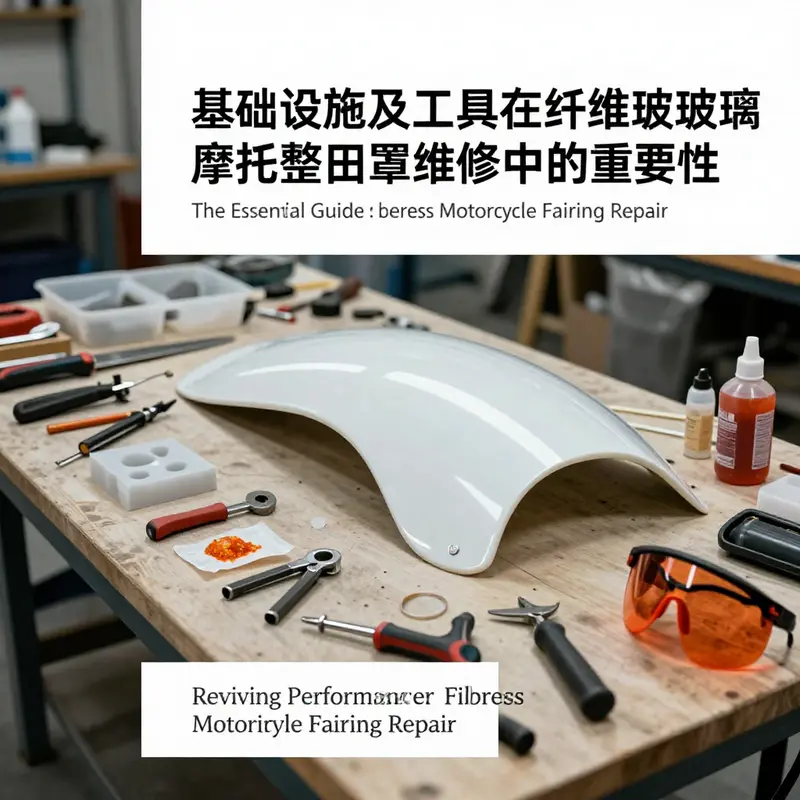
Repair work on fiberglass motorcycle fairings sits at the convergence of precision engineering and workshop craft. The chapter you are reading treats the repair bench not as a makeshift station but as a controlled, engineered environment where every tool, every mold, and every curing parameter plays a decisive role in whether a repaired fairing will perform on the road or on the race track. The research context emphasizes a straightforward truth: when you repair a fairing with OEM-certified components and a disciplined process, you not only restore aesthetics, you restore aerodynamics, impact resistance, and the bike’s measured response to air flow. In the 2005-2006 Honda CBR600RR scenario explored in the materials, the suggestion to use reliable, certified components speaks to a broader reliability goal. Enhanced fiberglass composites replace traditional plastics in selected applications, and the claimed 30 percent weight reduction alongside safety certification signals that the repair chain must honor industry standards at every stage. The aerodynamic gains—up to 15 percent reduced drag—become meaningful only if the repaired surface truly matches the original contour and thickness, which hinges on the quality of the tools and the molds that guide the repair.
The first pillar of a robust repair is precise shaping. Fiberglass, unlike solid plastics, carries a fabric-and-resin architecture that must be rebuilt in a way that reproduces its original geometry. This is not a matter of rough alignment; it is a dimensional exercise. A high-quality mold, sized and shaped with factory-level accuracy, serves as the reference. If the mold is undersized or out of tolerance, the repaired piece will struggle to sit flush with the adjacent panels, creating gaps, misalignment, and wind noise that undermines the very aerodynamic benefits touted in the material. The integrity of the repair therefore relies on the dimensional fidelity the mold provides. The discipline extends beyond the mold to the resin and the method of layering. In advanced composite repair, resin systems such as epoxy or polyester must be measured and mixed with care, and the resulting composite must be allowed to cure under controlled conditions. The importance of this control cannot be overstated; uneven curing can manifest as microcracking, delamination, or a surface that looks smooth but behaves inconsistently under load or at speed.
To guarantee the quality of resin curing, technicians deploy calibrated tools and processes. An electronic scale ensures the resin-to-hardener ratio is exact, which in turn determines cure time, heat generation, and final stiffness. A vacuum bag system is then used to compact the laminate while evacuating air pockets. This step advances resin wet-out and interlaminar adhesion, producing a uniform matrix and reducing the tendency for voids that can weaken the structure or invite bubbles that later become visible imperfections. The surrounding environment is equally important. A controlled temperature during cure—often facilitated by a purpose-built curing oven or a stable room with temperature and humidity control—minimizes residual stresses that would otherwise warp the shell as it cools. The chapter’s emphasis on infrastructure is not simply a bureaucratic checklist; it is about creating a reliable, repeatable pathway from damaged to restored, with a post-cure result that behaves like a factory part under real-world conditions.
Once the structural integrity is secured, attention shifts to surface quality and finish. The repaired fairing must present a surface that is not merely decorative but aerodynamically sound and paint-ready. The surface sequence is a carefully choreographed ritual: resin layup, cure, removal of release agents, re-sanding, and a final polish that approaches mirror-like smoothness. This is where the right set of tools makes the difference between a blemish-free finish and a surface that looks good only at a glance. Scrapers and a range of sanding papers—from fairly coarse to microfinishing grades—are used to remove excess material and to achieve a uniform thickness. A power sander or dedicated sanding orb can speed up the process, but control is essential to avoid thinning high-stress areas or rounding sharp edges that contribute to the fairing’s aerodynamic profile.
A crucial companion to sanding is the use of surface repair techniques that address microbubbles and tiny imperfections that would otherwise undermine both aesthetics and performance. Vacuum-assisted finishing, coupled with precision polishing, helps minimize the visibility of tiny air voids and creates a near‑factory gloss. The surface freedom from pitting, pinholes, or waviness translates into a consistent air boundary layer over the fairing. The goal is not just a pretty shell but a shell that behaves predictably at high speeds, where even minor irregularities can alter turbulent wake and drag. The repair science here is about convergence: the mold, the resin system, the curing environment, the finishing tools, and the operator’s technique must converge to reproduce an original or better performance profile.
Beyond the mechanical and cosmetic dimensions, infrastructure and tools also shape the repair’s safety and efficiency. Ventilation is not a peripheral concern; it is core to both operator health and process quality. Resin fumes and solvent vapors demand an effective exhaust system and a clean air-handling plan. A stable power supply, a well-lit workbench, and organized storage for consumables contribute to faster, safer work with fewer mistakes. The chain of custody for the repair materials—measured resin, accurate curing data, careful surface prep, and meticulous finishing—becomes a traceable performance history that underpins confidence in the final product. In practice, this means designing the workspace with the same care that goes into selecting a high-quality mold. When a technician can see, measure, and monitor every stage, the risk of misalignment or incomplete cure diminishes dramatically, and the final piece stands ready for installation, whether on daily commuting routes or on the pressures of a track day.
The restoration narrative also embraces personalization. A repaired fairing, if desired, can feature a customizable gloss surface that accepts decals or paint schemes, offering riders an opportunity to merge OEM reliability with individual expression. This layer of personalization does not dilute the emphasis on structural and aerodynamic integrity; instead, it sits atop a stable foundation, ensuring that decals adhere evenly and colors are applied without compromising the curvature or the surface finish. In the broader context of the chapter, the repair framework—accurate molds, precise resin handling, controlled curing, surface finishing, and thoughtful customization—constitutes a complete technical chain. When executed with discipline, it results in a fairing that preserves or even enhances the ride’s performance characteristics: quicker acceleration through reduced drag, improved energy efficiency, and the protective capability that comes from a properly bonded laminate that can absorb impact without catastrophic failure.
For readers who seek model-specific fit guidance, the literature emphasizes consultative precision. Model alignment and proper mounting are reinforced by design compatibility between the repaired fairing and the motorcycle’s chassis. In practice, technicians will reference category-specific fitment information to ensure the repaired piece integrates seamlessly with mounting points and aerodynamics as originally engineered. A practical illustration is found in online resources that curate fairings by model and sub-model; for example, consider the Honda CBR line’s dedicated fairings pages when sourcing replacement or repair components. This alignment is not mere convenience; it is a safeguard that preserves fit, airflow, and rider protection while enabling the rider to maintain the intended aesthetic. See more on the Honda side of the catalog here: Honda fairings for CBR.
The chapter would be incomplete without acknowledging how the repair ecosystem extends beyond the bench. The choice of resin, the integrity of the curing setup, and the quality of the mold all communicate with the vehicle’s real-world performance in a direct line. When the process yields a shell that can be mounted with factory-grade tolerances, the rider gains more than mere cosmetics; they gain predictable handling, stable airflow, and consistent protection against debris and abrasion. The materials’ advantages—weight reduction, safety certification, and aerodynamic efficiency—ultimately depend on the repair’s fidelity to the original design. The infrastructure and tools are the invisible backbone that makes this fidelity possible, converting a patch into a restoration and a restoration into reliable, repeatable performance.
For readers who want a broader context on the material science underpinning these repairs, a general overview of fiberglass composites and their repair considerations can be explored further through external reference materials. This outside resource provides foundational knowledge about the properties of fiberglass composites, resin systems, and curing dynamics that inform practical repair choices. External resource: https://en.wikipedia.org/wiki/Fiberglass
在成本与性能之间衡量:纤维玻璃整流罩修复的经济学

当谈到纤维玻璃(FRP)整流罩的修复与维护时,成本往往比外观更具决定性。FRP整流罩因初期采购成本较低、现场修复灵活而在改装与维护市场占据一席之地。修复成本受损坏程度、工艺复杂性、人工费水平和表面处理需求等多因素影响。以2026年的市场数据为参考,小面积局部修补通常在可观的价格区间内,按“处”计费的最高上限约为230元/处,具体取决于损伤位置、几何形状以及后续涂层处理需求。对于大面积或结构性损坏,费用往往明显更高。虽然基础材料如环氧树脂和玻纤布价格低,但修复过程包含打磨、喷漆、通风与安全防护等环节,这些环节的人工成本和设备投入往往是价格的放大器。材料本身并非决定成本的唯一因素,真正决定总成本的是执行工艺的专业性与作业环境的要求。
从长期角度看,初始成本的优势在于制造成本低于碳纤维或原厂金属件,提供更具成本效益的更换或修复选项。若损坏较轻,局部修补即可恢复功能与外观,且修复后的强度通常足以日常使用。若整流罩在日常使用中经常遭遇撞击或在崎岖路况下承受重复应力,修复次数的累积会提高人工成本与材料消耗,长期维护成本甚至可能逼近甚至超过直接更换新件的成本。这一现象在市场上并不少见,因为FRP材料的可修复性高,但重复修复的工艺难度会提高,且每次修复都需要重新评估涂层与表面完整性以避免分层、开裂或紫外老化。
对寻求经济性并兼顾外观与性能的车主而言,折中之道是通过定期检查与前瞻性维护来减少大规模修复的可能。通过防护涂层、合适的清洁与对边缘微小裂纹的早期处理,可以延长整流罩寿命,降低后续成本波动。在评估长期投资回报时,重量减轻带来的动力学改进可能转化为实际的节省,但这需要结合个人骑行习惯、路况与保养水平来判断是否值得长期投入。若路况多变、撞击风险高,持续的小修小补可能使总成本上升,此时重新考虑替换成为更理性的选择。相反,若以较低前期成本进入改装并对外观有一定个性化需求,FRP修复路径更具吸引力——可以通过局部修补与表面再涂来实现外观与性能的平衡。
作为实操指引,读者可以将“短期修复成本”和“长期维护成本”进行对比:若修复一次能恢复到原有轮廓与密封,且风险较低,短期预算友好;若一年内可能发生多次小规模损伤,长期成本可能更接近甚至超过替换成本。最后,保持对外观与性能的清晰偏好,以及对维护时间的投入意愿,是决定最终选择的关键。外部参考与延展阅读可在行业论坛与经验分享平台找到更多案例与数据。
null
null
Repair with Responsibility: Environmental Footprints and Sustainable Pathways in Fiberglass Motorcycle Fairing Restoration
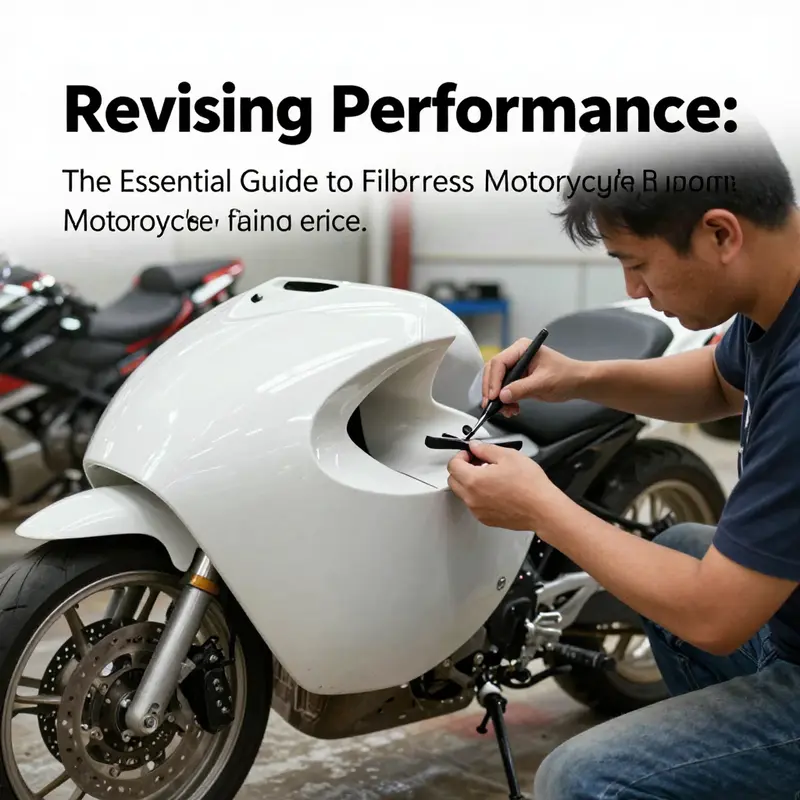
Fiberglass motorcycle fairing repair sits at an intersection of engineering performance and environmental responsibility. When a damaged fairing is pulled from its impact, the decision between repair and replacement carries not only cost and time implications but also a measurable environmental footprint. The repair processes involve a small chemistry set: resin, hardener, and various solvents that work together to rebuild the structural matrix of the fairing. Each material choice influences not only the final strength and surface finish but also the quantities of volatile organic compounds (VOCs) released during fabrication and curing. In practice, these compounds include benzene, toluene, and formaldehyde in different concentrations, depending on the resin system and volatile additives. While a single repair may seem minor in isolation, cumulative emissions from repeated maintenance across fleets of riders and teams can become significant. The waste streams are likewise tangible: spent glass fiber fragments, leftover resin and hardener, used brushes and cloths saturated with resin, and paint residues seeking a place to land. Without proper handling, these byproducts become solid pollutants that resist degradation and can accumulate in the environment. The challenge, then, is not simply to fix a fairing but to fix it responsibly, balancing performance gains with the stewardship of air, water, and soil.
Environmental control begins long before any resin is mixed. A controlled workshop environment is essential to minimize both worker exposure and material waste. Ideally, the workshop should maintain a relatively stable temperature in the range of 15–25°C and a relative humidity between 40% and 60%. These conditions help resins cure more predictably, reducing the need for rework that consumes additional materials and energy. A well-designed ventilation system is equally important, delivering clean air and exhausting solvent vapors without drawing dust into the repair zone. The health and safety of technicians depend on this air management, but so too does the quality and longevity of the repaired surface. Dust control and meticulous cleaning of the work area before each layup cut down the risk of microcontaminants that can weaken the resin bond or mar the finish. The repair process benefits from a simple, disciplined workflow: clean workspace, measured mixing, and a consistent curing regime. Each step, if performed in a controlled manner, reduces unexpected waste and the chance of defects that would otherwise force a premature discard of repaired components.
Waste management is the second pillar of sustainable repair. Glass fiber offcuts, paint sludge, and resin-soaked tools require thoughtful disposal as well as opportunities for material recovery where feasible. In many jurisdictions, glass fiber scraps and resin residues must be treated as hazardous waste or treated as special waste due to potential environmental and health risks. The ideal approach is to minimize waste at the source through precise cutting, optimized layups, and efficient mixing. When waste is generated, it should be segregated and stored in clearly labeled, leak-proof containers and disposed of through licensed channels. The opportunity to recycle or reclaim components of fiberglass composites is growing, but it remains regionally dependent and technically nuanced. Even when full recycling isn’t available, a disciplined approach to waste segregation and reuse of reusable tools reduces the environmental burden and defers disposal to the appropriate facilities. These steps align with broader goals of a circular economy, where longer service life and careful end-of-life management help stretch resources rather than exhaust them.
Beyond operational controls, the selection of materials matters for sustainability. Advances in resin technology have introduced low-VOC or even no-VOC options, which dramatically reduce the airborne emissions during curing. Where possible, substituting waterborne coatings and topcoats for traditional solvent-based systems can lower the risk of worker exposure and the release of hazardous organics into the atmosphere. The use of recyclable or reusable glass fibers, when compatible with the repair’s mechanical requirements, further closes the loop by enabling recovery or reprocessing of composite materials at the end of life. Surface finishes can also be optimized with water-based paints or UV-curable coatings that minimize solvent release and environmental persistence. Each material choice should be weighed for its performance under real-world riding conditions as well as its environmental profile. A careful balance ensures that the repair does not compromise impact resistance, aerodynamics, or durability while still meeting green objectives.
These considerations dovetail with the broader context of spare parts and repair strategies for fiberglass fairings. The decision to repair rather than replace is itself an environmental choice. By refurbishing a damaged shell, riders and shops curtail raw material extraction, reduce energy consumption associated with production, and lower the volume of waste entering landfills. This is particularly meaningful in the context of models that benefit from reinforced composite materials. When repairs preserve the original structural integrity and aerodynamic form, they help maintain the intended performance characteristics without the environmental costs of new manufacturing. The weight advantages associated with the reinforced glass fiber composites in OEM-certified components—on models where tighter tolerances and precise airfoil profiles matter—can translate into smoother throttle response and improved efficiency. In practical terms, a repair that upholds these characteristics also supports fuel economy and reduced emissions over the life of the vehicle.
For riders seeking guidance on model-specific options, it is often helpful to consult a source that catalogs compatible fairings. The repair ecosystem benefits from clear, accurate references to parts that are designed to fit particular chassis and submodels. For readers exploring the CBR family, a dedicated category of fairings offers a useful baseline. This resource provides context for what a well-mannered repair integrates in terms of fit, finish, and functional performance. The idea is not to replace the entire aesthetic with an aftermarket look, but to honor the original aerodynamics and protective role of the fairing while incorporating environmentally sound practices. The repaired assembly should still meet safety standards for impact resistance and stiffness, and any refinish work should avoid introducing coatings that would increase solvent loads beyond what is necessary for a durable, field-ready surface.
In this light, it becomes important to consider how the repair workflow communicates with environmental goals. When technicians discuss the process with riders, they can emphasize not only the immediate benefits—restored protection, preserved aerodynamics, and aesthetics—but also the longer-term gains: lower waste, reduced emissions associated with manufacturing new parts, and better resource stewardship. The repair journey can thus become a learning moment for riders who want to extend the life of their machines while contributing to cleaner air and safer communities. It also invites a candid evaluation of material choices and a transparent dialogue about the trade-offs involved in arranging a repair that stands up to the demands of street riding and track use alike. In short, responsible fiberglass fairing repair is not an afterthought; it is a deliberate practice that blends science, craft, and environmental ethics.
For those who want a tangible link to model-specific options, consider exploring the repair ecosystem for the CBR series through the dedicated fairings category. fairings-for-cbr600rr offers a reference point for the type of fixtures and surface treatments designed to align with the original chassis geometry. This context helps ensure that repairs respect the intended fit and aerodynamic performance while enabling careful choices about coatings and finishes that minimize environmental impact. While not every shop will source from the same catalog, the guiding principle remains the same: leverage compatible, properly engineered components and green practices to extend the life of the fairing without compromising safety or performance. In a practical sense, this means embracing low-VOC resins, water-based topcoats, and prudent waste management protocols as standard parts of the repair workflow.
The environmental narrative around fiberglass fairing repair, then, is not about zero impact but about responsible management of the impacts that do occur. It is about selecting materials and methods that deliver durable repairs, maintaining the vehicle’s protective function, and minimizing emissions and waste. It is about recognizing that each repaired shell participates in a broader system—one that includes labor, energy use, waste streams, and end-of-life decisions. When these pieces come together, fiberglass fairing repair becomes a case study in sustainable motorcycling. It shows how technical skill and environmental stewardship can coexist, delivering reliable protection for riders and a smaller ecological footprint for the sport we love. For those who want to dive deeper into the environmental considerations surrounding fiberglass repair techniques, a broader discussion is available online, including perspectives that connect occupational safety with environmental outcomes: https://www.zhihu.com/question/639878425.
Final thoughts
The repair of fiberglass motorcycle fairings is not just about restoring aesthetics, but also about enhancing performance and sustainability. Each business that incorporates high-quality fiberglass repairs stands to gain a competitive edge, improve customer satisfaction, and contribute positively to environmental efforts. As the industry evolves, staying abreast of material advancements and sustainability practices will be crucial for long-term success in motorcycle fairing repair.