
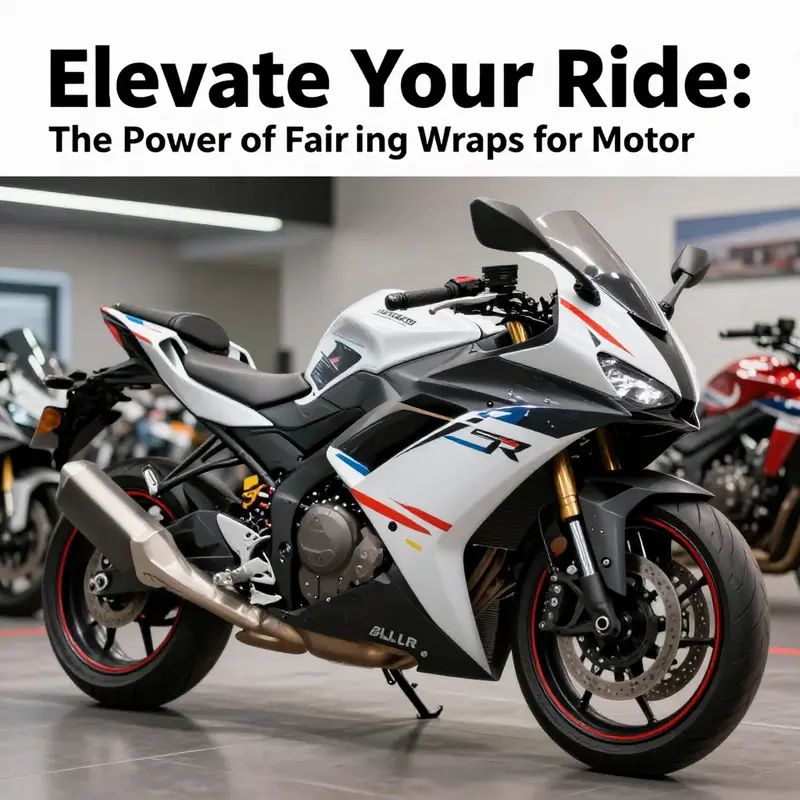
The motorcycle market is experiencing a noticeable transformation with the rise of customizations that enhance aesthetics and protection. One such innovation is the fairing wrap, a protective vinyl film that not only safeguards motorcycle bodywork but also allows for personalized artworks, branding, and vibrant color schemes. As businesses look to tap into these trends, understanding the benefits and applications of fairing wraps becomes essential. This article delves into three critical areas: the advantages of fairing wraps and their diverse applications, the materials and techniques used for effective motorcycle customization, and the economic implications and market trends surrounding this evolving solution. Each chapter aims to equip business owners with insights that will help them harness the potential of fairing wraps in their operations.
Skin, Shield, and Spectrum: The Art and Utility of Motorcycle Fairing Wraps
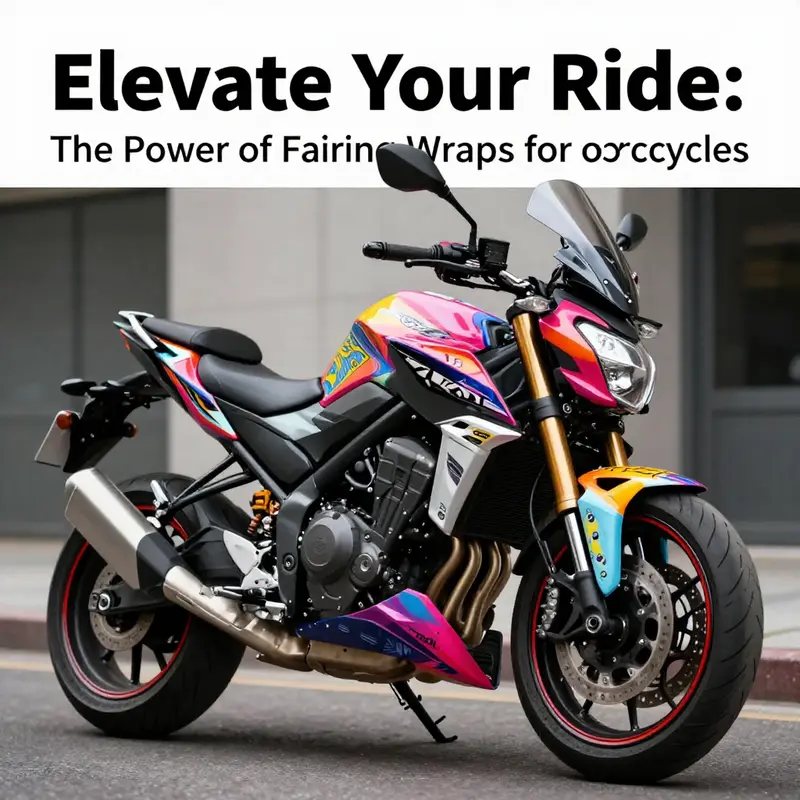
The fairing on a motorcycle is more than a shield against wind and a housing for essential components. It is the bike’s first impression, a canvas that communicates speed, style, and personality in a single glance. When riders want to alter that impression without the permanence and cost of a repaint, they turn to fairing wraps. A wrap is not merely a cosmetic overlay; it is a carefully engineered layer of vinyl or film designed to bend with curves, breathe with heat, and resist the abrasions of road use. In practice, the wrap becomes a functional skin—one that can transform a bike’s face while offering protection, reversibility, and new design possibilities that painting alone cannot match. The decision to wrap rests on a balance of aesthetics, economics, and practicality, and it invites riders into a process that blends artistry with engineering.
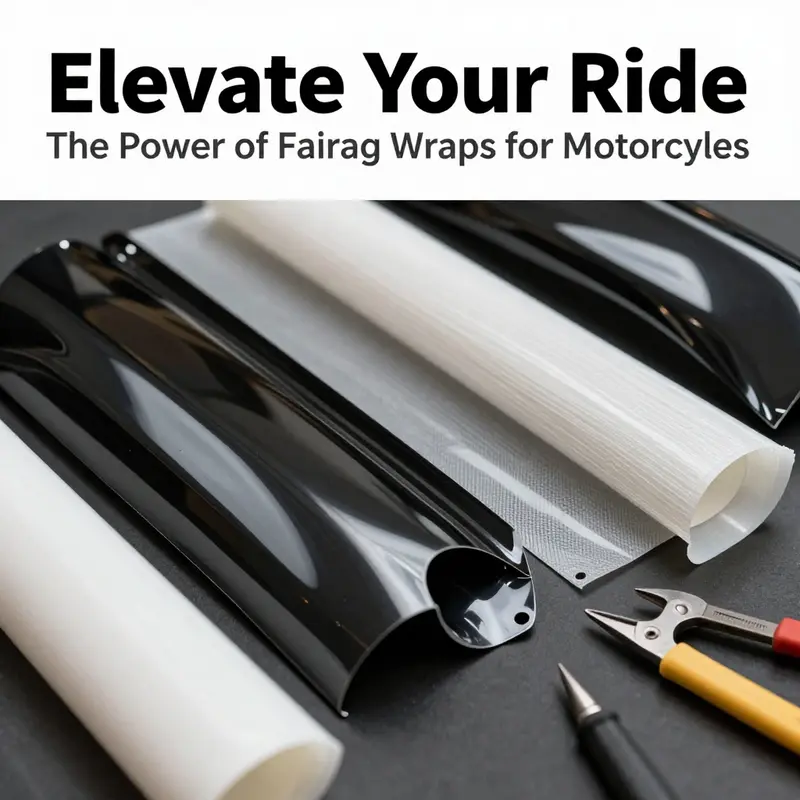
The materials at the heart of this process are specialized vinyls and films created for the demands of motorcycle use. These films are typically cast rather than calendared, meaning they are formed from liquid films that are cured into a finish with superior conformability and longevity. The cast vinyl is generally thicker and more durable, with an adhesive system designed to maintain clarity and gloss while resisting peel and bubble formation when applied to contoured surfaces. The alternative, calendared vinyl, can be adequate for flatter surfaces or simpler curves, but it often requires more careful handling to avoid edge lifting on tight radii. The choice between these materials is not a badge of quality alone; it is a relation of surface geometry to the installer’s technique, the intended use of the bike, and the rider’s expectations for how a wrap will age under sun, heat, rain, and debris.
From the perspective of finish, film technology has grown versatile enough to simulate a wide spectrum of appearances. Riders can choose from high-gloss finishes that maximize color depth, matte finishes that diffuse glare and emphasize form, or textured finishes that imitate carbon fiber, brushed metal, or ceramic composites. Some wraps are designed with subtle microtextures that hide fine scratches and micro-damage while maintaining a clean, continuous surface. The aesthetic versatility is not just about appearance; it aligns with practical concerns, such as reducing glare on sunny days, masking minor blemishes, or signaling a rider’s affiliation or personality during events and club rides. In this sense, the wrap becomes both art and function, a way to reframe the bike’s identity as conditions or tastes change without expending the resources required for a new paint job.
The installation logic for fairing wraps is as much about geometry as it is about chemistry. The fairings—whether full, half, or low configurations—present a mosaic of planes, curves, edges, and junctions. Each transition from a flat panel to a rounded corner creates a potential site for air bubbles, creases, or distortion if not managed with care. Professionals bring to the process a disciplined sequence: surface preparation, careful measurement, and a deliberate heat-assisted conforming step that allows the film to settle into the contours while preserving air-release patterns embedded in the adhesive’s carrier. The preparation phase is more than a quick wipe-down; it is a diagnostic pass that checks for surface contamination, residual waxes, and micro-dust that could otherwise trap under the film and compromise appearance or longevity. Cleanliness, temperature, and humidity are all variables that can tilt an installation from pristine to imperfect. The heat application is not a one-size-fits-all ritual; it is tuned to the film’s thickness and flexibility, the panel’s curvature, and the film’s memory. Too much heat risks scorching the surface or causing the material to lose its tack; too little heat leaves the film stiff, prone to lift at edges, and susceptible to air entrapment.
One of the most compelling advantages of a wrap is its non-permanence. Unlike paint, which bonds chemically to the substrate, a wrap relies on a meticulous adhesive system that can be peeled away with care and without damage to factory paint, provided the surface was prepped correctly and alignment was achieved during the initial application. This reversibility is particularly appealing to owners who anticipate future design shifts, or those who wish to depersonalize a bike before resale. The notion of “remove without regret” is not merely marketing language; it describes a practical reality when a wrap is well-designed and professionally installed. Over time, conditioned vinyl can fade or scratch, but when it is removed, the underlying finish remains relatively pristine, which preserves resale value and reduces the stigma of a dated look.
Protection is another major selling point. A wrap acts as a sacrificial layer, absorbing minor impacts, protecting the underlying paint from UV exposure, and shielding against light abrasions that occur during street riding or pit-side errands. UV resistance is particularly relevant in regions with strong sun exposure, where color fade and gloss degradation can be accelerated. Modern wraps are engineered to resist such deterioration, helping to maintain color fidelity and the overall vibrancy of the design. It is not a substitute for high-end paint protection or proper bike storage, but it does add a practical line of defense against the most common forms of surface wear. For riders who ride in rain, salt, or brine-laden environments, the wrap’s protective role is incremental but meaningful, slowing the ingress of moisture and chemical contaminants that would otherwise begin to dull a painted surface or create micro-damage on primer layers beneath.
Beyond protection and aesthetics, the wrap enables a broader range of customization without the commitment or cost of repainting. For riders who want a bold, eye-catching finish for a track day or a charity ride, a wrap can deliver a temporary livery or event-specific design. The design language can range from high-contrast color blocking to intricate patterns that mimic carbon fiber, checkerboards, or camouflage—patterns that would be impractical, prohibitively expensive, or irreversible with conventional paint. The design approach can also reflect sponsorship, team association, or personal storylines, making the bike a moving canvas for expression without imposing permanent design decisions on the fairing substrate.
In terms of application, wraps are not limited to a single surface. They can be applied to half fairings, full fairings, and even some nonstandard shapes that appear on sport bikes, touring machines, and rugged adventure models. The geometry of the bike dictates the approach: a complex, multi-panel surface requires careful planning to ensure continuity of flow across joints and seams. A well-executed wrap preserves line integrity, avoiding abrupt visual breaks where color or texture changes abruptly, and it respects the bike’s aerodynamics by maintaining smooth contours rather than creating visual distractions that could disturb airflow or rider perception. The design process often begins with a shading map or template that helps the installer pre-visualize how the wrap will unfold across the bike’s surfaces. This stage is crucial for ensuring that logos, lines, and color transitions align with the bike’s inherent geometry and the rider’s intent.
The economics of wraps also deserve careful attention. Compared with a high-quality repaint, wrap installation can deliver a lower upfront cost and a shorter lead time, a combination that is particularly appealing to riders who are eager to refresh a bike quickly or to experiment with a striking look for a limited period. The price is influenced by the complexity of the design, the number of panels involved, the film type and finish, and whether the work is done by a shop with established expertise in curved surfaces and edge sealing. Intricate designs with multiple color changes, metallic finishes, or printed graphics require more time and specialized equipment, which will be reflected in the price. However, when planned strategically, wraps can be an economical path to achieving a dynamic, professional appearance without the higher investment and downtime associated with a full repaint.
From the perspective of the rider, the wrap experience is as much about process as product. A successful wrap begins with choosing a finish that suits climate, maintenance habits, and riding style. It continues with selecting a film that offers durability, color stability, and ease of maintenance, while also considering how well the adhesive interacts with the fairing’s substrate. The installation is then entrusted to professionals who bring experience with curves, edges, and film memory, ensuring that seams are minimized, corners are secured, and long-term durability is optimized. The expectation is not only a great initial result but a finish that remains consistent across years of exposure and countless miles. The difference between a wrap that looks good for a year and one that performs for a decade lies in the installers’ attention to edge sealing, over-lapping strategies, and proper post-application care. The post-installation phase also matters: riders should follow care guidelines that respect the adhesive chemistry, avoid aggressive solvents, and use gentle cleaners that do not compromise the film’s surface or adhesion.
The trend toward wraps reflects a broader shift in how riders approach customization and maintenance. Wraps democratize the ability to alter a bike’s aesthetic footprint without the risk and cost of paintwork. They allow experimentation with color, texture, and branding while preserving the original finish beneath, staying true to the idea that the bike can be redefined multiple times over its lifetime. In addition to personal expression, wraps serve practical purposes for events, clubs, or charitable drives where visual identity matters as much as performance. The flexibility of wrap design makes it possible to coordinate across a fleet of bikes, ensuring a cohesive look while preserving the individuality of each rider. For technical readers and professional installers, the field continues to evolve with new film technologies—films that resist heat distortion, self-heal minor scratches, or incorporate microtextures that enhance grip under certain lighting conditions. Each advance expands the boundaries of what a wrap can do on a motorcycle with different fairing geometries and riding demands.
The discussion of wraps would be incomplete without acknowledging some limitations. Not every surface will behave identically under a wrap. Very sharp radii, edge-heavy panels, or surfaces with known chemical incompatibilities may require special preparation or alternative approaches. In some cases, traditional paint or decals may deliver a more durable long-term solution, particularly when the bike expects heavy track use or extreme operating conditions. Additionally, even the best wraps require periodic maintenance and, eventually, removal. While the adhesive technology has matured to maintain clarity and adhesion for years, exposure to heat, sun, or chemicals beyond recommended guidelines can degrade the finish or alter the color’s depth. The balance of expectations—between convenience, cost, longevity, and appearance—will guide each rider toward the most appropriate choice for their bike and their riding life.
For readers who want to see how these ideas connect to specific bike configurations and aftermarket ecosystems, it helps to explore a broad category of fairings. The BMW fairings category, for example, provides a practical lens on how fairing shapes influence wrap behavior and design alignment. This repository of fairing options demonstrates how different geometries impact the wrap’s tension, edge work, and visual continuity across panels. It is a reminder that the shape of the bike matters as much as the finish itself. When a rider contemplates a wrap, the first step is often not color selection but a careful assessment of the shape’s fluid lines and the wrap’s capacity to follow them gracefully. In that sense, wrap design is as much about geometry as it is about pigment. A well-chosen wrap respects the bike’s original character while amplifying it with a fresh silhouette that holds up under practical scrutiny on the road. And when the wrap aligns with the rider’s intentions—speed, elegance, utility, or showmanship—the result is a motorcycle that feels newly minted and personally meaningful at every turn of the throttle.
In sum, fairing wraps present a compelling synthesis of design, protection, and adaptability. They permit riders to sculpt a bike’s exterior with speed and precision, to shield the underlying paint from wear, and to rethink the vehicle’s language as often as the seasons or locales demand. The choice to wrap is ultimately a choice about how a rider wants to engage with their machine: as a living canvas, as a shielded instrument, and as a statement of style that can be revisited, revised, and renewed. This is where the practice sits at the intersection of craft and culture, a practical art that helps riders keep their machines looking exactly as they imagine them—ready for the next ride, the next event, and the next personal story told on two wheels.
External reading: For further reading on wrap price standards, composition, and industrial use, see an insightful resource that delves into materials, pricing factors, and professional installation practices at https://www.motorcyclefairingwraps.com/understanding-fairing-wraps-benefits-applications/.
Internal reference note: For more on a broad range of fairing options and compatibility with various bike geometries, see the BMW fairings category. BMW fairings category.
null
null
Riding the Wave: Economic Dynamics and Market Trajectories of Motorcycle Fairing Wrap Solutions
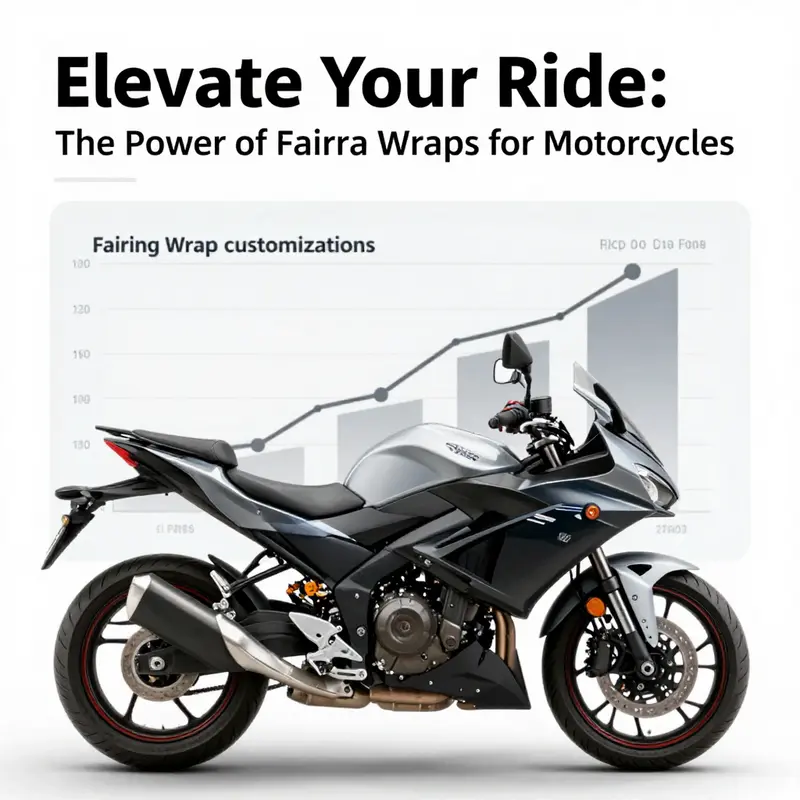
Across shop floors and design studios, a quiet revolution has reshaped how riders personalize, protect, and upgrade their machines. The fairing wrap, once a niche finish chosen for its novelty, has matured into a robust, data-driven segment of the motorcycle industry. Its ascent is not merely about color options or glossy finishes; it represents a convergence of aesthetics, durability, and economics that speaks to riders, workshop operators, and manufacturers alike. The market’s current arc rests on a foundation of high-performance films, sophisticated printing capabilities, and improved installation techniques, all aimed at delivering a product that is as resilient as it is expressive. In this broader context, the fairing wrap stands as a case study in how a modular, aftermarket solution can redefine product ecosystems, labor markets, and consumer expectations without requiring a brand-new chassis every time a rider seeks a fresh identity for their machine. The financial outlook for this space is compelling. Market authorities project the fairing wrap segment to reach a value of about fifteen and a third billion dollars by 2025, underscoring the scale at which design, protection, and personalization are converging in the motorcycle world. Equally striking is the forecasted compound annual growth rate, a little over ten percent, extending from 2026 through 2033. That trajectory is not a trivial flourish; it reflects a structural shift in how riders choose to maintain, upgrade, and present their bikes over the long run. A mix of demand signals reinforces this momentum. First, there is a growing appetite for performance-oriented features that extend beyond raw power or top speed. Riders increasingly seek components and skins that can contribute to aerodynamics, clean airflow, and reduced drag through carefully designed textures and contours. Even when performance is the primary goal, the wrap plays a supporting role by reducing surface irregularities that might otherwise hamper airflow or the integrity of more sensitive finishes. Second, aesthetics have evolved from a decorative afterthought to a strategic element of branding, personal storytelling, and social signaling. A well-executed wrap can communicate a rider’s identity, align with a lifestyle, or echo a particular subculture, without the permanence or expense of a full paint job. The flexibility of modern wrap films—gloss, matte, satin, brushed, or textured finishes—offers an extraordinary palette for designers and enthusiasts alike. Third, advancements in materials science have unlocked wraps that are more durable, easier to install, and more resistant to UV exposure, scratches, and environmental factors. The combination of vinyl and polyurethane layers with protective laminates has yielded products that hold up in a range of climates and riding conditions while preserving color fidelity and surface smoothness over time. Taken together, these market dynamics illuminate why wraps have moved from novelty add-on to a strategic, value-enhancing option. The economic implications extend beyond consumer choice. As the market grows, so too does the ecosystem around it. Aftermarket wrap providers, service shops, and independent installers have begun to invest in training, equipment, and standardized practices that improve consistency and minimize errors during application. When a wrap is properly applied, it can shield underlying paint from chips, scuffs, and environmental damage while preserving resale value. When it is poorly installed, the result can be costly, time-consuming, and visually detrimental—an outcome that underscores the importance of professional installation practices and reputable material suppliers. The financial narrative is also shaped by unit economics. The cost of a wrap is influenced by surface area, design complexity, color range, and the intricacy of any cutouts required to accommodate vents, gauges, and instrument clusters. While the upfront expenditure is typically higher than a basic repaint, the wrap offers a cost-effective, time-efficient alternative that can be reversed or updated without damaging the original surface. This reversibility is appealing to owners who seek seasonal refreshes, special edition decors, or regionally themed aesthetics without committing to a long-term paint program. In addition, the modular nature of wraps supports a dynamic aftermarket where consumers can experiment with multiple looks over the life of a bike. The economic picture is further complicated by geography. Global demand for fairing wraps is buoyed by rising motorcycle registrations in emerging markets where affordability, financing options, and practical transportation needs drive ownership. A telling example is a recent pattern in one rapidly developing market where new motorcycle registrations in a single year more than doubled the level seen in the previous year. Several factors contribute to this surge: easier access to credit, the appeal of motorcycles as reliable urban and rural transport, and a growing willingness among buyers to invest in appearance and protection as a way to extend the life of a machine in a challenging environment. These conditions create a fertile environment for wraps, which offer both a protective function and a platform for self-expression at a lower relativeized cost than complete resprays or new models. The aftermarket segment benefits particularly from this combination of protection and personalization. Riders who purchase a wrap can shield their fairings from everyday hazards—from road debris to sun exposure—while simultaneously undertaking a visual update that aligns with mood, season, or performance aspirations. The wrap becomes both a practical accessory and a communication device, telling the world what the rider stands for. From a manufacturing perspective, the move toward wraps is consistent with broader trends in automotive and motorcycle customization. Advances in materials science deliver films that are tougher, more flexible, and easier to conform to complex curves. Technologies such as air release channels, heat-assisted shaping, and solvent-free laminates contribute to cleaner finished surfaces with fewer microbubbles or edges that peel. The result is not only a sharper look but also improved longevity, which in turn reduces the need for frequent maintenance or replacement and bolsters the perceived value of the wrap. The economic incentives extend to installation workflows as well. Shops that adopt standardized processes—pre-checks for surface preparation, precise cleaning regimens, template-based cut patterns, and controlled heat application—will typically realize higher throughput and more consistent outcomes. This efficiency reduces cycle times, enabling more wraps to be completed in a given period and spreading fixed costs over a larger base. In turn, customers benefit from shorter lead times and more competitive pricing models, creating a positive feedback loop that sustains demand for wraps even as raw material costs fluctuate. The role of digital technology cannot be overstated in this evolution. High-resolution printing, precise color management, and digital pattern libraries enable wrap designers to translate complex graphics into faithful, scalable skins. Yet this technological capability is not solely about aesthetics. It also supports the economic viability of customization at scale. A retailer can offer a diverse catalog of finishes and patterns, along with personalized options, without incurring prohibitive setup costs for every variation. This is the economic logic behind the broader trend toward mass customization within the aftermarket space: customers demand unique looks, while suppliers optimize the process for efficiency and repeatable quality. The market implications extend into the consumer experience as well. Buyers expect transparency about materials, installation, and maintenance. They anticipate that wraps will protect the underlying paint while retaining color fidelity and gloss for years under normal use. This expectation influences purchasing decisions, as riders weigh the long-term value of a wrap against the cost of a repaint or a new fairing. Suppliers and installers that can articulate these benefits clearly—emphasizing durability, protection, and the freedom to refresh the look—gain a competitive edge. It is also worth considering how the wrap ecosystem interfaces with broader transportation trends. As more riders adopt electric or hybrid configurations, the fairing still plays a crucial role in aerodynamics and aesthetics. Wraps that accommodate venting systems, display panels, and instrument clusters without compromising functionality become a key differentiator. In this setting, the wrap is not simply a layer of color; it becomes a carefully engineered surface that interacts with sensors, cooling pathways, and airflow management strategies. Consumers are increasingly sensitive to the potential for wraps to interact with lighting, reflectivity, and visibility, especially in urban settings where street presence and safety converge. From a policy perspective, the growth of wrap solutions prompts attention to standards of material stability, environmental impact, and end-of-life disposal. Reputable wrap materials are designed to minimize volatile organic compound emissions during production and installation and to offer durable performance with a favorable lifecycle profile. This is important because the broad adoption of wraps will depend on both consumer trust and industry discipline around quality assurance. The market’s trajectory, then, is not a linear ascent but a layered, interconnected process. It hinges on the alignment of consumer sentiment, technical feasibility, and economic rationality. As riders seek a balance between performance and appearance, wraps offer a versatile mechanism to negotiate that balance without imposing significant downtime or long-term maintenance burdens. In this context, it is useful to reflect on how similar patterns have played out in related segments of the vehicle customization world, where the ability to alter appearance quickly has proven to be a potent driver of brand affinity and personal identity. For those exploring the breadth of catalogue options and model compatibility, one practical step is to browse the online fairings catalog for a representative brand spectrum. The Honda fairings catalog, for instance, provides a view into the range of form factors available and how designers anticipate regeneration through wraps. This resource illustrates how catalogs segment products by model family and functional features, helping buyers and installers anticipate fitment, coverage, and edge continuity. It is not just about matching a graphic to a shell; it is about understanding how the wrap conforms to panels of varying curvature, how it interacts with vents and bezels, and how a design can be sequenced across multiple panels to maintain alignment and visual continuity. The integration of wrap options with model-specific fairings underscores the need for precise measurement, careful surface preparation, and attention to detail in shaping. It also highlights the relationship between original equipment pieces and aftermarket aesthetics. A well-planned wrap strategy acknowledges that the fairing is a single assembly, composed of multiple curved surfaces that must be treated as a cohesive canvas. In the broader market, professional installation remains a critical determinant of long-term satisfaction. A wrap may look flawless when first applied, but years of exposure to sun, wind, rain, and abrasion will test its resilience. The best installers approach the job with a holistic mindset: they assess the entire surface, identify potential trouble spots such as sharp edges or complex curves, and apply a workflow that minimizes tension while maximizing coverage. They also educate customers about care routines—gentle washing, avoidance of aggressive solvents, and periodic checks for adhesive lift or edge curl. As the wrap market continues to professionalize, educational resources and standardized training programs become more prevalent, enabling technicians to deliver consistent results across cities and regions. The economic benefits of this professionalization ripple outward. Shops that invest in training attract a more diverse clientele, including riders who wish to pilot a temporary or reversible aesthetic before committing to a permanent repaint. Insurance and warranties become more robust when installers can demonstrate documented process controls and material compatibility. In this sense, the fairing wrap phenomenon is as much about service quality and aftercare as it is about color and texture. Looking ahead, the trajectory is likely to widen even further into model lines and motorcycle categories that have traditionally been less accessible to customization. With the continuing evolution of lightweight, highly conformable films and improved editing workflows, wraps will increasingly accommodate intricate graphic schemes, texture maps, and even subtle gradient transitions across panel boundaries. The result is a broader creative horizon for riders who want to express personality while preserving the structural integrity and resale value of their machines. The economic narrative is not without cautionary notes. While the long-run outlook remains favorable, several risk factors could dampen short-term momentum. Material price volatility, supply chain disruption, and the costs associated with skilled installation can compress margins in highly competitive markets. In some regions, stricter regulations around material safety and waste management may impose additional compliance costs. Nonetheless, these challenges are counterbalanced by the wrap’s inherent flexibility and reversibility, which provide a model for risk management in consumer hardware: a finite set of options can be changed when preferences shift, without incurring the heavier, irreversible costs of repainting or replacing components. In sum, the fairing wrap market sits at a crossroads of design, engineering, and economics. It embodies the idea that a motorcycle’s skin can be a dynamic asset—protective, aesthetic, and financially justifiable. The numbers underscore the scale of opportunity, while the lived experience of riders and installers reveals how wrap solutions translate that opportunity into real-world value. The market’s vitality is sustained by a steady drumbeat of materials innovation, process standardization, and consumer education. It is reinforced by the ongoing dialogue between design aspiration and practical constraint, a dialogue that will continue shaping the way riders experience and present their machines in the years to come. For readers seeking a concrete sense of the breadth of catalog options tied to fairings, a quick reference point is the Honda fairings catalog, which offers a window into model-specific fitment and panel geometry that inform wrap design decisions. This kind of resource helps translate abstract market growth into tangible planning for workshops, retailers, and enthusiasts who want to harness the aesthetic and protective benefits of wraps without compromising performance or value. The broader trend toward personalization—paired with a credible protective function—suggests that wraps will remain a central feature of motorcycle culture, aligning with consumer demand for affordable, reversible, and highly customizable solutions that help riders stand out while safeguarding their investment. As the industry continues to explore new materials, finishes, and digital workflow improvements, the wrap will likely become even more deeply embedded in the lifecycle of modern motorcycles. The field will keep drawing talent from graphics, material science, and automotive finishing, weaving together skills that ensure coatings meet the high standards riders expect in terms of shine, texture, and durability. In this evolving landscape, the wrap is not a mere cosmetic choice; it is a strategic accord between rider identity and vehicle integrity, a convergent point where design imagination meets practical engineering and where market signals translate into real, observable outcomes on streets and highways around the world. External insights into current wrap trends and best practices offer additional depth for readers who want to connect market data with technical nuance. For a concise external synthesis of wrap trajectories and design directions, see this resource: External wrap trends guide.
Final thoughts
In conclusion, motorcycle fairing wraps stand out as a versatile solution offering numerous benefits and applications in today’s customization market. By investing in high-quality wraps, businesses can enhance the aesthetic appeal of motorcycles while providing vital protection against the elements. Understanding the materials and installation techniques is crucial for success in this area, as is staying attuned to market trends and economic implications. As the demand for personalized motorcycle experiences surges, embracing fairing wraps can not only satisfy customer desires but also drive profitability for businesses. In an industry always looking for the next trend, fairing wraps present an actionable opportunity that savvy business owners should not overlook.