
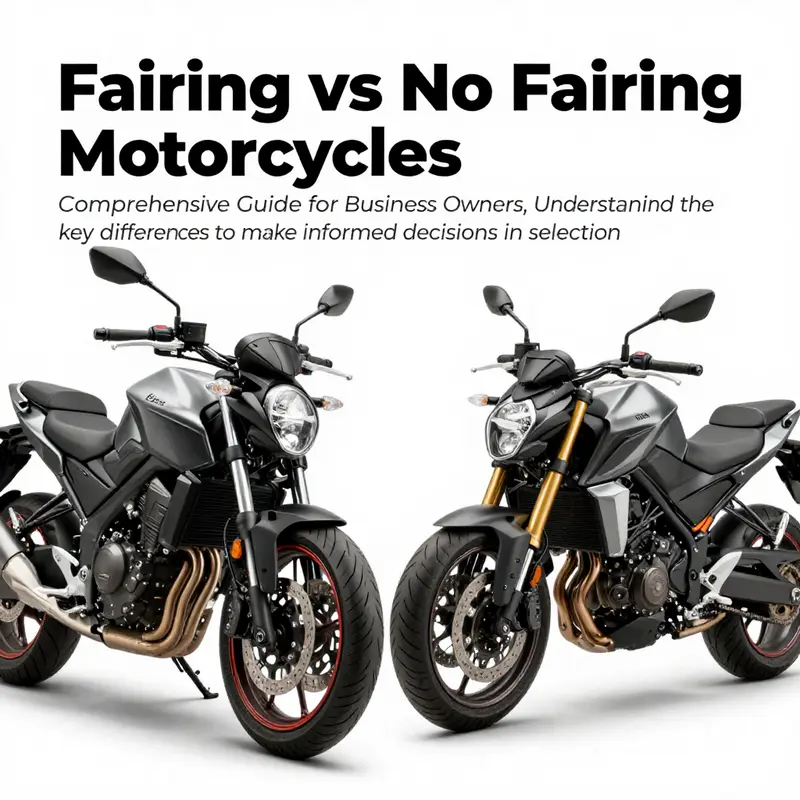
The choice between fairing and no fairing motorcycles is essential for business owners considering fleet purchases or personal investments. Each style, with its unique aesthetics and functional capabilities, can greatly influence not just performance but also the riding experience. This article delves into the differences between these two designs, analyzing their impact on appearance and style, aerodynamic performance, handling and ride experience, and maintenance and cost. Each chapter is dedicated to a crucial aspect of this comparison, providing insights that can aid in making the best decision depending on the intended use of the motorcycle.
Shaping Speed: How Fairing and Naked-Bike Aesthetics Forge Motorcycle Identity
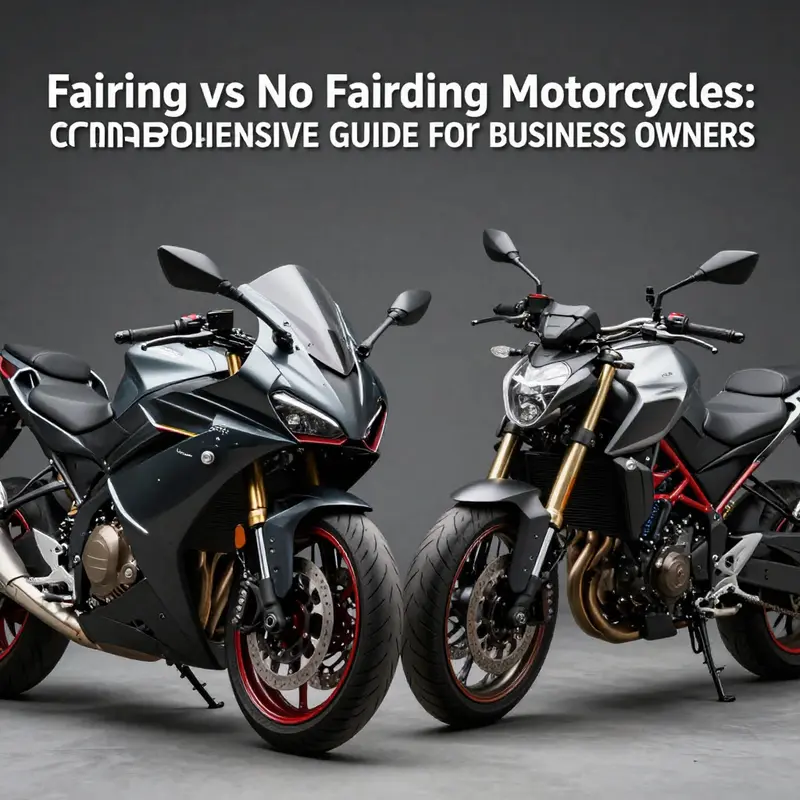
The look of a motorcycle is not merely a matter of taste or fashion; it is a silent contract between rider and machine, a visual promise about how the journey will feel before the engine is started. In the broader conversation about fairing versus no fairing, the exterior form speaks a language of purpose, discipline, and weathering the road; fairings create a compact silhouette that channels airflow, while naked bikes reveal the engine, frame, and heat, inviting direct contact with road feel and rider feedback. Half fairings offer a compromise, signaling sportiness and practicality, and are common on sport-touring or cafe-racer builds. Naked bikes emphasize immediacy, tactile connection, and mechanical honesty, with posture and geometry tuned for rider awareness and customization. The dialogue between appearance and sensation matters: fairings influence wind, windscreen line of sight, and ergonomic balance for long rides; naked bikes emphasize weight distribution, chassis geometry, and a direct wind buffet that sharpens rider sense. Aesthetics encode riding philosophy; fairings convey efficiency, precision, and a future-facing posture; naked silhouettes express immediacy and a relationship with the road that invites tuning and personal expression. Maintenance, protection, and cost differ; fairings add complexity and protection but can complicate service, while naked bikes favor a lean maintenance approach and easier access for customization. Social and cultural factors further shape the choice, aligning with sport or with raw mechanical poetry. In sum, exterior form becomes an experiential architecture: a fairing frames wind, heat, and noise into a cocoon that comforts the rider at speed, while a naked bike exposes geometry and rhythm to the road, inviting a continuous conversation with balance, grip, and ride quality. The choice between fairing and no fairing is a statement about riding philosophy, wind and weather participation, and how one wants to present themselves to the world of riders. Readers seeking grounding resources may explore industry analyses on aerodynamics and design, as well as maker catalogs that compare fairing configurations; such references reinforce that exterior form and rider experience are inseparable, shaping not only performance but personal identity in two-wheeled travel.
Airflow at Speed: The Aerodynamic Truth Behind Fairings and Naked Motorcycles
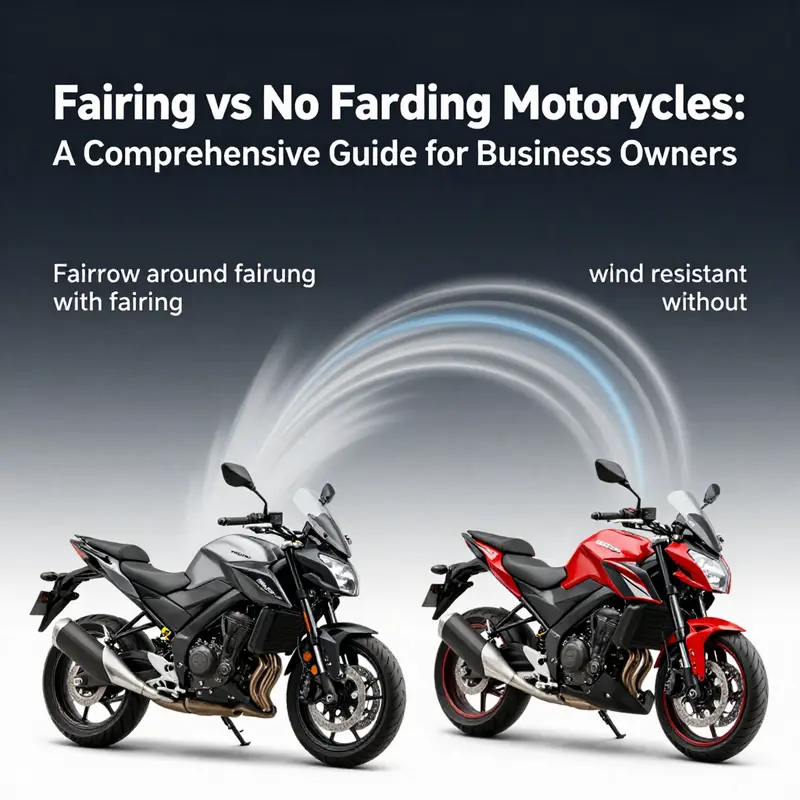
Air is not merely a medium that carries your motorcycle forward; it is a constant force to be managed. The choice between a bike with a fairing and one without is not just about looks or weight, but about how air moves around the machine and how that movement interacts with the rider. When a rider leans into a fast straight or dives into a high speed corner, air becomes a partner in the ride, sometimes helping and other times resisting. This chapter examines that partnership in depth, focusing on aerodynamics, wind interaction, and engine efficiency to define what speed feels like and what effort it costs to arrive there.
In the simplest terms, a fairing is an air management shell. It guides the flow around the engine, the fuel tank, and the rider’s upper body. A naked bike reveals those parts to the wind, letting air hit the rider more directly and letting the bike breathe through exposed panels and the exposed frame. The resulting difference is not just about aesthetics. It is an aerodynamic physics package: how the surface area, the shape, and the smoothness of the bodywork alter the air that hits the bike, where it attaches, and how it leaves the bike downstream. When we talk about the fairness of the wind on a motorcycle, we are really talking about a carefully tuned system that balances drag, stability, cooling, and even noise perception for the rider. The discussion becomes more intricate once we recognize that aerodynamics does not operate in a vacuum; it interacts with engine design, cooling requirements, chassis layout, and rider posture.
A key metric in this field is the drag coefficient, or Cd, which captures how air resistance scales with speed for a given body shape. Modern fairings are designed to shrink the frontal area the wind has to push through and to streamline the air that flows past the bike. In controlled studies, optimized fairings have been shown to reduce wind drag by substantial percentages—roughly in the range of twenty to thirty percent under certain conditions. Those numbers do not just translate into higher top speeds; they translate into greater efficiency at sustained speeds, because the engine does not have to fight as much wind. This is not only about the bike cutting through air more easily; it is about reducing the energy cost of forward motion. Even a modest reduction in drag at highway speeds can yield meaningful gains in fuel efficiency and in the ability to maintain steady throttle response over long distances.
Yet drag is only the first chapter. The interaction of air with a motorcycle is dynamic. As a rider increases speed, the boundary layer—the thin layer of air hugging the bike—shifts in complexity. The fairing acts as a wind guide, shaping how air diverts around the front wheel, under the engine, and along the rider’s torso. Properly designed, the fairing creates a favorable pressure distribution that can push air toward the tires to enhance downforce and stability. In practice, this means better high speed confidence and more precise handling in fast sweeps. The rider benefits too: with a windscreen and a carefully contoured fairing, the upper body experiences reduced direct wind pressure, which translates into less fatigue during long rides at speed and a more forgiving posture through gusty airflow. The naked bike, by contrast, exposes the rider to a larger and more turbulent flow. While this arrangement can deliver thrilling sensory feedback and a direct, unfiltered sense of the road, it generally comes with greater wind load on the chest and shoulders, more buffeting at high speed, and a rider position that must be naturally robust to maintain control under gusts.
Turning to the engine, air management touches the heart of power delivery. An SAE analysis of motorcycle aerodynamics and intake efficiency highlights a chain reaction: as the intake pressure increases, so does the engine’s potential to generate power. In one widely cited study, a rise of roughly six hundred pascals in intake pressure was associated with about one kilowatt of extra output. Although real world effects depend on the engine’s displacement, turbocharging, cam timing, and fuel mapping, the implication remains clear: air supply and its quality are critical to how much usable power the bike can produce at high speed. A fairing helps maintain a smoother, more predictable intake environment by guiding the flow toward the airbox and front mounted components, reducing the chance that turbulent wake from the rider or the front wheel disrupts the intake path. This can yield a more stable and efficient breathing process for the engine, especially at the edge of the throttle where performance tests are conducted on race tracks and long, open highways.
But the benefit for the engine is not purely about higher peak power. A well integrated fairing reduces the energy leak that occurs when turbulent air wraps around the bike and interacts with the engine bay and cooling system. The reduction in chaotic air eddies means cooler, more consistent air intake temperatures and a steadier air fuel mix at speed. In practice, this translates into smoother throttle response, less heat soaking in the intake tract, and improved overall engine efficiency during sustained high speed riding. In naked bike configurations, the lack of a guiding shell means air flows more freely but with less control. The result can be a higher potential for throttle induced fluctuations in intake pressure, especially in mid to high speed ranges where wind noise and buffeting begin to dominate. Some riders relish this raw feedback; others seek the dependable, linear power delivery that a fairing assisted aerodynamic environment tends to provide.
A further dimension is the effect on chassis dynamics and rider confidence. The fairing is not a passive cover; it is part of the bike’s aerodynamic ecosystem. Its shape, its mounting points, and the way it coexists with mirrors, headlights, and vents matter. A modern sportbike may use a full fairing design that works with body panels, undertray components, and side fairings to generate a graded pressure field across the chassis. The result is a subtle but real downforce on the front wheel, which helps the tires hold a line through high speed corners. It also creates a more stable rear-end feel through rapid direction changes, because the air over the rear of the bike travels in a more predictable manner. Riders often report a sense of lock through the steering, an impression that the bike is carved from the air itself, rather than forced through it. Naked bikes, with their exposed engines and chassis, trade that downforce for lighter weight and greater tactile contact with the road. The rider feels more of the wind, more of the surface texture of the asphalt, and more of the micro movements of the frame and suspension as they seek their best balance. For many riders, that translates into a more intimate riding experience, one where steering inputs, weight transfer, and tire response are felt more directly.
Cost and maintenance complete the practical picture. A fully faired machine comprises multiple panels, fasteners, and integrated lights that can be damaged in a crash or a heavy encounter with road debris. Repairs may involve careful panel alignment, replacement of trim pieces, and re painting, all of which can add to maintenance time and parts cost. Naked bikes, by comparison, are simpler in structure. Fewer panels mean fewer potential failure points, easier access to the engine and cooling systems, and often lower maintenance expenses. The flip side is that naked bikes place the rider and the bike’s core components more directly in the weather and the road’s harsher realities. The decision between fairing and no fairing therefore sits at the intersection of performance goals, riding style, and ownership priorities.
In practice, the line between these two philosophies is not a hard separation. There exists a spectrum of designs that blend the two approaches: partial fairings, compact sport bikes with modest wind deflectors, or touring oriented naked bikes that incorporate modest shields to manage the most intrusive air while preserving a naked aesthetic. From a design standpoint, the most compelling machines today are those that manage air not merely to reduce drag, but to tailor the entire wind environment. They aim to harmonize airflow around the rider with cooling needs, engine efficiency, and the chassis’ dynamic behavior. The result is a motorcycle that refuses to be categorized as a simple comparison between two silhouettes; it becomes a study in how air management and human sensation combine to produce a unique riding character.
To anchor this exploration in real world implications, it helps to consider how riders choose according to their goals. For someone chasing track performance and long distance highway stability, the fairing offers tangible benefits: improved high speed stability, better wind protection, and a more efficient power delivery at sustained speeds. For a rider who prizes direct road feel, nimble handling in city streets, and a raw, immediate connection to the machine, a naked bike delivers a sense of freedom and responsiveness that can be addictive. The choice is not about one being categorically superior; it is about which wind story you want your ride to tell at the end of a long day, or at the end of a fast stretch on an open road.
From a design and engineering perspective, that choice also reflects constraints and opportunities in production. Manufacturers balance aerodynamics with cooling requirements, weight distribution, and packaging constraints. A fully enclosed fairing can complicate cooling paths for the radiator and engine, requiring clever ducting and vent design. It can also influence center of gravity and wheelbase considerations, which in turn affect how the bike behaves when entering and leaving corners. Naked bikes sidestep many of these packaging challenges, enabling simpler layouts and potentially lower mass. However, the rider bears the wind pressure more directly, which influences ergonomics, wind noise, and fatigue over long distances. These are not trivial considerations when engineering a bike that must perform on a track and still be viable for daily use.
As aerodynamics has evolved, so too has the design language of production motorcycles. The modern aero package is less about chasing the smallest possible drag coefficient in a wind tunnel and more about shaping a stable and comfortable air environment around the rider. In high performance contexts, wings and spoilers, once the exclusive domain of racing machines, have trickled into production bikes in subtle, integrated forms. The aim is to distribute pressure and control airflow so that cooling remains effective, downforce is managed, and the engine can breathe smoothly across a broad speed range. These trends reinforce the idea that aerodynamics is a holistic discipline on the bike, not a single number fix.
Viewed through this lens, the decision between fairing and no fairing becomes a reflection of rider intent and the intended use case. For a sport focused rider who values cornering stability and sustained high speed performance, the fairing acts as a precision instrument that channels air in a way that supports the chassis at tempo and rhythm. For a rider who craves the visceral connection to the road, the naked bike offers an honest, unfettered experience where air and motion are not merely set back but an active, ongoing dialogue between rider, tire, and road texture. The choice is not simply about speed; it is about the character of the ride, the pace at which one is willing to accept wind and noise, and the degree to which one accepts or rejects the mediation of air by an aerodynamic shell.
If we zoom out from the specifics of Cd values and intake pressures, a broader truth emerges: aerodynamics is not a luxury feature but a foundation of performance and comfort in modern motorcycles. The fairing is an integrated system that can unlock smoother power delivery, better stability, and more efficient cooling under the right conditions. The naked bike is an invitation to purity, an invitation to feel the road, hear the engine, and respond with precise, human judgment. Both approaches can deliver thrilling experiences; both demand a rider who understands how wind, speed, and feedback interact. In the end, the question is not which is the better design, but which wind narrative best fits your riding life.
For readers who want a practical navigable reference in this aerodynamics conversation, there is value in examining specific scenarios: a highway dawn ride that blends long straights with light corners, a weekend track session that tests top speed and aero stability, and a city commute that emphasizes maneuverability and fuel economy. Each scenario emphasizes different elements of the air behavior equation and helps reveal which configuration aligns with personal preference and real world use. While the physics can be understood through figures and wind tunnel results, the experience is ultimately felt in the shoulders, hands, and hips, the places where the rider and the bike meet the air and negotiate with it through every turn.
As you consider your own riding life, remember that the air around you is a constant collaborator in your journey. The fairing’s role is to choreograph that air into a pattern that supports speed, stability, and efficiency. The naked bike asks you to listen more closely to the road and to accept wind as a direct participant in the dance. Each path has its own merits, its own rituals of control, and its own rewards. The engineering stories behind these choices show that performance is not a single, isolated metric. It is the sum of drag management, intake efficiency, cooling, weight distribution, and the rider’s interface with wind. In a market driven by performance narratives, the fairing remains a formidable ally of speed and refinement, while the naked bike champions immediacy and freedom.
Wind, Weight, and the Rider’s Arc: The Subtle Science of Fairings vs Naked Motorcycles
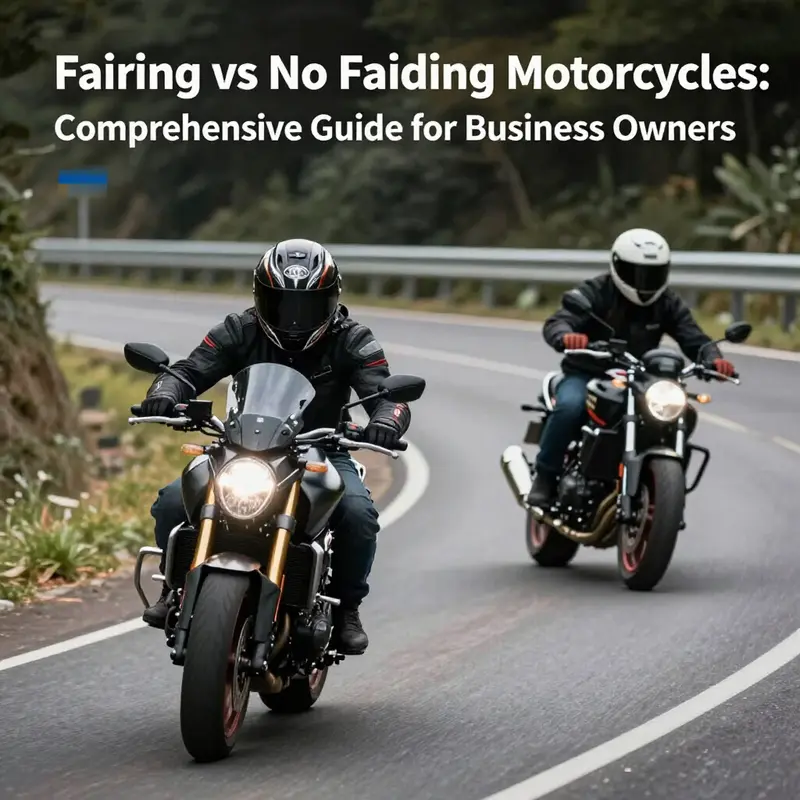
Riding a motorcycle is a negotiation with the elements, a dialogue between machine and wind that reveals different truths depending on the bodywork you choose. When a fairing is mounted, the bike changes its relationship with air as if a shield were drawn around its front end. When the naked bike stands open to the world, air becomes a more immediate, tactile companion. The choice between fairing and no fairing is not merely about looks or glamour; it is a fundamental decision about how the bike will slice through air, where the rider’s body will sit in relation to that air, and what kind of fatigue or exhilaration will survive the miles. In the long arc of a ride, these factors accumulate into a feeling—an atmosphere inside the cockpit as much as a physics problem on a wind tunnel chart. To understand the difference, it helps to move with air as a moving variable rather than a distant background constant, and to imagine the bike as a dynamic system with a front that meets wind in one way and a front that welcomes wind with fewer consequences in another.
The core distinction begins with air dynamics. A bike equipped with a fairing is, in essence, a three-dimensional airfoil. The fairing sculpts the flow, guiding air around the rider and the engine while keeping a sizable portion of the bicycle’s frontal area under a shield that reduces the direct onslaught of the wind. At modest highway speeds, the impact of this shielding is subtle but meaningful: the rider experiences a quieter, less buffeted helmet, less turbulence in the torso, and a perceived deceleration of the wind’s urge to destabilize the handlebars if a gust tries to knock the front end off line. As speeds climb into the double digits and approach high-way cruising territory, the difference becomes more tangible. The fairing’s light-to-moderate drag contributes to an overall balance of forces that tends to stabilize the front of the machine. The wind, instead of slamming into the rider, is steered along the windward surface and away from the cockpit with a distribution that can shave several tenths of a second from air resistance and reduce the rider’s fatigue from fighting wind pressure over long distances.
In contrast, a naked bike leaves more of the world exposed to air. The rider sits with a more upright posture, the engine and chassis breathing in and out on a closer stage with the wind, and the bike’s silhouette—muscle and frame, visible radiators and handlebars—presenting a strong sense of mechanical honesty. Open, unshielded air means larger frontal exposure, which translates into a more noticeable wind pressure across the chest, shoulders, and helmet. The rider perceives gusts more directly, and the helmet’s interaction with buffeting becomes a more prominent part of the ride. The wind does not merely slide past; it presses, pulls, and sometimes accelerates around the body, depending on the rider’s position, body geometry, and the path of the air as it splits around the naked machine. In this environment, fatigue can creep in more quickly at sustained highway speeds, especially if the rider must resist the wind’s urge to push the upper body back or require tighter engagement with the arms and core to maintain control.
These dynamics are not purely about comfort; they reshuffle the physics of handling. A fairing, by narrowing the effective exposed area and shaping the flow, can reduce the front-end lift and the phenomenon riders often describe as a “push” or “tug” during high-speed cornering. Even small improvements in front-end stability can translate into more confident steering inputs—subtle, but real. The fairing also modifies the pressure distribution around the headstock and the enclosures that surround the cockpit. That distribution matters because steering feel—how responsive the front wheel feels when the rider applies a turn signal to the bar with a hand on the throttle—depends on how air pressures flux across the front and how the rider’s weight and line steer into a corner. The result is a front-end feel that is more predictable at speed and less susceptible to abrupt, wind-driven disturbances. In the naked-bike scenario, front-end feedback is more direct and immediate. The rider experiences every shift in wind pressure as a part of the ride, which can heighten the sense of connection and control, but also demands more precise body alignment and consistent grip strength, especially when the wind shifts or the road throws a crosswind into the lane.
Posture and ergonomics intertwine with these aerodynamic realities. A rider on a fairing-equipped machine typically assumes a sport-oriented posture, a forward-leaning stance that reduces frontal area and aligns the body with the airflow. Over long sections of highway or on a track, that posture can translate into lower muscular effort from the neck and upper back, as the wind’s force is distributed along the torso rather than concentrated at the upper shoulders. Yet this same posture concentrates load in the wrists, forearms, and lower back. The fairing’s envelope, while shielding the chest from buffeting, still imposes a geometry that makes the rider carry a portion of wind pressure through the arms and spine. At slow speeds, such as city riding or parking maneuvers, the weight and height of the fairing can feel slightly awkward, especially if the rider’s knee contact and hip angle are tuned more for a naked posture. The fairing, in short, makes sense for sustained, confident progress on open roads, where the goal is to shave off wind-induced weariness and keep the front wheel grounded in a steadier vertical plane. The naked configuration, by contrast, invites a more relaxed torso and a more upright alignment. The rider’s hips and knees are freer, the leg position can be more comfortable for city use, and the view of the road ahead is expansive—an invitation to perceive every pothole and rise in the pavement. For some riders, that openness is precisely the point: a direct, unvarnished sense of ride quality that favors agility and a sense of being fully connected to the road.
But the rider’s decision is not only about posture. The machine’s overall handling is a product of weight distribution, center of gravity, and the way air exerts force on the bike’s most dynamic components. A fairing adds mass to the front and, depending on the design, can influence gyroscopic effects and the distribution of inertia around the steering axis. When negotiating tight bends or filtering through traffic, the extra weight up front can either aid or hinder, depending on the rider’s skill and the road’s geometry. Some riders find the weight bias comforting, a physical cue that the bike will behave in a stable, predictable manner when leaned into a curve. Others prefer the lighter, more agile feel of a naked chassis, where the rider’s steering inputs translate quickly into a change of direction with less inertia to overcome. The naked bike’s lighter front end often translates into crisper steering response and quicker changes in angle, a boon for urban riding and sequence-driven cornering where precision and rapid input are prized. The fairing, while stabilizing the air and reducing buffeting, introduces a larger frontal surface that can feel less nimble in slow-speed maneuvers. For riders who spend most of their time in city traffic, the chore of maneuvering a bulkier front portion can be noticeable at slow speeds, even if the machine’s powertrain remains perfectly capable of propelling it to higher speeds in second and third gears.
From a maintenance and ownership perspective, the difference between fairing and naked configurations extends beyond aesthetics and ride feel. A fairing is an assembly of panels, fasteners, fastener tracks, and light housings. It is a system with many potential failure points. A misshapen panel after a low-speed crash, a cracked windscreen, or a SCU-mounted instrument cluster affected by vibration can lead to costs and downtime that naked-bike owners seldom confront with such frequency. The complexity of the fairing’s attachment to the frame, and its integration with the electrical system for lights, indicators, and sometimes radar or sensor modules, means that repair or replacement can be a larger project and—depending on the model and the shop—more expensive. Naked bikes, by contrast, present a simpler physical profile. Fewer external parts mean fewer components that can fail or require alignment after a tip-over or crash. The maintenance story here is one of fewer parts to manage, simpler access to the engine and electronics for routine service, and typically lower repair costs if damage occurs in a minor mishap. This is not to say that naked bikes are effortless to maintain. The exposed engine, cooling system, and chassis can be more delicate in certain road conditions, and the absence of a shield does not eliminate the potential for damage or abrasion in a fall. Yet the track of maintenance risk tends to be shallower, especially for riders who prefer a more hands-on approach and want to address small issues with their tools rather than towing the bike into a shop for panel realignment or windscreen replacement.
Riders who evaluate fairings versus naked bikes often anchor their decisions in the intended use and the nature of the rides they love. For those who crave long interstate journeys, occasional track days, or weekend sport riding where highway speeds are the norm, the protective and stabilizing influence of a fairing becomes a compelling advantage. The wind becomes a factor to be managed rather than a daily test of endurance. The rider can anticipate a more relaxed cockpit and a machine that whispers through gusts rather than shouting back at them with velocity and turbulence. The reliable, lower fatigue profile on a fairing-equipped bike makes it easier to plan longer trips, to push into higher gears with less wind-induced strain, and to maintain focus on cornering lines and roadside scenery rather than wrestle with wind push and buffeting. On the other hand, if the cherished moments involve quick hops across town, twisting roads that demand nimble line changes, and an eagerness to feel every vibration of the road through the seat and handlebars, the naked bike’s immediacy—its unfiltered connection to the pavement—offers a different, perhaps purer, expression of riding. The absence of a fairing strips away a layer of air resistance and invites a more intimate relationship with the road’s texture, the suspension’s responses, and the rider’s own weight shifts during braking and acceleration.
This trade-off is not a matter of right or wrong; it is a question of alignment with one’s riding philosophy. In the end, the decision is a statement about how you want to feel the wind and how you wish to negotiate its pressure. For some riders, the fairing’s shield is a metaphor for a controlled, engineered serenity—a space where speed becomes a discipline rather than a sensation. For others, the naked bike embodies speed as a dialogue with the road, where you learn to read the pavement through the instrument cluster’s glow and the bike’s quicksilver responses to your body’s commands. Both paths offer rewards, and each path teaches different kinds of discipline: the fairing path rewards steady throttle, deliberate lines, and stamina; the naked path rewards finesse, agility, and a willingness to accept the wind as a constant companion.
As a rider contemplates these choices, the decision often comes down to the rhythm of daily life and the personal mythology of the road. If your hours on the machine are mostly spent on long, uninterrupted stretches where fatigue is the enemy you want to forestall, a fairing is not just a design flourish but a practical tool. If your hours are spent weaving through city streets, chasing lines on a mountain road, or savoring the tactile feedback of every curve, the naked bike can feel more honest and alive. The intuitive farmer’s answer—the one you hear in your own pulse when you climb aboard—will almost always be the right one, because it aligns with your rhythm. The science behind these sensations is real, but your lived experience is the ultimate measure. In the end, the wind is indifferent to the opinion of designers and magazines, but it responds to the bike it meets, and it rewards riders who choose their configuration with a patient, deliberate respect for the road’s unpredictable moods.
For readers seeking practical context as they compare these forms, consider the broader implications of air movement, ride quality, and long-term fatigue. The literature on aerodynamics consistently shows that reducing frontal exposure and shaping the airflow around a rider can yield meaningful gains in stability and comfort over time. Those gains translate into more consistent corner exits, steadier highway cruising, and a rider who can maintain focus over a longer shift. However, it is equally well documented that greater exposure to wind invites more direct feedback from the road and places a premium on core strength and upper-body endurance. The naked-bike experience rewards that kind of fitness and skill, offering a purer, more tactile sense of the machine’s connection to the pavement. The two configurations, then, are not merely different styles but different philosophies of speed and control. If the overall article’s aim is to illuminate how fairings versus no fairings reshape riding, this chapter has traced a common thread: air does not simply surround the machine; it interacts with it, and the rider’s response to that interaction becomes part of the ride’s character.
For those who want to explore more about how air movement translates into ride feel, a trusted external resource provides an empirical perspective grounded in real-world testing and expert analysis. It discusses aero dynamics and fairings, detailing how wind resistance coefficients, steering responses, and rider fatigue respond to different fairing geometries. This work helps connect the experiential narrative of riding with measurable outcomes and is a valuable companion to the sensory impressions described here. External resource: https://www.motorcycle.com/riding-techniques/aero-dynamics-and-fairings-how-they-affect-your-ride-143798
Meanwhile, riders curious to browse practical fairing options for their own motorcycles can also engage with a broader catalog of fairing styles and mounting solutions in the broader online marketplace. If you are considering adding a fairing to a bare chassis, you’ll find a spectrum of shapes, sizes, and mounting schemes that can tailor airflow to your riding conditions and body geometry. For readers who want to anchor their exploration in a particular brand’s ecosystem, the internal link to specific fairing variants can be a good place to start. For example, you can explore the range of Yamaha fairings to see how different configurations affect line, stance, and aesthetics, while keeping sight of the rider’s comfort and the bike’s balance. This approach helps frame the fairing decision not as a one-size-fits-all option but as a personalized choice shaped by the rider’s size, riding goals, and the road’s demands. See the linked catalog for a sense of the design vocabulary and the practical constraints involved in integrating a fairing with an existing chassis.
In the living world of riding, where wind, posture, weight, and geometry meet, every choice writes its own chapter in the rider’s story. The fairing route offers a steady, wind-managed, marathon-ready experience, where the air is tuned to yield calm, predictable responses at speed. The naked route offers direct, responsive communication, rewarding the rider who relishes the immediate feedback of road texture and the art of precise, sport-leaning control. Both paths share the same fundamental physics of air and inertia, yet they invite different kinds of engagement, different exercises of concentration, and different kinds of joy. The optimal choice—whether forged in endurance or forged in agility—demands that you ride with attention to how your body meets the air, and how your bike translates your intent into motion on the road’s unpredictable canvas.
Internal link reference (for context on fairing options): Yamaha fairings.
External reference for further reading: https://www.motorcycle.com/riding-techniques/aero-dynamics-and-fairings-how-they-affect-your-ride-143798
Fairings vs Naked Motorcycles: A Practical Maintenance and Cost Perspective
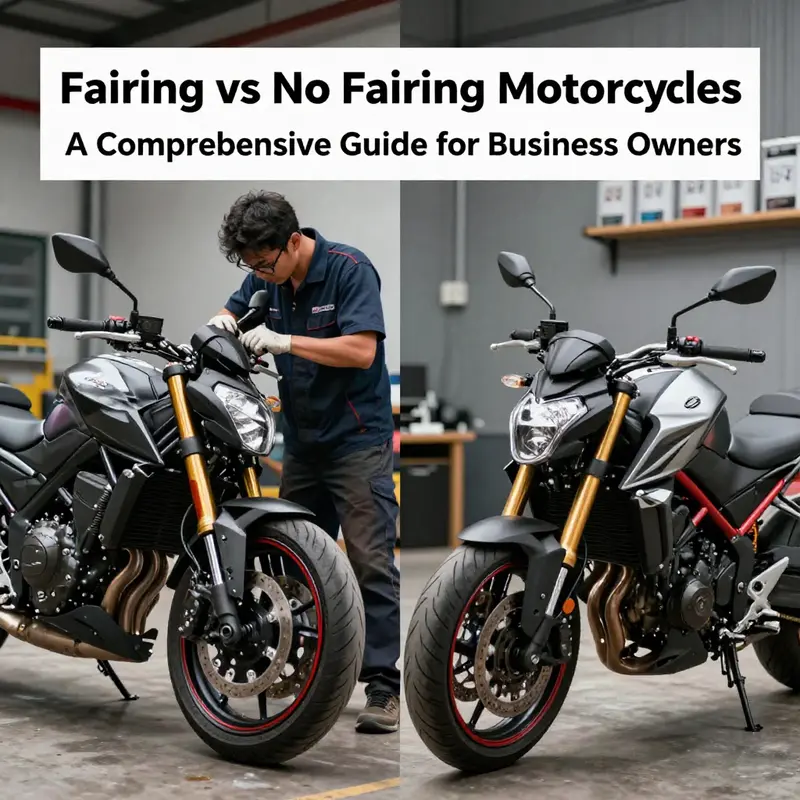
Choosing between a fairing-equipped motorcycle and a naked bike hinges on more than looks; it centers on protection, maintenance effort, and the true cost of ownership over years of riding. This chapter guides readers through upfront price, ongoing upkeep, potential repair bills after a mishap, and the long arc of ownership, with the goal of helping you pick the configuration that matches your riding pattern and budget.
The upfront difference is clear: a fairing adds a substantial body of panels, vents, and mounting hardware that must integrate with the bike’s electronics and cooling system. Even if the core drivetrain is the same, the fairing package raises showroom price and adds labor for installation, color matching, and alignment. For some riders this is a valued aero investment; for others it is a cost that stretches a tight budget at purchase time.
Maintenance costs reinforce that split. A fairing is a multi-piece shell that can crack, shift, or trap debris; panel replacement can be expensive, and service may require disassembly that drags on downtime. Cleaning behind the panels, checking seals, and ensuring vents stay clear can take more time and care than on a naked bike. A naked bike, by contrast, exposes the engine and chassis, typically presenting fewer parts that can fail or require replacement. Maintenance remains essential, but the path is often simpler, parts are usually cheaper, and turnarounds can be faster, especially for DIY enthusiasts.
Longer-term ownership introduces subtler factors. A fairing’s wind management can reduce fatigue on long rides and in highway conditions, sometimes yielding modest fuel savings, but many riders experience little measurable difference in everyday use. A naked bike delivers direct mechanical feedback, easier access for routine service, and potentially lower maintenance entropy in the long run. The total cost of ownership therefore shifts with riding style, distance, climate, and the value you place on wind protection, comfort, and the feeling of being closest to the machine.
A practical middle ground exists: lightweight or modular fairings that can be removed or swapped for certain trips, or models designed with easy access panels. The right choice depends on the model family, aftermarket options, and your willingness to manage a more hybrid maintenance profile. When evaluating, consider not just the sticker price but expected downtime, the availability of local service, the cost of panel replacement, and how often you might need to replace damaged exterior parts after a mishap.
In the end, the decision comes down to riding environment and personal preference. If you primarily ride urban lanes and canyon back roads, a naked bike may offer lower recurring costs and faster maintenance cycles. If you log long highway miles, value wind protection, and enjoy a refined, tour-ready silhouette, a fairing-equipped bike can deliver comfort and consistency at the cost of additional upkeep. The best choice aligns the machine with your daily routines, budget, and the riding joy you seek, rather than chasing a universal lowest price or the glamour of full aero.
Final thoughts
In the landscape of motorcycle design, the choice between fairing and no fairing variants is more than a matter of preference; it is deeply intertwined with practical implications for business considerations. Fairing motorcycles, with their aerodynamic advantages and sleek designs, may offer significant benefits for those prioritizing speed and long-distance travel. Conversely, no fairing models appeal to those who favor a raw riding experience and lower maintenance costs. Business owners should carefully evaluate their riding needs, budgets, and long-term goals when deciding, ensuring their choice aligns with both aesthetic values and functional requirements.