
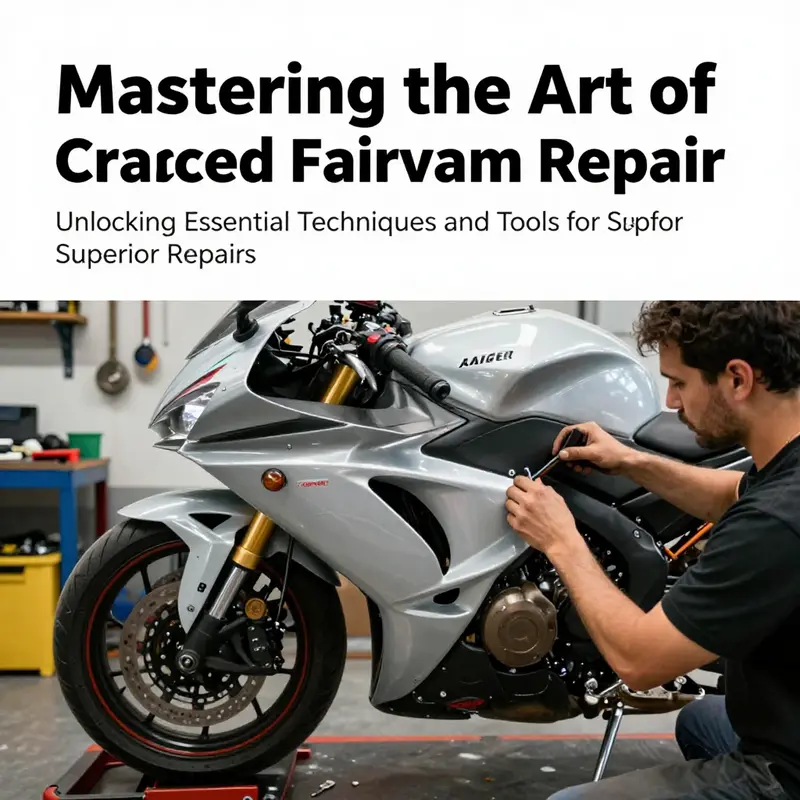
Motorcycle fairings play a crucial role in both the aesthetics and aerodynamics of a bike. Cracks in these fairings are not just unsightly; they can affect performance and safety. For business owners in the motorcycle maintenance industry, understanding the nuances of cracked motorcycle fairing repair is vital. This comprehensive guide delves into essential techniques, the right materials and tools, common pitfalls, and finishing touches that can elevate the quality of repairs. Each chapter will provide actionable insights to ensure that your repair work meets the highest standards.
From Crack to Confidence: A Cohesive Approach to Restoring Cracked Motorcycle Fairings
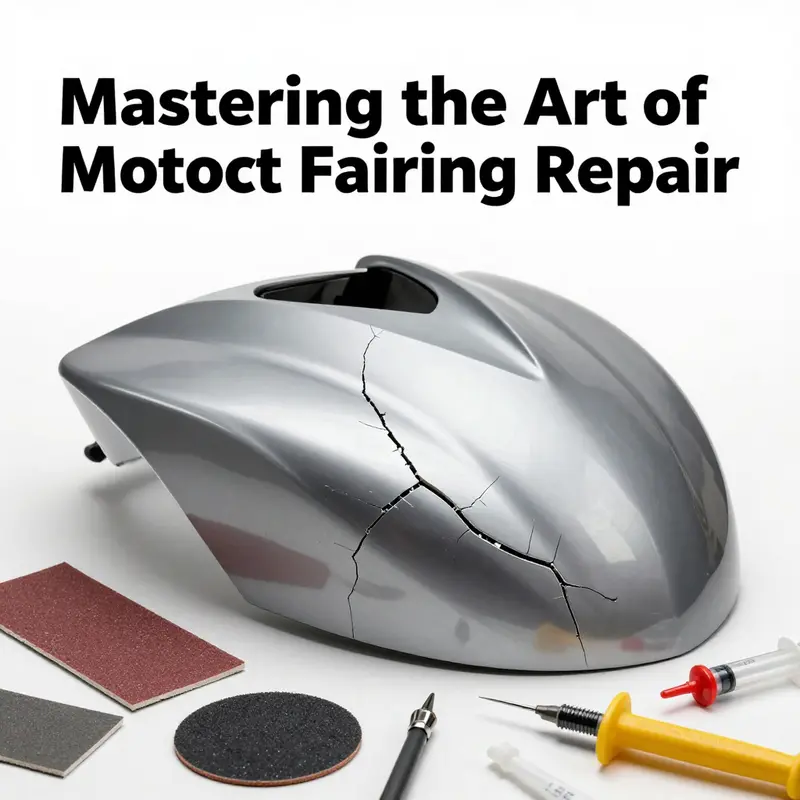
A cracked fairing is more than a surface blemish; it is a signal that the panel has endured stress from impact, vibration, and the fatigue of exposure to the elements. The repair path, when approached with care, can restore both the look and the structural integrity of the piece. The process begins with a clear-eyed assessment and ends with a finish that withstands the road, all while preserving the aesthetic harmony of the bike. The journey from crack to confidence is not a rush job; it is a sequence of deliberate steps that balance material science, technique, and the small rituals that ensure a lasting result. The goal is to return the fairing to its original lines, so the bike not only looks whole but rides with the same wind-in-the-face assurance as before the damage.
First comes preparation, which is more than a quick wipe with a solvent. The damage must be identified in its full extent. Remove the damaged panel by unscrewing the mounting bolts, and set it aside on a clean, stable surface. As you detach the piece, inspect the mounting points for any hidden cracks or looseness that could transfer stress back into the repaired area once the panel is reinstalled. With the panel off, begin a meticulous cleaning routine. Use a degreaser to strip away dirt, grease, and any old paint near the crack. If a degreaser isn’t at hand, a clean solvent like isopropyl alcohol can do the job, followed by a thorough drying. The surface around the crack should be perfectly dry and free of contaminants, because adhesion depends on a pristine bond between the repair material and the plastic itself.
The next phase centers on surface preparation. After cleaning, lightly sand the affected area with fine-grit paper—roughly 400 to 600 grit. This creates a micro-rough surface that gives the repair material something to grip, improving adhesion without removing too much material. The sanding step also helps to feather the edges of the crack, so the subsequent repair blends more seamlessly with the surrounding fairing. When you feather the crack, you reduce the risk of a visible repair line that disrupts the fairing’s aerodynamics and appearance. If the damage travels near the edge of the panel or across a corner, this feathering becomes even more critical, as the geometry can amplify stress if the repair sits too proud of the surface.
With the area prepared, the repair strategy depends on the size and location of the crack. For small cracks and minor surface damage, a high-strength, flexible plastic adhesive works well. A two-part epoxy system can also perform effectively when mixed in the proper ratio and applied carefully into the crack and onto the surrounding area. The key is to fill the gap completely without trapping air pockets. Work slowly and methodically, injecting the adhesive so that it seeps into every crevice. After application, allow the adhesive to cure fully according to the product’s instructions. Curing times can range from several hours to a day or more depending on the formulation and ambient conditions. During this window, maintain a stable environment: avoid drafts that can cause rapid curing on the surface, and keep the panel in a dust-free zone to prevent contamination.
When the cure is complete, the repaired region should be smooth and flush with the surrounding surface. Sand gradually with finer grits, moving up to 1500 or even 2000 grit if needed to achieve a near-perfect blend. The goal is a uniform surface that does not betray the repair upon close inspection. After sanding, wipe away any dust and re-check the contour. If the area shows a slight ridge or a trace of the repair line, a light, final skim of polish sanding can help. This careful finishing step is essential to ensure that paint, primer, and clear topcoat will lay down evenly and resist wear from rain, sun, and road debris.
For larger cracks or where structural integrity is a concern, a more robust approach is warranted. In these cases, you may choose to reinforce the repair. After applying the initial adhesive into the crack, place a reinforcing strip embedded within the wet adhesive. Acceptable reinforcement options include a thin copper foil, a narrow strip of aluminum tape, or a layer of fiberglass mesh. The reinforcement is pressed firmly into the adhesive so it sits flush with the surface and becomes an integral part of the repair rather than a separate layer. The objective is to distribute the load more evenly across the repaired area, reducing the likelihood of re-cracking under vibration or impact. The exact choice of reinforcement material can depend on availability and the geometry of the panel, but the crucial factors are that the strip is flat, has good adhesion, and does not protrude beyond the fairing’s surface.
Once the reinforcement is embedded and the adhesive has cured per the manufacturer’s guidance, the next stage mirrors the finishing steps used for smaller cracks. The area is carefully sanded with fine-grit paper to create a perfectly smooth surface. If there is any residual roughness or small irregularities from the reinforcement, a light skim of epoxy or filler may be used to even out the transition before sanding again. After smoothing, apply a primer suitable for plastics. The primer helps the subsequent paint adhere reliably and provides a uniform base color that masks any subtle imperfections beneath the finish. A well-matched color paint follows, applied in multiple thin coats. Each coat should be allowed to dry completely before the next is applied, creating a gradual build that mimics the original gloss and depth. In this phase, the painter’s patience is a critical ally: rushed painting can lead to runs, sags, or patchy color that becomes a telltale sign of repair work.
The ultimate protective layer is a clear topcoat, chosen for either a matte or gloss finish to match the bike’s aesthetic. Clear coats seal in color, protect against UV damage, and help the repair withstand the elements. The drying environment remains a decisive factor: a dust-free space with low humidity and no direct sunlight tends to yield the most durable, uniform finish. When the topcoat has fully cured, a final light polish can bring back the surface’s glassy appearance, ensuring the repaired area has the same luster as the rest of the fairing. Throughout this finishing journey, it is worth taking small preventive steps that prolong the repair’s life. Keep the fairing out of rain and direct sun during the critical curing windows, and handle the panel with care to avoid reintroducing stress into the repaired region.
Reassembly is the last technical chapter of the repair. Before you mount the panel back onto the bike, inspect the fastening hardware for any signs of wear and ensure the mounting points are clean and undamaged. Reinstall the screws in a cross pattern to distribute load evenly, and torque them to the manufacturer’s specifications if available. After the panel is secured, inspect the alignment against neighboring panels. A well-aligned fairing line contributes to the bike’s aerodynamics and ride feel, and it also minimizes the risk that vibrational forces will stress the repair over time. If the crack originated near a mounting point or a seam, recheck those zones after the initial ride and during the first wash to ensure no subtle movement has occurred that could jeopardize the bond.
The repair philosophy here hinges on balance: use materials that are compatible with the plastic’s characteristics—flexibility where needed, strength where it counts—and apply them in a way that respects the panel’s form and the bike’s functional demands. This is not a one-size-fits-all fix; the nuance lies in reading the damage, choosing an adhesive or reinforcement strategy, and executing the steps with a measured, patient rhythm. When done well, the repair preserves the fairing’s original silhouette, maintains its mounting integrity, and reduces the likelihood of a recurring crack under the stresses of riding. For riders who want to source compatible panels or explore the broader ecosystem of fairing components, a look at the Honda fairings category can be a practical starting point for understanding fitment and mounting considerations across different model years. See here for the relevant part categories: Honda fairings category.
In the broader arc of motorcycle maintenance, the cracked fairing repair is a microcosm of how attention to preparation, material compatibility, and finishing discipline determine long-term outcomes. It is tempting to treat these panels as interchangeable artifice, but the reality is more exacting: every panel is a structural and aerodynamic element that interacts with airflow, engine heat, vibration, and insult from road surfaces. Repair, therefore, is as much about an honest appraisal of the damage as it is about applying the right material method and honoring the panel’s original geometry. When you approach the task with methodical care, the repaired area becomes a testament to thoughtful restoration rather than a quick cosmetic fix. The goal is not merely to hide a crack but to restore a seamless surface that behaves as the manufacturer intended, in both appearance and resilience, under real-world riding conditions.
As you navigate this repair journey, the balance between aesthetics and durability remains the guiding principle. The process rewards deliberation: match color with patience, blend edges with finesse, and reinforce where necessary to keep the panel from bowing under load. The result is a fairing that looks like new and, perhaps more importantly, performs with renewed integrity. The rider’s confidence in the repair mirrors the rider’s confidence in the bike itself: both rely on a careful, repeatable process that respects the part’s purpose and the road’s unpredictability. In this way, a cracked fairing can graduate from a sign of damage to a symbol of practical restoration—a reminder that thoughtful repair can extend the life of a beloved machine without sacrificing its character.
External resource: For a detailed, manufacturer-guided method that covers epoxy repairs and embedded reinforcements, see this external repair guide: https://www.plastifix.com/repair-cracked-and-broken-motorcycle-fairings-with-plastifix/.
From Patch to Polish: The Materials, Tools, and Craftsmanship Behind Cracked Motorcycle Fairing Repair
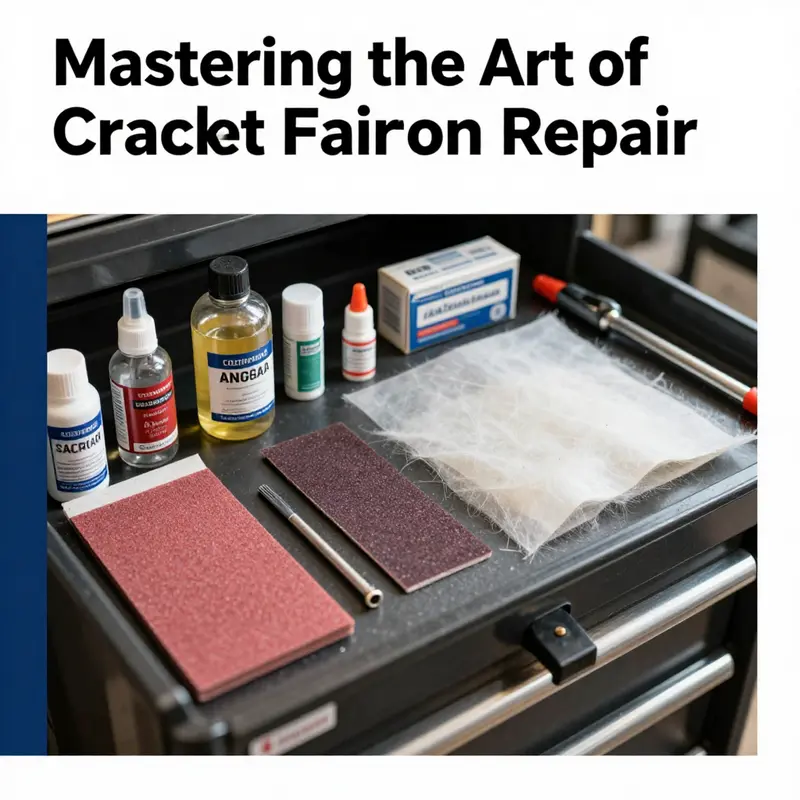
Cracked motorcycle fairings present a challenge that tests both patience and precision. They are not mere cosmetic hiccups; they can disrupt the aerodynamics of the bike, alter airflow around the engine, and make the overall appearance look worn or neglected. Yet with the right mindset, the right materials, and a careful technique, a cracked fairing can be restored so that it both looks nearly new and retains the necessary structural integrity to survive the next ride through heat, vibration, and road grime. The philosophy behind repairing a cracked fairing is simple in idea, but it requires attention to material compatibility, surface preparation, and a steady hand. The repair journey begins with an honest assessment of the damage. A hairline crack that runs along a seam is very different from a jagged fracture that compromises a curved surface. The former may respond well to a resin-based filler and adhesive, while the latter might demand a fiberglass patch reinforced with epoxy to rebuild the cross-section. The choice of approach directly informs the materials and tools you select, and it sets the tone for the rest of the process. When you step into the workshop, you should treat the repair as you would any precision job: with a clean workspace, a plan, and the discipline to follow up with careful finishing. The materials you choose must align with the plastics commonly used in fairings—polypropylene, ABS, polycarbonate, and blends of these plastics. Each of these plastics has different surface energies and bonding characteristics, so selecting a repair system that can adhere and flex without becoming brittle is crucial. In practice, most riders encounter cracks in ABS or blends that include polycarbonate. These materials respond well to plastic repair adhesives and two-part epoxy resins designed for automotive and motorcycle plastics. A common starting point is a two-part epoxy or polyurethane resin designed for bonding plastics. These resins cure to a tough, durable bond that can tolerate vibration and temperature swings without excessive stiffness. A typical two-part system is packaged as a resin and a hardener; when mixed, they create a chemical reaction that hardens into a bond capable of filling gaps and forming a structural base behind the surface. For modest cracks, a filler alone can often restore the surface. In many cases, a small crack can be filled with a resin-based putty or a 60-second universal plastic repair kit, which provides a fast-setting option that can be sanded smooth in a short window. The essential idea is to fill the void completely so that the repaired area doesn’t telegraph through the paint. When the crack is larger or there is appreciable material loss, a patch approach becomes more appropriate. A fiberglass patch, cut to fit the damaged area, can be embedded with epoxy to rebuild the surface and provide the needed strength. The fiberglass acts as a backbone, distributing stresses that might otherwise concentrate at the crack tip. The bond between fiberglass and the plastic surface hinges on the adhesive’s ability to wet the substrate and to cure without shrinking away from the edge of the patch. The materials list for this kind of repair is straightforward but deliberate. Plastic repair adhesives are the primary bonding agents. They are formulated to bind to polycarbonate, ABS, and similar plastics with enough flexibility to absorb vibrations and lengthen the life of the repair. Filler compounds are used to rebuild the recessed or damaged portions before the final outer layer is applied. Sandpaper of increasing fineness is essential to blend the repaired area into the surrounding surface. A sharp distinction exists between a repaired panel and a painted panel unless the surface is properly primed and painted. Primer is the bridge that ensures the final paint adheres evenly and conceals the repair beneath a uniform finish. The painting stage requires color-matching capability so that the repaired area disappears into the original fairing. The color-match can be achieved with spray paints that come in a wide array of shades or with custom blends by a paint shop. The final clear coat protects the finish and provides the desired texture—glossy or matte—depending on the fairing’s original look. The process is not merely cosmetic. A well-executed repair preserves the fairing’s aerodynamics, reducing drag and avoiding weight imbalances that could affect handling at high speed or during a spirited bend. It also addresses safety considerations: a brittle repair can crack again in response to heat from the radiator, sun exposure, or the flexing of the bike at highway speeds. This is why preparing the surface properly is non-negotiable. The area around the crack must be thoroughly cleaned to remove dirt, grease, wax, and silicone that could thwart adhesion. Isopropyl alcohol or a plastic-safe cleaner is ideal for this step. The surface must be completely dry before you begin sanding. A light scuff with fine-grit sandpaper—typically 400 to 600 grit—helps create a micro-mechanical anchor for the adhesive. Sanding should be gentle and even, avoiding gouges that could require more material than you want to apply. The goal is to create a surface with enough roughness to hold fast while preserving the fairing’s curvature and edge geometry. In a typical repair sequence, you start by cleaning, then lightly sanding, then applying the adhesive or epoxy into the crack. If you encounter a through-crack or a deep void, you may use a syringe or applicator tip to inject the resin, ensuring it fills the entire gap. It’s important to work deliberately, to avoid trapping air pockets that could compromise strength or create a hollow feel in the repaired area. After the resin cures according to the manufacturer’s instructions—which can range from 24 to 72 hours depending on the product—you proceed to shaping. Sand with progressively finer grits, moving from the initial 400–600 range to 800, then 1000 and up to 1500. The objective is a feathered transition where the repaired patch meets the original plastic with no visible ridges or steps. When the crack is large or the surface has missing material, a fiberglass patch may be necessary. Cut the patch to fit the shape of the damaged area, take care to align the patch with any underlying ribs or contours, and apply a thin coat of epoxy on the base surface before laying down the patch. Press the patch firmly to ensure intimate contact and remove any air pockets. Allow the epoxy to cure, then continue with sanding to smooth the patch flush with the surrounding plastic. At this stage the repair begins to resemble the final stage of restoration rather than a temporary fix. The marred area is ready for primer, a critical step that improves the adhesion of the paint and seals the repaired surface. For plastics, a specialized plastic primer is recommended; it adheres well to the polymer surface and creates a uniform base color that helps the paint obscure any subtle repaired textures. Once the primer is fully dry, you move on to color matching. The painting process should proceed in a clean, dust-free environment. Temperature and humidity should be controlled to prevent paint from drying unevenly or trapping dust. A series of thin coats yields the best results; several light layers are preferable to a single heavy coat. The goal is to achieve an even, factory-like finish that hides the repair while preserving the original look. Each coat should be allowed to dry completely before the next is applied. In the final stage, a clear topcoat is applied to protect the finish and provide the required sheen. The choice between a matte or gloss topcoat depends on the fairing’s original appearance, but gloss generally offers deeper color and a more resilient surface. A clear coat also helps resist UV damage and fading, maintaining the repaired panel’s appearance over time. Throughout the process, it is helpful to work with a consistent, patient hand. Rushing through any stage can compromise the bond, surface finish, or color match. For riders who go the extra mile, masking tape can protect adjacent panels during the repair, and gloves and eye protection keep the work safe and clean. If you’re repairing a specific model, you may encounter particular constraints—such as a curved surface that makes patch placement more challenging. In such cases, model-specific considerations matter. For model-specific considerations, such as Honda fairings, see the dedicated selection. Honda fairings offers a sense of the breadth of panels and shapes you might encounter, reminding you that the repair must respect the fairing’s geometry while delivering a seamless finish. The overarching principle is to treat the repair as a process that blends engineering with artistry: the repair must withstand heat, vibration, and weather, and the finish must look like it never happened. A successful repair is a testament to patience and discipline, two traits that separate a quick fix from a lasting restoration. If you invest the time to clean, bond, rebuild, sand, prime, and color-match, you will recover a fairing that protects the bike, preserves its aesthetics, and preserves resale value. For readers who want a structured walkthrough with visuals, a detailed, step-by-step guide is available from a comprehensive source in the motorcycle community. External resource: https://www.motorcyclecruising.com/repairing-cracked-motorcycle-fairings
Pitfalls and Precision: Mastering Crack Repairs on Motorcycle Fairings
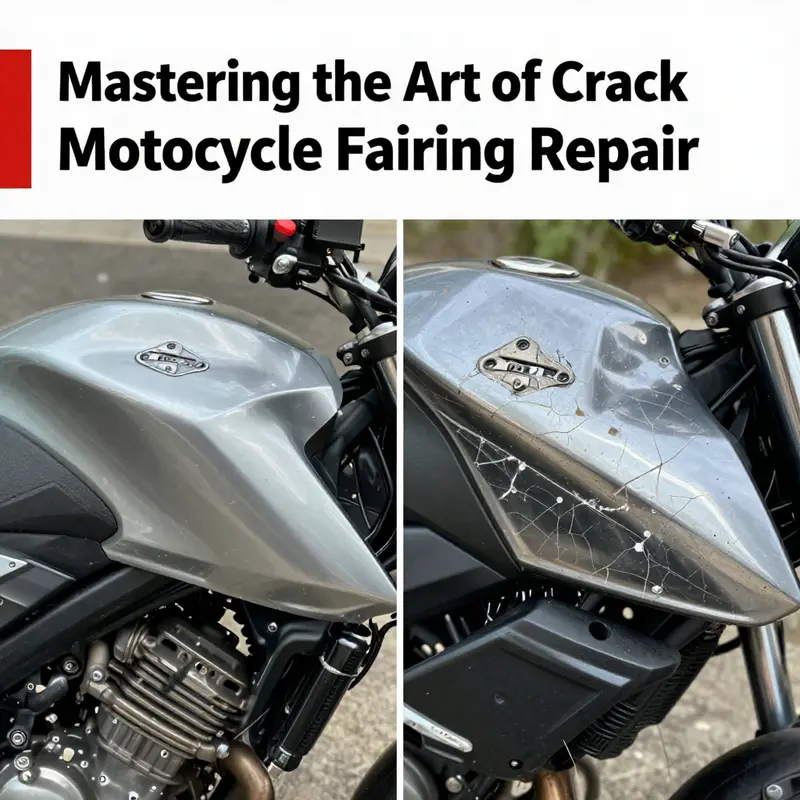
Cracked motorcycle fairings demand care beyond cosmetic fixes. A visible crack is often a sign of underlying material fatigue or hidden delamination, and a durable repair treats the crack as part of a larger system. The repair starts with thorough surface preparation: remove dirt, wax, and old paint near the crack, wipe with isopropyl alcohol, and lightly sand the area to create a clean, textured bond surface. Feather the edges to blend the repaired zone into the surrounding panel.
For small cracks, two part epoxy resin designed for plastics can seal and bond in one step when used with careful injection and clamping; cure times vary by product, so follow the manufacturer recommendations before sanding or painting. For deeper cracks or fatigued surrounding material, a fiberglass patch reinforced with epoxy provides additional strength, with the patch cut to fit, anchored, and pressed flush to the surface. After curing, the patch is sanded smooth to a uniform contour.
Finish work includes a compatible primer and color coat, with thin, even layers and careful curing to minimize sag or orange peel. Protect the repair from moisture and UV exposure with a clear topcoat, and allow full cure before exposure to riding conditions. Throughout the process, assess the fairing for overall integrity and mounting suitability; when the damage is too extensive or the panel shows signs of significant deformation, replacement may be the wiser choice.
A careful balance of structural repair and cosmetics yields a repair that looks right and performs reliably under vibration and heat. Close attention to material compatibility, curing times, and proper cleaning is essential for a lasting result. Following these steps helps ensure the repaired fairing remains an effective protective surface rather than a weak point in the rider’s safety.
From Cracks to Clean Lines: Achieving Factory-Grade Finishes in Motorcycle Fairing Repairs
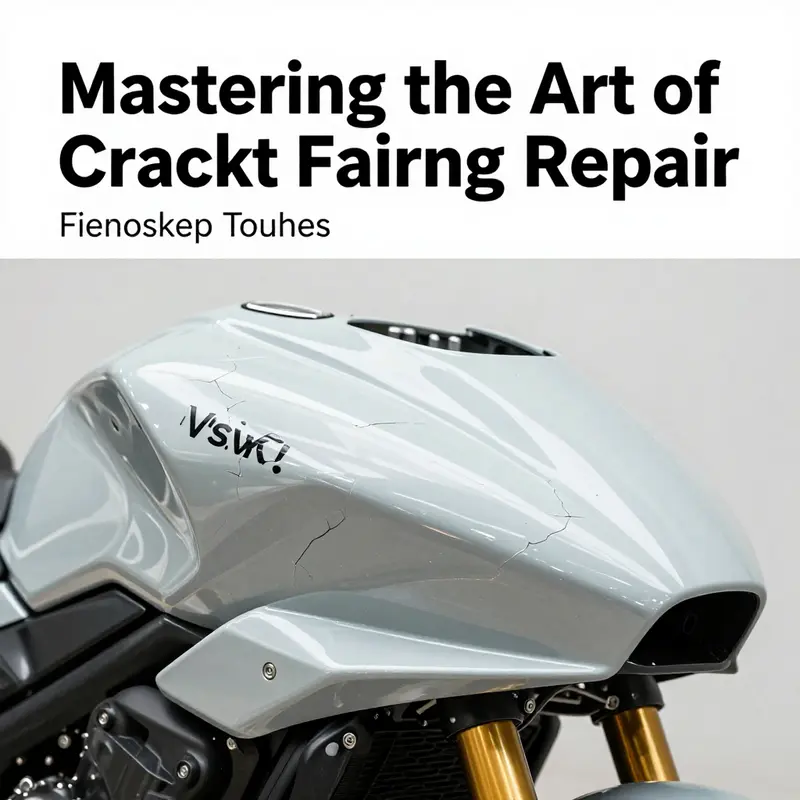
The moment a fairing cracks or spawns a dent, a rider’s eye is drawn to it as if a small fault in a sculpture has appeared on a moving, iridescent surface. Yet the goal of a repair is more than just closing a gap; it is about restoring the panel’s geometry, strength, and above all its seamless visual continuity with the rest of the bike. In the world of cracked motorcycle fairings, finish equals performance, because a surface that looks right also behaves right. A flaw in the paint or a visible seam can create drag at speed, disrupt airflow, and betray the very work you’ve put into rebuilding the panel. The work that follows an initial fix—cleaning, filling, sanding, priming, painting, and sealing—demands patience, precision, and a measured approach to texture and color. The repair must disappear when viewed from a distance, only to reveal a robust, factory-like coat when examined up close. This is the art and science of finishing touches that marry appearance with durability, and it begins with what is often the most overlooked step: surface preparation.
Start with a clean canvas. The surface around the crack must be free of wax, oil, and dust so that every subsequent material—epoxy, filler, primer, and paint—grips the plastic or composite beneath. A wipe with isopropyl alcohol is a classic, reliable choice, followed by a careful inspection of the crack’s reach. Small, hairline fissures may respond to epoxy resin when applied with a precise syringe or applicator tip, but even then you must guard against trapped air pockets. Larger cracks or more extensive damage, by contrast, frequently demand a reinforced approach. A fiberglass patch, laid with epoxy and pressed into the damaged area, provides the structural backbone that keeps the repair from cracking again under pressure, heat, and vibration. The repair becomes a two-stage dance: first restore the surface geometry, then lock in the finish that will fool the eye and withstand the road.
With the area prepared, the next act is filling. In the realm of plastic and composite fairings, a body filler or putty designed for plastics is a reliable companion for small to moderate breaks. The filler should be chosen for its compatibility with the substrate; many riders gravitate toward materials that offer good adhesion to ABS or polycarbonate blends, common in modern fairings. The application is deliberate: press the filler into the crack so it fills the entire void, then scrape away excess while the material is still workable. The aim is to create a smooth plane that sits flush with the surrounding surface. This is not a race against time; it is a measured process where the filler cures to a firm but workable state that can be shaped with confidence. The boundary between repaired and original surface should vanish as you refine the contour.
Sanding follows filling, and this is where the finish begins to reveal itself. A careful progression of grits shapes the repair into a seamless part of the fairing. Start with a coarser 240-grit paper to level the stitched seam and restore the panel’s original contour. The goal is not to obliterate the repair but to feather its edges so they taper smoothly into the neighboring surface. From there, move through finer grades—400, then 600—while frequently testing the joined area for uniformity. Each pass should remove scratches rather than create new ones; you are sculpting the repair with patience. The more evenly you sand, the less work the primer will have to do later to hide discrepancies. A block or clip-on sanding pad helps maintain a flat plane across the curved sections, preventing indents or flat spots that can catch light and betray the repair’s presence.
The priming stage is the bridge between mechanical integrity and visual perfection. For plastic or composite fairings, a high-quality automotive primer designed for plastics is essential. The primer’s job is twofold: it improves adhesion for subsequent coats and it fills minor micro-porosities left by sanding. A smooth, uniform primer layer sets the stage for a paint job that looks integrated with the rest of the bike rather than slapped on as a separate skin. Apply the primer in thin, even coats, allowing each layer to flash off and cure as recommended by the manufacturer. This patience with primer pays dividends in the color application that follows. If there is any remaining texture or tiny pinholes, a light, final skim coat of primer can vanish them and give you a pristine surface to work from.
Color matching is where the finishing work finally speaks to the rider’s eye. To preserve the bike’s original look, color accuracy matters as much as surface cleanliness. Obtain the correct paint code from the manufacturer, or rely on a professional color-matching service to replicate the precise hue. In practice, this means choosing a basecoat that aligns with the panel’s plastic characteristics and the base color family. Thin coats are the rule here. Rather than laying down a single dense coat, apply several translucent layers, letting each one set before the next is applied. This approach reduces the risk of runs and sagging, creating a glassy, even surface that reflects light as a single plane. Ambient conditions influence color outcomes as well. Work in a controlled, dust-free space and avoid direct sun, which can cause coatings to cure too rapidly and peel or craze later.
The choice of color system is not only about hue but about the finish and the life of the color. Depending on the paint system, you may need to consider a color seal or a clear base to achieve the desired depth of tone. The key is consistency across panels. Because fairings are composite and flexible, you want your tone to behave the same under heat and vibration as the original paint does. A small discrepancy in shade will be noticeable on a curved surface or a high-contrast panel line. If the bike’s fairings require multiple colors or metallic flecks, you must plan the masking and layering to maintain clear boundaries without creating hard edges that catch light awkwardly. The objective is a seamless entire-surface appearance, as if the crack had never happened.
As color cures, the clear coat becomes the guardian of the finish. A clear coat protects the pigment from UV exposure, environmental contaminants, and the wear of time and road grit. It also amplifies the gloss and gives the repaired area a factory-like rigidity. A good practice is to apply clear coats in multiple light passes, allowing each to dry thoroughly before the next. This helps prevent the classic orange peel effect, where the surface ends up looking dimpled or uneven. When clearing, you’re not merely sealing color; you are also locking in the smoothness achieved through careful sanding and the depth achieved through color layering. If you aim for a true factory look, a clear coat with a UV stabilizer and hardening properties will preserve gloss over years of sun and heat exposure and help resistant to stone chips that would otherwise etch into the paint and leave a ghost image of the old crack.
Support for the finished look also comes from texture control. Fairing surfaces vary: some sections are flat, others are sharply curved; some have subtle ridges that add aero efficiency. The finishing process must respect these differences. When sanding and priming, feather the edges along contours to preserve the panel’s original shape. The result is a surface that reads as one piece rather than a patchwork of repairs. This is not about hiding the repair; it is about integrating it so the eye travels across the panel without stopping at the repaired seam. The true test of success is not simply a uniform color, but a uniform impression of surface quality. In practice, this means you will often examine the repair under different lighting conditions and from various angles to confirm that there are no hotspots or dull patches that betray the fix.
Along the way, model-specific considerations can influence the finishing strategy. The exact primer, basecoat, and clear coat selections may vary depending on whether the fairing is a hard plastic or a composite with differing flex characteristics. For riders who want precision in color and a finish that holds up under the heat of long rides, it helps to align with the correct brand-specific catalog for fairings. For model-specific color accuracy and plastics compatibility, consult the Honda fairings catalog. This resource provides model-based guidance on color codes, primer compatibility, and finish textures that align with the original factory appearance. Honda fairings offers a centralized starting point for those working on Honda panels and seeking reliable reference points during a repair. The goal is to ensure that the final result looks like the bike’s last, factory-sprayed moment, not a repair to be noticed as an afterthought.
As the layers settle, the final polish arrives not as a replacement for careful work but as its culmination. The clear coat, once cured, can be buffed to enhance gloss. A light machine or hand polish with a gentle cutting compound can refine any minor texture inconsistencies and bring the finish to a high sheen. The key is restraint—proceed slowly, check progress, and avoid overheating the surface with aggressive buffing, which could burn through to primer or even the base color. The healthiest finishes are built on a balanced approach that respects the panel’s geometry and the paint’s integrity. In the end, the repaired area should reflect light uniformly, and the transition from repair to original surface should be nearly invisible to a casual observer.
Beyond the aesthetics, finishing touches also touch on durability. A correctly prepared, properly primed, color-matched, and sealed fairing is less prone to cracking again because the surface layers are bonded in a way that distributes stress. Small hairline cracks may reappear if the underlying reinforcement has not been adequately integrated, so when you find a crack that reappears after a brief ride, re-evaluate the repair with a fresh eye. Sometimes the fix is to reinforce in stages, adding a polyester or fiberglass patch that is tuned to flex with the panel. The combination of mechanical reinforcement and a meticulous finish ensures that the bike not only looks pristine but also retains aerodynamic integrity over time.
To close this chapter, it is useful to acknowledge that the finishing process is not a universal, one-size-fits-all procedure. It is a carefully tuned sequence—surface preparation, precise filling, controlled sanding, strategic priming, color matching, multiple thin paint coats, and a protective clear layer—that aims to render a repaired fairing indistinguishable from its unblemished siblings. The best finishes are the ones you hardly notice, created through deliberate technique, patient curing, and an eye trained to detect any unevenness in tone or texture. The broader guidance cataloged in detailed step-by-step references remains a valuable companion for those who want a deeper dive into the mechanics of repair. For a comprehensive, step-by-step reference, see the external resource linked at the end of this discussion. In the end, a cracked fairing repaired with care becomes not just a surface restoration but a renewed sense of balance and speed where form and function meet in every line of the bike’s silhouette.
External resource for deeper guidance: https://www.motorcyclecouncil.com/repair-cracked-fairing-step-by-step-guide
Final thoughts
Mastering cracked motorcycle fairing repair not only enhances the aesthetic appeal of a bike but also ensures its structural integrity. By employing essential techniques, utilizing the right materials, and avoiding common mistakes, business owners can deliver quality repairs that elevate customer satisfaction. The finishing touches are equally important, as they create a professional look that speaks volumes about your service quality. As you implement these insights, you will reinforce your reputation as a trusted expert in motorcycle maintenance.