
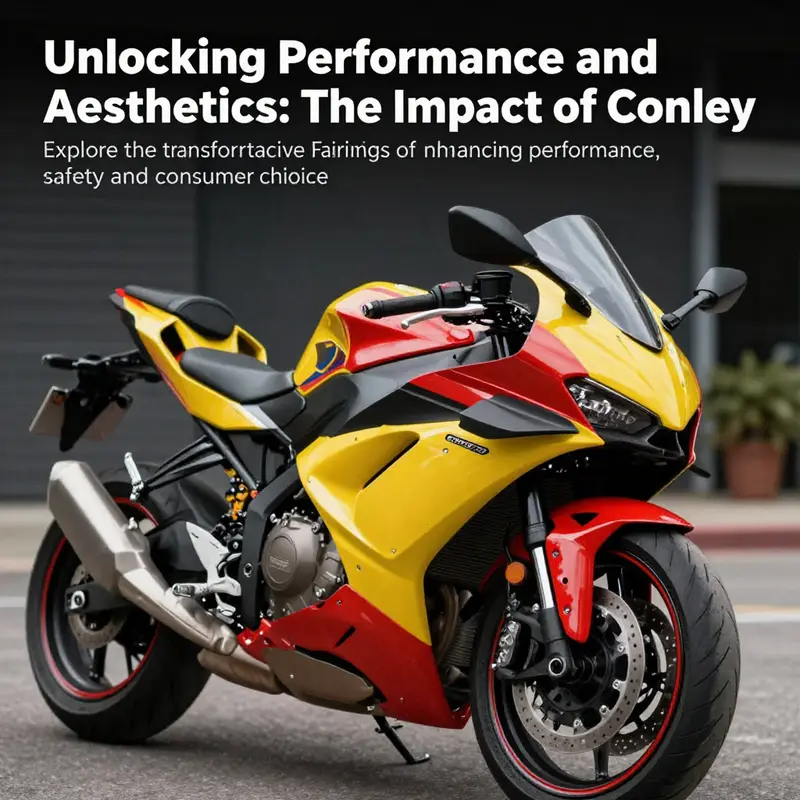
Conley motorcycle fairings are pivotal components in both aesthetics and performance in the motorcycle industry. With a diverse range of products available online, motorcyclists can enhance their rides and optimize performance through tailored solutions. Fairings provide essential protection against elements while reducing aerodynamic drag. This article dissects Conley’s market presence, technical specifications, economic trends, performance improvements, and consumer buying habits to provide business owners with a comprehensive understanding of the significance of these motorcycle fairings. Each chapter dives deeper into the holistic narrative surrounding the fairings, demonstrating how they can influence business strategies and customer satisfaction in the aftermarket industry.
Riding the Market: The Global Sourcing, Performance, and Promise of Conley Motorcycle Fairings
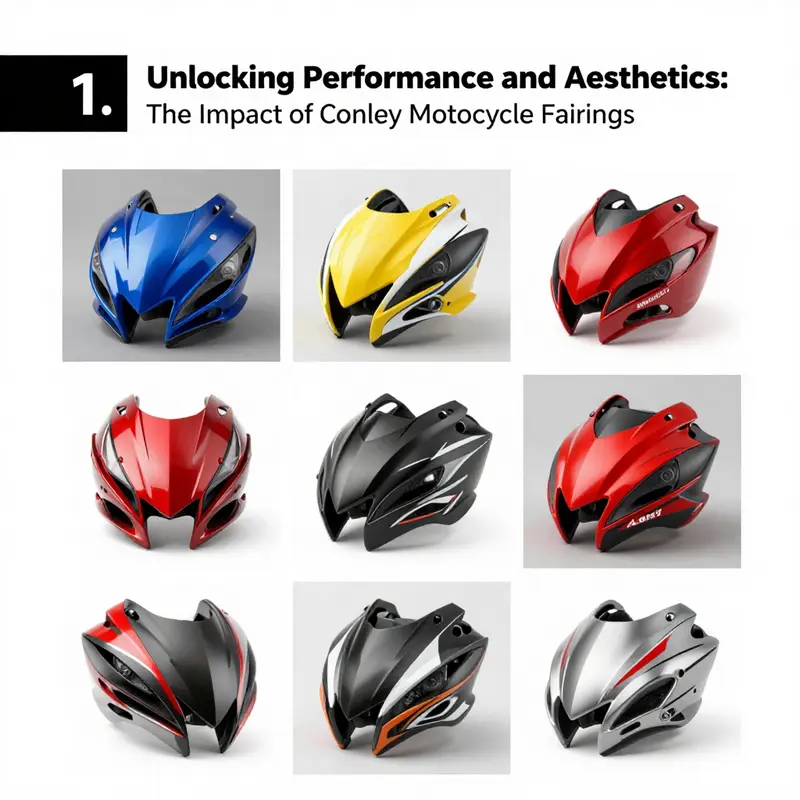
Across the gleam of showroom silhouettes and the spray of online storefronts, Conley Motorcycle Fairings sit at the intersection of style, aerodynamics, and the logistics of a global aftermarket. This chapter follows not just a product line, but a way of thinking about how fairings shape the riding experience. They are more than plastic or composite shells. They are the first line of defense against wind fatigue, the visual signature that makes a bike instantly recognizable, and a variable in the delicate balance between lightweight performance and structural protection. When riders search for a fairing kit, they are not simply choosing a cosmetic upgrade; they are selecting a set of materials, manufacturing origins, and fit guarantees that determine installation ease, wind tunnel potential, and long-term durability. Conley’s presence in major online marketplaces marks a practical convergence: breadth of offerings paired with a confidence system that helps riders feel secure purchasing parts that must align with exact model specifications.
The core appeal of Conley’s fairings lies in the breadth of the product range and the clarity of its market positioning. A black-dominated palette—materials that can be finished with high-gloss protection or gloss-muted to suit multiple bike aesthetics—serves as a versatile canvas for customization. This emphasis on a broad, adaptable aesthetic aligns with the needs of riders who want to preserve the clean lines of a sportbike or scooter while still injecting personal style through color, texture, and detailing. Yet beneath the surface visual impact lies a more consequential truth: the same system that governs visual appeal also governs aerodynamics, influence on drag, and the rider’s comfort at highway speeds. Fairings influence how air flows around the frame, rider, and engine, shaping noise, vibration, and fuel efficiency in practical, rideable ways. The human experience of speed is as much about how the profile manages air as about how it looks when parked or photographed.
On the topic of market access, the online ecosystem has become a critical accelerant for fairing adoption. Platforms like eBay—where Conley’s products occupy a space marked by a guaranteed fit feature—perform a crucial role. The guaranteed fit reduces a common friction point for aftermarket purchases: the risk that a part won’t match a specific model’s geometry. This assurance, paired with competitive pricing and a massive selection, lowers the barrier to experimentation. Riders who might test-fit a new fairing on a weekend project can commit with confidence, knowing that return policies, compatibility checks, and documented fit notes make the process more predictable. The ability to browse a wide variety of styles, brands, and materials in a single, user-friendly channel is a practical advantage that translates into real-world adoption, particularly among hobbyists who treat their bikes as evolving art projects.
To understand the physical reality of what makes Conley fairings viable, one must consider the materials that populate the modern aftermarket. ABS plastic, fiberglass, and carbon fiber composites are the most common building blocks. ABS offers impact resistance and ease of molding, a forgiving option for first-time fairing installers. Fiberglass provides a middle ground, balancing stiffness and cost, with predictable repair behavior after a crash or abrasion. Carbon fiber, the premium curatorial choice, offers remarkable stiffness-to-weight ratios that can improve throttle response and reduce unsprung mass in some configurations. The material choices have ripple effects: mass reduction supports improved handling, while stiffness can influence stability at high speeds. These material properties interact with the rider’s weight distribution, riding style, and the overall architecture of the bike. In a marketplace that promises both performance and aesthetics, these materials become the dial settings that riders tune to their own needs.
Beyond materials, the global supply chain powering Conley’s fairings traces a familiar yet evolving map. Guangdong’s footprint as a high-volume production hub speaks to efficiency, scale, and export reliability. In Ruian, precision engineering for aerodynamic detail ensures that complex shapes—vents, scoops, and sculpted lines—meet tight tolerances. Fujian’s export capability, with an eye toward international standards, supports rapid time-to-market and smoother cross-border distribution. These regional strengths do not imply a single source; rather, they illustrate how a contemporary aftermarket ecosystem leverages multiple nodes to deliver consistency, even as demand fluctuates with seasons, model-year resets, and competitive pricing. The result is a dynamic marketplace where a rider can source a model-specific kit without sacrificing the peace of mind that comes from standardized compliance and predictable delivery windows. This is not merely about parts; it is about a seamless experience of selection, purchase, and installation that accommodates casual hobbyists and serious builders alike.
The chapter’s examples of model-specific logistics—such as the possibility of sourcing components for the 2003 GSXR 1000 or a contemporary Click 125—underscore how the supply chain serves a diverse rider base. The availability of model-aligned fairings depends on a blend of factory-mass-produced panels and more bespoke, hand-finished sets. Even as the main thrust remains broad, there is a quiet, methodical attention to tailoring. The rider who wants a fairing that preserves original silhouette and intake geometry will gravitate toward kits designed to match those exact contours, while others may opt for more aggressive, wind-deflecting shapes. The market thus thrives on a spectrum—from faithful replicas to reinterpretations that optimize airflow in a rider’s specific climate or riding posture. Here, the value proposition of Conley’s fairings is not only in the parts themselves but in how the parts arrive, fit, and behave once mounted.
As the market for aftermarket fairings grows, the economic narrative becomes intertwined with innovation and consumer behavior. The United States market, projected to reach a substantial scale in the mid-2020s, reflects a confluence of customization zeal and performance awareness. This momentum is amplified by the adoption of advanced materials and manufacturing techniques, including progress in carbon fiber composites and lighter alloys, which extend the performance envelope for sport and street bikes alike. The trend toward lighter, stiffer, more aerodynamically efficient components dovetails with evolving motorcycle design, where even small reductions in drag or weight can translate into measurable gains in acceleration, cornering stability, and fuel efficiency. For riders who view their machines as evolving platforms, the aftermarket fairing becomes an instrument of iterative improvement, enabling experimentation with look, function, and weight distribution without the cost of a full bike swap.
Conley’s market position, as described, reflects a broader industry shift toward accessible, scalable customization. The combination of platform-based distribution, compatibility guarantees, and a vast catalog aligns with consumer expectations for speed, reliability, and ease of use. The strategic value lies in how the brand leverages digital marketplaces to present a coherent story: a massive selection of parts, a clear path to compatibility, and a focus on quality and variety that resonates with riders who value both performance and personal expression. This is not simply about selling parts; it is about enabling a culture of modification and refinement where each rider’s fairing choice contributes to a more efficient, more expressive riding experience. In this sense, Conley’s fairings exemplify how modern aftermarket ecosystems operate—through global manufacturing networks, trusted e-commerce platforms, and a shared understanding of what riders want from their machines: protection, performance, and personality, all in one crafted shell.
The storytelling around fairings, then, becomes a narrative of access and assurance. The availability of model-specific kits, the possibility of verifying fit before purchase, and the ability to compare materials and finishes across a broad spectrum are powerful incentives for riders to engage with the aftermarket. This broad engagement has a consequential ripple effect on riders’ confidence to push performance boundaries, knowing the bodywork can be swapped, repaired, or upgraded with relative ease. It also reframes the fairing as a performance feature rather than a purely cosmetic upgrade. When designers and builders respond to consumer demand for lightweight, aerodynamically efficient panels, the resulting products become catalysts for better handling, more precise steering, and more efficient energy use across varied riding contexts. The end result is a market that aligns aesthetics with physics, style with function, and choice with confidence.
For readers seeking further exploration beyond this chapter’s scope, a representative look at related brand-specific categories in the wider motorcycling aftermarket can be found in dedicated product collections that illustrate how these components are organized by model family. This linkage serves as a practical anchor for those curious about how the same principles apply across different makes and generations. Honda fairings provides a concrete example of how a broad catalog translates into model-specific fit, balance, and visual identity within the larger ecosystem of aftermarket parts.
External references for deeper context on the global manufacturing and distribution landscape reinforce the narrative here. For readers who want an external snapshot of how these parts circulate in open marketplaces and what riders can expect in terms of availability and pricing, see the online listing that aggregates Conley-style fairings across a wide range of models and buyer expectations: eBay listing for Conelys motorcycle fairings.
In sum, Conley Motorcycle Fairings sit at a crossroads where design intent, material science, and global logistics converge. The story is not simply about selling panels; it is about enabling riders to sculpt performance through form, to refine their riding experience with a trusted fit, and to participate in a culture of interchangeability that makes innovation affordable and accessible. The market presence, the production geography, and the e-commerce dynamics together create a practical blueprint for how aftermarket fairings contribute to both the look and the performance of motorcycles worldwide, and how riders, dealers, and makers navigate this vibrant and evolving landscape.
Shells of Speed: Materials and Engineering Behind Conley Motorcycle Fairings
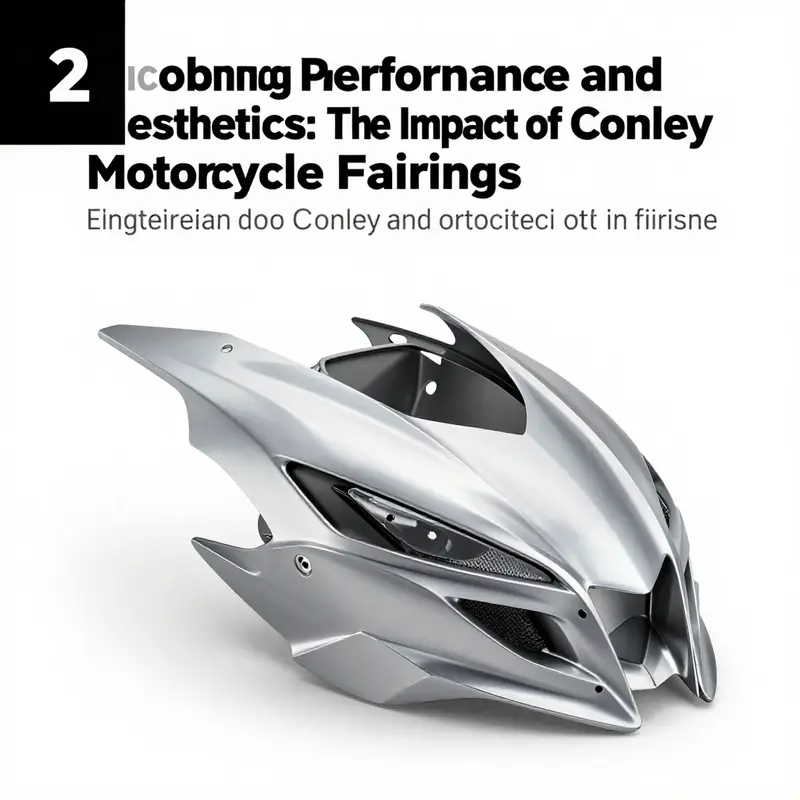
Conley motorcycle fairings sit at the intersection of form and function, where aesthetics meet aerodynamics in a compact, manufacturable package. Far from being mere skins slapped over a frame, these shells embody a careful balance of materials, engineering discipline, and practical constraints that together shape how a bike cuts through air, withstands road hazards, and carries the rider’s confidence. In this chapter, the conversation moves beyond surface gloss to the structural and physical decisions that drive performance. The result is a narrative in which material science, design workflows, and real-world riding demands converge, revealing why certain plastics and composites dominate the aftermarket and how those choices trickle down to every twist of the throttle.
At the core of most Conley fairings is ABS plastic. This material has become the workhorse of modern motorcycle fairings for good reason. ABS blends durability with impact resistance in a way that suits mass production and consumer-level repair. It tolerates the kind of road hazards that can dent a panel or crack a lightweight section, while still offering enough rigidity to hold an aerodynamic profile under wind pressure. The property profile of ABS—the stiffness that keeps a fairing from flapping at speed, the toughness to absorb hits, and the cost efficiency of injection-molded manufacturing—has made it the default choice for a broad swath of aftermarket components. For riders, ABS translates into a reliable shell that can be repaired or touched up without specialized equipment, preserving both performance and appearance after a bruising encounter with a pothole or road debris.
Yet no single material can address every function required of a fairing, and the engineering team behind Conley products often reserves polycarbonate for parts where optical clarity, impact resistance, and UV stability are paramount. Consider the windshield or headlight covers—the translucent skins that must not distort vision or yellow with time. Polycarbonate offers exceptional shatter resistance and, when treated, strong UV stability. It can maintain transparency under repeated sun exposure and temperature cycling, a property that complements the engine and rider protection roles of the surrounding ABS shells. The downside, however, is that polycarbonate comes with a higher manufacturing cost and a greater susceptibility to scratching if unprotected. When designers use polycarbonate, they are often prioritizing visibility, wind deflection in critical zones, and long-term clarity over raw cost or ease of repair. The thicker, more vision-critical components reflect a broader philosophy: tailor the material to the job rather than shoehorn a single material into every role.
In parallel with these plastics, some Conley fairings explore the robustness of fiberglass composites for specific builds and niche applications. Fiberglass can deliver excellent crack resistance, high rigidity, and a clean stiffness-to-weight ratio that benefits certain aerodynamic envelopes. It also opens the door to bespoke shapes and custom finishes that mass-produced ABS panels might struggle to achieve. Yet fiberglass is less common in mainstream aftermarket lines because of its more involved manufacturing processes and higher unit costs. It demands skilled layup work, careful hand finishing, and more stringent quality control to ensure a consistent surface and fit. For enthusiasts chasing unique aesthetics or high-performance demands, fiberglass remains a tool in the kit—one that must be deployed with a clear understanding of its trade-offs.
Beyond the raw materials, the engineering philosophy behind Conley fairings emphasizes a holistic approach to aerodynamics and rider safety. Aerodynamic efficiency is not merely about a sleek silhouette; it is about shaping a flow that minimizes drag, reduces turbulence around the rider, and guides air to where it serves cooling, stability, and engine protection best. The fairings are designed to deflect wind away from the cockpit, reducing rider fatigue on long rides and enabling more precise handling at high speeds. That emphasis on wind management dovetails with the protection role of the shell. Fairings shield intricate components—the engine, wiring harnesses, radiator circuits, and electronics—from road spray, debris, and the unpredictable gusts that can unsettle a motorcycle mid-corner. This protective function becomes more complex as fairings must marry with the bike’s frame and electrical architecture, ensuring that fast, clean lines do not disrupt sensors, wiring harness routing, or the heat pathways needed by the engine bay.
Designing a fairing with these ambitions requires more than an artisanal touch; it depends on a disciplined engineering workflow. CAD modeling forms the backbone of the virtual design, allowing engineers to explore aerodynamic contours, mounting interfaces, and structural ribs with precision. The workflow often extends into wind tunnel testing or computational fluid dynamics (CFD) simulations to quantify drag coefficients and refine the laminar-turbulent transition along the panel surfaces. The aim is to reduce drag while preserving stiffness and impact resistance. In practical terms, this translates into fairings that stay firmly attached in at-speed gusts, distribute loads in a predictable manner when they encounter road hazards, and avoid introducing unwanted resonances that could amplify vibration through the handlebars or seat. The result is a shell that not only looks correct but also behaves predictably in the real world.
An integrated design philosophy also means anticipating dynamic interactions with the motorcycle’s systems. Fairings must align with the bike’s frame geometry, accommodate fairing stay points, and clear essential components such as the radiator, exhaust routing, and electrical connectors. The materials chosen influence how those integrations are managed. ABS panels tolerate a degree of flex without cracking, which helps when fitments are made to slightly different frame tolerances. Polycarbonate parts, with their higher stiffness and optical properties, demand more careful alignment and surface finishing to maintain clarity and prevent stress concentrations around mounting holes. Fiberglass, while capable of being formed into complex shapes, often requires more careful bonding and finishing work to preserve a seamless exterior and to maintain joint integrity with mating panels. In short, material selection drives not just surface appearance but the entire assembly process—from how panels are joined to how they respond to thermal and mechanical loads during operation.
The practical implications for owners and builders extend to fitment, finish, and repair. Mass-produced ABS panels are forgiving in a layup or mild collision environment; re-spraying, patching, or reshaping panels can be feasible in a home workshop. For components that rely on optical clarity or higher rigidity, such as windshields or light covers, care is required to avoid abrasions or UV-induced yellowing, which argues for appropriate coatings or protective films. The aftermarket ecosystem, including platforms where Conley fairings are sold, benefits from a mix of standardized tolerances and custom-fit options. A key challenge is balancing the generality of the design with the specificity needed for particular models or generations. The best aftermarket offerings align with the OEM’s mounting geometry and help riders preserve the intended aerodynamics and aesthetic without compromising safety or functionality. Within this ecosystem, one can find a breadth of parts tailored to different brands and models, illustrating how the philosophy of material choice and engineering translates across a spectrum of motorcycles. For a sense of the breadth of available fairings, the Honda fairings catalog offers a representative example of how such components are organized for fitment and styling, providing a sense of how these shells scale across different bikes. Honda fairings catalog.
As a broader backdrop, the discussion of Conley fairings sits alongside a growing recognition in the riding community that aftermarket bodywork is a consequential hardware choice. The materials and design decisions carry implications for safety standards, regulatory compliance, and long-term ownership costs. Durable panels can extend the life of a bike’s bodywork, preserve resale value, and improve ride quality by maintaining consistent aerodynamics across a rider’s experience. Conversely, mismatched or poorly finished panels may introduce small, cumulative compromises—gaps that allow turbulent air to reach sensitive components or paint that chips easily and becomes a maintenance liability. The balance is not only about obtaining a cool look but about ensuring that the shell contributes positively to the bike’s performance envelope, efficiency, and reliability over the course of thousands of miles.
In wrapping these ideas together, the technical core of Conley motorcycle fairings rests on a triad of material behavior, aerodynamic intent, and integration discipline. ABS provides a robust, economical base; polycarbonate supplies clarity and resilience where optics and visibility matter most; fiberglass offers a bespoke option for specialized builds. The engineering workflow—modeling, simulation, and wind-informed iteration—translates those material choices into a shell that behaves under pressure as well as it looks in the showroom or on the trail. The result is a family of fairings that can protect, streamline, and adorn a motorcycle without forcing riders to surrender durability or safety. This synthesis—materials tuned to function, fuels refined by simulation, and a market that rewards compatibility and performance—defines the contemporary Conley fairing landscape. For readers seeking a broader primer on how fairings are chosen and evaluated, a comprehensive guide on motorcycle fairings offers additional context and is worth a careful read to augment these specific material and engineering insights. External resource: https://www.bikeexif.com/motorcycle-fairing-guide.
Riding the Numbers: How Pricing and Market Trends Shape Conley Motorcycle Fairings in a Global Aftermarket
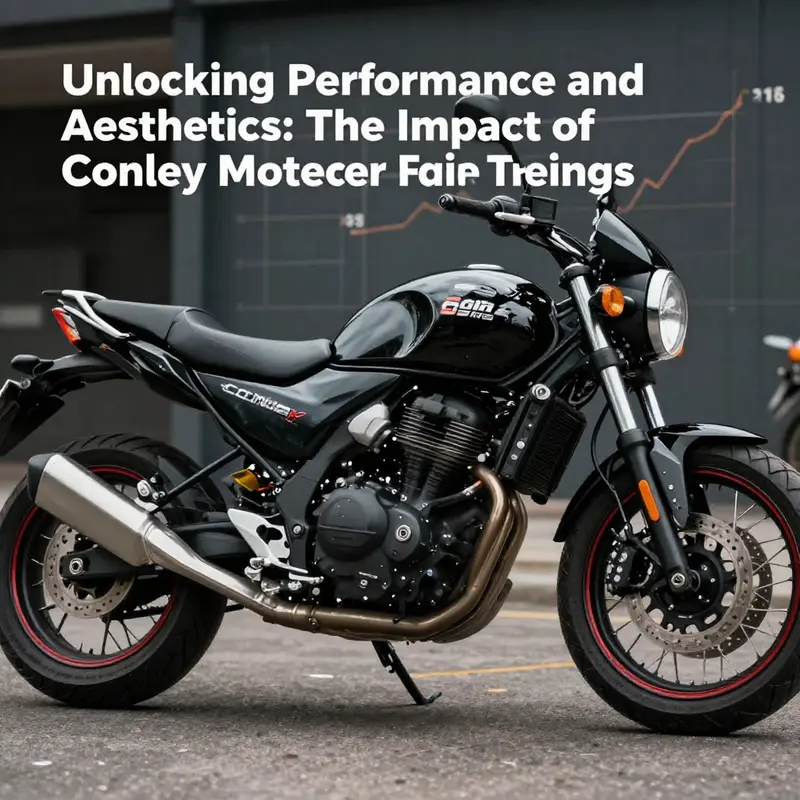
Fairings are often seen as the skin and silhouette of a motorcycle, but in truth they are a hinge between engineering, aesthetics, and economics. They protect essential components, influence aerodynamics, and define a rider’s sense of identity on the road. When we examine Conley-style aftermarket fairings through the lens of pricing and market trends, the narrative becomes a study in how cost structures, consumer choices, and supplier strategy converge to shape what riders see on shop fronts and in listings, and how those choices ripple through the broader economy of the motorcycle aftermarket. The chapter that follows avoids chasing a single brand story. Instead, it places Conley’s offerings within the larger market for plastic and fiberglass fairings, and explains how pricing and market dynamics emerge from material choices, model compatibility, distribution channels, and shifting consumer expectations.
To frame the economic backdrop, the global motorcycle fairing market reached a substantial scale in recent years. Market analysts reported a value around USD 6.84 billion for 2025, signaling a mature, highly competitive segment. The projection of a compound annual growth rate (CAGR) of about 12.82 percent from 2026 to 2033 points to a sustained appetite for performance, aesthetics, and safety enhancements in motorcycles. Those numbers matter not just for manufacturers but for retailers and online marketplaces that host a broad catalog of fairings, body kits, and related accessories. They hint at a market that rewards innovation and efficiency while rewarding brands that can balance price discipline with features that riders actually value in daily use and long rides.
Yet numbers are only one side of the story. The economic environment described by industry observers suggests favorable conditions for manufacturers and suppliers in the aftermarket. A growing demand for lighter weight components, more integrated aerodynamics, and better finish quality translates into a willingness among riders to invest in upgrade parts. This creates opportunities for brands that control fitment accuracy, surface durability, and color stability. However, the specific pricing strategies and market positioning of individual names like Conley remain under-documented in the accessible literature. This absence is not a sign of weakness; it reflects the reality that precise price points for a single brand in a fragmented, online-driven market often require direct input from the manufacturer or access to specialized industry intelligence.
Despite the gap in brand-specific data, the broader market context illuminates how Conley-style offerings navigate pricing. Fairing kits vary widely in price, due largely to differences in scope, materials, and finish. A full fairing kit for a modern sportbike, for example, can carry a premium if it uses high-gloss finishes, UV-resistant coatings, or composite materials that imitate carbon fiber while keeping costs manageable. Lighter, easier-to-install panels may be cheaper, but buyers weigh those savings against potential fitment challenges and longer installation times. The price ladder often includes base kits, partial replacements, and add-on components like windscreen replacements or color-matched accents. Understanding this structure helps explain why a seller may position a Conley-like line as offering a balanced mix of value and performance rather than chasing the lowest price alone.
The online marketplace dynamic amplifies competitive pricing, even as it raises consumer expectations for reliable fit and finish. Platforms that host a wide array of aftermarket parts create tiers of price and quality, from entry-level plastics that may require more careful handling during installation to higher-end composites with refined surface textures. For buyers, the trade-off is typically between upfront cost and perceived long-term durability, ease of replacement, and the ability to personalize the appearance of a bike without compromising safety and performance. Sellers, in turn, must manage expectations around shipping costs, return policies, and the risk of counterfeit or substandard components. The ability to compare options quickly across dozens of listings has shifted the emphasis from single-brand loyalty to a more nuanced assessment of total value, including after-sales support, warranty terms, and the credibility of the seller.
From a pricing strategy perspective, contextual signals suggest that Conley-style fairings fit into a tiered approach. A lower-cost option may attract riders seeking to refresh the look of an older machine or to experiment with color schemes without a large financial commitment. Mid-tier offerings often include better fitment guarantees and more durable finishes, appealing to riders who plan to rack up kilometers or track days. Premium lines, when available, may emphasize bespoke finishes, carbon-like textures, and highly accurate reproductions of original styling. In all cases, the value proposition hinges on more than the sticker price: compatibility, ease of installation, and the assurance that the part will behave as expected under varying weather and road conditions.
For practitioners and researchers, the pricing conversation benefits from considering not just the sticker price but the total cost of ownership. Shipping logistics, return windows, and potential import duties can swing the overall expense, especially for riders ordering from distant suppliers or marketplaces. The economics of scale also matter. Larger inventories, efficient sourcing, and streamlined manufacturing processes enable sellers to offer more aggressive prices on common models while preserving margins on specialty or limited-run finishes. In a market where a single listing can influence perceptions of quality, sellers have an incentive to invest in product photography, detailed fitment notes, and transparent documentation about materials and curing processes. All of these elements feed back into pricing by reducing perceived risk and shortening the decision time for buyers.
The convergence of pricing and market trends has practical implications for Conley-like brands, even when direct data about their pricing remains opaque. Marketers should think in terms of value narratives that resonate with riders who care about both form and function. A compelling offer might couple a fairing kit with a color-matched windscreen, a set of gaskets, and a simplified installation guide that minimizes the risk of damage during mounting. Bundling strategies can help buyers feel that they are getting more for their money, while ensuring that the perceived quality aligns with the price tier. Beyond bundles, retailers can differentiate through service quality—clear fitment guidance, post-sale support, and accessible warranty terms—which sunken costs in service can justify higher price points without deterring buyers.
The chapter would be incomplete without acknowledging the material dimension that underpins both cost and performance. Fairings are typically plastic or fiberglass coverings that shield internal components and shape airflow. The choice of material affects manufacturing cost, weight, rigidity, and finish durability, all of which influence price. Plastic solutions can be cheaper and easier to mold but may require more robust coatings to resist scratching and UV degradation. Fiberglass can offer strength and a more premium feel at a different price point, while carbon fiber-like finishes deliver a perception of high performance that can command premium prices even if the underlying material is a cost-effective alternative. For riders evaluating Conley-like offerings, the material story helps explain why two kits with similar external looks can diverge in price by a meaningful margin.
Another layer to consider is model compatibility and accuracy of fit. Proper fitment reduces installation time and the likelihood of field issues, which in turn lowers after-sales costs for sellers and increases customer satisfaction. When a kit aligns with a broad range of models and years, the seller can target a larger audience without fragmenting the catalog into tiny, price-quiet niches. Conversely, highly specialized or model-specific kits often carry higher price points, reflecting the added design and testing work required to ensure seamless integration. This dynamic contributes to the observed market pattern: a mix of broadly compatible offerings and selective, premiumized lines. Buyers weigh the risk of mismatch against the appeal of a perfect, factory-like appearance.
For readers seeking a concise geographic and channel perspective, the online ecosystem remains central. Global reach expands price competition and accelerates the diffusion of best practices in fitment documentation and customer service. But it also raises questions about quality control across borders. As the market grows, more riders will demand reliable information about material composition, thickness, and finish durability before committing to a purchase. The evidence points to a future where manufacturers and retailers who invest in transparent specifications and rigorous testing can justify higher price tiers and lower perceived risk, even as they compete with more aggressively priced entries in the same category.
To connect the discussion to practical navigation within the online catalog landscape, readers can explore the broader category space for fairings on a dedicated listing hub, such as the 2023new category, which aggregates newer catalog entries and reflects evolving styling and technology trends. See 2023new fairings for a snapshot of how fresh designs and finishes appear in the marketplace and how they influence consumer expectations around pricing and perceived value.
In sum, the economic story of Conley-style motorcycle fairings in the aftermarket is one of balancing price against performance perception, fit, and service. The broad market signals—valued around several billion dollars with a robust growth trajectory—support a resilient environment for brands that can articulate clear value. While precise banded pricing for a specific brand may not be publicly available, the compounds of material choice, fitment, finish, and channel strategy shape how riders evaluate and purchase these parts. A successful positioning strategy will couple competitive pricing with credible quality, transparent specifications, and robust post-sale support. As the market continues to mature, the ability to deliver consistent value across a spectrum of models and customer needs will determine which players in the Conley-like space sustain growth and which struggle to convert demand into repeat buyers.
External resource: For broader context on market dynamics, see Market Research Future’s Motorcycle Fairing Market report at https://www.marketresearchfuture.com/reports/motorcycle-fairing-market-2357.
Tuned Air, Tight Lines: How Conley Motorcycle Fairings Recast Speed, Safety, and Style
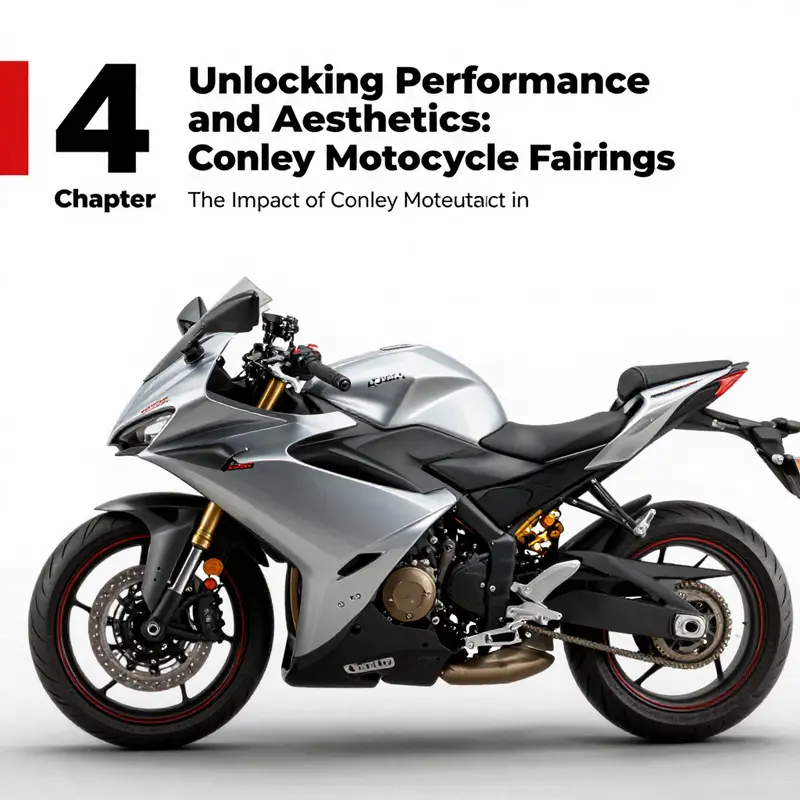
Fairings on motorcycles are more than decorative shells; they are aerodynamic instruments and protective enclosures that shape how a machine meets the road. In the ecosystem of the aftermarket, Conley motorcycle fairings stand out for their breadth of application and their claimed emphasis on both performance and resilience. These components, typically crafted from lightweight plastics or fiberglass, wrap the bike’s silhouette and work to streamline flow around the chassis, engine, and exhaust. The result is a dual promise: a cleaner path through air that translates into measurable performance gains, and a shield that helps keep essential parts—engine electronics, wiring, and exposed surfaces—safer from road spray, debris, and weather. When mounted via careful fitment, Conley fairings contribute to a rider experience that feels more controlled at speed, and more predictable in rain or wind. Their availability on broad platforms like online marketplaces further accelerates how riders approach customization, allowing an individual to balance aesthetics with function without sacrificing access to a wide range of sizes, styles, and bike-specific contours.
At highway speeds, where drag becomes a dominant factor shaping fuel economy and top-end performance, a well-designed fairing profile matters as much as the rider’s input. Conley fairings are positioned in the narrative of modern sport and street riding as enablers of reduced drag through a streamlined silhouette. The idea is straightforward: by shaping the upper and lower surfaces of the bike into smoother, more continuous lines, the air has a cleaner path to travel. This reduces the energy required to push the motorcycle through the air, which, in practical terms, can translate into better fuel efficiency and a higher potential top speed for riders who spend time cruising past the 60 mph mark. The sensation for the rider is often subtler than it sounds—a steadier ride with less wind buffeting, which translates to reduced fatigue on long journeys and a greater sense of control during sustained acceleration or sudden gusts. In a market where riders chase both speed and comfort, that balance matters.
From a safety perspective, fairings also function as protective envelopes for the machine’s core components. They shield the engine bay, exhaust system, and electrical harnesses from road debris, water intrusion, and abrasive dust. The protection they offer can mean fewer maintenance surprises and longer service intervals, especially in rough-weather riding where water ingress or gravel impacts might otherwise escalate wear. It is worth noting, however, that while fairings do a lot to defend hardware, they do not substitute for direct rider wind protection—most fairings are designed to shield the machine rather than provide full shielding for the rider’s torso and helmet. Yet many Conley designs integrate wind deflectors or adjustable elements that subtly redirect airflow around the rider, easing shoulder and neck strain during extended high-speed cruising. Those design cues reflect a broader engineering philosophy: the object is not merely to look sleek but to actively shape the flow in a way that enhances overall stability and rider confidence.
The engineering logic behind these performance claims rests on a careful study of how two-wheeled aerodynamics behave in real-world conditions. Designers examine how air wraps around the bike, where vortices form at the trailing edges of panels, and how pressure differentials influence steering feel and high-speed stability. The result is a focus on precise geometry—corners that round rather than pinch air, surfaces that avoid sharp transitions that invite turbulence, and fairings that maintain consistent boundary layers as the motorcycle angles through turns or slices through crosswinds. This design discipline has clear echoes in broader engineering research, which emphasizes that even modest improvements in drag coefficients can yield meaningful gains in efficiency and ride quality. For readers who want a deeper dive into the science behind these aerodynamic effects, a rigorous engineering reference offers a broader context for how such modifications translate into measurable performance outcomes.
Material choices also shape how these fairings perform under stress. Conley fairings typically employ durable plastics or fiberglass, materials that strike a balance between rigidity and impact resistance. The advantage of plastics lies in their ability to be molded into complex geometries that follow the bike’s lines with a high degree of accuracy, which matters when you’re trying to minimize gaps that could channel air into undesirable wake regions. Fiberglass, on the other hand, can offer added stiffness and toughness in more demanding outdoor environments, where UV exposure and temperature swings test the longevity of the shell. The tradeoffs matter to riders who ride in all-weather conditions and those who haul their bikes to track days or long tours. A well-made fairing also accommodates mounting tolerances and fasteners that keep panels aligned through vibrations and thermal cycles, maintaining a coherent surface when the bike is in motion and when it is stationary.
The practical implications of Conley’s approach extend beyond raw speed or protective function. The broad availability of these components through online marketplaces introduces both opportunity and risk for the consumer. Riders can compare fitment across models, styles, and finishes with a level of granularity that wasn’t possible a decade ago. The ease of access encourages experimentation—swapping from a sportier full fairing to a leaner half fairing for city commuting, or selecting colorways that echo a rider’s personal taste. Yet this same abundance calls for informed decision-making. Compatibility remains a key consideration: the fairing’s geometry must align with the bike’s frame, mounting points, and bodywork lines to avoid interference with wheels, suspension, or braking hardware. Finish quality, paint compatibility, and warranty coverage are equally consequential, since the aesthetic and protective features depend on meticulous fabrication and correct installation.
Within this marketplace-rich landscape, a notable thread runs through the catalog of bike-specific panels and kits. The bike community benefits from dedicated online categories that curate fairings by brand or model, offering a clear path to parts that fit the rider’s exact machine. For example, a specific category that highlights BMW fairings presents a collection of panels tailored to the manufacturer’s geometry, helping riders maintain the stock silhouette or push toward a personalized interpretation without sacrificing fit. Such a curated approach underscores an important point: the value of a fairing often derives as much from how well it integrates with the bike as from its aerodynamic form. For readers exploring this topic, the BMW fairings category serves as a concrete example of how precision and compatibility shape the aftermarket experience. BMW fairings category
As the research and design practice around Conley fairings continues to mature, the conversation naturally broadens to the relationship between aesthetics, aerodynamics, and rider experience. The visual language of a fairing—the way it frames the motorcycle’s profile—can influence perceived performance, especially when the rider engages with wind-tueled highway speeds. The sense of speed can be amplified by a streamlined contour that appears to cut through air with ease, even if the actual horsepower figures do not undergo dramatic changes. In this sense, fairings contribute to a holistic riding experience: they signal capability, improve comfort, and extend the life of important machine components. Riders often report that the feeling of control—steadier air, more predictable handling, and a reduced sense of fatigue—improves their confidence to push into longer rides and more aggressive throttle inputs on open roads.
Looking forward, the evolving design language for fairings is likely to lean more heavily on integrating passive aerodynamic features with smart, lightweight materials. Advances in composite materials, joint engineering, and paint-and-finish resilience could lead to shells that not only perform better but also offer easier installation and longer service life. The practical takeaway for enthusiasts is that the modern fairing is a performance tool as much as an aesthetic statement. It invites riders to consider how form and function can harmonize—how a shape engineered to ride with the air can also ride with the rider’s goals, whether that means shaving seconds on a track lap, traveling farther on a single tank, or simply arriving through the door with a look that turns heads and feels undeniably tuned.
For readers who want to situate these insights in a broader research context, the aerodynamic principles discussed here align with a growing body of work that analyzes the impact of bodywork on two-wheeled performance. While the full depth of the science goes beyond a single chapter, the takeaway remains consistent: targeted shaping of the external shell can influence how air behaves around a motorcycle, which in turn affects stability, efficiency, and rider confidence. In practice, Conley fairings offer a pathway to realize these effects across a spectrum of bikes and riding styles, leveraging online access to provide a spectrum of fitments and finishes that empower riders to craft a machine that looks, feels, and performs with greater cohesion.
In closing, the conversation around Conley fairings is really about listening to the air and letting a panel do the talking. The air speaks through drag, lift, and wake; the fairing answers with geometry that smooths, channels, and softens those forces. The rider experiences the reward in steadier handling, quieter cockpit, and a bike that leaves a tighter impression on the road. The interplay between aesthetics, protection, and performance remains the pulse of the aftermarket ecosystem, where a broad catalog and careful engineering converge to deliver a product that is as much about feel as it is about figures. For a broader technical perspective on how these aerodynamic shifts translate into real-world metrics, see this comprehensive engineering analysis: https://www.sciencedirect.com/science/article/pii/S235214652100078X
Shaping Speed and Style: How Riders Choose Conley Motorcycle Fairings in the Online Marketplace
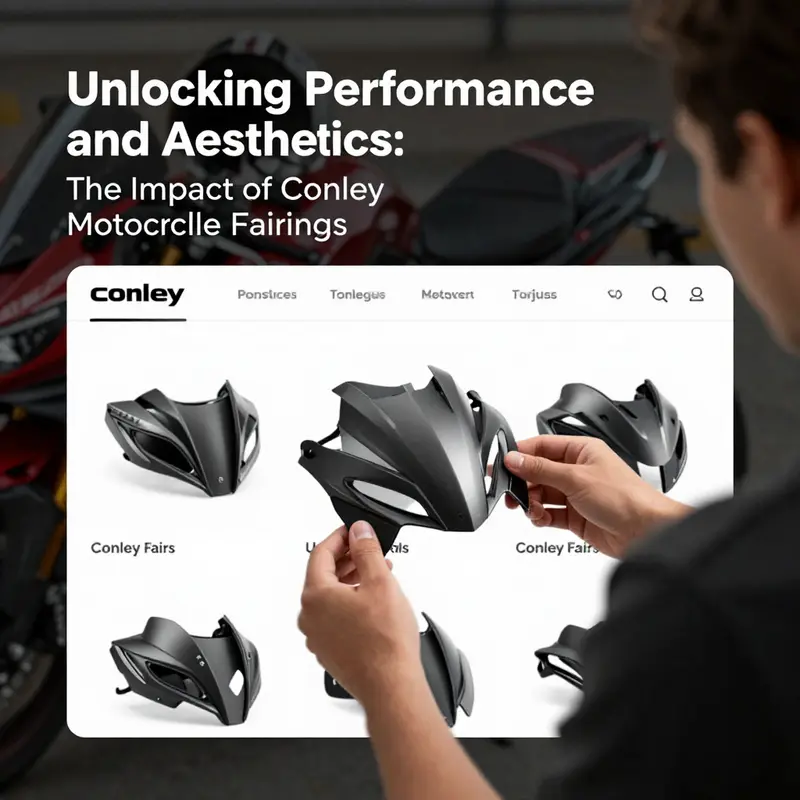
When riders begin to explore Conley motorcycle fairings, they enter a landscape that blends performance science with personal expression. The journey from initial curiosity to installation-ready purchase unfolds almost entirely through online catalogs, seller photos, and consumer reviews. In this space, a rider does not simply buy a plastic shell; they curate a package that promises weather protection, aerodynamics, and a look that mirrors their riding identity. Yet, even without formal market analyses specific to the Conley brand, a clear pattern emerges. Buyers balance technical feasibility with aesthetic appeal, weigh cost against potential post-purchase work, and rely on reputation signals from a bustling, image-rich marketplace. The result is a buying culture that treats fairings not as mere parts but as carefully chosen tools for speed, safety, and style.
From the outset, fitment stands as a fundamental criterion. Fairings are, by their nature, highly model-specific. The rider’s model year, sub-model, and even regional variant can dictate whether a listing is viable. The Conley catalog’s breadth—covering bikes and scooters across many manufacturers—exposes buyers to a wide spectrum of fitment challenges. This is where users often shift from casual browsing to targeted evaluation. Listings that clearly state compatibility with a given model, or that provide precise mounting references and part numbers, carry more weight. In practice, many buyers cross-check fitment notes against forums, manufacturer schematics, and the exact dimensions of fasteners and tabs. The decision to purchase hinges on the clarity of these details as much as the visual appeal of the photos.
Material choice is another pivotal axis. In the aftermarket, fairings commonly come in ABS plastic, fiberglass, or carbon fiber composites. Each material carries a distinct calculus of rigidity, impact resistance, weight, and cost. ABS may offer affordability and ease of repair, while fiberglass can allow for more complex curves at a moderate price. Carbon fiber, prized for stiffness and a high-end finish, can push the price point higher and demand careful handling during installation. A buyer evaluating Conley options will weigh these material traits against the intended riding context: a sportsbike that prioritizes precision and wind management, a commute rider who values durability and ease of repair, or a vintage enthusiast seeking a period-accurate aesthetic. The material story is not just about performance; it informs the expected lifespan of the kit and the level of maintenance required, especially in climates that stress UV light, rain, or road salt.
Finish and color treatment often carry equal weight. Some riders want pre-painted, color-matched shells that minimize post-purchase prep work. Others prefer unpainted shells to customize with a unique scheme, decals, or a restoration aesthetic. The online environment amplifies this preference through photos that showcase gloss levels, paint texture, and even the seams along mounting edges. However, photos can be deceiving, so buyers frequently seek confirmation about color codes, paint durability, and how well a kit ages under sun exposure. The Conley catalog’s breadth can be seen as a canvas for customization, but it also demands diligence: mismatches between painted shells and a bike’s factory palette can turn a single purchase into a months-long project if extensive repainting or color matching becomes necessary.
Beyond color and material, weight and aerodynamics subtly shape consumer choices. Lightweight fairings can improve handling, reduce unsprung weight, and marginally impact top-end performance. Yet the real-world gains from aftermarket fairings are often modest compared to track-focused upgrades. For riders who daily-commute or tour, the payoff may lie more in wind protection, reduced fatigue, and the sense of streamlined efficiency—together with the visual impact of a sleeker silhouette. When a listing pages out the profile of the kit—smooth contours, vent channels, and cross-brace design—buyers envision how air would interact with their bike at highway speeds. This imagined aerodynamics, even if not tested in a wind tunnel, becomes a psychological anchor for value. A fairing that looks like it would cut through air can elevate perceived performance, even before any real-world data is gathered.
Another dimension is the practical realities of online shopping. The marketplace thrives on imagery, but it thrives even more on trust signals. Seller reputation, return policies, and documented installation instructions become the invisible layer of risk management. Buyers often triangulate a choice by comparing multiple available listings: price, shipping time, condition notes, and the presence of mounting hardware or brackets. Shipping damage is a non-trivial concern; the risk of a cracked or warped shell during transit pushes many riders to favor sellers with robust packaging practices and clear policy language. Consequently, the decision-making process frequently prioritizes listings that present a transparent story: model compatibility, well-lit reference photos from multiple angles, and a straightforward path to installation. In this ecosystem, a well-documented listing can compensate for a lack of in-person inspection, helping buyers proceed with confidence.
Value is never far from the surface in these choices. The price of a Conley kit is not measured in sticker cost alone; buyers consider the sum of parts, labor, paint, and potential repainting or repair. The online marketplace compounds this calculus with shipping fees, possible import duties for international buyers, and the need to purchase additional hardware or weatherstripping to achieve a clean install. Some riders arrive armed with an expected budget and a strict ceiling; others chase a look that justifies spending more because it promises longer-term satisfaction or aligns with high-visibility goals for a build. In either case, price sensitivity coexists with a willingness to invest when a kit promises reliable fitment and a convincing finish. The dynamic nature of online pricing—where listings can fluctuate and promotions occur—also shapes how buyers time their purchase, sometimes opting to wait for a price dip or a bundled deal rather than snap up the first option presented.
The psychological layer of consumer choice is equally compelling. A buyer’s previous exposures to brand aesthetics and community consensus often guides interpretation of product imagery. A fairing that mirrors a well-loved design can evoke nostalgia or admiration and carry a social proof effect that quietly informs the decision. Conversely, the presence of mixed reviews or ambiguous feedback can push buyers toward more conservative options, even if the aesthetic is striking. This is not just about what the kit looks like; it is about how a rider anticipates the after-sales experience—whether installation support exists, whether a seller is responsive to questions, and whether post-purchase issues are resolved with minimal friction. In aggregate, these intangible factors help explain why two identically priced kits with similar specifications can yield different outcomes in real-world satisfaction.
The absence of detailed market research specific to Conley fairings does not leave consumers adrift. Instead, buyers synthesize available signals from product listings, brand pages, and the broader aftermarket ecosystem. This synthesis is aided by brand-agnostic insights about fairing performance: compatibility, durability, ease of installation, and alignment with personal riding goals. In practice, many consumers treat Conley’s offering as part of a broader toolkit for shaping a bike’s personality and performance envelope. To illustrate how buyers approach this toolkit in a tangible way, consider the way one might explore a category like BMW fairings in a dedicated parts ecosystem. The BMW fairings page exemplifies how vendors present fitment, finishes, and upgrade potential in a structured catalog, helping riders gauge whether a given piece could align with their bike, budget, and time constraints. BMW fairings serves as a practical reference point for understanding how the marketplace translates technical fitment into accessible consumer choices.
Ultimately, the story of buying Conley motorcycle fairings in the online marketplace is a tale of balancing practical feasibility with aspirational design. It is about recognizing trade-offs among fitment certainty, material behavior, finish reliability, and the total cost of ownership. It is about trusting a seller’s documentation, the reliability of online reviews, and the courage to embark on a DIY install that will define how a bike looks and feels on the road. The data landscape may be underdeveloped in the public sphere, but the patterns of buyer behavior—careful verification of compatibility, thoughtful consideration of materials and finish, and a measured eye toward total value—are unmistakable. For the community of riders who crave both performance and personality, Conley fairings represent more than a product category; they are a portal to personal expression achieved through careful, informed choices in a vibrant online marketplace. External resource: https://en.wikipedia.org/wiki/Fairing
Final thoughts
The comprehensive analysis of Conley motorcycle fairings underscores their dual role in enhancing rider safety and performance while appealing to a diverse consumer base. By understanding the marked impacts of materials and pricing trends, business owners can tailor their strategies to fit market demands effectively. As consumer preferences evolve, leveraging the insights on performance enhancements will guide product offerings, ensuring a competitive edge in the expanding motorcycle aftermarket. The narrative surrounding Conley fairings illustrates their importance not just as parts, but as integral elements that resonate with both passion and practicality, aligning well with the interests of motorcyclists and industry stakeholders alike.