

Applying a clear coat to motorcycle fairings is a critical step that enhances both aesthetics and protection. For business owners in the motorcycle industry, understanding the nuances of clear coat application can elevate service offerings and foster customer satisfaction. This comprehensive guide delves into the types and benefits of clear coats, offers application techniques, stresses the importance of preparation, outlines the curing process, and addresses environmental and safety considerations. Each chapter builds toward a holistic understanding of clear coat processes for motorcycle fairings, crucial for delivering a professional finish that stands the test of time.
Gloss as Shield: A Deep, Integrated Look at Clear Coats for Motorcycle Fairings
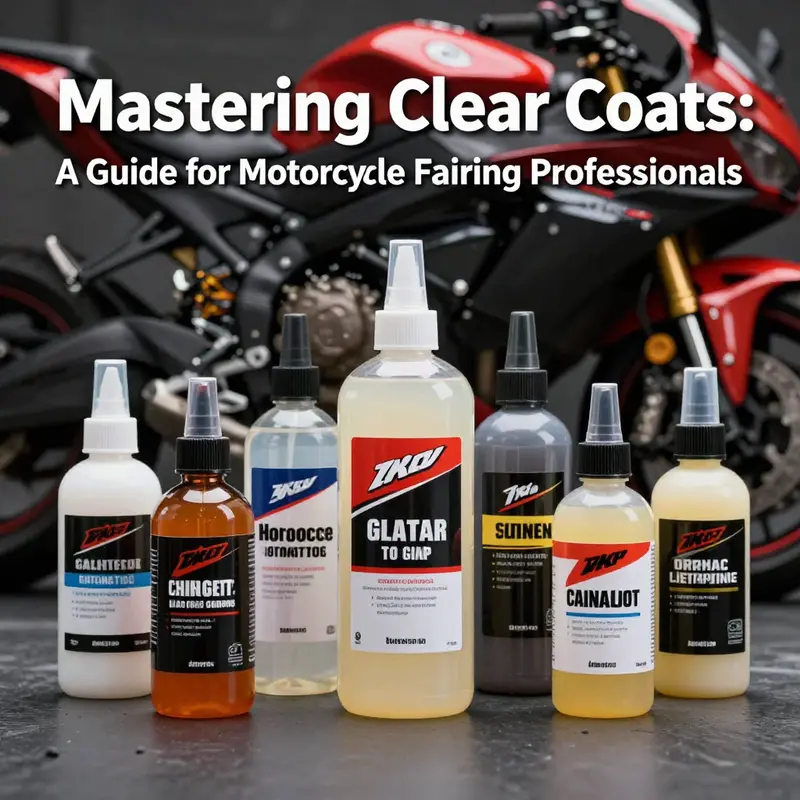
A motorcycle’s fairings do more than wrap the rider in aerodynamics and color. They are a canvas and a shield, a surface that must stay pristine under sun, rain, road debris, and the chemical caress of gasoline and cleaners. The clear coat is the final armor that transforms a painted panel into a durable, glassy shell, heightening depth of color while sealing the underlying work from the elements. When chosen and applied with care, a proper clear coat does more than add shine; it creates a resilient, long-lasting barrier that supports the performance and longevity of the entire finish. For sport and high-performance riders alike, the right clear coat particularly matters. A two-component, or 2K, acrylic urethane clear coat is widely regarded as the owner’s best investment in durability. It cures through a chemical reaction with its hardener, forming a cross-linked film that stands up to UV exposure, fuel exposure, and the inevitable scuffs of aggressive riding. The result is a gloss that remains stable, a color depth that doesn’t fade, and a surface that resists micro-scratches better than simple, single-pack products could ever deliver. This is the kind of finish that makes a fairing look new, year after year, even after hundreds of miles of open road and the occasional track day.
Clear coats come in several families, and while the differences may seem subtle at first, they define how you apply, cure, and maintain the surface. The most common options fall into three broad categories. First is the acrylic urethane 2K clear coat. It is the benchmark for performance motorcycles because of its hardness, clarity, and resistance to chipping and chemical attack. The two-component formula requires accurate mixing of a resin with a hardener and a controlled curing environment. When properly combined and sprayed, it creates a robust, transparent film that can stand up to UV radiation, highway tar, and fuel splashes without compromising gloss. The second option is the 1K or single-pack acrylic clear coat. This is easier to apply and more forgiving for DIY riders, often delivered in aerosol form for touch-ups and spot fixes. It dries quickly and can yield a respectable finish on small areas or temporary repairs. Yet it does not match the durability of a true 2K system, and it remains more susceptible to yellowing under prolonged sun exposure and to surface scratches and chemical attack. The third option, another form of 2K, is a polyurethane clear coat used in some industrial settings. It shares many performance benefits with acrylic urethane 2K but can demand stricter control over temperature, humidity, and application technique to achieve the same cosmetic and protective results.
Within those families, the practical decision often comes down to the scope of the project and the rider’s expectations. For a full fairing redo on a high-performance machine, the 2K acrylic urethane remains the preferred choice because its chemistry encourages a hard, durable layer with excellent clarity and depth. The curing process, driven by the hardener, results in a film that bonds securely to the underlying base coat and primer. The improved chemical resistance means it can resist the daily abuse of fuel splashes, cleaning agents, and road salts, while maintaining its gloss. The film’s toughness translates into real-world benefits: less risk of micro-scratches from tire debris, less susceptibility to stone chips that would otherwise mar the paint, and a surface that holds color with minimal fading when exposed to sun over time.
But the choice of coating is only part of the equation. A superb clear coat is not a magic shield; its performance hinges on preparation, technique, and post-cure care. The surface must be clean, smooth, and properly primed. Abrasive sanding smooths any texture left from the primer or base color, and it provides a receptive interface for the clear layer. The prep stage also often includes fillers to address any imperfections that would telegraph through the clear coat as the finish cures. Rust and corrosion must be addressed, especially on reclaimed panels or repaired areas. In short, the surface you seal with clear must be as flawless as possible because the clear coat has no forgiving rustproofing or smoothing properties of its own.
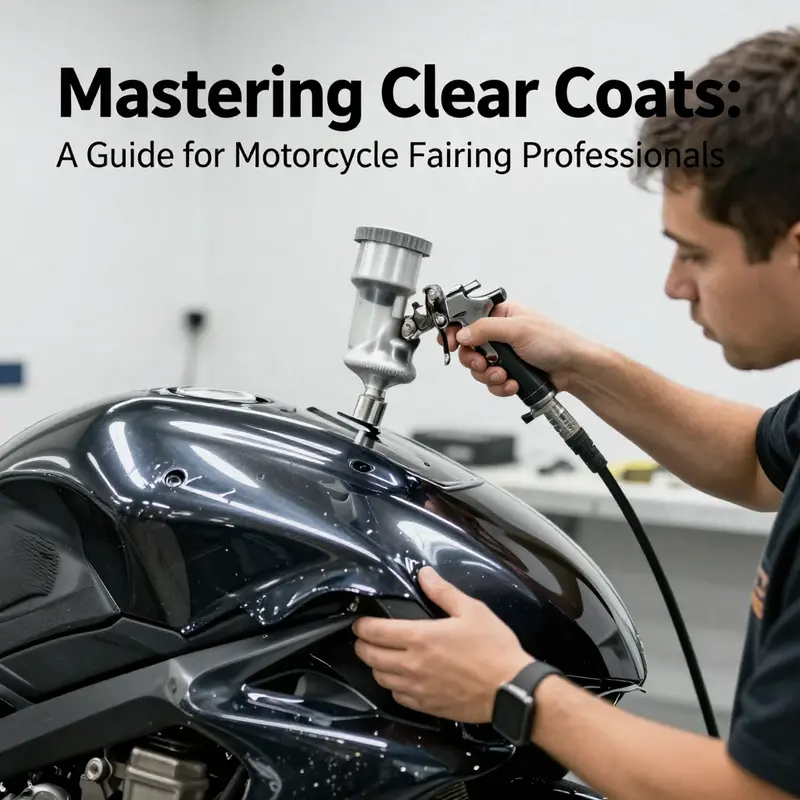
Ventilation and safety are not afterthoughts but essential parts of the process. A clean, dust-free environment helps prevent contaminants from embedding in the wet clear layer. Adequate ventilation reduces inhalation risk and avoids moisture buildup that can ruin a film’s clarity. The materials themselves require careful handling: mixed 2K systems carry fumes and a pot life that shrinks as the temperature rises, so the painter must manage timing and workflow to apply the right number of thin coats while the material remains workable. A typical practice is to apply thin, even coats in rapid succession rather than a single thick layer. For a motorcycle fairing, two to three coats often suffice to achieve the depth and protection riders expect. Between coats, light sanding with a fine abrasive removes any dust nibs and promotes proper adhesion of the subsequent layer. The goal is a glassy, seamless finish without dust specks or roller marks.
Once the final coat has been applied and the film has reached a sufficient level of cure, the fairing enters a post-cure phase that can extend the life of the finish. In most cases, 24 to 48 hours allow the coating to reach a solid, fully cross-linked state. The exact time depends on the product, ambient temperature, and humidity. During this period, the fairing should be kept away from fuel, solvents, and wide temperature swings. After cure, a light, progressive polishing can refine the gloss and remove any minor imperfections that weathered into the surface during the initial curing stage. Proper care after cure includes washing with mild cleansers and avoiding harsh solvents that could degrade the film, a practice particularly important for riders who routinely wash and polish their bikes.
The benefits of a well-applied clear coat extend beyond aesthetics. A properly cured 2K acrylic urethane clear will exhibit excellent UV resistance, protecting the vibrant color from sun-induced fading and cracking. It also provides superior scratch resistance relative to 1K systems and resists the effects of common road chemicals. These advantages translate into a lower likelihood of repaint needs over the life of the bike and a more forgiving surface when confronted with gravel, rain, or incidental contact with engine fluids. The gloss depth contributes to color richness, which is especially important on metallic and candy finishes that rely on light refraction to reveal the paint’s true hue. For riders who value both speed and showmanship, the combination of toughness and depth provides a finish that stays vibrant under demanding conditions.
To make the most informed choice, riders should weigh the durability of 2K systems against their own capabilities and workspace realities. The 2K route demands a properly equipped spray setup, meticulous adherence to safety guidelines, and an understanding of mixing ratios and pot life. While the 1K option offers easier, more approachable application for small repairs or DIY projects, it is typically a compromise in long-term durability and color stability. For motorcycles that spend substantial time on the track, in sun-drenched highways, or in urban environments where cleaning solvents are common, the investment in a professional-grade 2K acrylic urethane clear coat pays off in the longevity of the finish and the preservation of the bike’s aesthetic value. People with high-performance goals often seek this level of refinement because it aligns with the overall project’s ambitions: a fairing that not only looks excellent but endures the miles with minimal rework.
In choosing a clear coat strategy, it can be helpful to connect with a broader context of surface preparation that many riders observe on sportbike-specific builds. For example, in practical examples of fairing prep and finish work, you can explore how contours and corners are treated in dedicated Honda CBR fairings catalogs, which illustrate typical prep sequences and surface profiles that influence how a clear coat must be applied to achieve consistent coverage. Explore the fairings for Honda CBR to gain a clearer sense of how professional prep and finish choices translate into reliable, repeatable results on a curved surface. fairings for Honda CBR.
For readers who want a broader, external perspective on the science and technique behind clear coatings, a detailed primer and guidance source is available online. This external resource outlines the chemistry of clear coats, curing behavior, and practical tips for achieving a flawless finish on motorcycle fairings. It reinforces the importance of surface prep, correct mixing, controlled curing, and post-cure care as foundational to a durable, showroom-worthy result. External reference: Understanding Clear Coat for Motorcycle Fairings. https://www.motorcycle.com/tech-tips/understanding-clear-coat-for-motorcycle-fairings
null
null
null

null
Curing, Care, and Confidence: Mastering the Clear Coat Journey on Motorcycle Fairings

The curing journey of a clear coat over motorcycle fairings is more than a final flourish; it is the defining moment that determines how well the finish resists time, weather, and every ride vibration. When a durable, glossy layer is applied, the coating begins a chemical dialogue with itself and the substrate, a conversation that unfolds in deliberate stages. The two-component, or 2K, clear coats commonly used for motorcycle surfaces cure through a chemical reaction with a hardener. This reaction transforms a pliable, film-forming layer into a rigid, resilient shield. The result is a finish capable of withstanding UV rays, chemical exposure from road grime, and the daily abuse of wind-driven debris. While the concept is straightforward, the execution—especially in the hours and days following application—defines the long-term reality of the fairing’s appearance and its protection. A careful, patient approach to curing not only yields a deeper gloss but also minimizes the risk of micro-damage that can undermine a perfect look years down the line.
The practical rhythm of curing begins with patience between coats. After you apply the final clear layer, the clock starts ticking, and the work shifts from application technique to controlled rigidity. In most manufacturing and professional settings, the recommendation is to wait at least 24 hours, often up to 48 hours, before moving on to any post-coating work such as sanding or polishing. This pause is deliberate. It allows the cross-linking reaction to progress to a stage where the surface has achieved sufficient hardness to resist gouges and to tolerate the gentle abrasion required for the next steps. Skipping or rushing this waiting period increases the risk of scuffing, leaving solvent pockets, or creating texture irregularities that will show up once you begin to refine the surface.
Once the initial cure has progressed, many riders and painters opt for a controlled wet-sand process to further refine the surface. Wet-sanding with a fine grit range—commonly 1500 to 2000 grit—helps remove the micro-pores and faint imperfections that stubbornly linger after the cure. The water acts as a heat sink and carries away abrasive particles, reducing heat buildup that could soften the newly formed film. The aim is not to remove large amounts of material but to create a uniformly smooth canvas for polishing. Careful, even strokes across the entire fairing keep the finish uniform and prevent waviness or high spots. It is not unusual to pause after a pass, wipe the surface, and recheck for uniform gloss. If you notice a slight haze or a dull micro-scratch pattern, a second light pass with the same grit range is often all that is required.
After the sanding comes polishing, the step that transitions the surface from smooth to mirror-like. Polishing uses gentle friction and carefully selected polishing compounds to abrade away the fine abrasions left by sanding and to restore the clear coat’s clarity and depth. A soft backing pad and a low-to-moderate buffer speed help prevent heat buildup, which can cause the film to smear or degrade. The goal is a high-gloss finish that catches the light in crisp reflections and reveals the true depth of the color beneath. A well-polished clear coat not only looks impressive but also seals in the hard-won surface created by the curing chemistry. In this dance of abrade and refine, small, deliberate passes beat long, heavy strokes. The objective is steady, uniform progress rather than dramatic, risky moves that could gouge or burnish the film away.
Beyond the mechanics of cure and refinement, the enduring performance of the clear coat hinges on ongoing protection. The cured film stands strongest when shielded from the elements that relentlessly test coatings: ultraviolet radiation, extreme temperatures, and chemical contaminants from road spray and environmental fallout. Routine maintenance becomes a ritual of preservation rather than a series of fixes. A gentle wash using a pH-neutral soap and plenty of water is the cornerstone of care. Harsh, caustic cleaners or abrasive brushes can scratch or dull the finish, undoing the very smoothness achieved through careful curing and polishing. After washing, a thorough but gentle drying ensures no dampness remains that could promote water spots or oxidation over time.
To keep the gloss and clarity vibrant, many riders apply a protective layer in the form of wax or a sealant every three to six months. This step is not merely cosmetic; it adds a sacrificial barrier against UV rays and minor abrasions. The sealant, when correctly applied, fills in micro-scratches and enhances slickness, which can make future cleaning even easier. Importantly, the timing of reapplication can be influenced by riding conditions. If a bike spends a lot of time parked outdoors, or if it is frequently exposed to bird droppings, tree sap, or industrial fallout, more frequent checks and reapplication may be warranted. The aim is a durable, self-replenishing shield that maintains the gleam without requiring aggressive intervention.
Practical discipline around storage and environment also plays a pivotal role in long-term outcomes. Direct sunlight for extended durations can accelerate degradation, causing UV-driven chalking or color fading even in well-cured layers. Similarly, extreme heat or cold cycles can introduce micro-cracking or poor adhesion at the edges where the clear coat meets other coatings or fillers. If possible, park in shade or indoors, especially during peak sun hours. When parking outdoors cannot be avoided, consider a protective cover that breathes rather than traps moisture. In all cases, routine inspection becomes part of the rider’s upkeep. A quick wipe-down followed by a visual check can catch early signs of wear, such as micro-cracking, hazing, or dulling, before they escalate into more conspicuous damage.
The curing and maintenance logic is not merely a sequence of steps but a philosophy of patience and precision. The chemistry behind 2K clear coats rewards careful timing, clean technique, and thoughtful aftercare. It is a reminder that a pristine finish is not a one-time achievement but a living practice that evolves with the bike and its environment. In that spirit, consider the fairing as a canvas that responds to your stewardship as much as to the materials you apply. The interaction between the cured film and the underlying substrate—whether it is a smooth, prepped plastic or a surface leveled with fillers and primers—depends on surface preparation and the cleanliness of your workspace. A dust-free environment during application, careful masking to prevent edge overspray, and meticulous surface prep all create a foundation that pays dividends when the clear coat finally cures.
To those seeking a model-oriented reminder of how these principles apply across different bike families, one useful reference point is the broader catalog of fairings for various brands. A model-specific overview can help a rider anticipate fit, finish, and maintenance nuances, especially where fairings meet complex curves or composite materials. For readers who want to explore a particular family, the Honda fairings section, which includes CBR-focused components, offers a practical context for how these finishes perform on models with tight tolerances and aggressive styling. See the Honda fairings for CBR models for a closer look at how fit and preparation influence the final look of a cured clear coat.
As you plan subsequent steps in the process, the overarching message remains clear: curing is not an endpoint but a critical gatekeeper of durability and aesthetics. Everything after the final layer—surface refinement, polishing, and protective upkeep—builds on the solid foundation established by a proper cure. When you respect the timing, maintain a clean environment, and adopt a consistent maintenance cadence, the result is a finish that holds its depth and clarity through miles of wind, rain, and sun. For those who want to deepen their understanding of the curing timelines and maintenance routines beyond personal practice, a detailed guide on painting fairings and caring for the cured finish provides valuable, practical context that aligns with the principles described here. External resource: Motorcycle Customization Guide – How to Paint Fairings (https://www.motorcyclecustomizationguide.com/painting-fairings-clear-coat-curing-maintenance/).
Guarding the Ride: Environmental Stewardship and Safety in Clear-Coating Motorcycle Fairings

Applying a clear coat to motorcycle fairings is a step that blends artistry with responsibility. Beyond the gleam a well-executed clear coat provides, it carries commitments to the environment, to personal safety, and to long-term performance. The surface you see when you wipe away dust is the result of careful choices made long before the spray gun fires. The solvents contained in many clear coats release volatile organic compounds, or VOCs, into the air. Those fumes travel beyond the workshop doors and can contribute to air pollution and pose health risks if inhaled in significant concentrations. The safest, most durable path begins with a well-ventilated space, ideally a spray booth equipped with an efficient exhaust system that captures fumes at the source and channels them away from the breathing zone. If a dedicated booth is not available, work in a large, open area with robust local extraction and air movement, and commit to wearing appropriate PPE during the entire process. The clear message is simple: air quality and personal safety are not afterthoughts, they are prerequisites for a finish that lasts and for a workspace that remains habitable for the people who use it.\n\nSafety begins with the selection and use of the right protective gear. A respirator with organic vapor cartridges is not optional when handling solvent-based products. Respirators should seal well and be matched to the specific chemicals in the coating, and cartridges should be replaced according to the manufacturer’s guidance. Gloves made from chemical-resistant materials shield the skin from prolonged contact with solvents, while safety goggles guard the eyes from splashes and airborne mist. Protective clothing—long sleeves and a resistant apron where needed—reduces skin exposure and helps prevent contact burns from overspray. It is not merely compliance; it is practical protection against chemical irritation and potential sensitization. These are the kinds of precautions that keep a project from turning into a day spent nursing irritations rather than admiring a showroom gloss. In the same breath, consider the disposal path for any solvents, thinners, or spent mixtures. Do not pour leftovers down the drain or into soil. Local regulations typically govern hazardous waste handling, and many communities offer dedicated collection programs designed to prevent improper disposal. The habit of clean disposal protects watercourses and soils from contamination and helps the broader community avoid unnecessary pollution.\n\nFrom an environmental standpoint, the industry is moving toward lower-VOC formulations and even water-based clears where feasible. Those routes reduce the overall atmospheric load during application and cure, while still delivering strong UV resistance and a hard, chemical-resistant finish. The goal is not to sacrifice durability for the sake of cleanliness; rather, it is to balance performance with a smaller environmental footprint. When choosing products, it is essential to read the label and consult the manufacturer’s data sheet for VOC content, recommended application conditions, and safety instructions. Even with low-VOC options, proper ventilation remains critical. A well-ventilated space, combined with a respirator and other PPE, reduces exposure to any solvent, minimizes health risks, and supports a smoother cure. The environmental benefit extends beyond the booth. A properly disposed container and any waste generated during sanding and cleaning should follow local hazardous waste guidelines. Reducing waste and ensuring it is handled by the right channels makes the entire process cleaner and safer for everyone involved.\n\nPreparation is where environmental responsibility and quality begin to align. Prep work—thorough cleaning, mechanical sanding, and degreasing—remains the foundation of a flawless clear coat. A dust-free surface reduces the risk of micro-scratches that mar the final gloss and create niches for moisture intrusion. Sanding is typically performed with progressively finer grits, moving toward a surface that looks almost velvety under light. Contaminants such as wax, oil, or silicone must be removed because they can cause fish-eyes, craters, or poor adhesion. The coating will only be as resilient as the surface beneath it. A sound primer and filler layer can help seal imperfections and create a uniform base, especially on fairings that have sustained chips or scratches. The emphasis is not on rushing through this stage but on achieving a bed for the clear coat that is truly receptive to the layer above it. When the surface is ready, masking off areas that should not receive clear, and ensuring the workpiece is stable and free from vibration, reduces the chance of dust settling on a tacky surface during the cure.\n\nApplication itself is a science of balance. The goal is to deposit thin, even layers that lay down a smooth, transparent shield. The recommended practice is to apply two to three coats, with a brief interval between coats to allow solvents to flash off and the film to begin curing. The two-hour interval between coats is typically enough to control solvent evaporation and minimize defects such as orange peel or runs, while still keeping the project moving efficiently. Each coat contributes to depth and resilience, and the final effect a bright, glassy finish with strong resistance to weathering, UV exposure, and minor impacts depends on disciplined technique and environmental control. The solvent range requires steady ventilation and strict adherence to mixing ratios and pot life. Isocyanate-based systems, common in two-component clears, demand respect for safety guidelines because of their potency. The result, when done correctly, is a ceramic-like, durable layer that enhances color depth and protects the fairing from the elements. A careful painter learns to tune air pressure, spray distance, and atomization to achieve a smooth, even veil that dries with a uniform gloss. It is a quiet craft that rewards patience and precision as much as speed and force of spray.\n\nIn this careful balance, the topic of sustainability comes forward in practice. The right workflow minimizes waste and optimizes energy use. Work in a climate-controlled space where humidity and temperature stay within the manufacturer’s recommended range. High humidity can slow cure and encourage condensation, while excessive heat can cause solvents to evaporate too quickly, leading to poor leveling and a mismatch in film thickness. The environmental discipline also extends to cleaners and degreasers used during prep. Non-toxic or low-tox cleaners paired with mechanical cleaning methods help reduce chemical exposure and waste without compromising surface cleanliness. The preparation and cleanup cadence equal the spray hours in importance because a clean booth and clean tools prevent contamination and allow the clear coat to cure cleanly. The final step, post-cure care, matters as well. Allow the finished fairing to cure undisturbed for the manufacturer’s recommended window, typically 24 to 48 hours, before exposure to the environment or handling. A properly cured layer will better resist weather, debris, and minor abrasions, providing a durable shield for the fairing’s surface and a lasting shine that remains an asset to the bike’s aesthetics and resale value.\n\nThroughout this process, the principles of safety and environmental stewardship should be considered alongside the technical demands of the coat. Even if your workshop is modest, you can manage risk by creating a dedicated space for painting, with proper ventilation and containment for overspray. The choice of clear coat, whether you opt for a lower odor, lower VOC formulation or a traditional two-component system, should reflect your environment, your tolerance for risk, and your willingness to implement safe practices that protect you and the community around you. In a broader sense, the discipline you bring to this task echoes the same care you devote to riding itself: attention to preparation, restraint in application, and respect for the medium you work with, whether it’s a polymeric shell or a mirror-bright finish that stands up to sun, rain, and road grime.\n\nThose who want to see how preparation and finish sit within the larger practice of fairing care can consult detailed, professional guidance that emphasizes preparation, application techniques, and post-cure care specific to motorcycle fairings. For readers who might source components or exchange panels, see the Honda fairings collection for context on panel compatibility and fitment considerations. Honda fairings. In any case, the path to a durable, beautiful finish rests on the same core habits: clean prep, controlled environment, measured layering, and thoughtful waste handling. When these elements are in place, the clear coat not only protects the fairing but elevates its presence on the road, as a statement of craftsmanship and responsibility. For those seeking a broader community perspective on safe and environmentally conscious motorcycle painting, a trusted external resource offers practical guidance on safe practices and environmental considerations. See the external guidance here: https://www.motorcycle.com/riding-tips/paint-your-motorcycle-fairing-safely-and-environmentally
Final thoughts
Ultimately, understanding the intricacies of clear coat application for motorcycle fairings enables business owners to enhance the quality and durability of their services. From selecting the right products to mastering application and post-application care, each step plays a crucial role in achieving a professional finish. By prioritizing preparation, adhering to curing processes, and maintaining a safe working environment, businesses can establish themselves as leaders in motorcycle maintenance and restoration, ensuring long-term customer loyalty and satisfaction.