
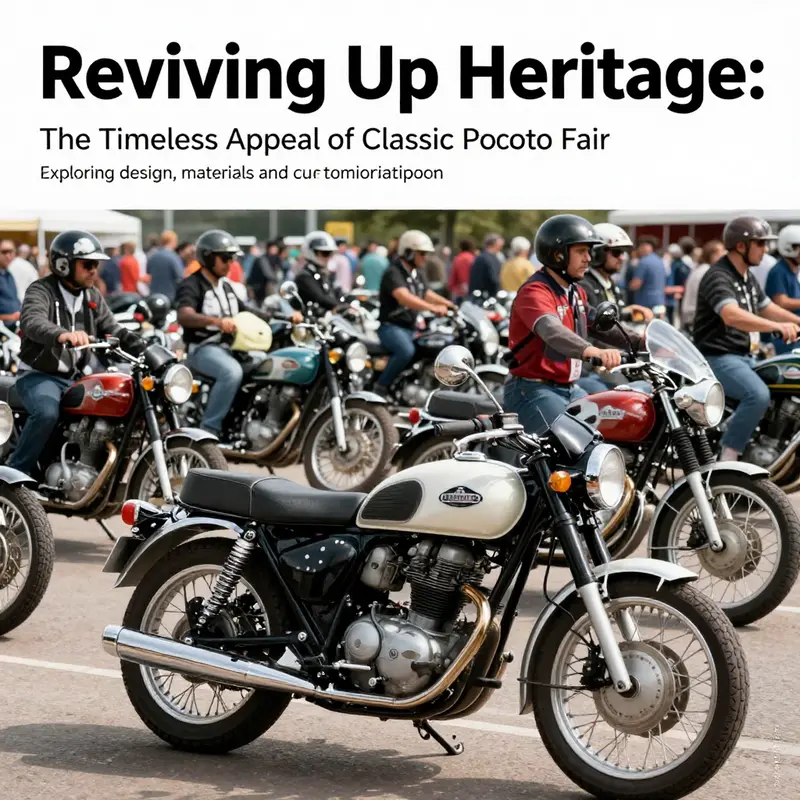
Classic motorcycle fairings, particularly those adorned with the iconic ‘batwing’ design, hold a revered place in the annals of motorcycle history. They embody a unique blend of aesthetics and functionality, providing riders with a distinct silhouette while enhancing performance through improved aerodynamics. As business owners in the motorcycle industry, understanding the significance of these fairings is paramount. This article delves into the intricate design and aesthetic appeal of classic motorcycle fairings, scrutinizes the materials and manufacturing techniques that bring them to life, and explores the vast opportunities for customization and restoration that cater to a growing market of enthusiasts looking to preserve their vintage machines. Each chapter offers valuable insights that can enrich your understanding of this niche, potentially influencing your business strategies and product offerings.
Contours of Velocity: The Aesthetic and Engineering Dialogue of Classic Motorcycle Fairings
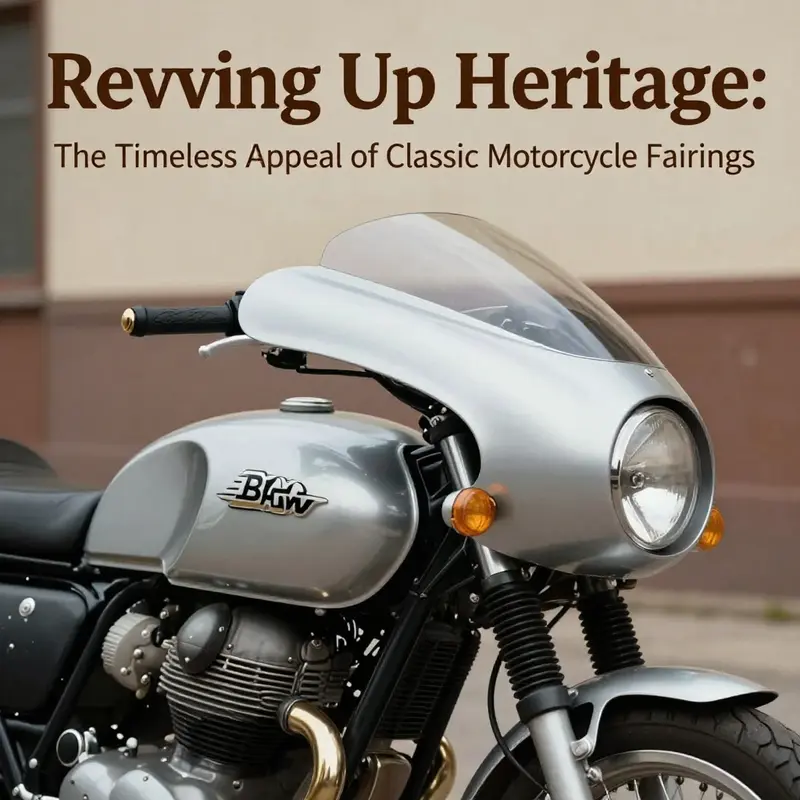
The fairing has never been merely an outer shell. In the lineage of classic motorcycles, it is a moving sculpture that speaks to the unspoken promise of speed, protection, and propulsion. The batwing silhouette, with its broad shoulders sweeping toward the rider, embodies a moment when form and function fused into a single, legible language. This language did not simply tell you that a bike could cut through air; it announced that riding was an event, a ceremony of air and motion. The language grew more precise as engineering matured, yet the underlying impulse remained the same: to shape the rider’s experience by shaping the air around them. In the later decades of the twentieth century, designers pursued a bold synthesis of aerodynamic efficiency and aggressive styling, and the fairing became a central instrument in that pursuit. It wrapped around the handlebars and headlight, sweeping upward from the front fender before closing in on the sides of the cockpit. The effect was both protective cocoon and visual manifesto, a silhouette that readers could instantly recognize even at a distance, a sign that a machine was built for high speed and high style alike.
The materials chosen for classic fairings reveal a careful balance between authenticity and resilience. Lightweight fiberglass and polyurethane offered the right mix of rigidity, impact resistance, and ease of shaping, enabling the bold contours that defined the era. These materials could be molded into the tight curves and sharp angles that photographers loved to shoot, while staying durable enough for the inevitable knocks of road life and the meticulous work of restoration. In more contemporary interpretations, manufacturers have introduced modern plastics such as ABS and reinforced composites, preserving the historical shape while improving fit, finish, and longevity. The goal is not slavish replication but a faithful echo of the original character, reinterpreted through advances in manufacturing that ensure a safer, more reliable product for riders who want the look without compromising on safety and performance.
The batwing and its kin grew from a practical need into an aesthetic standard. Aerodynamics became a language of its own, and the fairing was the sentence structure. A smooth, continuous line from the nose to the tail reduced drag and wind buffeting, letting the rider stay more relaxed at speed and reducing fatigue over long rides. The contours were not arbitrary; they reflected a deep understanding of air flow, pressure differentials, and the way a rider’s body interacts with the air stream. Designers calculated the way the wind would press against the rider’s chest and shoulders, the way headlights could be integrated into the overall form without breaking the line, and how the top edge could shield the eyes from glare at high angles of attack. These decisions produced a look that was unmistakably modern for its time—bold, precise, and ready for the future—while also serving a very present purpose: to make the ride more comfortable, more predictable, and more exhilarating.
The integration of the fairing with the broader bodywork is a crucial aspect of its beauty and utility. Rather than appearing as a separate shell slapped onto the bike, the fairing in many classic designs forms a seamless dialogue with the fuel tank, seat, and subframe. This integration creates a unity of form that enhances the perception of speed even when the machine is standing still. When the bike is in motion, the fairing’s lines seem to breathe with the chassis, emphasizing the continuity between rider and machine. The design philosophy that drove this integration was a belief that speed is not an isolated achievement but the outcome of careful coordination among all parts of the bike. The fairing, with its carefully considered sweep of curves, acts as a bridge between power and control, an outward expression of the engineering inside.
In terms of aesthetics, the influence of classic fairings extended far beyond their immediate function. Designers pursued sharp lines and bold shapes that could communicate a sense of advanced technology even to spectators who knew little about aerodynamics. The fairing became a stage for lighting integration, branding accelerators, and pinstriped detail work. It encouraged a sculptural approach to motorcycle design, where every edge and every junction was considered for its visual impact as well as its performance contribution. This dual purpose created a distinct visual language that many enthusiasts recognize instantly: a look that says a bike is not just transport, but a piece of kinetic art built to move through air as confidently as a dancer moves through space.
The shift away from minimalism toward a philosophy of form following function marks a pivotal moment in motorcycle design. Earlier decades favored utilitarianism, where simplicity and practicality ruled. The fairings of the later era, however, embraced complexity as an expression of sophistication. They carried with them a new confidence that a machine could be both deeply engineered and strikingly beautiful. The desire for performance did not erase the longing for character; instead, it fused the two. The result is a design vocabulary that remains deeply influential. Even as modern bikes adopt more compact bodywork and increasingly refined aerodynamics, the visual resonance of the classic batwing and its related profiles persists. Contemporary designers and builders still study those curves when they seek to craft a look that feels timeless, even as it nods to the future.
For riders and collectors, authenticity is a spectrum rather than a fixed point. Some seek exact replicas from a particular era, chasing the tactile feel of fiberglass layups and the slight seam lines that tell of hand craftsmanship. Others pursue the spirit of the period through aftermarket or remastered kits that reproduce the silhouette while embracing modern materials and tolerances. In both paths, the goal remains the same: to preserve the character of a classic bike while ensuring that it can be ridden with confidence and pride in the present. This balancing act makes restoration and customization a uniquely patient and collaborative endeavor, where the craft of shaping plastic, resin, and composites meets the artistry of paint, mold, and finish. The result is a bike that carries not only a look but a lineage, a tangible link to the era when speed itself felt new and exciting.
The discourse surrounding classic fairings also invites a broader cultural perspective. The fairing’s appearance helped shape the public imagination of what a motorcycle could be. It suggested an ideal of modernity, a promise of advanced engineering accessible through design that was as much about sculptural presence as it was about speed. The visual impact of the fairing—its bold sweep, its integrated lighting cues, its angularities and soft radii—contributed to a shared aesthetic language within a generation of riders. It fostered a sense of community among those who valued both performance and style, a community that carried forward the belief that motorcycles are not mere machines but companions in a life of travel, exploration, and personal expression.
Within this continuum, the fairing’s enduring appeal lies in its ability to be both familiar and adventurous. The classic batwing invites a rider to sit in a space where wind protection is tangible and the machine looks ready to meet the horizon head-on. The same silhouette that protected the rider from the weather also framed the rider’s body with an aggressive, aerodynamic stance. In this sense, the fairing performs a second job: it communicates to onlookers the rider’s intention to engage with speed with poise and control. When photographed or seen in motion, the shape of the fairing tells a story about the bike’s purpose without a single word being spoken. The visual drama of the form, combined with the tactile reality of riding behind a well-fitted shell, is a defining feature of classic motorcycling culture.
For those who approach restoration or customization as a serious pursuit, the fairing becomes a core investment in the bike’s persona. It is not just an accessory; it is a central element of how the rider interacts with the machine and with the world around it. The fairing’s line, its junctions, and the manner in which it directs air all influence handling at higher speeds, the rider’s comfort on long days, and the machine’s overall balance. A well-executed fairing can elevate the riding experience by smoothing airflow, reducing fatigue, and providing a cockpit that feels integrated rather than cobbled together. In the hands of a skilled builder, a classic fairing is a canvas upon which a story about speed, discipline, and design is painted in resin and paint, a story that continues to resonate with new generations of riders who value authenticity and craft as much as acceleration and sound.
To contemporary eyes, the classic fairing remains a benchmark. It embodies a moment when engineering ambition and aesthetic courage walked hand in hand. The wings on a bike were no longer merely decorative appendages; they became instruments of control, shaping not only the machine’s speed but the rider’s confidence and the machine’s identity. The legacy of these shapes is visible in today’s designs, where the same principles of airflow, stability, and integrated lighting guide modernization. The modern iterations may use different materials or accommodate new electronics, but they still owe a debt to the era when the batwing became a symbol of performance wrapped in art. This is the essence of the chapter’s core idea: classic motorcycle fairings are not an artifact of a single time but a living dialogue between past ingenuity and present craft, a continuing conversation that keeps the spirit of velocity accessible to riders who value both form and function.
From a practical standpoint, the fairing’s value lies in its ability to deliver predictable performance across a spectrum of conditions. The windscreen’s height, the contour of the chin, and the side panels all contribute to a coherent aerodynamics package. Riders report that a well-fitted fairing can reduce fatigue on a long day in the saddle and improve the bike’s stability in crosswinds. The fairing’s design, when executed with care, can also improve fuel efficiency at speed by minimizing drag and smoothing the air around the rider and the bike’s silhouette. These benefits show why classic fairings endure in the restoration and customization scenes. They are not relics to be admired for looks alone but living components that contribute to the machine’s personality and performance. The enduring fascination with the batwing and related forms speaks to the deep human desire to see speed as art and to ride as a crafted experience rather than a simple act of transit.
For collectors who seek to connect with a period-specific look while maintaining modern reliability, a curated approach to fairing selection matters. The goal is to preserve the lines that defined a generation while ensuring that every fastener, every gasket, and every joint performs as it should on today’s roads and highways. This means choosing materials that honor the original appearance but withstand the realities of modern riding. It also means embracing the idea that the bike’s silhouette can evolve through careful restoration, where subtle refinements in curvature or thickness can yield a fairing that looks as if it could have rolled off the factory line decades ago while benefiting from present-day manufacturing tolerances and safety standards. The fascination with these bikes lies not in nostalgia alone but in the continuous negotiation between memory and practicality, a negotiation that fairings have personified from the start.
For readers who want to explore the variety of fairing options that exist in the current landscape, a broader catalog can offer inspiration. Among the possible avenues, a dedicated catalog can help match a specific aesthetic with a compatible frame geometry and mounting points, ensuring that the final piece integrates with the bike’s overall stance. The way a fairing curves around the headlight and how it meets the radiator fairing can determine whether a restoration feels cohesive or disjointed. The model’s intake cutouts, the degree of curvature along the belly, and the position of the mirrors all contribute to a balanced, purposeful look. In this sense, the fairing becomes a partner in the design process rather than a separate project. The best outcomes arise when designers and riders collaborate, treating the fairing as a living component that must perform under real-world conditions while reflecting a period’s spirit. The resulting machine is not a static display but a dynamic performer, a rider’s companion that embodies the enduring allure of classic motorcycle design while embracing the realities of contemporary riding.
Within this conversation, the concept of authenticity remains central. The fascination with classic fairings is not merely about replicating a surface; it is about capturing an era’s approach to engineering culture. It involves recognizing the bold, sculptural lines as the visual shorthand for a period that believed in speed as progress and in design as responsibility. The batwing’s recognizable silhouette continues to resonate because it encapsulates a philosophy: that beauty and performance can be inseparable partners in a rider’s life. That belief remains as compelling today as it was when these shapes first appeared on the road, and it continues to guide contemporary makers who seek to honor the past while moving forward with safer materials, more reliable production processes, and better-fitting components. In the end, the classic fairing is more than a piece of plastic; it is a narrative device, a bridge between decades, and a faithful companion to the motorcycling experience that remains deeply rooted in the imagination of riders who crave speed, craft, and a sense of timeless style.
For those who want to dive deeper into the historical and design context of classic fairings, there are resources that trace how these elements evolved and why they captured the cultural imagination. A detailed exploration that puts design aesthetics, engineering decisions, and the broader motorcycle culture into dialogue can offer a richer understanding of how fairings became a defining feature of classic sport bikes. This larger narrative connects the technical choices to the feelings that riders report when they lean into a corner, feel the wind pull at their visors, and catch a glimpse of that unmistakable silhouette in the mirror as they ride toward the horizon. It is a reminder that these components are not merely accessories but storytellers, carrying within their curves a history of ambition, craft, and motion that continues to shape the way machines are designed and experienced.
To explore a broader catalog that reflects the range of fairing options while maintaining a focus on authentic design language, readers can browse a dedicated collection that presents a spectrum of styles and periods. Such a catalog can illuminate how the core ethos of performance and protection translated into different profiles, from the most commanding silhouettes to leaner, more aggressive forms. Each variation demonstrates a different balance between wind protection, aesthetics, and rider comfort, reinforcing the idea that classic fairings are not a single blueprint but a living typology subject to interpretation and refinement. Whether restoring a true vintage specimen or choosing a contemporary homage, the pursuit remains consistent: a respectful nod to history expressed through shape, material, and craft, and a commitment to delivering a riding experience that feels both grounded in the past and alive in the present. The batwing, with its enduring presence, continues to guide designers and enthusiasts toward that ideal intersection of velocity and virtue.
For readers seeking a practical entry point into a broader world of fairing options, consider exploring a catalog that focuses on category-wide offerings rather than brand specifics. This approach can illuminate the shared principles that unify fairings across manufacturers and eras, such as the way a front contour channels air toward the sides, the balance between headlight integration and overall line continuity, and the importance of mounting geometry in preserving the bike’s intended handling. By examining a range of silhouettes and their corresponding engineering choices, riders can gain a clearer sense of how a particular fairing would integrate with their own machine, keeping faith with the visual language that has defined classic design for generations. The result is a more informed, more intentional restoration or customization process, where every decision about fit, finish, and form contributes to a cohesive, authentic expression of speed and style.
As this chapter draws toward its central argument, it becomes clear that classic motorcycle fairings occupy a unique position at the intersection of engineering, artistry, and culture. They are not relics frozen in time but living artifacts that continue to influence how designers conceive of modern performance bikes. The batwing, with its iconic sweep, stands as a monument to a design philosophy that asked for more than mere protection; it asked for personality, drama, and a sense of forward motion captured in a single, unmistakable profile. And while the technology behind these fairings has matured, the core appeal remains: a blend of wind against skin and the satisfaction of seeing a machine assembled with care, where every surface, every edge, and every line is intentional. In the years ahead, whether builders draw on exact archival shapes or reinterpret them through new materials and fabrication methods, the spirit of classic fairings will endure as a standard for how to fuse aesthetics with aerodynamics, beauty with function, and memory with possibility.
For further historical and design context, a comprehensive exploration offers a deeper understanding of how these elements have evolved and continue to influence contemporary motorcycle design. This external resource provides a broader view of classic fairings’ design, aesthetics, and historical significance: https://www.motorcycle-news.com/features/classic-motorcycle-fairings-design-aesthetics-history/ . In addition, for readers curious about how modern cataloging and distribution of fairings align with these design principles, a broader catalog of fairing categories can serve as a practical reference point for restoration and customization projects, including options that echo the enduring batwing silhouette. As you explore, remember that the most compelling fairings are those that tell a story through their curves, their silhouette, and their connection to the road. They are the wind’s handwriting on steel and fiberglass, a reminder that classic design remains an active, evolving conversation between past craft and present rider desire.
Materials and Manufacturing Techniques for Classic Motorcycle Fairings
The batwing silhouette that defined many classic motorcycles is more than a stylistic flourish. It is a purposeful union of form and function, a design response to wind, noise, rider comfort, and the era’s manufacturing realities. When one traces the lineage of these iconic fairings, it becomes clear that every curve, every seam, and every mounting point was chosen not merely for visual impact but to address how a rider interacts with the road at speed. The resulting chapter in any classic bike’s story is written in materials and craft. Materials determine how faithfully a fairing can reproduce a factory look from days gone by, while manufacturing techniques decide how those looks translate into durable, workable parts for bikes that still see use on weekends and shows, or are restored to their museum-like condition. In many ways, the conversation around classic fairings pivots on a simple question: how do you balance authenticity with modern safety and performance standards without losing the character that makes these shapes instantly recognizable?
Fiberglass, polyurethane, and ABS plastic stand out as the three most common materials that have carried the weight of that question. Fiberglass remains the traditional backbone for many vintage-inspired sets because it offers a robust strength-to-weight ratio and extraordinary freedom in shaping complex, sweeping contours. This is especially important when a fairing must wrap around a headlight and taper toward the fork, fender, and tank, all while preserving a clean, continuous line. The layup process—often done by hand, layer upon layer—allows skilled craftspeople to tune thickness, curvature, and surface quality with a level of control that is hard to match with purely automated processes. In the hands of an experienced technician, fiberglass can be coaxed into reproducing the exact radii and contour lines that define a particular model’s identity. The resin system used alongside these glass layers—whether polyester for traditional, or epoxy for strength and rigidity—further influences how the finished shell behaves under impact, temperature fluctuations, and long-term environmental exposure. Like an old master craftsman, the material and resin choice shapes the final portrait of a fairing’s durability and gloss, and the detail you can achieve in surface finish.
Polyurethane offers a different set of advantages, particularly in impact resistance and a high-gloss, factory-like finish. It is a material that ages gracefully when properly formulated and applied, providing a surface that resists micro-cracking and preserves color uniformity across panels. For restorers seeking a very faithful, showroom-like presentation, polyurethane can be carved and polished to mirror the original’s depth and luster. The trade-off tends to be cost and process control; polyurethane fairings demand careful formulation, meticulous surface preparation, and controlled curing conditions to avoid color shifts and cracking, especially in lighter shades or near-white tones that highlight any subtle imperfections. Yet when executed well, polyurethane reproductions can look almost indistinguishable from the originals, with the advantage of enhanced impact resistance that helps preserve the silhouette during storage, handling, or occasional light riding.
ABS plastic appears less frequently in vintage-replica contexts, but it has earned a niche in projects that emphasize durability, heat resistance, and more straightforward manufacturing workflows. ABS is friendlier to injection-molding processes, which can drive down unit costs and enable a quicker turnaround for small-run reproductions. While ABS panels may feel stiffer to the touch and can be less forgiving in shape recovery after impact, modern formulations can bridge some of those gaps, offering resilience and good impact resistance while maintaining reasonable surface quality after painting.
The choice among fiberglass, polyurethane, and ABS is rarely a single-decision outcome. It is a balancing act between the target look, required durability, and the practical realities of production or restoration. A thoughtful approach often involves pairing materials for different panels: fiberglass for the large, sweeping surfaces that define the fairing’s profile; polyurethane for accents or sections demanding high-gloss finish and improved impact resistance; and ABS where high-volume production, lighter weight, or simpler tooling is advantageous. The result is a fairing system that captures the vintage charm while delivering a modern standard of finish and longevity.
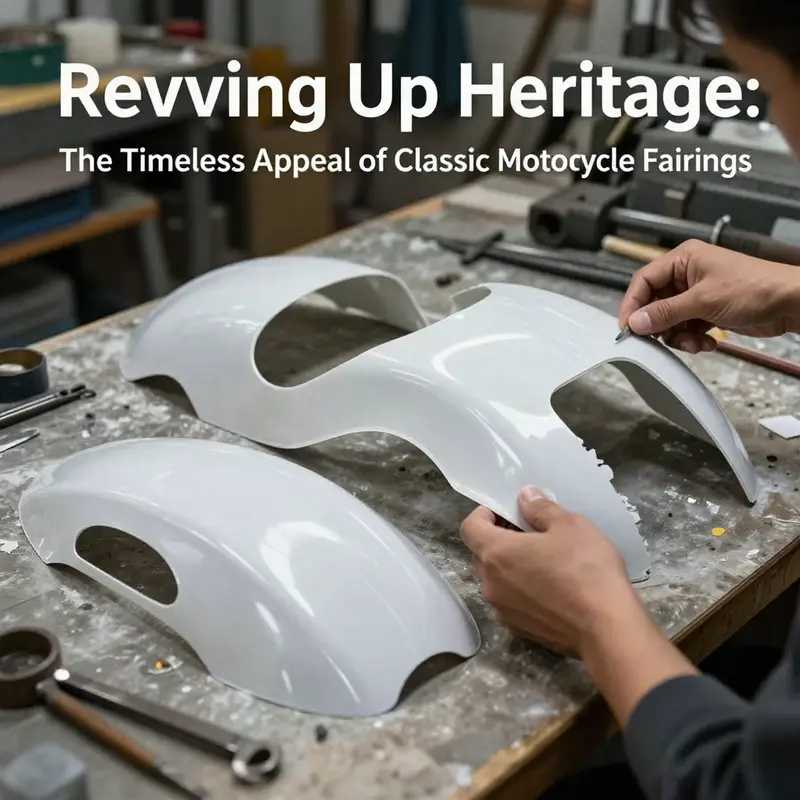
Manufacturing techniques for classic fairings have evolved to meet the dual demands of authenticity and reliability. Hand-laying fiberglass remains a staple for bespoke, limited-run reproductions and restorations where the craftsman’s touch matters. The process typically begins with a master pattern or a high-fidelity mold carved from wood, foam, or a related intermediate form. A male or female mold is prepared, often with gel coat to guarantee a smooth outer surface and to provide a baseline for paint adhesion. The fiberglass layers are then laid by hand, each layer applying resin to secure the fabric’s shape while building the necessary stiffness. Polyester resin has historically been the go-to for many classic fairings because of its relative cost-effectiveness and workable cure characteristics. Epoxy resins, while more expensive, can offer superior adhesion and environmental resistance, which is compelling for restorations that must endure years of sun exposure and temperature swings.
This manual layering process grants an artisan’s control over subtle details—the way a curve transitions from crown to shoulder, the tightness of a corner, or the way a contour wraps around a headlight apron. It is precise work that rewards patience, skill, and the ability to read a panel’s grain and symmetry with a practiced eye. For productions seeking greater consistency and efficiency, rotational molding or vacuum-assisted resin transfer molding (VARTM) provide scalable paths to near-identical results. Rotational molding excels at creating hollow, seamless shells with uniform wall thickness, which helps manage weight while preserving structural integrity. VARTM, on the other hand, allows high-volume reproduction with controlled resin infusion, producing lighter parts with repeatable tolerances. Each technique carries its own set of tradeoffs: rotational molding can limit surface detail around intricate edges, while VARTM demands careful mold sealing and resin management to prevent voids and surface imperfections.
Molds themselves are a critical part of the story. They are not merely negatives of a fairing’s final shape but gatekeepers of fit, function, and connection to the bike’s frame. Master patterns, often carved in foam or wood, are the grist for CNC milling or traditional hand-carving that results in precise negative forms. The mold’s quality dictates the fidelity of the seam lines, the alignment of mounting tabs, and the continuity of the fairing’s silhouette with the bike’s geometry. In some restorations, molds are carefully updated to reproduce a period look with modern tolerances—an approach that preserves the bike’s classic line while ensuring a snug, secure fit on today’s frames. After cure, fairings are trimmed, sanded, and finished. A competent paint and clear-coat system is essential to protect the surface from UV damage and to preserve the original luster. The gloss, depth, and color match that define a period look demand not only a keen eye but a disciplined process that respects both the material’s tendencies and the bike’s aging character.
The relationship between the fairing’s material chemistry and its shaping process has important implications for restoration and ongoing maintenance. Fiberglass, while forgiving in terms of repairability, can show hairline fractures if hit hard, and those need careful attention to avoid a cascade of micro-cracks along a curve. The repair strategy often involves laying fresh fiberglass patches over the damaged area, re-establishing the surface’s rigidity and its integration with adjacent panels. Polyurethane, with its robust surface, can be more forgiving for cosmetic repairs yet may require skilled repainting to regain seamless color and gloss. ABS repairs can be tackled with heat shaping and epoxy-based fillers, but the surface requires careful preparation to hold the finish. Across all materials, the key is to approach a restoration as a dialogue between the bike’s original lines and the panel’s present condition. The goal is to bring the fairing back to a state where its shape remains legible as a historical document, while its performance remains compatible with modern riding stresses, including the wind loads, road vibrations, and heat cycling encountered on today’s open roads.
In modern practice, fairings that hearken to a classic aesthetic still need to respect the rider’s ergonomics and the bike’s aerodynamics. The windscreen, the fairing’s wrap, and the junctions at the handlebars, forks, and fuel tank all contribute to how air flows around the machine. The batwing design—so named for its broad, wing-like spread—exemplifies a concept where mass and velocity are tamed through carefully contoured surfaces that guide air efficiently while still providing a sense of enclosure for the rider. Shaping such a form requires not only an eye for line and proportion but an understanding of how the panel interacts with the bike’s frame at different speeds and rider positions. The fairing must accommodate headlight treatment, instrument cluster visibility, and mounting hardware without forcing changes to the bike’s original geometry or compromising ease of service. For enthusiasts who seek a faithful reproduction, these considerations determine whether a panel can be installed without intrusive offsetting modifications and whether the result remains predictable in handling or feedback at the bars during a long, straight ride or a twisty descent.
A note on authenticity and the contemporary marketplace helps illuminate why this discussion matters. Modern reproductions aim to preserve the character of classic lines while incorporating contemporary engineering for easier installation, better surface finish, and longer service life. It is not simply about capturing the look of a fairing but about creating a practical component that can be mounted on a bike with exacting tolerances. The availability of various materials and manufacturing routes has broadened the range of options for restorers and builders. A fiberglass shell from a traditional hand-laid process can feel almost the same to the touch as a factory piece from decades past, yet its repairability and resilience can be superior under today’s mounting standards. A polyurethane panel can deliver a finish that gleams with a factory-like depth, offering an alignment that resists micro-movement over time. An ABS panel might be favored where a builder wants to streamline production or to model a fairing for a popular vintage model that has seen a robust aftermarket ecosystem develop around it. In every scenario, the end result is a fairing that not only looks right but behaves in a way that lets the rider experience the bike in a way that honors the era it evokes.
The discussion of these materials and processes naturally threads into the broader fabric of classic motorcycling culture. Restorers often face the choice between pursuing an exact replica or accepting a contemporary reinterpretation that preserves the original’s spirit while acknowledging modern weight distribution, heat management, and protective coatings. In either path, the trick is to preserve the lines that define a model’s identity while ensuring the panel remains a practical part of a working machine. This balance is why many riders gravitate toward a modular approach: a carefully chosen main fairing in fiberglass to capture the broad silhouette, paired with accents or a secondary layer in polyurethane to achieve a high-gloss, durable finish in the colorway of the era. It is a marriage of old-world technique and new-world robustness that keeps classic fairings relevant not only to collectors but to riders who want to experience the wind and the road through a piece of living history.
For readers who wish to explore a broader spectrum of classic fairing collections, a curated page such as a Kawasaki fairings category offers a practical glimpse into how modern reproductions interpret historical shapes across different model families. The collection demonstrates how a single silhouette can translate into multiple variants, each tuned to maintain authenticity while accommodating contemporary manufacturing tolerances. This balance—between the line that defined a model and the manufacturing reality that makes it accessible today—is at the heart of why materials and methods matter in equal measure. It is the bridge between arching beauty and usable engineering, and it is what keeps the timeless look of batwing and related vintage fairings fresh, relevant, and admired across generations.
For a deeper technical dive into the science of fiberglass and related composites as used in motorcycle fairings, see the external resource that provides a comprehensive look at the material science, layup strategies, and finishing practices involved in producing durable, high-quality fairings. The guide offers a detailed walk-through of the hand-layup and modern resin systems that underpin many classic-inspired shells and explains how these choices impact weight, rigidity, and impact resistance over time. As you explore, you will see how the interplay between material selection and process choice shapes both the aesthetic and practical outcomes of a fairing project. And for those who want to explore a practical path to seeing similar lines on their own bikes, the internal link to the Kawasaki fairings collection serves as a useful reference point for understanding how different bikes interpret the same core design language while using varied construction techniques. The journey from master pattern to finished, mounted panel is long and nuanced, but it is precisely this nuance that gives classic motorcycle fairings their enduring allure.
Internal link reference: For a curated example of classic styling interpreted through a modern catalog, explore the Kawasaki fairings collection. Kawasaki fairings.
External resource for deeper technical detail: For a comprehensive technical deep dive into fiberglass fairings, consult the Construction of Fiberglass Motorcycle Fairings guide. https://www.pdfdrive.com/construction-of-fiberglass-motorcycle-fairings-e123456789.html
Echoes of Form and Function: Restoration and Personalization of Classic Batwing Fairings
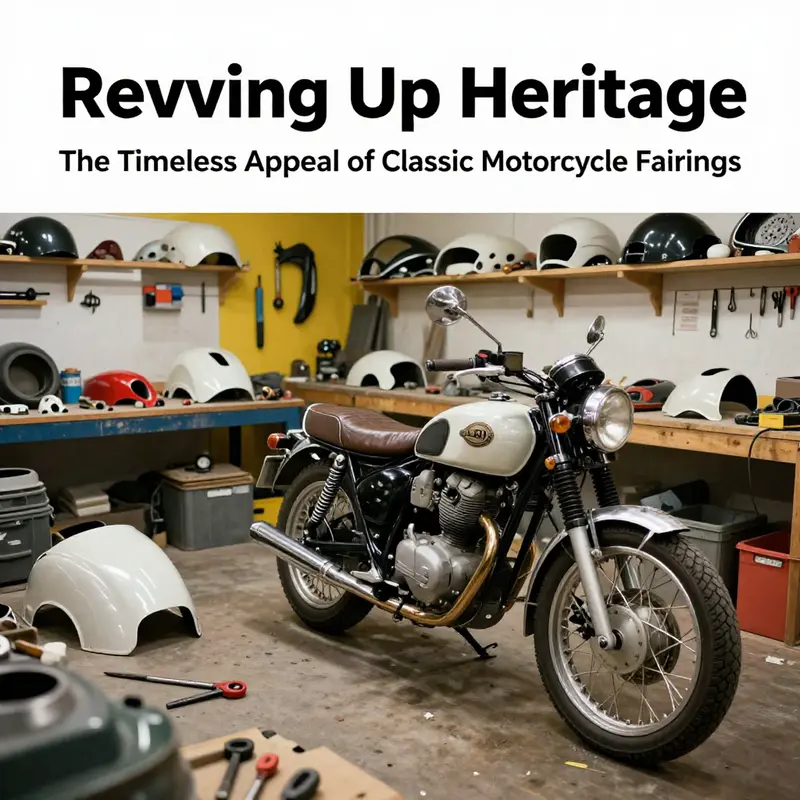
The batwing silhouette has haunted the imagination of riders for decades. Its broad, enveloping curves suggest both shelter and speed, a visual memory of the wind being carved by a motorcycle rather than fought against. In the world of classic motorcycle fairings, those curves are more than aesthetics; they encode a history of aerodynamic thinking, material innovation, and the hands-on craft of restoration. When a rider chooses to restore or customize a batwing, they are not merely choosing new paint or a fresh gloss. They are negotiating a dialogue between the bike’s original era and the present day. The fairing becomes a canvas where authenticity and modern engineering meet, where the square inch of fiberglass or the grain of ABS is treated as a relic of design and a platform for contemporary performance. This chapter threads together the practical steps, the decision-making mindset, and the subtle artistry that define restoration and customization. It is a journey that respects the fairing’s lineage while inviting new possibilities, so the bike speaks with both the voice of the past and the confidence of the present.
Restoration begins with a patient, almost reverent, cleaning. The fairing has lived with countless miles and weather cycles, collecting grime in its crevices and aging in its glossy surfaces. A careful wash loosens dirt without forcing it into damaged edges. The next step, often the most telling, is damage assessment. Cracks, small fractures, scuffs, and dull spots reveal not just wear but the fairing’s history. In many vintage shapes, the structural integrity is tied to the material used during the original manufacture. Fiberglass, for example, carries a network of fibers that can fracture with impact or fatigue, while early polycarbonate and similar plastics respond differently to stress. For repairs, practitioners lean on epoxy resins for bonding and filling, especially where layers have separated or where a surface has been compromised. When cracks extend through curves or around mounting points, the repair must restore strength without compromising the fairing’s geometry. Plastic repair kits designed for older materials become allies in this work. They are formulated to bond with the same plastics, maintain flexibility, and cure to a finish that can be feathered into surrounding surfaces. The skill here is in matching not only the color and gloss but the contour—the way the fairing returns to its original line after a repair, preserving the silhouette that gives the bike its timeless character.
Underlying every repair is a material conversation. Classic fairings trace a lineage of materials that evolved with automotive culture. Fiberglass grids under a painted surface offer a predictable, repairable core. ABS, when present, yields a stronger surface with good impact resistance and can handle modern coatings. The challenge is to reconcile those materials with the demands of contemporary riding: higher speeds, longer distances, and the need for more durable finishes. Modern restorations often lean toward a hybrid approach. A crack may be filled with epoxy, then reinforced with a patch that mirrors the original laminate. The paint system is chosen to honor the period look while delivering a finish resilient enough to withstand modern weather and road spray. A key discipline in restoration is texture and color matching. A fairing’s paint tells a story of the era—a decision between deep, saturated hues and more nuanced, metallic sheens. Fine color matching is less about duplicating a swatch and more about reproducing the bike’s visual language across light, shadow, and aging. This becomes particularly important when a restoration aims to reproduce a specific model’s original aesthetics, where even the gloss level and the subtle microtexturing of the surface can distinguish an authentic appearance from a learned copy.
Customization, in turn, explores the creative edge between reverence and reinvention. For many riders, the batwing is a ready-made stage for personal expression. Repainting in period-correct colors remains a respected path, but customization also invites graphic detailing, stripe work, and the careful replication of historical insignia or motifs. The goal is not to erase the bike’s past but to adapt it to a contemporary ride—one that remains faithful to the original spirit while reflecting a rider’s taste. In practice, this means choosing colors and finishes that work within the fairing’s curvature and how light plays across its planes. It is not merely about color; it is about the way a finish reveals the fairing’s form as the wind moves past it. Intricate graphics, whether hand-painted or applied as decals, require precise alignment on a complex curve. The alignment must respect mounting points, fasteners, and the headlight enclosure so that the layout feels intentional and balanced from every angle. For many enthusiasts, the aesthetic payoff comes when a reimagined color story enhances the batwing’s natural drama without distracting from its iconic shape.
Alongside color and graphics, modernization offers a path to improved practicality without sacrificing silhouette. Integrated LED lighting, for instance, is a common upgrade, chosen for visibility and stylistic impact rather than novelty alone. Lighting modules can be tucked into the contour of the fairing or arranged to accentuate the upper sweep of the wings, highlighting the curvature that defines the bike’s look. Aerodynamic enhancements can be pursued subtly. Vents and scoops might be added to manage cooling or airflow, but only if they fit the fairing’s original geometry and do not disrupt its balance. The result is a fairing that looks like it belongs to the era yet behaves with the certainty of a modern machine. The careful integration of new features is a test of respect: the modifications must not overpower the batwing’s essential language. The art is in weaving these improvements into the old lines so that one perceives the blend rather than a clash of epochs.
A growing dimension of modern customization is the use of digital tools to inform physical work. 3D scanning and digital modeling offer a bridge between memory and manufacture. When a fairing has been damaged beyond practical repair or when a missing piece would be difficult to reproduce by traditional means, a 3D scan can capture the exact surface geometry. The resulting digital model becomes a blueprint for precise replication. 3D printing or CNC加工 can produce new parts or patches with exacting tolerances. This capability is especially valuable for batwing components that are rare or no longer available as off-the-shelf replacements. The digital workflow also enables a careful reimagining of the fairing’s interior structure or mounting geometry. For instance, adding internal brackets or reinforcing ribs can improve rigidity without altering the visible exterior. In short, the modern toolkit can preserve the original’s charm while enhancing safety and durability, as long as the designer remains faithful to the fairing’s historical vocabulary.
Maintaining authenticity while incorporating modern innovations is a central balancing act. The philosophy here is restraint as much as invention. Some owners choose to preserve the original finish and patina, treating it as a historical artifact that benefits from conservation rather than aggressive refurbishment. Others pursue a more transformative path, trading some of the old gloss for a durable, weather-resistant coating that survives daily use. In either case, protective coatings and sealants are essential. They guard against UV degradation, moisture ingress, and micro-abrasions that over time could dull or fray the surface. A good finish is not merely cosmetic; it is a shield that preserves the fairing’s lines for decades of occasional rides and tire-kicking museum moments alike. Protective films, clear coatings, or vinyl wraps can offer additional layers of protection and an avenue for experimentation with color and texture without committing to permanent changes. The wrap itself becomes part of the story—a modern technique that can mimic original texture or introduce a smooth, uniform surface that enhances shine while keeping the underlying material intact.
Specialized shops and services play a crucial role in translating theory into tangible results. A professional studio familiar with classic fare often offers a suite of capabilities that range from color matching to mold making and full-body rewraps. Color matching is not simply about matching a swatch; it is about achieving uniformity across panels that may have aged differently and under varied light conditions. Mold making enables the creation of duplicate parts, which is particularly valuable when a whole panel or a critical section is damaged and difficult to replace. In many cases, a full-body wrap provides a protective, reversible finish that preserves the original surface underneath while offering a contemporary look and easier maintenance. A good operator will also be adept at addressing the fairing’s mounting system, ensuring that new parts fit snugly with the bike’s frame and other components. The result is a restoration that feels integrated and a customization that respects the bike’s architecture rather than masking it.
Sourcing components for restoration and customization is as much about networks as it is about parts. Online marketplaces, forums, and community-driven repositories become libraries of knowledge and inventory. Within these ecosystems, users share project logs, fitment notes, and color recipes that help others avoid missteps. The social dimension is vital: it keeps the work grounded in practical experience and historical accuracy. When looking for authentic or replica parts, riders often trace model-year lines and verify fitment against official diagrams or user-shared measurements. The goal is not to force a wrong panel onto a bike but to coax the fairing to a state where it reads as a coherent whole. For enthusiasts focusing on Honda machines, the dedicated Honda fairings category is a valuable starting point. It serves as a hub where model-specific cues, mounting arrangements, and finish possibilities come into clearer focus. Honda fairings can guide decisions about how a restoration should approach period correctness while accommodating modern materials and finishes.
Beyond the shop floor, the journey into restoration and customization is also about the rider’s relationship with the bike. It invites questions about the bike’s intended use, its place in a collection, and the rider’s desire for daily usability versus show-piece status. A batwing that has been restored with meticulous care can resume daily highway duties with the confidence of a well-treated tool. At the same time, it becomes a surface for signature style—the look a rider wants to present as they roll onto the boulevard or into a show hall. This dual purpose—reliable function and expressive design—defines the value of a well-executed project. The process rewards patience, because the fairing’s curves cannot be hurried. Every repair, every layer of paint, every added feature should honor the line that makes the batwing iconic. It is a craft of listening to what the bike asks for and translating that need into a measured, thoughtful action.
In the end, restoration and customization are not separate chapters but two verses in a single song about the classic fairing’s resilience and charm. The fairing is a instrument of weather and wind, a sculpture of plastic and resin that has weathered its own story. When a rider approaches it with curiosity, humility, and a willingness to learn, the result is more than a stylish update. It is a testimony to the ongoing conversation between the past and the present. The batwing, once a bold statement of a design language, becomes a living partner in the rider’s ongoing journey. The process teaches respect for the bike’s geometry, patience with the materials, and reverence for the bike’s original intention. It invites a rider to see not just a panel or a part, but a continuum of craft spanning generations. And in that continuity, the classic fairing continues to shine—not as a relic alone, but as a functional, expressive, and enduring element of motorcycling culture.
External resource: https://www.aliexpress.com/w/wholesale-batwing-motorcycle-fairings.html
Final thoughts
In the enchanting world of classic motorcycles, fairings serve more than just a protective function; they embody the spirit of the ride and the dedication of the rider. As a business owner, investing in an understanding of these components can yield fruitful opportunities in product development, restoration services, or customer engagement. By focusing on the design intricacies, quality materials, and options for customization, you can cater effectively to vintage motorcycle enthusiasts seeking to maintain the authentic charm of their machines. Embracing the culture surrounding classic motorcycle fairings can become not just an avenue for sales, but a gateway to preserving a beloved piece of motorcycle heritage.