
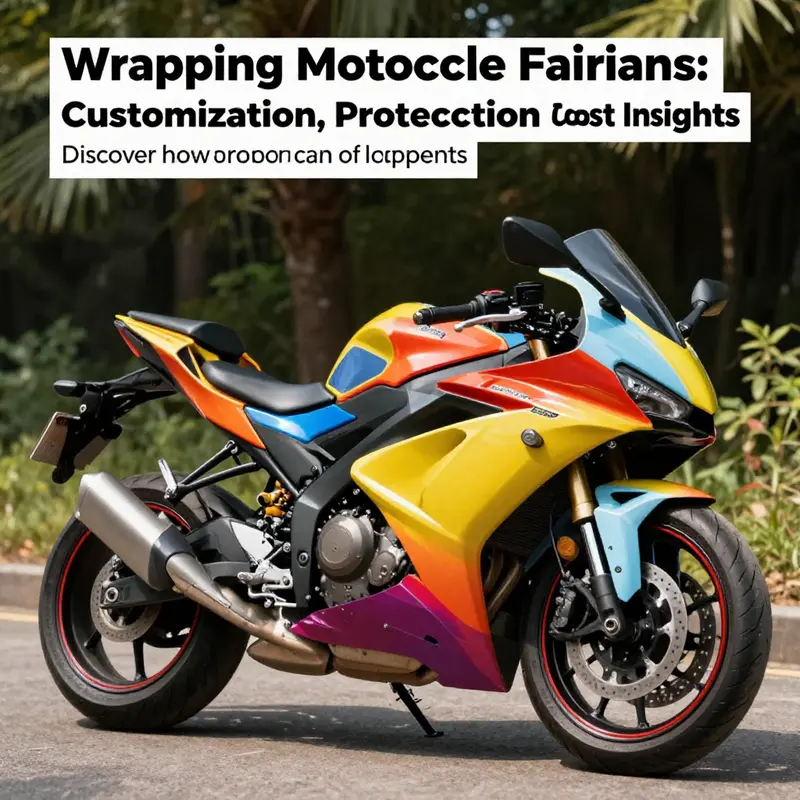
Motorcycle fairings are not just protective covers; they also shape the aesthetic appeal of the bike. For business owners in the motorcycle industry, understanding the art of wrapping fairings is essential for meeting customer demands for both style and protection. This comprehensive guide delves into the techniques and materials used for wrapping motorcycle fairings, the myriad benefits, cost comparisons with traditional painting, and how to find professional services. By the end, you’ll be equipped with knowledge that enhances your service offerings and satisfies customer desires for both functionality and customization.
Wrapped to Last: The Art and Science of Protecting and Personalizing Motorcycle Fairings
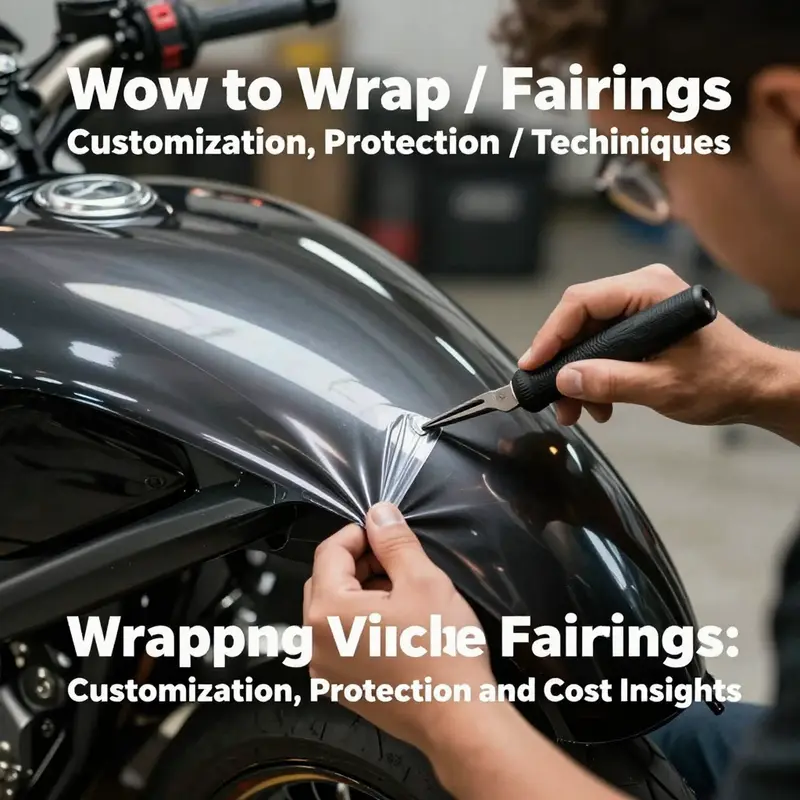
Fairings form the immediate face of a motorcycle, a sculpted layer that both slices through wind and shields delicate plastics from the elements. They are, by design, resilient in performance but not invincible in handling. When riders think about protecting these surfaces, wrapping emerges as a practical, versatile solution. It blends protection with possibility: a shield against chips and sun, and a canvas for color, texture, or a carbon-fiber vibe. The choice to wrap a fairing—whether for cosmetic flair or for lasting defense during storage and transport—rests on a careful balance of goals, materials, and techniques. The practice is not merely about slapping a sticker of color onto a curved silhouette. It is about crafting a seamless, durable layer that respects the fairing’s geometry while delivering predictable performance. In that sense, wrapping is both art and engineering, a dialogue between surface and substance that speaks to the rider’s intent as clearly as to the elements outside the garage.
To understand what it means to wrap a motorcycle fairing, it helps to distinguish two related but distinct strands of wrapping. One is the cosmetic wrap in vinyl film that riders use to transform the look of the bike. The other is the protective packaging wrap used when the bike or its fairings are transported or stored. The vinyl wrap, often referred to as a car wrap, is designed to endure UV exposure, chemical contact, and the wear of riding conditions. It comes in a spectrum of colors, finishes, and textures—from matte to gloss, chrome to carbon fiber pattern—without requiring a repaint. The protective packaging approach, meanwhile, prioritizes cushioning and containment, with layered materials that absorb impact, guard against dust, and minimize pressure points on corners and edges. Both approaches share a common objective: to preserve the integrity of the fairing while extending its lifespan beyond ordinary handling. And both reflect a broader ethos in modern motorcycle care—one that treats the fairing as a valuable, negotiable part of the bike, worthy of proactive protection and thoughtful enhancement.
The practical pathway to wrapping starts with the materials themselves, and here the distinction between aesthetic wraps and protective packaging becomes clear. Vinyl wrap film, designed for automotive and motorcycle surfaces, is engineered for durability and resilience. It resists fading under sunlight, defends against minor scratches, and maintains a smooth, seamless finish when expertly applied. The process of applying such a wrap is a medical-level exercise in precision: preparation, adhesion, and finishing. Preparation means a meticulous cleaning that removes every speck of dust, grease, or residue. Any imperfection at the outset becomes a wrinkle later on, as bubbles and creases tend to migrate across curves and edges. The installation demands a careful hand, with heat sources used to mold the film to the bike’s contours, smoothing out bubbles and aligning seams with the tight tolerances of fairing geometry. Trimming and finishing bring the wrap to a clean, durable edge that can resist peeling or lifting over time. The result is a surface that looks integrated, almost as if the bike emerged from the factory with a new hue or texture.
But the practical chapter of wrapping for protection enhances a different set of materials and steps. The aim here is not a visible transformation but a dependable shield for transport or long-term storage. The recommended approach begins with high-quality, heavy-duty bubble wrap. One-inch bubbles offer robust cushioning to absorb shocks and deter abrasion across flat and gently curved surfaces. The wrap should be applied in a way that avoids introducing pressure points or gaps, particularly on the fairing’s front edge, side mirrors, and intake areas where impact would be most damaging. Foam sheets or rigid foam boards act as a second line of defense. They’re cut to fit around sharp corners, seams, and protruding parts, and they are arranged to cradle vulnerable edges without shifting during movement. The foam serves a structural role as a buffer, so the wrap does not press directly against fragile surfaces.
After the bubble and foam layers come the final veil: a clear plastic film or shrink wrap that seals the entire assembly. This outer layer provides dust and moisture resistance, eliminating exposure to damp or particulate intrusion during transit. When shrink wrap is employed, careful, even heating is essential to avoid overheating or distorting the wrap or the fairing itself. The goal is snug conformity rather than marshalling warmth. Throughout this process, the edges and seams should be sealed with adhesive tape—masking or packing tape preferred, because duct tape or similar heavy-duty tapes can leave residue or damage finishes. It’s important not to tape directly onto the fairing’s painted surface; instead, the tape should secure the wrap where it overlaps or meets itself. Finally, labeling the package with clear handling instructions—Fragile, This Side Up, and the bike’s model if relevant—helps ensure proper treatment during loading, handling, and unloading.
Across these material choices and steps lies a broader narrative about how wrapping serves the rider. In cosmetic wrapping, the benefit is clear: the ability to achieve an almost limitless palette of colors and textures without repainting. If you crave the sleek shine of a gloss finish or the stealth appeal of a matte look, vinyl film can deliver with relatively low risk and cost compared to a full paint job. In terms of protection, the wrap provides a sacrificial layer that absorbs impact and shields the original paint from chips, scuffs, and UV exposure. This protection is particularly valuable during transport when a bike may be maneuvered in tight spaces, loaded into trailers, or placed in crowded storage where incidental contact is likely. The packaging-focused approach, while less visible, is equally consequential. It addresses the realities of shipping and storage—dust, moisture, shifting crates, and incidental knocks—that can otherwise mar a fairing’s finish or warp edges. The dual-track reality of wrapping offers a practical continuum: you can choose a cosmetic transformation for daily riding and a robust protective wrap for travel or long-term storage. And because vinyl wraps are generally reversible, a rider can switch looks or restore the original finish in the future without the risk of repainting.
In the realm of service delivery, a crucial factor emerges: who performs the wrap. The craft demands an informed, steady hand. A professional installer brings the experience to handle complex curves, rivulets, and the inevitable edges where fairings meet other components. In a typical aesthetic wrap, the installer’s tools—squeegees, heat guns, edge-trimming blades—work in concert with the film’s elasticity and adhesive chemistry to stage a seamless surface. The result is a wrap that looks as clean on day one as it does after months under sun and rain. When the wrap is intended for protection during shipment or storage, the same precision translates into a more secure packing scheme. The edges must be sealed, the foam engineered to avoid pressure points, and the shrink wrap applied with uniform tension so it does not pinch or deform. In either case, the choice of a skilled professional significantly affects long-term outcomes, including how well the finish holds up, whether edges peel, and how easily the wrap can be removed without harming the underlying surface.
The practical logic of wrapping extends beyond the bike’s aesthetics and into the shop’s ecosystem. If you’re looking to browse the broader world of fairings—whether to select a new look or to understand how a wrap might complement a specific styling goal—the Honda fairings catalog offers a concrete sense of the parts that can be wrapped or coated. Exploring a catalog of fairings helps align expectations about curves, attachment points, and surface areas that demand extra care. This kind of exploration can clarify why certain areas demand more protective padding or more conservative heat management during installation. It also illustrates how the wrap’s geometry interacts with the bike’s lines, a reminder that the craft is as much about geometry as it is about color. For readers who want to see concrete examples, a visit to a dedicated Honda fairings page can illuminate how real-world shapes respond to wrap and why some forms require more careful edge finishing than others. Honda fairings catalog.
As the chapter moves from theory to practice, it becomes clear that the decision to wrap—whether for cosmetic transformation or for protection during transport—depends on intent and context. If the goal is to express individuality, a vinyl wrap delivers a quick, reversible makeover that can be swapped as moods change or as seasons shift. If the core objective is preservation, wrapping offers a protective cocoon during movement and a buffer against the everyday hazards of storage. In both cases, the process hinges on thoughtful preparation and meticulous execution. A clean fairing surface is the foundation for success; dust and grease are not mere inconveniences but real risk factors that compromise adhesion and longevity. The foam and bubble layers are not decorative devices but structural components designed to distribute pressure and cushion points that would otherwise become weak links. The wrap’s edges, where most wear begins, demand patient trimming and heat-setting to ensure a smooth, durable seal that resists peeling in the face of vibration, wind, and temperature fluctuations.
One practical takeaway emerges clearly: if you’re planning to wrap, start with a plan that matches your mission. For a weekend project, you might pursue a cosmetic wrap that you can later reverse, provided you have the right tools and patience. For a bike that travels long distances or sits in storage for extended periods, a layered approach that prioritizes protection—bubble, foam, then wrap—offers greater peace of mind. And even if you prefer professional installation for the final look, understanding these steps helps you communicate your goals with clarity. It also helps you evaluate the trade-offs between upfront cost and long-term protection. In this sense, wrapping is not merely a service you buy; it is a collaboration between rider, material science, and craftspersonship, a triad that yields results both practical and personal.
Throughout this discussion, a simple, recurring idea anchors the reader: wrap quality matters as much as wrap type. The wrap’s durability is the product of material choice and the care given during application. A lumpy, misaligned finish betrays a rushed process, while a well-executed wrap speaks to thoughtful preparation and precise technique. Similarly, the protective package’s effectiveness hinges on the layering and securing sequence. A wrapped fairing may look pristine after a cross-country move or a winter storage stretch, but its true value is proven when the bike comes out of storage or a trailer ready for the road, with no hidden stress points or moisture buildup that could compromise the finish.
For readers seeking further practical grounding in packaging for transportation, a widely respected logistics resource provides a comprehensive guide on how to package a motorcycle for shipping. This reference underscores the value of careful preparation and layered protection when the goal is safe delivery. It highlights step-by-step practices that echo the principles described here: thorough cleaning, protective cushioning around edges, and a final, secure seal that keeps dust and moisture at bay. While it speaks to shipping rather than everyday wrapping, the underlying discipline—considering how each layer preserves the integrity of the surface—remains the same. For a reliable, external resource on protective packaging methods, see the UPS motorcycle packaging guide.
In closing, wrapping motorcycle fairings embodies a practical philosophy of care: treat the surface as something worth preserving, but also as something you can reimagine. Whether you pursue a bold aesthetic transformation or a robust shield for transport and storage, the craft lies in aligning your materials, technique, and goals. The right blend of protection and style is not an either/or choice; it is a spectrum where you can gradually move from one end to the other as your needs and tastes evolve. And because the fairing is an essential part of how the bike communicates with the road—through aerodynamics, protection, and personality—approaching it with care yields dividends in performance, longevity, and enjoyment. The practice of wrapping, then, becomes more than maintenance: it is a form of respectful, purposeful upgrading that honors the bike’s function while inviting personal expression. As riders continue to explore the possibilities, the core message remains straightforward: yes, you can wrap motorcycle fairings, and done well, the results are both protective and proudly yours.
Wrapped to Last: How Fairing Wraps Add Style, Shielding, and Value to Your Motorcycle
Wrapped to Last: How Fairing Wraps Add Style, Shielding, and Value to Your Motorcycle
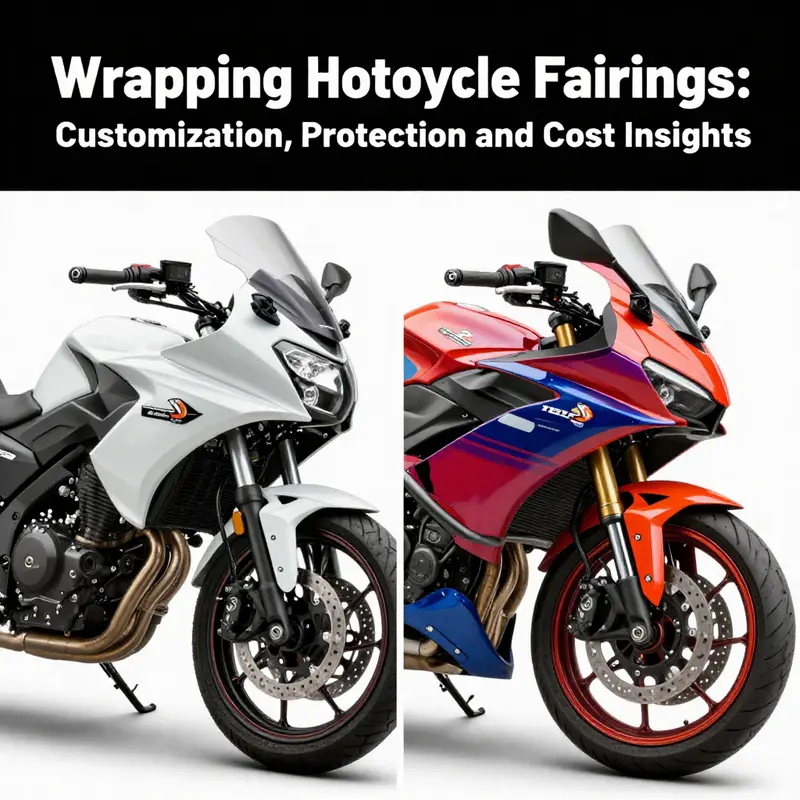
Wrapping motorcycle fairings is a practical upgrade that blends art and armor. Beyond a simple change of color, a high-quality vinyl wrap transforms how a bike looks and how well it weathers the road. Riders who choose wraps gain nearly unlimited customization without committing to permanent paint, and they protect the factory finish from the everyday hazards that erode a bike’s appearance and value. In one continuous discussion, this chapter explores why wrapping fairings is more than a style choice: it’s an investment in durability, resale, and long-term satisfaction.
A major appeal of wrapping is the freedom it gives designers and riders. Vinyl films come in a vast palette of colors and textures—gloss, satin, matte, brushed metal, and convincing carbon-fiber patterns—allowing a custom look that would cost far more in paint. Intricate graphics, numbered race schemes, and subtle two-tone contrasts are easier and less expensive to achieve with a wrap. Because installers work with sheets of film rather than layered paint, they can create sharp edges, overlays, and accents without multiple masking and refinishing stages. For riders who crave uniqueness, a wrap delivers bold changes overnight and invites experimentation: if tastes change, the film can be removed and replaced with a new design.
The reversible nature of wraps is key to their appeal. Unlike repainting, which permanently alters the underlying finish, vinyl typically peels away without harming factory paint when applied correctly. That makes wraps an excellent option for leased bikes, store demos, or bikes destined for future sale. By preserving the original paint, a wrap helps maintain the bike’s factory condition. Prospective buyers notice a well-kept finish; a protected paint surface communicates care and can translate into higher resale value. For those who trade bikes often, wraps let you reinvent a machine repeatedly without accumulating repainting costs.
Protection is not just a marketing angle; it’s functional. A properly installed wrap forms a resilient barrier against road debris, gravel chips, and light scrapes. This protective layer reduces the frequency of touch-ups and prevents small blemishes from growing into larger repairs. Modern films resist UV exposure and chemical contaminants such as fuel spills, brake fluid, and cleaning solvents better than older materials. Over months and years of exposure, a wrap slows the fading and oxidation that dull painted finishes. For riders who store bikes outdoors or often ride in sunny climates, that UV resistance alone can preserve color saturation and gloss.
Materials science has improved wrap performance dramatically. High-quality vinyl uses multi-layer construction: a protective top coat, a printed or colored layer, and an adhesive designed to hold firmly without staining. Heat-set properties allow installers to conform film to complex curves and tight edges. When a fairing’s surfaces include aggressive radii or recessed contours, a skilled technician uses precision heating and stretching techniques that let the film follow shapes smoothly while avoiding tension that could later lift. The result is a near-factory look that stands up to weather and vibration.
Application quality matters as much as material choice. Preparation is meticulous: panels are cleaned to remove oils, wax, and dust; sometimes fairings are removed from the bike to allow access to hidden seams and edges; and ambient conditions are controlled to reduce dust and enable adhesive curing. Installers use squeegees, heat guns, and specialty knives to smooth the film and trim excess. Edges are heat-sealed to resist peeling. A professional install reduces the risk of bubbling or lifting and extends the life of the wrap.
Economics is a compelling part of the story. A full repaint, especially with custom graphics or multiple colors, can be expensive and time-consuming. Wrapping costs are typically lower and faster; a whole fairing set can be wrapped in a fraction of the time required for custom paint. For the budget-minded rider, wraps offer a high return on investment: dramatic visual improvement, a durable shield for the original paint, and lower overall maintenance costs. When factoring in the potential resale premium—buyers often pay more for a bike that appears newer and unblemished—a wrap can pay for itself over the life of the bike.
Practical considerations influence whether to wrap and how. Smooth, undamaged surfaces yield the best results. Deep scratches, cracks, or warped fairings should be repaired or replaced before wrapping; otherwise, the film will conform to imperfections and highlight them rather than hiding them. In some cases, riders choose to wrap only certain panels—tanks, side fairings, or tail sections—creating contrast that draws attention while keeping costs down. For sport and touring models alike, wraps are fully compatible with stock components, mounting points, and venting, provided the installer plans the layout carefully.
Beyond everyday protection, wraps help manage damage from unexpected incidents. Small tip-overs, parking lot scrapes, or minor contact with other bikes or gear often mar wraps where they would otherwise chip paint. In many scenarios, a damaged section of film can be replaced without removing the entire wrap or repainting a panel, simplifying repairs and reducing downtime. That modularity appeals to riders who want to maintain a clean look without committing to expensive, time-consuming bodywork.
Maintenance is straightforward. Most vinyl films are washable with mild soap and water and resist common detailing chemicals. Avoiding abrasive compounds and aggressive polishes preserves the film’s top coat. For matte or satin finishes, riders should use products formulated for those textures to avoid creating shiny spots. Periodic inspection of edges and seam areas ensures early detection of lifting so repairs can be made before dirt and moisture undermine adhesive strength.
For certain motorcycles and fairing types, wraps fit especially well. High-value sportbikes that command premium aftermarket pricing benefit from preserved factory paint; older bikes needing a fresh look gain a near-instant makeover; and show machines enjoy custom finishes without sacrificing reversibility. If you’re exploring brand-specific fairings or replacement panels, consider that wrapping remains an option after installation. Shops that specialize in performance and aesthetic upgrades often offer combined services—supply of replacement fairings and subsequent wrapping—so you get both fitment and finish under one plan. For example, enthusiasts seeking specialized fairings for performance models can review selections like Ducati fairings and then choose to wrap those panels to match a desired scheme.
Long-term trends show wraps becoming more accepted and more resilient. Manufacturers evolve adhesives and protective coatings to better withstand prolonged exposure to heat and cold. Wrap films now include protective clear layers that resist staining and provide easier cleaning. As technology improves, the line between a painted finish and a wrapped finish blurs: experienced installers can achieve seamless results that are indistinguishable from high-quality paint, while still offering the removable protective benefits of film.
Ultimately, wrapping fairings is a strategic choice that balances aesthetics, protection, and economics. Riders who value flexibility, who want bold visual statements without permanence, and who seek to preserve factory paint will find wraps especially compelling. The protective benefits reduce minor wear and preserve resale value. With correct surface preparation and professional installation, a wrap becomes both a shield and a canvas: it protects what you already own, and it lets you express your style in ways paint alone cannot.
For a deeper look at current materials, installation techniques, and stylistic trends in motorcycle wraps, the resource below offers practical coverage of protection and customization advances:
External reading: Motorcycle Wrap Protection and Customization – BikeRadar (https://www.bikeradar.com/uk/features/motorcycle-wrap-protection-and-customization/)
Wrapped in Value: Navigating the Real Costs and Practicalities of Wrapping vs Painting Motorcycle Fairings
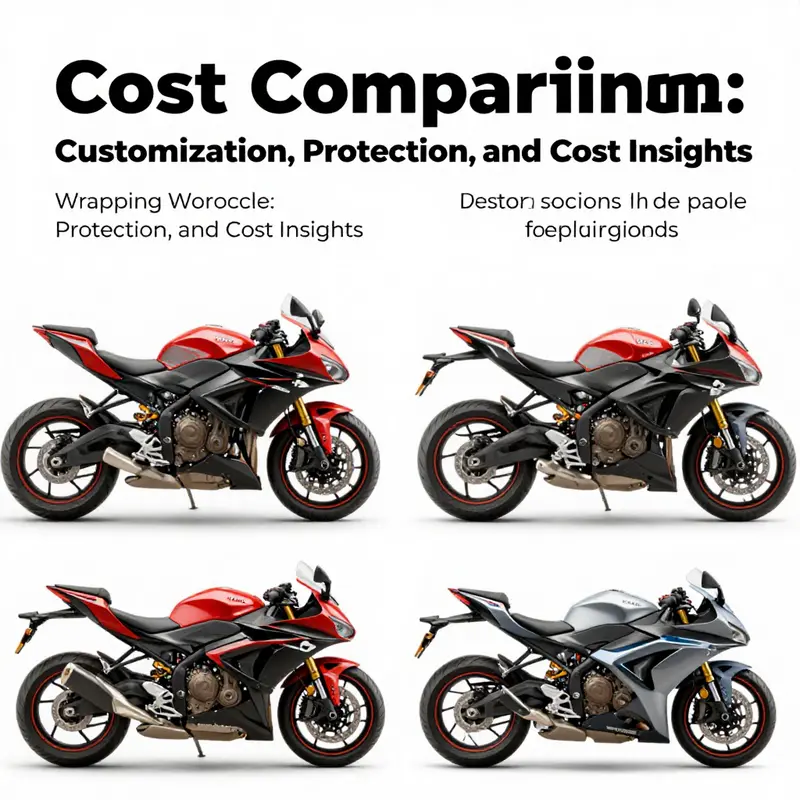
Choosing how to finish a motorcycle’s fairings is more than a matter of color. It is a decision that blends aesthetics, protection, budget, and how you ride. For riders who want a fresh look without pulling the bike into a shop for days on end, vinyl wraps offer a fast, reversible route to transform almost any panel. For others, a traditional paint job delivers a seamless finish with potential long-term durability and a factory-like appearance. The question, then, becomes not just which method looks best, but which method makes the most sense for your bike, your climate, your riding style, and, crucially, your wallet. This chapter unpacks the cost landscape and the practical realities that shape the wrap-versus-paint choice, tying it back to the core idea that a fairing finish is as much about value as it is about vanity.
Vinyl wrap film, the material behind most wrap jobs, is engineered for automotive and motorcycle surfaces. It has evolved far beyond the early, glossy film that gained a reputation for peeling in the sun. Today’s wraps come in a universe of textures and finishes: matte, gloss, satin, metallic, carbon fiber patterns, even chromed effects. The film is designed to resist UV rays, chemicals, and minor scratches. Its role is twofold: to deliver the look you want and to provide a protective layer that buffers the underlying paint from chips and UV aging. The practical upshot is that a well-applied wrap can preserve the current paint beneath it, potentially extending the time before a repaint is needed. The essence of the wrap is that it buys flexibility. If you crave a different look in six months or a year, a new wrap can be installed with much less downtime and expense than stripping and repainting.
The process itself is both art and science. Preparation is everything. The fairing surface must be meticulously cleaned and dried; any dust, oils, or residual wax can trap air or cause the film to fail at the edge over time. The application demands patient hands, a steady eye, and specialized tools to smooth air bubbles and wrinkles away from curved contours. The installer must negotiate tight radii around edges and fasteners, and any misstep can lead to lift at the seam or micro-bubbles that become visible under sunlight. Once the pattern is laid, trimming follows. The installer vents the excess film and heat-sets the edges to encourage a uniform seal. The result, if done right, is a smooth, factory-like surface that looks like it belongs on the bike, with the added benefit of a removable finish if desired.
The spectrum of benefits for wrapping is broad enough to attract riders who care about appearance, but not at the expense of practical maintenance. Customization is the most immediate draw. With vinyl, you can realize virtually any color or finish—everything from a stealth matte black to a bright, high-contrast pattern—without repainting the entire bodywork. This is especially appealing for riders who want a quick change for race season, a sponsor color scheme, or a personal tribute that might only be temporary. A wrap can also produce finishes that are difficult, if not impossible, to achieve with paint alone. Carbon fiber textures, brushed metals, even chrome-like sheens are feasible options with the right film and technique. Beyond color and texture, wraps shield the original paint from chips and UV exposure, offering a degree of protection in addition to aesthetics. And because the wrap is technically a removable layer, you can swap looks more readily than you can with a repaint, a point that resonates with riders who value experimentation.
From a cost perspective, wrapping is typically less expensive upfront than painting. Basic wraps generally fall in a $200 to $500 range, while a simple single-color paint job often ranges from $300 to $600. The variance in both cases reflects several factors. For wraps, the film quality, the complexity of the design, and the size of the fairings all shape the price. A matte finish or a carbon-fiber look can edge toward the higher end because specialized films and more meticulous installation are required. For paint, the story is similar but in reverse: the more layers, the more preparation, the higher the cost, and the longer the process. A standard one-color job is cheaper, but a multi-layer finish, intricate graphics, or premium urethane clear coats can push the price substantially higher. The long view also matters. Paint, when applied correctly, often delivers a near-permanent, factory-like finish that can endure for years with proper care. A wrap, while durable, is more susceptible to edge lift at the seams and potential wear from weather and aggressive riding, though modern films have made significant strides in resilience.
Durability is where some riders start to puzzle out the math of wrap versus paint. A painted surface, especially when applied by a seasoned shop, can offer excellent scratch resistance and depth, provided it is properly prepped and finished with a high-quality clear coat. Paint chips, when they occur, tend to reveal base color or primer, which can necessitate more extensive repairs if the damage is severe. In some cases, a damaged paint panel can be color-matched and repaired with less risk of visible inconsistencies. Wraps, by contrast, protect with a layer that can absorb some abrasion and shield against UV exposure. The downside is that wraps can bubble, peel, or lift at the edges if the installation isn’t perfect or if the film is exposed to extreme conditions or improper cleaning agents. Peeling doesn’t just compromise aesthetics; it can expose the underlying paint to the elements, requiring removal and reapplication. The quality of the film matters, as does the skill of the installer. A high-quality wrap installed by an experienced professional can outperform a lower-grade wrap that’s poorly adhered or mismatched to the surface texture.
Maintenance and care also creep into the cost equation. Wrapped panels require gentle cleaning with non-abrasive products and soft cloths. Harsh solvents or brushes can loosen edges or damage the film. A painted finish invites different forms of care—polishing, waxing, and regular UV protection—to maintain gloss and prevent oxidation or micro-scratches in the clear coat. In practice, the ongoing upkeep can tilt the cost-benefit calculation. A wrap’s removal is a relatively straightforward operation compared to repainting, provided the underlying paint is in good condition. If the wrap is lifted or damaged in a localized area, it can often be repaired or replaced without redoing the entire set of fairings. The reversibility is a practical advantage for riders who anticipate changing schemes with seasons, sponsors, or personal taste.
What the numbers say helps guide the decision. In general terms, wrapping presents a lower up-front cost and a shorter turnaround time. For a rider who wants to explore multiple looks over a few years, wrap offers a cost-effective swing option. Painting, while pricier up-front and more time-consuming, can deliver a deeper, more uniform appearance and potentially superior durability if the job is done by skilled hands. The difference becomes especially pronounced when considering complex designs or high-gloss, mirror-like finishes. A high-end paint job with premium materials might approach or exceed wrap costs, but the long-term maintenance and potential repairs can drive the total cost higher still if the surface sustains damage.
When you start to map these considerations to your specific bike and riding climate, the picture becomes clearer. Climate matters because sun exposure, humidity, and temperature swings influence how a finish holds up. In sunny regions, UV resistance becomes a decisive factor for both wraps and paints. High-quality vinyl films are UV-stable, but even the best films can still degrade if the installation is compromised or if the bike sits outdoors for extended periods without protection. In harsher climates with frequent rain or road salt, edge lift and micro-bubbling can become more pronounced if the adhesive is not robust or the surface wasn’t properly sealed. Paint, too, can suffer under extreme conditions. A well-protected painted surface may resist chipping and fading for years, but a poor prep job or low-quality paint and clear coats can lead to peeling, cracking, or yellowing over time. The practical implication is that the decision should align with the rider’s expectations for longevity, ease of touch-ups, and the amount of time the bike will spend outdoors.
An often overlooked aspect is the possibility of in-field changes. If you like to experiment with color changes after a season or two, a wrap makes sense for a transient look or for testing a new color family. If you anticipate staying with a single design for several years, painting can be more economical in the long run andoffer a seamless finish that can feel more integrated with the bike’s lines. The complexity of the design matters, too. Solid colors are typically the simple, cost-controlling path for both wrap and paint, but once you introduce patterns, gradients, or branding elements, the costs rise for both options. In wraps, intricate patterns require larger, contiguous film pieces and more precise alignment. In paint, complex graphics require labor-intensive masking and multiple layers of color, plus additional clear coats to achieve depth. Each choice changes the timeline: a wrap can be installed in a few days with careful scheduling, while a custom paint job often requires multiple sessions for prep, paint, cure, and polishing.
To anchor these observations in real-world practice, riders frequently consult local detailing shops and specialist customization studios. These outfits bring the technical prowess and the eye for color or texture that turns a simple color swap into a personal statement. They also carry the responsibility of recommending the best materials for a given use case. For someone considering a kit like Honda fairings, for instance, the decision becomes not only about the finish but also about compatibility with the kit’s geometry and mounting points. In such cases, an experienced installer can offer invaluable counsel about the best wrap films for curved surfaces, the likelihood of future removal without damage, and the optimal process flow to ensure that the edges and curves are treated with care. If you’re exploring options for a complete kit for a particular brand, you can browse a catalog such as Honda fairings on Ultimate MotorX to see what is available and how a wrap or paint finish might interact with a factory look. Honda fairings
The decision framework, then, is a balance between value, permanence, and personal preference. If you prize rapid customization, reversible operations, and lower initial costs, wrapping presents a compelling path. If you prize a pristine, long-lasting, factory-like finish and are prepared to invest more upfront and potentially more time, painting can be the preferable option. But the best choice often isn’t an either/or proposition. Some riders select a wrapped fairing for a temporary season or event and then transition to a painted finish later, or vice versa, allowing them to manage risk and preserve resale value while still chasing the look they want. The cyclic nature of this approach is part of what makes fairing finishes so dynamic. In the end, the right approach is the one that aligns with how you ride, how you brand your bike, and how you want to spend your time and money on upkeep.
For those who want to see how this translates into practical budgeting, it helps to think in stages. Start with the base cost: the fairing alone, without installation, and then add the cost of labor. A wrap’s labor is often a major component because of the precision required to avoid air traps and to align complex curves. Paint labor reflects the time it takes to strip, prep, prime, paint, clear, and cure. If a rider has a complete fairing kit, the comparison should include the cost of removing the old finish, possible surface repair if needed, and any warranty considerations. Because the underlying paint might be in good shape, you may be able to preserve it by applying a wrap over the old coat, which can complicate the assessment but sometimes saves money and time. In that case, the wrap acts as a protective layer while presenting a new aesthetic, extending the life of the bike’s exterior and allowing you to revisit the design without deconstructing the frame.
As with any customization, choosing between wrap and paint also involves a conversation about resale value and market appeal. A well-executed paint job can sometimes increase resale value due to its perceived durability and finish depth. A well-maintained wrap can also add value by offering a unique look that appeals to a specific buyer segment, especially those who want to swap or refresh looks often. The market realities will differ by region, by model, and by the condition of the rest of the bike. The key is to measure not just the sticker price, but the total cost of ownership over the period you plan to own and enjoy the bike. If your intent is to ride in different show seasons, pursue sponsorship colorways, or test a dramatic new aesthetic with minimal risk, wrapping is often the most practical path. Conversely, if you’re committed to a timeless, premium finish that you expect to endure for years and you’re prepared to budget for eventual repainting when the time comes, painting might be the smarter long-term investment.
In sum, wrapping and painting each carry distinct advantages, and the choice hinges on how you weigh cost, permanence, maintenance, and the role aesthetics play in your riding identity. The wrap-versus-paint decision is less a strict hierarchy and more a spectrum of options that can be tailored to your circumstances. The possibility of a reversible, design-forward finish that protects your existing paint is compelling for riders who want flexibility without sacrificing style. The appeal of a factory-quality paint finish, with its potential for ultimate durability and a seamless look, remains alluring for those who value permanence and a superb, polished presence on the road. Either path can keep your bike looking sharp and performing well; what matters is that you align the finish choice with your riding habits, climate, and long-term goals. And when you’re ready to explore options in depth, you’ll find that the right shop can translate your vision into a finish that feels tailored to you and your bike, while presenting a clear path through the cost and maintenance questions that inevitably accompany any fairing project. The dialogue between cost, design, and durability is ongoing, and the best outcomes come from a thoughtful conversation with a skilled installer who can translate intention into a finish you’ll enjoy for seasons to come.
External reference for further cost specifics and process nuances can be found here: https://www.motorcycle.com/how-much-to-paint-or-replace-motorcycle-fairings-guide/
Where to Find and How to Choose Professionals to Wrap Your Motorcycle Fairings
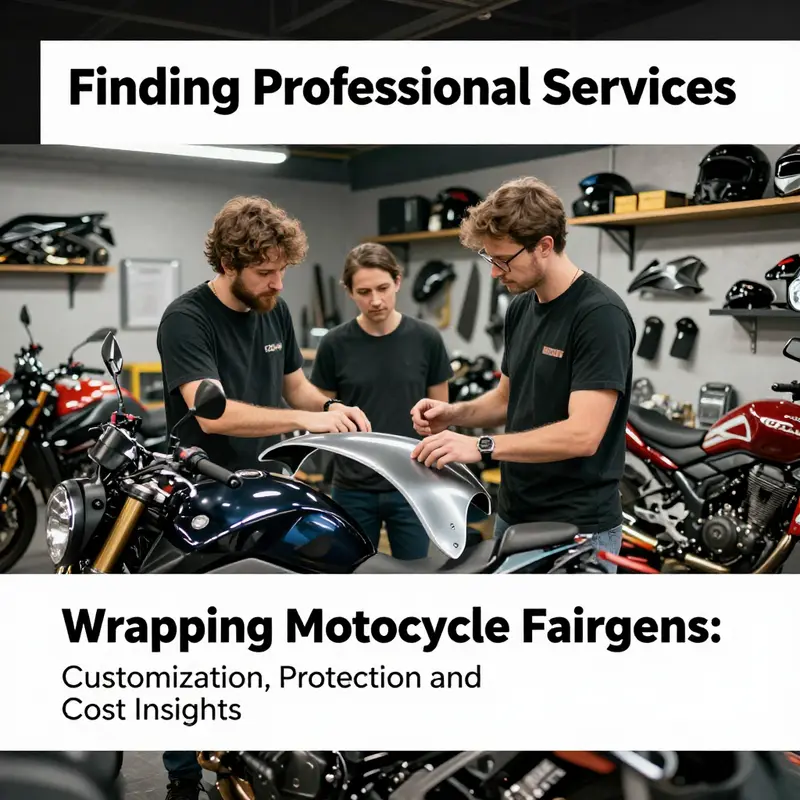
Finding the right professional to wrap motorcycle fairings isn’t just about locating someone who sells vinyl and has a heat gun. It matters because the fit, finish, and longevity of a wrap depend on skill, materials, and thoughtful planning. This chapter walks through the realistic options you’ll encounter, how to evaluate them, what to expect from the process, and the practical decisions that separate a good wrap from a great one.
Begin by understanding the types of providers you can work with and what each offers. Specialized motorcycle modification shops focus on two-wheel needs. They know fairing shapes, mounting points, and how wraps behave at high speed and vibration. When you explain a design or color, they’ll translate it into workable panels and seams. These shops usually offer a hands-on consultation where technicians examine your bike, suggest compromises for complex curves, and propose wrap orientations that minimize seams. The face-to-face interaction is valuable when your fairings use unusual plastics or aftermarket pieces that need trimming or fitting before wrapping.
Automotive detailing and vehicle-wrapping shops are another common choice. These businesses bring experience with vinyl application on complex surfaces, though they may be more familiar with cars than motorcycles. Their strength is surface preparation and clean-room techniques—critical when you need a flawless gloss or a show-quality matte finish. Ask whether the technicians have experience specifically with fairings; wrapping a car door differs from working around motorcycle mounts and air inlets. A shop that adapts techniques to bikes gives you the benefit of robust material knowledge without sacrificing attention to two-wheel details.
If you need custom art or a one-off, consider independent skilled artisans. These are vinyl specialists, graphic designers, or fabricators who enjoy bespoke work. They will collaborate closely on design files and may hand-trim or hand-finish edges for a museum-quality look. Hiring an artisan is ideal if you seek unique textures, hand-cut shapes, or a multi-layered design that integrates painted accents with wrap. Be prepared for higher costs and longer lead times. The payoff is a roll of vinyl turned into a personalized expression rather than a standard service offering.
A growing route is remote, online custom fabrication platforms. These let you work with designers, send templates or photos, and receive a pre-cut kit or a full-service contract. The advantage is access to a broad creative pool and often competitive pricing. However, remote services depend on accurate measurements and clear photos. If you go this route, expect to send your fairing templates or removable panels to the vendor and ask lots of questions about edge treatment and return policies. Pre-cut kits can be excellent when the vendor has proven patterns for your model, but when something doesn’t line up, local installers are the fallback to avoid damage.
Finally, there are established manufacturers or accessory producers who offer factory-quality replacement fairings that arrive with paint or ready to wrap. If your priority is perfect geometry and durable fitment, this is a dependable option; the trade-off is reduced flexibility for radical customization and higher upfront cost. These vendors often have rigorous quality control and warranty coverage—features you should weigh when planning a long-term aesthetic change.
Once you’ve shortlisted providers, vetting them becomes essential. Start by reviewing portfolios and asking for recent, motorcycle-specific examples. Photos can be deceptive—look for close-up shots that show how seams fall near mounting tabs, how edges are heat-set, and how the finish holds under reflected light. Ask for references you can contact. A reputable installer will provide names or social posts of satisfied customers and will be willing to discuss techniques and materials.
Ask detailed questions about the vinyl. Good installers use automotive-grade wrap films rated for UV resistance, chemical exposure, and temperature shifts. Confirm the brand and film thickness, but also ask about adhesives and whether they use laminate layers for extra protection. Some shops use paint protection film on high-impact zones in addition to decorative wrap. Insist on high-tack yet removable adhesives that won’t lift or leave residue when properly removed.
Discuss preparation steps the shop follows. Surface cleaning, degreasing, and removal of contaminants are non-negotiable. The best shops temporarily disassemble fairings where possible to wrap panels flat. They use controlled heat and pressure, seam sealing, and knife-edge finishing that prevents lifting in high-velocity airflow. Ask whether they will remove the fairings or perform the work on your bike; removing panels allows a cleaner result but adds labor.
Confirm warranty and aftercare. A professional installer should offer a warranty for installation defects and clear guidance on cleaning, UV protection, and how to handle minor chips. Understand what voids the warranty—exposure to harsh chemicals, improper washing, or track use often qualifies as exclusions. Request a written estimate that itemizes materials, labor, anticipated hours for disassembly and reassembly, and any additional charges for complex designs or specialty finishes.
Pricing and timeline vary widely. A simple single-color wrap for a full fairing set will cost less than a multi-layer, multi-color job or a textured specialty finish. Expect the process to take several days to a couple of weeks, depending on workload, whether panels are removed, and how much curing time the film needs. Rushed jobs or same-day wraps often show it in imperfect seams or trapped air. Plan ahead, and if you need the bike for a weekend ride, arrange a pickup and drop-off schedule that gives professionals time to do the job properly.
Logistics are practical but important. If a shop is local, visit the workspace to judge cleanliness and organization. Shops with dedicated wrap bays, temperature control, and proper tools are more likely to produce consistent results. For mobile installers, ask how they control dust and temperature on site. Mobile services can be convenient, but ensure they follow the same surface-prep standards as an in-shop installation.
If you plan to order a wrap design online and have it installed locally, check whether the installer will accept third-party vinyl. Some installers prefer using their own stock for warranty reasons. If you provide the vinyl, discuss adhesive compatibility and the installer’s comfort with the chosen film. Also decide whether you want the wrap to be reversible. A properly applied film should come off without damaging the underlying paint; however, older paint or thin clear coats may lift. Have the shop inspect the paint condition before application.
Design collaboration is a place to focus your energy. Bring reference images, Pantone colors, or vector files. A seasoned professional will translate those into workable sections that respect vents, mounting points, and structural seams. Ask to see a mockup or digital render when possible. For complex graphics, request a trial on a single panel to confirm colors and texture before committing to the entire bike. Discuss how graphics align across joined panels; poor alignment is the most visible sign of rushed work.
Understand regulatory and safety considerations. Wraps should never obscure reflectors, mandatory markings, or DOT-required lights. Reflective vinyl is available and recommended for improved visibility at night, but check local rules if you plan to use highly reflective chrome finishes. Also consider heat management—wrap films are stable at riding temperatures, but excessive layering near exhaust paths can trap heat. An informed installer will avoid wrapping areas that affect cooling or access to service points.
After the wrap is applied, proper aftercare ensures durability. Expect to wait 24 to 48 hours before exposing the bike to heavy rain or high-speed runs. Use mild detergents and soft, non-abrasive cloths for cleaning. Avoid high-pressure washers at close range for the first week. For long-term care, UV protectant sprays designed for vinyl can prolong color and elasticity. Your installer should provide a written care sheet and recommend repair options for chips or lifted edges.
Finally, weigh the benefits against long-term goals. Wrapping is reversible, so it works well for seasonal colors, lease returns, or protecting original paint. If you plan to sell the bike, a clean wrap can enhance curb appeal, but keep documentation showing the wrap was professionally applied and removed without damage. If your aim is a permanent transformation or you want paint-matched finishes that integrate with structural bodywork, discuss whether paint or replacement fairings are a better value.
If you own a model-specific fairing and want to explore replacement panels or patterns for your bike, there are resources that list fairings by manufacturer and model that can help you source parts that arrive ready to wrap. For example, if you ride a CBR and want fairings made to fit or to check compatible patterns, see fairing listings for that model.
For detailed guidance on selecting fairings, fitment, and other customization tips, refer to this external resource: https://www.motorcyclecustomizing.com/custom-fairings-guide
Choosing the right professional means balancing creativity, budget, timeline, and long-term plans. When you pair a clear brief with a vetted installer who understands motorcycle-specific needs, the result is a wrap that looks great, protects your investment, and performs reliably on the road.
Final thoughts
Wrapping motorcycle fairings is a strategic move for any business owner looking to enhance their services. Not only does it allow for significant customization, enabling clients to express their personalities and preferences, but it also offers practical protection to the motorcycle’s original paint. With lower costs compared to traditional painting and the ability to reverse the wrapping process, this technique stands out as an attractive option. By identifying skilled professionals and understanding the materials involved, business owners can position themselves ahead in a competitive market, ultimately attracting a broader clientele eager for both aesthetic and functional enhancements.