
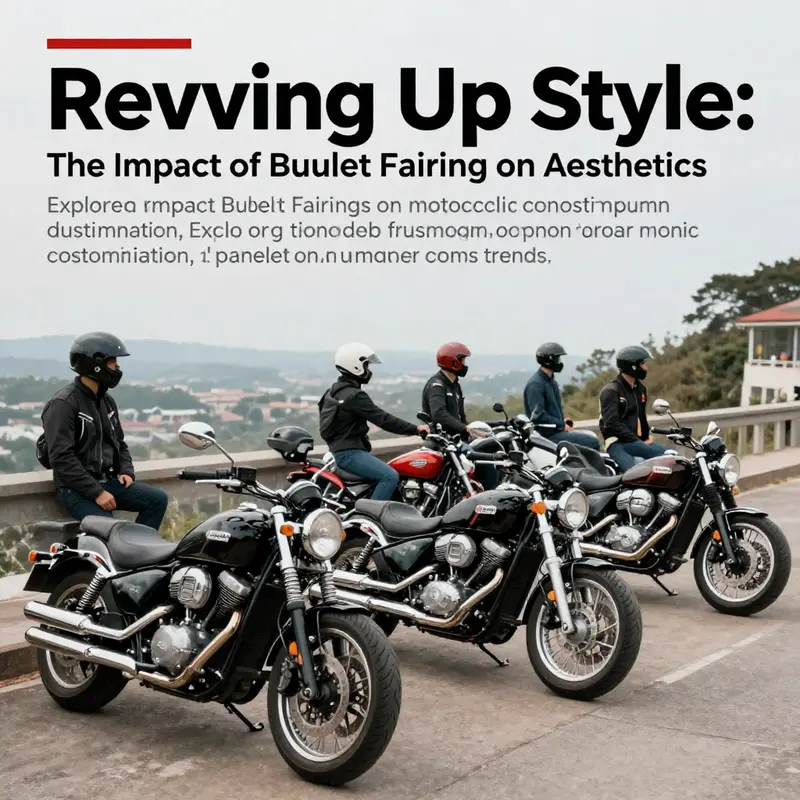
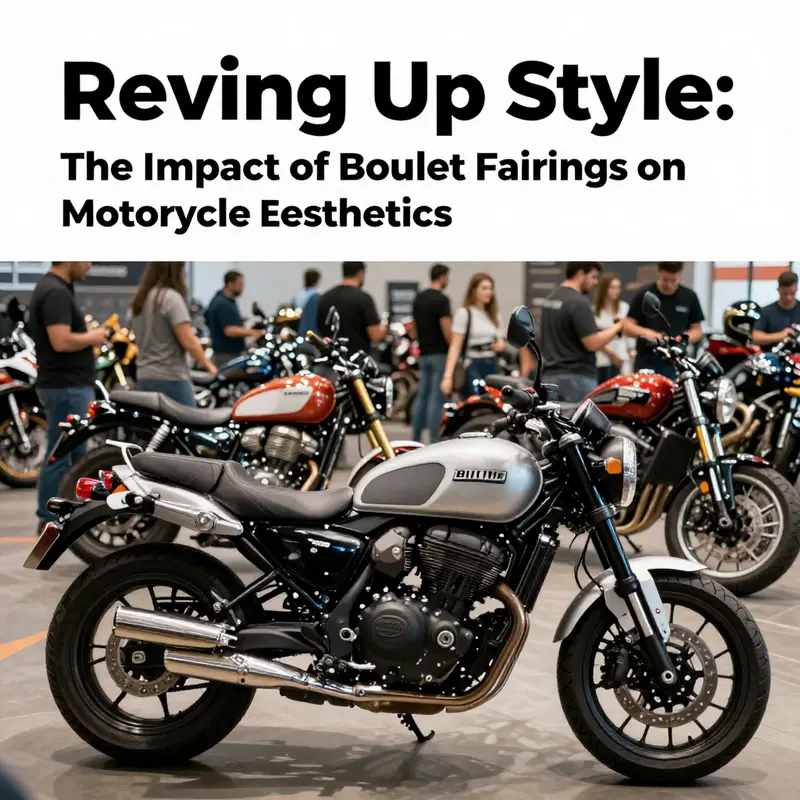
Bullet fairing motorcycles have carved a niche in the biking culture, providing aesthetic and performance enhancements that appeal to both riders and enthusiasts. Characterized by their sleek, aerodynamic shapes designed to resemble a bullet, these fairings are not just about looking good; they offer substantial benefits in terms of wind resistance and comfort. In this exploration, we’ll delve into the innovative designs that define bullet fairings, the performance advantages they bring to motorcycle riding, the myriad of customization options available for motorcycle owners, and the current trends shaping consumer preferences in this vibrant market. By connecting these themes, business owners can better understand the rising popularity of bullet fairings and their importance in the motorcycle industry.
Bullet Fairings: Aerodynamics, Materials, and the Future of a Classic Silhouette
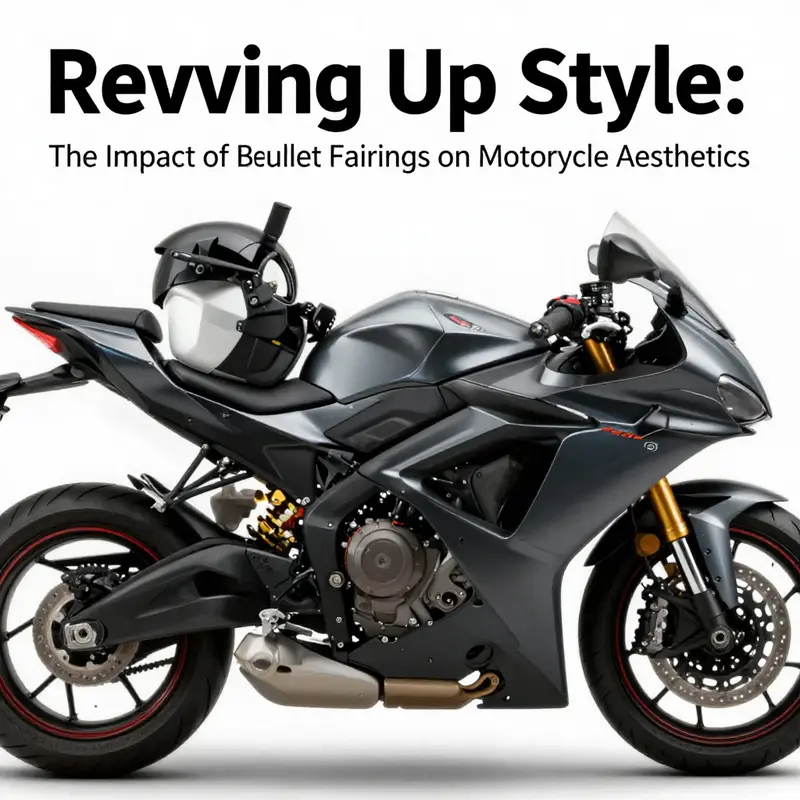
The bullet fairing is more than a shield for the rider; it is a carefully shaped interface between air, machine, and intention. Its profile emphasizes clean lines that minimize drag while wrapping the rider in a stable, predictable aerodynamics envelope. Engineers study nose curvature, chine lines, and leading edge radii to manage flow attachment and prevent buffeting at highway speeds. The result is steadier handling, reduced fatigue, and the potential for small fuel-efficiency gains over long journeys. When designed with aero structural thinking, the fairing becomes a partner to the rider rather than a passive shell.
Material choices have grown beyond simple shells to become integral to performance. Lightweight carbon fiber reinforced polymers, glass fiber reinforced resins, and advanced thermoplastics enable complex contours without excessive weight. This allows more aggressive shapes and embedded channels for wiring, cooling, or sensors, all while preserving stiffness and impact resistance.
Manufacturing approaches increasingly favor digital workflows and additive techniques. Generative design, rapid prototyping, and precision layups let designers test geometry in simulation, produce physical models for wind tunnel testing, and iterate in days rather than weeks. The payoff is both aesthetic freedom and measurable drag reduction, with surface finishes and textures tuned for tactile quality as well as aerodynamics.
A growing trend is modularity without sacrificing cohesion. Core fairing geometry can be extended with wind deflecting lips, integrated air intakes, and removable panels, all designed to maintain a continuous line. This enables riders to customize wind protection and appearance without breaking the visual language that defines the bullet silhouette.
Ultimately, the bullet fairing embodies a dialogue between heritage and technology. It nods to classic motorcycle lines while embracing modern materials, sensors, and potential future advances such as adaptive morphing surfaces. The best designs feel effortless at speed: quiet, stable, and able to accommodate lighting, instrumentation, and electronics in ways that enhance the riding experience.
The Aerodynamic Edge: Performance, Comfort, and Character of Bullet Fairings
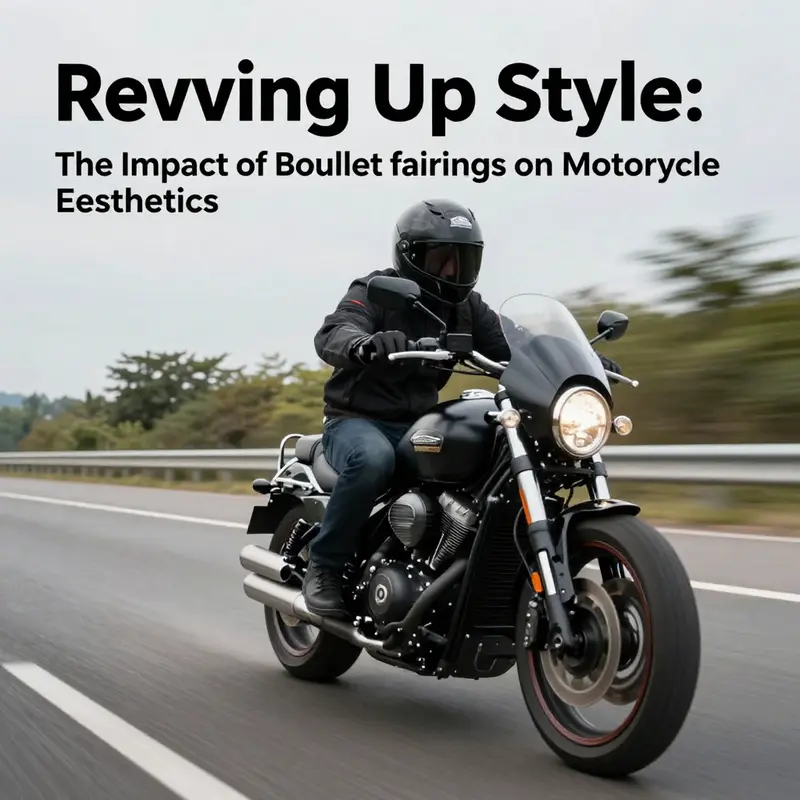
The bullet fairing has long carried the aura of a motorcycle that wears its purpose with understated elegance. Its round, tapering front and smooth lines echo a design language born from wind tunnel thinking and practical riding needs. On a lineage of bikes celebrated for character as much as capability, the bullet fairing stands as a compact, purposeful statement. It is not a full enclosure, yet it channels air in a way that matters to the rider who spends hours on the road. The conversation about performance, therefore, is not about chasing sport-bike top speeds but about extracting usable gains where it counts: stable highway cruising, comfortable long-haul riding, and reliable protection against the elements without masking the bike’s honest temperament. To appreciate the aerodynamic edge of the bullet fairing is to understand a balance at work—between the clean, rounded silhouette that deflects gusts and the transparency of design that preserves the machine’s classic stance. In this sense, the fairing becomes less a gimmick and more an intentional tool, shaping speed and endurance in a package that still reads as a motorcycle first and a wind-sculpting accessory second. The half or low fairing, in particular, is a pragmatic evolution. It narrows the frontal area just enough to smooth the airflow around the engine bay and rider, while keeping the machine’s silhouette recognizable and its serviceability straightforward. This balance—air not as a force to fight, but as a partner to negotiate—defines the practical value of bullet fairings on bikes whose charm lies as much in their accessible performance as in their retro charisma. The effect starts at the windscreen, which works with the rider’s posture to reduce the direct impact of the wind on the torso and head. A well-chosen windscreen can divert air away from the chest, shoulders, and helmet, diminishing fatigue after hours in the saddle. The result is not a surreal reduction of wind pressure but an achievable improvement in comfort that translates into sharper control and better focus on the road ahead. The rider’s posture itself matters as much as the screen. A low fairing tends to encourage a slightly tucked riding stance, which harmonizes with the bike’s balance and reduces the leverage of crosswinds. The effect on control is subtle but real: the bike remains responsive to input, yet less susceptible to the tug of gusts that can destabilize a rider’s cadence at highway speeds. It is here that the fairing earns its keep, turning what might be a tiring long haul into a more predictable journey. Beyond comfort, the aerodynamic logic of bullet fairings touches efficiency. When air is guided smoothly around the engine and the bike’s frame, drag is reduced and efficiency climbs modestly, often in the range of a few percentage points in real-world riding. On a machine known for torque and value-oriented performance, those small gains compound over distance, offering a tangible improvement in fuel economy during sustained highway cruising. While this is not the same as the high-speed aero efficiency pursued by sportbike chassis, it matters for riders who spend long days on the road and want to maximize every gallon without compromising the bike’s character. There is another facet to efficiency that often goes unnoticed: maintenance practicality. Full enclosures can complicate access to the engine and cooling paths, while a half or low fairing tends to leave the essential service points more readily reachable. For riders who enjoy a hands-on approach to upkeep, this translates into shorter maintenance sessions and fewer disconnections when performing routine checks. The Bullet’s enduring appeal thrives on such practical virtues—robust mechanicals, straightforward maintenance, and a modest, livable bump in everyday performance. The fairing’s protective role also extends to the bike’s more exposed components. Mud, rain, river spray, or gravel kicked up from the front wheel can find less purchase on the engine and exhaust when a shield stands between wheel and powerplant. While the fairing is not designed to replace full fender coverage, it creates a buffer that helps keep critical systems cleaner and less exposed to the harsher realities of road grime. This is particularly meaningful for riders who traverse variable conditions or who favor a bike that can handle light adventure without turning into a maintenance nightmare. The aesthetic dimension deserves a quiet acknowledgment as well. The bullet shape—steadily curved, smoothly integrated with the rider’s line of sight—offers a sense of cohesion between form and function. The design reads as muscular without being aggressive, confident without shouting. For owners who value a bike’s presence in a driveway or on a stage set, the fairing contributes to a reading of the machine as a crafted object, not just a means of transport. In practice, choosing a bullet fairing becomes a matter of aligning the rider’s expectations with the bike’s personality. A half fairing is well suited to riders who prize wind protection and a modicum of weather shelter while honoring a lighter, more nimble feel. A low fairing can be ideal for those who want a sportier stance without sacrificing the aura of classic styling. The decision is seldom purely about speed; it is about balance—between the windman’s shield and the rider’s sense of connection to the machine. The customization path often reflects this philosophy. A broad spectrum of styling options exists, from traditional curves that echo the original design to more contemporary interpretations that introduce sharper angles or batwing silhouettes while keeping the core principle of a bullet profile intact. These styling choices are not cosmetic bystanders; they define the rider’s experience by shaping airflow in ways that influence comfort and perception of the ride. Accessory windscreens, compatible side panels, and color-matched surfaces can blend the fairing into the bike’s broader palette, offering a factory-like finish for those seeking a cohesive look. When selecting styling and fitment, riders are well advised to check compatibility with their frame, headlight configuration, and mounting hardware. The goal is an integrated system rather than a patchwork of add-ons. It is a principle stitched into the culture of classic bikes that the right fairing complements the engine’s character rather than overpowering it. A well-integrated fairing respects the bike’s essential proportions and preserves the line where engine cover meets frame, where the tank transitions to the seat, and where the silhouette holds steady against the horizon. The result is a motorcycle that reads as a single instrument rather than a collection of parts. For riders who crave information on how to explore a curated catalog of fairing options, one can turn to a broad range of manufacturers and retailers that organize products by brand and model compatibility. For a representative set of Triumph-affiliated styling paths, consider browsing a dedicated Triumph fairings collection, which can guide a shopper toward options that align with the Bullet’s spirit while offering the practical improvements discussed here. This route emphasizes the balance between heritage and modernization, inviting riders to preserve the bike’s classic rhetoric while embracing the comfort and efficiency that today’s half and low fairings can provide. It is not a denial of the machine’s soul but an enhancement that amplifies its most valuable traits: the sense of purpose that comes from riding a well-balanced, wind-managed machine with a design language that respects its origins. The essence of the Bullet fairing, then, is not a single feature but a convergence of advantages—wind management, rider comfort, protection for critical components, and a streamlined path to efficiency—woven into a package that preserves the bike’s iconic silhouette. In that synthesis lies the reason modern riders still gravitate toward the bullet profile. It is a testimony to how a simple, elegant shape can adapt to contemporary demands without erasing what made the bike beloved in the first place. As riders search for that sweet spot between retro charm and reliable practicality, the bullet fairing stands as a quiet but persuasive argument: you can have wind protection, improved highway stability, and straightforward maintenance without surrendering the character that drew you to the bike in the first place. For those intrigued by how a decades-old design can evolve, the path forward is guided by thoughtful selection, careful fitment, and an eye for how air behaves when it meets a rider and a machine that share a long, winding road. To explore how these designs live in a broader ecosystem of aftermarket parts, look for the Triumph fairings catalog, which offers a sense of the range and visual language that can accompany the bike’s enduring presence. Triumph fairings catalog Meanwhile, when you want a broader perspective on the science behind motorcycle fairings, an external resource provides a concise overview of how different fairing types impact performance and handling. For authoritative information on motorcycle fairing types and their impact on performance, see Motorcycle.com’s explanation of fairings at https://www.motorcycle.com/technology/motorcycle-fairings-explained.
Sculpting Speed and Style: The Art and Craft of Custom Bullet Fairings
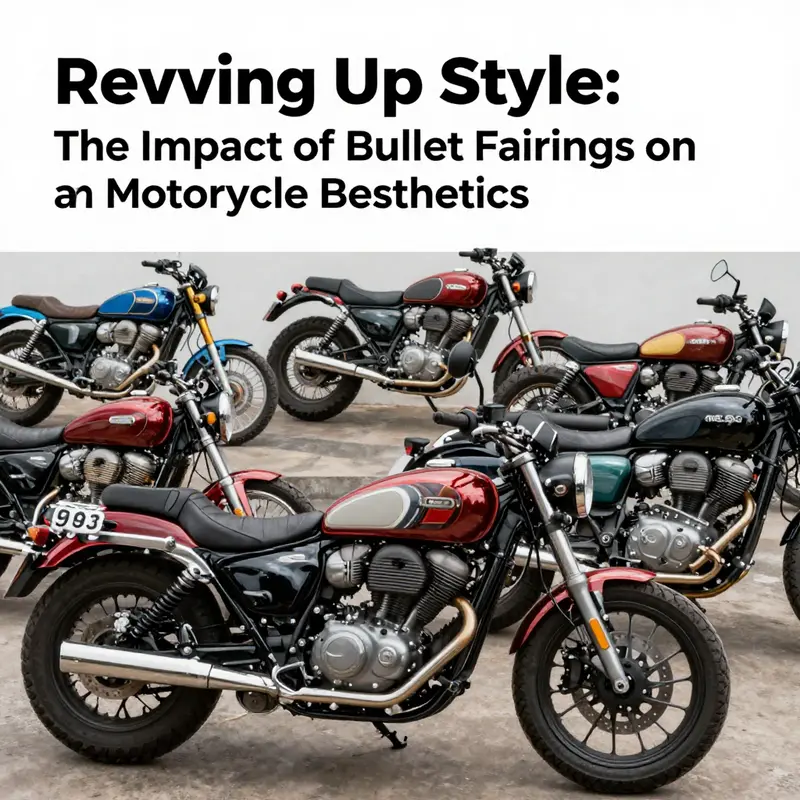
The bullet fairing is more than a shell that shields a rider from wind; it is a statement of the bike’s personality, a deliberate crossfade between heritage and high-tech customization. On a classic-styled machine, the fairing carries the brand’s silhouette into the modern era, smoothing the lines of a vintage frame while inviting the rider to add personal nuance. In this chapter, the conversation moves beyond basic assembly and into the nuanced world where shape, material, and fitment converge with intention. The goal is not merely to cover the front end but to craft a coherent whole where wind protection, aesthetics, and performance talk to each other in a single, fluent language. When a rider commits to upgrading a bullet fairing, they are choosing a path that honors the bike’s lineage while embracing the demands of contemporary riding—comfort on long corridors of asphalt, a cleaner look alongside upgraded electronics, and a silhouette that feels both timeless and tuned for the road ahead.
The decision to customize begins with a quiet appreciation for materials. Fiberglass remains a common choice because it invites precise shaping without prohibitive cost. It molds readily to the nuanced curves of a classic bullet profile, offering a dependable balance of weight, rigidity, and affordability. For riders pursuing performance goals or aiming for a featherweight response, carbon fiber presents a higher tier of engineering. It provides an excellent strength-to-weight ratio, bringing a taut rigidity that translates into subtle gains in steering feel and wind behavior at speed. The allure of carbon fiber is not just science; it is a visual language as well. The telltale weave, the gloss that catches light differently as the bike traverses the road, and the sense that the fairing itself contributes to the machine’s overall kinetic intelligence elevate the customization from a cosmetic upgrade to a functional refinement.
Beyond material choices, the shape of the fairing itself becomes a canvas for aerodynamic imagination. The classic bullet form can be augmented with variations that emphasize airflow management without betraying the bike’s character. Some riders opt for a more streamlined upper body that tames a wider head-on wind pressure, while others favor a slightly more pronounced lower edge to shield the engine and chassis from debris and road spray. The dialogue between form and function is never purely theoretical; it translates to tangible benefits on the ride. When the rider sits behind a carefully sculpted panel, the wind tunnel of everyday highway speeds becomes a partner in comfort rather than a relentless force. The right contour can reduce rider fatigue, quieten the helmet, and contribute to steadier cornering by smoothing out gusts that chase a bike’s front end.
A central thread through any fairing project is compatibility. Custom shapes and new materials must harmonize with the bike’s original architecture, including the frame, headlights, instrumentation, and wiring. A fairing that looks like it belongs on the machine but clashes with the blinkers or the dash quickly turns into a distraction rather than a design win. This is where the practical craft of fitment comes to the fore. The installer must consider bolt patterns, mounting points, and the potential need for reinforcement where stress concentrates at high speeds or during hard braking. Even seemingly minor concerns, such as the clearance between a fairing edge and the fork crown or the turn signals, can determine whether the look remains pristine and the function remains flawless. The best results emerge when the rider and craftsman approach fitment as a system, not as a sequence of isolated parts.
Another pivotal dimension is the idea of partial kits. Rather than replacing the entire front end, riders often select upper fairing kits that concentrate wind protection and front-end aesthetics around the headlight and upper torso area. These packages can significantly alter the rider’s experience by funneling air more effectively around the torso and helmet while preserving the bike’s lower lines and, in some cases, keeping key original components in place for a more faithful restoration or a subtler modern look. Lower fairing components, by contrast, serve a dual purpose: they shield the engine and chassis from road debris and enhance the machine’s visual depth, creating a layered profile that reads as purposeful rather than patched together. The appeal of partial kits is in their modularity. They enable a staged upgrade, letting a rider experiment with wind behavior and aesthetics before committing to a full fairing overhaul. This gradation mirrors the practice in other domains of customization where enthusiasts prefer to test-fit, iterate, and then finalize.
Restoration scenarios illuminate another facet of the customization journey. For vintage bullet bikes, the goal often centers on achieving a factory-like finish while injecting a whisper of the owner’s own personality. The fairing, in such cases, becomes an instrument for preserving the bike’s narrative. Rather than a wholesale replacement, a carefully chosen panel or set of panels can restore the original proportions, bringing back the clean, classic stance while accommodating modern hardware or better weather sealing. Acceptance of a factory-inspired finish does not preclude personalization; the modern rider can choose color-matched surfaces or subtle texture upgrades that nod to the original appearance while delivering a sleeker, more contemporary presence. The balance is delicate: too much deviation risks erasing the bike’s story, while too little can feel stagnant. The skilled practitioner negotiates this balance with a quiet confidence, ensuring the bike speaks with one consistent voice.
Color and finish, then, become another axis of customization. A color-matched surface can unify the bike’s look, tying the fairing to the tank, seat, and fender with a cohesive, factory-like sheen. The choice of finish—gloss, matte, or satin—speaks to the rider’s vision for how the bike should feel in the real world. A gloss finish may amplify the bike’s lines, inviting more light and detail to play across the fairing, while a matte surface can emphasize a vintage, understated aesthetic that pairs well with leather and brass accents. These decisions extend beyond mere appearance; they influence how the machine interacts with its environment. The gloss may require more meticulous maintenance, but it rewards a sunlit ride with a drawn-out gleam; a matte finish rewards hands-on care and a certain rugged readability in urban settings. In every case, the result should feel less like an accessory and more like a natural extension of the bike’s silhouette.
Integral to the customization philosophy is the orchestration of color, texture, and hardware to reflect a planned personal narrative. The rider’s story—perhaps a long-haul traveler with a preference for calm, wind-sculpted air flow, or a weekend sprint enthusiast who values quick responses and a tactile, engaged ride—shapes every choice from the shape to the finish. A well-considered bullet fairing integrates with the rider’s seating position, hand controls, and windscreen height, delivering a harmonized cockpit that feels engineered for their roads, not merely for a showroom. When this alignment occurs, the bike’s personality emerges not as a sum of parts but as a coherent voice that can be recognized from a distance and understood in motion. This is the essence of customization: the creation of a visual and tactile language that communicates rider intent through the machine’s skin.
To those who want to explore the options without losing sight of fitment realities, there is a wealth of guidance, including practical considerations about material behavior under heat and road stress, ease of installation, and the long-term maintenance implications of different finishes. A reliable reference point for readers who want to dive deeper into the decision process is the detailed practical guide on choosing custom motorcycle fairings. For a broader sense of how designers and builders approach the problem, a visit to the Triumph fairings catalog can illuminate how OEM styling and aftermarket interpretations converge and diverge, revealing the careful balance between preserving legacy lines and inviting modern upgrades. See more about Triumph fairings at this resource, which provides a clear map of what to expect when exploring front-end options for bullet-named bikes. Triumph fairings.
The broader point is that customization is not a single act; it is a process that evolves with the rider’s needs and the bike’s evolving capabilities. A bullet fairing, in particular, offers a robust platform for experimentation because its form is both iconic and adaptable. It invites the rider to shape the wind, the look, and the level of protection in a way that remains faithful to the bike’s spirit while responding to real-world demands: longer highway rides, urban commutes, and weekend tours that weave through varied terrain and weather. This adaptability is at the heart of why the bullet fairing endures. The bike’s soul is not trapped by its original design; rather, it becomes more expressive through thoughtful upgrades that respect its roots and invite it to participate in the rider’s ongoing journey. In this sense, customization becomes a dialogue between rider and machine—a conversation about balance, speed, and style that continues long after the first bolt is tightened and the new panel finds its place against the frame.
As the chapter closes, the reader is reminded that every choice—from resin type to edge taper to color depth—contributes to a single, coherent outcome: a motorcycle that feels designed for the rider. The bullet fairing, properly chosen and correctly mounted, can transform simple wind protection into a refined, validated experience. It can render the bike more at ease with longer rides, more expressive in its appearance, and more comfortable for the rider who wants the road to feel a touch less hostile and a lot more personal. The path from stock to customized is not about flashy trends; it is about crafting a balanced, enduring relationship between the rider, the road, and the bike’s defining silhouette. And that relationship, once established, remains resilient as the bike ages, continues to turn heads, and continues to carry its owner toward new horizons with poise and purpose.
External resources for further exploration and practical guidance can augment this journey. For readers who want a deeper dive into the practicalities of choosing and fitting custom fairings, the linked external guide offers a thorough overview of the considerations, risks, and rewards involved in upgrading a bullet fairing. a practical guide on choosing custom motorcycle fairings.
null
null
Final thoughts
The evolution of bullet fairing motorcycles reflects a perfect blend of style and functionality, appealing to a growing number of riders. Business owners can tap into this trend by focusing on innovative designs, performance enhancements, and customization options that meet the preferences of today’s discerning customers. Understanding these dynamics not only aids in product development but also enhances marketing strategies in a competitive landscape. The bullet fairing’s distinct aesthetic and tangible benefits ensure that it will remain a relevant and sought-after component of motorcycle culture.