
Maintaining the sleek appearance of motorcycle fairings is essential for both aesthetics and performance. Quality waxes are specifically formulated to protect and enhance the look of bike bodywork. Among these, CERALUX Resin Bike Wax Polish stands out as a prime recommendation. This professional polish features a polymer-rich formula that revives shine and protects surfaces, addressing the specialized needs of motorcycle owners and business operators alike. Each following chapter dives deeper into how to choose, apply, and benefit from the best motorcycle fairing waxes available on the market today. From product recommendations to understanding the technology behind waxing products, this guide equips business owners to maintain and promote their motorcycle offerings effectively.
null
null
The Polymer Seal: How a Polymer-Rich Wax Creates Lasting Mirror-Gloss on Motorcycle Fairings
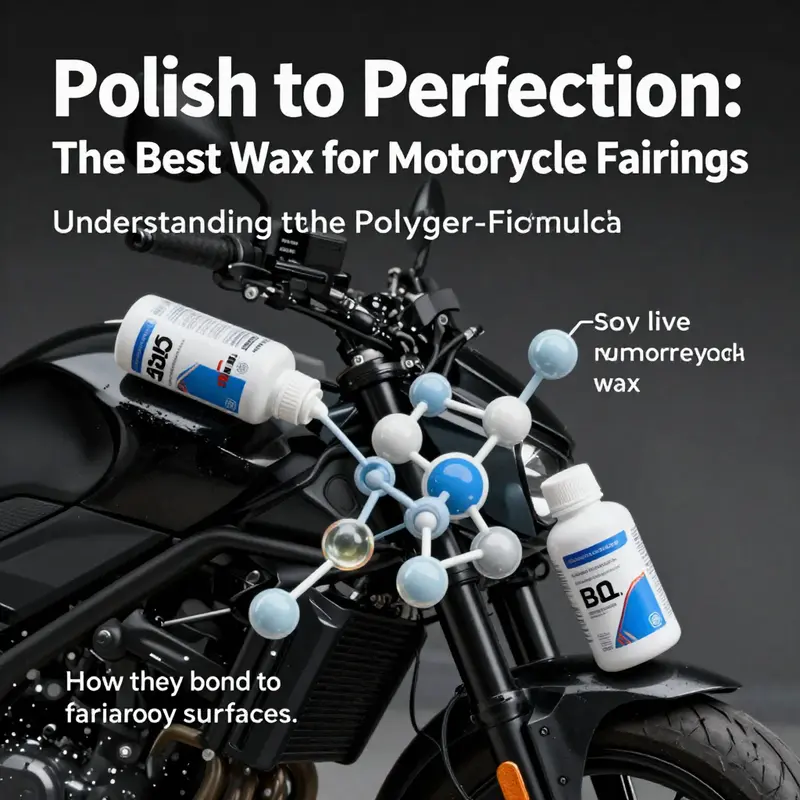
Fairings are more than a shell that shields your engine. They are the visual heartbeat of a motorcycle, a surface that endures sun, rain, bugs, and the constant swirl of road grit. A polymer-rich wax provides a modern answer to the age-old goal of keeping plastics and paint looking fresh without grinding away at the finish with harsh abrasives. In this approach, the emphasis shifts from brute solvents to a science-driven film that seals the surface in a tough, reflective skin. The growth of polymer-rich formulations marks a deliberate departure from traditional waxes. Instead of relying on a quick solvent-driven shine or a sacrificial layer that wears away with use, these advanced polishes rely on high concentrations of synthetic polymers that bond with the exterior of the fairing. The result is a coating that behaves like a second skin—clear, flexible, and capable of standing up to the daily assault of weather and road debris. When you work with a polymer-rich product, you are inviting a performance layer that can be tailored to the quirks of modern fairings, which are often composed of painted surfaces, clear coats, and delicate plastics that demand a gentle, careful touch.
The essence of this chemistry lies in the film-forming polymers that create a uniform, continuous shield across every curve and edge. These polymers are designed to form strong yet pliant bonds with the resin and paint beneath. As the film cures, it fills in micro-scratches and micro-imperfections that accumulate from countless miles of riding. The enhancement is not merely cosmetic; it also improves the surface’s ability to reflect light. A smooth, well-bonded film scatters light more evenly and reduces the telltale dullness that marks fairings after exposure to sun and precipitation. The mirror-like gloss that follows is not just a flash in the pan; it is a durable layer that maintains depth and clarity over time, resisting the gradual dulling that can accompany weathering.
Where traditional waxes often depend on solvents to lift grime or abrasives to abrade a surface for shine, polymer-rich waxes lean on chemistry. They are designed to be gentle on delicate finishes. The polymer-rich approach minimizes the need for aggressive rubbing or heavy polishing, which can risk micro-scratches or paint distress on sensitive plastics. The result is a finish that looks richer and more saturated than a basic paste or liquid polish, with a level of durability that helps the finish resist the first signs of fading. In effect, the polymers act as a protective lattice that stands up to UV radiation, prevents water spots, and staves off environmental contaminants that can cling to composite surfaces.
A key advantage is the hydrophobic nature of many polymer films. When water encounters a well-cured polymer layer, it beads and rolls off rather than clinging in flat sheets. This not only speeds drying after a ride but also helps reduce water spotting, which can mar a high-gloss finish. The same film also helps reduce the infiltration of pollutants such as road grime, tree sap, and bird droppings, which, if left to bake into the surface, can be difficult to remove without aggressive cleaning. In short, the polymer-rich approach translates a simple wash and wax routine into a more complete surface-care strategy that keeps fairings looking vibrant longer.
To extract the maximum benefit, application technique matters as much as chemistry. Best results come from working on a shaded, cool surface. A warm panel can cause the product to dry prematurely, leaving streaks or uneven patches that interrupt the smooth, uniform look a polymer film is meant to achieve. Start with a clean slate—remove dust and debris with a light wipe or gentle wash, then allow the surface to dry completely. Apply a thin, even layer of the polymer-rich formulation, using smooth, overlapping motions. The goal is a veil across every contour, not a heavy coat that pools in creases or crevices. After letting the product set for a short dwell time, buff with a microfiber cloth until the film reveals a steady, glassy finish. The warmth of sunlight might tempt a quick buff, but patience pays. A longer, even cure time gives the polymers a chance to anchor, cross-link, and fill micro-imperfections in a way that yields lasting brilliance.
Repairing or reviving dull areas on fairings requires a gentle approach. If micro-scratches still show after the first pass, a light second application can help fill and seal smaller flaws without introducing new damage. Because the formula is designed to be non-abrasive, there is less risk of introducing new scratches during maintenance. This makes polymer-rich products particularly well suited to plastic and painted surfaces alike, including delicate clear coats and layered finishes that demand careful handling. The film’s resilience is what helps it survive the next few rides and the next season of weather. It can stand up to light washing, rinsing, and occasional exposure to mild detergents, provided you avoid harsh solvents that can degrade the polymer network.
In practice, the longevity of a polymer-rich wax often translates into longer intervals between re-waxes compared with traditional products. The film remains elastic enough to absorb minor flexing and weather movement, yet robust enough to resist cracking or peeling under UV exposure and thermal cycling. For riders who chase a consistent, showroom-like finish, this means fewer cycles of polishing and more time enjoying the ride. The payoff is a finish that mirrors the sky, with a depth that makes color pop and a clarity that makes lines and edges read true.
When you consider the broader ecosystem of fairing care, the polymer-rich approach aligns with modern materials and coatings that emphasize protective performance alongside aesthetic appeal. The formulations are designed to be compatible with common exterior surfaces found on motorcycles today, from painted panels to high-gloss clear coats and matte accents. They are formulated to be gentle yet effective, balancing the need for shine with the need to preserve underlying materials and textures. This compatibility matters because fairings are not uniform; each scooter or motorcycle may feature a different blend of plastics, resins, and paint systems. A polymer-rich wax that is engineered to offer broad compatibility provides a straightforward, reliable option for most riders, reducing the guesswork that often accompanies care routines for newer or custom builds.
For riders who want a concrete path to the best possible finish, the guidance centers on creating a smooth, consistent base layer. Prior cleaning removes surface contaminants that could interfere with adhesion. A dry, dust-free surface ensures the polymer film can establish a solid anchor. The next step is a thin application that avoids buildup, which can crack or peel as the surface expands and contracts with changing temperatures. Once the film is set, a careful buff reveals a level of depth and reflectivity that creates the perception of a deeper color and a flawless surface. The results are a tangible upgrade in how light interacts with the fairing, with highlights that feel almost three-dimensional rather than flat.
For riders curious about where to begin, many manufacturers and retailers now offer dedicated catalogs for fairings and painted plastics. If the goal is to tailor maintenance to a specific fairing style, a look at collections that focus on fairings may be worthwhile. In particular, the Honda fairings category provides a window into how a well-executed maintenance routine translates to a broader set of model-specific needs. For riders with Honda fairings, the collection offers parts and accessories that complement a careful care regimen and maintain the integrity of the surface in the long term. Honda fairings
Beyond the practical steps, there is a philosophy to polymer-rich care. Shine is not a one-off event but the result of a partnership between product design and surface preparation. A well-prepared surface accepts a glossy film more evenly, which leads to consistent reflections and a more uniform appearance across complex curves and angles. When done properly, the finished look speaks of quality—an even, glassy finish that seems to glow from within the surface rather than simply sitting on top of it. This is the essence of modern fairing care: a durable, protective gloss that remains true as miles accumulate and weather changes.
For readers seeking a broader frame of reference about the chemistry behind these products, there is value in looking at polymer-based wax technologies beyond the automotive world. External resources provide a deeper dive into how polymer networks form films, how cross-linking influences durability, and why hydrophobic properties matter for exterior finishes. External reference: Polymer wax overview.
Shine and Shield: Mastering Wax Application for Motorcycle Fairings
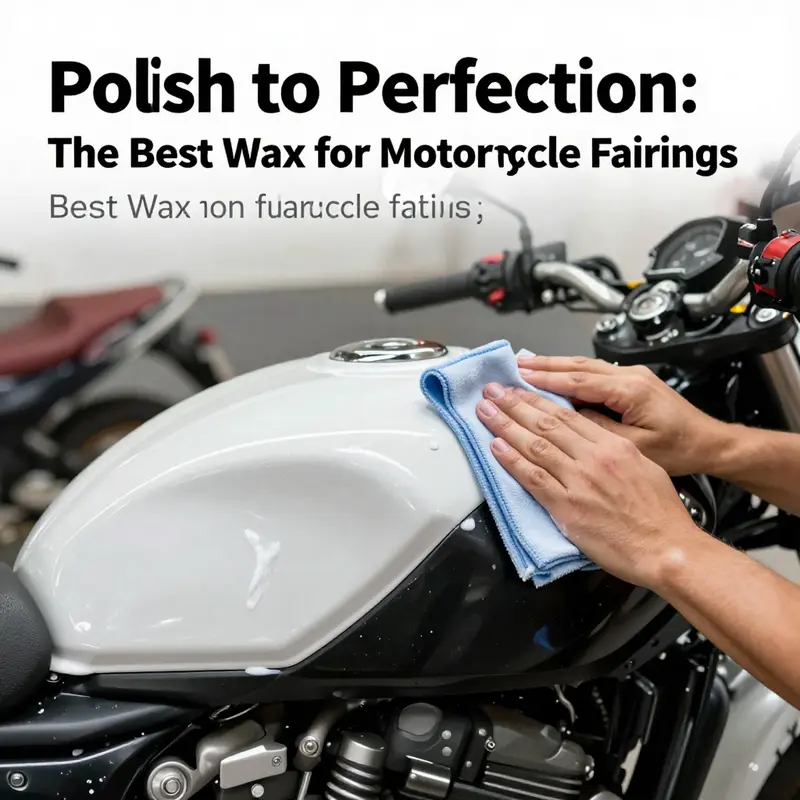
The finish on motorcycle fairings does more than just look good. It protects sensitive clear coats from the sun’s UV rays, airborne contaminants, and the kind of micro-scratches that accumulate over miles of wind and ride. When the right wax is chosen and applied with care, it becomes a resilient shield and a magnifier of depth and clarity. Within the best wax options for fairings, the standout category is a premium polymer-rich resin wax. This kind of formula binds to the paint and clear coat to form a durable, glossy layer that resists environmental attack while enhancing the surface’s realism—the way light plays across curves, revealing nuance in color and contour. Importantly, this chapter does not advocate a single product name; instead, it emphasizes the essential characteristics that make a wax appropriate for fairings: polymer-rich protection, ease of removal, and a finish that remains vibrant under sun and rain. The approach outlined here suits a wide range of fairings, from sleek sport plastics to more intricate units with multiple panels and edge lines that catch every nuances of reflections.
The path to a flawless waxed surface begins long before the first swipe. Thorough cleaning is the foundation. Begin with a pH-neutral motorcycle-specific soap and a microfiber wash mitt, working methodically from top to bottom so you don’t drag debris across clean areas. A deliberate, gentle touch matters. Rinse completely and dry with a clean microfiber towel. Leftover dirt or residue trapped beneath wax is the surest route to swirl marks and a dull finish. The surface must be pristine to maximize adhesion. If you skip this step, you may seal in contamination rather than seal out damage, and the gloss you crave will never reach its full potential.
Many riders choose to take the surface a step further with a clay bar treatment. A clay lubricant helps lift embedded contaminants—tree sap, brake dust, industrial fallout—that washing alone can’t remove. When you glide the clay over the fairing, you’ll feel the surface transform from a slightly rough texture to smooth as glass. This step isn’t strictly mandatory, but it is highly recommended for those who ride in dusty environments or who want the deepest possible bond between wax and paint. A perfectly smooth surface gives the polymer-rich resin wax the best chance to form a uniform, reflective sheen that lasts longer and resists micro-marring.
The working environment is critical. Apply in a cool, shaded area where the surface temperature sits between roughly 60°F and 80°F (15°C to 27°C). Direct sun not only speeds drying in ways that can trap hazing or streaks, but heat can also cause wax to dry unevenly, which makes buffing more arduous and can intensify grabby sensations on textured edges. A calm, consistent climate is as important as the solvent and polymer choice itself. The goal is a controlled cure window that allows the wax to set evenly enough to be buffed away cleanly, revealing a surface that looks deeper, more glass-like, and uniformly protected.
Choosing the right wax and applying it correctly is where the technique converges with science. Waxes come in three broad formats: paste, liquid, and spray. Each has its niche. Paste wax tends to offer the deepest protection and the longest-lasting gloss. It is best applied in small sections—think 6×6 inch blocks—using a soft applicator pad in gentle, circular motions. The benefit is a robust, uniform film that stands up to washing and the occasional light abrasion from road debris. Liquid wax is easier to work with, an excellent choice for riders who value speed and simplicity. Spread evenly with a foam applicator or microfiber, and you’ll still achieve solid protection and noticeable shine. Spray wax, meanwhile, is the quickest, ideal for mid-cycle touch-ups or for re-energizing gloss between more thorough sessions. The common thread across all forms is the technique used to apply and remove the product without leaving streaks or hazing.
Whichever format you choose, the application timing matters. After you lay the wax, let it sit for about 5 to 10 minutes, or as the product guidance directs, to allow a light cure. The aim is a film that is firm enough to buff, not so dry that it’s brittle or so soft that it remains tacky. Removal should be done with a clean, high-quality microfiber cloth. Work in gentle, overlapping circular motions, maintaining light pressure. The goal is a complete removal of the film without digging into crevices or lifting edges. If any haze or streaks remain, give the area another light buff before moving on. Tough-to-reach corners or panel seams can benefit from a quick, careful technique with a fresh microfiber in those tight spots. The final result should reveal an even, high-gloss finish that makes light travel across the fairing with nuance, emphasizing color depth and panel geometry rather than imperfections.
Inspection under natural light is essential. Walk around the bike, visually hunting for missed spots or halos. If you see a lay-down in a seam or a patch that lacks uniformity, reapply lightly and buff again. This stage is less about chasing perfection and more about ensuring consistency. Regular maintenance pays dividends. Reapply every 4–6 weeks, with the frequency adjusted for exposure to sun, rain, and road debris. The more you ride in harsh conditions, the shorter the interval, while protected, shaded storage can extend the interval. The objective is to sustain the shield and the luster without letting the film degrade or the gloss fade into a dull, lifeless plane.
Beyond the process, there’s value in recognizing how to pair maintenance with the specific fairing you have. Some fairings are a smooth, continuous surface; others have complex lines, vents, and panel gaps that invite extra care. In practice, start with a broad, uniform coat to create an even base. Then, in subsequent passes, target high-visibility areas that take more abuse—fuel stops, windscreen edges, and the lower portions of the panels that naturally accumulate more grime. This layered approach—base protection first, targeted reinforcement second—helps ensure the finish remains even across all planes and edges. For readers looking to explore more about particular fairing families, a practical option is to browse the Honda fairings collection to understand how different shapes and materials respond to care. The link below offers a direct path to a wide range of specific fairings:
In practice, the best wax for your ride integrates the right chemistry with disciplined technique. A resin-based polymer wax provides a protective, long-lasting film that enhances depth and clarity without creating a brittle finish. It allows the color to breathe rather than suffocating under a thick layer, and it remains easier to remove than products that cure too rigidly. The waxing routine described here—thorough cleaning, optional clay, correct environmental conditions, careful application, and patient buffing—creates a durable, high-gloss shield that helps preserve the original paintwork as the bike meets the elements again and again. The result is not merely a superficial shine but a durable aesthetic that communicates pride in ownership and attention to detail, even when the bike sits in the sun for hours or cuts through a sudden shower on a canyon road.
For riders who want a deeper, more technical understanding of how to execute this care with the precision of a professional, consult expert guides that walk through the steps with sample timings, recommended cloths, and panel-by-panel workflows. While the exact brand may vary, the principles stay constant: a clean surface, a smooth, contaminant-free base, a controlled cure window, and a deliberate buff that leaves a protected, high-gloss finish. These elements combine to protect your investment while preserving the distinctive aesthetics of each fairing panel across your collection of bikes and rides.
For a detailed, expert-recommended wax application steps specifically for motorcycle fairings, refer to this guide: https://www.motorcycle.com/motorcycle-maintenance/how-to-wax-a-motorcycle-fairing-properly/
Gloss That Guards: How Quality Wax Elevates and Extends the Life of Motorcycle Fairings
When you roll a motorcycle out of the garage, the fairings do more than shape the bike’s silhouette. They protect the heart of the machine while speaking to its character. The finish on those panels is a narrative of care, exposure, and potential. A high-quality wax, thoughtfully chosen and properly applied, acts as a defensive endcap for that narrative. It is not a mere cosmetic flourish; it is a practical, long-term investment in the integrity of the paint, plastics, and decals that define a rider’s first impression and the bike’s resale value. In this chapter, we explore what makes wax a reliable ally for fairings and why a polymer-rich, premium formula is often the best choice for riders who treat finish care as part of the riding discipline itself.
The most immediate benefit of a good wax lies in protection. Fairings live in a harsh environment. They face UV radiation that can fade colors and dull gloss, rain that can carry contaminants, and a constant stream of dust, road grime, and insect debris. A quality wax creates a protective layer that acts like a shield. It repels water, reduces the adherence of contaminants, and minimizes micro-marring from routine contact with rain and brief brushes with debris. The layer formed by a premium wax is designed to be more than a superficial shine; it’s a sacrificial barrier that takes the brunt of environmental assault so the underlying finish remains vibrant and stable over time.
A polymer-rich formulation is central to this protective performance. Polymers form a durable matrix that bonds to the surface rather than simply sitting on top of it. This bond creates a hydrophobic effect, causing water to bead and roll off rather than cling to the fairing. Beading speeds up drying after a ride in a drizzle or a through-damp morning and reduces water spots. It also helps prevent stubborn dirt from embedding itself in the microtexture of the paint or plastic, making later cleansings quicker and gentler. The polymer component contributes to abrasion resistance as well, helping to dampen the impact of tiny scuffs and light scratches that accumulate from everyday handling, parking, and the occasional close encounter with gravel.
Beyond protection, the aesthetic payoff is meaningful. A gloss that looks deep and true does more than catch the eye; it communicates an impression of meticulous care. A well-executed wax finish enhances color depth and clarity, delivering a mirror-like shine that can highlight the contours of fairing geometry—the sculpted lines, the recessed fasteners, the edges where panels meet. The effect is more than vanity. A flawless finish reflects light evenly, which can make the bike appear newer, more intentional, and better preserved. The same smooth, reflective surface that produces this visual appeal also makes maintenance easier. When the surface is slick, dirt and grime have a harder time clinging to it. A quick rinse or a light wipe removes debris with far less effort, reducing the risk of introducing scratches during cleaning.
The life span of materials is another critical consideration for riders who invest in fairings made from painted surfaces, ABS plastics, or thermoformed composites. Regular waxing contributes to the longevity of the finish by slowing the process of oxidation and color fade. The protective layer buffers against UV and chemical exposure from splashed fuels or road salts, which can accelerate degradation of the clearcoat, pigment layers, or plastic surface. In high-performance or custom builds where aesthetics are central to the project’s story, preserving the fairing’s condition becomes part of preserving the bike’s identity. Wax acts as a maintenance ally, not a one-off glamour move. It reduces the rate at which the surface loses its luster, helping the fairings retain their original sharpness and color saturation for longer.
The practical routine of applying a quality wax is intimately tied to how riders use their bikes. A common rhythm pairs washing with a proper decontamination step—removing embedded fallout such as tar and brake dust—followed by a careful drying. Only a clean, dry surface will let the wax form a uniform, durable layer. The application window matters too. Temperature, humidity, and surface condition influence both gloss and protection. In cooler or more humid climates, curing times and the ease of buffing can vary. The goal is a thin, even film that cures without streaks or hazing and can be buffed to a bright, smooth finish with a clean microfiber cloth. A well-chosen wax supports this process by offering good workability at common riding-season temperatures and by drying to a neat, non-tacky film that won’t attract dust as aggressively once cured.
Choosing the right product is about aligning performance with the rider’s needs and the fairing’s material makeup. Look for a formula that emphasizes durability, UV inhibitors, and a balance between ease of application and long-term protection. A wax that pairs a solid polymer matrix with natural wax components often delivers both robust beading and a warm, glassy glow. The best options also provide predictable results across different plastic polymers and painted finishes, minimizing the risk of streaks or residue on edges, seams, or decals. While the allure of a super-brilliant finish is strong, a dependable protective layer that remains clear and true after exposure to rain and heat is a more valuable long-term asset for most riders.
For riders who want to explore how finish care can intersect with the broader culture of aftermarket fairings and customization, it’s worth noting how finish maintenance complements the broader ecosystem of fairings. If you’re curious about specific fairing families or model lines, you can explore organized categories that group pieces by manufacturer or model family. For instance, you can browse fairings designed for a specific model family such as Honda CBRs to see how different panels, decals, and plastics respond to care routines. This context helps a rider visualize how a particular wax strategy will behave across the various panels that comprise a single fairing system. See the collection here: fairings for Honda CBR.
A critical thread running through care discussions is the practicality of application. The right wax should not require excessive time or complex steps to achieve a good result. It should be forgiving for riders who wax on a weekend and ride during the week, and it should still perform reliably after a hurried wash and quick buff. A premium product typically exerts less burnishing effort when buffing and leaves a consistent finish across curved surfaces, edges, and molded features. For most riders, this means fewer streaks, less residue on the edges, and a more uniform appearance from panel to panel. The smoother the film, the easier it is to maintain in the long run, because the soil that would otherwise cling to rougher textures has less foothold, and the wash process becomes simpler and faster.
The chapter you’ve just read is the essence of why wax remains central to fairing care. It is not a single, dramatic gesture but a measured, ongoing practice that adapts to weather, mileage, and the bike’s ownership history. The best outcomes emerge when care is integrated into a routine—cleaning, drying, and applying wax to refresh the protective layer and maintain the finish’s integrity. This approach respects the fairing’s role as both shield and canvas: it defends the vehicle against the elements while allowing its design and color to communicate the rider’s choices and the build’s personality. The next steps in this discussion can turn toward technique and timing—how to optimize application, how to assess finish wear, and how to maintain gloss across seasons—without losing sight of the long game: a fairing that looks as sharp after years of riding as it did on day one.
External resource for further care guidance: https://www.motorcycle.com/motorcycle-care/waxing-your-motorcycle-fairings/
Polish, Protect, Perform: Navigating the Best Waxes for Motorcycle Fairings in a Crowded Market
Motorcycle fairings are more than just a shield against wind; they are a dominant visual canvas that defines a bike’s character from curbside to driveway. The painted surfaces of fairings absorb sun, road grime, and the occasional grain of abrasive debris, so the choice of wax matters as much as the paint itself. A carefully chosen wax not only deepens color and highlights, it also layers on protection against UV rays, water spotting, and light micro-scratches. In a market crowded with options, the goal is to find a formulation that balances aesthetics with longevity, while remaining practical for real-world riding schedules. The right product for fairings should deliver a clean, glassy finish without leaving swirls, and it should endure the typical exposure a rider’s bike faces on a daily commute or weekend ride. With that aim in mind, a professional, polymer-rich wax polish designed specifically for motorcycle fairings emerges as a standout option. It’s formulated to restore and maintain the bodywork’s shine while building a protective polymer shield that resists contaminants and environmental wear. This kind of product directly addresses the core needs of fairing care: gloss, protection, and ease of maintenance over time. In practice, that means less frequent reapplication than traditional natural waxes and more consistent results across diverse riding conditions, from scorching sun to sudden summer downpours. It also means a finish that remains vibrant on plastics and composite materials, which are common on modern fairings and can react differently from metal panels to certain wax chemistries. The market’s strongest contenders tend to share a common philosophy: blend the visual depth of natural wax with the durability of synthetic polymers, then wrap this mix in a user-friendly experience that makes routine maintenance feel more like a quick refresh than a heavy-duty job. The result is a product that not only brings back the bike’s showroom glow but also helps preserve that glow as the bike ages, fading into the background of everyday use rather than shouting for a new coat every few months. For riders, this translates into a sparing amount of time spent on upkeep and more time enjoying the ride, a practical benefit that resonates with anyone who treats their bike as both a machine and a style statement. While the aesthetics are important, the practical side cannot be ignored. A polymer-rich formula delivers a durable layer that resists water spotting and minor contaminants, reducing the frequency of polishing sessions. Yet the underlying surface must be clean and prepared properly to maximize outcomes. Any wax, regardless of its chemistry, won’t perform to its best if the fairings are dirty, etched, or contaminated with iron or tar. Preparation, therefore, remains a foundational step: wash with a gentle cleaner, dry carefully, and consider a quick clay-bar treatment to remove embedded grime before applying any protective layer. When it comes to application, the mode of delivery matters as well. Spray waxes offer speed and convenience, letting riders touch up tiny sections between rides. They can be perfect for urgent preservation on a last-minute trip or after a ride through a dusty stretch. Paste waxes, by contrast, demand more elbow grease but reward the user with a thicker, more uniform coating and a deeper, more saturated gloss. For fairing surfaces—especially those with multiple angles and curves—a careful, even hand is essential. Work in small sections, applying a thin layer and buffing with a microfiber cloth in a circular motion until the gloss looks uniform and the residue disappears. A light haze is a cue that curing has begun; once fully wiped off, the finish should be smooth, with no streaks or micro-motes catching the light. This is precisely where a polymer-rich formula shines, forming a more resilient surface that is less prone to the dulling effects of light abrasion and environmental fallout. It is also where the fine balance between aesthetics and practicality becomes tangible. The goal is a finish that looks great after a weekend wash and stays good through a week of commutes, surviving rain showers and the occasional bug-splattered ride without requiring a full rework. In terms of market positioning, the top-choice option described in frequent reviews is a professional-grade polish designed specifically for motorcycle fairings. Its polymer-rich backbone is engineered to restore the bodywork’s brightness while adding a protective layer that holds up under UV exposure and water contact. The emphasis is on a finish that maintains clarity and depth without sacrificing ease of use, making it accessible to both seasoned enthusiasts and riders who prefer a straightforward maintenance routine. This is not about chasing a temporary gloss but about sustaining a durable appearance that remains faithful to the bike’s original or intended color and texture over time. For those who want to dive deeper into the mechanics and the testing behind such formulations, it’s useful to consider the broader spectrum of wax options and their relative strengths. Carnauba-based formulas tend to deliver the most vivid depth and a warm glow, which many riders associate with a classic, show-worthy shine. The challenge with pure carnauba is durability; the finish can fade faster under UV exposure and after repeated wash cycles. Synthetic sealants, on the other hand, extend protection and resist water spots and minor abrasions more effectively, though they can sometimes yield a finish that lacks the same warmth of carnauba alone. Ceramic coatings push durability even further, creating a nearly impermeable layer that stands up to harsher conditions and lasts longer, but they can require more careful preparation and sometimes dedicated maintenance to preserve the coating’s integrity. Hybrid formulations seek the best of both worlds: a depth of color and gloss reminiscent of natural wax, merged with the longevity and resilience of modern polymers. This hybrid approach has become a practical favorite for riders who want a balance between a show-quality finish and a more forgiving maintenance cycle. When making a choice, it helps to think about the riding environment and the maintenance cadence. If you ride daily in harsh sun or misty coastal climates, a synthetic or ceramic-influenced system with a polymer backbone can offer noticeably longer intervals between treatments. If your fairings display a deeper color or you enjoy a more “wet look,” a carnauba-influenced product or a hybrid that preserves warmth in the color can be particularly satisfying. A breeder of finishes for fairings would remind us that even with the strongest wax, a clean, dry surface and thoughtful application technique are essential to consistent results. For those who want to explore model-specific care and compatible finishes, Honda fairings for CBR provides a useful frame of reference for how finish choices translate across different fairing designs and plastics. The takeaway is that the best wax for motorcycle fairings is not a one-size-fits-all solution; it is the formulation that aligns with your color, your climate, and your maintenance pace while delivering a finish that remains vibrant through seasons and miles. An informed rider learns to balance gloss with protection, recognizing that the most satisfying finish often arises from a thoughtful combination of surface preparation, a suitable wax category, and a consistent care routine. For those who want a concrete example of the modern approach to wax technology, an external reference illustrates how polymer-based systems can achieve both feedback-rich depth and durable protection. External resource: https://www.chemicalguys.com/products/magma-wax
Final thoughts
Selecting the right wax for motorcycle fairings is pivotal for maintaining the aesthetics and condition of bikes. High-quality waxes, like CERALUX Resin Bike Wax Polish, not only restore shine but also provide lasting protection against the elements, keeping motorcycles looking their best. Business owners should prioritize these products to enhance customer satisfaction and encourage repeat business. By understanding the technical nuances of wax formulation, application methods, and the benefits of regular use, businesses can better serve their clientele and promote the longevity of motorcycle components. Effective wax usage is not just about appearances; it signifies quality care and dedication to the motorcycling community.