
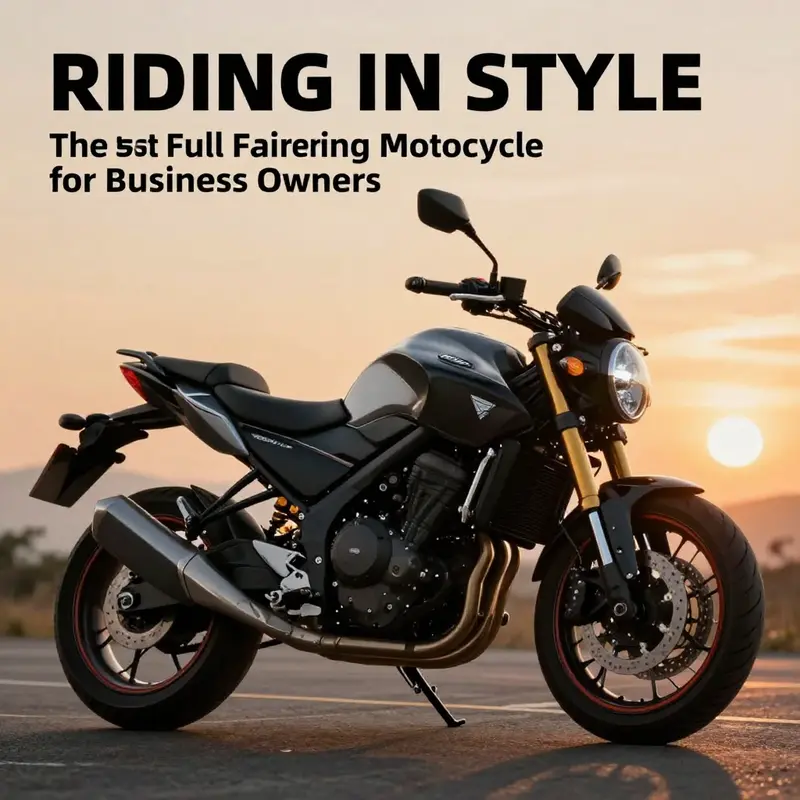
For business owners seeking an optimal blend of performance and sophistication, the realm of full fairing motorcycles offers a unique solution. These vehicles aren’t just about aesthetics; they’re engineered for excellence, catering to both the high-speed demands of city environments and the comfort required for longer journeys. This exploration reveals how innovative design, unparalleled comfort features, robust performance specifications, and cutting-edge technologies converge to make these motorcycles exceptional choices for modern entrepreneurs. Dive into each chapter to uncover the multifaceted advantages of riding a full fairing motorcycle, underscoring its value for business use.
Wind, Form, and Precision: Design Innovations Behind the Best Full-Fairing Motorcycles
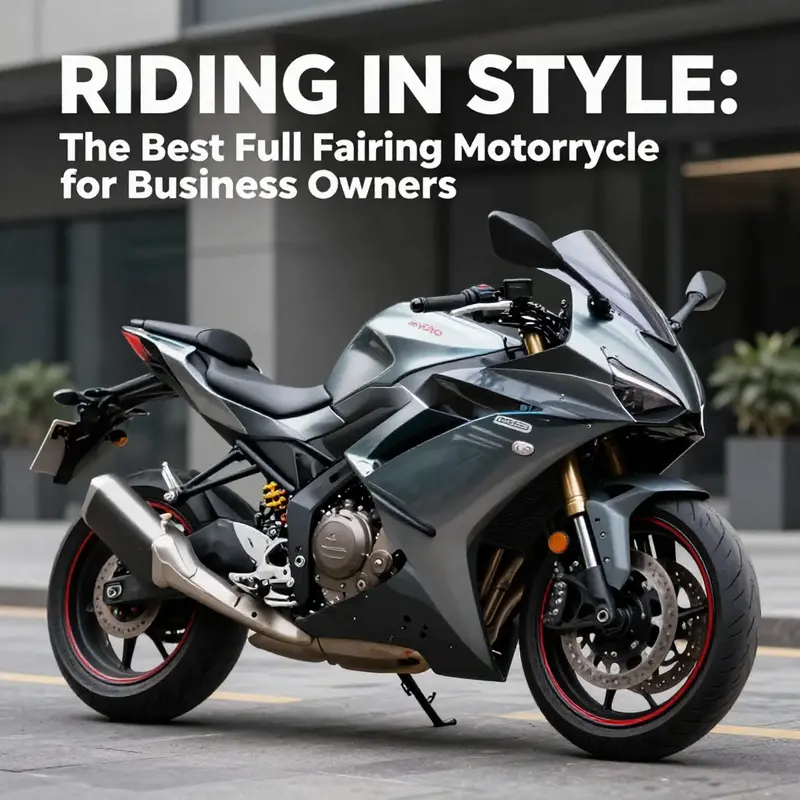
The best full-fairing motorcycles sit at the intersection of art and engineering, where every line of plastic and every curve of composites is measured not just for beauty but for wind, weight, and how a rider interacts with both. In high performance design, aerodynamic drag and high speed stability can decide how relaxed a rider remains from first glance to the long ride, so design innovations in full fairings have become a language of performance. They tell a story of how wind is invited to work for the rider rather than against them, of how protection can be scaled without sacrificing access to energy, and of how the rider’s experience is shaped from the first glance to the long homecoming ride. The modern fairing is less a shield and more a system, an integrated architecture that negotiates air, heat, sound, and the subtle physics of motion with precision worthy of wind tunnel work.
Integrated wind deflectors are a quiet revolution in this narrative. Subtle geometry tucked into the surfaces around the hand guards, the shield, and the knee area channels air away from the rider’s torso and helmet without creating buffeting. When well executed, these deflectors do two things at once: they reduce drag, aiding fuel economy and throttle response, and they lower rider fatigue on longer rides. The rider’s torso becomes a calm center in a storm that never quite arrives. But deflectors are not merely about throughput; they contribute to a broader sense of confidence. A rider feels the wind pressure diminish, notices the windshield guiding air upward and around rather than against the shoulders, and senses that the bike has been tuned for comfort without surrendering agility. The result can feel light yet planted at speed, a paradox that often distinguishes premium designs from the merely competent.
Behind this is an approach to fairing geometry that favors smooth transitions, soft versus sharp edges, and the way air is drawn from ahead and exhausted away from the rider. The goal is not just a lower drag coefficient but a smoother airflow that minimizes turbulence around the rider. When airflow remains attached longer to the surface, stability at speed becomes palpable. The front profile splits the air with surgical precision, guiding it toward cooling and engine needs while reducing pressure against the chest and helmet. The fairing must also encase the rider in a sense of security while still offering openness for heat management and tire feedback. This balance creates a sense of arc around the bike, translating into confidence on fast curves and long straights alike.
Material choice follows the same logic, pushing toward lightweight yet stiff structures that resist deformation and heat induced expansion. In high performance examples, carbon fiber and advanced composites appear in high-stress zones, upper panels, and inner surfaces that must align with sensors. The weight savings, paired with an efficient aerodynamic profile, become decisive. Reduced weight helps throttle response, braking stability, and cornering, and it allows designers to pursue bolder lines where needed and smoother curves where airflow demands gentler geometry.
Aesthetics and function fuse through the fairing’s inner life as well. Modern designs integrate vents, ducts, and channels that serve dual purposes: directing cooling air to the engine and electronics and shaping the boundary layer to reduce separation. The result is a fairing that looks sleek in daylight and behaves predictably at track speeds. Intakes are placed with cooling strategy in mind and shaped to minimize noise as engines ramp up. The visual language reads as aggressive but not loud, a silhouette promising agility that settles into a calm stance when the rider is aboard. This is a choreography of lines, where every contour has a reason beyond appearance.
Lightweight construction also enables modularity and practical maintenance. Panels designed for quick removal, standardized fasteners, and accessible mounting points reduce downtime and encourage customization without sacrificing aerodynamics. The fairing’s fasteners are a tactile interface that communicates how attention to detail translates into reliability. The design acknowledges real world ownership: adjustable windscreen heights, panel swaps after curb encounters, and discreet spaces for ports and control units without breaking the lines that define the bike’s face.
Ergonomics have become a crucial discipline in full fairing platforms. A modern fairing aims to accommodate a wide range of rider sizes and preferences, with height adjustable screens, contoured seating, and balanced weight distribution. The windscreen is treated as a core cockpit element, where the right height and curvature push peak wind away from chest and neck, reducing fatigue and enabling a relaxed arm position. The cockpit strives to minimize stray air currents that bounce off shoulders and helmets, inviting longer rides in varied climates with minimal posture changes.
Technology reshapes what a full fairing is expected to do. Integrated digital instruments, navigation aids, and ride by wire interfaces within the fairing create a cockpit as capable as it is cohesive. Display architectures—often a full color TFT with supplementary panels—project navigation cues, alerts, and performance data into a field of view that minimizes distraction. Weather and route prompts are filtered through the screen without demanding hands off the bars for extended periods. This integrated information and protection approach maintains rider focus while expanding the bike’s ability to handle urban routes and long distance treks.
In practice these innovations respond to real riding demands. A bike built for long days preserves energy through wind management, guards knees and hips from drafts, and offers a cockpit that aids in diverse weather. City commutes demand visibility and modularity; a fairing that allows easy accessory mounting and keeps wind off the rider becomes a valuable companion. Track expectations remain relentless: continual drag reduction at high speed, methodical cooling routing for sustained performance, and accessible rider aids integrated without harming the machine’s silhouette. The best designs evolve as new materials, tighter tolerances, and changing rider expectations emerge, blending form and function into a convincing statement about what riding can feel like.
A few threads recur across brands and generations. Treating the fairing as a dynamic partner rather than a static shell and recognizing that performance is a package deal—an integrated blend of aerodynamics, weight, cooling, ride quality, and instrumentation—define the best full fairings. They are not just technologies to imitate but targets to interrogate, where every measured decision, from panel angle to surface texture, contributes to an experience that feels effortless yet memorable. When a rider climbs aboard such a bike, the impression is not merely speed or beauty but a composition of purposeful choices that elevate the ride.
For enthusiasts, the current generation of full fairing design embodies a philosophy: wind can be a benevolent shaping force when harnessed correctly. Rider comfort is not incidental but a core objective threaded through lines and planes of the bodywork. Lightweight materials, careful air and heat routing, integrated electronics, and modular design point to a future where form and function blur further. The fairing becomes a canvas where wind and weight management meet, producing motorcycles that feel exhilarating and sensible. For riders seeking a machine that can escort them across continents or along canyon roads, the best full fairing designs promise efficiency, protection, and personality, woven together by skilled craft.
For readers who crave a deeper dive into aero focused design choices, resources exist to explore. The journey through wind, weight, and warmth is ongoing, and refinements invite riders to feel the road more intimately while remaining protected. In the end, what makes the best full fairing memorable is the sum of all features working in concert—the way wind is sculpted, how panels align to form a coherent arc, the cockpit touch, and the sense that the bike is a well tuned instrument rather than a collection of parts. This is design becoming performance, a mode of riding that is engaging, comfortable, and responsible for the road ahead.
In the Veil of Wind: Comfort Engineering in the Best Full Fairing Motorcycles
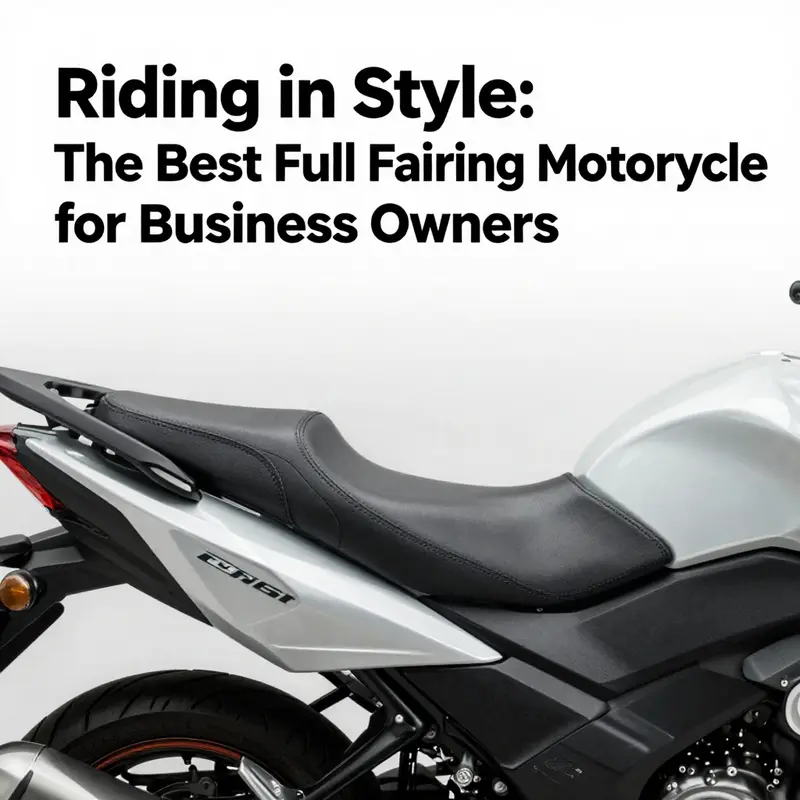
The best full fairing motorcycles are not only about speed and styling; they are crafted around the rider’s sustained comfort, especially on long journeys and at sustained highway speeds where fatigue becomes a subtle, unseen rival. A full fairing is more than a shield; it is an intricate system of airflow, temperature control, acoustic management, and ergonomic balance. When engineered with care, it does more than reduce wind pressure on the chest and helmet. It creates a cocoon of predictable behavior, where the rider can settle into a rhythm that feels almost seamless, almost effortless, even as the miles accumulate.
Wind protection sits at the core of this philosophy. The fairing’s shape determines how wind wraps around the rider, where turbulence forms, and how the body meets gusts and crosswinds. The primary aim is to minimize wind blast, which is not merely an annoyance but a factor that can shift posture, tighten neck muscles, and hasten fatigue. A well-conceived fairing channels air smoothly over the rider, directing it away from the torso and head while still maintaining clear visibility through the windscreen. The result is an armor that does not feel heavy or oppressive but is perceptibly supportive, allowing the rider to hold a relaxed, upright or slightly forward-leaning posture as the terrain and traffic demand. The windscreen itself is more than a cosmetic feature; it is a dynamic interface. In the best machines, it offers a broad range of adjustability, enabling quick tailoring to rider height and riding posture. A tall rider can tilt or raise the shield to preserve a clean line of sight without buffeting, while a shorter rider can lower or angle it for a calmer cockpit. The more mechanical finesse that exists in this adjustment, the more precise the wind protection becomes. It is a subtle art, because every minute of the ride is spent within that pocket of controlled flow, and even small refinements can translate into a dramatic cut in fatigue.
Aerodynamics extend beyond the rider’s comfort. A full fairing reshapes the air around the bike itself, smoothing the slipstream as it glides along the chassis. The goal is stability rather than drama: reduced drag, calmer handling, and less buffeting at high speeds. When air can slide past the bike with less resistance, the rider experiences steadier steering input, crisper feedback through the handlebars, and a sense of the machine’s confidence at velocity. In practical terms, this translates into smoother throttle application, more predictable cornering manners, and lower energy expenditure from the neck and shoulders as the speeds climb. The rider can concentrate on line choices and road texture rather than fighting the air or compensating for gusts. A well-tuned fairing contributes to fuel efficiency as well, because less energy is diverted into pushing against the wind, freeing up more of the engine’s potential for propulsion rather than offsetting turbulence.
Central to these gains is the integrated windshield design and the fairing’s overall geometry. The windshield must work in concert with the fairing, not as a separate add-on. When the two are harmonized, airflow remains stable through a range of speeds and rider positions. For many riders, that means the cockpit remains quiet enough to enjoy clear voice communication or an onboard audio system without resorting to headphones that block ambient sounds. Noise reduction, while sometimes perceived as a luxury, anchors the rider’s sense of endurance. The reduction of wind noise and mechanical whine allows riders to think more clearly, plan routes with less cognitive load, and sustain focus through long days of riding. The reduction is as much about ambience as it is about fatigue; a calmer environment supports longer, more deliberate riding decisions and a more relaxed riding tempo.
Heat management is another essential facet of comfort, especially in colder climates or during winter excursions where the rider’s air temperature can swing dramatically. A full fairing offers more than wind protection; it forms a barrier between the rider and the raw outdoor air. This barrier helps preserve a warmer cockpit environment by limiting direct exposure to cold air that would otherwise chill extremities and tighten muscles. Some fairings incorporate breakpoints or vents that help the engine bay breathe without spraying cold air into the cockpit. Others channel a portion of warm air toward the rider through designed gaps, blending thermal comfort with mechanical efficiency. The chemistry of heat management is subtle: it is not merely about heat but about maintaining a stable environmental baseline that keeps the rider comfortable without forcing a shielded or stuffy enclosure. As a result, a rider can extend winter riding windows, use a lighter layer without exposing the torso to gusts, and maintain a constant sense of quiet warmth that supports calm, economic riding.
Then there is the acoustic dimension. Aerodynamic efficiency naturally reduces wind noise, but the fairing’s interior surfaces can further tune the sound environment. Smooth transitions, carefully chosen panel gaps, and attention to contact points all contribute to minimizing resonant noises that creep in at speed. The aim is not to drown out the world entirely but to create a cabin where the engine, wind, and road meet with a reduced cacophony. Within this acoustic frame, riders can hear engine harmonics or gear changes with clarity and enjoy an audio experience that feels more natural rather than invasive. When wind and road noise are tamed, long stretches become more meditative spaces, where the rider’s attention can drift to the scenery, the cadence of the ride, or navigational cues rather than the volume of the cockpit.
Storage and practicality emerge from the same design discipline that governs wind protection. A full fairing can hide convenient storage spaces or pockets that keep gloves, maps, charging cables, or a compact rain layer within easy reach. The intent is not to convert the bike into a touring van but to offer practical solutions that reduce the need for external bags that disrupt the bike’s silhouette and aerodynamics. In well-made machines, storage is integrated into the fairing without compromising the sculpted lines that govern airflow. This balance—between form and function—defines the best full fairings. It is the difference between a rider who carries everything on their back and a rider who travels light yet prepared. The ability to keep a spare layer, a small toolkit, or a compact hydration system tucked neatly away adds to the sense of freedom and reduces the mental clutter that accompanies a long ride.
Ergonomics complete the comfort arc. A fairing must work in concert with the rider’s posture, glove-wearing dexterity, and knee and hip angles. An upright or gently forward-leaning stance supported by a well-shaped fairing can lessen muscle strain in the lower back, neck, and shoulders. The reach to the handlebars, the position of the footpegs, and the seat height all influence how the rider carries weight across the torso. A fairing that produces a natural, low-effort posture translates into fewer micro-adjustments during a ride. Fewer micro-adjustments means more energy preserved for the ride itself and less fatigue on the rider’s body after hours in the saddle. In this sense, the fairing becomes a partner in the rider’s biomechanics rather than a barrier to movement. The most successful designs recognize that comfort is not a single feature but an ecosystem of wind, heat, noise, storage, and posture that must be tuned to work together across a broad spectrum of riders and conditions.
The examples that illustrate these principles are not tied to a single brand or model. They belong to a category—premium touring and sport-touring machines whose fairings are crafted with an emphasis on everyday usability as well as performance. These machines aim to be equally comfortable when cruising through rain-slick urban arteries, carving misty mountain passes, or sustaining steady speeds along a sunlit interstate. The broad idea is simple: if a fairing can keep the rider comfortable across the varying moods of the weather and the varied demands of the road, it has earned its place in the pantheon of the best full fairings. And beyond comfort, these designs enable a more confident ride. The rider’s sense of control grows as the cockpit becomes predictable and serene, reinforcing a positive feedback loop where good ergonomics encourage cleaner lines, smoother throttle control, and more precise cornering.
For readers exploring the practical side of upgrading or selecting a full fairing, the broader ecosystem matters as much as the single component. The fairing interacts with the chassis, the windscreen, the seat, and even the rider’s gear. A rider who uses a textured, well-fitted riding suit, for instance, will experience the cockpit differently than someone who uses lighter or looser layers. The same principle extends to the helmet choice, which interacts with wind direction and helmet aerodynamics to shape perceived noise and draft. In this sense, comfort is a holistic pursuit: it is not about chasing a single perfect feature but about balancing many small efficiencies so they add up to a greatly improved riding experience across varied roads and seasons.
In the landscape of design philosophy, some segments emphasize the drama of aggressive aesthetics, while others celebrate the practicality of endurance. The best full fairings unify these impulses without sacrificing one for the other. They are sculpted to be visually coherent with the machine’s overall silhouette while delivering a quieter, safer, and more ergonomic cockpit. This synthesis matters because comfort is directly tied to confidence. When a rider feels shielded from the air, heat, and noise—while still perceiving the machine’s responsiveness and balance—the mind can focus on line choice, rhythm, and the subtler cues that make a ride a dialogue rather than a task. The result is a riding experience that remains gratifying mile after mile, season after season.
For enthusiasts who want a concrete reference that examines how fairing design translates into airflow optimization and rider protection, broader industry discussions, such as the detailed case studies from established manufacturers, illuminate the principles in action. These explorations reveal how a redesigned fairing can optimize airflow paths, reduce turbulence, and harmonize wind protection with weather shielding and thermal comfort. They remind us that the craft of comfort is a moving target, evolving with new materials, new surface finishes, and new computational modeling techniques that simulate air behavior with ever finer resolution. The practical takeaway is clear: when you evaluate a full fairing, you are measuring how well its architecture shields you from the environment while preserving the rider’s sense of control and ease. In that sense, comfort becomes a reliability metric—one that predicts reduced fatigue, longer riding periods, and a more enjoyable connection with the road.
For readers who want to explore related areas of the fairing ecosystem, there is a wealth of options to consider. The choice of fairing shapes can influence the perception of speed, the quality of the ride, and the rider’s efficiency on long trips. A designer’s philosophy of clean lines, ample shielding, and practical storage will often align with riders who value endurance and consistency over outright exoticism. This alignment does not erase the excitement of riding; rather, it channels it through a refined, mature channel where precision, resilience, and comfort reinforce each other. The best full fairings do not shout their superiority; they allow the rider to forget the cocoon exists, so that the journey itself becomes the point of focus rather than the constraints of the cockpit. To that end, the narrative of comfort is not about luxury alone; it is about engineering that makes the ride feel effortless even when the road demands attention, and about a design language that invites a rider to explore more miles, more roads, and more moments of connection with the environment around them.
The practical takeaway for riders and buyers is to look for consistency across the entire cockpit ecosystem: a windscreen with meaningful adjustability, a fairing shape that minimizes both drag and buffeting, a seating arrangement that respects spinal health and hip flexibility, and integrated storage that remains true to the bike’s form. When these elements are thoughtfully integrated, the rider experiences a sense of continuity: the road becomes a background, and the ride itself takes center stage. In that sense, the best full fairings are not just hardware; they are carefully tuned environments that invite longer, more confident, and more enjoyable journeys. They create a sense of partnership with the machine, where the rider can lean into a corner, breathe out a calm exhale, and feel at home with wind, weather, and distance. That is the essence of comfort engineering in full fairings—a virtue that, more than any single feature, defines the character of the most satisfying riding experiences on two wheels.
Internal reference for further exploration of fairing options can be found in dedicated fairing categories that curate a wide range of styles and fits. For readers seeking a hands-on sense of the available spectrum, the yamaha fairings collection offers a broad look at how fairings can be tailored to different bikes and riding preferences. This category demonstrates how the same fundamental principles—wind protection, aerodynamics, heat management, noise attenuation, and practical storage—translate across diverse machine architectures. Exploring such a catalog helps illuminate how design choices map to real-world comfort outcomes, reinforcing the understanding that comfort is a feature built into the fabric of the bike, not an afterthought layered on later. To read more, you can navigate to the yamaha fairings page and see how these principles are embodied across multiple models and configurations.
yamaha fairings offers a window into how manufacturers balance form and function in the fairing ecosystem, from sculpted lines to integrated storage solutions and shield technologies. The practical takeaway is clear: when comparing full fairings, pay attention to how the windscreen interacts with the fairing, how the air flows around the rider’s torso, and how the cockpit remains livable across a wide range of speeds and weather conditions. The best designs succeed not by isolating the rider from the environment but by shaping that environment into a comfortable, controllable, and confidence-inspiring space. This is the essence of comfort in the best full fairings—the quiet power of thoughtful engineering that makes riding feel effortless, even when the road asks for every degree of attention.
External reference: For a deeper look at how fairing design can influence airflow and rider protection, see the case studies and specifications on established production models, such as https://www.ducati.com/en-us/motorcycles/diavel-v4. These resources illustrate the engineering mindset behind comprehensive fairing systems and provide context for how comfort-oriented features are implemented in modern sport and touring machines. The takeaway remains consistent: comfort is the product of deliberate, integrated design choices that respect rider diversity and the realities of real-world riding.
Stellar Power, Surgical Precision: Performance Specs of the Benchmark Full-Fairing Machine
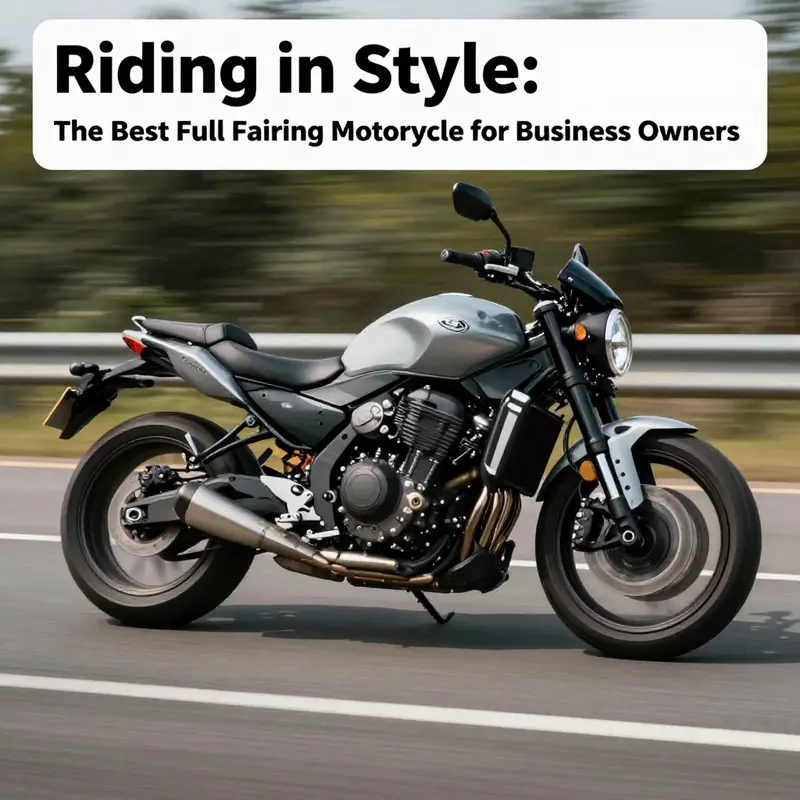
The road to defining the best full fairing motorcycle in today’s market runs through a single, precise chord: power that moves, handling that listens, and a suite of electronics that translate intent into certainty. In this chapter, we explore the performance blueprint of the model that has come to symbolize that blend. It isn’t merely about raw horsepower or a flashy chassis; it is about the way those elements cohere at speed, through corners, and across long, open straights where the machine’s character is laid bare. The result is a package that has come to stand as the benchmark for street-legal performance in the full-fairing segment, a category that prizes aerodynamic balance, rider feedback, and a balanced fearlessness when the road tilts and the horizon narrows.
At the heart of the machine lies a powerplant born in the crucible of a premier racing program. The 1103cc Desmosedici Stradale V4 engine carries the DNA of MotoGP competition and translates it into a road-ready spectrum of performance. The displacement—an intimidating eight-cylinder look-alike in a V4 wrapper—produces a formidable output: 214 horsepower in the European specification, with 210 horsepower in the North American version. That two-horsepower delta might seem modest on paper, yet it signals a continuous push for refinement and edge. The engine doesn’t merely shout power; it delivers it with a linear, usable surge that unfolds smoothly as the revs climb. In practice, that translates to rapid, confident acceleration from standstill and a throttle response that remains composed through mid- and upper-range gears. The result is that a rider can exploit an immense surge of torque without the bike feeling abrupt or unpredictable, which is essential when the fairing wraps tightly around the rider and the road becomes a canvas of intent.
What makes the power truly usable is the impeccable integration with chassis and weight. The frame—an unusually light aluminum construction—contributes to a weight reduction that matters on every bend and every sprint. The chassis is nearly 1 kilogram lighter than its predecessor, a gain that might appear numerically small but translates to sharper steering, quicker turn-in, and crisper feedback through complex transitions. The swingarm follows suit in its efficiency; hollow and symmetrical, it trims weight by approximately 2.9 kilograms. The combined effect is a rigidity increase of about 15 percent, a leap that stiffens the bike’s chassis without sacrificing the suppleness needed for real-world riding. This structural stiffening is what allows the power to translate into propulsion with surgical precision rather than a shuddering shove. It’s the subtle, often unseen, engineering that makes the bike feel not just fast, but predictably fast—an essential distinction when the line between a thrilling ride and a skid is a fraction of a second.
The electronic architecture is the second pillar of this machine’s performance. A 6-axis inertial measurement unit (IMU) anchors a suite of advanced controls that actively shape the ride. Cornering ABS reduces the risk of instability during aggressive lean angles, while traction control modulates power delivery to keep the rear wheel planted on varying road surfaces. Engine braking control—integrated within the system—allows the rider to manage deceleration with the same finesse as acceleration, a factor that becomes especially important on long, sweeping curves where throttle modulation and body position determine the line chosen through the apex. Perhaps most compelling is the ability to adjust these electronic systems per gear. This level of per-gear adaptability means that the rider can configure the machine to behave differently in each phase of a corner, a feature that translates to more confident corner exit and a more forgiving ride when the surface isn’t perfectly consistent. The electronics do not simply shield a rider from danger; they extend the rider’s instincts, translating micro-input into macro-behavior.
All of this is married to the bike’s aerodynamic and chassis stability, which in a fairing-equipped motorcycle matters not merely for top speed but for the consistency of performance under pressure. The full fairing structure on this class of machine contributes to a front-end feel that is both protective and communicative. The rider’s hands and feet receive a clear sense of what the bike is doing—where the front tire is gripping, where the rear is stepping out, and how the chassis is distributing loads through the curve. It’s a level of feedback that matters when you are threading a line through a set of bends at speed, where the line chosen determines whether the ride is exhilarating or precarious. The result is a more intuitive ride, one where the machine seems to anticipate rider intent and respond with a near-telepathic precision.
Performance metrics, while sometimes presented in abstract numbers, become tangible when you consider the bike’s acceleration and top speed. Official 0–100 km/h times aren’t always published in the way a consumer might expect, but the combination of a high-revving V4 engine, a light chassis, and highly tunable electronics makes sub-3-second sprint capability a credible estimate. In a straight line, the power-to-weight ratio is exceptionally favorable, allowing the rider to exploit the bike’s momentum with confidence and control. The top speed is forecast to surpass the symbolic 300 km/h mark, a threshold that speaks not only to raw horsepower but to the machine’s ability to maintain stability as wind pressure climbs. These numbers are not merely about bragging rights; they reflect a philosophy that prioritizes stability and control at the very edge of what is legally registerable on public roads, and beyond what many riders ever truly access in daily use.
But numbers tell only part of the story. The real story emerges when you ride the bike and feel how the mechanical and electronic systems translate intent into action. The ergonomic balance is crafted to keep the rider in contact with the machine at all times. The cockpit—a blend of high-contrast digital readouts and tactile controls—ensures that information is readily accessible without pulling focus from the road. The map of ride modes and electronic adjustments is presented in a way that invites experimentation, yet never distracts. This fusion of form and function represents a design philosophy that treats the motorcycle as a single organism rather than a collection of parts. The rider experiences it as a concerted instrument, capable of delivering extraordinary performance at speed while remaining accessible to a broad range of riders who demand more than just a track-day thrill.
In the broader context of the best full fairing motorcycles, this machine’s performance story is steeped in Ducati’s lineage of racing technology and a modern approach to rider assistance. The brand’s philosophy has always been about pushing the envelope in a way that remains rideable on public roads. The result is a machine that does not simply go fast; it also communicates how to go fast, and it does so with a level of confidence that makes the rider want to push harder through the next corner. For those who care about the aesthetics of engineering as much as its results, the bike also represents a compelling balance of visual aggression and structural clarity. The lines of the fairing, the geometry of the chassis, and the precision of the controls all work together to create a machine that looks ready to race, even when it is riding through a city street at a legal speed.
From a practical standpoint, the performance package is not just about raw numbers; it’s about how those numbers are made usable in everyday scenarios. The bike’s light weight and high rigidity translate into responsive handling that rewards precise input. The ability to tune the electronics per gear means that a rider can optimize the bike’s behavior to match road conditions, whether that means dialing back traction control on a clean dry surface for a more direct feel or softening intervention on a gravelly corner to preserve front-end feel. The per-gear configurability is a nuanced feature that many riders may not fully exploit at first, but it becomes a powerful ally as riding skills mature. In this regard, the machine is not merely a tool for speed; it is an instrument for learning, a platform on which a rider can evolve toward ever-finer control.
For enthusiasts interested in the broader ecosystem surrounding this performance benchmark, the bike’s bodywork and aero-conscious design invite exploration into aftermarket options. A curated catalog of bodywork pieces—such as Ducati fairings—provides opportunities to fine-tune aerodynamics, weight distribution, and aesthetics without compromising the integrity of the performance package. To explore those options, you can visit the dedicated Ducati fairings collection, which aggregates a range of compatible components and finishes. This could be a meaningful path for riders who want to personalize how the bike presents itself while preserving the core performance characteristics that define its character. For more, see the Ducati fairings.
Ultimately, the machine’s performance is best understood as a cohesive system rather than a string of isolated specs. The Desmosedici Stradale V4 engine, the weight-reducing frame and swingarm, and the IMU-driven electronics form a trio that defines its character. The chassis communicates feedback with a clarity that is unusual at this level of power, and the electronics translate rider input into controlled, purposeful motion. The result is a street-legal machine that behaves like a race machine in many situations, yet remains approachable for everyday riding when the rider prefers a gentler touch. This harmony—between power, weight, and electronic finesse—is what makes the model a benchmark in the full fairing category and a reference point for anyone seeking a riding experience that fuses speed with precision and confidence.
For researchers and journalists who map the landscape of performance motorcycles, this bike represents the current apex of what a street-legal machine can offer when racing heritage, modern electronics, and thoughtful chassis design converge. Its capability in acceleration, cornering stability, and rider feedback is not only a product of horsepower; it’s about how those elements are calibrated and delivered to the rider. It’s about giving the rider a sense of being connected to the road and to the machine at a level that makes high-speed riding both exciting and controllable. In a class where the line between thrill and danger can be precariously thin, this model leans toward a philosophy of disciplined performance, where advanced engineering reduces risk while amplifying capability. That philosophy is what keeps it at the forefront of discussions about the best full fairing motorcycles and the standard by which others are measured.
External resource: https://www.ducati.com/en/bikes/streetfighter-v4
Wings of Innovation: How Technology Redefines the Best Full Fairing Motorcycles
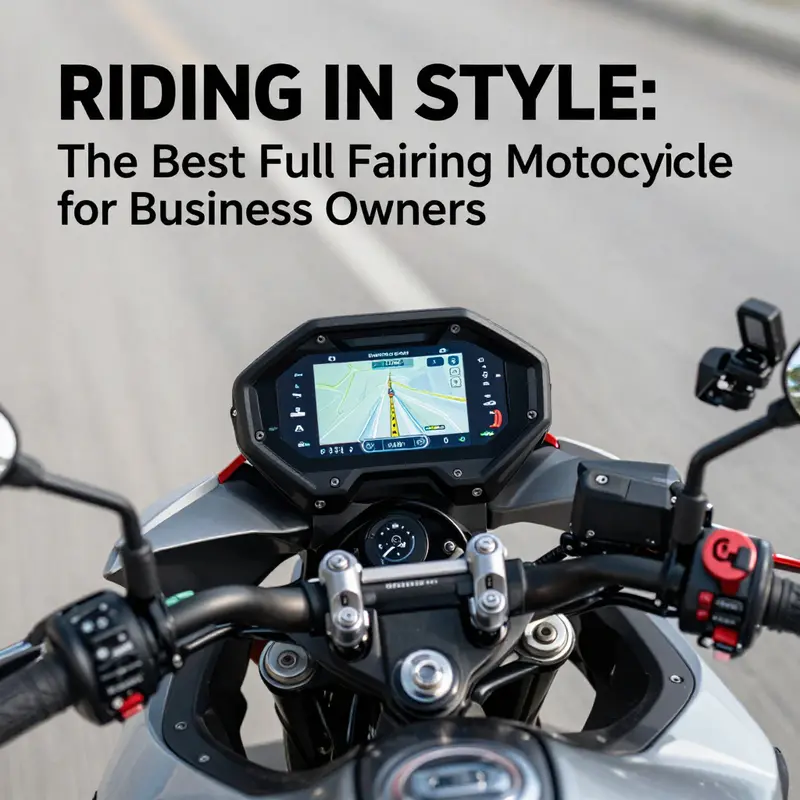
The full fairing, once a simple shield against wind, has evolved into a living system that shapes every aspect of how a rider experiences a motorcycle. In the best full fairing machines, aero shaping, materials science, and embedded technology fuse to deliver more than just speed or shelter. They create a riding environment that is safer, more expressive, and more connected than ever before. This transformation is not a single achievement but a continuous refinement, where manufacturers test, refine, and reimagine how the fairing interacts with air, rider, and road. The result is a platform that blends form and function so tightly that the fairing itself becomes a central component of the motorcycle’s performance envelope rather than a separate shell slapped onto a chassis.
Aerodynamics is still the cornerstone, but its meaning has broadened. Modern full fairings are designed to manage a spectrum of forces beyond mere drag reduction. They channel airflow to stabilize the bike at high speeds, divert turbulence away from the rider’s torso, and shape the wake to improve handling in changes of direction and in crosswinds. The latest shapes employ computational fluid dynamics and wind tunnel feedback to craft delicate curves that smooth the ride at highway speeds while preserving agility in city traffic and on winding back roads. This dual capability—high-speed stability with urban liveliness—defines the balance the best models strive for. The fairing is no longer a static shell; it is an active partner in the rider’s control of the machine.
Materials have progressed in tandem with design. Lightweight composites such as carbon fiber and reinforced polymers have become mainstream, delivering a combination of stiffness, impact resistance, and reduced inertia that translates into crisper handling and better fuel economy. These materials also offer design freedom; engineers can tune stiffness in targeted areas to influence how the bike behaves under acceleration, braking, and cornering. The result is an integrated structure that supports a predictable, confident ride, allowing the chassis to respond more directly to rider input. The move toward intelligent materials—those that absorb and dissipate energy during a crash or an impact—adds a layer of safety that is increasingly prioritized in the design philosophy of top-tier machines. When the fairing can contribute to rider protection without compromising weight or aerodynamics, it becomes a more meaningful part of the motorcycle rather than a decorative exterior.
Inside the fairing, electronics and sensing systems have reached a level of integration that makes the cockpit feel like a natural extension of the rider’s awareness. LED lighting is no longer just a signature or a facial feature; it is a dynamic, high-visibility element that can adapt to riding conditions and signaling needs. Adaptive lighting patterns help convey intent to other road users, while also reducing glare and fatigue for the rider at night. Beyond lighting, the fairing houses sensors that feed data into a centralized digital cockpit. Heads-up displays, where available, project essential information onto the rider’s line of sight, minimizing the need to take eyes off the road. When navigation, ride data, and connectivity are streamed onto a windscreen or a secondary display, the rider gains a more complete picture of the ride without leaning away from the road. This is not about gimmicks; it is about streamlining the interaction between rider and machine so that attention remains on the pavement and surroundings.
The concept of a digital cockpit moves the fairing from a passive cover to an active information hub. A multi‑screen configuration can pair with GPS guidance, adaptive ride modes, and vehicle diagnostics in a way that feels seamless and natural. It is common to see riders receive incoming calls or messages on a dedicated display, yet the interface is designed to minimize distraction. The most advanced setups present contextual information that adapts to speed, throttle input, and selected ride mode. For example, during a spirited back-road session, the system can highlight predictive braking zones, suggest cornering lines, or display telemetry that helps refine technique. With such features, the fairing becomes more than protection; it becomes a cockpit ally that expands what a rider can perceive and act upon without shifting attention away from the road.
In addition to sensing and display, the fairing contributes to wind management with even greater nuance. The windscreen can be electronically adjustable, enabling rapid adaptation to rider height, posture, and weather. Memory settings make it possible to recall preferred positions for different riding scenarios or who is aboard, reducing the friction of passive adjustments during a ride. When weather shifts or road conditions push wind shifts unexpectedly, the rider can reconfigure the aero profile in moments, preserving comfort and control. The push for this flexibility reflects a broader trend: the best full fairings are designed as adaptable systems that respond to real-world conditions rather than rigidly enforcing a single ideal configuration.
Modularity and customization have become essential, enabling riders to tailor both performance and aesthetics without compromising the integrity of the overall design. A modular fairing system allows different panels to be swapped or upgraded, simplifying maintenance and enabling a personal expression of style. This approach also supports long-term durability; if a particular panel is damaged, it can be replaced without disassembling the entire structure. The emphasis on customization extends to wiring, sensors, and lighting, where standardized interfaces help builders and owners upgrade components with minimal integration challenges. The ability to personalize a fairing while preserving core aerodynamics and safety is a meaningful step toward making technology serve individual riding identities rather than forcing riders to conform to a single template.
The practical benefits of these advances are as consequential as the technological innovations themselves. A lighter, stiffer fairing contributes to better energy efficiency by reducing parasitic drag and smoothing the bike’s acceleration profile. Improved aero stability reduces the demand on suspension and chassis dynamics during aggressive cornering, allowing the rider to exploit the machine’s capabilities more precisely. When combined with a well-tuned wind management system, adaptive lighting, and a intuitive digital cockpit, the result is a more confident experience that invites longer rides and more deliberate training sessions. The fairing becomes a partner in achieving both performance and endurance, rather than a barrier that confines the rider to a narrow set of conditions.
This evolution is visible in the way premium fairing designs handle everyday functionality. Consider how storage integration is harmonized with aerodynamics. A well-crafted full fairing can maximize internal space for essentials like a helmet, gloves, or a compact charger without creating drag-inducing bulges. USB charging ports, weatherproof compartments, and thoughtfully placed access panels demonstrate a design philosophy that treats daily practicality as an integral part of the riding experience. The best full fairings respect the rider’s need for convenience just as they respect the physics of airflow. In practice, this means a smoother blend between performance and practicality, so riders are not forced to sacrifice one for the other.
For those who want a concrete example of how these ideas translate into the showroom experience, the market increasingly presents options that look and feel like a complete ecosystem. The aesthetic language of aggressive elegance—sharp lines, a signature lighting silhouette, and a bold, angular stance—remains a hallmark, but the substance behind it has shifted toward smarter, more connected systems. The integration of navigation, vehicle data, and communications into a single, coherent display is not merely a feature; it is a fundamental shift in how riders interact with their machines. The fairing no longer merely encases the rider; it communicates, guides, and anticipates, turning the motorcycle into a responsive partner tuned to the rider’s preferences and goals.
Riders who seek both performance and daily usability will find in these developments a compelling proposition. The best full fairings now balance aggressive design with quiet refinement. They offer the exhilaration of wind-sliced speed and the comfort of well-engineered ergonomics. They also provide insurance against fatigue on longer journeys, because intelligent aero and cockpit systems reduce the cognitive load on the rider. In this sense, the fairing contributes to a higher quality of riding experience rather than simply enabling higher speeds. It embodies a philosophy in which technology serves the rider’s intent—whether that intent is to carve through mountain passes, commute through dense traffic, or explore unfamiliar highways with a steady, predictable rhythm.
As with any ongoing transformation, there is a spectrum of approaches at work. Some manufacturers pursue the most aggressive aero shapes and the most expansive digital ecosystems, prioritizing high-end performance and premium comfort. Others emphasize accessibility and ease of maintenance, offering modular components and straightforward upgrades that invite riders to grow with their machine over time. Across this spectrum, one thread remains constant: the best full fairings are designed with the rider’s experience in mind. They are not just about speed; they are about confidence, safety, and engagement. This approach reflects a mature understanding that technology, when applied thoughtfully, can elevate every dimension of a motorcycle ride—from the moment the engine first stirs to the distance covered on a long‑distance trek.
For readers curious about how real-world options implement these concepts, the Yamaha fairings category offers a representative glimpse into current aftermarket and OEM pathways. It showcases how panels and accessories can be aligned with the same goals of weight efficiency, modularity, and enhanced integration that define the best full fairings in production. See the Yamaha fairings collection for examples of how riders express themselves while maintaining performance integrity Yamaha fairings. This reference helps connect the broader technological narrative with tangible choices that riders can pursue when considering upgrades or replacements. The link is a pragmatic reminder that the pursuit of better full fairings is not merely theoretical but deeply practical for those who ride every day and push their machines toward the edge of capability.
The conversation about the future of full fairings continues to point toward even greater integration of intelligent materials, adaptive aero surfaces, and smarter environmental sensing. Imagine wind-shaping elements that respond in real time to changes in velocity, posture, and even the rider’s breathing patterns to optimize comfort without compromising downforce. Picture a cockpit where a central, cohesive display harmonizes navigation, telemetry, and communications with minimal distraction. Consider materials engineered to shed heat where it matters most or to absorb impact energy in a controlled way during a slide. These concepts are not distant fantasies; they are active areas of development that push the boundaries of what a full fairing can contribute to riding performance and safety. The best models in this class are becoming not only about the bicycle‑like efficiency of a wind tunnel but about creating a holistic riding philosophy where form aids function, art informs engineering, and technology serves the rider’s spirit.
In that light, the fairing emerges as a focal point of the motorcycle’s identity. It is where design language, engineering discipline, and rider needs converge. It carries the branding of the machine, the temperament of its chassis, and the intelligence of its electronics. The most successful full fairings do not scream for attention; they invite a longer, deeper look because every line, every panel interface, and every powered feature tells a story of thoughtful integration. This is the core idea behind the ongoing development of the best full fairing motorcycles: a platform where aerodynamics, materials science, and digital technology are not separate disciplines but a single, cohesive discipline dedicated to a superior riding experience.
External reference: https://www.harley-davidson.com/en-us/motorcycles/road-glide/2026-road-glide.html
Final thoughts
As the world evolves, so do the expectations of motorcycles, particularly those favored by business owners. The best full fairing motorcycles represent the perfect confluence of exquisite design, unmatched comfort, top-tier performance, and innovative technology. They don’t just serve as modes of transport; they embody a lifestyle that balances entrepreneurship with efficiency and style. Ultimately, choosing a full fairing motorcycle equips business owners with a reliable, stylish means to navigate their environments, proving that investment in quality translates to enhanced productivity and satisfaction.