

In today’s competitive market, business owners seek cost-effective solutions to meet customer needs, especially in the motorcycle industry. Choosing the right motorcycle fairings can significantly enhance the performance and aesthetics of motorcycles without breaking the bank. This article examines the best cheap motorcycle fairings available, guiding business owners in making informed decisions that align with their budgets and performance expectations. Each chapter will delve into the specifics of selecting fairings that suit particular models, the cost-effectiveness of these products, and the performance enhancements they offer, all crucial elements for any motorcycle-related business.
Smart, Cheap, and Capable: How Affordable Motorcycle Fairings Reimagine Protection, Aerodynamics, and Style
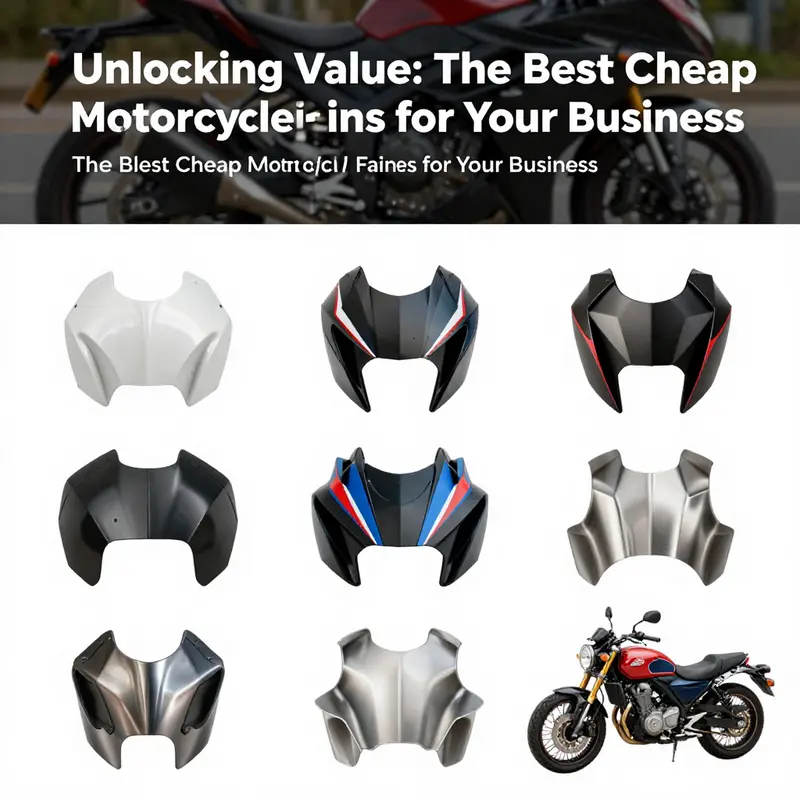
When riders skim the horizon on a budget, the obvious question is not whether they can upgrade their bike, but how far a small investment can take them. Cheap motorcycle fairings, once dismissed as disposable add-ons, have evolved into practical performance enhancements that blend protection, aerodynamics, and aesthetics without breaking the bank. The core appeal lies in their ability to deliver a measurable return: better wind protection on long commutes, reduced fatigue at highway speeds, and a shield against road grit and UV exposure that protects the bike’s bodywork and underlying components. The concept rests on a simple calculus—maximizing value by choosing materials that balance strength, weight, and cost while recognizing how much you actually ride, where you ride, and how much you value appearance versus function. In this chapter, we explore how affordable fairings work, what makes them affordable in the first place, and how a careful buyer can navigate the market to land a practical upgrade that respects both budget and riding goals.
Material choice is the first and most influential hinge on price and performance. In mass-produced aftermarkets, ABS plastic, fiberglass, and composite blends form the backbone of low-cost fairings. ABS is particularly common because it is lightweight, easy to mold, and forgiving in production—allowing manufacturers to deliver large quantities at relatively low cost. Fiberglass, while often slightly more rigid and durable, tends to carry higher labor and tooling costs, which shows up in price. For riders chasing a balance between weight and resistance to the elements, fiberglass or composite blends can be appealing, but the cost often reflects that extra durability. And then there’s the increasingly popular option of protective films and overlays—thin TPU sheets or similar coatings—that can be applied to an existing fairing to resist scratches, UV aging, and minor abrasions. This approach is especially attractive for riders who want to preserve the original styling while tightening up protection without replacing panels entirely. The key insight is that material choice is not just about a single property; it is about how a panel will perform across the rider’s typical use case.
Beyond the raw materials, the pricing landscape clusters around a few practical categories that make sense to budget-minded riders. The most economical option is a protective film or贴膜 kit that adheres to the surface of the existing fairing. This solution costs well under twenty dollars in many cases and delivers a practical shield against scuffs, micro-scratches, and sun-induced fading. It is a perfect entry point for riders who want to stop further wear without engaging in a full body kit. The next tier includes adjustable or foldable rear fairings intended to enhance comfort and reduce wind fatigue for commuting and weekend rides. These kits are typically offered in durable plastics like ABS and feature clever designs that can be folded away or reconfigured to tailor wind flow. They strike a balance between lightweight construction and functional wind management, offering meaningful gains without the complexity of a complete replacement.
For riders seeking faster, more noticeable air management without committing to a full replacement kit, winglets or fixed aero accents priced in the low hundreds provide a surprisingly effective upgrade. These small fins or wings can alter the airflow around the bike, helping to stabilize the headwind at higher speeds and potentially reducing buffeting for riders who spend long hours atop the saddle. They also contribute a sportier silhouette, which is part of the appeal for riders who enjoy a sharp, intentional look as part of the upgrade package. Then there are full fairing sets that represent a bigger investment. While their price tags exceed a few hundred dollars, the value proposition is clear for riders who plan to ride aggressively, race on occasion, or simply want a noticeably enhanced visual statement and aerodynamic profile. In this tier, the materials commonly shift toward more rigid engineering plastics, with the intent to deliver better impact resistance and smoother paint finishes after installation. The trade-off is cost and installation effort, which is why many budget-conscious riders reserve full kit replacements for special occasions, long-term projects, or when reselling value is a factor.
The narrative around affordability also depends on where these parts are manufactured and how they are sourced. The global supply chain for aftermarket fairings has matured, with a centralized emphasis on cost-efficient production hubs and scalable distribution. The volume-driven approach helps keep unit costs down, enabling retailers to offer fairings at prices that would have seemed aspirational a decade ago. For a rider weighing options, it is important to consider not only the sticker price but the total cost of ownership. Cheaper panels may require more frequent touch-ups or paint protection efforts; more expensive options may offer better fit, easier installation, and longer service life. Either way, the long-term maintenance and potential resale value should factor into the buying decision. When evaluating, buyers often look at the thickness of the material, the quality of the fitment interface, and the presence of UV stabilizers that help ensure color and clarity do not degrade rapidly in sunlight.
A practical path to smarter buying lies in tiered decision-making. A rider who wants the most economical path can begin with a protective layer kit that defends the original fairing from everyday hazards. For someone who wants a noticeable upgrade in wind comfort without a wholesale change, a foldable rear fairing or a set of winglets can provide a tangible difference without the commitment of an entire full-set replacement. If the goal is to capture a look or a performance edge that resembles higher-end builds, a carbon-fiber pattern or a genuine lightweight composite option at a mid-level price point can be appealing—though it is important to manage expectations about genuine carbon fiber’s cost-to-performance ratio in this segment. The spectrum is broad, and the key is alignment with riding habits. A daily commuter will appreciate protection and UV resistance more than a weekend-only rider who prioritizes aesthetics and weight savings. By framing the decision around usage patterns, a budget-conscious buyer can optimize the value delivered by even modest upgrades.
The installation experience is another important dimension that often determines perceived value. Cheap fairings are typically designed to be approachable for hobbyists who do not own a full workshop. Many options use straightforward mechanical attachment methods, while protective films rely on careful cleaning and adhesion. The ease or difficulty of installation often correlates with the fitment tolerance and the age of the bike’s original panels. A fairing kit that aligns well with the mounting points and contours of the bike will save time, reduce the risk of misfit, and minimize the need for modification or additional hardware. In this regard, buyers should expect that a lower price can sometimes entail a little more DIY effort: precise cleaning, test fitting, and patient adjustment are part of the process when integrating budget components into a machine that has its own idiosyncrasies.
The decision-making framework can be enhanced by a mindful sourcing strategy. It’s common for affordable fairings to come from manufacturers with deep experience in mass production and international distribution. The upside is broad availability, quick shipping, and frequent promotional deals, but the trade-off can be variability in finish, fit, and long-term durability. For the pragmatic buyer, it is worth investing time to review product descriptions, compare material specs, and read reviews that spell out real-world installation experiences. Consider ordering a small sample piece or a lower-cost kit to verify compatibility before committing to a larger purchase. This approach minimizes the risk of ending up with a kit that feels right in photos but misfits in practice.
From a narrative perspective, the value of affordable fairings is not just in the dollar figures but in what they enable riders to do with their bikes. A rider who wants to extend the life of their existing fairings, resist sun fade, or keep tires and brakes shielded from debris benefits from a program of targeted upgrades rather than a wholesale replacement. In many cases, a combination of a protective overlayer with a lightweight rear or aerodynamic accessory can deliver a noticeable improvement in day-to-day riding quality. The result is a more confident ride and a bike that still reflects the rider’s personal taste, even when funds are tight. Budget-friendly upgrades also carry a psychological dimension. When you prepare a bike for the season with a few thoughtful add-ons, you create a sense of stewardship—a small but meaningful commitment to maintenance that pays dividends through smoother rides and longer component life.
For readers who want to explore options in real time, there are current market avenues that list affordable fairing solutions across models and preferences. As a reference point, a widely used retailer channel compiles listings that include protective films, folding rear kits, winglet add-ons, and occasional full-body sets at competitively low prices. The listings show a broad spread in price, reflecting material choices, design sophistication, and compatibility scope. This marketplace activity underscores the central message: high value is not monopolized by premium components. A well-chosen low-cost fairing can deliver meaningful gains in protection, style, and performance without forcing a rider to choose between budget and ambition. If you want to see current options yourself, you can explore the marketplace listings where these components are catalogued and updated regularly. For example, you can review a dynamic catalog of budget-friendly fairings that includes protective films and various aerodynamic enhancements, along with the practical notes that help guide a first-time buyer toward choices that fit their bike and their wallet. As you navigate these options, remember to click through to a dedicated product category page that groups new arrivals and best-sellers, which can be a helpful compass when you’re scanning for the right match. External listing for current market options.
To connect this with ongoing conversations in the broader article series, you can explore a dedicated, up-to-date overview of a catalog that features a broad range of fairing options via a specific product category index. For readers who want a structured path to more examples, an internal resource that highlights a recent wave of new products within a particular year category can be a useful waypoint. This internal resource is accessible through the section labeled 2023new, which curates fresh releases and redesigned pieces, helping riders gauge how entry-level options evolve over time. Access it here: 2023new.
In sum, the best cheap fairings are not about chasing the least expensive part, but about buying strategically: choosing a material and design that aligns with how you ride, how you care for your bike, and how you want the bike to look while staying within your budget. The spectrum—from a protective film that preserves the finish to a foldable rear panel that stabilizes airflow, to winglets that offer a taste of advanced aerodynamics—provides a toolkit for prudent upgrades. The practical takeaway is simple: start with what you need most—surface protection, wind comfort, or a stylistic boost—and layer in additional features as your riding calendar and finances permit. By calibrating expectations and embracing careful selection, you can elevate your motorcycle’s performance and personality without paying a premium price. For readers who want a broader glimpse into price ranges and options, the market overview provides a framework for comparison, while the recommended path emphasizes practical, lasting value that suits everyday riding and occasional adventures.
Value, Fit, and Flow: Finding Cheap Motorcycle Fairings That Improve Look, Protection, and Ride
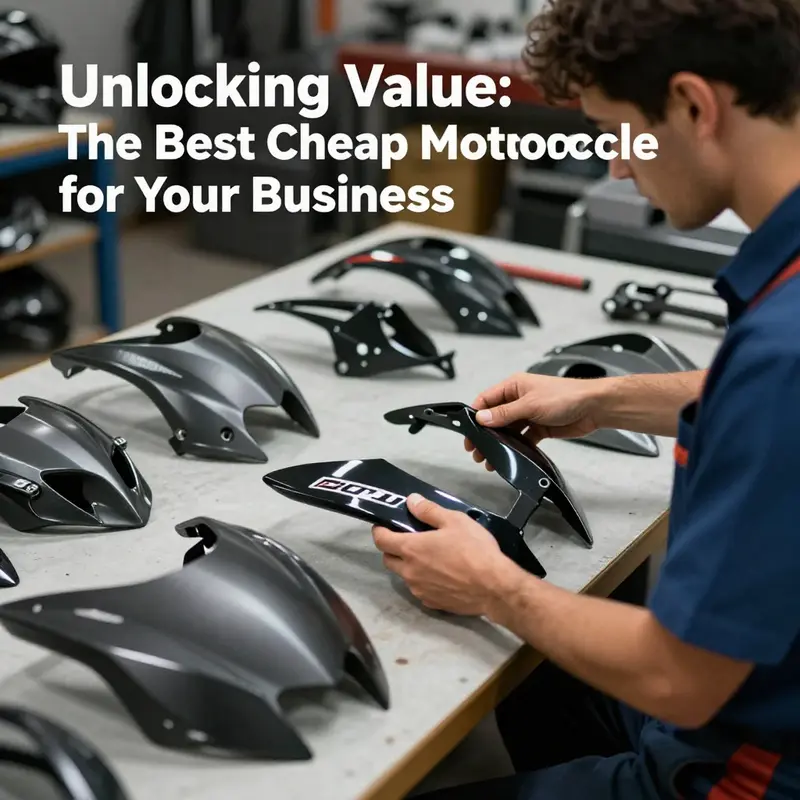
When riders start shopping for fairings on a budget, the conversation often circles around three essentials: price, compatibility, and performance. Cheap fairings exist precisely to help riders upgrade aesthetics and aerodynamics without a dramatic expense. But the real value comes when you balance cost with fit and function. A kit that looks good in photos can become a drag if it doesn’t align with your bike’s frame, mounting points, or electrical components. The best affordable options, therefore, deliver more than a low price tag; they offer predictable fitment, reasonable protection, and a believable aerodynamic edge that doesn’t demand a full race bike budget.
From a material perspective, the common options fall into a few broad categories. The most budget-friendly are polymer-based coverings and sheets designed to protect the original fairing surfaces. A thin TPU (thermoplastic polyurethane) protective film, often sold as a stick-on layer, exemplifies a practical, low-cost solution. It doesn’t replace panels; it shields them from micro-scratches, UV aging, and the kind of wear you accumulate during daily riding. The advantage is immediate: installation is simple, and the original look remains largely intact. The downside is modest in terms of rigidity and structural reinforcement. For riders who want a strictly cosmetic upgrade or protective layer, this approach can be the most sensible entry point into fairing care.
Beyond films, the next tier is solid ABS plastic kits. ABS is tougher than basic plastics, and it supports a broader range of shapes and mounting options. It can be sourced in semi-fairing or low-fairing styles, and it commonly ships with replaceable hardware and instruction sheets. The result is a lightweight, easy-to-replace bodywork element that can refresh a bike’s silhouette at a fraction of the cost of full OEM panels. If your goal is to regain that fresh-bike feel without a costly overhaul, ABS-based kits often hit a sweet spot between price and practicality.
For riders who crave something that reads as more than plastic on the road, there are composite and carbon-look options. A front fairing or tank cover in a composite material or 3K dry carbon fiber can deliver a higher-end aesthetic, along with improved stiffness and a touch of aerodynamic efficiency. These pieces are heavier than a film or ordinary ABS, and their price reflects the premium feel they project. However, even the more expensive carbon-look or composite pieces remain a fraction of the cost of a full OEM replacement and can significantly alter the impression of a bike’s performance identity.
A separate, often-overlooked category consists of smaller aero accents—wings, winglets, and foldable or adjustable rear sections. These pieces don’t replace the entire fairing; they tune airflow, reduce wind buffeting, and can lessen rider fatigue on longer rides. Their simple installation makes them attractive to budget-conscious riders who want tangible aero benefits without the heavier weight or complexity of a full fairing swap.
As you weigh these material choices, the critical more-than-price factor is compatibility. The most affordable option can quickly become a mismatch if it doesn’t align with your bike’s frame geometry, headlight cluster, instrument panels, or mounting points. A kit designed for a different model can leave gaping gaps, require improvised mounting, or impair access to maintenance areas. The result can be not only unsightly but also unsafe, as loose panels and misaligned wind deflectors may vibrate, flutter, or create unexpected airflow around critical components.
To navigate compatibility, begin with a clear sense of your bike’s basic architecture: the location of mounting points, the shape of the headlight housing, the size and position of instruments, and whether the frame uses bolt-on or clip-on connections for fairings. Then compare those details with product descriptions, including what hardware is included. A well-packaged kit should come with a complete hardware set, clear instructions, and mounting points that match expected industry conventions. Reading recent user feedback that mentions fitment for bikes within a similar frame family can provide practical cues about where a kit shines or falls short. In some cases, a seemingly perfect match on paper requires a quick trim or a small adjustment to ensure the panels align with the fairing’s contours. Prepared riders know that minor Fitment math—counting mounting bolts, alignment tabs, and clearance around the headlight—often determines whether a cheap kit ends up as a proud addition or a loose liability on the road.
Beyond fit, there is the wind story. Low fairings and semi-fairings can offer a clean, sporty look at a modest weight, but their wind protection characteristics differ from full fairings. A minimal front profile reduces weight and cost but tends to leave more exposure to wind at highway speeds. Semi-fairings offer better shielding for the rider and instrument cluster, striking a balance between day-to-day practicality and a lean, aggressive aesthetic. For commuting and sport-touring ambitions on a budget, an approach that prioritizes practical wind management while keeping the cost in check is often the most satisfying.
Half fairing kits—more common on sport bikes—aim to deliver stronger wind deflection while preserving ease of maintenance and access. They strike a middle ground between full coverage and the nimble, lighter feel of smaller assemblies. The payoff is typically better comfort at speed without sacrificing the ease of topping up fluids, replacing bulbs, or greasing components. In all cases, the goal is clear: you want a kit that looks right, fits well, and doesn’t require a bank loan to realize.
If you are chasing model-specific options, you can explore Yamaha fairings as a useful starting point to understand how a given bike family tends to respond to aftermarket fitment. Yamaha fairings can illustrate common mounting schemes, typical panel shapes, and the kinds of hardware that come with budget kits. Although certain bike families share design language, the exact fit can still vary across years and sub-models. This is why the compatibility check remains essential, and why a careful review of the included parts matters more than the mere appearance of a glossy image.
Price is of course a practical driver, but it should not be the sole criterion. The smallest investment in a TPU film can yield years of protection for a rider who does not intend to replace entire panels. A foldable rear fairing kit around a mid-range price point can offer meaningful improvements in ride comfort and noise reduction, especially when paired with a compatible shield and well-chosen wind deflectors. Carbon-look or lightweight composite pieces around the upper mid-range bring a touch of premium feel without entering the realm of high-end race parts. And for riders who want to push performance indicators on a budget, a front fairing or tank cover in carbon or composite material can deliver both aesthetics and a real reduction in weight, which translates to quicker steering response and a more confident feel at speed.
The journey through cheap fairings is not just about products and prices; it is about picking a path that preserves the bike’s integrity while delivering the look and feel you want. A well-chosen kit should add a sense of completeness to the bike without creating new maintenance headaches or safety concerns. It should be something you can install with a reasonable set of tools, a patient approach, and a day or two of careful trial fits. When that experience comes together, the result is a bike that looks sharper, rides with a calmer wind profile, and remains easy to service over time.
For readers who want a broader, model-aware texture to their decision making, a respected reference on how to evaluate affordable fairings can help set expectations. The guide emphasizes practical considerations—from overall durability and fit to the value of reading real-world reviews and manufacturer specifications before committing to a kit. It is a valuable complement to the hands-on, bike-first approach described here and helps align shopping with what actually matters when upgrading on a budget. External guidance like this can anchor your decisions in tested wisdom rather than glossy marketing.
As you finalize your plan, remember that the objective is not to imitate a high-end race replica at the expense of reliability. The objective is to enhance protection, improve aesthetics, and maintain or improve ride quality within your budget. You’ll find that simple, thoughtful upgrades—whether a discreet TPU shield, a robust ABS panel, or a tastefully finished carbon-look front fairing—can transform the way your bike feels on the road. The trick is to choose pieces that play nicely with your model, respect the bike’s lines, and deliver the best possible return on investment over time.
For readers who want to dig deeper into the practical criteria, there is accessible material that lays out what to look for when assessing affordable fairings. This external resource offers a more comprehensive checklist for compatibility, durability, and installation considerations that you can bring to your shopping list as you browse.
External reference for deeper guidance: Motorcycle Fairings Guide: What to Look For.
Budget-Smart Fairings: Choosing Affordable Motorcycle Panels That Deliver
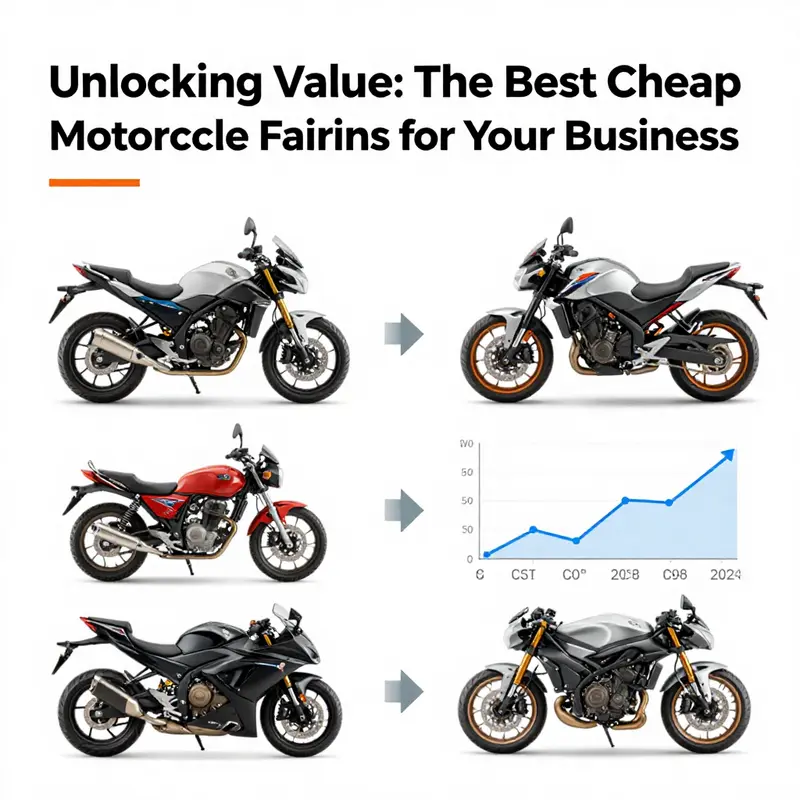
Every rider knows that look matters, but a fairing upgrade is about more than aesthetics: it’s protection, aerodynamics, and value. The best cheap options aren’t about cutting corners; they’re about picking the right pieces that fit your bike, your riding style, and your maintenance budget. In the budget fairings ecosystem, ABS plastic, fiberglass, and polycarbonate each offer a different mix of cost, formability, and durability. ABS is the workhorse: inexpensive, easy to mold, forgiving on imperfect paint, and well suited to mass-produced shapes. Fiberglass sits in between, providing a strong, rigid panel at a lower price than carbon and with more customization potential than ABS. Polycarbonate shines for optics and impact resistance, making it a good choice for windshields or headlight covers, though it can carry a higher price tag and a greater risk of surface scratching unless coated. Carbon fiber, while coveted, remains a premium option; budget versions often come as look-alikes or small accents that deliver weight and stiffness benefits without the expense of full dry-carbon parts. The result is a ladder of options where you can mix materials to hit a target price and performance envelope.
The global sourcing dynamic further expands affordability. Large-volume manufacturers in Asia, especially China, produce OEM-inspired sets, protective films, and modular kits that let riders tailor a look and aero profile at a fraction of OEM prices. The caveat is fitment variance and occasional paint alignment needs. A practical approach is to begin with low-cost protection (such as a TPU film kit) to preserve finishes, then layer in affordable aero tweaks or a partial-panel upgrade if needed. If your goal is a clean, integrated appearance, a midrange front fairing or a carbon-look tank cover can offer a cohesive effect without the four-figure OEM price tag.
Practical upgrade paths: TPU protective film keeps original panels pristine; foldable rear fairing kits offer wind management without a full panel replacement; midrange composite or fiberglass front fairings can improve stiffness and aerodynamics; carbon-like finishes deliver style with modest weight impact. The cheapest option that buys you time and protection should be your starting point, with progressively larger investments as your riding needs and budget permit. Always verify compatibility and included mounting hardware, and read material data to gauge UV resistance and longevity. Seek catalogs that show model-year fitment and user reviews, and prefer sellers that publish clear installation guidance and return policies. With careful selection, budget fairings can deliver meaningful protection, a cohesive look, and real improvements in handling—without forcing a premium price on a bike you ride every day.
In short, the path to cost-effective upgrades lies in matching the right material mix to your riding context, validating fitment before purchase, and layering upgrades over time to maintain value and performance. A well-chosen budget kit can protect your finish, improve aerodynamics, and refresh the bike’s presence without draining the bank.
Lean Air, Big Gains: How Budget Fairings Can Transform Performance Without Breaking the Bank
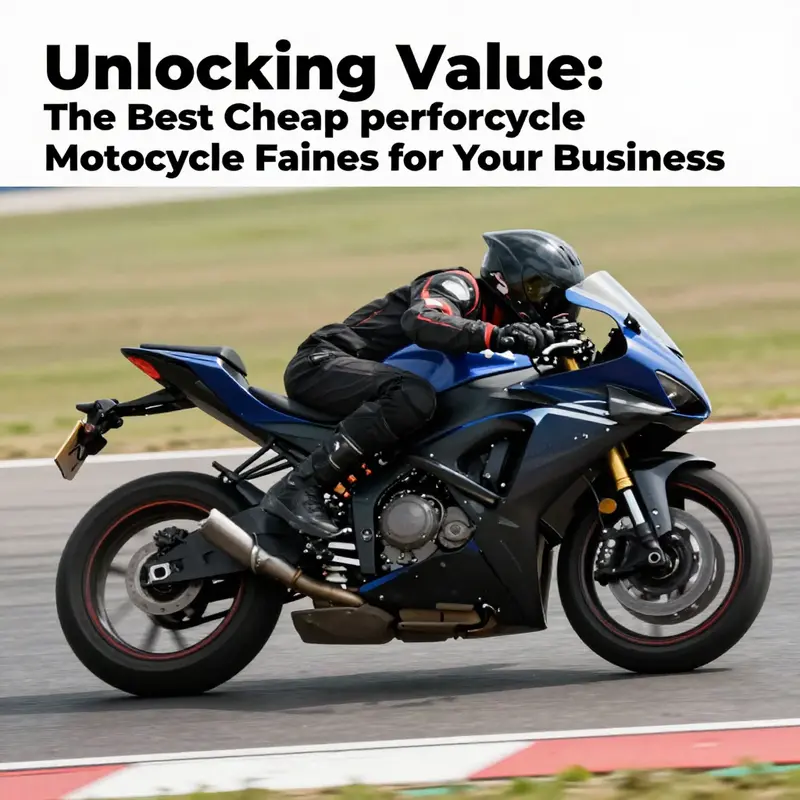
Riders chasing performance on a tight budget often arrive at a simple truth: you don’t need the most expensive fairings to see meaningful gains. The right combination of design, materials, and fit can nudge a motorcycle’s behavior in the wind without turning a planned upgrade into a small fortune. The conversation around affordable fairings isn’t about sacrificing safety or durability for price; it’s about recognizing where small, clever choices can improve aero performance, rider comfort, and the overall riding experience. In practice, budget-friendly options play to the same physics that govern high-end components. A well-shaped shell around the bike reduces drag, smooths the flow of air around the rider, and minimizes turbulence that can buffet the cockpit at speed. The result is less fatigue on long rides, a steadier high-speed feel, and, for sport and naked bikes in particular, a cleaner silhouette that hints at serious engineering without the premium price tag. The core idea is simple: good aerodynamics scale in value, and modern manufacturing processes have made it possible to capture meaningful aerodynamic benefits with affordable materials and careful engineering. This chapter explores how affordable fairings can deliver real-world performance, what materials and manufacturing approaches underpin those gains, and how a rider can approach selection and installation without compromising safety or compatibility. For riders who want to explore options beyond cosmetic changes, the emphasis should be on how these fairings influence air moving around the chassis and the rider—not just how they look when the bike is parked.
The question of where to start is never far from the race-bred mind. A budget-friendly strategy often begins with preserving the integrity of the original surface while layering in functional components that alter airflow where it matters most. One popular, cost-effective tactic is to add protective skins or films that shield the existing panels from everyday wear. This approach buys time for those who want to test the wind behavior of their machine before investing in a full fairing replacement. The films are typically transparent or nearly invisible, so they don’t alter the exterior lines of the bike but do reduce micro-scratches and UV aging that can dull a panel’s clarity. The practical benefit is straightforward: maintain the bike’s aesthetics while preserving its shape, which ensures any aerodynamic analysis remains valid over time. Such options are often priced well beneath the cost of a full fairing set, offering an entry point into aero-conscious maintenance without triggering sticker shock. For riders who want a more proactive stance on flow, foldable or adjustable rear fairing concepts provide a way to tailor the wake region behind the bike to the rider’s position and the cruising conditions. While fully integrated race-spec fairings can demand substantial time and money, a foldable rear module can offer a meaningful reduction in wind noise and fatigue with a modest investment. Its lightweight, compact design makes it practical for daily commuting as well as weekend spirited riding. These solutions embody a philosophy that value isn’t merely a matter of price; it’s about where in the bike’s aerodynamics you can make the biggest difference with minimal friction and effort.
Materials are the beating heart of any fairing’s performance—and the decision between them is rarely just about price. Polycarbonate, ABS, fiberglass, and carbon composites each bring different strengths to the table. Polycarbonate is well known for its impact resistance and optical clarity, which makes it a strong candidate for windshields and headlight covers where visibility is non-negotiable. ABS plastic, by contrast, excels in light weight and cost efficiency. It allows manufacturers to shape complex contours that improve airflow while keeping production costs down. Glass-reinforced or standard fiberglass offers a middle road: good rigidity and strength, though at a higher cost and with more handling considerations during installation. The most premium option—carbon fiber, especially in its multiple-weave forms—delivers impressive weight savings and a high-end look, but it comes with a premium price and often requires precise fabrication and careful integration. Even within budget ranges, you can realize substantial aerodynamic dividends by choosing the right material for the right surface. A lightweight, dimensionally stable cover for a windscreen or a front fairing panel can maintain a smooth surface finish under wind pressure, while a tougher, impact-resistant shell in a lower area of the fairing can withstand rocks or debris without compromising form.
The role of engineering, even at a lower price point, cannot be overstated. Modern aftermarket components increasingly leverage computational fluid dynamics (CFD) during development to optimize airflow patterns around the rider’s body. This isn’t about turning a budget fairing into a wind tunnel marvel; it’s about ensuring that the shape interacts with the motorcycle’s own aerodynamics in a predictable way. Even simple, low-cost iterations can be designed to reduce vortex shedding and buffeting, improving rider comfort at highway speeds and above. The practical upshot is that affordable fairings can be more than cosmetic upgrades. They can be tuned to address real-world aerodynamic challenges—whether that’s smoothing air over a rider’s helmet, nudging the wake away from the rider’s torso, or steering the boundary layer so the bike’s stability remains steady in gusty conditions. The result is a more confidence-inspiring ride that feels lighter and more responsive at speed, without demanding a larger budget. For riders who appreciate the engineering behind such upgrades, a careful choice of a few strategic pieces can deliver a surprisingly large performance delta.
Of course, the real-world choice isn’t solely about airflow theory. Installation matters just as much as design when it comes to achieving those gains. Budget fairings typically come with straightforward mounting schemes, but fitment and compatibility remain critical. In many cases, the fastest path to meaningful aero benefits is to pair a protective layer or a minimal, purpose-built component with existing panels rather than attempting a full replacement right away. This approach minimizes the risk of misalignment, interference with control cables or fenders, and the headache of repainting. It also opens a practical testing window: riders can assess handling, wind noise, and buffeting with minimal downtime, and then decide whether to scale up to a more comprehensive kit. When a rider chooses to move beyond protective films and single-purpose add-ons, the next logical step is to consider a modular approach. A folding rear fairing, for instance, can be expanded with a front fairing or winglets to extend aerodynamic benefits to other body regions. The modular concept is especially appealing for street riders who balance daily commuting with occasional track days or spirited weekend rides. It’s a way to incrementally improve aerodynamics without committing to a full set, which keeps options flexible and budgets manageable. A modular path also aligns well with the realities of fitment in the field. Compatibility concerns, mounting points, and paint compatibility can vary widely between models and generations. A measured approach—test, validate, and then expand—can help riders achieve the best possible outcomes without overpaying for features they don’t yet need.
For readers who want to explore practical, accessible options within a year-specific or model-agnostic framework, an organized way to compare is to think in terms of the goals you have for the bike. If the aim is the lowest possible maintenance cost and surface protection, a TPU-based or film-based solution that adheres to the original panels can be transformative. If the goal is stable high-speed performance with reduced fatigue, lightweight composite components or small, aerodynamic add-ons such as winglets or deflectors offer the best balance of cost and performance. If aesthetics and weight reduction are primary, a carbon fiber option—though pricier—can deliver both. In all cases, the focus should be on ensuring that any cheap option meets the bike’s OEM safety and hardware standards and that mounting points and fasteners are secure. For readers who want to compare year-specific or model-specific options while staying within a budget, a quick reference to a broader catalog can be helpful. See the 2023new page for a concise overview of current, affordable options that fit a wide range of bikes and riding styles. 2023new.
As you weigh these choices, keep in mind the balance between upfront cost and long-term value. A mildly more expensive fairing that outperforms a cheaper substitute in durability and weather resistance can save money over the life of the bike by reducing the need for frequent replacements or refinishing. Likewise, a small aerodynamic gain that improves comfort during long trips translates into real-world value when you ride more miles with less fatigue. The best cheap fairings, therefore, aren’t the ones that look good in a showroom or sit well in a catalog; they are the ones that harmonize with the bike’s dynamics, the rider’s tolerance for maintenance, and the rider’s goals on the road. In this sense, the best value is less about a single, standout feature and more about the sum of several small, well-executed decisions that together deliver a coherent, ride-enhancing package.
External resource: for a broader, non-brand-specific look at the aerodynamic principles at play in motorcycle design, see https://en.wikipedia.org/wiki/Aerodynamics. This overview helps contextualize why even affordable fairings can influence performance in measurable ways and why careful selection matters when chasing efficiency, stability, and comfort on public roads.
Final thoughts
Selecting the best cheap motorcycle fairings is essential for business owners looking to balance affordability with enhanced performance. These fairings not only improve the aesthetics of the motorcycle but also enhance its aerodynamics and overall riding experience. By considering factors such as model compatibility, cost-effectiveness, and performance benefits, business owners can make informed choices that benefit their customers. Ultimately, the right fairings can be an excellent investment, improving customer satisfaction while keeping costs low.