
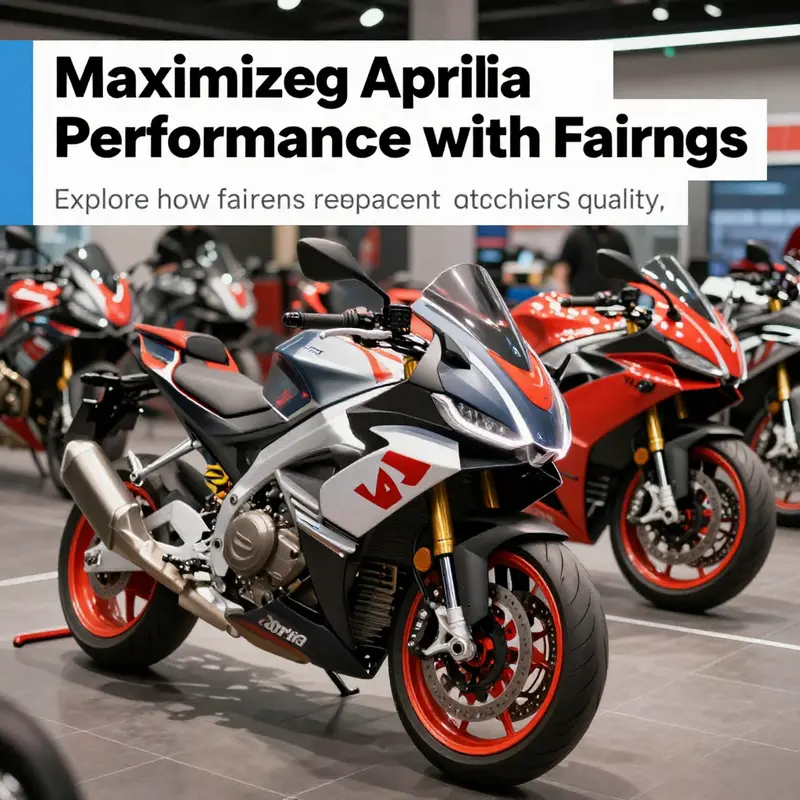
Aprilia motorcycle fairings play a crucial role, not only in protecting the bike’s internal components but also in enhancing performance and aesthetics. For business owners in the motorcycle industry, understanding the significance of these fairings is pivotal in catering to the needs of both new and seasoned riders. This article delves into four essential aspects of Aprilia motorcycle fairings: options for replacement and upgrades, opportunities for aesthetic customization, the performance impact on ride quality, and current market trends for availability. Each chapter presents a comprehensive examination that will help business owners navigate the complexities of fairing choices in the motorcycle market.
From Shell to Sprint: Replacing and Upgrading Aprilia Fairings for Performance and Personality
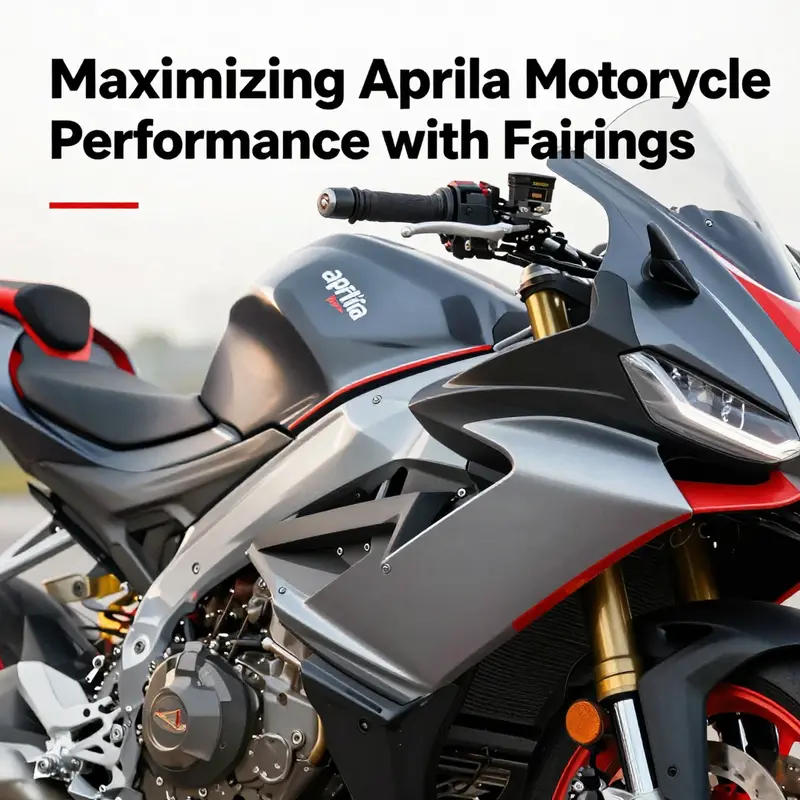
Fairings do more than dress up a motorcycle. They define how a bike slices through air, protect engines and radiators, shield the rider from debris and heat, and shape the riding experience at speed. When a panel is cracked, dented, or simply faded, the question becomes not just “can I replace it?” but “what kind of upgrade should I pursue?” The replacement and upgrading of Aprilia fairings sits at the intersection of restoration, performance engineering, and personal style. The process begins with a clear aim. Some riders want a faithful restoration to factory specifications after a minor incident or years of use. Others seek a more aggressive stance, choosing lighter materials or sharper contours to improve airflow and handling. Still others chase a unique look, with color schemes, graphics, or finishes that turn a bike into a personal statement. Whatever the motive, the right fairings deliver a balance of fit, function, and form that supports both daily riding and the occasional track day.
Choosing between OEM parts, high-quality aftermarket kits, and replicas sets the tone for the entire project. Genuine components guarantee exact geometry and precise fitment, preserving the bike’s intended flex and airflow channels. Aftermarket options can offer substantial savings, sometimes with improved materials or updated styling that aligns with newer aerodynamic concepts. Replicas and custom shells provide an even broader canvas for expression and experimentation, though they require careful scrutiny of fitment and durability. The marketplace landscape has evolved to support this spectrum. A major online marketplace can simplify the search for compatible fairings, presenting a curated mix of options and brands while promising fitment guarantees. For anyone navigating this terrain, the path to a successful upgrade is paved with a few practical checks: model-year compatibility, mounting points, and the realism of the claimed materials and finishes. A focused exploration of the catalog can be especially helpful. For a streamlined entry into the available options, consider exploring the dedicated catalog of Aprilia fairings and bodywork here: aprilia fairings.
Material choice matters as soon as the order is placed. ABS remains the workhorse for many street riders; it offers impact resistance, easier repair, and generally lower cost. Fiberglass, while typically lighter than ABS, can require more careful finishing and precise painting to achieve a factory-like surface. Carbon fiber, the aspirational option for performance-minded riders, delivers stiffness and significant weight savings but comes at a premium. In some builds, a hybrid approach blends carbon fiber panels with resin-rich composites to strike a balance between weight, cost, and longevity. The material decision influences how the panel behaves under wind pressure, how forgiving it is in a crash, and how easily a shop can repair it after a low-speed mishap. The aesthetic payoff is substantial as well. Shiny carbon trims or matte finishes can dramatically alter the bike’s silhouette and perceived speed, turning a routine maintenance task into a meaningful upgrade.
Compatibility remains the single biggest hurdle in any fairing project. The Aprilia lineup features many variants across years, and even neighboring models can diverge in bracket locations, vent placement, and the geometry of the seat cowl and tail sections. Before committing to a purchase, verify that the chosen set fits your exact model year and variant. A mismatch can create awkward gaps, misaligned mounting holes, or interference with exhaust heat shields and instruments. A careful checklist helps: confirm part numbers that correspond to your bike, compare mounting points against the old panels, measure gaps at critical junctions, and verify that fasteners align with stock hardware or with supplied mounting kits. When in doubt, reach out to reputable sellers who offer fitment assurances and return policies. The goal is a seamless replacement that preserves the bike’s aerodynamics and protects critical components while letting you reimagine its personality.
Installation is a stage where preparation and patience pay off. Begin by removing damaged parts with care to avoid stressing adjacent panels or brackets. Clean the surrounding surfaces to provide a true base for new fasteners and adhesives. Some fairing kits require additional hardware, supplied clips, or heat-stamped brackets; if these aren’t included, source them through a trusted supplier rather than patching with improvised fixes. A common pitfall is overtightening fasteners, which can crack panels or warp the edges, altering the airflow profile and inviting turbulence. Once the new shells settle in, a precise alignment check is essential. Small adjustments to the headlight brackets, radiator shrouds, and inner fairings can make a noticeable difference in how cleanly the panel lines meet along the bike’s silhouette. For riders who demand a flawless finish, professional painters and wind-tunnel-leaning prep work can yield a factory-like gloss with uniform color depth and consistent clear coats. The stage is also a good time to consider protective measures such as protective film in high-wear areas. Thoughtful film placement helps resist micro-abrasions from grit and bugs during high-speed riding, preserving the surface for longer and keeping the fairings looking new between repaints.
Beyond the installation, the upgrade conversation naturally drifts toward performance-oriented design choices. A lighter material set reduces unsprung weight and can alter the balance between the chassis and the wheelbase, influencing steering feel and turn-in response. The right wind-tunnel-informed contouring can shave a few seconds off a lap time by reducing drag and improving stability at speed. Yet even for non-track riders, the way fairings modulate air flow affects ride comfort, engine intake temperatures, and even fuel efficiency at highway speeds. Aesthetics still matters, but it is now more closely tied to how the bike breathes at 100 miles per hour, how the rider remains shielded from crosswinds, and how the entire package communicates intent. This is the moment to harmonize looks with function, choosing lines that echo the bike’s heritage while embracing modern manufacturing advances.
The supply chain behind modern fairings makes this possible on a global scale. For higher-end builds, carbon fiber panels sourced from specialized workshops bring a level of precision that some riders consider essential. In parallel, a broad spectrum of manufacturing centers worldwide enables a mix of low-cost, high-volume sheets and more niche, high-tolerance components. In regional hubs within eastern and southern China, for example, advanced factories leverage reverse engineering and CAD-based replication to produce components that align with OEM specifications. Vertical integration in these facilities supports consistent tolerances, from the initial layup and curing processes to post-production finishing and dimensional checks. That said, buyers should go beyond glossy marketing claims. They should seek documentation of CNC machining capabilities, independent dynamometer testing, and demonstrable track or test-ride validation where possible. The safest path to reliability is to insist on transparent technical validation and a robust track record, especially for legacy or higher-performance models where tiny discrepancies in curves or edge radii can ripple into handling quirks and airflow inefficiencies.
The practical reality for most riders is simpler and more approachable. Replacement and upgrading become a thoughtful sequence rather than a one-off purchase. Start with a clear restoration or upgrade target, then map out the budget to accommodate not just the fairings themselves but the associated hardware, paint work, and any necessary brackets or seals. Plan for a testing ride after installation to ensure there are no rattles, misalignments, or vibrations that could indicate a mounting issue. Equally important is choosing a trusted seller and a sensible warranty policy. In an era when the market spans traditional brick-and-mortar shops to broad online platforms, the ability to verify fitment, request return options, and review customer feedback is a meaningful safeguard. If a seller offers a fitment guarantee or model-year-specific guidance, that is a strong signal of a responsible source.
The exploration of options also invites a broader understanding of how a bike’s skin communicates with its powertrain and chassis. A fairing is not just a shield; it is an aerodynamic interface that directs air toward radiators, fairing intakes, and under-body channels. The right panels can improve cooling efficiency, reduce drag, and lower fatigue on long rides by smoothing airflow and reducing buffeting around the helmet. For riders who value both performance and aesthetics, the choice of finish—gloss, matte, or textured, combined with decals or a solid color—becomes part of a holistic tuning process. Even the way you approach maintenance changes. Cleanliness, sealant application, and periodic inspection of mounting points help maintain both performance and longevity. The fairings’ outer shell absorbs the first impact of road hazards, but the inner structure and brackets often bear the brunt. Keeping those elements in sound condition is essential to sustaining both the look and the function of the bike.
As with any meaningful customization, a balanced approach matters. The most satisfying upgrades respect the bike’s original design language while allowing you to inject personal style and mechanical efficiency. A well-chosen set of fairings can reduce drag enough to feel perceptibly quicker in a straight line and more stable through corners, while a color scheme that reflects your riding identity can lift the entire ownership experience. The journey from damaged or dated panels to a refreshed, capable, and expressive fairing system is about more than the swap itself. It is a process of recalibrating how a machine breathes, how it carries its rider, and how it communicates its character to the road. If you are hunting for additional context or broader product lines, the catalog linked earlier provides a gateway to a wider range of Aprilia fairings and related bodywork that can help you assemble a cohesive, model-consistent look across the bike. When you pair this with careful fitment checks, responsible material choices, and a measured approach to installation, the result is not just a new shell but a renewed sense of confidence in the machine you ride.
External resource: https://www.ebay.com/sch/i.html?nkw=Aprilia+Motorcycle+Fairings+Bodywork&sacat=0&LHTitleDesc=0&sop=1&rt=nc
Shaping Speed and Style: The Aesthetic Craft of Aprilia Fairings
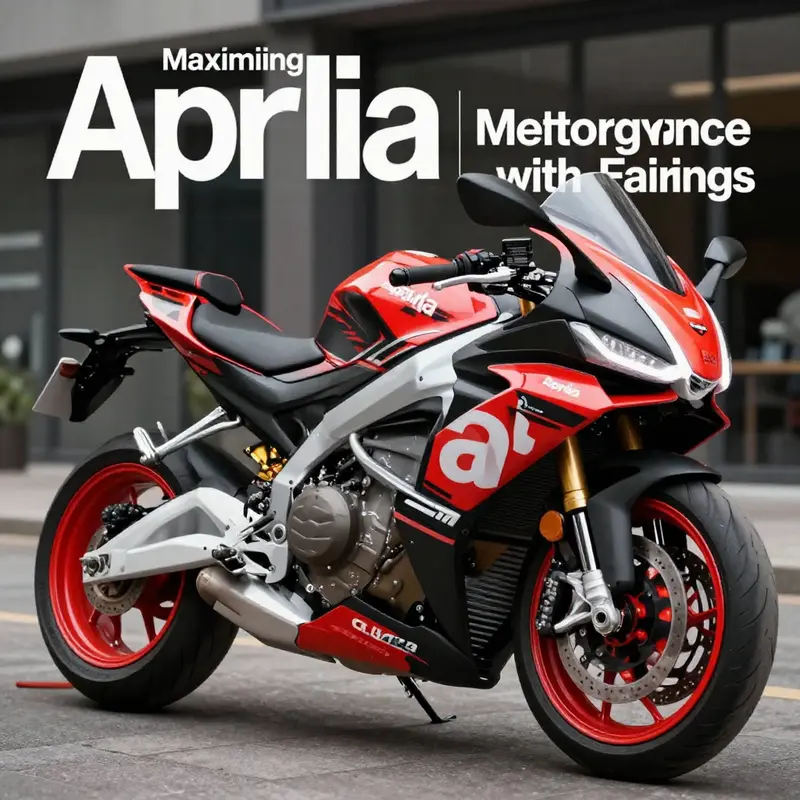
External resource: https://www.aprilia.com/en/motorcycle-accessories/fairings
Wind, Weight, and Balance: The Performance Impact of Aprilia Fairings on Ride Quality
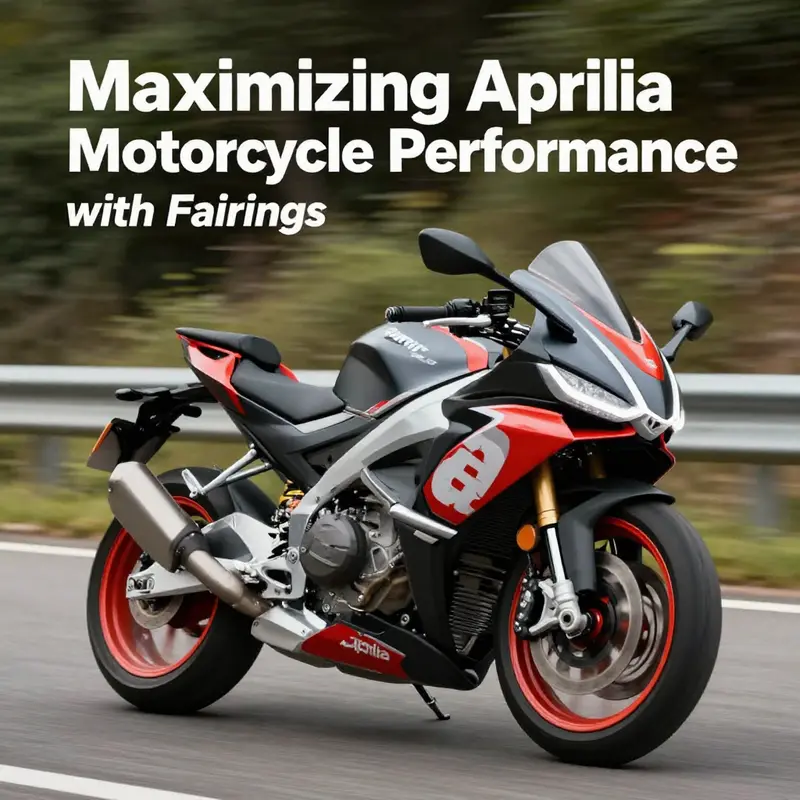
The fairing is often the first thing a rider notices, but its job goes far beyond shaping the bike’s silhouette. On Aprilia motorcycles, the fairing acts as a winged shield that orchestrates airflow around a compact, high-performance machine. When you stand still, the glossy panels look like art; once you ride, they reveal a blend of science and craft. The best fairings do more than cover the engine. They tune how air travels in front of, beneath, and around the chassis. They influence drag, downforce, engine cooling, rider comfort, and even the subtle feedback that a rider reads through the handlebars and foot pegs. Understanding this interplay helps explain why a well-meshed fairing package translates into real-world ride quality, not just aesthetics.
Aerodynamic efficiency sits at the heart of ride quality, and the fairing’s exact shape can tilt the balance between fatigue and endurance. At highway speeds, air resistance becomes a rider’s constant companion. A streamlined fairing minimizes parasitic drag, allowing the engine to perform with less throttle input and conserving fuel over long distances. But drag is only part of the story. The way air moves around the bike creates a pressure field that affects stability, especially at high speeds and in gusting crosswinds. A well-designed fairing smooths the flow, reducing buffeting at the rider’s chest and helmet. It also manages the wake behind the bike, where turbulent air can re-energize, wobble the bike’s tail, and subtly alter steering feel. For riders chasing both speed and comfort, the distinction between a marginally efficient shell and a finely tuned aerodynamic bodywork can be substantial.
This dynamic is not universal, because different riding styles demand different aerodynamic priorities. A full fairing, common on sport and performance-oriented machines, envelopes more surface area and channels airflow with pronounced contours. Those contours, including sharp edges, strakes, and carefully placed vents, are not decorative. They sculpt how air accelerates and decelerates along the bike’s body. In contrast, half fairings expose more of the engine and rider to the wind, trading maximum aerodynamic efficiency for better access to mechanical components and a leaner, more aggressive visual profile. Lower fairings, which shield the underbelly and exhaust, alter how air interacts with the chassis’s underside and exhaust system, helping to manage heat and reduce turbulence that can creep into the rider’s seating area. Each option reshapes the wind experience in a slightly different band, and for a rider choosing a particular Aprilia model, the decision should align with intended use—daily commuting, canyon carving, or long-haul touring—while respecting the model’s inherent geometry and balance.
Material choice enters the performance equation with weight and stiffness as the two constants that most often swing ride quality. Carbon fiber, with its exceptional strength-to-weight ratio, presents a compelling case for performance-minded riders. Lighter panels reduce unsprung and overall weight, contributing to improved handling response, quicker direction changes, and a more precise feel through the steering damper and chassis. Carbon’s rigidity also helps maintain the intended aerodynamic profile, ensuring that the fairing’s contours stay true under load and at speed. That stiffness translates into more predictable airflow behavior, which riders notice as steadier line delivery and reduced front-end jitter in chop or gusts. Of course, carbon comes with cautions: higher cost, repair considerations after a tip or crash, and the need for careful mounting to prevent crack propagation. Alternative composites and high-strength polymers offer a balance between weight, cost, and impact resistance, presenting a spectrum of choices for different budgets and riding goals. The right combination helps a rider feel connected to the road rather than fighting wind and turbulence.
Beyond the obvious weight savings, the fairing’s interaction with the bike’s cooling system must be considered. Airflow around radiators, oil coolers, and engine casings is choreographed to remove heat efficiently while avoiding hotspots that can sap performance and comfort. A well-integrated fairing design acts like a funnel, inviting cooling air toward critical components and away from heat-sensitive areas. If airflow is misdirected, engine temps can rise in slow, urban traffic, and the rider may experience heat soak that saps endurance and comfort. The fairing’s intake ducts, vents, and channeling must balance cooling needs with aerodynamic goals. An over-vented front end can invite turbulence at speed, while under-vented designs can impede cooling. The art lies in harmonizing these demands so that protection, aesthetics, and performance feed into each other rather than compete for attention.
Protection is another essential function that intersects with performance. A windshield and fairing panels shield the rider from wind pressure, rain, and road debris, all of which contribute to fatigue and distraction on long rides. When those panels are properly shaped, they reduce head- and chest-level buffeting, letting a rider maintain a comfortable posture with less muscle strain. At the same time, fairings guard the engine and vital components from the elements, which translates to fewer maintenance issues and more consistent performance across a wide range of conditions. For riders who log hundreds of miles, the cumulative effect of wind protection can be as significant as raw horsepower. A quiet cockpit—fewer wind noise and less vibration—helps the rider stay alert and focused, which, in turn, improves control and confidence through corners and at speed.
The fairing’s role in shaping the rider’s feel of the machine cannot be overstated. The touchpoints—handlebar position, footpeg height, and seat location—are all in dialogue with the fairing’s aerodynamic envelope. When a fairing maintains a stable flow of air around the torso and reduces turbulence near the rider’s torso, the rider perceives a calmer, more predictable handling environment. This can reduce micro-adjustments during spirited riding, allowing the rider to maintain a more balanced line through corners. In practice, that translates to better throttle control, steadier corner entry, and less fatigue after a long day in the saddle. Even small gains in stability and comfort add up over miles, especially when a rider pushes for precision on fast or technical sections.
In terms of customization and ownership, the choice between genuine and aftermarket fairings often comes down to fitment, weight, and the intended use. Genuine panels are engineered for the specific model year, ensuring alignment with mounting points and the overall aerodynamic bodyplan. Aftermarket options broaden the palette of finishes, textures, and lightness, offering opportunities to tailor the bike’s look and feel to personal taste and performance priorities. The risk with any aftermarket set lies in fitment tolerances. Poorly matched panels can create gaps, misalign the wind flow, or add unwanted rattles at speed. The rider’s sense of precision is immediately affected if the panels sit off or vibrate. A careful selection process, ideally aligned with the bike’s year and model geometry, helps protect the aerodynamic integrity that the original design intended. This is not merely a cosmetic decision; it is a performance decision with real consequences for ride quality and handling response.
Maintenance and inspection are the practical cousins to performance. Regularly checking the fairing’s fasteners, mounting points, and mounting hardware protects against the subtle shifts that development teams know can occur after a crash, a drop, or a long season of riding. Heat cycles, vibration, and road realities can loosen screws, bolts, and brackets. Keeping the fairing properly torqued to the manufacturer’s specifications preserves the intended aero profile and ensures the panels stay flush with each other, preventing gaps that could disrupt wind flow. Cracks and impact damage are more insidious than they appear; they can propagate and alter stiffness or create edge chatter at speed. A proactive approach to maintenance sustains both the durability of the bodywork and the rider’s sense of control.
The aesthetics of a fairing, while often the first impression, should never be divorced from function. Finish choices, paint schemes, and glazing must be chosen with an eye toward their impact on aerodynamics and heat management. A glossy surface can highlight imperfections and microcracks, which, in turn, may indicate stress points in the structural layers of the panel. A matte finish, properly applied, can help conceal minor scuffs while maintaining a clean airflow profile. Color and texture choices can also influence heat absorption from sun exposure, subtly affecting cockpit temperature on very hot days. The rider’s appreciation of the bike is seldom only about how it looks; it is equally about how it feels when riding, which is the culmination of form meeting function in a finely tuned aerodynamic envelope.
Ultimately, the decision about which fairing setup best suits a given Aprilia motorcycle rests on aligning the bike’s aerodynamic intent with the rider’s goals. If speed and high-speed stability dominate the wishlist, a carefully engineered full fairing with precision-placed vents, edge contours, and a rigid inner structure offers the clearest gains in performance and ride quality. If access to the engine and simplicity of maintenance take priority, a half fairing may deliver a leaner, more direct experience without compromising core aerodynamics significantly. And for environments where fuel economy and heat management are paramount, a lower fairing approach may balance protection with efficient airflow for cooling. The art of selection is not about chasing the latest trend but about preserving the integrity of the bike’s intended aero characteristics while respecting the rider’s practical needs.
For riders exploring options in the Aprilia fairings category, you can browse a wide range at Aprilia fairings to see how designers balance aerodynamics with protection, and how different profiles translate into the sensations felt on the bike’s front end, through the torso, and into the hands. This is where theory encounters concrete riding experience: the way a wind separates around a curve, the feel of a front wheel with a predictable, damped response, and the quiet rhythm of a long ride where fatigue stays at bay. The most successful configurations are those that honor the rider’s body and the machine’s spine, wrapping engineering discipline around a rider’s instinct. When you contemplate upgrades or replacements, consider not just the look of the panels but their impact on air as a partner in performance.
The deeper technical story behind fairings—how their geometry influences pressure gradients, vortex shedding, and surface boundary layers—provides a framework to appreciate the craft involved in modern sport biking. An external resource on this front offers a broader, more technical lens on how fairings function and why certain shapes yield measurable gains in performance. For readers seeking this background, a comprehensive study covers the varieties, properties, and performance implications of motorcycle fairings and can illuminate decisions beyond brand labels or model years. In the end, the goal remains consistent: a riding experience that feels effortless at speed, confident in corners, and enduring over miles. The fairing is the translator between wind and will, shaping ride quality as surely as the engine’s heartbeat and the rider’s technique. External reading can enrich this understanding, while hands-on experience with different configurations will refine what feels best on a particular Aprilia model and road condition.
Market Pulse: Availability and Trends in Aprilia Motorcycle Fairings
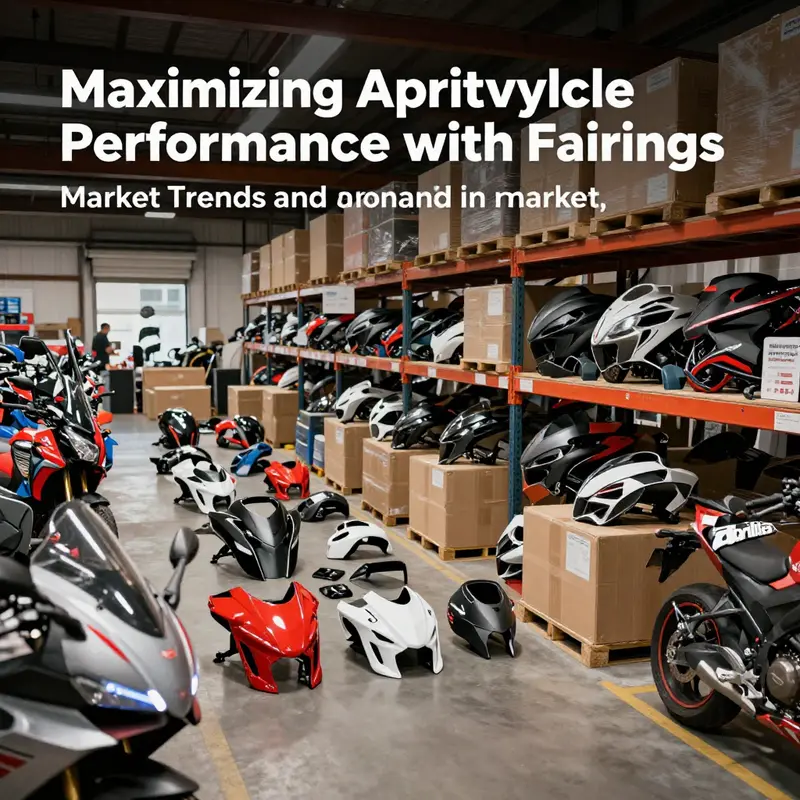
The market for motorcycle fairings tailored for the Italian maker’s sportbikes reads like a living dashboard of rider intention. Enthusiasts purchase fairings not only to restore a crashed machine but to reshape its presence on the road and track. They buy to shave seconds in a lap, to tighten the silhouette against gusts at triple-digit speeds, and to declare a personal style that blends racing heritage with street legality. In this context, the demand for Aprilia fairings rides a steady cadence: durable, well-fitting bodywork that can withstand the rigors of aggressive riding while delivering the aesthetic punch that riders expect from a machine known for its distinctive lines and aggressive stance. The core tension in this market is not merely about availability but about how a given fairing system balances protection, aerodynamics, and customization options with the realities of ride quality and maintenance. The most practical observation is that riders increasingly view fairings as an integrated system rather than a mere cosmetic add-on. When a fairing is properly matched to a bike’s frame, radiator layout, and instrument cluster, it does more than cover the skeleton; it optimizes airflow, reduces drag, and shields essential components from debris and weather. It also supports a ride quality that can feel markedly more composed at high speeds, especially on open roads or during long sessions on the track where wind buffeting can become fatiguing. The result is a marketplace that values precision, not just appeal, and that is reflected in the breadth of options available to buyers who know what they need from a complete bodywork kit rather than a quick cosmetic swap. This broader context helps explain the ongoing interest in full fairings over partial solutions. A full fairing set wraps the bike in a continuous shell, guiding air more smoothly around the forks, tank, and tail. It does more than hide edges or seams; it shapes how air travels along the bike’s surface, reducing turbulence and stalling, which translates into steadier stability at speed and a more predictable ride when the wind shifts direction. For riders who prize a race-inspired look and the reassurance that their engine and internals are shielded from road debris and weather, the rationale is straightforward. Full fairings also mean fewer exposed joints and gaps that can catch dust, moisture, or grit and require more frequent cleaning and maintenance. In practical terms, that translates to a lower cumulative maintenance burden over time, a compelling factor for those who log long miles or frequent track days. As a result, full-body solutions have gained traction, even for riders who use their machines primarily on public roads. The appeal is not solely about performance; it is about reliability and the sense that the bike’s skin is a properly engineered enclosure, harmonizing with the bike’s chassis to deliver consistent behavior in varying conditions. The market response to this preference is visible across major online platforms and specialist retailers alike. Buyers now expect a robust catalog that includes genuine OEM-style parts and well-regarded aftermarket upgrades. The availability of these options is not a luxury; it is a baseline expectation that a well-stocked marketplace should satisfy with seamless matchups to specific model years and submodels. In this context, compatibility becomes a practical, not a theoretical, concern. For anyone shopping, the challenge is not merely finding a fairing that looks right but ensuring it aligns with the bike’s mounting points, the contours of the fuel tank, the shape of the radiator shrouds, and the integration points for indicators, vents, and wings. This is where the concept of guaranteed fit emerges as a vital reassurance. A platform that offers guaranteed fit typically requests model information such as year, exact model designation, and sometimes a few checkboxes for trim variations. When that data is handled correctly, buyers experience a smoother purchasing journey: fewer returns, less downtime, and faster reassembly after the inevitable mishap that sparked the search in the first place. It is no accident that a large portion of the post-accident rebuild crowd gravitates toward options lauded for fitment reliability. They want to know that the replacement parts will align with the bike’s mounting hardware, bracketry, and skin line without requiring endless modification or improvisation. The availability story extends beyond the large general marketplaces into dedicated retailers that specialize in motorcycle plastics and body kits. These specialists curate catalogs tailored to a wide range of Aprilia models, often featuring kits designed to preserve or replicate the original styling cues while offering modern materials and finishes. The result is a spectrum of choices that can accommodate riders who want OEM-inspired aesthetics, those chasing a more aggressive or high-contrast race look, and everyone in between. Yet even with abundant choice, fitment remains a model-specific puzzle. Subtle differences between generations, production years, or region-specific variants can affect how a fairing aligns with the frame, cowl, or belly pan. That is why the process usually begins with precise vehicle information: model name, year, and sometimes even the shop’s planned use. A handful of details can determine whether a kit slots into place as expected or demands additional hardware, reshaping of mounting points, or careful trimming of certain edges. The market’s broad supply of OEM-style parts and aftermarket upgrades helps, but it also underscores the need for careful research and a clear understanding of one’s own bike. In this landscape, buyers gain confidence when the seller provides clear compatibility notes, high-quality images from multiple angles, and explicit guidance about color-matching and finish. The final appearance matters as much as the first step in bolting new skin to the frame. An important part of this buying journey is the practical recognition that a fairing is not merely a cosmetic layer. It is a functional system that can influence wind management, ride stability, and even heat dissipation around the engine bay. Aerodynamic considerations guide how the lower portions of the fairing channel air around the crankcase and radiator, affecting both cooling efficiency and the bike’s response to gusts. A well-designed full fairing reduces flow separation at speed, which helps the motorcycle maintain a more stable trim profile in straight-line runs and confident cornering on curvy roads. The same logic informs the growing interest in finishes and colorways that go beyond simple gloss or matte looks. For riders who enjoy customizing their machine, the fairing package becomes a canvas for personal expression, reflecting sponsorship colors, race numbers, or a signature palette chosen to stand out in a crowd. In the end, the market’s health rests on a simple truth: riders want reliable, aesthetically compelling options that fit their exact bike and riding style. The availability picture has grown more upbeat as more players enter the space with robust lines of fairings, more precise fitment data, and a clear emphasis on durability. The combination of genuine OEM-style parts and reputable aftermarket upgrades creates a diversified ecosystem. It makes it easier for riders to achieve a coherent look, protect sensitive components, and tune the bike’s aero characteristics to their preferred balance of speed and comfort. For readers who wish to explore a direct example of a dedicated category that serves this purpose, see the collection of Aprilia fairings in a prominent online catalog that emphasizes model-specific options and guaranteed fit. The combination of a large inventory, model-specific compatibility, and trusted manufacturing standards provides a practical assurance that the fairing path—from replacement after a mishap to a near-total aesthetic upgrade—remains accessible and reliable. For readers seeking further context on contemporary catalog updates and new arrivals, a relevant external reference can be found here: https://ultimatemotorx.net/product-category/2023new/.
Final thoughts
Understanding Aprilia motorcycle fairings is essential for business owners aiming to meet diverse customer needs. By exploring options for replacement and upgrades, aesthetic customization, performance impacts, and current market trends, owners can enhance their offerings significantly. Quality fairings not only safeguard the motorcycle but also provide opportunities for customization that engage riders, while understanding market demands ensures a steady supply of sought-after products. Focusing on fairings allows businesses to align themselves with rider preferences and capitalize on performance enhancements, ultimately driving sales and customer satisfaction.