
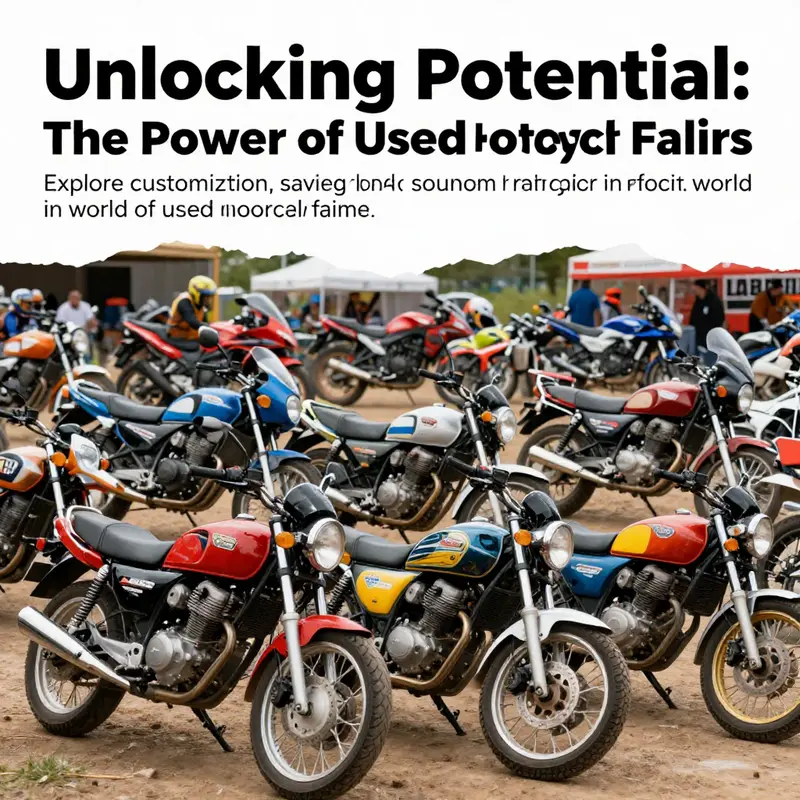
The motorcycle industry is continually evolving, with customization becoming a top priority for many riders. Used motorcycle fairings provide an economical and effective solution for enthusiasts looking to personalize their bikes or repair damage. Such fairings not only enhance the aesthetic appeal but also offer functional benefits, including improved aerodynamics and protection from environmental factors. In this exploration, we discuss how used motorcycle fairings impact customization and repair, their economic benefits, their material composition and quality, and the role of online marketplaces in sourcing these components efficiently.
Mending, Modifying, and Making It Yours: How Used Fairings Shape Customization and Repair
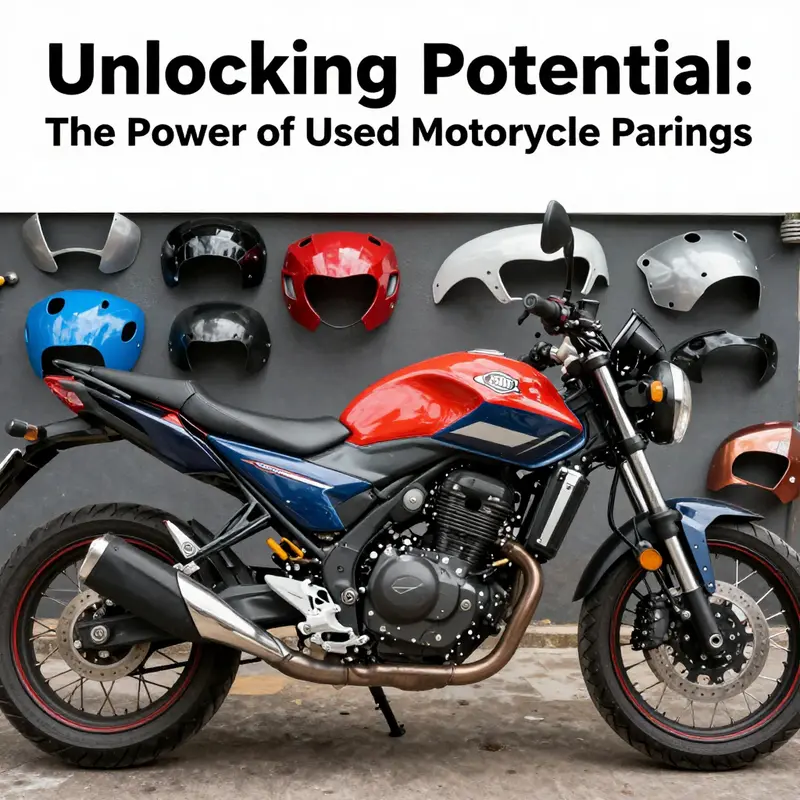
Used motorcycle fairings are more than cosmetic covers. They are functional components that carry the history of a bike’s life while offering a pragmatic path to personalization and repair. In the world of riding culture, where every choice about a bike’s bodywork can alter handling, weather protection, and heat management, pre-owned fairings occupy a unique niche. They enable riders to repair, refresh, or reinvent without the full cost of new parts. The story of used fairings is really about access: access to restoration on vintage machines, access to distinctive styling that might be out of reach if one always bought new, and access to reduced downtime when a bike is laid up by a damaged panel. When viewed through this lens, used fairings become not just substitutes, but strategic assets for a rider who wants to blend reliability with personal expression.
In terms of repair, used fairings offer a compelling alternative to expensive factory replacements, especially for older models where new parts are scarce or priced beyond what a owner is willing to pay. A cracked or dented panel can disrupt the whole look of a bike and force a costly purchase of a perfect OEM piece. Yet a carefully chosen used panel—one that aligns with the model’s geometry and mounting points—can restore the bike’s silhouette and protective cover at a fraction of the price. This is particularly true for vintage or classic styles, where original parts have dwindled and aftermarket solutions may be the only practical option. A well-sourced used fairing can seal up cracks, restore fit, and reduce downtime, letting a rider get back to the road with confidence rather than rolling the bike into a shop for weeks while a replacement part is sourced or manufactured.
Of course, the repair path with used fairings requires a careful eye. A seller’s photo can reveal surface flaws, but it can miss hidden cracks behind mounting tabs or along internal supports that bear the weight and vibration of the bike. The strength of the fairing’s outer shell matters, but so do the mounting points, internal brackets, and the integrity of the fasteners that secure it in place. The most successful repair stories involve fairings selected with both geometry and condition in mind. A panel that sits true against the frame, that aligns with the wheel cutouts, and that preserves the correct headlamp and instrument cluster clearance will save a great deal of modification work. This practical approach to repair is especially valuable for older bikes, such as compact touring machines or early sport models, where the availability of new parts is not guaranteed and the cost of preserving the factory look is high.
The customization side of used fairings opens up even more creative possibilities. Riders who crave a personal look often mix and match elements from different years or models to craft something that speaks to their own riding identity. A vintage-style front fairing can be married to a more modern rear section to create a hybrid aesthetic that honors the past while signaling contemporary intent. This sort of synthesis is at the heart of the customization ethos: you don’t have to accept a factory-specified package when you can selectively reassemble components to produce a distinctive appearance and a tailored ride. The batwing silhouette, long associated with classic touring aesthetics, remains a popular choice for riders seeking dramatic lines and generous wind protection. When paired with a modern tail section or a sportier fairing nose, the result can be a bike that turns heads and feels coherent in its proportions, even if every panel isn’t a single, factory colorway.
Beyond style, the right used fairing choice can enhance aerodynamics and rider comfort. A well-fitted fairing reduces windage, lowers rider fatigue on long rides, and helps shield sensitive engine components from stones and weather. This functional performance is not merely a matter of appearance; it translates into a more predictable ride, quieter cockpit, and better heat management. For riders who rack up miles, especially on touring routes or highway corridors, the long-term benefits of a properly matched used fairing can be substantial. Even small improvements in wind deflection and seating position can accumulate into a more enjoyable, less exhausting journey, especially on multi-day trips.
A sustainable facet of using pre-owned fairings deserves attention. Reusing panels supports a circular economy by extending the life of components that already exist. It reduces waste and can lower the environmental footprint of maintaining a bike. This is not about avoiding responsibility to maintain a bike’s condition; it is about making deliberate choices that align with a rider’s values while still achieving the desired result. Used fairings, when selected with care, offer a practical way to keep bikes on the road, preserve historical designs, and celebrate the diversity of styling that has evolved across motorcycle eras.
To navigate this landscape well, it helps to understand what makes a used fairing a good candidate for repair or customization. Condition matters most, of course. A panel with intact mounting tabs, no hairline cracks that compromise structural integrity, and sufficient mounting hardware is preferable to a shell that requires extensive reinforcing work. Material choice matters too. ABS plastic and fiberglass each behave differently under stress and impact, and they respond differently to processes like sanding, patching, and repainting. ABS tends to be more impact-resistant and easier to repair with compatible fillers, while fiberglass can offer lighter weight and excellent shaping properties but may demand more careful repair techniques to avoid water intrusion or cracking around joints. For riders who intend to repaint or color-match, the original color or a close match reduces the scope of patching and blending work, saving time and money. The aesthetic payoff—an integrated look that appears intentional rather than cobbled together—depends on the panel’s ability to blend with the bike’s other lines and the rider’s chosen finish.
The practical reality is that used fairings come from a market that ranges from near-perfect returns to honest wear-and-tear. A fairing may travel through several owners before arriving at a new home, accruing stories along the way. Some panels show subtle sun fading, pinhole scratches, or light scuffs that are barely noticeable once painted and sealed. Others carry more conspicuous marks that require careful repair planning, including sanding, resin work, or composite fills. The decision to buy a used fairing should be anchored in an honest assessment of what it will take to achieve the desired outcome: a panel that fits precisely, holds its color, and contributes to a ride’s overall balance. A well-chosen piece may still require touch-up work or minor reshaping to align with the bike’s frame and surrounding panels, but that work is often far less extensive than replacing a new part that may require multiple factory orders or custom fabrication.
For riders who are online shoppers rather than local buyers, the marketplace dynamics of used fairings add another layer of consideration. The sheer variety of options—different years, slight model-year revisions, and sometimes mismatched hardware—means that clear communication with sellers is essential. Reputable listings that include multiple angles, close-ups of mounting points, and explicit notes about any repairs offer the best chance of a successful match. Some buyers look for a seller who can provide measurements against the bike’s chassis or a digital photo with reference points to verify geometry. In practice, this reduces the risk of ending up with a panel that is a poor fit or one that interferes with the bike’s windscreen, fairing stay, or headlight assembly. The trade-off for this diligence is a smoother installation and a more cohesive final appearance.
In addition to the repair and customization dimensions, there is a community and education aspect to using used fairings. Enthusiasts share lessons learned about fitment tolerances, paint compatibility, and the quirks of different fairing styles. A vintage batwing design, for example, carries unique mounting considerations, distinctive lines, and an aura of period authenticity that many riders prize. Its integration into a contemporary bike can be a celebration of history, as long as the panels align with modern hardware and the rider is prepared for a careful fitment process. The collective knowledge around these choices—gathered from forums, ride days, and workshop conversations—helps riders anticipate challenges and plan ahead, reducing downtime and the risk of improvisation that might compromise both aesthetics and performance.
From a sourcing perspective, the appeal of used fairings is anchored in accessibility and price comparison. Prices for pre-owned panels can span a wide range, reflecting model rarity, condition, and the demand for specific colorways or finishes. A practical approach is to establish a target condition and a budget before browsing, then to evaluate listings against that frame. This disciplined starting point makes it easier to recognize a fairing that truly adds value, rather than one that merely fills a space while waiting for better options. It also helps in making trade-offs between appearance and function. A perfectly matched fairing in a less pristine color may still deliver the same protective benefits and fitment accuracy as a newer piece, with the added advantage of a lower price and a cooler narrative for the bike’s ongoing journey.
For riders seeking a structured path to find compatible pieces, model-specific catalogs and fitment guides offer a helpful compass. When you encounter a listing, you can assess whether the panel’s mounting points, latching mechanisms, and inner ribs align with your bike’s frame. If the listing mentions precise fitment or compatibility with a range of years, that’s a strong signal that the panel has been engineered with attention to the bike’s geometry. In many cases, the quickest route to a reliable match is to consult a catalog that focuses on fairings by model or series. Such catalogs can guide you toward panels designed to share common mounting points, ensuring a cleaner installation and a more coherent final appearance. Within the broader ecosystem of model-specific resources, there is a catalog dedicated to a range of fairing families that helps riders navigate the terrain of compatibility without guesswork. Consider using that resource as a starting point to verify whether a given used fairing aligns with your bike’s measurements and mounting strategy. Kawasaki fairings catalog offers a representative example of how these model-aligned resources function, even as you explore options from other makers and eras.
As you weigh the decision to invest in used fairings, keep in mind that the goal is not merely to reduce upfront cost. It is to curate a bodywork package that respects the bike’s original spirit while offering a personal touch. The aesthetic impact of a well-chosen used fairing can be substantial, especially when it harmonizes with your seating position, wind deflection, and visual balance. The tactile feel of the panels—how they flex under pressure, how they resonate with engine vibrations, how easily their fasteners bite into the mounting studs—matters as much as their external appearance. A fairing that fits cleanly and feels integrated into the bike’s chassis becomes part of the rider’s experience, influencing confidence and the enjoyment of every mile logged.
This chapter does not imply that pre-owned panels are a universal solution. They come with caveats, including potential alignment challenges, the need for repainting, and the possibility of mismatched hardware. Yet for many riders, those trade-offs are acceptable when the payoff is a bike that reflects personal taste, honors a model’s lineage, and remains affordable enough to keep riding rather than breaking down into a costly restoration. In practice, the best outcomes arise when buyers combine careful inspection with thoughtful planning, a willingness to adapt a design to fit the bike, and a respect for the balance between originality and practicality.
To conclude, used fairings occupy a meaningful place in the broader story of motorcycle customization and repair. They enable restoration without erasing history, allow personal expression through selective design choices, and support sustainable riding by extending the life of existing components. The journey from selection to installation is as much about understanding the bike’s geometry and the panel’s material behavior as it is about envisioning a fresh look. With deliberate consideration, a pre-owned fairing can transform a damaged or aging bodywork package into a cohesive, high-performing, and uniquely yours machine. One that rides not only with confidence but with the signature of a rider who chose a path that respects both budget and design intent.
External resource: https://www.aliexpress.com/w/wholesale-batwing-motorcycle-fairings.html
Wallet-Wise Wings: The Economic Case for Used Motorcycle Fairings
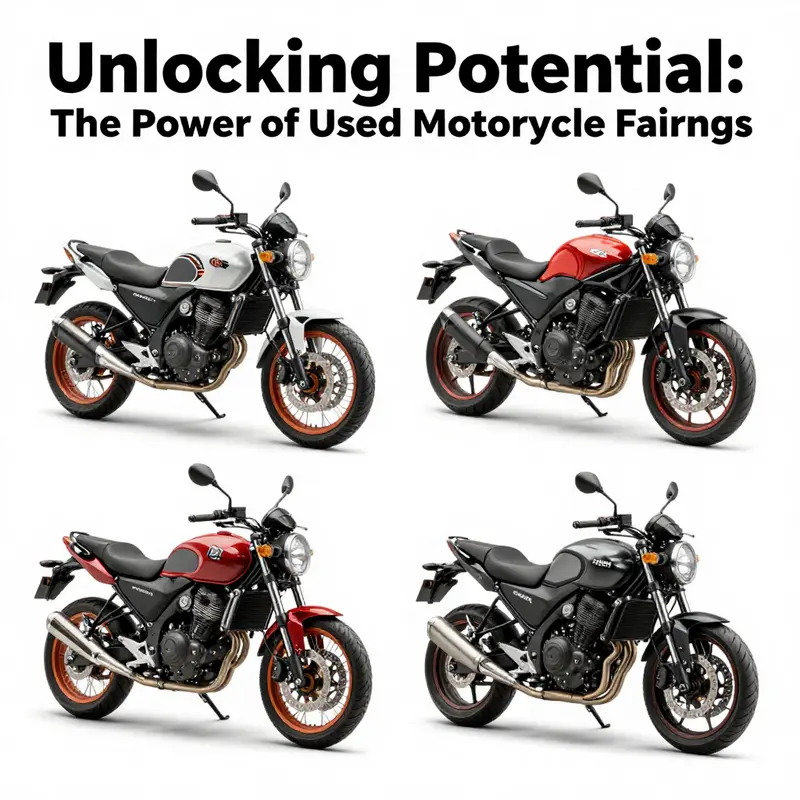
When riders talk about machinery, the conversation often circles back to two core concerns: performance and price. In the realm of motorcycle fairings, those concerns merge into a practical calculus where the economic advantages of used parts are not just about saving money on the upfront sticker but about shaping long-term ownership costs, customization potential, and the likelihood of a satisfying repair or restoration project. Used fairings present a compelling value proposition because they can deliver substantial reductions in initial outlay while still preserving fit, aerodynamics, and protection for the bike’s most sensitive components. The numbers are striking. Across different brands, models, and conditions, the cost delta between a used fairing and a new one can range from roughly 30% to as much as 70%. That is not a marginal saving; it is a meaningful difference that affects decisions about whether to pursue a cosmetic refresh, a race-inspired aesthetic, or a full restoration after a mishap. What makes that difference work in a rider’s favor is not only the price tag but the way a well-chosen used kit can deliver reliability, compatibility, and a sense of ownership that new parts alone might not replicate.
The appeal of price savings is immediately evident, but it is only the start of the broader economic logic. A used fairing allows riders to access models that are no longer produced or which have become scarce in the new-parts market. In many cases, discontinued designs carry a nostalgic or collectible value that enthusiasts want to preserve or recreate. Rather than paying a premium for rarity in new form, buyers can source a well-maintained used set and achieve the same or similar aesthetic with a fraction of the original cost. This access to “what used to be” enables personalization without forcing a trade-off on the wallet. It also creates opportunities for those pursuing specific color schemes, historical livery, or retro silhouettes that are hard to come by as new stock.
From a strategic sourcing standpoint, the marketplaces that dominate the used-fairing scene are built to support informed decision-making while recognizing the risk implicit in any secondhand purchase. Platforms that facilitate used parts—particularly those with robust seller descriptions, clear photos, and documented condition histories—are more likely to yield dependable results. The market rewards transparency. When a seller provides multiple photographs from various angles, close-ups of the mounting points, and notes about any discoloration or stress lines, the buyer can assess fitment and potential repaint needs before the package arrives. The importance of trust in the process cannot be overstated. Reputable sellers who encourage question-and-answer exchanges and offer detailed narratives about wear, impact, or repairs provide the buyer with the information needed to estimate not just the price but the total cost of ownership.
One practical advantage that often goes overlooked is the way a well-matched used fairing can minimize the installation overhead. High-quality used kits that retain structural integrity and precise fitment translate into lower labor costs and shorter downtime for the bike. A kit that aligns with factory mounting points reduces the likelihood of modifying brackets, trimming excess material, or fabricating adapters. When fitment is predictable, the time spent in the workshop is reduced, and the likelihood of rework is correspondingly diminished. This is especially valuable for riders who want to upgrade or restore their bike during weekends or within a limited maintenance window. It is also worth noting that preserved fitment does more than save money; it preserves the bike’s safety dynamics. A poorly matched piece can introduce gaps, vibrations, or chafing that, over time, may translate into additional maintenance costs or comfort losses on long rides.
The materials used in fairings deserve a quick technical frame of reference because they influence both price and performance. Used kits commonly arrive in materials such as impact-resistant ABS plastic or lightweight fiberglass. ABS generally provides good impact resistance and color stability, which helps with resale value and the likelihood of a clean repaint if needed. Fiberglass, while sometimes lighter and more rigid, can be more vulnerable to impact damage if not properly supported and cared for. The key economic point is not which material is best in isolation but how that material’s condition, thickness, and mounting integrity translate into the cost of ownership. A used ABS fairing with minimal micro-cracks can be a superb value, especially when it arrives in a color close to the bike’s current scheme, reducing paint costs. A used fiberglass panel that has sustained a minor impact but remains structurally sound may require more inspection and possibly reinforcement, which adds a modest upgrade cost but can still be far below new-part prices, especially for performance-oriented or vintage-inspired builds.
Riders who seek to personalize or restore often find that the economic calculus shifts when they factor in the full lifecycle costs. The upfront savings on the fairing itself can be offset by ancillary costs: repainting to match the bodywork, sourcing mounting hardware, or procuring gaskets and seals that may degrade with time. Yet even when these ancillary costs are included, the total expenditure frequently remains well under the cost of a brand-new kit. The margin is clear: used fairings can enable a broader spectrum of styling, colorways, and historical accuracy without the premium associated with buying new, especially for models that have long production runs or multiple generations. This is particularly valuable for riders who are restoring older motorcycles or who want to experiment with a retro look that blends classic aesthetics with modern performance.
A practical aspect of the economic narrative is the ability to verify and compare options with confidence. Informed buyers turn to marketplaces and forums that emphasize quality control, detailed seller disclosures, and buyer protection. The presence of descriptive listings, high-resolution images, and condition notes helps a buyer estimate repaint needs, confirm color accuracy, and plan installation. Responsible sellers highlight fitment notes, mounting points, and the presence or absence of hardware, which reduces the guesswork that often accompanies a purchase of used components. In this sense, the used-fairing market functions as a collaborative ecosystem where buyers and sellers exchange essential information that minimizes risk and maximizes value. The outcome is a more predictable purchase that preserves control over the total cost of ownership.
For riders who want to explore model-specific options while maintaining a cautious approach to value, a practical path is to review the available listings in categories that align with the bike’s generation or chassis. A step toward understanding contemporary compatibility is to examine listings associated with newer materials or updated manufacturing processes. In parallel, it can be useful to consider listings from the same ecosystem that emphasize period-correct styling or performance-oriented geometry. The balance between authenticity and affordability often hinges on the condition and provenance of the kit, as well as the seller’s transparency about any repairs or refinishing that may have occurred. When in doubt, asking direct questions about the fairing’s history, prior impacts, and any prior repainting can yield crucial data that improves the reliability of the investment. To broaden the scope of options within a navigable framework, one can also explore the 2023 new listings as a complementary reference point. See 2023 new fairings for a sense of current styling cues and mounting interfaces that often inform compatibility even when the parts are used.
Beyond the price and fitment considerations, the strategic value of buying used fairings extends into the realm of risk management and buyer education. The practice of due diligence—careful inspection, asking for clear photos of the attachment points, and confirming the absence of major cracks or delamination—translates into a reduced likelihood of hidden costs after delivery. The risk, of course, remains real: a fairing with deep internal cracks or water ingress may look solid from the outside, but it can require extensive repair or replacement. This is why the decision to purchase used is, at its core, a decision to invest in information. A seller who provides close-up images of the joints, the under-surface texture, and signs of prior repair helps the buyer form a robust probability assessment about the total expenditure required to bring the bike to a reliable, ride-ready state. The marketplace thus rewards buyers who come equipped with a clear checklist and a willingness to walk away if the data do not align with what the price promises.
For those who value longevity and overall performance, the economic calculus should also consider the long-term maintenance profile that a properly chosen used fairing can contribute to. A well-fitted, high-quality used kit acts as a shield for vital engine components, electrical harnesses, and radiators from debris and the vagaries of weather. The reduction in wind resistance and the preservation of aerodynamics contribute indirectly to rider comfort and fatigue reduction, which, over time, can translate into lower maintenance and replacement costs tied to handling and performance upkeep. While the convenience of a fresh appearance is appealing, for many riders the real payoff lies in the blend of protection, efficiency, and durability that a solid used kit can sustain through many miles of riding. The economics of this blend depend on thoughtful selection, meticulous inspection, and a realistic appraisal of the total cost of ownership, not just the sticker price.
In summation, the economic rationale for choosing used motorcycle fairings rests on a trio of strengths: immediate cost savings, access to a broader set of aesthetic and historical options, and the ability to preserve fitment and functional integrity while controlling overhead in a repair or customization project. The process rewards disciplined buyers who approach purchases with a clear plan, a set of verification questions, and a readiness to balance upfront savings against the potential costs of repainting, hardware replacement, or minor repairs. Although caution is warranted—cracks, discoloration, and signs of impact can reveal hidden issues—the long-run financial advantage often outweighs these risks, particularly when sourcing from reputable sellers with comprehensive disclosures. The end result is a bike that captures the owner’s vision without compromising financial sense. As the market continues to evolve, the core principle remains unchanged: with careful selection, used fairings can deliver as much value in the wallet as they do in performance and style.
External context can further illuminate how to balance price, fit, and safety across all gear and accessories. For broader insight into the value and safety considerations of used motorcycle gear, refer to this comprehensive guide: https://www.motorcyclecruiser.com/articles/used-motorcycle-gear-buyers-guide.
Shell and Substance: Understanding Material Quality in Used Motorcycle Fairings
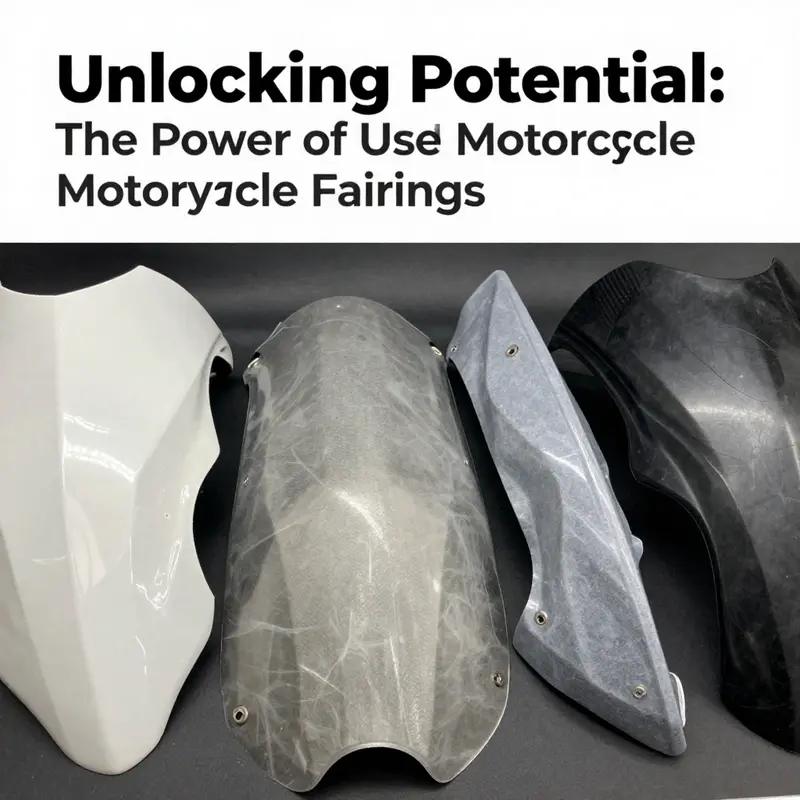
Used motorcycle fairings serve more than a cosmetic purpose. They are the external skin that shapes a bike’s silhouette while offering protection from road debris, weather, and the occasional impact. The material that makes up these fairings is not a detail to overlook, because it governs how they wear, how they can be repaired, and how they perform in the long run. When riders hunt for used fairings, they are not just buying panels; they are buying a balance of aesthetics, weight, rigidity, and resilience. The choices behind those panels—polycarbonate, ABS, fiberglass—carry with them a cast of tradeoffs that can determine whether a used set is a temporary fix or a durable, long-term solution. The chapter that follows explores these materials in depth, linking the visible signs of wear to the unseen work of engineering that keeps a bike both aerodynamic and protected on the road. In doing so, it connects the hands-on task of inspection with the broader questions of maintenance, performance, and value that shape every rider’s decision when venturing into the second-hand market.
Polycarbonate stands out as a material that often drives the conversation about fairing performance. It is the same robust plastic you encounter in high-impact applications, chosen for windshields and headlight covers because of its extraordinary toughness. Polycarbonate fairings can absorb energy from small and mid-size impacts without cracking, and they retain clarity even after repeated exposure to sunlight. When treated with UV inhibitors or protective coatings, polycarbonate exhibits impressive weather resistance. Yet those advantages come with a caveat: polycarbonate is not immune to scratching or hazing. In the used market, one of the quickest tells of age and abuse is the presence of fine surface scratches that cloud the view through a windscreen or mar the smooth line of a fairing surface. Deep scratches can signal heavier impact history or neglect, and the UV exposure that wears at polycarbonate’s surface can lead to yellowing or haziness if the material has not benefited from protective coatings or if it has spent years in intense sun. A careful eye looks for cloudiness, yellowing, and chalky patches that might betray degraded surface coatings.
The same careful eye will often land on ABS plastic, a material that dominates mass-produced OEM and aftermarket fairings for reasons of affordability and ease of manufacturing. ABS is lightweight, moldable, and good at distributing minor impacts without transmitting sharp failure to the mounting points. It is well-suited to the complex curves and panel lines that define modern fairings. However, ABS has its vulnerabilities. Prolonged exposure to UV light can cause discoloration and embrittlement, especially in panels that face direct sun or lack a protective finish. In the used market this translates to a tendency for fading around edges, mounting holes, and places where clips or fasteners anchor the panel to the bike. A brittle ABS panel is more susceptible to cracking if it takes a heavy hit, and cracks near mounting points can propagate if left unchecked. The inspection sequence for ABS should therefore look for warping or distortion in areas around the edges, evidence of fading along seams, and any fractures around fastener points that might compromise alignment and fit.
Fiberglass presents a different set of characteristics. It is prized by builders and riders who seek rigidity and strength with a lighter weight profile, particularly when shaping custom designs or performance-oriented bodies. Fiberglass fairings are often favored where a high rigidity-to-weight ratio matters, and they tolerate a wider range of finishes and paints. Yet fiberglass is not inherently tougher than polycarbonate or ABS in every scenario. It can resist fatigue and maintain shape, but it is more susceptible to impact-induced cracking if the layup has thin sections or if there are hidden voids in the composite. When fiberglass fairings crack, the damage can be more challenging to repair because the damage may run through multiple layers of fiber and resin, sometimes requiring more skilled repair work to restore structural integrity and gel coat finish. In used panels, hairline cracks, delamination beneath the surface, and worn gel coats can signal performance limits that a layperson might underestimate. The gel coat is not just cosmetic; it protects the underlying fibers from water ingress and further compromise. Any signs of wear there should be weighed against overall rider needs.
The material mix of a given used fairing is not the sole predictor of its longevity. A fairing’s lifespan in the real world is shaped by how it was used, stored, and maintained before it reached the resale market. A panel that spent winters parked outdoors, enduring temperature swings and moisture, may show resin micro-cracks, sunburned paint, or faded edges even if it remains structurally sound. Conversely, a well-maintained unit that spent most of its life in shade and was stored indoors may outlast a newer, aggressively used piece with less protective finish. The original fitment and the design intent behind a specific fairing are also crucial. A fairing that was designed to work with particular mounting points and airflow paths may hold its shape and provide the intended aerodynamic benefit longer if those interfaces are intact. The material choice, the quality of the original build, and the condition history all interact to shape what a used fairing will deliver when you bolt it onto a bike.
A practical approach to judging quality starts with a balanced view of the visible and the structural. Surface inspection can tell a lot about a panel’s life, but it only tells part of the story. For polycarbonate, the surface may look pristine but could be hiding micro-scratches that compromise optics or a coating that has degraded in spots. For ABS, color uniformity around edges and mounting points can reveal UV aging; if the color has faded in some areas but remains strong in others, you might be looking at uneven exposure history that could affect the panel’s long-term performance. For fiberglass, the presence of hairline cracks and delamination is a sign to probe further. A crack that penetrates the resin layer could allow moisture ingress, which, over time, weakens the panel and can lead to warping or layered separation. In each case, you should read the panel as a record of its life: the way it has seen sun, rain, road debris, and the rigors of installation and removal.
Another dimension of material quality in used fairings is their repair history. Repairs can range from cosmetic touches to real structuralwork. A repaired crack in ABS may hold well if the repair uses proven materials and proper bonding techniques. A fiberglass repair, if done with proper layup and gel coat restoration, can be nearly invisible and retain the panel’s strength. But a poor repair can create weak points where flexing occurs during riding, especially at most vulnerable corners and around mounting points. In polycarbonate, a repaired scratch or crack can be trickier to seal without affecting optical clarity or UV protection, particularly on windshields and headlight covers where visibility matters as much as protection.
What does this mean for the buyer? It means that the decision to purchase used fairings should hinge on a thoughtful assessment of material type, condition, and the likelihood of future repairs. You will want to confirm the material composition when possible, especially if you have a model-specific requirement. Some bikes rely on a precise blend of materials to keep aerodynamics intact. A mismatch of material type can alter the fit and the way the panels respond to wind pressure, especially at higher speeds or during long-distance riding. If you are restoring a vintage model or trying to preserve an OEM look, the material compatibility may be as important as the color match or the panel’s condition. In addition to the material, you should evaluate the mounting hardware and the internal structures that the fairing attaches to. Structural integrity is as important as cosmetic appearance because even the most beautiful shell will perform poorly if the subframe points or fastener bosses have been compromised.
Within the broader used-parts ecosystem, certain sourcing strategies can help you gauge material quality with more confidence. Reputable sources tend to provide condition reports, photos from multiple angles, and disclosures about any repairs or replacement parts. A well-documented listing that describes the original material composition, the paint system, and the repair history provides an auditable trail you can follow. If you are researching by yourself, a quick comparison across listings can help you spot outliers in price and description that might indicate hidden wear or incompatible panels. For riders who like to shop by category, it can be useful to look at model-specific fairing families. For example, if you are focused on a particular brand, model, and year, there are category pages that curate compatible components, which helps in evaluating fitment and understanding the likely material makeup of the panels you are considering. See the Kawasaki fairings category for an example of how model-specific filtering can simplify the search and reduce the risk of incompatible parts. Kawasaki fairings
As you weigh the decision, it is also worth considering the practical implications of material choice on ride comfort and performance. Aerodynamics is not limited to the shape; the panel’s stiffness interacts with airflow and vibration to influence how the fairing behaves at speed. A stiffer fiberglass panel can maintain more consistent gaps and seams, which helps with airflow and reduces buffeting. A flexible ABS panel may absorb vibrations more readily, but if it deforms under load, seams can shift and produce unwanted air leakage or misalignment. Polycarbonate, with its glass-like clarity and high impact resistance, can help with visibility and weather protection, but if the surface coatings degrade, the panel can become prone to clouding that reduces rider visibility through the windscreen or blade-shaped wind deflectors. The net effect is that the material choice, combined with how the panel has been cared for, translates into ride quality over long miles, with implications for fatigue, wind noise, and even the likelihood of needing further repairs.
The narrative of material and quality in used fairings extends beyond individual panels to the ecosystem that surrounds them. Buyers benefit from understanding how a given panel was produced, whether it was designed for modular replacement, and how replicable the fit is across different models or production years. A well-made used fairing—regardless of whether it is original equipment material or a well-executed aftermarket substitute—should align with the bike’s original geometry, attach securely without forcing misalignment, and tolerate the expected stresses of riding without cracking or loosening at mounting points. When a panel delivers this compatibility, it supports not only the bike’s aesthetics but also its reliability and safety. A tidy surface finish that still preserves the panel’s integrity whispers of careful handling and a life well managed, while a panel with obvious earlier repairs, mismatched paint, or exposed resin signals a higher probability of future issues.
The decision to buy can then be framed as a balance between cost, reliability, and the intended use of the bike. If you are a daily rider who undertakes long commutes, you might favor a Polycarbonate or fiberglass panel with a proven repair history and a good protective coating, provided that installation is straightforward and alignment is precise. If your aim is a weekend warrior with a show-piece build, you may prioritize pristine cosmetic condition and color-matched finishes, even if that means more careful evaluation of possible micro-scratches and a higher upfront price. The key is to read the life story of the fairing from its current condition and to weigh the likelihood of future maintenance against the initial savings. In every case, verify compatibility, confirm the material class, and demand honest documentation about wear, prior repairs, and the presence of UV protection and gel coats. The more you know about the material’s behavior under stress and over time, the better you can forecast the fairing’s performance and your satisfaction with the purchase.
In closing, the chapter’s throughline is simple and practical. Material composition shapes how a used fairing ages, how easy it is to repair, and how it behaves on the road. Polycarbonate offers clarity and impact strength with caveats about surface wear; ABS provides versatility and affordability with UV sensitivity; fiberglass delivers rigidity and repair potential with the challenge of authentic repair work. Each option carries a distinct footprint on durability, aesthetics, and value. The better you understand these footprints, the more you can assess condition and future needs with confidence. When you approach a used fairing with this lens—seeing beyond color and surface scratches to the material’s life story—you move from a simple exchange of panels to a thoughtful investment in your bike’s personality, performance, and longevity. This awareness also sets the stage for the next step in your restoration, customization, or repair journey, where the goal is not merely to cover the bike but to empower it to ride with precision and character.
External resource for further reading and sourcing considerations: https://www.motorcyclepartsdirect.com
Sourcing Solutions: How Marketplaces Shape the Hunt for Used Motorcycle Fairings
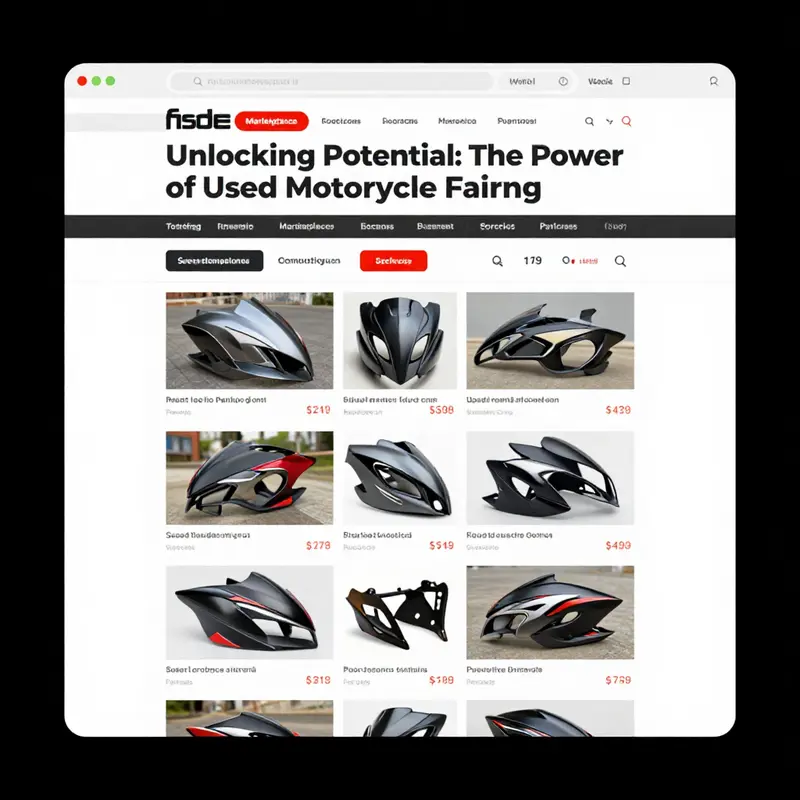
Sourcing Solutions: How Marketplaces Shape the Hunt for Used Motorcycle Fairings
Marketplaces have quietly become the backbone of how riders find used motorcycle fairings. They fuse the scattered world of private sellers, independent mechanics, and regional shops into one navigable landscape where a single search can reveal options that used to require days of phone calls and appointments. For riders looking to restore a vintage bike, patch a crash-damaged panel, or simply customize a ride on a budget, a well-designed marketplace does more than list parts. It curates possibilities, creates transparency, and accelerates decisions that once felt like a roll of the dice.
At their core, these platforms operate as centralized ecosystems. They aggregate listings from diverse sources—regional suppliers with stock that reflects local tastes and model-year abundance, hobbyists who treat a bike as a long-term project, and small repair outfits that run fleets and need consistent supply. That aggregation matters because it shifts the search from model-by-model sleuthing to a broader, comparative inspection. A rider who knows they need a front fairing for a particular model can filter by make, year, and even sub-model variations. The result is not merely a longer catalog; it is a smarter catalog. Buyers can juxtapose offers that may differ in condition, price, and provenance side by side, which makes the cost-benefit calculus clearer and faster.
The breadth of inventory is especially valuable when working on project bikes that diverge from current production lines. Classic or niche models rarely have new spare parts on hand, and traditional channels can be thin or geographically distant. Marketplaces stitch together a mosaic of options—from pristine OEM panels that survived decades to aftermarket composites that borrow design cues from the original fairings but are lighter or more affordable. This variety matters for riders who blend aesthetics with performance, because the right combination of appearance and fit can make a retrofit feel almost seamless rather than a patchwork fix.
Yet breadth alone is not enough. The power of these platforms comes from how they translate quantity into quality through information, verification, and trusted signals. High-quality marketplaces emphasize robust product descriptions and rich imagery. They encourage or require multiple angles, close-ups of mounting points, and measurements that align with common mounting standards. The more detail a listing provides, the easier it is to assess whether the fairing will align with a specific bike’s geometry and mounting hardware. For a potential buyer, this reduces the ambiguity that often accompanies used parts, where a small misalignment can result in improper fitment and a cascade of subsequent adjustments.
In many ecosystems, trustworthy signals extend beyond photos. Seller ratings and feedback histories give buyers a sense of what to expect. A seller who consistently delivers accurate listings, ships promptly, and stands behind the parts they offer earns a higher trust score, which in turn lowers the perceived risk of a purchase. Some platforms take this a step further with inspection services, third-party quality checks, or warranty-backed returns. While no system can eliminate all risk when dealing with pre-owned components, these verification layers create a safety net that helps buyers move from curiosity to checkout with greater assurance.
This trust framework matters for fairings in particular because fitment is a technical exercise as much as an aesthetic one. The panels, windshields, and integrated bodywork must align with the bike’s frame contours and mounting points. Even small deviations in width, height, or curvature can require modifications that may compromise aerodynamics or impact rider comfort. Marketplaces that prioritize fitment metadata—specific model years, sub-model designations, and notes on any aftermarket alterations—help buyers identify parts that are more likely to be compatible without requiring invasive changes. In that sense, the marketplace becomes a precision tool as much as a shopping portal.
Another dimension of value comes from the way these platforms enable cross-regional sourcing. A fairing listed in one city may be a scarce find in another, and marketplaces reveal those contrasts quickly. Shipments, return policies, and even currency considerations can hinge on the seller’s location. Buyers who are patient and strategic can leverage these dynamics to secure excellent deals or to locate a rare panel that would be nearly impossible to find through a single regional supplier. This global reach within a single interface helps repair shops operating on tight timelines and hobbyists chasing a specific look. It also lowers barriers for restorations that require parts from multiple eras, allowing a project to evolve in a logical sequence rather than being stalled by a missing piece.
A notable advantage of marketplace-driven sourcing is the potential for long-term relationships. When a buyer builds a reliable network across sellers, the flow of used fairings can become more predictable. A consistent seller may develop an eye for a buyer’s needs, alert them to upcoming availability, or offer price protections for bulk purchases. For small repair operations, this translates into more stable procurement cycles and better budgeting. For individual enthusiasts, it creates a sense of reliability in a market that can otherwise feel transactional. The relationship aspect is subtle, but it matters because it influences not just what you buy, but how you buy it—timing, condition disclosures, and after-sales support often hinge on the rapport you build with reputable sellers.
The role of verification and third-party checks deserves particular attention. In a field where the risk of receiving damaged, misrepresented, or incompatible parts is nontrivial, marketplaces that offer independent inspections or basic safety checks provide a meaningful level of assurance. These services might involve professional assessment of mounting points, material integrity, or even a standard compatibility test with the buyer’s bike model. Even when a buyer is proficient at spotting red flags from photos, these checks offer an extra layer of confidence. They can catch issues that might be overlooked in a quick online scan, such as subtle cracks hidden by lighting or a distorted fairing panel that looks fine in a listing but would fail a mounting alignment check in person.
Another broad benefit is access to niche or hard-to-find fairings that would be difficult to source through conventional channels. Marketplaces leverage data analytics and user search behavior to surface items that align with a buyer’s project needs, even if those items live far from the buyer’s home base. Pattern recognition in search histories means the platform can propose options that fit a vintage restoration or a modern rebuild in ways that feel surprisingly intuitive. This capability weds technology to craftsmanship, turning a complex scavenger hunt into a curated selection process that respects both budget and design goals.
From a sustainability perspective, marketplaces contribute to a more circular motorcycling economy. The more used parts move through a transparent, reliable channel, the more parts stay in circulation rather than being discarded. This is not merely about reducing waste; it is about maximizing the value of the materials and engineering that already exist. When a fairing is sold and reinstalled, its lifecycle extends, and a rider avoids the environmental costs of new manufacturing. This ethos resonates with riders who care about performance, aesthetics, and stewardship in the same breath.
The journey of a purchase through a marketplace often follows a familiar arc, but the experience can vary with the platform’s design and policies. A buyer begins with intent—repair, restoration, or customization—and then navigates through filters, photos, and comments from the seller. The next step is a careful due-diligence phase: checking compatibility with the exact bike make, model, and year; assessing material type—whether impact-resistant ABS, fiberglass, or composite blends; and evaluating the listed condition, including any repairs, repainting, or tracking marks from previous installations. This diligence is essential because even fairings that look identical across listings can differ in hidden ways, such as mounting hardware compatibility or subtle shape changes introduced by aftermarket manufacturers.
In this landscape, content quality is as important as catalog breadth. Rich, honest listings with multiple angles and measurements reduce the friction that often accompanies used-part purchases. Buyers appreciate clear indicators of whether a fairing is OEM-inspired or aftermarket, whether it includes all mounting hardware, and whether the windshield comes with hardware or requires replacement. The best listings acknowledge the buyer’s needs by stating tolerances and fitment caveats up front, thereby preventing downstream disappointment. When buyers share feedback about how a specific listing matched or misrepresented reality, the marketplace’s collective knowledge grows, and that knowledge becomes a resource for future purchasers.
For riders who are restoring vintage bikes, marketplaces can be especially transformative. Vintages often demand parts that are scarce or distributed across different regions. A well-structured marketplace acts like a historical ledger, where old listings re-emerge as new opportunities, sometimes with improved documentation or better shipping terms. The search experience can guide a restoration timeline by highlighting which panels are more readily available, which years are more compatible, and which sellers are known for accuracy in descriptions. In that sense, the marketplace becomes not just a buying channel but a project planning partner that aligns procurement with the restoration narrative.
Shopping ethics and practical considerations remain central to a successful marketplace experience. No buyer should assume condition or fitment without verification, and no seller should overstate a part’s compatibility. The conversation between buyer and seller—photos, measurements, questions about mounting points, and returns—constitutes a critical phase where trust is built. A robust marketplace design encourages this dialogue, providing structured fields for essential data and a straightforward path to request additional information. The aim is a transaction in which both sides feel protected and informed, reducing the likelihood of costly remakes or wasted shipping.
A practical mindset emerges from this ecosystem: treat used fairings as a collaborative product, not a single purchase. Seek listings that include a clear provenance, confirm that the panel supports your bike’s exact year and configuration, and verify that the material meets your performance expectations. ABS plastic is common, offering a good balance of impact resistance and weight, but fiberglass or composite laminates may suit certain aesthetic goals or weight targets. The marketplace should help you understand these distinctions, but the final evaluation still rests on your hands—through careful inspection, measurement, and, when possible, a test fit before committing.
In weaving together the threads of inventory breadth, reliability signals, specialist services, and sustainability, marketplaces become more than shopping venues. They become catalysts for smarter, cleaner, and more personalized motorcycling projects. They empower a rider to pursue a specific aesthetic while maintaining performance integrity, all without paying a premium that new parts might demand. And they do so while maintaining a practical realism about the realities of used components: the fit may not be perfect in every case, the condition can vary, and shipping logistics can complicate the final cost. The best platforms acknowledge this complexity and provide pathways to success through transparency, responsive support, and a culture of verified information.
For readers who want to see how a particular region or model family is represented in a marketplace, there is value in exploring specific category pages that align with your bike and goals. For example, a collection focused on Kawasaki Ninja fairings demonstrates how a vendor can curate compatible options across several years and variants, offering a curated starting point for a restoration or upgrade. This approach helps buyers reason about compatibility without wading through dozens of irrelevant listings. It also illustrates how a marketplace can balance breadth with depth, ensuring that even a highly specialized project remains tractable within a single platform. See for yourself in the Kawasaki Ninja fairings collection, which highlights the kinds of listing details that make or break a successful purchase in this space.
Ultimately, the marketplace experience is about making used fairings approachable, predictable, and aligned with a rider’s ambitions. It knits together the practicalities of fitment and shipping with the artistry of bodywork design and the pragmatism of budget-conscious maintenance. The result is a more accessible, more sustainable path to a bike that looks and performs the way its rider envisions. When you approach the process with clear criteria, a readiness to ask questions, and an eye for genuine seller reliability, the marketplace becomes not just a source of parts but a partner in the craft of riding. And as more riders participate, the ecosystem continues to learn—improving listings, refining verification standards, and expanding the reach to new project dreams that once seemed out of reach.
External resources can offer additional frameworks for thinking about this sourcing journey. For readers who want a structured guide to evaluating used fairings and managing the procurement workflow, the following external resource provides detailed guidance and practical checklists: https://www.motorcyclefairingmarketplace.com/sourcing-used-fairings-guide.
If you’re curious to see how a dedicated product catalog frames fairing selection within a marketplace context, you can also explore related category pages that group fairings by manufacturer and model family. These pages illustrate how a well-organized catalog can help you filter by model year, sub-model, and even styling preferences, enabling you to assemble a coherent set of panels before you begin negotiating with sellers. In practice, the ability to compare options across a broad spectrum of listings is what makes the marketplace approach fundamentally different from traditional, one-at-a-time sourcing. It transforms a potentially frustrating scavenger hunt into a guided exploration where each listing contributes to a clearer understanding of what fits, what looks right, and what represents the best value for your build or repair project.
In closing, the role of marketplaces in sourcing used motorcycle fairings is not merely about finding parts. It’s about enabling a thoughtful, iterative, and transparent process that respects both the bike and the rider. The platforms that succeed do more than present inventories; they cultivate confidence through data-rich listings, credible seller signals, and optional third-party checks. They support sustainable practices by making reuse a practical option and by guiding buyers toward fairing selections that maximize compatibility and aesthetics without compromising safety or performance. For a rider, that translates into smoother restorations, more satisfying upgrades, and a smoother ride on the road ahead.
Final thoughts
Used motorcycle fairings present significant opportunities for business owners in the motorcycle industry. By recognizing their impact on customization and repair, understanding the economic advantages, assessing material quality, and effectively utilizing online marketplaces, businesses can thrive while meeting customer demands. The choice to incorporate used fairings not only enhances customer satisfaction through personalized riding experiences but also boosts profitability through cost-effective solutions. Adopting a strategic approach to sourcing and selling used motorcycle fairings will lead to sustained growth and a competitive edge in the evolving marketplace.