
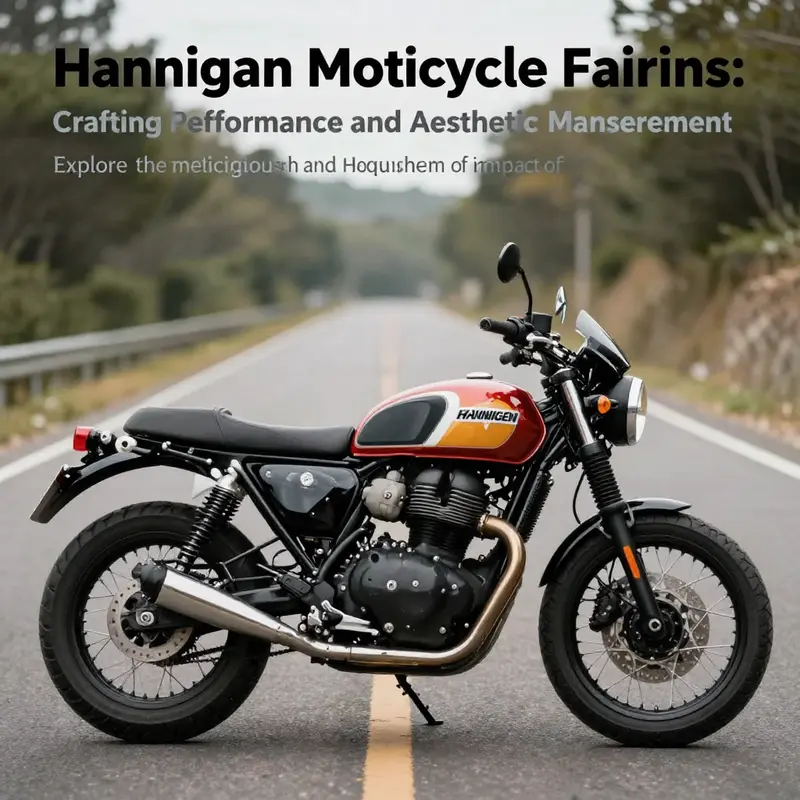
Hannigan motorcycles are celebrated for their unique blend of craftsmanship, performance, and aesthetic charm, primarily through their custom fairings. These components play a vital role not just in enhancing the bike’s aerodynamics but also in reflecting the individuality and character of the riders. Business owners in the motorcycle industry can benefit from understanding the nuances of Hannigan fairings, from their intricate design and manufacturing process to strategies for acquisition and restoration. This knowledge will empower them to cater to a niche market, ensuring their offerings resonate with enthusiasts who value bespoke motorcycle experiences. The following chapters will delve into the craftsmanship and design of Hannigan motorcycle fairings, explore how to acquire and restore these components, and analyze their performance and aesthetic impact on the overall motorcycle experience.
Forged in Wind: The Craftsmanship and Design Behind Hannigan Motorcycle Fairings
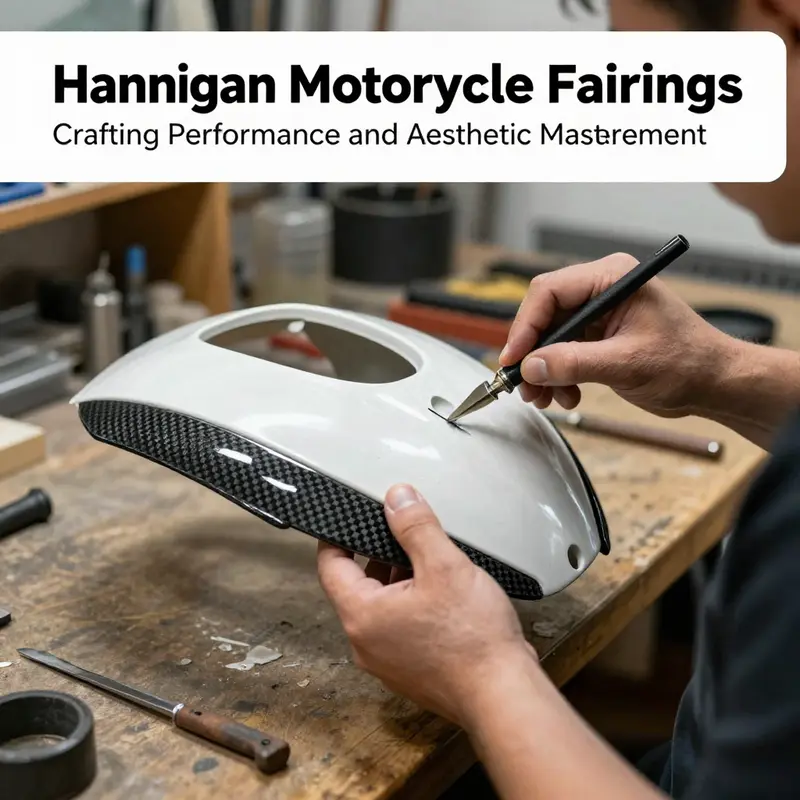
Hannigan motorcycle fairings sit at the intersection of sculpture and aero engineering, a niche craft that elevates a bike from a machine to a statement on two wheels. These fairings are not mere coverings; they are the dialogue between rider, machine, and environment. They carry a lineage of meticulous handcraft and forward-thinking engineering, a blend that has earned the brand a dedicated following among enthusiasts who value bespoke performance and a distinct, uncommodified silhouette. In a space where mass production often equates to sameness, Hannigan fairings stand out for their ability to fuse aggressive lines with functional restraint, creating a look that feels both timeless and unmistakably modern. The philosophy behind each component is not simply to cover a factory frame but to refine the interaction between air, rider, and engine, so every gust feels anticipated rather than endured. This is the core of the craft: part aerodynamic instrument, part visual signature, and entirely a product of careful, intentional labor that refuses to surrender to shortcuts or the shrug of mass manufacture.
From the outset, the design language of Hannigan fairings communicates a commitment to precision. The materials—ABS plastic, fiberglass, and carbon fiber—are chosen for their particular strengths: toughness in the face of impact, stiffness to keep the form under high-speed loads, and a lightness that permits performance gains without adding unnecessary heft. The material selection is as much a statement about intent as it is a practical choice. ABS offers resilience and impact resistance for street riding and rough weather, fiberglass provides a versatile backbone for bespoke, curved shapes, and carbon fiber delivers the strength-to-weight ratio that high-performance riders crave. Yet the choice of these materials goes beyond raw capability. It speaks to a philosophy of lifecycle care; Hannigan fairings are designed with the expectation that riders will ride hard, service often, and restore with a sensitivity to fit and finish that preserves the fairing’s integrity over years of use.
A careful balance guides the construction process. Engineers and craftspeople rely on advanced computer-aided design (CAD) work that translates the bike’s geometry into fairing geometry with exacting alignment. The fit is not an afterthought; it is engineered into every seam, every mounting point, and every edge where the fairing interfaces with the frame. The aim is seamless integration: panels that line up with the bike’s lines, openings that line up with radiators and cooling ducts, and contours that sit flush against the chassis without gaps that could betray a lack of attention. The result is more than a visually cohesive bodywork package. It is a system designed to reduce turbulence around the rider’s torso and the engine bay, to channel air in ways that minimize drag while maximizing engine cooling at speed. In practice, this often means a fairing surface tuned to work in concert with the bike’s own aerodynamics, not merely a shell slapped onto a frame.
The design process itself reads like a careful dialogue between theory and empirical testing. CAD models give engineers the ability to explore a spectrum of shapes, but wind tunnel testing translates those ideas into real-world outcomes. The wind tunnel helps quantify sensors’ readings: drag coefficients, pressure distribution on the rider’s torso, and the flow over the upper chest and shoulder area where turbulent eddies can sap speed and comfort. The measured results feed back into iterative refinements, where a fractional millimeter of curvature can alter how air clings to a rider at triple-digit speeds. This iterative loop—design, test, refine, redesign—ensures that every Hannigan fairing not only looks assertive but behaves predictably in demanding conditions. It is a discipline that respects the physics of speed and the rider’s need for control, quietness, and visibility.
Attention to detail extends beyond the aerodynamic box into the realm of experience and identity. Seamless integration is a recurring theme: panels that meet with exactness, edges that never catch on gloves or leathers, and mounting interfaces that feel almost invisible as you ride. The exact fitment is more than a matter of fit; it is an assurance that the bike’s line and stance remain true under the load of acceleration, braking, and lane-changing. The careful alignment of every seam also plays a role in durability. When a fairing is bolted to the frame with precision, the risk of rattling, panel flex, or misalignment under vibration diminishes. This not only preserves the aesthetic but also reduces wear on mounting points and seals, which in turn secures a rider’s long-term investment in the bike. In this craft, there is no leap of faith—only a sequence of measured decisions that accumulate into a coherent and long-lasting system.
Branding and visual identity are interwoven with this technical fidelity. Custom graphics and logo placement are treated as integral to the fairing’s performance narrative, not as surface decoration. The graphics are coordinated with the bike’s line, the curvature of the wind-scored surfaces, and the rider’s own sensibilities. The result is a look that communicates aggression and sophistication in equal measure, a signature that signals a rider’s affinity for craft, competition, and a distinctly non-industrial approach to motorcycling. The design language respects the past while making room for the present; it nods to classics in silhouette and proportion, yet remains resolutely contemporary in its execution. This careful balancing act is what makes Hannigan fairings feel as if they were born from a single, uninterrupted design thread rather than assembled from disparate parts.
The range of available styles—full fairings, half fairings, and clip-ons—expands the possibilities without diluting the core philosophy. Full fairings envelope the motorcycle, delivering a comprehensive aesthetic and a more sculpted airflow profile. Half fairings preserve a more exposed mechanical look, offering a blend of protection and rider connection with the machine. Clip-ons provide a lower, more aggressive, cockpit-like stance, inviting a different interaction with the bike’s stance on the road. Each option is conceived with the same standards of fit, finish, and aerodynamic intent, making the choice a matter of rider preference and intended use rather than necessity. The modular system approach inherent in these options allows for upgrades or replacements without compromising the structure, a practical realization of the craft’s respect for the machine’s integrity over time. In this sense, Hannigan fairings do more than dress a bike; they construct a tailored aerodynamic personality that can evolve with a rider’s ambitions.
The craftsmanship, however, is not merely about the surface. Cooling efficiency and wind noise reduction are practical benefits that arise from the design philosophy. The fairings are shaped to channel air toward radiators and oil coolers where needed and to create deliberate pathways that reduce the chance of hot spots on the engine during long, high-demand sessions. At the same time, careful mouth openings and edge treatments mitigate wind noise, which is a critical consideration for rider comfort on extended rides or track work. The psychology of speed also factors in; riders report that a well-tuned fairing order gives them a sense of being protected by the machine rather than overwhelmed by it. The sensation of containment, when done well, translates into confidence, which in turn translates into smoother, more consistent performance on the open road or the race circuit. It is a subtle but meaningful layer of the craft that resonates with those who value the quiet discipline of a well-designed machine.
For enthusiasts who consider originality as important as performance, Hannigan fairings offer a level of customization that aligns with the ethos of bespoke motorcycle building. The modularity extends beyond panels into the possibility of upgrading or replacing parts without sacrificing the overall structural integrity. Such flexibility matters in a world where riders chase evolving performance goals, whether that means improved cooling for a hotter climate, quieter airflow for endurance events, or a visual re-interpretation to match a new paint job or brand motif. The ability to adapt without a wholesale change of the entire bodywork is a practical luxury that speaks to the brand’s understanding of ownership as ongoing, dynamic work rather than a one-time purchase.
In conversations among riders and technicians, the Hannigan name often surfaces as a benchmark for how form and function can coexist without compromise. The fairings embody a philosophy that is less about following a set of rules and more about honoring a design process that treats air as material—something that can be shaped and refined just as metal is shaped in a forge. The result is a family of products that appeal not only to the racer chasing podiums but also to the collector who wants a machine that looks like it has poured itself into a lightweight, sculptural form. This dual appeal—performance-oriented for the track and aesthetically expressive for the street—has helped Hannigan fairings mature into a coveted niche, where the value lies as much in the craft and the story as in any measurable aerodynamic gain.
Sourcing and community resources further illuminate the life of these fairings beyond the workshop. Enthusiasts often rely on specialized shops and online marketplaces to find original or compatible components for older builds or custom projects. Yet the bespoke nature of these fairings means that compatibility can be a puzzle, with a premium placed on precise measurements, historical knowledge of the bike’s frame, and the subtle differences between model years. This is where the community’s shared experience becomes invaluable. Forums and vintage motorcycle groups serve as living archives of fitment notes, paint schemes, and restoration tips. They are the social infrastructure that supports the craft, connecting builders, owners, and fabricators who appreciate the delicate balance of aesthetics and performance. The patchwork of knowledge—built over countless hours of hands-on work—helps keep these rare components flying on the road and the track, where the sense of individuality and craft remains part of the riding experience.
For those who want to explore more about fairings in general while staying grounded in Hannigan’s specific approach, it can be instructive to examine how other high-end fairing systems approach similar problems. The broader fairing ecosystem tends to emphasize three core goals: reducing drag, protecting the rider, and shaping the rider’s experience at speed. Even when the shapes differ, the underlying engineering logic often echoes across brands: a careful integration with the frame, a disciplined approach to material selection, and a holistic view of weight, stiffness, and aero balance. The Hannigan approach distinguishes itself by its insistence on seamless integration, precise fitment, and a design narrative that honors both classical and contemporary influences. It is a reminder that great motorcycle design remains a conversation between heritage and technology, where every curve is tested against the wind and every joint is judged by how well it ages with the rider’s ambitions.
In contemplating the craft of Hannigan fairings, one might also reflect on what it means to care for a motorcycle as an ongoing project rather than a finished product. A fairing is not simply a cover; it is a functional element that interacts with the engine’s cooling system, the rider’s aerodynamics, and the bike’s overall balance. The decision to maintain a modular system, to offer full, half, and clip-on configurations, signals a practical respect for ongoing development. It allows riders to experiment with different configurations, to adapt to changing riding contexts, and to preserve the machine’s aesthetic identity even as performance priorities shift. This adaptability is, in itself, a craft—an acknowledgment that speed is not a single moment of glory but a continuum of adjustments, refinements, and thoughtful reinventions that keep the machine alive and relevant.
The chapter would be incomplete without acknowledging the broader ecosystem that supports Hannigan’s craft. Official materials and design documentation provide a formal record of the standards, tolerances, and testing protocols that underlie each fairing. The brand’s approach to detailing—how the graphics are integrated, where logo placement is optimized for visibility and balance, and how the overall silhouette remains faithful to the rider’s line of sight—reflects a holistic design discipline. While the fairings themselves tell a visual story, the accompanying documentation and customer support reinforce the idea that this is workmanship with a conscience: products intended to endure, be repaired, and appreciated over a long lifespan. The value of these fairings grows not only through performance gains or striking aesthetics but through the shared knowledge and traditions of a community that venerates the craft of bespoke motorcycle bodywork.
For readers seeking more practical or model-specific information, there are abundant resources that discuss fitment, compatibility, and restoration tips within the broader fairing ecosystem. A deeper dive into a category that aligns with the aesthetic and structural principles of Hannigan’s work can yield insights into how similar systems address mounting geometry, edge sealing, and panel transitions. Such parallels illuminate the universal challenges of investing in premium bodywork and remind us that the discipline of craft—whether for Hannigan or another boutique maker—rests on a similar foundation of precise measurement, careful assembly, and disciplined testing. The result is a body of knowledge that helps riders maintain, upgrade, and enjoy their machines with confidence, even when the precise components originate from a small-scale producer with a singular design voice.
To explore broader ideas around how these practices translate into contemporary engineering challenges, enthusiasts might follow a curated path through related topics such as general fairing architecture, materials technology advancements, and evolution in rider comfort strategies under different riding conditions. While Hannigan’s narrative remains distinct, the shared principles—precision, modularity, and a relentless focus on the rider’s experience—offer a guiding thread for anyone seeking to understand not just what makes a great fairing, but why it matters when the bike is driven hard and the wind becomes a collaborator in speed. The craft is most visible in the way a fairing looks when it’s at work: the clean lines of the surface, the way the edges meet the air, the absence of unnecessary seams, and the quiet confidence that the rider feels when the machine seems to anticipate every movement.
In closing, the story of Hannigan motorcycle fairings is a story about restraint and ambition working in concert. It is about the stubborn insistence that form should never outrun function, and that function should never be dull or utilitarian. It is about how a small workshop can influence the culture of riding by proving that a well-designed piece of bodywork can sharpen speed, amplify presence, and invite a rider to connect more deeply with the machine. For those who want to dive deeper into the world of fairings and their design implications, a broader look at related categories can be helpful, and a highlight of how different manufacturer philosophies approach the same aerodynamic goals can be instructive. The dialogue between style and substance continues, and Hannigan remains a key voice in that ongoing conversation, a reminder that craftsmanship can be a practical advantage as much as a creative statement.
Internal resource for further exploration: Ducati fairings provides a contemporary context for how premium bodywork is approached across brands, illustrating how timing, balance, and fitment influence both aesthetics and performance. External readers may also consult the official materials from the brand itself to see how their design language translates from concept to production reality. For a direct look at the craft and philosophy behind Hannigan’s approach, visit the official site: https://www.hanniganmotorcyclefairings.com
Finding, Sourcing, and Restoring Hannigan Motorcycle Fairings: A Hands-On Restoration Guide
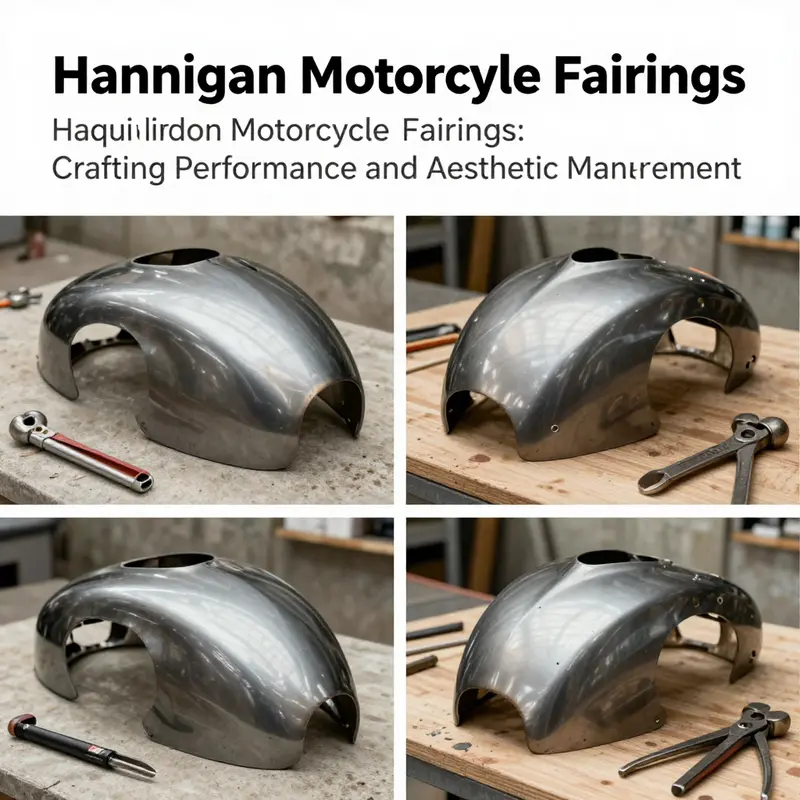
Finding, sourcing, and restoring Hannigan motorcycle fairings is a disciplined blend of patience, cataloging, and hands-on craft. Hannigan pieces are not mass-market, and that scarcity is part of their appeal. This chapter guides the practical journey from search to return to road-ready finish. Sourcing begins in the margins of the motorcycle world—the forums, the specialized networks, and the trusted sellers who understand fitment quirks and era-specific mounting. The buyer asks clear questions: does the fairing align with the model, are the mounting points intact, are the inner surfaces free from moisture, and is the original geometry recoverable without compromising safety? The process relies on measured checks, cross-referencing with model histories, and a patient test-fit before any removal from packaging.
The restoration path blends respect for original materials with modern resilience. For fiberglass, careful bodywork and high-build priming, color matching, and UV-resistant clear coats help recover depth without erasing history. For carbon fiber variants, resin integrity and potential delamination require closer inspection and, when needed, reinforced structures that stay faithful to the original lines. Structural repairs might involve plastic welding or internal ribs to restore mounting strength, while cosmetic work preserves edge softness and seam alignment. In some cases a light rework may adapt the piece to contemporary maintenance or upgraded lighting while preserving Hannigan’s design language.
Community knowledge matters. Enthusiast networks share fitment notes, year-to-year variations, and reliable restoration approaches. Documentation is part of the work: archiving history, noting paint formulations, and recording maintenance steps to guide future owners. A well-documented restoration not only protects the piece but also preserves a maker’s intent and the rider’s connection to the road. Finally, a catalog-like awareness of catalogs from related brands—such as BMW fairings—offers transferable lessons in layout, mount points, and compatibility tracking, all of which can help anticipate challenges during installation without compromising authenticity.
The practical payoff is a fairing that frames speed and air with narrative restraint: a riding piece that honors its maker’s craft while meeting modern needs for reliability and aesthetics. By combining careful sourcing, thoughtful restoration, and shared community knowledge, Hannigan fairings can move from rare objects to reliable, ride-ready components that still tell a story on every pass through the wind.
External resource for practical maintenance guidance can be found at https://www.motorcycle-maintenance.com/fairings-replacement-guide.
Grain, Glide, and Grace: The Performance and Aesthetic Language of Hannigan Motorcycle Fairings
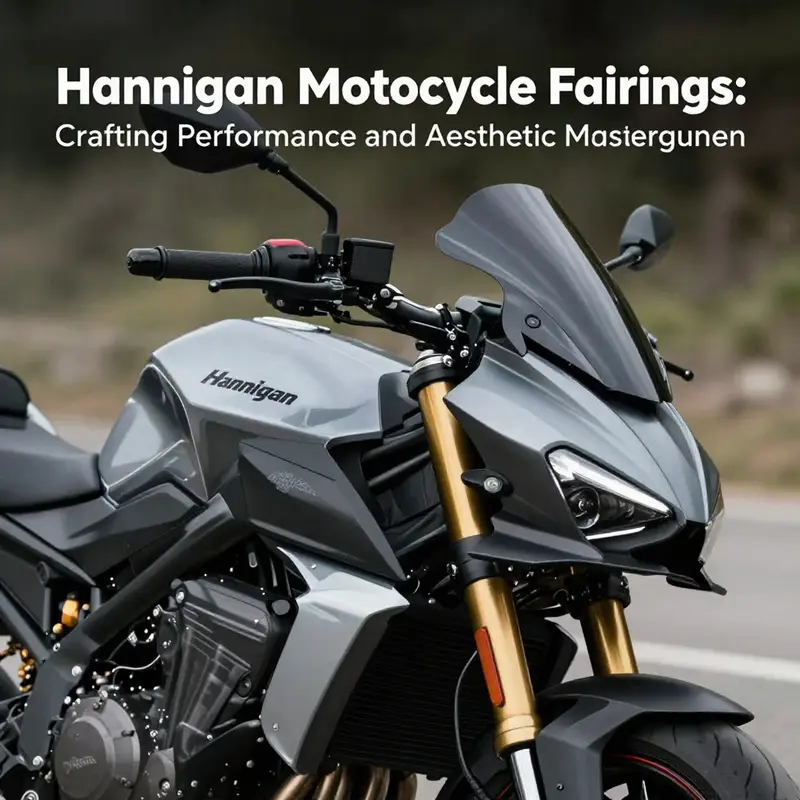
In the quiet, sunlit bays where metal takes on a life of its own, Hannigan fairings exist as more than shields for engines and radiators. They are carefully sculpted statements, born from a dialogue between physics and desire, where every contour is chosen not only for its visual bite but for the way it moves air around a machine that looks equally at home on a race strip and a winding coastal highway. These fairings embody a philosophy that blends handcrafted precision with aerodynamic intent. They are not mass produced; they are personal, almost intimate, configurations that respond to the bike’s frame, the rider’s posture, and the routes that threaded the world of classic British and European influences through Hannigan’s workshop. To glimpse a Hannigan bike is to see a story told in curves and angles, a narrative that requires both grip and grace to be read properly.
Performance and style arrive at the same door, pushing against one another in a careful balance. The aerodynamics of every Hannigan fairing are designed to streamline the bike’s profile without sacrificing the expressive language of the build. The fairings, typically formed from lightweight fiberglass or carbon fiber, are engineered to reduce drag while adding a visual presence that announces a rider’s intention before the machine ever turns a wheel. The result is a motorcycle that feels more committed to high-speed stability at altitude than a standard production model, with the rider sensing a steadier, more predictable sensation as speed climbs. It is a form of optimization that respects the track-born instincts of a vintage lineage while translating them into modern, real-world performance.
The aerodynamics are not merely about slicing through air in pursuit of faster times. They are about controlling the boundary layer in a way that reduces turbulence over the rider’s upper body and the bike’s midsection. Hannigan’s approach to fairing geometry tends to favor clean, continuous lines that guide air to a few strategically chosen exit points. The goal is to minimize air separation at high speeds, a condition that can cause buffeting and fatigue in less carefully designed shells. The rider’s torso benefits from smoother airflow around the chest and shoulders, which translates into noticeably reduced fatigue on long rides. In practical terms, that means a rider can maintain form longer and with less effort, a subtle but meaningful gain when miles unfold into hours.
The material choice—fiberglass for some builds, carbon fiber for others—speaks to a second, equally important dimension of Hannigan’s craft: weight, stiffness, and tactile finish. Fiberglass offers a forgiving mass that can flex in manners that absorb minor impacts without transmitting shock to the underlying chassis. Carbon fiber, by contrast, brings an edge in stiffness and a razor-thin aesthetic that many owners prize for its race-inspired presence. The choice between them is rarely about raw performance alone; it is about the bike’s intended character. A Hannigan build that leans toward a lean, track-ready posture may lean more heavily into carbon fiber, while a more boulevard-focused machine could favor a combination that balances durability with the needed visual drama. Either path preserves a stark, purposeful silhouette that looks equally at home with chrome and leather as it does with matte finishes and brushed metals.
But the visual language is more than skin deep. Aesthetic integration runs through the entire design, from the way the fairings align with the bike’s frame rails to how the lighting motifs are embedded or harmonized with the fairing’s lines. Integrated turn signals and lighting systems are more than functional conveniences; they are part of a cohesive sculpture that reads as one unit rather than a fusion of disparate parts. The finished product carries a sense of unity, a single story told through color, texture, and reflectivity. The paint, often a high-gloss or satin finish with meticulous color matching, complements the bike’s bodywork and the rider’s personal taste. The finish choices elevate the fairing from a purely functional component to an artistic extension of the machine, a detail that distinguishes Hannigan builds from many other bespoke motorcycles. The eye is drawn along the fairing’s sweep, and the sense of motion is almost tactile, even when the bike is stationary.
A crucial part of Hannigan’s allure lies in how these fairings are tailored to the individual machine. Each build receives a treatment that respects the engine’s breathing space, the exhaust arrangement, and the seat’s geometry. The fairing’s inlet and outlet apertures are placed with an eye for the bike’s center of gravity and mass distribution, ensuring that the added surface area does not destabilize the ride at speed. The level of customization extends to hardware integration as well. The way fasteners are concealed or revealed, the way edge finishes catch light, and the precision with which gaps and seams line up across the bike’s skin—all contribute to a sense of engineering integrity that invites closer inspection. This is craft that rewards patience; it rewards the rider who looks for subtle alignments and the satisfaction of a seamless integration between form and function.
Behind the scenes, though, the world of Hannigan fairings is anchored in a network of communities and shared knowledge. Enthusiasts, restorers, and prospective builders often turn to vintage and specialty motorcycle forums to learn about fitment challenges, compatibility notes, and the practicalities of sourcing original or compatible pieces. The bespoke nature of Hannigan’s work means that parts compatibility is frequently a case-by-case proposition. A fairing designed for a specific model or a bespoke chassis may require careful measurement, test fitting, and, sometimes, light reworks to align with the bike’s unique geometry. This process underscores a broader truth about custom motorcycles: the journey toward a perfect fit can be as important as the finish itself. It is a collaboration between maker, owner, and a community that values the quiet art of restoration as much as the thrill of new construction.
From a rider’s perspective, the experience of a Hannigan fairing is defined by how it changes the bike’s presence and the rider’s interaction with the road. The fairing’s profile shapes the wind that meets the rider, dialing in the amount of shelter without isolating the cockpit from air, a balance that keeps the experience tactile rather than cloistered. The wind pressure on the chest and helmet is mitigated in a way that translates into longer comfort windows on two-wheeled journeys. It is a careful choreography: air is directed to minimize drag while still delivering a sense of speed through the riding posture. In this light, Hannigan fairings accomplish something that is often overlooked in broader discussions of performance parts. They make a rider feel more connected to the bike, more aware of the machine’s limits, and more confident in extending a ride beyond familiar routes.
The practical implications of this design philosophy extend to maintenance and durability as well. Although the fairings are designed to be lightweight, their construction supports practical longevity. The chosen materials handle the inevitable small impacts of road debris or a track-day stumble without surrendering to brittleness. The finish tends to resist pitting and chipping, a quality that helps preserve the bike’s aesthetic over years of ownership. The protective value of Hannigan fairings mirrors their visual influence: by shielding delicate components such as the engine casing and exhaust system from stray stones and water spray, they contribute to longer intervals between maintenance checks and a more confident riding schedule on mixed-terrain roads.
In the broader market of custom motorcycling, Hannigan stands as a reminder that performance and aesthetics are not separate ambitions but two facets of the same pursuit. The fairings are a tangible expression of a philosophy that prizes precision and individuality over conformity. This is not about chasing the latest mass-market trend. It is about a conversation with history—an interpretation of classic lines filtered through contemporary materials and methods. The effect, for the owner, is personal. It is a machine that feels like it was designed around the rider’s posture, the routes they imagine, and the hours they are willing to spend with a tool and a paintbrush. The result is a motorcycle that communicates with a language of speed and style at once; a modern sculpture wearing the legacy of European design as a badge of honor.
For those who might consider commissioning or restoring a Hannigan build, the journey offers a duel of challenges and rewards. On one hand, the bespoke nature of these fairings means that sourcing is a careful, sometimes patient process. On the other hand, the payoff is a level of fit, finish, and personality that is rarely found in off-the-shelf components. Enthusiasts who pursue this path often become part of a broader ecosystem of craftsmen, fabricators, and restorers who share a common reverence for the craft. It is a circle of knowledge where the rim of a carbon fiber panel can become a canvas for a personal story, and where each fastener or seam holds meaning beyond its function.
In the end, Hannigan motorcycle fairings represent a unique synthesis of form and function. They do not merely enclose the rider or the engine; they hold a narrative about speed as disciplined beauty and about a rider’s relationship to their machine. They are a reminder that precision engineering and artistic intention do not cancel each other out. They collaborate, producing a visual and performance language that continues to resonate with an audience that seeks both refinement and edge. If a bike’s personality can be measured in the echo of a wind tunnel and the whisper of a paint line, then Hannigan’s approach is a master class in how to listen to air and light alike while staying true to a motorcycle’s inherently adventurous spirit. The result is not just a more efficient ride; it is a more sure, more expressive ride—the kind of experience that invites a rider to slow down just enough to notice the sculpture in motion as much as the speed it enables.
For readers looking to understand how established design lines influence bespoke craftsmanship, a related thread of interest lies in the broader universe of aftermarket fairings. Makers study the lineage of successful shapes, extracting lessons about balance, flow, and integration. In this sense, even as Hannigan’s work remains singular, it participates in a shared dialogue about how a fairing can reshape a machine’s identity without erasing its character. The result is a continuum, where each new project pays homage to a heritage while pushing the boundaries of contemporary materials and assembly techniques. The visual language—sharp, confident edges that meet smooth, breathing curves—remains a constant, a signature that tells a story of speed and restraint before the bike ever leaves the line.
As this journey through performance and aesthetics unfolds, it becomes clear that Hannigan fairings are about more than the surface drama of a striking build. They are about the predictive, almost prescient understanding of how air, weight, and rider posture converge to define a ride’s behavior. They suggest a philosophy where the best enhancements do not scream for attention but earn it through the quiet authority of their design. The result is a motorcycle that feels complete in every sense: visually compelling, mechanically coherent, and tuned to deliver a riding experience that respects the past while embracing the possibilities of the present. In that sense, the fairing is not an add-on. It is a central actor in a performance that honors craftsmanship, purpose, and the rider’s longing for connection with the road.
Within the broader aftercare and restoration community, these considerations matter at every stage. For owners, the journey is as much about preservation as enhancement. Sourcing, compatibility checks, and fitment trials are part of the ritual that ensures the bike remains faithful to its creator’s intent while adapting to the owner’s own ambitions. The pursuit of the perfect Hannigan fairing is, in many ways, the pursuit of a balance between memory and movement, a way to honor the lineage of classic design while ensuring that a modern rider can truly feel the road. In this ongoing conversation between past and present, the fairing becomes a vessel through which speed and artistry coexist, each reinforcing the other with a shared sense of purpose.
For readers who wish to explore related avenues in the broader ecosystem of motorcycle customization, a glance at the wider catalog of aftermarket fairings can be instructive. The way different manufacturers, artisans, and shops approach shell design—how they manage aerodynamics, attachment methods, and finish quality—offers a spectrum of ideas that inform every Hannigan project. Yet, even when drawing inspiration from other lines or benchmarking against established models, Hannigan’s work remains distinct. It is a signal that bespoke craft can coexist with high-performance engineering, that a rider does not have to choose between beauty and speed, but can insist on both in equal measure. The result is a form of motorcycle culture that values reverence for the material and a fearless curiosity about what is possible when one side of design informs the other, rather than competing with it.
In sum, Hannigan motorcycle fairings are a rare alignment of aerodynamics, artistry, and personal expression. They reflect a commitment to weight-conscious, impact-aware construction, while offering a visual narrative that speaks to a rider’s taste for retro-modern elegance. They embody a philosophy in which the fairing is not a separate accessory but a harmonized extension of the machine’s core personality. The rider’s journey with such a fairing is an exploration of restraint and confidence: restraint in the sense that every line has a purpose, confidence in the way the bike responds when the throttle opens and the wind comes alive around the chassis. For collectors, restors, and builders, this is the essence of Hannigan’s craft—a testament to how an artisanal approach to engineering can yield a machine that rides with a voice as clear as its silhouette. The fairing becomes a partner in the ride, a partner that asks for careful attention, precise fitment, and a shared respect for the road’s demands and the rider’s dreams.
To appreciate the full scope of how such engineering choices translate into measurable performance improvements, it helps to consider the broader context of wind-tunnel research and field testing in modern motorcycle design. Aerodynamics in this realm is not a hypothetical luxury; it is a measurable, repeatable discipline that can extend range, improve stability, and dampen the fatigue that can limit endurance riding. Hannigan’s approach—prioritizing careful integration, material choice, and thoughtful silhouette—illustrates how a bespoke fairing can contribute to a broader performance envelope without sacrificing the bike’s unique character. The dialogue between aesthetics and physics that defines these fairings is a reminder that in a world of precision engineering, beauty and efficiency can coexist as co-authors of the rider’s experience.
For enthusiasts who want to explore further, the journey from theory to practice is illuminated by resources that trace the aerodynamic principles underlying today’s motorcycle fairings. A well-regarded reference in this area highlights how modern fairings optimize airflow, reduce drag, and support high-speed stability while also contributing to rider comfort and component protection. This interdisciplinary perspective reinforces why Hannigan’s fairings, with their blend of light materials, precise shaping, and integrated features, are more than decorative shells. They are active participants in the motorcycle’s performance envelope, shaping the ride as decisively as the engine or the suspension—perhaps even more so on long, winding routes where wind and posture tell their own subtle stories.
In closing, the Hannigan fairing is more than a component; it is a statement about how sport and heritage can coexist within a single machine. It is a testament to the notion that form follows function, but function can also inspire form. It invites a rider to feel the road, to notice the ripples of air against the surface, and to understand that every line has a reason. The result is a motorcycle that does not merely perform; it communicates. It speaks of careful cultivation, shared knowledge, and an enduring belief that a well-made fairing can elevate not just speed, but the entire riding experience. In the quiet balance of grain, glide, and grace, Hannigan’s fairings remind us that the most compelling machines are those where artistry and engineering meet, where a rider’s trust is earned not by shouting horsepower but by the refined, almost tactile sense of rightness that comes from working with the wind rather than fighting it.
Internal link note: For readers curious about how this design ethos translates to other makes, consider exploring the broader aftermarket landscape of fairings—specifically the space around Ducati fairings, which illustrates how performance influence and visual identity can travel across brands while preserving a distinct craft ethos. Ducati fairings.
External reference for further technical context: Aerodynamic Performance of Modern Motorcycle Fairings. https://www.motorcyclefairing.com/aerodynamic-performance-of-modern-motorcycle-fairings
Final thoughts
Understanding Hannigan motorcycle fairings is crucial for business owners looking to serve a niche market of motorcycle enthusiasts. The unique craftsmanship involved in the fairings, combined with the challenges of acquisition and restoration, positions these components as valuable assets in the motorcycle community. Furthermore, the performance enhancements and aesthetic appeal they provide underline their significance within the custom motorcycle segment. By aligning their offerings with the principles of Hannigan motorcycle fairings, business owners can effectively capture and satisfy the desires of discerning riders who appreciate quality and individuality.