
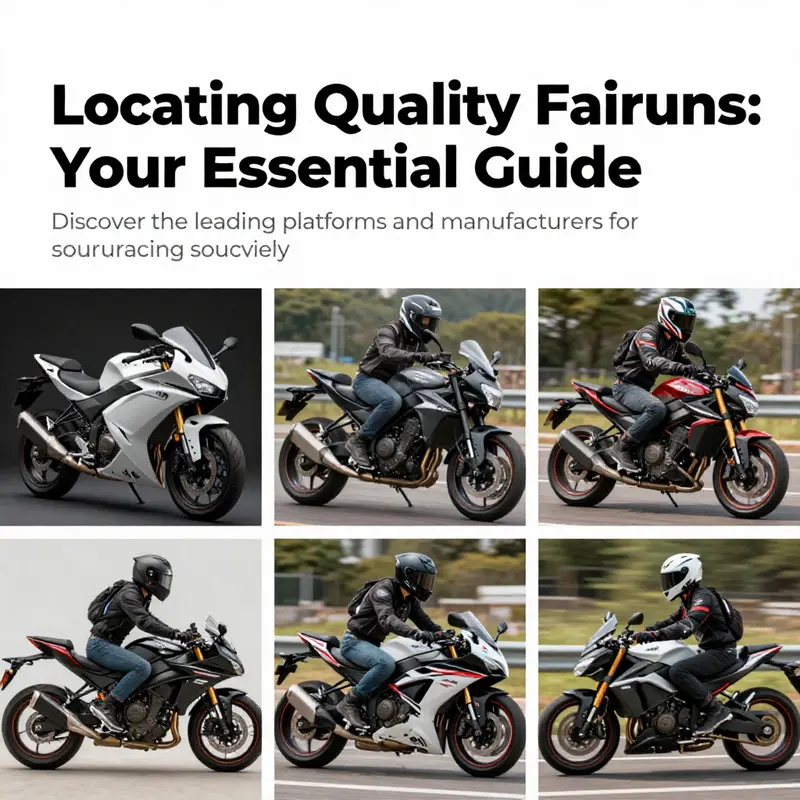
Motorcycle fairings are crucial components for enhancing aesthetics, aerodynamics, and protection. As a business owner in the motorcycle accessories market, knowing where to source these parts efficiently can set you apart from competitors. This article delves into the best platforms for obtaining motorcycle fairings, such as Alibaba.com, JD.com, and specialized manufacturers. Each chapter will provide insights that help you make informed purchasing decisions, ensuring you have access to quality products that meet your business needs.
null

null
Beyond JD.com: A Global Sourcing Guide for Motorcycle Fairings
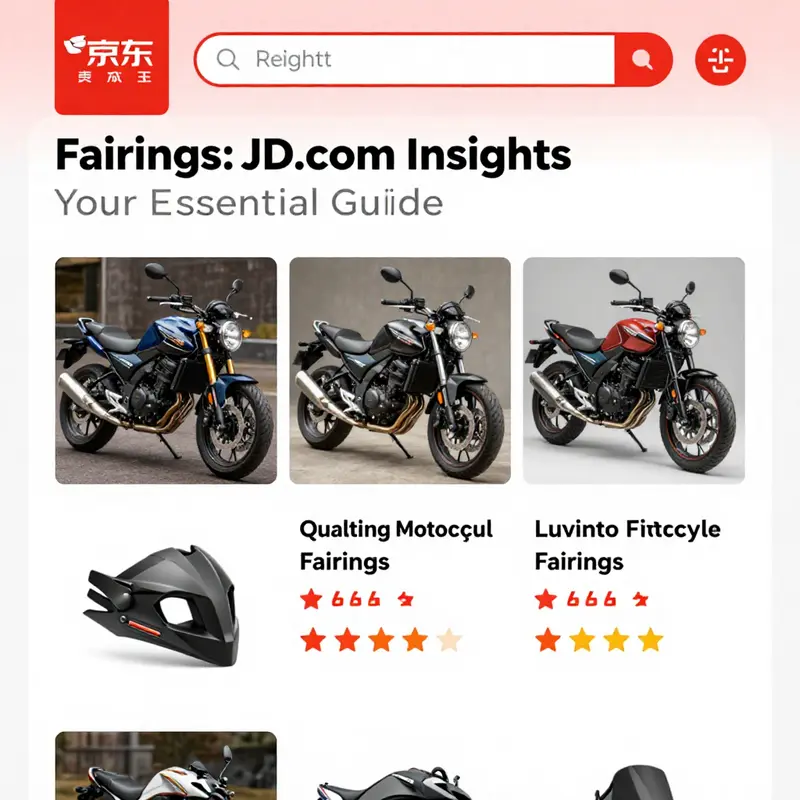
When you look at the landscape of motorcycle fairings, the decision you make about where to buy is as important as the design you choose. Fairings are not just shells that dress a bike; they are precision components that influence aerodynamics, rider protection, and the identity of a machine. The path to acquiring them cleanly—whether you’re outfitting a small workshop, launching a boutique aftermarket line, or sourcing for an OEM project—depends on understanding how the supply ecosystem is structured. In this sense, the question isn’t simply which platform offers the lowest price, but which sourcing channel aligns with your production demands, quality standards, and delivery timelines. A close look at global and regional dynamics helps illuminate the best routes for obtaining fairings that meet technical requirements while preserving profit margins and brand integrity.
The first axis to understand is the distinction between wholesale platforms that serve as marketplaces and the factory floors that actually build the components. A major global wholesale platform consolidates a vast network of suppliers, ranging from small workshops to large-scale manufacturing houses. On paper, you gain access to breadth: universal fairings suitable for multiple models, brand-specific shells, and even customized designs that can be tailored to a particular rider or team identity. The practical reality, however, hinges on how you manage supplier qualification, sample validation, and the transition from a promising quote to a deliverable part that behaves as expected in real-world use. This is where choosing the right sourcing approach matters more than chasing the lowest unit price. The reality is straightforward: for mass customization and OEM-ready components, you will likely interact with suppliers that operate at scale, have established quality control processes, and can provide documentation that supports consistency across batches. For a boutique or niche, you may prioritize agility, shorter lead times, and a tighter feedback loop with engineers and designers, which sometimes means working with smaller, more agile manufacturers even if the price per piece is higher.
In practical terms, the best sourcing strategy often unfolds along regional lines. In the global market, the most reliable supply networks for motorcycle fairings tend to cluster in areas with long-standing automotive and two-wheeled parts ecosystems. A core hub lies in a southern manufacturing belt that has grown into a backbone of plastics, composites, and injection-molded components. This region’s strength lies in its mature export infrastructure, efficient logistics, and the sheer number of factories capable of producing both standard and customized shell shapes. Those conditions translate into favorable options for buyers who demand reliable scale, consistent lead times, and easier access to tooling and prototyping services. The proximity to ports and established freighter routes also helps reduce total landed cost when shipping to North America and Europe. If your project calls for high-volume orders, near-shole delivery windows, and the ability to retool lines quickly for new models, this regional concentration is where you want your team to focus exploratory conversations and site visits.
Another axis centers on engineering precision and material performance. A different province is recognized for its deep expertise in engineering-driven manufacturing, especially where fiberglass, carbon fiber composites, and high-precision thermoplastics are involved. Here, the emphasis is less about moving a large number of units and more about achieving exacting tolerances, surface finish quality, and layered material behavior. For high-performance machines or limited-run rides that demand aerodynamic efficiency and durability, partnering with factories in this zone can yield tailorable solutions that align with strict engineering specifications. The ability to work with engineers during the design-to-production handoff, coupled with robust testing protocols, becomes a differentiator for brands that prioritize performance as much as aesthetics.
The third axis is cost efficiency tied to commodity production. A coastal province that has cultivated a strong, price-competitive supply chain offers an attractive option for those looking to maximize value in the aftermarket space. The advantage here is not simply a lower price tag but a system designed around efficient production lines, standardized processes, and rapid turnover. For standard, non-performance-focused fairings that must satisfy a large distributor network, this route can deliver compelling unit economics while maintaining acceptable quality levels. Buyers with tight budgets and broad distribution networks can leverage this kind of environment to achieve a favorable balance between price and reliability, provided the supplier’s quality status and logistics reliability are carefully validated.
To build a resilient procurement framework, you must define your project’s essential priorities before you begin mapping suppliers. Start by clarifying your core needs: is the goal volume, or is it precision and performance? Is a rapid sample-to-production cycle more important than a minimal cost per unit? Do you need IP protection and strictly controlled customization, or is a standard design with branded finishes sufficient? Once you anchor these questions, you can align your sourcing plan with regional strengths. For instance, if your priority is speed to market for standard shapes, leveraging a region with strong tooling and quick-change capabilities can trim weeks from lead times. If your objective is a high-end, performance-focused lineup, engaging with a region renowned for engineering rigor and material science can yield better tolerances and surface integrity, which matter when lamination, resin systems, or core materials are involved. And if your scale requires low prices without sacrificing reliability, a cost-optimized corridor becomes a practical option—so long as you maintain strict process controls and supplier audits.
A practical path to navigate these choices begins with demand segmentation. Separate your plans into a few archetypes: standard, universally compatible fairings for broad-market bikes; brand-specific shells for rider groups or teams; and custom or limited-run pieces designed for a boutique line or a pro racing project. This segmentation helps you assign the right supplier type to each bucket. Standard fairings with universal fitment can often be sourced from suppliers capable of volume production and consistent shipping schedules. For brand-specific or model-adapted parts, you’ll need partners who have a track record of matching reference geometries and surface finishes with minimal post-processing. Custom projects demand collaboration with engineering teams that can translate design intent into tooling, layup schedules, and tested material systems. In all cases, you should demand clear technical data packages, including dimensional tolerances, material specifications, surface finish criteria, and functional test results.
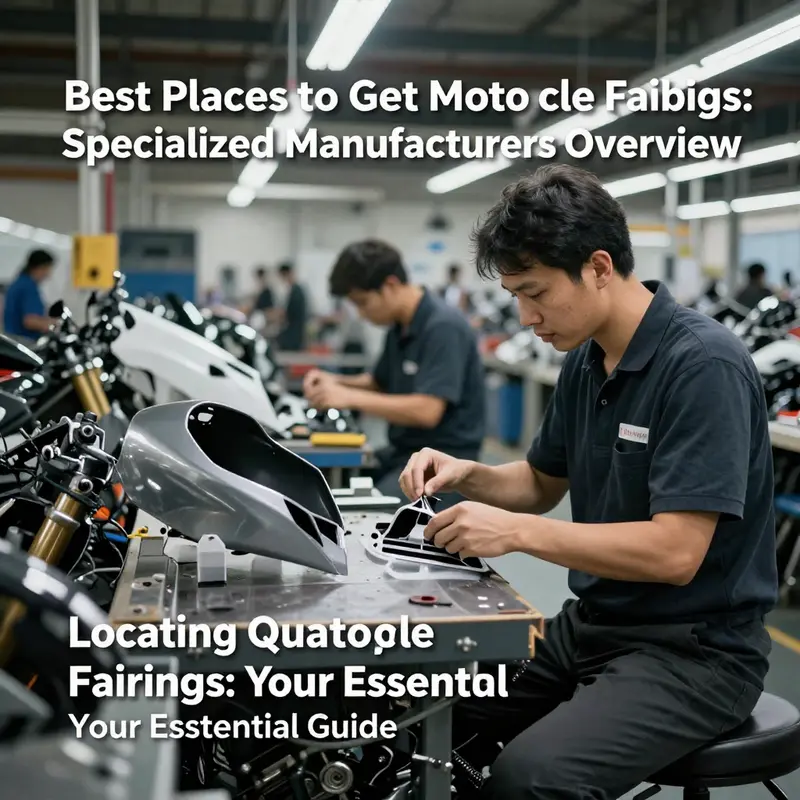
Quality is the fulcrum that determines whether a given sourcing path pays off. The most reliable routes involve suppliers who can demonstrate certified quality systems, traceable materials, and documented inspection procedures. Look for a factory that can present process controls for resin systems, joint integrity, impact resistance, and UV stabilization. It helps to request third-party test results or an in-house testing protocol that mirrors the rider’s conditions. A rigorous plan for prototype validation—and a plan for iterative improvement based on testing feedback—can cost more initially but saves far more over the life cycle of a product line. On the other hand, if you must move quickly, you should still insist on a robust sample program. A properly staged sampling plan allows you to validate fit and finish with minimal investment before committing to larger production orders.
From a logistics standpoint, the choice of supplier region influences not just price but delivery reliability. When you’re shipping parts that must meet tight tolerances across continents, a well-nestled supply chain reduces risk. Suppliers near major ports and with established export routines typically provide more predictable lead times. They also tend to offer more transparent freight options, faster customs processing, and better packaging to protect panels during transit. These advantages translate into a lower total cost of ownership over time, as fewer replacements and rework are required upon arrival. The complexity of packaging is often overlooked but matters when delicate edges, clear coats, or multi-piece assemblies are involved. A thoughtful packaging and labeling strategy can save you hours of unpacking and inspection at destination ports, where miscommunications can otherwise trigger delays.
A more nuanced task is balancing the pursuit of the lowest price with the need for consistent quality. The lowest bid can easily devolve into a cascade of quality issues, from misaligned mounting points to inconsistent resin ratios that alter rigidity and flex. Therefore, it is prudent to integrate a supplier qualification phase that includes a factory audit or at least a detailed questionnaire focused on process control, raw material sourcing, and post-mold finishing capabilities. You should request samples built to your exact process and perform fit checks with a real or simulated frame to verify actual geometry. By setting up a feedback loop with engineers and QA personnel, you can gradually calibrate supplier performance and reduce the risk of large-scale defects. This disciplined approach is particularly valuable when dealing with custom shapes or non-standard attachment points that require precise alignment with the bike’s frame and body lines.
In the end, the best places to source motorcycle fairings are not simply the platforms that promise the widest catalog or the lowest price. They are the hubs that let you couple capacity with capability. They enable you to scale responsibly, while preserving the aesthetic and aerodynamic intent of the product. They offer the reporting and documentation that brands demand to stay compliant with quality standards and industry expectations. And they allow you to cultivate partnerships that go beyond a single order—relationships that grow as your product line expands and as your customers demand more consistent performance, longevity, and style. To navigate this landscape, you must translate your design ambitions into a procurement blueprint that respects both the engineering realities of composite shells and the commercial realities of global supply chains.
If you want to explore the breadth of fairing variants that a broad aftermarket catalog can offer, you can browse a representative category that hosts a range of Yamaha fairings as a reference point for the types of shapes, along with other brand families. This resource offers insight into how fairings differ in terms of form and finish, while showing how a single catalog can accommodate multiple fitments through scalable tooling and modular panel design. product-category/yamaha-fairings/
The strategic takeaway is clear: start by mapping your demand against regional strengths, then weave in a rigorous supplier qualification and sampling process. Prioritize consistent quality and predictable lead times over headline prices. Build your sourcing plan around the ability to prototype, test, and iterate, and treat logistics as a design constraint rather than an afterthought. Lastly, remember that the most reliable sourcing relationships are built on transparency, repeatable processes, and shared expectations about performance and durability. When you adopt this approach, you can move beyond any single marketplace and assemble a sourcing ecosystem that delivers high-quality fairings at the scale you need, without compromising your brand’s integrity or your customers’ confidence.
External resource: For manufacturers and buyers who want to anchor quality management in their supply chains, consider reviewing the ISO 9001 standards page as a reference point for audits and supplier qualification practices. https://www.iso.org/iso-9001.html
null
null
Final thoughts
In summary, sourcing motorcycle fairings can be optimized by leveraging platforms like Alibaba.com for wide selections and competitive pricing, tapping into customer insights from JD.com, and engaging specialized manufacturers for quality assurance. Making the right choices in your sourcing strategy can enhance your business offering and streamline your supply chain, aligning with the demands of modern riders.