
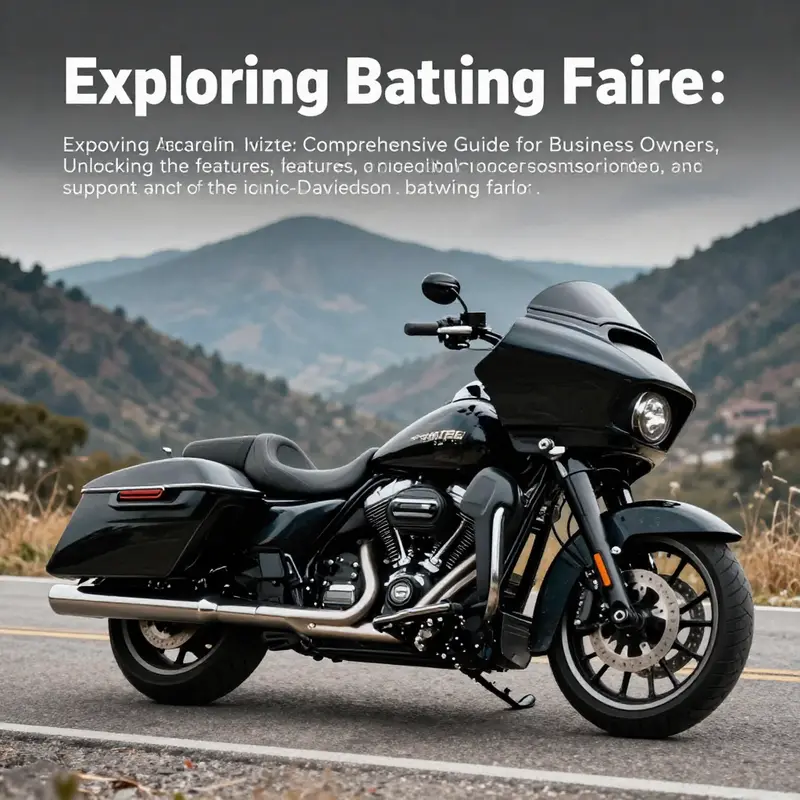
The batwing motorcycle fairing represents an essential element in the Harley-Davidson touring motorcycle lineup, known for its unique design that enhances both aesthetics and performance. For business owners looking to understand how this feature influences motorcycle sales and rider satisfaction, comprehending its key attributes is crucial. This article delves into the fundamental aspects of the batwing fairing, highlighting its key features and functionality, examining compatibility with various Harley-Davidson models, exploring available accessories and upgrades, and outlining warranty and support options. Together, these sections will provide a comprehensive overview, enabling business owners to make informed decisions regarding product offerings and customer interactions.
Batwing in Motion: The Core Features and Functionality That Define the Touring Ride
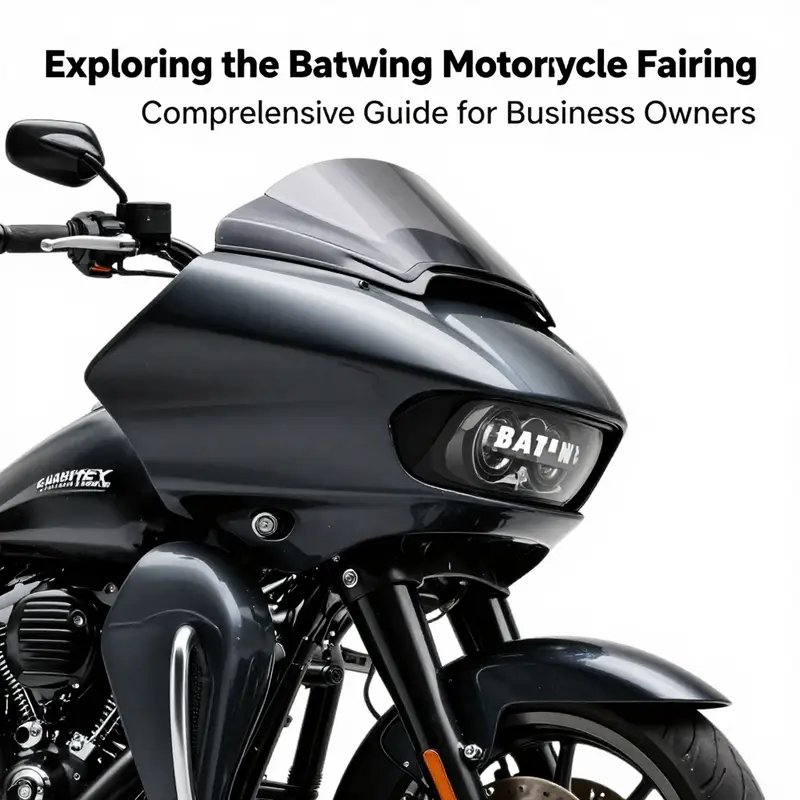
The batwing fairing has long stood as a signature silhouette on heavyweight touring machines, more than a mere shield against the wind. It is a study in how form can become function, how a bold contour can channel air with intention, and how that intention translates into a calmer ride, less fatigue, and a cockpit that feels both protective and expansive. The shape—wide at the sides and sweeping forward in a way that seems to cradle the rider—functions as more than a visual statement. It is a carefully engineered wind-control system that works in concert with the rider’s posture, the machine’s chassis, and the open road ahead. When riders talk about the day’s miles melting away, the batwing is often at the center of that experience. Its primary value lies in reducing wind pressure and turbulence around the rider and passenger, a reduction that translates into a quieter cabin and a steadier, more relaxed riding rhythm at highway speeds. Through that steadiness comes the ability to focus on the ride—line, tempo, and the road’s textures—without the constant counterreaction of buffeting and wind noise.
The aerodynamic story begins with the fairing’s sweeping profile. Its curves are designed to shed the strongest gusts rather than fight them head-on. In practice, that means airflow is steered over the rider’s shoulders and around the helmet, creating a smoother wake that travels behind the rider rather than bashing into it. It also curtails the vortexes that form near the rider’s torso, which often become a source of fatigue over long distances. The result is a more comfortable seating position, less need to brace against the wind, and a perception of the bike that feels both more planted and more agile than its size would suggest. Parked at a long-distance stop, the fairing still serves a visual role, but on the move it earns its keep by smoothing the rider’s dialogue with the wind itself. That balance of form and function is what makes the batwing an enduring feature, an iconic silhouette that has evolved to meet the demands of modern touring without surrendering its bold stance.
Wind protection sits at the heart of the fairing’s practical benefits. The wind originates from the front corners and the top edge, then follows the fairing’s contours toward the rider. A well-tuned fairing intercepts that flow and redirects it upward and around the cockpit, reducing direct pressure on the chest, neck, and shoulders. The result is a calmer environment for both rider and passenger. To accommodate a range of rider sizes and riding styles, the system often includes adjustable windshields that can be set to different heights. The available heights provide customizable protection from wind, rain, and road spray while preserving a clear view of the road. This adjustability is a practical acknowledgment that no two riders sit in the same position, and that comfort depends on matching the shield to both stature and riding posture. A taller windshield can make all the difference for riders who sit upright on long miles, while a lower profile keeps lines clean and unblocked for riders who lean forward into the wind when pressing through the straights.
Alongside the adjustable shield, the fairing’s geometry helps suppress turbulent eddies that form around the rider’s helmet and shoulders. When the airflow is properly directed, the cabin experiences less wind noise, which matters as much for comfort as for concentration. The reduction in buffeting can improve perceived acoustics inside the cockpit, letting radio, navigation prompts, or conversation with a passenger feel more natural without turning up the volume to compensate for wind. In practice, the batwing setup contributes to a sense of cohesion between rider, machine, and environment. It becomes easy to settle into a rhythm and burn through miles with the rider’s focus directed more toward road sense than against the wind’s push.
Customization plays a substantial role in translating that aerodynamic performance into a personalized riding experience. The batwing fairing offers a palette of finishes and trim treatments that allow a rider to align aesthetics with preferred handling characteristics and overall styling. Finishes range from subdued satin shades to glossy contrasts and bright accents, each finish pairing with complementary elements like wheel rims, seat fabrics, and chrome or satin trim pieces. The aesthetic options extend to the windshields and trim accessories, which can be selected to create a balanced, coherent front end. The choice of trim and visor materials interacts with airflow in the sense that a highly polished, continuous surface can reduce micro-turbulence at the fairing’s leading edge, while a textured or contrasting trim can visually emphasize the fairing’s contour. The overall effect is a bike that communicates a rider’s taste as clearly as it communicates wind management.
A notable feature in the realm of airflow management is a rigid, one-piece trim that integrates with the fairing’s curve. This trim replaces softer, more flexible edges and creates a sturdier boundary between the wind and the fairing’s surface. The transition from soft to rigid trim is more than cosmetic; it supports a cleaner airflow path, which helps to minimize small-scale turbulence that can create both noise and fatigue later in a ride. The trim’s clean lines also offer a refined, sporty appearance that aligns with a rider’s desire for a machine that looks fast even when standing still. The result is a front end that reads as a single, purposeful unit: the wind comes in, is directed with the intention of calm, and leaves the rider free to pay attention to the road rather than to the elements.
Another practical upgrade in the fairing ecosystem is the wind deflector, a low-profile addition designed to shape the air exactly where the rider needs it. By guiding a gentle, controlled flow toward the upper chest and neck area, the deflector helps shape the wind’s interaction with the rider’s torso without sacrificing visibility or the sense of air around the face. Made from a durable material with long-lasting clarity, a well-chosen deflector stays visually unobtrusive while contributing to a more balanced, quiet cabin. In combination with the main fairing, it creates a layered approach to wind management: the primary contour handles broader airflow, while the deflector fine-tunes the stream for comfort on longer legs of the journey.
Weather and road debris protection are integral to the fairing’s value on long trips. Beyond wind, the fairing helps keep rain off the rider’s hands and arms and provides a barrier against small stones and grit that can otherwise intrude on a day’s ride. A dedicated fairing cover adds an extra layer of protection when the bike is parked, shielding the surface from sun exposure and accidental scuffs, and preserving the finish when the bike is left unattended. Such accessories are part of a broader philosophy: the front end is a modular system designed to be tuned for both protection and pride of appearance, in equal measure. The sense of security that comes from knowing the fairing can take on the road’s challenges—wind, rain, and debris—translates into confidence for the rider and a more predictable, controlled ride.
From a customization standpoint, the fairing’s capability to blend with windshields, trims, and protective covers is what keeps it relevant across evolving motorcycle designs. The finishes and accessory options work in concert to create a front end that can be tailored to a rider’s tastes while preserving the system’s aerodynamic integrity. For riders who like to explore more, it is possible to look at cross-brand fairing categories to gauge how different makers shape airflow around the steering head and cockpit. This cross-pollination of ideas often yields useful insights about whether a given layout prioritizes wind management, rider protection, or a balance of both. In this sense, the batwing fairing functions as a benchmark in the touring class, a reference point for how a large fairing can be both a visual statement and a practical device.
In terms of compatibility, the fairing is designed to be standard on a spectrum of touring platforms from a certain era onward, with some exceptions introduced by later revisions. Practically, this means a broad cohort of bikes from the mid-2010s forward share a common front-end philosophy: a large, enveloping fairing that embraces the rider and channels air to minimize disruption. While newer variants may adjust details or revise fitments, the core concept remains recognizable: wind protection without compromising forward visibility, a look that signals purpose and readiness for the long haul, and a platform that invites a rider to make it their own with a range of cosmetic and functional upgrades. The result is a cohesive front end that asks for attention in the best possible way—by inviting the rider to focus outward instead of bracing inward against the wind.
To deepen the sense of personalization, riders often pair the batwing with a curated set of accessories that emphasize airflow management and protection. A refined, rigid vent trim can be introduced to create a smoother, more deliberate transition from the fairing into the planet of airflow, contributing both to aesthetics and to the shaping of the wind path. Windshields are offered in multiple heights—tall enough to provide substantial shield protection, yet slim enough to maintain a clean, aggressive silhouette. The choice of a shield height interacts with the rider’s posture, seating position, and helmet type, making the decision a personal one rather than a fixed specification. A low-profile wind deflector complements the main fairing by modifying the near-field air, guiding it toward the rider in a way that heightens perceived calm without introducing new visual or aerodynamic compromises. The fairing bra provides an additional, non-abrasive layer of protection for parked use, shielding the finish from UV damage and road grime, and preserving the front end’s pristine look for years of riding.
All official accessories intended to extend the batwing’s capabilities are typically backed by a warranty that reflects the maker’s confidence in their durability and fit. This warranty, like those offered on many factory-integrated systems, provides peace of mind that the investment in comfort and protection is safeguarded against common wear and tear for a defined period. For riders who want to keep exploring the catalog of options, a broad range of aftermarket and OEM-inspired components is available to extend protection, refine airflow, and enhance the bike’s visual presence. The overall philosophy remains clear: the batwing fairing is not a single piece, but a modular front end that encourages customization while delivering real-world performance gains on the road.
For readers seeking a broader sense of how different brands approach fairings and their integration with the bike’s broader design language, exploring the BMW fairings catalog can offer useful, design-informed contrast. See the BMW fairings category for a sense of how other manufacturers translate aerodynamic goals into a different aesthetic and hardware approach. BMW fairings.
External resources can deepen understanding of how a single front-end module can shape comfort, tourism, and personal expression. The official product detail page for a representative accessory demonstrates how materials, fit, and curvature are tuned to work with the batwing’s sweep, while also illustrating how customers evaluate fitment, compatibility, and warranty coverage. Access the detailed resource here to see how real-world components are described, measured, and supported after installation.
External resource: official product detail page
Winged Compatibility: Navigating Harley-Davidson Batwing Fairing Fitment Across Touring Models
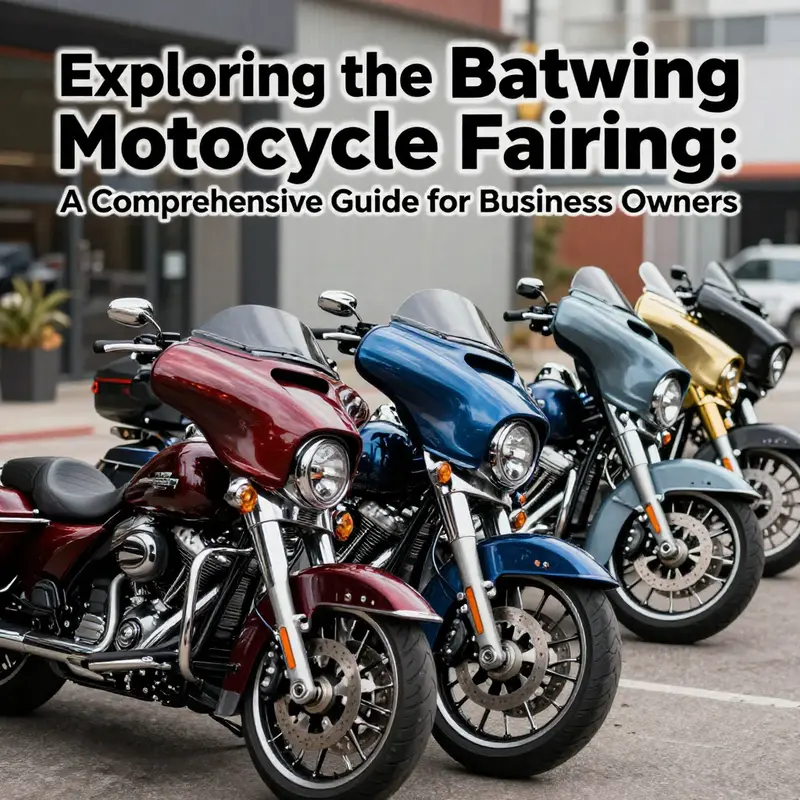
The batwing fairing is one of Harley-Davidson’s most recognizable design elements, and its compatibility across touring models is a practical concern for riders who upgrade, retrofit, or trade bikes. The baseline fitment for the modern Batwing begins with mid-2010s Electra Glide, Street Glide, Ultra Limited, and Tri Glide models, which were developed around a shared mounting and aerodynamics philosophy. For model-years 2014 and later, the big-screen intent is to provide wind protection and a wide cockpit while preserving a clear field of view. However, not every year and sub-model shares identical hardware; mounting points, electrical harnesses, and trim assemblies can differ, so a verify-before-purchase approach is essential. Check the exact year, the sub-model designation (for example Electro Glide vs Street Glide vs Ultra Limited vs Tri Glide), and the part numbers before ordering any fairing components or windshields.
Tri Glide compatibility follows the same architectural goals as the two-wheeled touring bikes, but the tri-vehicle wind management also interacts with the three-wheel chassis. A widely used option is a 12-inch windshield, commonly compatible with ’14–’25 Tri Glide models. The 12-inch height is designed to align with the Batwing curve and to maintain a clear line of sight for rider and passenger, while also shaping airflow across the chest and head. Windshield height, tone, and tint can further tune comfort without compromising fairing integrity. When upgrading, verify how the windshield, vent trims, and fairing pieces assemble with the existing mounting hardware.
Cross-year and cross-model compatibility exists beyond the current generation. Older windshields or deflectors may fit on certain bikes with the appropriate hardware, including bikes such as the Heritage Softail Classic, Softail Deluxe, and other older frames. That said, a direct plug-and-play swap isn’t guaranteed, and careful cross-checking of part numbers and installation instructions is advised. Dealers and official fitment guides remain the most reliable source for confirming what can be interchanged between bikes of different vintages.
The Splitstream Vent Trim is one upgrade option that keeps the fairing’s lines harmonious while altering airflow at the front edge. It is sold as a standalone accessory and requires correct fitment to the bike’s specific year. When paired with a compatible windshield and other trim pieces, the vent trim can sharpen the fairing’s appearance and contribute to a more defined airflow path around the rider. As with any accessory, confirm that the selected trim and the choice of windshield are compatible with the model year and production date.
Warranty coverage for Harley-Davidson parts is straightforward: most official parts carry a one-year limited warranty. This can be a helpful baseline when mixing aftermarket components with stock hardware, since it provides a clear coverage pathway if misfitment or installation issues arise. Always check the current warranty terms on Harley-Davidson’s site or through an authorized dealer to confirm coverage for specific part numbers.
In practice, the best approach to batwing compatibility is threefold: confirm the exact model year and sub-model, verify mounting points and electrical interface with official fitment guides, and consult a dealer for confirmation before purchasing aftermarket windshields or trim. By treating fitment as a compatibility problem rather than a cosmetic feature, riders can achieve a balanced combination of protection, visibility, and style across Harley-Davidson’s touring family. When alignment among year, hardware, and airflow goals is achieved, the batwing continues to deliver the intended windy calm for long-distance riding.
External resources: Harley-Davidson’s official fitment guides and the Splitstream Vent Trim page provide model-year-specific notes and installation guidance.
Batwing in Motion: Aerodynamics, Personalization, and the Quiet Power of Harley’s Touring Fairing Upgrades
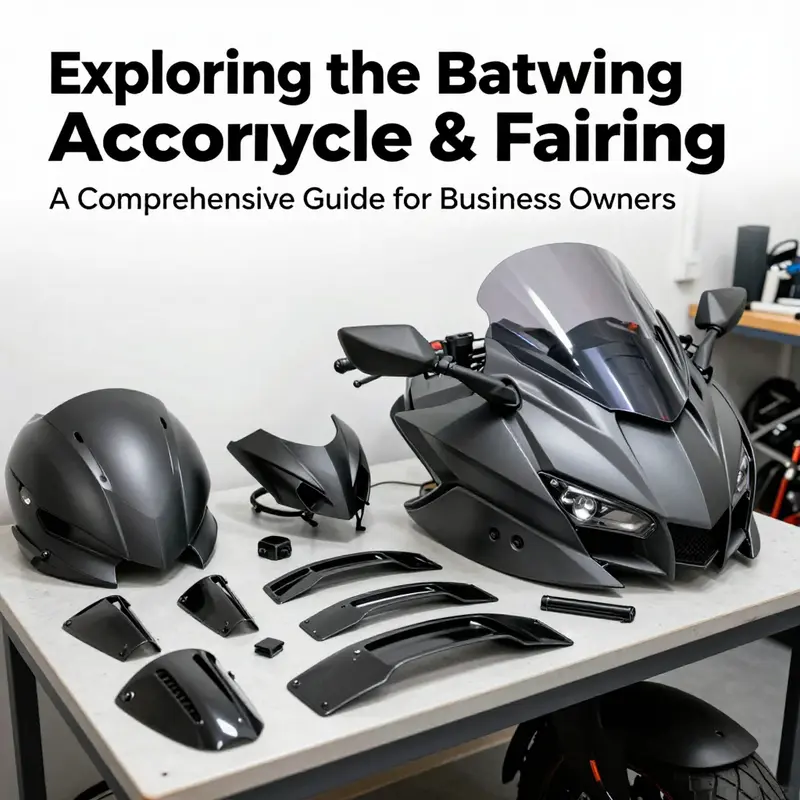
The batwing fairing has long stood as the signature face of Harley-Davidson’s touring lineup, a shape that instantly communicates purpose and momentum even when the bike is at rest. Its broad, sweeping silhouette resembles a bat’s wing not only in form but in the way it moves air. Far from a mere cosmetic flourish, this design channels wind with a logic that blends aesthetics and engineering. When riders swing a leg over a machine wearing the batwing, they encounter a cockpit that feels both protected and expansive, as if the road were opening rather than pressing in from every direction. The fairing’s presence is a statement about long-haul confidence: a barrier against fatigue, a shield against the sting of wind, and a canvas for personal expression that sits between the rider and the horizon. The chapter that follows treats this iconic piece not as a static ornament but as a living platform for performance and style, a launchpad for upgrades that honor the bike’s purpose while extending its personality.
To understand the batwing’s value, it helps to consider its aerodynamic intention. The fairing’s curved profile is more than a fashion choice; it’s a deliberate attempt to minimize turbulence and guide airflow smoothly around the rider. The shape is tuned to reduce buffeting on long stretches and to keep the cockpit calm at highway speeds. When two riders share the same highway, one on a batwing-equipped touring model and one on a bike without such a fairing, the difference in wind interaction is noticeable even if neither rider is consciously measuring pressures and eddies. The batwing doesn’t erase wind; it orchestrates it. In doing so, it makes the ride feel more effortless, even when the miles pile on and the asphalt stretches away toward the far edge of the map. The mechanism behind this effect is as much about balance as it is about flow. The fairing intersects with the rider’s posture, the bike’s stance, and the wind’s angle, creating a pocket of calmer air that wraps from the rider’s chest to the rider’s helmet. It’s a biomechanical promise: less strain on shoulders, neck, and upper back, more energy reserved for sightlines, anticipation, and the simple pleasure of a straight road unfolding ahead.
In practice, the batwing fairing’s wind protection is highly configurable through an adjustable windshield system. Riders can choose from 7, 10, or 12 inches of glass or polycarbonate, depending on their height, riding style, and climate. The higher option offers a taller shield against the brunt of rain, sleet, or gusts that sweep across an exposed highway. The lower choice maintains a more open field of vision when city or canyon winds demand a different balance of visibility and shelter. The material—hard-coated polycarbonate—provides durability and scratch resistance that stands up to the demands of frequent commuting or weekend escapes. Even with different heights, the windshield remains part of a cohesive system: a fairing that channels air, a rider who sits at a consistent distance from the windbreak, and a chassis designed to minimize the amount of wind that must be dissipated. The result is a cockpit that feels tuned rather than improvised, a space where rider and machine communicate with a quiet, almost architectural confidence.
The compatibility story of the batwing fairing is also a story of continuity and selectivity. Since 2014, several Harley-Davidson touring models have shipped with this fairing as standard equipment, including lines that the company has expanded for distinct riding experiences. The Electra Glide, Street Glide, Ultra Limited, and Tri Glide sit in the same family, sharing the batwing’s fundamental geometry while offering different seating arrangements, cargo capacities, and touring features. This shared foundation matters for riders who are considering upgrades or replacements, because it means a broad ecosystem of components and accessories can be adapted without reshaping the entire front end. There are practical caveats, of course. Some newer model variants—the 2023-later FLHXSE and 2024-later FLHX models—do not receive the same fairing configuration, and that nuance helps riders avoid ill-fitting windshields or trims that seek a compatibility that isn’t there. The takeaway is straightforward: the batwing is a versatile platform, but the specifics of fitment and accessory compatibility require checking year-by-year details. The bike becomes a gateway for customization rather than a fixed canvas, inviting riders to refine protection, visibility, and style in ways that reflect their own journeys.
Within this broader canvas, a family of upgrades exists to refine the fairing’s performance and its appearance. One of the most impactful adjustments is a vent-trim system that sits at the fairing’s leading edge, shaping the inlet flow and offering a visually distinct, streamlined front. This modification is stand-out for both its functional and aesthetic benefits. Aerodynamically, the vent-trim smooths the transition between the wind hitting the lower edge of the fairing and the air that travels around the rider, reducing micro-turbulence that can echo into the cockpit. Visually, it creates a clean, continuous line along the front, which contributes to a more aggressive but still refined stance. The effect is subtle yet meaningful: a frame that looks more cohesive, a front that reads as purpose-built rather than assembled, and a wind profile that feels more balanced even at higher speeds. The integration is designed to be intuitive, aligning with the fairing’s curve so that the new line appears as an extension rather than a modification. The result is a front-end that looks engineered for speed and endurance, not merely decorated for show.
Beyond airflow management, windshield upgrades are a primary axis of personalization. The batwing fairing’s compatibility with adjustable windshields allows riders to fine-tune protection without sacrificing visibility. A longer shield can extend the rider’s line of sight beyond spray and precipitation, while preserving the rider’s upright posture and the wind’s impact on shoulders and chest. The choice of height is not merely about comfort; it is about how the bike feels when slicing through a head wind or cruising into a rain shower. The 7″ option keeps the head clearing a wider field of view and works well for riders who sit tall or ride aggressively in urban environments. The 10″ height tends to be a favorite for many riders who want a balance of protection and airflow. The 12″ screen appeals to those facing harsher climates or taller riders who want a more encasing shield throughout the year. Durable, scratch-resistant polycarbonate ensures the shield remains clear, even after miles of highway grime and the occasional encounter with a stray stone. The windshield does not exist in isolation; it is part of a system of protection and visibility that includes mirror placement and airflow management, all designed to preserve the rider’s awareness of the road while reducing fatigue accrued by wind pressure.
The batwing’s story is also a story of aesthetic marriage—how the front of the bike can reflect both the rider’s mood and a broader, curated sense of style. Harley-Davidson has offered finishes that make the front end a focal point, including satin and gloss black and chrome, each contributing a different shade of personality. The choice of finish shifts the perceived weight and airiness of the bike’s front. A gloss black fairing tends to emphasize the machine’s silhouette, letting lines and edges stand out with a bold, modern glare. Satin black softens those lines, delivering a more understated, stealthy look that blends with a darker color palette. Chrome, meanwhile, catches the light and adds a spark to the profile, a high-contrast accent that draws attention to the fairing’s contours and the machine’s overall architecture. These finishes are not just about appearance; they influence how riders perceive the bike’s stance at a standstill and how it behaves in motion when sunlight strikes the fairing at different angles. A thoughtful combination of color and surface texture can make a once-ordinary encounter with a parked machine feel like a glimpse into a custom future—the moment when one sees the bike as an entire ecosystem of parts, tones, and lines that work together to tell a rider’s story.
But customization is not only about the front’s elemental geometry or the finish’s gleam. Subtle hardware and trim adjustments can dramatically alter the impression of the front end. For example, slimmer mirrors that are designed to reduce the fairing’s outer footprint can visually extend the bike’s profile, contributing to a leaner, more integrated look. These mirrors are typically offered in polished chrome or gloss black, matching the fairing’s finish and helping the rider maintain a cohesive aesthetic. A low-profile wind deflector, tinted for subtle attitude, can further refine the fairing’s silhouette and direct airflow toward a more comfortable zone near the rider’s hands and chest. The goal of these tweaks is not merely to shorten or elongate the fairing’s profile; it is to smooth the line from the headlamp to the rider’s shoulders, creating a visual and physical sense of purpose that aligns with the bike’s established identity.
Maintenance and care are an often-overlooked aspect of long-term satisfaction with batwing upgrades. The fairing’s surface and surrounding trim benefit from regular cleaning and protective measures to preserve both the gloss and the integrity of the finish. When a wind deflector or a trim line is added, it is sensible to check the fit periodically, ensuring the contact points remain secure and there is no drift that could compromise airflow or electrical connections behind the dash or within the wiring channels. The fairing bra, when used, offers UV protection for the paint in parked conditions, reducing the risk of sun damage and color fade on exposed surfaces. Even with the most robust materials, riders will find that periodic inspection helps maintain performance and appearance, especially in climates where road salt, sand, or heavy rain are a regular part of the riding season.
An important element of any upgrade conversation is the warranty and support structure surrounding the parts. Official components come with a one-year limited warranty, a reminder that these upgrades are designed to be durable, serviceable, and compatible with the bike’s broader electrical and mechanical systems. The warranty’s scope extends to fitment and installation, but it also emphasizes the importance of using manufacturer-approved parts and guides. For riders who value peace of mind, this warranty offers a foundation for experimentation and personalization without sacrificing reliability. The process for obtaining support and verifying fitment is straightforward: consult the manufacturer’s fitment guides, confirm the model year, and check that the chosen accessories align with the bike’s electrical, wind, and frame architecture. With careful verification, the batwing becomes not just a front-end feature but a tested, dependable platform for ongoing transformation.
Within the broader landscape of motorcycle customization, the batwing fairing upgrades sit at an intersection of engineering, aesthetics, and rider identity. They invite riders to consider how wind, light, and line intersect with posture, tempo, and the music of the road. The decisions—windshield height, trim extensions, mirror profiles, and color or finish—are not isolated choices. They shape how the bike performs, how it communicates with the rider’s senses, and how the rider presents the machine to the world. As you map your own path, you may find that the batwing’s capabilities extend beyond wind protection and looks. They become a framework for a more deliberate relationship with the road: a way to modulate wind pressure, to sculpt light, and to orchestrate a stance that feels uniquely yours, whether you’re riding through a sun-washed prairie at dawn or weaving through a canyon’s echoing curves at dusk.
External resources for deeper details on official options and fitment can provide exact dimensions, part numbers, and installation guidance. For a direct look at how these components are presented by the manufacturer, see the dedicated parts page. This resource is intended to complement the overview above with precise, model-year-specific information and current availability.
External resource: https://www.harley-davidson.com/us/en/accessories/motorcycle-parts-and-accessories/custom-accessories-trim/fairing-trim/splitstream-vent-trim-batwing-fairing.html
Guarding the Glide: Warranty, Support, and Longevity for the Batwing Fairing
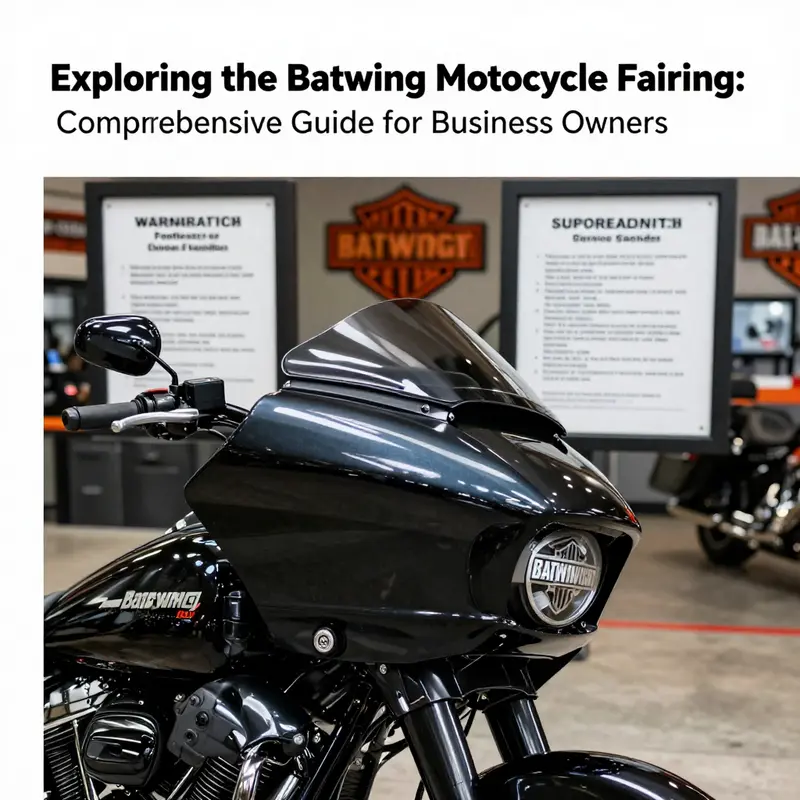
The batwing fairing is more than a striking silhouette on a touring machine; it is a carefully engineered shield against the wind, rain, and fatigue that tag along on long rides. When a rider commits to a journey that stretches across miles and time zones, the assurance that the fairing and its related components will perform as promised becomes part of the riding experience itself. Warranty and support are not mere afterthoughts tucked into a brochure; they are the practical backbone that keeps the glide consistent, the line of sight clear, and the shoulders ready for the next highway that beckons. In this chapter, we explore what that reassurance looks like in real terms. It is a narrative about accountability, service networks, and the quiet confidence that comes from knowing help is available when a part protected by a manufacturer’s warranty shows its mettle or, more often, its limits.
At the heart of the warranty conversation is a straightforward premise: official parts carry protection against defects in materials or workmanship for a defined period. In the case of the batwing fairing and its integrated elements—components designed to channel air smoothly around the instrument cluster, rider, and passenger—the warranty is a guarantee that what left the assembly line with you remains sound enough to endure. The standard coverage is a one-year limited warranty. This means that during the first year after purchase, if a covered part shows a defect in material or in the way it was produced, the manufacturer stands ready to remedy the situation, typically through repair or part replacement performed at an authorized service location. The abstraction of “defect” translates in practice to issues that arise from manufacturing or assembly that compromise the function or fit of the fairing, rather than damage from an accident, neglect, or ordinary wear and tear. The line between a covered defect and something a rider should expect to contend with on the road is important, and it is precisely defined in the warranty terms published by the manufacturer.
The scope of coverage reflects the intent to safeguard the integrity of the fairing and the aerodynamic system as a whole. When the fairing is maintained with care and installed by qualified technicians, it can retain its alignment, seals, and wind-deflecting performance across a season of use. The windshields, trim details, and any integrated vent channels contribute to a single functional ecosystem: a stable front end that reduces turbulence around the rider’s torso and helmet, lowers fatigue, and preserves visibility in changing weather. The warranty acknowledges this integrated design by covering the parts manufactured and sold as official components, which are engineered to work in concert. It is important to note that the warranty is tied to the use of official Harley-Davidson parts. This alignment ensures that a rider’s claims are evaluated against components designed and tested to fit the fairing system as originally conceived. In practical terms, that usually means peace of mind when a multi-piece assembly presents with a defect rather than a symptom of incompatible aftermarket fitment.
The practical boundaries of coverage are equally worth understanding. A one-year warranty does not blanket every possible scenario. Normal wear and tear, routine maintenance needs, or damage resulting from accidents, improper installation, or modifications typically fall outside the coverage scope. This distinction matters because protecting the warranty’s value begins with how the system is cared for and who services it. Installation performed by a dealer or an authorized technician reinforces the intent of the warranty: it anchors the claim process to proper assembly and calibration, preserving the fairing’s sealed integrity, alignment with the windshield, and its aerodynamic interfaces with the rest of the bodywork. When riders invest in the fairing, they also invest in a service framework that helps them keep that investment in peak condition across the early chapters of ownership.
The life of the batwing fairing is inseparable from a broader support network that extends beyond parts replacement. Official channels provide more than a single transaction; they offer a continuum of care. Authorized service centers, for instance, are more than shops. They are touchpoints for diagnostic assessments, routine maintenance, and repairs that require specialized tools or knowledge about the integrated fairing system. Alongside hands-on care, owner resources—the manuals that describe maintenance intervals, the schedules that outline recommended service cadences, and the guidance that helps riders interpret warning indicators—form a knowledge base that travels with the bike. Roadside assistance, another facet of the support ecosystem, serves as a safety net if a touring day is interrupted by a fault that affects the fairing’s performance or the rider’s comfort. This constellation of services mirrors the broader philosophy of touring motorcycling: preparation, reliability, and a responsive network that stays with the rider across the miles.
For riders who opt to include accessories within the fairing system, there is a nuanced balance between customization and warranty coverage. Accessory components that are official Harley-Davidson parts typically carry the same base warranty terms as the primary fairing elements. These can include features designed to augment wind protection or to enhance the fairing’s deflection characteristics, such as trim details or protective coverings intended to guard against UV exposure and scratches. The intent behind these accessories is to preserve or enhance the aerodynamic performance and aesthetic cohesion of the front end. However, when aftermarket or third-party parts are introduced, the warranty landscape shifts. Coverage for non-official components may be limited or subject to separate terms, and it is prudent for riders to confirm that any additional items have compatible fitment and do not compromise the integrity of the wind deflection system. In practice, this means that preserving warranty protection involves clear communication with the dealer, using components that are recognized as official parts, and documenting installation and maintenance as part of the ownership records.
The practical steps to filing a claim under the one-year limited warranty are straightforward but structured, reflecting a professional process designed to minimize downtime and ensure accurate assessment. If a defect is suspected, a rider typically contacts an authorized dealer or service center to initiate the process. Proof of purchase and the bike’s identification details may be required to establish eligibility and to verify the time frame of ownership. The claim is then reviewed by the service team, which determines whether the issue qualifies as a covered defect. If approved, the appropriate repair or replacement is arranged, with genuine parts installed to restore the fairing’s performance to its intended standard. The aim is a seamless restoration of the fairing’s aerodynamic function and wind protection, without compromising safety or visibility. Depending on the nature of the defect and the availability of parts, the resolution may involve on-site service or the transportation of components to a service facility. The essential guarantee here is that the rider will not bear the financial burden for defects that fall within the scope of the warranty, provided all conditions are met and the service is performed by authorized personnel.
Beyond the mechanics of coverage, the warranty and support framework fosters a relationship that supports touring life. For riders who travel frequently, the knowledge that urgent repairs can be completed by a local authorized center or coordinated through the manufacturer’s network is a significant factor in planning. Roadside assistance and access to maintenance schedules contribute to preserving the bike’s reliability over time. The fairing’s performance—its ability to manage wind, its sealing against weather intrusion, and its visual appeal—relies on consistent maintenance and timely attention when wear or minor defects appear. In this sense, the warranty is less a cold policy and more a confidence-building feature: it signals that the builder stands behind the design, the manufacturing process, and the long-term usefulness of the front-end protection that defines the riding experience.
In the broader context of customization and comparison shopping, riders might explore a wider range of fairing options across different brands and styles. While the batwing fairing has a distinctive heritage and aerodynamic rationale, a general catalog that includes other configurations—such as different shapes, trim treatments, and wind protection systems—can be informative as a reference point. For readers who want to browse a broader set of fairing options, a general directory that aggregates aftermarket fairings across brands can offer useful context. For example, a category like the Honda fairings page provides a window into how different manufacturers approach fitment, color options, and trim details. This contextual exploration helps riders evaluate how a given warranty framework aligns with their expectations for longevity, service access, and customization compatibility. If you would like to explore such a comparison, you can visit the Honda fairings category here.
The warranty landscape for the batwing fairing is ultimately about ensuring that the front end remains a reliable guardian of comfort and control on the road. It is about the peace of mind that comes from knowing there is a clear process when a defect arises, a network of skilled technicians ready to address issues, and a library of resources that guide maintenance and repair for as long as the bike remains in use. It is about recognizing that the fairing is not a static accessory but part of a dynamic system that works best when kept in alignment, with proper parts and proper expertise contributing to a consistent, fatigue-free ride. And it is about respecting the boundaries of warranty coverage—knowing what is included, what requires professional installation, and what lies beyond coverage—so riders can plan their journeys with confidence rather than ambiguity.
For readers seeking the official terms and the most current information, the warranty details are published by the manufacturer and can be viewed on their dedicated warranty page. This resource provides the precise language that governs coverage, the exclusions that riders should be aware of, and the steps to file a claim. Keeping this reference handy ensures that riders can accurately interpret the conditions that apply to the batwing fairing and its components, including any accessory elements that accompany the system. The warranty is more than a policy; it is a promise that the engineering and craftsmanship behind a batwing fairing will be supported as riders pursue their next horizon. It is a reminder that the journey of owning and riding a bike with this distinctive fairing is a curated blend of design, performance, and reliable support that endures across miles and seasons.
External resource: For full details regarding coverage, terms, and the claim process, please consult the official warranty page at https://www.h-d.com/warranty.
Internal reference for broader context on aftermarket fairings: Honda fairings category. https://ultimatemotorx.net/product-category/honda-fairings/
Final thoughts
In sum, the batwing motorcycle fairing is more than just a stylistic element; it embodies essential features that enhance performance and rider comfort while being widely compatible with many Harley-Davidson models. Business owners should recognize its significance in attracting customers, as well as the importance of available accessories and warranty support that can enhance customer satisfaction and loyalty. By understanding the batwing fairing’s appeal and functionality, businesses are better equipped to serve riders’ needs and cultivate lasting relationships in the motorcycle community.