
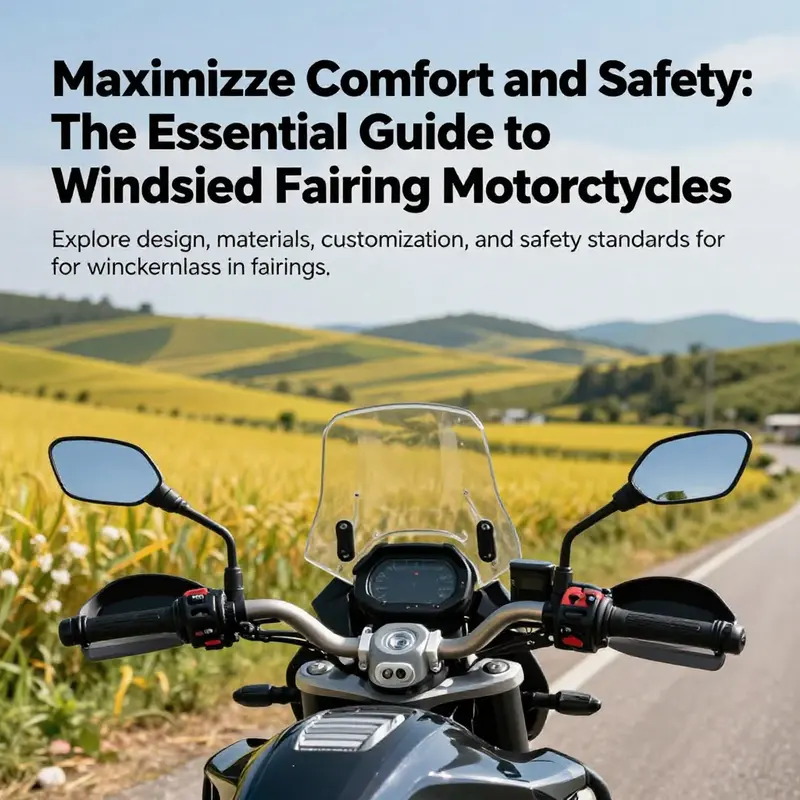
Windshield fairings for motorcycles play a critical role in enhancing the riding experience by improving aerodynamics and comfort. As motorcycle enthusiasts and business owners in the biking world, understanding the intricacies of windshield fairings is essential for catering to consumer needs and ensuring superior product offerings. This guide delves into the design and aerodynamics, material composition and durability, customization and fitment options, as well as safety standards and warranty information. Each chapter builds on the previous ones to provide a comprehensive view of what windshield fairings are and how they can elevate the motorcycle riding experience.
null
null
Shaped for Speed and Silence: Material Science and Durability of Motorcycle Windshield Fairings
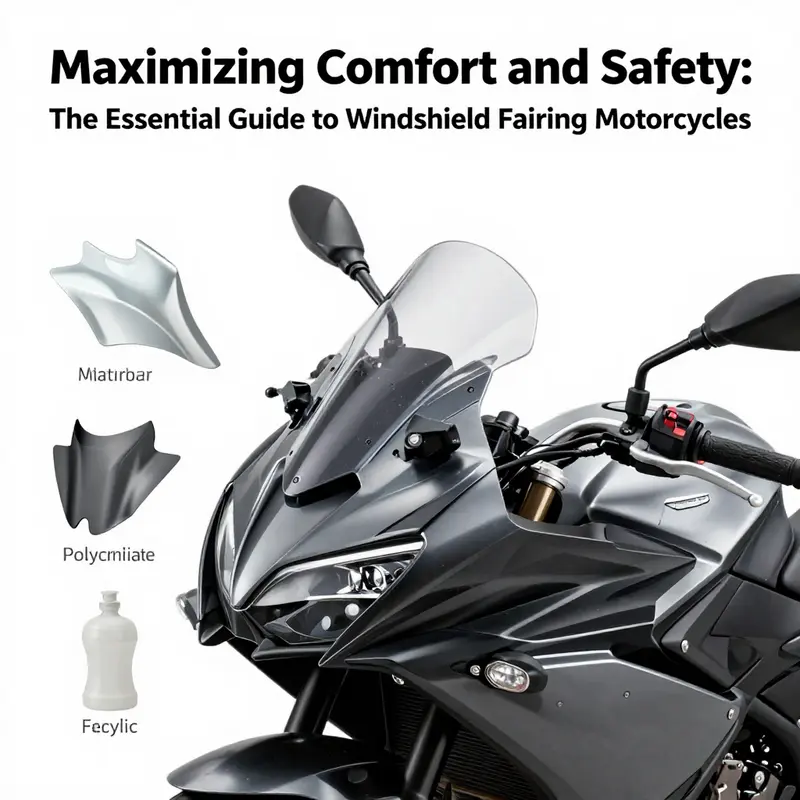
The windshield fairing of a motorcycle is more than a polished surface or a visual flourish. It is a deliberate, technical choice that shapes how a bike interacts with air, weather, and the rider’s own senses. The materials chosen for windshields and fairings determine how effectively wind is deflected, how loud the ride becomes at speed, how the surface ages in sun and rain, and how reliably the structure resists impact and fatigue over thousands of miles. When a rider leans into a long stretch of highway or threads through a windy canyon, the material beneath the gloss is performing a quiet, essential job: controlling air flow, reducing buffeting around the helmet, and maintaining a clear horizon through which to read the road and anticipate every turn. Those outcomes, in turn, influence rider comfort, concentration, and safety, all of which are central to the broader topic of the article: how windshield fairings improve the riding experience by balancing aerodynamics, durability, and customization.
Polycarbonate, fiberglass, and carbon fiber stand as the triad of common materials that power today’s windshields and fairings. Each material brings a distinct combination of properties, and the choice among them reflects a rider’s priorities—whether that priority is absolute impact resistance, optimized weight, or a premium feel under fatiguewear and sun exposure. Polycarbonate is the workhorse of modern windshields. It is a thermoplastic that offers exceptional resistance to cracking or shattering upon impact, which is crucial when a rider encounters debris, a dropped tool, or the occasional stone kicked up by traffic. A typical thickness used in many road-going windshields—measured in millimeters—embodies a balance between rigidity and flexibility. This thickness supports stable performance at high speeds while avoiding excessive weight that would otherwise dampen the motorcycle’s steering response or increase unsprung mass. Yet polycarbonate’s performance hinges on more than raw resilience. Its clarity must be preserved against UV exposure, surface scratches, and long-term environmental stress. To this end, many manufacturers apply UV-resistant coatings and hard coats that slow yellowing and degrade from sun exposure, preserving color neutrality and transparency for years. The material’s lightness and formability also enable designers to craft intricate curves and contours that align with the bike’s aerodynamic profile, improving flow separation characteristics and reducing drag. These shape-driven advantages cannot be overstated. A well-designed polycarbonate windshield can redirect air away from the rider’s torso and helmet, lowering helmet buffeting and softening the audible onrush of air at speed.
Fiberglass represents a different set of trade-offs. It is widely used, especially in fairings designed for performance riding, track use, or more budget-conscious builds where durability and impact resistance are valued without incurring the higher expense of alternative composites. Fiberglass fairings tend to offer robust protection and a degree of flexibility that helps absorb minor impacts without cracking in the same way glass or thinner plastics might. While fiberglass can be heavier than polycarbonate, it can be molded into strong, stiff shapes that resist flex under wind pressure, a quality that contributes to consistent deflection performance. The material’s cost and ease of manufacturing often translate into favorable price points for riders who want reliable protection and a clean silhouette without chasing the ultimate lightest setup. Fiberglass also accepts paint and texture finishes readily, which can aid in achieving a bike’s desired aesthetic while keeping the fairing’s surface integrity intact under riding conditions that include rain, gravel, and insect impacts.
Carbon fiber, though less common on lower-cost builds, occupies a special niche in performance-oriented setups. The strength-to-weight ratio of carbon fiber is outstanding, and it can deliver measurable gains in stiffness and aerodynamic efficiency. In windshields and fairings, carbon fiber components can reduce overall weight while resisting the kinds of flex that might degrade airflow at speed. The downside is clear: carbon fiber comes with a premium price and manufacturing complexity. For riders chasing every ounce of performance, the investment can be justified by the combined benefits of reduced inertia, improved steering feel, and the potential for sharper, more responsive aero behavior through high-speed corners and straightaways alike. In practice, many riders blend materials, using polycarbonate or fiberglass for the shield’s face with carbon fiber reinforcements or accents in areas where micro-flex or high-stress cycles occur. This hybrid approach demonstrates how durable, efficient, and aesthetically flexible fairings can be when material science and design goals converge.
Durability is not a mere property; it is an ecosystem of related factors that includes surface protection, aging, and the ability to maintain performance over a bike’s lifetime. UV resistance occupies a central role in this ecosystem. Every plastic-based surface is subject to sunlight’s effects, including yellowing, chalking, and embrittlement that can compromise clarity and structural integrity. A well-executed durability strategy uses surface treatments, coatings, and resin systems that resist environmental attack. A scratch-resistant top coat is not a cosmetic addition; it preserves clarity so riders can maintain concentration and read road hazards without distraction. Environmental exposure also invites considerations of temperature cycling and chemical exposure—from gasoline vapors during refueling to cleaning solvents in a rider’s garage. Durable windshields are designed to withstand repeated heating and cooling cycles without delaminating or losing their optical properties. In this context, the material system must resist micro-cracking that could propagate and reduce structural performance or create visual distortion that hinders night visibility or rain reading.
Scratch resistance, another pillar of durability, is not a single prescription but a set of interacting design choices. The use of polycarbonate with a hard, UV-stable coat is a common and effective solution. A clear, well-applied coating minimizes the risk of micro-scratches from branches, insects, or road debris, which not only affects aesthetics but also reduces light scattering that can impair visibility. When scratches do occur, the maintenance approach becomes important. Mild cleaning agents and microfiber cloths are typically recommended; aggressive solvents or abrasive pads can dull the surface or remove protective coatings, accelerating wear. The maintenance routine, therefore, becomes part of the material’s life cycle, ensuring that the same pane remains clear and effective after repeated exposure to wind, moisture, and road grime. The conversation around durability inevitably touches on color stability and tint fading. A tinted windshield might be visually appealing or functionally advantageous in bright sun, yet tint levels and coatings must hold up under long exposures to ultraviolet rays. A well-chosen material system maintains its tint, clarity, and structural integrity even after thousands of miles and countless sunlit days.
The manufacturing and design processes behind each fairing and windshield influence how material properties manifest on the road. Forming and molding technologies enable precise fits and consistent wall thickness, which in turn preserve stiffness and reduce unwanted flutter or oscillation at high speeds. The adhesive and mounting strategies adjudicate how a fairing behaves as a system rather than as an isolated panel. A high-quality fairing resists air-induced stress, yet can flex enough to dampen vibrations that would otherwise feed through the frame to the rider’s hands and shoulders. The overall aerodynamic package—edge geometry, face curvature, and the interface with the rider’s line of sight—depends on all these elements working in harmony. Subtle design choices, such as the height and angle of the windshield, directly influence the degree of buffeting that reaches the rider’s helmet. A fairing that unintentionally channels air toward the rider can negate material advantages by elevating wind noise and fatigue. Thus, the best material choices are not solely about strength or lightness; they are about an entire aerodynamic conversation that includes fitment, weight distribution, and the rider’s body position.
What does this mean for the everyday rider who wants to upgrade a bike with a new fairing or windshield? It means that the choice of material should match the rider’s priorities and the bike’s intended use. For urban commuting or touring, a polycarbonate windshield with a robust UV coating and scratch resistance often delivers a compelling balance of clarity, durability, and cost. For riders who push into track-day territory or demand the utmost stiffness and weight savings, carbon fiber elements can deliver noticeable advantages, provided the budget aligns with the performance expectations. For riders seeking rugged durability at a reasonable price, fiberglass-based fairings offer a practical blend of strength and impact resistance with simpler production workflows. In all cases, the end user experiences the material effects most acutely through the ride’s comfort and the perception of wind and noise. A clear, quiet cockpit translates into clearer attention to the road and a more relaxed posture, especially on longer rides where fatigue sets in and perceptual clarity matters as much as raw speed.
The broader ecosystem of aftermarket options includes a spectrum of fitment approaches, from universal models designed to accommodate a wide range of bikes to OEM-grade or model-specific fairings that align with the exact contours of a particular motorcycle. The universal options may feature adjustable mounting systems to accommodate different headlight geometries and fork arrangements, often with extra reinforcement for stability. Model-specific or OEM-inspired designs emphasize precise alignment with mounting points and windscreen paths, which can yield more predictable airflow and a cleaner aesthetic. For riders who crave a precise fit to their bike’s geometry, exploring options that align with the vehicle’s specific fairing family can yield tangible performance benefits. To see how one category of fairings organizes its offerings, you can explore the broader Honda-fairings category and assess how different generations balance weight, stiffness, and shape across a range of models. Honda fairings provides a window into how a defined family of products approaches material selection, finish, and compatibility with mounting hardware.
Beyond the hands-on considerations of thickness and coatings, there is a narrative about the long arc of durability. Windshield and fairing materials are constantly balancing the need for optical clarity with the reality of road exposure. The goal is to maintain legible sightlines, resist cosmetic aging, and keep the rider comfortable, irrespective of whether the bike is used for quick commutes, weekend sport rides, or multi-day touring. This balance rests on both material science and the discipline of maintenance. Regular washing with gentle cleansers, avoiding harsh solvents, and applying protective films or waxes designed for plastics can extend the life of a windshield without compromising clarity. In this sense, care becomes part of durability; it is a practical routine that preserves performance and appearance while supporting the long-term function of the fairing as an aerodynamic safeguard. The conversation about materials, coatings, and maintenance is not a single decision at the showroom. It is an ongoing partnership between rider, design, and the weathered world of roads and highways—an alliance that makes long-distance riding as enjoyable as it is efficient.
For riders seeking a deeper understanding of the material science behind these components, a broader resource on the topic offers a detailed guide to common materials and their performance characteristics. This external resource outlines how polymer plastics, composites, and protective coatings are engineered to deliver impact resistance, optical clarity, and weather resistance over time. It can help riders and builders alike make informed decisions when selecting a windshield or fairing that aligns with the bike’s use-case, the rider’s comfort needs, and the environmental challenges of their riding routes. In sum, material composition and durability are not abstract technicalities; they are actionable design attributes that shape every ride’s comfort, safety, and enjoyment.
As an ongoing element of the larger article, the discussion of material science and durability serves as a bridge to how these components integrate with the broader ecosystem of customization and upgrade culture in motorcycling. When riders invest in fairings and windshields, they are not merely choosing a shield against wind; they are selecting a partner in aerodynamics, a platform on which to tailor comfort, noise levels, and visual identity. The interplay of material choice, surface treatment, and maintenance forms a holistic approach to durability that rewards riders with consistent performance across years of riding. The path from raw resin and fibers to a tuned, rider-centered shield is a journey through design, testing, and practical care—one that reinforces the importance of understanding material composition not just as a technical detail, but as a core contributor to the riding experience. For enthusiasts who see fairings as a control surface for comfort and concentration, this material-centered lens offers a clearer route to the next upgrade and the next ride.
External resource for deeper exploration: Motorcycle Fairing & Windshield Materials Guide.
Aero-Crafted Fit: Personalizing Windshield Fairings for Motorcycle Comfort and Style
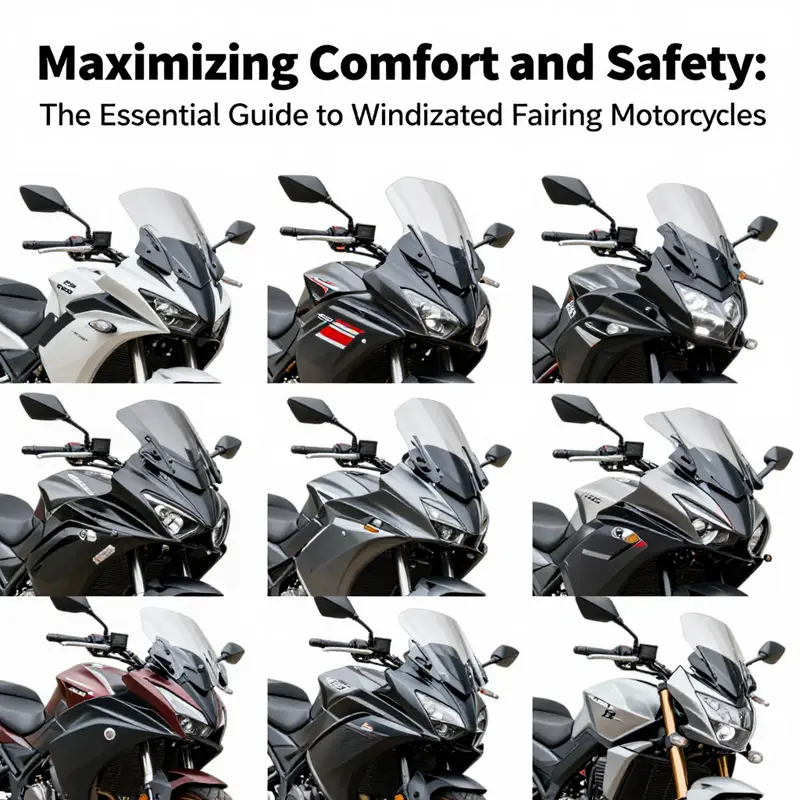
Windshield fairings on motorcycles are more than a shield; they are a conversation between rider, road, and machine. They shape the wind as it greets the rider, influence how much noise climbs into a helmet, and determine how much of the weather and debris the rider must absorb on a long journey. The chapter that follows treats customization and fitment not as afterthoughts but as central design decisions. When a fairing is chosen with care, it becomes a partner in riding, smoothing the ride at highway speeds while preserving the motorcycle’s silhouette and intent. The path to that synergy begins with understanding two complementary tracks: model-specific fit and universal, modular options. Each offers advantages, and together they form a spectrum that accommodates both factory-inspired aesthetics and personal comfort preferences. The choice, in other words, is not merely about how new a piece looks; it is about how it behaves at speed, how it aligns with the bike’s lines, and how easily it can be installed and maintained over years of riding.
Customization sits at the heart of the modern windshield fairing conversation. The first axis is fitment: does the fairing hug the bike’s frame with precision, or does it lean toward versatility, offering mounting points that can be adapted to a variety of body styles? Model-specific or OEM-inspired fairings aim for a seamless integration that respects the bike’s original geometry. They are engineered to align with the bike’s headlight cutouts, the curvature of the front fairing, and the rider’s eye level. The payoff is a clean transition from fairing to windshield base, a sense that the bike’s character remains intact even as wind management is upgraded. In contrast, universal options promise broad compatibility. They come with mounting brackets and a degree of adjustability that lets riders position the windscreen at a height and tilt that suits their height, seating position, and typical riding posture. For riders who value the flexibility to swap between several bikes or to reconfigure a single bike for different seasons or riding moods, universals offer a practical path.
Material science and surface engineering reinforce the practical differences between these routes. Modern windshield fairings commonly use polycarbonate or acrylic because both materials provide clarity under prolonged exposure to sun and rain, but polycarbonate often wins on impact resistance and durability. Hard coatings on polycarbonate combat scratches and reduce the wear from road grime, insects, and small stones that inevitably travel in a rider’s wake. The look matters, too. A fairing’s transparency should stay high, allowing the rider to peer through it without distraction, and its surface should resist UV-induced yellowing while remaining easy to clean. For riders who care about aesthetics, the surface finish—whether glossy, satin, or matte—needs to echo the bike’s styling cues. The best executions balance functional performance with a finish that ties into the bike’s paint and hardware, creating a cohesive visual narrative that makes speed feel intentional rather than incidental.
The flexibility of modern options is nowhere more evident than in the way fairings are designed to interface with the bike’s overall architecture. A one-piece windshield molding engineered for a bat-wing or similarly styled fairing, for example, can deliver a sharp, seamless edge that emphasizes the outer contour while smoothing the transition between fairing, headlight, and windshield base. Such a design reduces visual clutter and can eliminate the impression of a disjointed front end. It also typically simplifies installation, since the molding includes all necessary mounting hardware and aligns with the bike’s existing mounting points. For riders seeking a factory-finished appearance without the complexity of a bespoke installation, these approaches offer a compelling blend of form and function. Without naming specific brands, this category remains attractive because it preserves ride feel, reduces visual weight, and delivers a polished look that harmonizes with the bike’s existing lines.
Beyond factory-aligned options, the market also features a broader ecosystem of customizable solutions that respond to specific riding imperatives. For riders who log long miles or travel into challenging weather, wind noise and buffeting are not cosmetic concerns but fatigue accelerants. A windscreen that deflects air cleanly and maintains a smoother laminar flow can noticeably reduce helmet buffeting, which in turn reduces fatigue and sharpens concentration on the road ahead. The trade-off, of course, lies in tuning height and angle. A screen that is too tall can obscure the rider’s field of view or exaggerate visual distortion, while a screen that is too low might not deliver the desired wind break. The practical approach is to choose a design that offers enough room for eye-level clearance and still sits just below the rider’s line of sight so that dirt, rain, and bugs don’t accumulate at the critical field of view.
That balance between air management and rider visibility is also affected by how the fairing integrates with broader aerodynamics. A well-designed fairing shapes the wind into a predictable, stable sheet that reduces the chaotic eddies that can buffet a helmet at high speed. In this way, the purpose-built or carefully chosen fairing enhances stability, smoothing the ride across a wide range of speeds and weather conditions. This is not about turning a sport bike into a sedan; it is about shaping the rider’s wind experience to enable longer, more comfortable hours on the road without sacrificing the bike’s natural personality. Customization makes this possible because it allows riders to calibrate the wind profile to their riding posture, their typical speed envelope, and their preferred riding stance.
The installation narrative is also a critical piece of the customization puzzle. Optional brackets and pre-drilled mounting points can dramatically influence how easy a fairing is to install and how precisely it aligns with the bike’s face. A modular, component-based approach often offers the most frictionless path to a precise fit. It enables adjustments to height, angle, and even the edge detailing around the windshield, which can subtly alter how air interacts with the fairing and rider. For many riders, the ability to fine-tune alignment after a few miles or after changing riding gear is an important practical benefit. The installation story is not simply about tightening a few screws; it is about thoughtful alignment. A well-fitted fairing respects the bike’s visual language while delivering predictable wind deflection and minimal vibration at speed.
The conversation about fitment cannot ignore the modern marketplace that supports customization through direct-to-consumer channels and specialized shops. Some platforms present a range of windshields tailored to families of bikes, offering options for different headlight sizes and fairing shapes. Others lean into model-specific engineering where the screws, gaskets, and mounting hardware are matched to a precise set of mounting points. This spectrum—between universals and precise fit—gives riders a practical ladder to climb as they tune their motorcycles. For the cyclist who loves to chase a particular look or who wants to preserve a specific ride feel, the choice is as much about confidence and ease of maintenance as it is about wind direction and noise reduction. The right fit lets the rider forget the wind so attention can be focused on the road and the ride’s emotional cadence.
For riders who want to explore how their favorite categories of bikes might be supported by aftermarket or OEM-inspired fairings, a useful next step is to search within focused model families that share similar front-end geometry. A curated catalog may group fairings by bike families, with notes about compatibility, mounting hardware, and suggested tint levels. While the underlying performance goals remain consistent—reduce buffeting, protect the rider, and maintain visibility—the path to achieving them varies with each bike’s geometry. It is in this variation that customization shines: it invites a rider to tailor not just what they ride, but how they experience riding it. When fitment and style converge, the result is a fairing that looks integrated, feels natural under the hands, and quietly improves the journey rather than demanding attention as a contrived improvement.
For riders who want to extend the practical horizon of their customization, model-specific solutions can still be paired with aftermarket enhancements. They might use a model-aligned fairing as the base and then add a modular venting feature or a scratch-resistant coating to extend performance and durability. In this sense, customization becomes an ongoing dialogue rather than a one-time swap. The rider can revisit the configuration as riding needs evolve—perhaps shifting from a touring stance to a more aggressive sport posture, or adjusting for a different set of riding gear and helmets. Each adjustment tunes the wind experience in a way that respects the bike’s core DNA while acknowledging the rider’s personal preference. That is the essence of the modern windshield fairing ecosystem: a flexible toolkit that blends aerodynamics, aesthetics, and practical ownership care.
Within this ecosystem, the possibility of model-specific and OEM-aligned options meets the market’s appetite for diversity. An OEM-inspired path often promises durability and a high level of integration that makes the fairing feel like a natural extension of the bike. It carries with it a warranty framework and a degree of certainty about fit and finish. The universal path, meanwhile, invites experimentation and adaptability. For riders who enjoy swapping bikes or testing new riding configurations, universals offer a low-friction route to change, while still delivering meaningful gains in wind management and comfort.
If a reader is exploring the practicalities of choosing a windshield, the decision often starts with personal riding goals. Is the priority comfort and fatigue reduction on long highway stretches? Is it about reducing wind noise enough to hear a helmet speaker clearly, or about preserving the motorcycle’s aggressive stance with a windscreen that reads as part of the bike’s silhouette? Answering these questions helps filter the options. It also highlights a few installation truths: always verify mounting compatibility with your bike’s frame and fairing, ensure the edge profile won’t interfere with controls or turn signals, and confirm that the chosen material and coating are appropriate for your climate and riding style. These steps matter because a windshield is less an accessory than a performance component when viewed through the lens of long-term riding satisfaction.
For riders who want to see how the selection aligns with broader aftermarket ecosystems, consider a broader browse that reflects families of fairings designed for various models. The aim is to align the windshield’s character with the bike’s aesthetic while preserving the rider’s ability to see and react quickly to the road ahead. In practice, this means prioritizing clear, undistorted vision, a finish that resists daily wear, and mounting hardware that remains secure after countless miles of vibration and exposure to sun, rain, and road salt. It also means recognizing that the fairing is part of a larger system: the bike’s fuel economy, ride height, and center of gravity can all be influenced by how air flows around the front of the motorcycle. When a rider gets that coupling right, the result is a smoother ride with less fatigue, a clearer view of the world, and a bike that feels more like a single, well-tuned instrument than a collection of parts.
For readers curious about model-specific options within a broader category, a practical entry point is to explore a dedicated segment of the catalog that focuses on a particular family of bikes. This approach helps locate fairings that match the bike’s front-end geometry while staying faithful to the rider’s preferred riding posture. In addition, more specialized platforms often include details about the included mounting hardware, installation steps, and any model-year nuances that affect fit. The key is to approach customization as a collaborative process between the bike’s architecture and the rider’s ambition. When done thoughtfully, the journey from selection to installation becomes a process of refinement rather than compromise, yielding a fairing that works with the bike’s DNA rather than against it.
For readers who want to dive deeper into the hands-on side of this topic, a practical path is to consult installation guides and warranty documents directly from the manufacturers. These resources provide a reliable baseline for expected fit, service intervals, and coverage terms. They can also illuminate how to care for and maintain the windshield to maximize its lifespan. In many cases, manufacturers publish clear steps that help riders identify if an adjustment is needed after a few thousand miles, or if the fairing’s position warrants a tweak following a seating or luggage change. This ongoing attention—careful alignment, regular inspection of mounting hardware, and periodic cleaning—keeps the windscreen performing at peak efficiency and looking right in the bike’s overall composition.
Internal resource: For riders who want to explore model-specific options in the Honda family, the Honda fairings category provides a catalog of compatible designs and configurations that align with common front-end geometries. This reference point can help riders imagine how a given design might complement their bike’s stance and riding preferences. You can explore related offerings here: Honda fairings category.
External resource: For a broader look at warranty considerations and safety standards that often accompany windshield fairings, see the manufacturer’s warranty guidelines at https://www.h-d.com/warranty. This resource provides a framework for understanding what coverage typically accompanies aftermarket and OEM-fit windshields and how it may apply to future replacements or upgrades.
Windshield Fairings on Motorcycles: Balancing Aerodynamics, Safety Standards, and Warranty Assurance
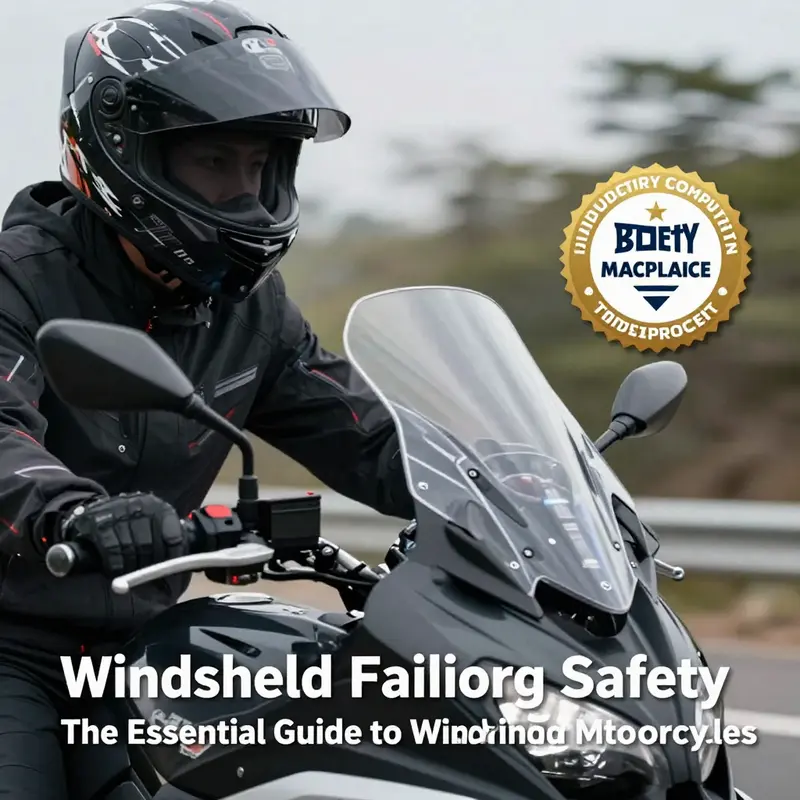
Windshield fairings are more than a visual cue on a motorcycle; they are deliberate design decisions that shape the rider’s experience, the machine’s behavior, and the long-term relationship between ownership and maintenance. If you stand beside a touring bike or a sport cruiser, you will notice how the fairing becomes the first line of interaction between rider and road. It does not simply shield the torso from wind; it channels air in a controlled manner so that the head, the helmet, and the chest meet a smoother, steadier breeze. The result is less fatigue, steadier steering feel, and a reduction in the kind of wind noise that can steal concentration on a long stretch of highway. The practical value of a windshield fairing lies in its ability to transform how the air behaves around the front of the motorcycle. When a fairing is well designed and properly mounted, it takes a portion of the direct wind load off the rider and redirects passing air to create a more stable pocket of pressure at helmet height. The effect is both perceptible and cumulative; the rider can ride longer with less effort, and the machine can run with a more consistent aerodynamic profile at sustained speeds.
Yet the elegance of that aerodynamic effect rests on a foundation of safety, fitment, and reliability. Unlike cosmetic accessories, windshield fairings sit in a complex zone of interaction: they must not interfere with the motorcycle’s lighting, dashboard, or instrumentation; they must not limit the rider’s visibility or impede access to controls; and they must endure the realities of weather, vibration, and impact without compromising performance. That means safety expectations are not optional addenda; they are integral to the design and production processes. Even when an aftermarket fairing is marketed as a universal accessory, the underlying engineering seeks to preserve structural integrity while accommodating a range of mounting points, radii, and hardware configurations. In this sense, a well-conceived fairing is a form of protective armor that is lighter than metal but no less serious in its responsibilities.
From a materials standpoint, the most common choices are clear polycarbonate and acrylic. Each material brings a distinct balance of clarity, impact resistance, and weather resilience. Polycarbonate is renowned for its toughness; it resists shattering under impact far better than glass, which is important when debris or a dropped tool on the highway is a real risk. Many windshields also incorporate a protective hard coating to resist scratches from dirt, bugs, and wipers in less-than-ideal riding conditions. Clarity remains a practical concern; riders want a field of view that stays clean and unobstructed, even after miles of exposure to sun, rain, and road spray. A well-coated surface helps maintain visibility in low light and during dawn or dusk transitions when glare can complicate judgment. The choice of material interacts with mounting hardware and the overall design to determine how the fairing behaves at speed, how calm the cockpit feels, and how long the rider can stay in the saddle without a fatigue setback.
With materials settled, the critical human factor comes into focus: fit. The research materials emphasize that the most reliable protection comes from precise alignment with the motorcycle’s frame or fork configuration, rather than a loosely coupled add-on. A one-piece trim or a cleanly integrated mounting system can transform a fragile, rattling panel into a coherent part of the bike’s silhouette. In practice, this means the kit should include mounting hardware that is robust, corrosion-resistant, and simple to assemble. The ability to install a windshield with confidence reduces the likelihood of vibrations that can loosen fasteners over time, which, in turn, reduces the risk of sudden shifts in airflow that can disrupt handling at highway speeds. The chain of safety here links together design intent, material performance, and the reliability of the mounting interface. When all of these elements align, the rider enjoys a calm, controlled wind environment and the motorcycle benefits from a more efficient aerodynamic profile during acceleration, cruising, and braking.
For riders contemplating a windshield upgrade, the market offers both universal and model-specific options. Universal models advertise broad compatibility, often pairing a straightforward mounting kit with adjustable clamps and brackets intended to fit a wide range of bikes. The trade-off, however, is usually in precision. A universal fairing may require careful alignment and, in some cases, additional trimming or bespoke bracket work to achieve the same clean transition between fairing and bike as a model-specific system would provide. Model-specific, or OEM-aligned designs, are engineered to mirror the geometry of particular motorcycles, ensuring a smoother integration with the cockpit layout and instrument panel. In this context, fit is not merely about aesthetics; it is about maintaining the intended airflow around the rider and preserving the integrity of the bike’s light clusters and indicators. The importance of fit becomes even more evident on touring configurations, where long-distance comfort hinges on the absence of intrusive buffeting and the consistency of wind pressure on the rider’s helmet.
Riders who pursue customization may discover a widening ecosystem of options that continues to prioritize safety alongside performance. For those who want a view into a broader catalog, a relevant catalog entry offers a glimpse into how model-specific compatibility evolves. For example, a dedicated category for Honda fairings provides a sense of how manufacturers approach alignment with specific standoffs, mounting points, and headlamp provisions. That kind of resource helps the rider compare options with practical criteria such as the size of the windshield, the height and curvature that align with the rider’s eye line, and the extent to which the panel must be trimmed to maintain a clear view of the road and of potential hazards. It also signals the broader ecosystem of accessories that work in harmony with the fairing to preserve the intended aerodynamic performance while accommodating the rider’s preferences for shade, color, and tint level. The fairing’s impact on the overall silhouette and wind management should always be weighed against the stability of the front end and the perception of the bike’s balance at speed. This is why many riders evaluate windshields not only on the basis of wind deflection but also on how they influence steering feel, front-end feedback, and even the rate at which the fairing itself may resonate with engine vibrations.
In the domain of safety, a discreet but essential consideration is how the windshield interacts with lighting and signaling. A poorly placed fairing can obscure headlamps, indicators, or the rider’s view of the road at certain angles, which creates a safety risk that is not immediately obvious during a casual inspection. The mounting hardware plays a decisive role here. A robust kit that includes a secure, sealed mounting solution helps ensure that the fairing remains stable during high-speed runs, even in the presence of crosswinds, heavy rain, or debris that might loosen a more tenuous attachment. Additionally, manufacturers typically emphasize the importance of ensuring that the fairing does not overhang or collide with other components at full steering lock. The finest designs incorporate careful tolerances and protective features that prevent contact with the tank, the instrumentation cluster, or the rider’s gloves when adjusting or stowing gear. In practical terms, this translates to a smoother riding experience, fewer maintenance interruptions, and a reduced risk of damage to the fairing or the bike’s front-end structure.
The warranty dimension of windshield fairings is not a peripheral concern; it is a signal about confidence in the product. A warranty communicates a manufacturer’s belief in the durability of the materials, the integrity of the manufacturing process, and the long-term performance of the mounting system. A typical framework for these warranties covers defects in materials or workmanship and claims that the kit will fit properly or be replaced if a failure occurs within a defined period. While the exact terms can vary by maker, it is common for a one-year limited warranty to be offered as part of the coverage, with specifics about exclusions and the process for filing claims provided through the brand’s official channels. This kind of warranty is meaningful not only as a promise of replacement if a hinge or a panel fails but also as a reminder that the installation must be performed according to the manufacturer’s instructions. Proper installation is itself a safety feature: it reduces the risk of misalignment, vibration-induced wear, or loosening that could endanger rider control during aggressive riding or long-distance cruising.
It is instructive to acknowledge that, in the context of safety standards, no single universal mandate governs every windshield fairing used on public roads. International or national road-safety regulations typically govern vehicle components at a broader level, but the specific wind protection assembly often falls into a product category that is managed through a combination of vehicle manufacturer guidelines and consumer-facing warranty terms rather than a standalone certification. That does not mean standards are lax; it means the standard is practical and performance-oriented. The emphasis is on proper fit, clear visibility, structural integrity, material safety, and the absence of interference with lighting and signaling. The interplay of these factors creates a realistic safety envelope within which fairings operate. In practice, riders may verify that a chosen fairing maintains clear lines of sight, does not cause unintended glare, and leaves space for air intakes, radiators, or auxiliary equipment that a given model might carry. They may also check that the mounting hardware is corrosion-resistant and designed to withstand the vibrations and flex that accompany highway driving.
The conversation about safety and warranty also intersects with the rider’s expectations for maintenance and inspection. A fairing, by design, is not a one-and-done accessory; it invites ongoing attention. Over time, a rider will want to inspect mounting points for signs of stress, check fasteners for tightness, and monitor the integrity of the surface coating. Cleaning regimes should avoid harsh chemicals that could degrade the coating and should be gentle enough to prevent micro-scratches that accumulate with miles. The windscreen should be regularly checked for cracks, hazing, or delamination, especially in environments with extreme temperature cycling. This maintenance discipline aligns with the warranty terms, which typically require proper care and installation to keep the coverage valid. In short, the windshield fairing embodies a safety philosophy that extends beyond installation: it invites a stewardship mindset in which riders participate actively in the ongoing reliability of their wind-protective system.
For riders who want to explore options with confidence, the ecosystem offers both model-specific and universal solutions, each with its own fitment logic and safety considerations. The model-specific approach represents a deliberate integration with the motorcycle’s architecture, preserving the cockpit geometry and ensuring that the airfoil shape complements the bike’s weight distribution and mass moments. The universal approach, while more flexible, invites a pragmatic evaluation of mounting hardware, windage, and the rider’s posture on different bike configurations. In either case, a careful appraisal of the mounting system, material properties, and alignment with lighting is essential. It is worth noting that the design catalogues often reflect a broader philosophy: wind protection should not come at the expense of readability, visibility, or the rider’s sense of control. When these elements are harmonized, the windshield fairing becomes a true partner in safety, not merely an accessory.
For riders who are curious about the breadth of available fairings and want to compare options across brands, a practical entry point is the Honda fairings category, which presents a spectrum of fitments and styles that illustrate how manufacturers approach compatibility with different models. This resource helps illustrate how a fairing’s geometry, mounting points, and protective envelope are conceived in relation to a motorcycle’s unique design language. The long arc of compatibility—from a neutral, universal approach to a precise, model-tailored integration—underscores how safety, performance, and warranty considerations weave together into a coherent purchasing decision. It is also a reminder that the rider is not merely buying a shell; they are embracing a controlled wind environment designed to support comfort, reduce fatigue, and sustain focus on the road ahead. The result is a calmer cockpit, a more predictable front end, and a greater sense of confidence during hours of riding through changing weather and traffic dynamics.
As the chapter draws toward a close, it is useful to connect the practicalities of fit and warranty with the broader riding experience. A windshield fairing, when correctly chosen and meticulously installed, contributes to a rider’s ability to maintain a steady posture and clear sightlines. It supports endurance on multi-day trips and helps preserve the rider’s mental bandwidth by minimizing the almost invisible cacophony of wind noise that can erode attention over time. It also reinforces a rider’s investment by offering a defined warranty framework that provides assurance against manufacturing defects and workmanship flaws. In this sense, safety standards and warranty information do not exist in isolation; they are the scaffolding that supports the rider’s confidence in the accessory’s reliability, the motorcycle’s integrity, and the journey that lies ahead. The fairing becomes part of a larger story about how modern motorcycling blends aerodynamics, engineering discipline, and practical ownership responsibilities into a single, coherent riding experience.
External resource reference: For a practical warranty reference that helps illuminate how these protections are framed in the industry, see the Harley-Davidson Warranty Information page at https://www.h-d.com/warranty.
Internal resource cue: For riders exploring model-specific configurations and a curated range of compatible fairings, the Honda fairings category provides a useful snapshot of how fitment and design considerations translate into real-world compatibility and performance — a reminder that the right fairing aligns not only with a bike’s form but with the rider’s functional needs as well. Honda fairings category.
Final thoughts
Windshield fairings are more than just accessories; they are essential components that significantly enhance the motorcycling experience. By understanding their design, materials, customization options, and adherence to safety standards, business owners can better cater to the needs of riders. Offering quality windshield fairings not only boosts rider comfort but also ensures brand reputation is upheld through durability and safety assurance. As you explore options for your inventory, prioritize features that align with the evolving demands of the motorcycling community.