
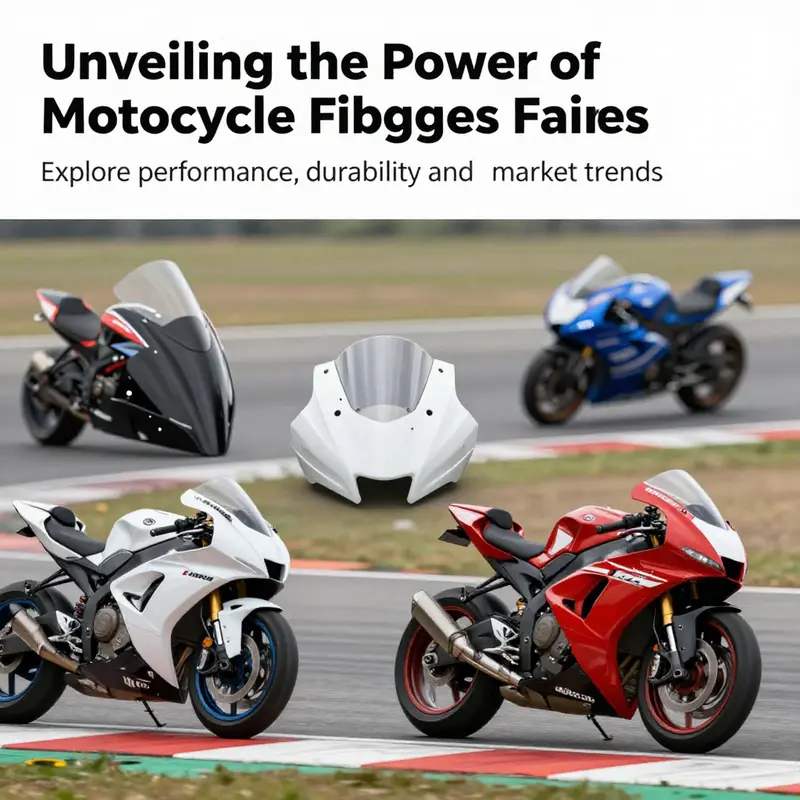
Motorcycle fiberglass fairings stand at the intersection of performance and style in the motorcycle industry. They are engineered from a composite material that integrates strength and lightweight properties, making them an essential component not only for racing but also for custom motorcycle builds. Understanding the advantages of these fairings is crucial for business owners involved in the motorcycle industry. This article delves into various aspects of fiberglass fairings, ranging from their performance and design advantages to their durability and weather resistance. We will also explore their impact on aerodynamics and fuel efficiency, installation options, and the current global market trends influencing their production and sales. Each chapter provides comprehensive insights that will aid business owners in making informed decisions and enhancing their offerings in the competitive motorcycle market.
Contours of Speed: How Fiberglass Fairings Fuse Aerodynamics, Durability, and Style
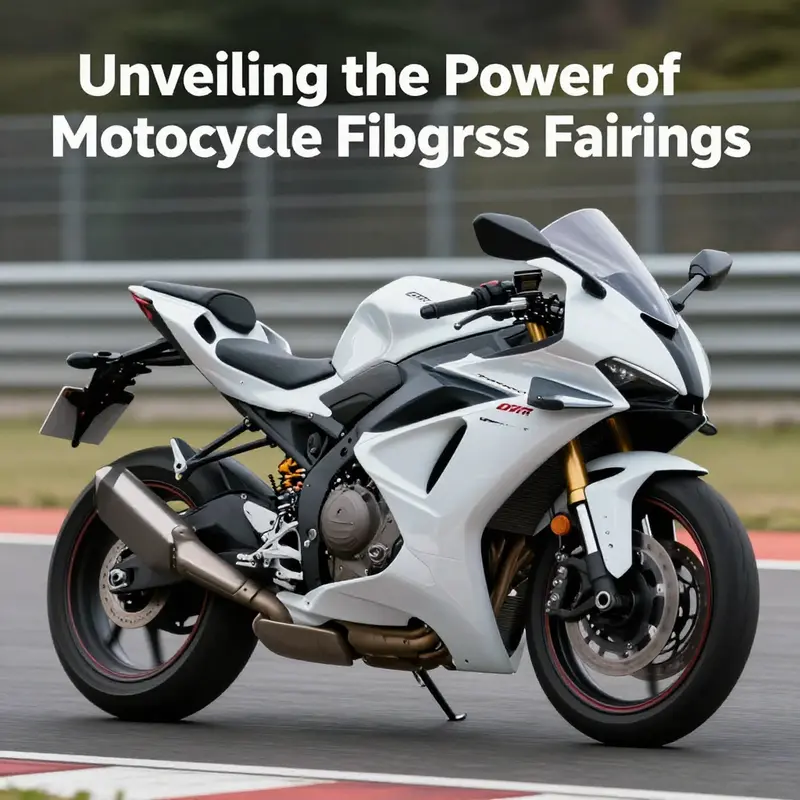
Fiberglass fairings are more than cosmetic add-ons. They are a carefully engineered layer of protection and performance that sits between a rider and the elements, while shaping the way air moves around the machine. At their core, these fairings are a composite: glass fibers embedded in a polymer resin. This combination delivers a distinctive balance of lightness, stiffness, and resilience that suits everything from aggressive track riding to expressive street build projects. The weight savings alone can feel transformative. A lighter chassis responds to quick inputs with less inertia, allowing sharper steering, quicker direction changes, and a more nimble feel through corners. This is especially noticeable during mid to high speed maneuvers where every gram saved translates into a lighter, more reactive ride. The ability to maintain structural integrity while trimming mass gives fiberglass a noticeable performance edge over heavier alternatives, and it is this edge that makes them a favored choice for riders who prioritize handling as much as speed.
When the bike pours into a corner, the path of least resistance becomes a critical factor. Fiberglass fairings are meticulously shaped to optimize the aerodynamic profile around the rider and the engine bay. A streamlined surface reduces drag and manages turbulent air more predictably than bulkier plastics or metal shells. The result is steadier high-speed stability, which translates into confident line choices and smoother throttle control as speed climbs. Aerodynamics here is not just about reducing resistance; it is about guiding air in a way that complements the motorcycle’s mass distribution, rider position, and the engine’s cooling needs. For race or endurance setups, the ability to tune air channels and vent locations is a practical advantage, helping the cooling system perform consistently without compromising the fairing’s form.
Design flexibility is another pillar of fiberglass’s appeal. The material accepts a broad range of finishes, from gel coat to paint, and it can be sculpted to reveal carbon textures or custom graphics that blend heritage cues with modern aesthetics. This customization is not merely cosmetic; it communicates a rider’s intent and helps establish a unique identity on the track or on the street. The surface can be finished in a variety of ways to achieve the precise balance between shine, texture, and color that a rider wants. Crafting a clean, reflective surface is not simply about appearance; it also minimizes micro-roughness that can disrupt laminar flow and create unnecessary drag. The permitting of hand-molded, intricate shapes means designers can chase aggressive contours, while still delivering a modular, replaceable package that’s accessible to do-it-yourself builders and professional shops alike.
Durability is a practical part of the performance equation. Fiberglass stands up well to weathering, UV exposure, and general road abuse, retaining shape and protective function over time. In everyday riding, this translates into fairings that stay crisp and accurate, resisting warping and surface degradation that can plague more fragile plastics. Yet no material is invincible. Sharp, concentrated impacts can crack fiberglass, especially at reinforced edges or mounting points. A fairing’s resilience is therefore about balancing strength with a forgiving error margin, so a rider can survive a mishap or a stray rock without catastrophic failure. In practice this means fairings that resist small impacts and scrapes, while still offering repair options when needed.
Maintenance and repair are often highlighted as advantages of fiberglass. Small dents, scratches, and scuffs can typically be addressed with sanding, filler work, and re-painting without replacing a whole panel. This repairability is a major cost and downtime consideration for DIY enthusiasts and shop-based builds alike. It also aligns with the growing culture of modularity in motorcycle customization, where riders swap, patch, or upgrade sections to refresh the look or to improve performance without a full teardown. The modular approach is more than just convenience; it supports rapid iteration—test a new shape, refine an exit path for the air, or adjust a vent for cooler operation—without sacrificing consistency in the rest of the bodywork.
The protective function of fiberglass fairings is tightly linked to rider comfort. By shielding the engine and rider from debris, wind, and rain, the right fairing geometry reduces buffeting and wind noise, enabling a calmer ride at highway speeds and a steadier line through the course. When the fairing contours align with the rider’s posture and the machine’s mass distribution, the wind becomes a partner rather than a disruptive force. This quieting effect can be especially welcome on long rides and endurance events, where rider fatigue compounds with wind fatigue. The aesthetic also plays a subtle role in this sense: a clean, deliberate silhouette contributes to perceived stability and confidence, influencing how a rider approaches a corner and how smoothly they manage throttle and weight transfer.
In practice, selecting fiberglass fairings is about weighing the balance of weight savings, stiffness, and tailoring options against potential vulnerability to sharp impacts. The material’s strength-to-weight advantage can enable more aggressive aero shaping, which in turn supports higher corner speeds and improved high-speed stability. Forging ahead with a fiberglass set also tends to be more forgiving in terms of customization than rigid metal shells or certain plastics, because the resin matrix and fiber network can be adjusted during layup to prioritize stiffness in critical areas or to accommodate additional mounting points for electronics, fairing lights, or venting. This adaptability feeds directly into performance, as a well-integrated fairing system makes it easier to route cables, position radiators, and optimize the rider’s line through a turn.
From a design perspective, fiberglass fairings offer a bridge between classic and contemporary aesthetics. They can echo vintage lines while housing modern aero features. This duality supports a broader design language, allowing builders to craft a look that nods to the past while delivering current-day performance. For riders who want a personal expression that still performs, the material is nearly ideal: it accepts precise shaping, supports detailed paint schemes, and can mimic carbon textures or be finished with a glossy gel coat that emphasizes a sleek, street-legal sheen. The result is a bodywork system that speaks to a rider’s personality without sacrificing the machine’s efficiency and speed potential.
Model integration and fitment are practical considerations that often surface in real-world builds. Factory-style designs that are tailored for seamless integration reduce installation time and help ensure consistent aerodynamics and protection. While the specifics depend on the bike, the principle remains: well-fitting fiberglass panels align with the chassis geometry, preserve ground clearance, and maintain consistent sealing against the elements. Good fitment also translates to quieter, less turbulent airflow along seams and joints, further contributing to stability at speed. A properly installed set can even contribute to a small, measurable reduction in engine noise and wind buffeting, enhancing rider comfort during longer sessions.
In the market, fiberglass fairings are commonly offered in universal kits and model-specific solutions. Universal kits provide flexibility for mixed platforms and custom builds, while model-specific sets are designed to align with known mounting points and contours. This spectrum makes fiberglass an appealing option for a wide range of riders—from weekend track enthusiasts to custom-build hobbyists who enjoy the process of shaping and finishing their own work. The choice often comes down to how much hands-on customization a rider wants and how they balance up-front cost with long-term value. When the fairings are paired with thoughtful paintwork and protective finishes, they become a cohesive system that enhances both the bike’s look and its performance envelope.
For riders considering where to start, a practical route is to explore the fairing catalog that focuses on customization and fitment options. A dedicated category can serve as a useful reference point for understanding what is available and how it can be adapted to a specific ride. In this context, aspects such as mounting simplicity, the resilience of the mounting points, and the availability of repair-friendly panels become important. Riders can also benefit from communities and forums that share paint, gel coat, and finish tips, helping to extend the life and look of fiberglass panels through practical care routines and informed upgrades. For those who want to delve deeper into model-specific choices without getting overwhelmed, the Honda fairings category offers a focused collection that demonstrates how a factory-like integration can be achieved with fiberglass. Honda fairings category.
The broader takeaway is that fiberglass fairings deliver a well-rounded package. They offer meaningful performance gains through weight reduction and aerodynamic shaping, while also enabling a high degree of customization in a way that remains accessible to skilled DIY builders and professional workshops alike. Their durability under typical riding conditions supports long-term ownership value, and the ease of maintenance and repair helps riders keep their machines looking and performing at a high level after inevitable scrapes and impacts. In a field where milliseconds matter and personal style matters even more, fiberglass fairings provide a robust, versatile foundation for bikes that are built to perform, look sharp, and endure the road ahead.
External resource for broader context and supplier-ready information can be found at an external marketplace that aggregates fiberglass fairing options from across the globe. This resource offers insight into universal fitments, as well as model-specific solutions that can help riders compare options, plan a build, and estimate turnaround times for delivery and installation. External resource: https://www.aliexpress.com/popular/fiberglass-fairing.html
Wind-Tough and Weather-Ready: The Enduring Strength of Fiberglass Motorcycle Fairings
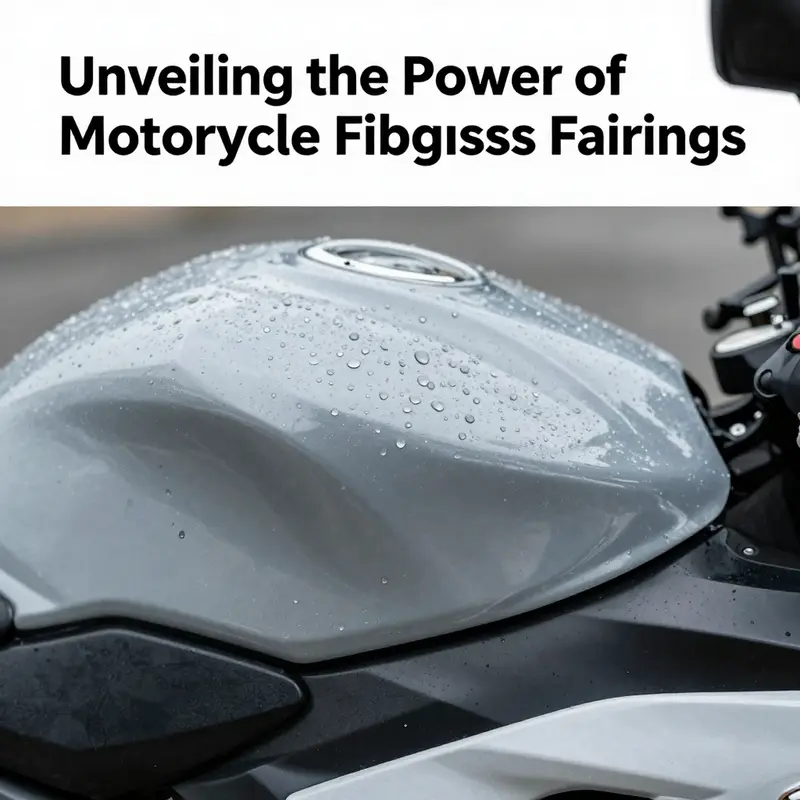
Fiberglass motorcycle fairings occupy a unique space in the bay of performance and practicality. They are not merely decorative shells; they are engineered bodywork that must survive the full spectrum of riding conditions. The core of their durability lies in the material itself—fiberglass combined with a resilient resin to form a composite that is both stiff and forgiving. This combination is designed to absorb impact energy, resist the gradual effects of weather, and hold its shape at speed, where even minor deformations can influence aerodynamics and handling. The broader appeal of fiberglass fairings rests on a balance: high stiffness to support aerodynamic shaping, enough toughness to withstand road debris, and a lightweight profile that contributes to overall performance. In racing, where every gram matters and wind tunnel realities dictate form, fiberglass can be a decisive advantage. For the broader riding community, it offers a practical route to performance that is accessible and maintainable, a quality that matters when riders push a bike beyond ordinary daily use.
At the heart of fiberglass durability is the way the material handles energy. Glass fibers embedded in a polymer resin create a lattice that can bend and absorb shocks without snapping. This energy absorption is what protects the underlying chassis and engine casings from minor impacts that occur with brushes against guardrails, curbs, or gravel at the edge of a corner. It is not a guarantee against all damage—sharp, concentrated blows can still fracture fiberglass—but it does raise the threshold at which damage becomes a risk and reduces the likelihood of catastrophic failure in common riding scenarios. That resilience is particularly valuable when riders commute in variable weather, where a fairing must contend with little stones flung up from the road, sudden gusts that press against the bike, and the constant assault of heat and moisture that can degrade other materials over time.
Weather resistance is another pillar of fiberglass durability. The composite system is inherently resistant to UV radiation, a critical factor for riders who spend long hours under sun exposure. UV protective additives in the resin matrix help prevent color fading and the embrittlement that can accompany long-term sun exposure. Over seasons, a fairing designed with UV stability in mind maintains its appearance and its structural integrity, which is essential for preserving aerodynamic performance. This is complemented by environmental resilience: fiberglass resists moisture ingress better than some plastics, reducing the risk of swelling, warping, or rust that can plague metal components in wet climates. Even in snow or heavy rain, the material tends to dry without leaving behind the corrosion concerns that metal components face, and it does not degrade from moisture alone in the way some unreinforced plastics might. The result is a weather profile that supports consistent performance across a rider’s daily routes and seasonal cycling rather than a single track-focused window.
One of the strongest practical signals of durability is how these fairings handle temperature swings. Rapid heating from sun exposure and sudden cooling from shade or night air can stress polymer matrices. Fiberglass composites with well-chosen resins and proper curing exhibit a measure of thermal stability that helps preserve mechanical properties in real-world riding. The surface finish adds another protective layer: a gel coat or paint finish can provide moisture sealing and chemical resistance, shielding the underlying fibers from contaminants found on highways, such as oil, fuel, or cleaning solvents. This protective layer also contributes to the long-term appearance of the bike, which matters to riders who value a vehicle that looks as good as it performs. A glossy, well-sealed surface can deter micro-cracks and minor abrasions from widening into more visible faults, maintaining an aerodynamic profile that remains clean and efficient.
Beyond material science, the practical design of fiberglass fairings supports durability through modular design and thoughtful installation. Many fiberglass pieces are designed for straightforward mounting, with fewer custom fabrication steps needed than some traditional materials require. A modular approach means components can be replaced or upgraded without reworking large sections of the chassis, reducing downtime and the risk of misalignment that can create drag or buffeting. In everyday terms, this translates to a rider who can swap a damaged panel after a low-speed mishap or weather-related impact and return to the road with minimal fuss. The ease of maintenance and repair aligns with the broader ethos of riding: reliability and predictability help riders stay focused on the road rather than the next wrench turn.
The aesthetic dimension of durability also deserves mention. A robust surface finish does more than please the eye; it serves as a barrier against environmental assault. A well-applied gel coat or paint layer protects the fibers from moisture and chemicals, while also enabling riders to customize the look of their bike. A smooth, glossy finish can shed water more effectively, reducing the chance of water infiltration at seams during heavy rain. Decal adhesion stays strong longer, preserving the visual integrity of the design without compromising the structural bond between skin and core. This is not just about looks; the finish is part of a protective system that ensures the fairing maintains its intended aerodynamic shape for the rider’s comfort and control.
In discussing durability, it is important to acknowledge the limits of fiberglass. Like any engineered material used in high-speed, high-stress environments, it is susceptible to certain failure modes. Sharp, concentrated impacts can crack the surface or initiate a crack that propagates under load. Misalignment or improper mounting can create stress concentrations that gradually wear at the bond lines. These realities emphasize the ongoing importance of proper installation, inspection, and periodic maintenance. A well-fitted fairing remains more than a mere cosmetic shell; it becomes a protective layer that supports the integrity of the motorcycle’s frame, drivetrain, and rider comfort. Maintenance routines—washing, inspecting for small cracks or chips, and ensuring fasteners are secure—are not optional niceties but essential habits that extend the life of the entire bodywork system.
From an economic perspective, durability translates into value over time. While fiberglass may require attention to finish and occasional repairs, the overall life cycle cost can be favorable when compared with alternatives that may demand more frequent replacement or higher maintenance overhead. Lightweight yet rigid, fiberglass fairings contribute to a bike’s balance of performance and efficiency without imposing heavy penalties on fuel economy or handling. The material’s versatility also supports a wide range of riding styles, from aggressive sport setups to more relaxed, touring-oriented configurations. The net effect is a protective, performance-enhancing shell that remains capable of lending stability and confidence across shifting weather and road conditions.
For riders seeking a concrete sense of how durability translates into real-world experience, it helps to look at how these parts interact with the bike as a system. A fairing that resists UV fading and moisture-related degradation helps preserve the edge of the wind tunnel–reproduced aerodynamics, keeping the rider shielded from buffeting and noise. This is especially meaningful for those who ride in variable climates where a fairing might encounter hot sun one day and heavy rain the next. The combination of energy-absorbing fibers, protective outer layers, and a design that emphasizes precise fit creates a balanced, predictable response at speed. Even as wind pressure shifts with lane positions and body posture, the rider can rely on a consistent aerodynamic envelope, which in turn reduces fatigue and enhances control over longer sessions or test runs.
To connect this discussion with practical buying decisions and rider education, consider how a rider evaluates durability in a potential purchase. Look for a fiberglass fairing built with a proven resin system and a curing process that minimizes voids and microcracks. Inspect the finish for uniformity and the absence of delamination at seams. Consider whether the piece offers a simple, modular mounting approach that reduces the risk of misalignment. These cues, while subtle, reveal a real-world commitment to durability and weather resistance. And for riders exploring how these attributes vary across different lines and categories, the following resource can provide a broader sense of how manufacturers structure compatibility and finish across designs. Honda fairings offer a representative window into modular, durable options that balance performance with accessibility for maintenance and upgrades.
Finally, for those who want to explore the broader market and assess options from a global supply perspective, it is useful to consult comprehensive listings and supplier networks. The durability story remains consistent: fiberglass fairings are designed to endure a range of climates and stresses while preserving the rider’s confidence and the bike’s aerodynamic intent. The path from raw composite to finished, weather-ready shell involves careful material choice, proper resin cure, protective finishes, and thoughtful design that emphasizes support for both track and street use. This is what makes fiberglass fairings a compelling choice for riders who value a dependable, lightweight, and adaptable bodywork solution. They embody a pragmatic philosophy: high performance does not require sacrificing resilience, and long days on the road or the race course do not demand compromising weather protection or aesthetic appeal.
External resource for further reading on market offerings and material-focused durability insights can be found here: https://www.alibaba.com/product-detail/100-100-CBR600RR-2005-2006-Fiberglass_1601947899273.html
null
null
Between Frame and Finish: Installation, Fit, and Personalization of Fiberglass Motorcycle Fairings
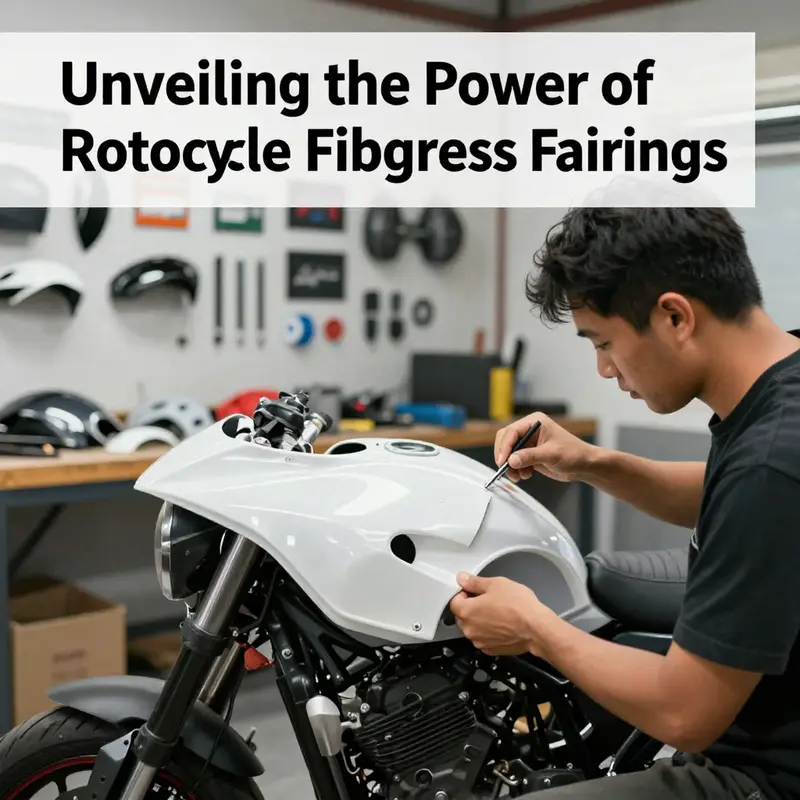
Fiberglass motorcycle fairings sit at a precise crossroads between performance, durability, and personal expression. They are built from glass fibers embedded in a resin, a combination that yields a stiff yet lightweight shell. This balance matters on the road and on the track, where every gram matters and where clean lines can reinforce a rider’s control at speed. Compared with heavier metals or plastics, fiberglass keeps the mass down, which translates into quicker acceleration, more immediate handling, and better fuel efficiency during long rides. But the real magic happens when this material meets a rider’s vision: the ability to shape, finish, and swap panels in ways that preserve the core integrity of the bike while letting the rider sculpt the bike’s profile for a particular purpose, whether aggressive track stance or a refined street stance.
Installation is the practical heart of this approach. Modern fiberglass kits are designed for modular assembly. They typically align with the bike’s existing mounting points and use brackets or quick-release fasteners that minimize the need for welding or DIY fabrication. A well-designed kit aims to be almost plug-and-play: pre-drilled holes, compatible standoffs, and a fit that reduces the amount of trimming required. The result is a relatively quick path from unboxing to a sealed, aerodynamic form that respects clearance with engine components, suspension, and radiators. Because the panels are discrete elements, a rider can tailor their setup piece by piece, swapping a side panel for a lighter option or swapping a front fender to update the bike’s front silhouette without tearing the entire bodywork apart. Yet this ease does not mean you can ignore alignment. Careful mounting, even torque, and a thorough check of gaps around every joint are essential for a clean look and solid protection.
On the finish side, fiberglass offers a broad canvas. The surface can be treated with a clear gel coat that delivers a glassy, high-shine finish, or it can be finished in matte to subdue reflections and emphasize a stealthy aesthetic. Carbon-fiber textures can be simulated with a textured gel coat or paint, giving the appearance of advanced composites without the cost. Color is flexible too: you can go deep, metallic, or bright to match a rider’s helmet, gear, or overall color story. The modular layout invites experimentation: you can mix and match front and rear sections, swap a windscreen style, or adjust the lower panels to alter the bike’s airflow. If a rider wants graphic accents, decals, or custom artwork, fiberglass accepts most automotive-grade paints and clear coats well, making it practical to pursue a truly unique look.
From a performance standpoint, the panel design and finish influence more than aesthetics. The stiffness of the panels helps shape the flow of air around the engine and rider, reducing drag and wind buffeting at speed. This is especially relevant when the rider sits deeper into the bike or carries additional aerodynamics in fast corners. The improved aerodynamic profile can translate into steadier handling and a quieter ride, particularly at highway speeds where wind noise can sap comfort over hours in the saddle. The weight savings also matter for acceleration and braking feel, as every extra kilogram removed from the bodywork is a small, tangible asset for the rider. In practice, you notice the difference in the way the machine responds to input, how swiftly it leans into corners, and how stable it feels while you’re pushing into high-speed sections or sustaining long, hot sessions on a track.
Durability and care are important to maximize the value of fiberglass fairings. They are designed to resist weathering, UV damage, and minor impacts, but they can crack under sharp, concentrated loads or hard impacts, especially if they are battered in a stone strike at high speed. Because of that, many riders emphasize careful handling during installation and routine inspection after rides. The gel coat or paint surface acts as the first line of defense, protecting resin-rich layers underneath from moisture and sun. Regular cleaning with gentle products and waxes helps maintain gloss and color depth, while a quick cosmetic repair can restore a damaged patch without replacing the whole panel. If you do need to repair, repairing methods exist that blend resin, patch materials, and refinishing techniques to preserve the original shape and strength. Because fiberglass is repairable, the rider can refresh a set of panels rather than replacing entire sections, a factor that aligns with the DIY ethos at the heart of many fiberglass builds.
Potential buyers often balance two realities when choosing fiberglass: fitment accuracy and long-term maintenance. Some models come with factory-tailored designs that fit the bike with minimal gaps and a look that mirrors factory aesthetics. In those cases, the installation experience resembles the assembly of a carefully designed enclosure, where the rider simply aligns the primary panels, secures them with the provided hardware, and then checks gaps and lines to confirm everything sits flush. Other setups are more universal and require a patient eye for alignment, some minor trimming, and perhaps a touch of patience when separating the panels to thread wiring or route hoses without pinching. Either way, the goal remains the same: a clean, unified shape that preserves access to service points and preserves sealing around joints to keep weather out. For those seeking a guided path toward a particular aesthetic, a model-specific category can be a helpful map, offering curated options that maintain the bike’s geometry while enabling precise, repeatable fitment.
The culture around fiberglass fairings also supports a pragmatic, hands-on approach to improvement. Builders favor the modular approach because it fosters experimentation without committing to one large, irreversible change. If performance or weather concerns dictate a different wind profile, you can swap out a panel or alter the angle of the windscreen to tune the line. If you want a more aggressive stance, you might select sharper fairing lines or a lower front profile; for touring, you might opt for smoother lines and larger under-panel protection. The same modular mindset enables color experiments or graphic updates without replacing the entire bodywork, which keeps the project moving forward instead of stalling at the point of a single, definitive design decision. The result is a bike that feels like it has grown with the rider, rather than a static sculpture fixed in time.
As you navigate from concept to installation, remember that the value of fiberglass lies not just in its lightness or its look, but in how those properties interact with your riding goals. For some, the priority is a precise, race-ready silhouette that slices through air with minimal drag. For others, the priority is a personalized, expressive machine whose lines tell a story about the rider. In either case, the transition from bare frame to finished fairing is a journey of measurement, alignment, and care. The right kit, carefully mounted and finished to the rider’s taste, becomes a cooperative system where the bike’s performance meets the rider’s intention. And because the panels are generally designed to be replaced or upgraded as the rider’s sense of speed and style evolves, the path from one look to the next can be walked without abandoning the core motorcycle beneath.
For riders seeking a model-specific pathway to optimal fit and design language, exploring a dedicated Honda fairings category can help visualize how a particular sculpted line integrates with the bike’s frame and substructures. Honda fairings.
To illustrate the practical side of the material’s performance and the feasibility of model-focused kits, consider a supplier listing that demonstrates how a fiberglass race fairing kit can deliver a precise fit with light weight. https://www.alibaba.com/product-detail/T-M-RACING-Motorcycle-Fiberglass-Race-Fairing_1600798144782.html?spm=a2700.details.related.5.7f1a5d71kRiWtE
Riding the Market: Global Trends, Manufacturing Hubs, and the Economic Pulse of Fiberglass Motorcycle Fairings
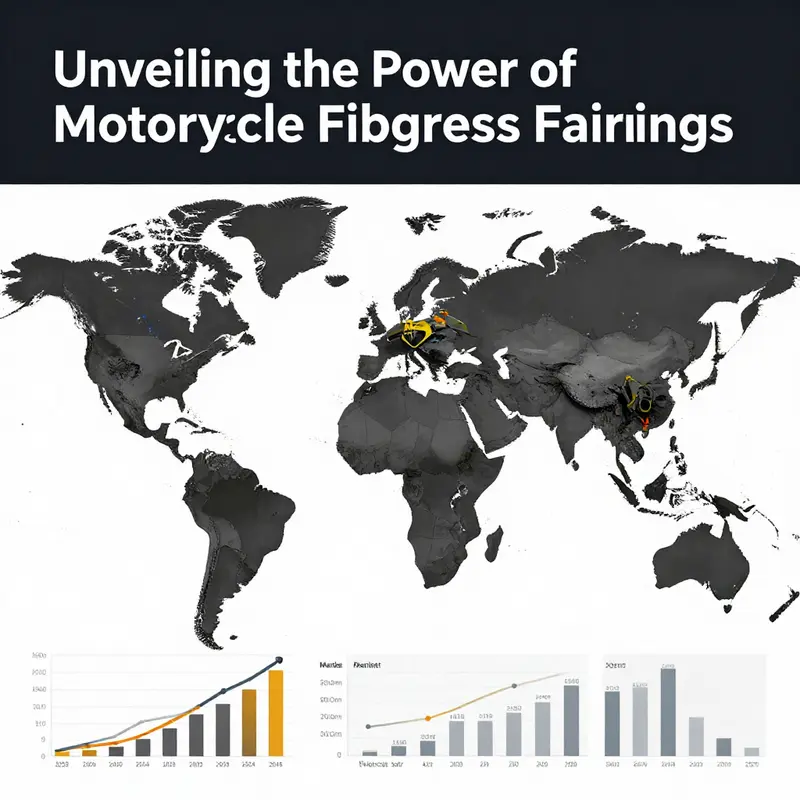
The market for fiberglass motorcycle fairings has moved from a niche component list to a central driver of performance, efficiency, and style on a global scale. What began as a materials play—glass fibers embedded in resin to deliver a balance of stiffness and weight—has evolved into a complex ecosystem where aerodynamics, durability, and supply chains converge to shape riding experiences. The trajectory is clear: demand is accelerating, not just for race-grade components but for aftermarket parts that blend precision engineering with accessible customization. This momentum is measured in more than sales figures; it is reflected in the way riders, builders, and manufacturers think about performance at every speed and under every weather condition. The market’s health is evident in the projected compound annual growth rate of about 7.5 percent from 2024 to 2033, a rise that could push the global fairing market from roughly 1.5 billion USD to around 2.5 billion USD within the decade. This expansion is not a mere arithmetic outcome; it signals a shift in priorities. Aerodynamics, fuel efficiency, rider comfort, and the ability to tailor a bike’s silhouette without sacrificing structural integrity are all pulling buyers toward fiberglass as a preferred composite option. In this context, the fairing becomes both a performance device and a canvas for personal expression, allowing every rider to tune the balance between speed and aesthetics without breaking the bank. And that balance matters more now than ever, as riders in diverse markets seek efficiency gains alongside unique visual identities that differentiate their machines in crowded streets and on crowded tracks alike.
A key dimension of this market is the continued push toward lightweight, high-strength materials that maintain stiffness under load while enabling aggressive shaping. Fiberglass sits comfortably between the extremes of metal and carbon fiber, offering a compelling value proposition: robust rigidity and excellent formability at a more accessible cost. While carbon fiber has carved out a premium niche for ultra-light, high-stiffness builds, fiberglass remains the workhorse of the mass and mid-range segments. The economics of fiberglass enable manufacturers to deliver durable, UV-resistant finishes at volumes and price points that support both OEM programs and wide aftermarket ecosystems. Finishes such as gel coat or paint not only protect the laminate from the elements but also unlock a glossy, highly fashionable surface that can be tuned to reflect anything from minimalist street style to bold, race-inspired graphics. The result is a broader market reach, where more riders can benefit from the performance advantages of streamlined bodywork while still pursuing personal style.
From the perspective of product architecture, the trend toward modularity and ease of installation has helped widen the pool of potential buyers. Modern fiberglass fairings are designed with interlocking mounting points, standardized fasteners, and compatible hardware that reduce installation time and the need for specialized tools. In practice, this translates to a more accessible DIY experience for hobbyists and a faster turnaround for shop builds alike. The growing emphasis on fit and finish—where a fairing harmonizes with the bike’s lines and the rider’s expectations—also aligns with consumer demand for longevity and value. For riders seeking model-specific fitment or close factory-geometry replication, certain online catalogs and category pages illustrate how fairings are engineered to align with particular bike lines, providing a practical map for matching parts to chassis. In the broader ecosystem of design and procurement, a visible facet of this alignment is the attention paid to aerodynamic performance at varying speeds, where even small shaping refinements can yield meaningful gains in wind resistance, stability, and rider comfort.
Geographically, the manufacturing narrative is heavily centered in Asia, with China standing as the dominant hub for production. Within China, regional strengths shape what suppliers can deliver and how quickly they can scale. Guangdong leads in high-volume output and export logistics, a capability that feeds the global demand for affordable, durable fairings in large quantities. Zhejiang prioritizes precision-engineered components and reinforced materials, a capability that matters for parts that must endure repeated mounting cycles and the stress of aggressive riding. Fujian offers cost-effective solutions for standardized designs, ensuring that basic configurations remain accessible to a broad base of riders who value consistency and quick availability. Together, these regional strengths support a resilient supply chain that balances price, speed, and quality. For buyers and procurement managers, this geographic distribution underscores the importance of evaluating suppliers not only by price but also by their ability to scale, maintain consistency, and respond to shifting demand patterns as markets broaden or contract.
In tandem with these manufacturing dynamics, demand trends reflect a widening spectrum of riders. The aftermarket segment, in particular, has benefited from a revival of interest in custom and retro-styled machines, where fiberglass fairings offer the dual advantages of shape control and cost efficiency. The aerodynamic benefits, coupled with the possibility of distinctive graphics, allow builders to realize striking visual statements without incurring the premium costs associated with alternative composites. This democratization of performance and aesthetics has helped drive North American and European markets to embrace fiberglass as a versatile solution that can be tailored to individual riding philosophies—from track-ready setups to street-ready showpieces. Within this evolving landscape, the role of the fairing as a protective shield against wind, debris, and weather remains constant, even as its contribution to engine quieting and reduced wind buffeting becomes an increasingly valued feature for comfort on long rides and in high-speed sections.
As environmental considerations tighten and consumer expectations rise, manufacturers are investing in sustainable production methods and UV-resistant coatings that extend life expectancy and reduce maintenance costs. The emphasis on durability matters, not only for performance longevity but for total cost of ownership over a bike’s lifecycle. UV-resistant finishes shield the laminate from sun exposure, maintaining color fidelity and surface integrity even after years of exposure to the elements. Such durability supports long-term performance while also contributing to a lower environmental footprint by reducing the frequency of replacement parts and the associated waste. In practice, these coatings and finishes become part of a larger system that includes the resin matrix, fiber layup, and protective outer layers, all working in concert to preserve stiffness, aerodynamics, and appearance through varying riding conditions.
A practical implication of this market structure is how buyers source components and manage risk. With demand emanating from both OEM programs and a vibrant aftermarket, procurement teams are increasingly focused on quality assurance, compliance with regional regulations, production capacity, and ongoing innovation. The emphasis on quality and consistency means suppliers are evaluated not only on their ability to deliver parts that fit and perform, but also on their commitment to sustainable practices and their track record for on-time delivery. The combination of regional specialization, scale, and a push toward durable, low-maintenance finishes helps explain why fiberglass fairings have maintained broad appeal across diverse markets and riding disciplines.
For riders who want to explore a model-specific vantage while staying attuned to the broader market, there are clear pathways to explore. A dedicated category page that presents model-aligned fairings demonstrates how fitment, geometry, and aesthetics converge with performance engineering. For those interested in brand-aligned options that reflect traditional and contemporary design cues, the Honda fairings category provides a practical reference point for how design language travels from concept to production-ready bodywork, illustrating how modular components can be integrated without compromising integrity or style.
Looking ahead, the market is likely to continue expanding as new materials, synthetic resins, and infusion technologies enhance the performance envelope of fiberglass fairings. Integrating computational fluid dynamics and wind-tunnel validation into the design process helps ensure that aero gains translate into real-world benefits, from improved high-speed stability to reduced fatigue for riders on long days or brutal track sessions. The global nature of sourcing—dominated by a few specialized hubs with complementary strengths—will require ongoing collaboration among designers, manufacturers, and distributors to sustain quality while pushing down costs. In this environment, the fiberglass fairing remains more than a shell. It is a performance envelope and a design statement, a durable shield that lifts efficiency and precision while allowing riders to express their individuality through color, texture, and form. As the industry navigates regulatory expectations and evolving consumer tastes, the path forward looks like a straight, fast line toward smarter materials, smarter manufacturing, and smarter riding. External resource for deeper market forecasting: https://www.marketresearchfuture.com/reports/motorcycle-fairing-market-2978.
Final thoughts
In summary, motorcycle fiberglass fairings offer a unique blend of performance, durability, and customization that appeals to both racers and motorcycle enthusiasts. Their ability to withstand harsh conditions while enhancing the motorcycle’s appearance is a testament to their manufacturing quality. As business owners, understanding the advantages and market dynamics surrounding fiberglass fairings can provide opportunities for growth and differentiation in this competitive sector. By leveraging insights on performance, durability, and market trends, you can position your business to succeed and meet the evolving demands of motorcycle riders worldwide.