
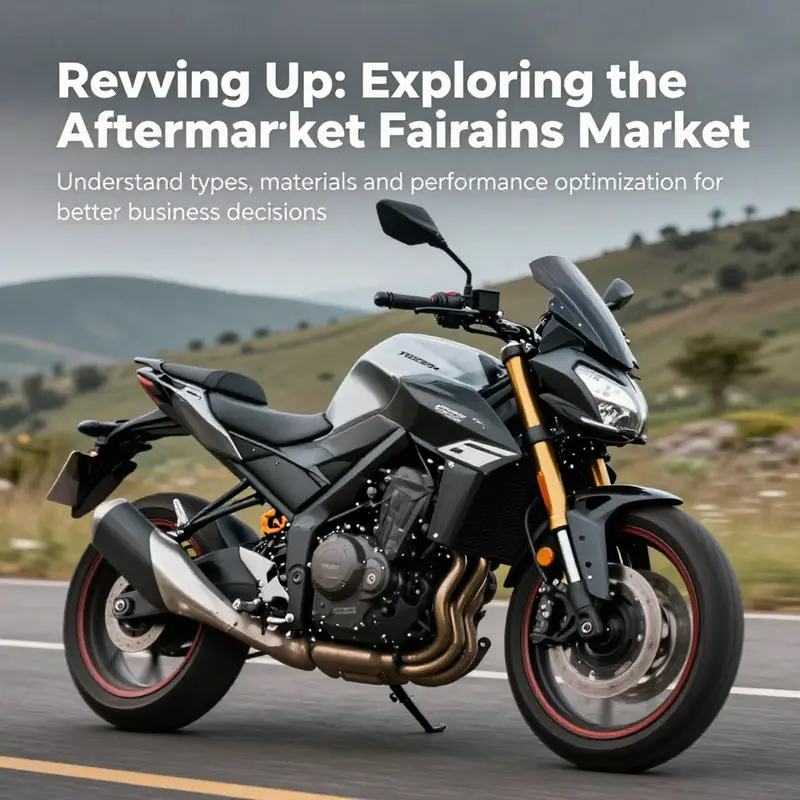
Motorcycle fairings play a crucial role in enhancing not only the aesthetics of bikes but also their aerodynamics and functionality. The aftermarket fairings market has gained significant traction among riders who seek quality and affordability beyond original equipment manufacturer (OEM) options. In this comprehensive discussion, we delve into three key aspects: the diverse types of motorcycle fairings available in the aftermarket, the material considerations that affect their performance, and how these fairings can be optimized for superior performance. Each chapter builds upon the last, providing business owners with insights that can inform purchasing decisions for improved product offerings.
Types Reimagined: How Aftermarket Motorcycle Fairings Shape Form, Function, and Riding Experience
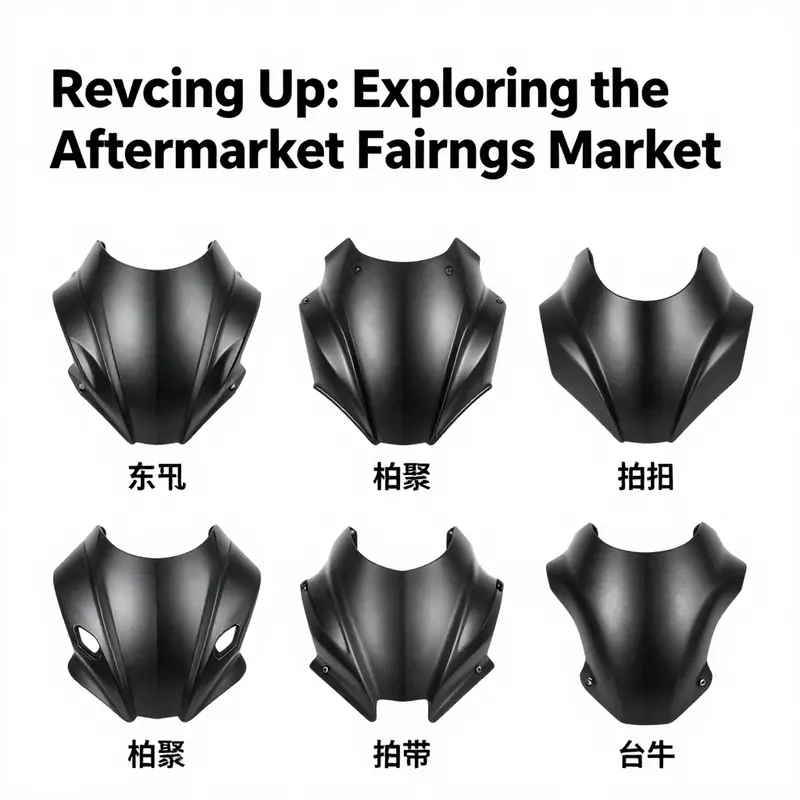
Riders often think of aftermarket fairings as a cosmetic upgrade or a weekend project to customize color and lines. In truth, they sit at a crossroads of aerodynamics, protection, accessibility, and identity. The aftermarket landscape has evolved beyond a single “one-size-fits-all” shell. It now offers a spectrum of fairing types that can transform how a bike slices through air, how a rider feels at speed, and how easy maintenance is between seasons. The journey through these options isn’t merely about choosing a style; it’s about understanding how each shape interacts with a bike’s chassis, engine heat, rider posture, and the wind that greets the rider at four digits of speed. In this sense, the chapter moves beyond a catalog of silhouettes and into a conversation about how form is tuned to fit function, and how function, in turn, reveals a rider’s preferences and routine riding conditions.
The most recognizable category in the aftermarket is the full fairing. It is the silhouette that instantly conjures high-performance and weather sealing. Full fairings enclose the front portion of the bike from the headlamp area to the sides and, in many cases, extend toward the rear, forming a continuous shell that smooths the airflow around the rider and the engine. This design has a clear logic: when airflow is consolidated into a streamlined surface, there is a direct gain in aerodynamic efficiency. The rider experiences a more predictable wind pressure, reduced buffeting at higher speeds, and the potential for improved fuel economy on long rides, where wind resistance compounds with every mile. But full fairings are more than streamlining devices. They create a cocoon that shields the rider from rain, road spray, and debris, which matters not just for comfort but for safety and component longevity. A well-fitted full fairing channels heat away from the engine bay and provides a mounting framework for instruments and auxiliary accessories. The price of that protection and polish is often weight and complexity; a full kit can be heavier and require careful alignment to avoid gaps that invite water ingress or wind noise. Yet, for sport-touring riders and high-performance machines, the benefits of a complete shell—the stability at speed, the clean aesthetic, and the protection of vital components—often outweigh the added material costs.
If the rider envisions a more liberated riding stance without abandoning wind protection, half fairings offer a different balance. They cover the upper regions of the bike—from handlebars to roughly the midsection—creating a bridge between a naked bike’s openness and a fully enclosed sport setup. The upper portion of the fairing can shield the torso and arms from wind shear, reducing fatigue on longer rides and keeping the instrument cluster dry and readable under varying weather conditions. At the same time, the lower engine and frame remain exposed, which makes maintenance easier and keeps the machine feeling lighter to the rider’s touch. The half fairing is a kind of hybrid philosophy in the aftermarket world: it preserves the visceral connection to the machine that many riders crave, while still delivering some aerodynamic and weather-shield benefits. It is especially popular in genres that value a blend of sport aesthetics and practical access, such as street-focused builds and aggressive naked-bike conversions where visibility of the mechanical heart remains part of the visual language.
For the minimalists who crave agility and quick serviceability, the quarter fairing—often described as a front fairing—provides the lightest, most incremental aerodynamic tweak. The objective here is not weather protection or total rider shielding but a refined, subtle lift in airflow smoothness around the front wheel and rider’s line of sight. This type can be appealing to riders who want a lean, understated look that still nods to aerodynamics and a contemporary sport-bike silhouette. Quarter fairings are a doorway to customization without the commitment or cost of full shells, and they can be a practical stepping stone toward a more elaborate build if a rider later decides to scale up toward a split or full configuration.
Among the more flexible and increasingly popular choices are split fairings, sometimes called dual fairings. These come as two separate front and rear sections, allowing greater latitude in design and personalization. The front module can deliver wind protection and a sculpted face that aligns with the bike’s existing lines, while the rear module can be swapped or tweaked without touching the front. This separation opens a world of customization: one rider might favor a stark, race-inspired front end with a brightly colored rear panel for a contrasting statement. The ability to alter the look without a full repaint or a complete replacement is a practical appeal for enthusiasts who enjoy experimenting with aesthetics as they chase a unique identity. Split fairings underscore a broader trend in aftermarket culture—the move toward modularity. They acknowledge that riders increasingly treat a bike as evolving art, not a fixed sculpture, and they reflect an understanding that style and function can be uncoupled to a meaningful degree.
A relatively new but increasingly visible addition to the aftermarket toolkit is the concept of winglets. While not a fairing type in the strictest sense, winglets are aerodynamic appendages mounted to existing fairings to influence downforce and stability at high speeds. The idea behind winglets is straightforward: redirect airflow to reduce turbulent wake and to improve high-speed handling. For riders who clock long miles on fast routes or track days, winglets can provide a sense of added control, especially in crosswinds or gusty conditions. They are a reminder that the aftermarket is not simply about enclosing the rider in a bubble but about engineering small but meaningful aerodynamic refinements. The inclusion of winglets demonstrates how the aftermarket can blend traditional fairing design with modern understanding of airflow, creating a toolkit that supports both performance goals and personal style.
Threading through these categories is the unifying purpose of aftermarket fairings: to optimize the relationship between rider, machine, and environment. Material choice lies at the heart of that optimization. ABS plastic remains a common baseline for aftermarket kits due to its balance of toughness, impact resistance, and affordability. ABS can be reinforced, painted to match a bike’s palette, and tuned for flexibility. Fiberglass offers a different proposition: it can be molded into more complex shapes with less expense than carbon fiber, though it tends to be heavier and sometimes more brittle under impact. Composite materials, including carbon fiber-reinforced variants and advanced blends, push the envelope on stiffness and weight, often delivering a performance edge at a higher price point. Each material interacts with other design factors—heat management, weather sealing, mounting hardware, and finish durability—in distinct ways. For riders contemplating a purchase, the material choice becomes as important as the silhouette. A high-performance build might justify carbon fiber’s premium, whereas a commuter who parks outdoors might prioritize weather resistance and simple upkeep that a robust ABS kit can offer.
Fitment is another critical element that threads through every type. The aftermarket world operates on a spectrum from universal-looking panels to model-specific pieces designed to align with precise mounting points and contours. The value of correct fitment stretches beyond cosmetic alignment. Properly fitted panels prevent wind gaps that create turbulence and wind noise. They also reduce the risk of vibration-induced wear at the mounting points, which can escalate into cracked seams or loose hardware over time. For riders, this means vigilance at the point of purchase: verify fitment against the bike’s make and model, check for compatibility with existing components such as headlights, gauges, and mirrors, and confirm that the kit includes the necessary mounting brackets, fasteners, and sealants. The reality is that even a well-made aftermarket kit may require minor adjustments to accommodate a specific bike or riding preference. A measured approach—checking alignment, ensuring weather seals, and evaluating the seal between fairing edges and the tank—can save time and frustration later on.
The choice among fairing types is inseparable from the riding style and the conditions the rider faces most often. A sport-bike enthusiast who spends weekends at tri-oval tracks might lean toward a full fairing for maximum drag reduction and a locked-in ride feel. A rider who commutes through varied weather may prioritize a half fairing for a balance of airflow and easier access to maintenance tasks. A weekend project aimed at creating a custom streetfighter look might opt for a split configuration to savor the expressive potential of color blocking or graphic detailing. The quarter fairing finds favor for those who crave a lean, nimble look that can be updated with a bold accent stripe or a high-contrast colorway. The winglet route, meanwhile, attracts riders who value nuanced stability at the edge of performance and who want to experiment with micro-adjustments in handling rather than overhaul the entire aerodynamic surface.
The economics of aftermarket fairings are rarely straightforward. Price is a function of the type, the material, the complexity of the mold, and the level of finish. Full fairings with composite materials and integrated sculpting commands higher prices than basic ABS shells. Yet the cost equation is not only about the sticker price. The total cost of ownership includes installation labor or the time a DIY installer spends aligning panels, sealing corners, and ensuring that the finished surface accepts paint evenly and adheres to the base coat without cracking or peeling. Maintenance considerations also enter the calculus. Weather exposure can test the resilience of painted surfaces and standoffs. UV exposure can fade graphics, and heat exposure can trigger warping in certain plastics if appropriate UV stabilizers or heat shields aren’t included. These realities push buyers to consider not just the initial outlay but the durability and long-term value of the kit in relation to their parking environment, climate, and riding frequency.
The narrative of aftermarket fairings also intersects with the broader ecosystem of fitment data and technical literature. Engineers and designers who study motorbike aerodynamics emphasize how fairings influence drag coefficients, lift, and the distribution of pressure on the rider’s body. They also examine the interplay between fairing materials and heat shielding, particularly around engine bays that radiate heat toward the rider and to electronic components. In this context, the material selection isn’t merely a weight-saving or cost-cutting choice; it becomes a design decision with real implications for thermal management and rider comfort. Resources in technical journals and industry publications offer deeper insights into how different composites manage heat, how air gaps and venting contribute to cooling, and how fairing geometry can mitigate or intensify engine heat exposure at different speeds and angles of attack. A useful reference point for those who want to explore these engineering dimensions further is an external overview that synthesizes structure, material properties, and industrial uses of motorcycle fairings, including their role in thermal management. This bridge between aesthetics, performance, and engineering helps explain why certain shapes and materials persist across generations of bikes and why the aftermarket remains the arena where form and function meet practical constraints.
The practical workflow of selecting a fairing type begins with honest assessment: what is my riding reality, and what gaps do I want this kit to fill? If weather protection and track-ready aerodynamics are top priorities, the full fairing often delivers the most straightforward path toward those goals. If the rider values maintaining a connection to the bike’s mechanical heart or wants to preserve easy access to the engine and electronics, a half or quarter fairing might be the more prudent choice. For riders who want to push the envelope of personalization, split fairings unlock a modular approach—front and rear sections can be refreshed or redesigned as tastes evolve, without replacing the entire shell. The winglet option speaks to those who see riding as continuous experimentation—an ongoing conversation with the wind about what the bike can do at speed, in crosswinds, and on long highways.
To understand how these choices translate into actual riding experience, it helps to visualize a day on the road that begins with a careful plan for aerodynamics and ends with a sense of protective cocoon and precise control. Imagine a rider selecting a full fairing for a sport-tourer. The wind becomes a measured, predictable force rather than a turbulent wall. The rider’s posture and the bike’s stance grow more stable as the fairing’s contours bend the air into a smooth stream around the rider’s shoulders and chest. Inside that shell, the rider perceives a quieter cockpit, with less wind buffeting that can cause fatigue and distraction over many hours. The engine remains shielded from the worst weather, and the radiator ducts or heat shields can be integrated into the design so that heat is managed as part of a holistic system rather than a byproduct of speed.
Now pivot to a half-fairing project on a naked-style bike. The open stance invites a sharper, more immediate feel of air against the arms and chest, a reminder of speed’s raw character. Yet the upper body still receives a degree of shelter. The rider benefits from reduced fatigue on longer rides without surrendering the tactile connection to the machine. The instrument cluster remains easily readable, and the absence of heavy lower panels can reduce weight and simplify maintenance. This setup invites customization: a front module that carries bold graphics while the rear module features subtle tones that harmonize with the bike’s exhaust note and frame color. The balance between exposure and coverage becomes a personal calibration of comfort, aesthetics, and practicality.
In the realm of split fairings, the narrative is even more modular. Front and rear sections can be redesigned to reflect seasonal moods or racing inspirations without committing to a single, monolithic look. A rider can alter the front’s silhouette for efficiency in hot conditions while swapping the rear’s colorway to reflect a new graphic theme. The result is dynamic, scalable, and highly personal. It is a reminder that motorcycles, like riders, evolve with time and experience, and aftermarket fairings provide the means to reflect that evolution in accessible, tangible forms.
A final note on commercial design language: the choice of material and finish has a direct aesthetic resonance. Carbon fiber variants convey a high-tech, performance-oriented vibe, even when the underlying bike is modest in its speed. ABS and fiberglass options tend to offer a broad canvas for paint and decals, letting riders scream their personality with bold color schemes or delicate, race-inspired livery. The gloss, the texture, and the tolerance for scuffs all contribute to the perceived value of the kit and to how the bike ages with the rider’s memory—a scratch here, a chip there, a story of a road trip or a weekend track day etched into the panels.
For readers who want a path into concrete choices without getting overwhelmed, a practical approach emerges from recognizing how to translate riding needs into a fairing type. If aerodynamics and weather protection dominate, lean toward full fairings. If you prize accessibility and a lighter footprint, consider half or quarter fairings. If you want flexibility and a platform for ongoing personalization, explore split fairings. If your curiosity tilts toward the outer edges of performance, winglets add a precision tool to your aerodynamic toolkit. And through it all, remain mindful of fitment verification, material behavior under heat and impact, and the reality that a kit is only as good as its installation and ongoing maintenance. In this sense, aftermarket fairings are less a single purchase and more a namespace for ongoing riding experimentation—an invitation to shape the machine around how you ride, where you ride, and why you ride at all.
For riders who want to explore brand-specific fitment as part of a broader search for aftermarket options, there is value in comparing how different brands present their fairings and how those shapes align with frame geometry, mounting points, and aesthetic language. For a closer look at a specific brand’s aftermarket options, you can explore the Yamaha fairings page to see how a manufacturer’s lines translate into compatible aftermarket panels and how those panels sit with the bike’s silhouette. This reference point helps illustrate the alignment between original design intent and aftermarket adaptation, reinforcing the idea that fairings are as much about geometry and fit as they are about color and texture.
As this chapter closes the loop on the spectrum of aftermarket fairing types, it becomes clear that the conversation is not about preserving a single tradition but about inventing new ones. The bikes we ride are canvases, and fairings are tools for painting not just a picture of speed but a narrative of how we ride. The choice of type—full, half, quarter, split, or winglet-enhanced—maps directly to how we engage the road: the routes we choose, the weather we tolerate, the weathering of paint, and the upgrades we deem worth the effort. The aftermarket becomes a personal engineering studio where riders balance cost with durability, aesthetics with maintenance, and personal taste with practical reality. It is a discipline that respects the bike’s original design language while inviting new forms of expression and performance that feel earned through riding rather than bought per se. The result is a deeper connection to the machine, a greater sense of control at speed, and a more deliberate relationship with the open road.
External resource for broader context on materials, structure, and thermal management in motorcycle fairings can be found at Engineering.com, which offers in-depth technical perspectives that complement the practical and aesthetic considerations discussed here: https://www.engineering.com
Internal reference for brand-specific aftermarket options can be useful for riders who want to see how a well-defined family of fairings maps onto particular bike geometries. For those curious about a brand-aligned catalog and fitment options, the Yamaha fairings category provides a practical touchstone for understanding how aftermarket panels can align with a familiar chassis language. See the Yamaha fairings page here: https://ultimatemotorx.net/product-category/yamaha-fairings/
Material Alchemy in Aftermarket Motorcycle Fairings: A Practical Guide
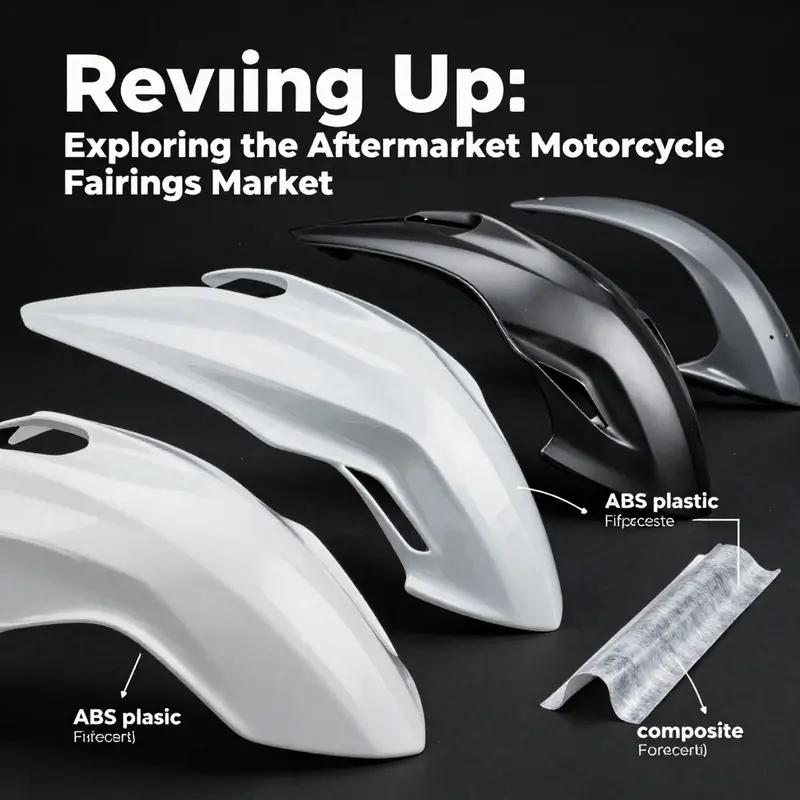
Material choice sits at the heart of aftermarket motorcycle fairings and drives the rider’s experience. Fairings are not just cosmetic shells; they affect aerodynamics, heat management, weight, and durability. The three dominant options—polycarbonate, ABS plastic, and fiberglass—each bring a distinct profile of impact resistance, rigidity, and finish quality. Polycarbonate offers high impact resistance and optical clarity but at higher cost and potential surface scratching without coatings. ABS provides formability and cost efficiency, making it ideal for full fairings and complex shapes, but UV exposure can cause discoloration over time. Fiberglass delivers stiffness and a premium finish with excellent strength-to-weight but requires careful finishing and repair; its resin systems can yellow if not properly cured. The chapter explores how these properties influence performance, maintenance, fitment, and the long-term value of an upgrade.
Maintenance considerations include UV protection, coatings, and climate effects. Polycarbonate and ABS benefit from UV inhibitors and clear coats; fiberglass ages with resin care and moisture considerations. Manufacturing pathways such as injection molding for ABS, thermoforming for polycarbonate and ABS, and layup for fiberglass affect surface finish and fit. Accurate fitment remains a key practical concern across materials, with ABS often offering forgiving mounting, polycarbonate demanding precision, and fiberglass requiring careful installation.
Ultimately the choice should balance durability, cost, and longevity in sun and weather. ABS is common for budget upgrades; polycarbonate suits visibility and high-impact protection; fiberglass serves track-ready or premium custom builds. The decision is personal and project-driven, with maintenance and care shaping long-term performance. External resources from manufacturers can deepen technical grounding but the core decision remains aligning material properties with riding climate, use, and willingness to invest in upkeep.
null
null
Final thoughts
The aftermarket motorcycle fairings market offers a wealth of opportunities for businesses aiming to meet the demands of bike enthusiasts. By understanding the types of fairings available, the important material considerations, and how to optimize performance, business owners can make informed decisions that not only meet rider needs but also strengthen their market position. As the demand for high-quality aftermarket parts grows, aligning offerings with rider preferences will be paramount for continued success.