
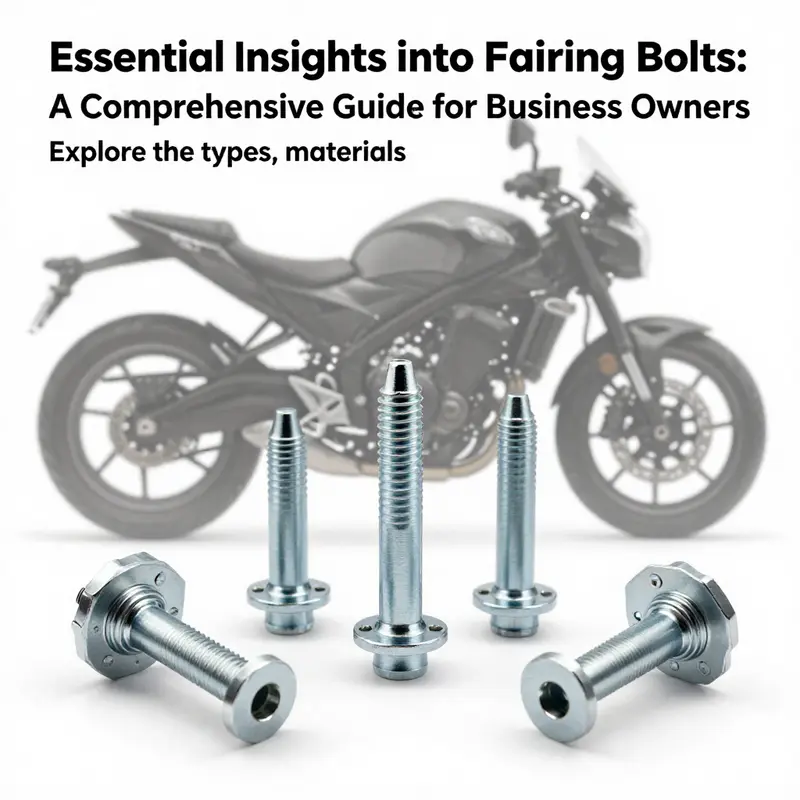
Motorcycle fairing bolts are crucial components that secure body panels to motorcycle frames, ensuring not only the aesthetic appeal of bikes but also their aerodynamic performance. Their importance extends beyond simple fasteners; they contribute to the safety and durability of the bike’s structure. This article serves as a thorough examination of motorcycle fairing bolts for business owners, detailing their various types and sizes, material choices, installation techniques, and the availability of OEM solutions. Each chapter is crafted to provide insights that can assist you in making informed purchasing decisions and enhance your product offerings.
null
null
Materials That Hold the Shell: Why Bolt Selection Matters for Motorcycle Fairings
The fasteners that anchor a motorcycle’s fairings are more than simple hardware. They are a quiet but critical line of defense between a rider’s safety, the bike’s aerodynamics, and the enduring aesthetics of a taillight-bright body. When you ride at highway speed, the fairings are not just cosmetic; they shape airflow, reduce drag, and shield the rider from heat and debris. The bolts that secure those panels must withstand relentless vibration, sudden torque, temperature swings, and exposure to grime, salt, and moisture. In short, material selection for motorcycle fairing bolts is not a luxury detail but a core design decision. The wrong choice can cascade into aerodynamic instability, rattling, panel flutter, or even complete panel detachment. The right choice supports reliability, reduces maintenance, and preserves the rider’s visibility and confidence on the road.
At the heart of material selection is an understanding of how a bolt behaves under real-world conditions. Fairing bolts live in a dual environment: they must be mechanically robust enough to resist shear and tensile loads while also resisting corrosion and surface wear. The mounting points on a bike encounter repeated starts and stops, shifting loads as the engine vibrates, winds buffeting the bodywork, and the rider’s own weight transferring through the frame during cornering and braking. Environment compounds the challenge. Road salt in winter, rain, humidity, and even the occasional muddy splash all test the integrity of fasteners. That is why manufacturers and serious DIY enthusiasts alike evaluate three main material attributes: mechanical strength, environmental resilience, and weight.
Mechanical strength governs whether a bolt can hold a panel securely through the life of the motorcycle. High-strength stainless steels, sometimes alongside aerospace-grade titanium, are favored precisely for their ability to resist deformation under load. In a fairing system, where bolts frequently seat into threaded inserts or fasten through composite or plastic panels, the interplay between the bolt’s core material and the surrounding substrate becomes crucial. A bolt with insufficient tensile or shear strength can yield or fail where a panel experiences a peak load—such as during a pothole strike or a high-wlick over uneven pavement. When a bolt deforms, the clamping force it delivers diminishes. Over time, panels begin to loosen, producing rattles that mask engine noise, degrade aerodynamics, and reduce rider confidence.
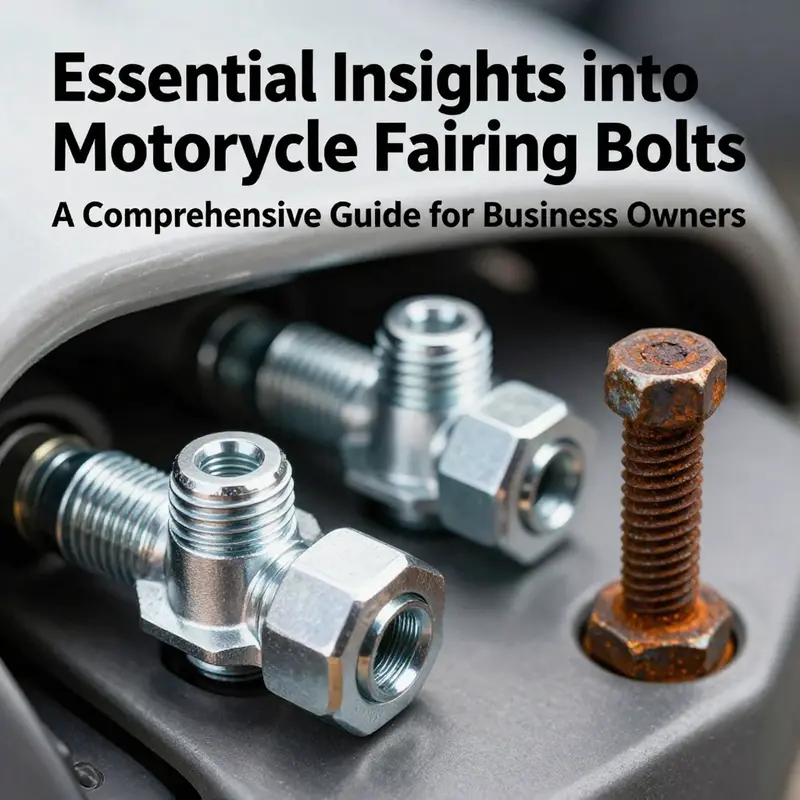
Corrosion resistance is the second pillar. Stainless steels, particularly the austenitic families such as 304 and 316, offer good corrosion resistance in many environments, including exposure to road salt and moisture. Yet corrosion is not a single-condition problem. Galvanic corrosion can occur when a stainless bolt sits in contact with a different metal or with certain coatings, particularly in the presence of moisture. Aluminum bolts can shave weight but are more prone to pitting and corrosion in aggressive environments if not properly treated or used with compatible hardware. Titanium bolts present an appealing balance: excellent corrosion resistance, very high strength-to-weight ratio, and the ability to maintain integrity under cyclical loading and wide temperature ranges. Titanium, however, comes with higher material costs and manufacturing challenges, which is why its use is typically targeted to critical sub-systems or performance builds rather than routine replacement.
Weight is more than a matter of bragging rights or a few extra grams saved on a scale. A lighter bolt mass translates into lower unsprung weight and reduced rotational inertia for the panels, subtly improving handling and response. In a fairing system, every gram counts when multiplied across multiple mounting points. Titanium bolts can trim weight compared with stainless steel while delivering equal or higher fatigue resistance, provided the design and threading are optimized for titanium’s characteristics. On the flip side, aluminum bolts can offer a lighter footprint and cost advantages, but care must be taken to select alloys and heat treatments that resist mechanical fatigue and environmental attack. The right weight proposition depends on how and where the bolt is deployed, as well as how the panel and its mating surfaces behave under vibration and temperature change.
Beyond the raw materials, the engineering circle that governs bolt selection includes the geometry, treatment, and protective measures applied to the fasteners. The M6 and M5 bolts commonly found in fairing assemblies are more than just standard sizes; they represent mounting points designed to carry a predictable portion of the total clamping load. When a bolt goes from a catalog drawing to a real bike, the thickness of the panel, the hardness of the substrate, and whether the panel uses a threaded insert or a well nut all guide material choice. If a plastic or composite panel relies on a threaded insert, the bolt must not only resist pull-out but also avoid damage when the panel is flexed by air load at speed. In many cases, well nuts or threaded inserts are employed to translate a metal bolt into a robust, vibration-tolerant threaded anchor in a softer panel material. The material selection for the bolt itself must harmonize with these opposing requirements rather than fight them.
An integrated approach to material choice also depends on how maintenance is expected to occur. Bolts that are difficult to reach or require special tools invite the temptation to use quick replacements or adhesive-based fixes, which can compromise the original design’s safety margins. When a bolt instance is expected to be replaced or upgraded during routine maintenance, the material choice should facilitate practical disassembly and reassembly without risking cross-threading, stripped bogs, or the accidental replacement of a bolt with incompatible dimensions. In that sense, the bolt kit often doubles as a small design system: a carefully tuned assortment of M6 and M5 fasteners, a few long and short lengths, a handful of washers to distribute load and avoid panel damage, and sometimes specialized retaining hardware like clips and inserts that ensure secure fitment across a range of fairing configurations.
Within this system, material selection must also account for the manufacturing realities of production and inventory. Stainless steel parts are widely available and economical, offering a broad compatibility range with common mounting hardware. Titanium, while lighter and stronger in many respects, imposes higher costs, longer lead times, and stricter quality control during production. For replacement parts, the availability of corrosion-resistant and fatigue-ready options in stainless steel often makes it the default choice, unless a bike or a kit demands the premium performance of titanium. Aluminum bolts can be attractive where weight savings are at a premium, provided the designer prioritizes corrosion resistance, edge rigidity, and compatible attachment hardware. All of these choices must be reconciled with the panel’s substrate, the expected service environment, and the rider’s willingness to maintain and inspect the fasteners regularly.
The authoritative backbone for these decisions lies in engineering standards that govern mechanical properties and performance expectations. SAE International offers guidelines that help engineers assess material behavior under real-world loading, thermal cycles, and corrosive environments. These guidelines serve as a reference point for material selection, especially when the goal is to align bolt performance with the broader safety and reliability targets for the motorcycle. In practical terms, designers may use such standards to justify a heavier but more corrosion-resistant stainless bolt in coastal or winter-wet climates, while a performance-oriented build could justify a titanium option in areas of high vibration and structural load concentration. The balanced conclusion is that there is no one-size-fits-all bolt; the optimal material is the one that matches the panel type, mounting point, expected service conditions, and maintenance plan.
A practical lens through which to view these choices comes from considering how a typical fairing bolt kit is assembled for a given model. The kit commonly includes M6 bolts for larger mounting points, with various lengths to accommodate different panel thicknesses. M5 bolts serve lighter or more compact panels, providing a secure hold without adding excessive stiffness that might crack a delicate composite interface. Strategically placed washers distribute clamping force, protect soft panel surfaces, and prevent thread embedding. In some designs, well nuts create a reliable threaded interface in plastic or composite panels that would otherwise lack a robust metal thread. And for convenient installation and removal, hex wrenches are included or readily available as part of the maintenance toolkit. The material choices for these items—steel with protective coating, stainless steel, titanium, or aluminum—are not mere afterthoughts. They define how well the system tolerates the daily rhythms of riding, cleaning, and occasional curb contact.
For riders who care about longevity and performance, the material questions surface in everyday checks. A quick awareness is raised when a panel begins to loosen, or when a bolt head shows signs of corrosion or wear. In such moments, a simple replacement can restore the panel’s stability and the bike’s aerodynamic profile. The replacement decision should consider the service environment and the panel’s material compatibility. Using a heavier, more corrosion-resistant bolt where it is not required may add unnecessary weight, but skipping maintenance in a harsh environment can end up costing more in the long run. It is a matter of balancing durability with practical maintenance rituals. A well-chosen bolt system, paired with appropriate inserts and retaining hardware, can minimize service downtime and maximize the time a rider spends enjoying the bike rather than tinkering with it.
This material-driven approach also extends to future-proofing. If a particular motorcycle model or fairing system is slated for updates, a material plan that anticipates wear patterns and environmental exposures can guide the design. This forward-thinking stance reduces the likelihood of patchwork fixes that compromise safety or aesthetics. It also supports a consistent maintenance pathway for owners who replace panels or upgrade accessories using standardized bolt kits. When the design shows foresight about material behavior, it aligns with the rider’s expectations of reliability, weather resistance, and ease of service across years of ownership.
The conversation around material choice is anchored by standards that set measurable expectations. The SAE Guidelines provide a framework for evaluating performance attributes such as tensile strength, fatigue resistance, and corrosion performance in automotive and motorcycle components. While a bolt is a small part of a much larger system, its ability to sustain repetitive loading and environmental challenges underpins the integrity of the entire fairing system. By applying these guidelines during design and procurement, a team can justify using a higher-grade material in critical mounting zones, while reserving less costly options for less demanding areas. In essence, engineers translate a bike’s riding conditions into material specifications that keep the fairings attached and the aerodynamics stable, ride after ride.
When we map these insights back to the user experience, material selection reveals itself as a practical craft. It explains why some riders notice fewer rattles after replacing a set of fatigued bolts with high-strength, corrosion-resistant options. It clarifies why certain fairing assemblies feel more precise and rigid, even as weathering tests challenge them. It also sheds light on the trade-offs every rider confronts: more robust materials mean higher cost and sometimes longer lead times, but they also deliver better long-term stability and lower maintenance overhead. In the end, the choice of bolt material is a meaningful part of the rider’s ongoing relationship with the bike—the difference between a panel that remains securely in place through two seasons and one that requires frequent attention to stay aligned with the wind and the road.
For readers who want to explore broader literature and guidelines on material standards, the SAE International materials guidelines offer a detailed and practical reference. These standards help ensure that the fasteners used in fairing assemblies meet consistent performance criteria, enabling safer design and more predictable maintenance outcomes. As with any engineering decision, the goal is to match material properties with the demands of the application, ensuring that the bolt system contributes to safety, performance, and longevity rather than becoming a frequent source of trouble. In the context of motorcycle fairings, that alignment translates into a smoother ride, better weather resilience, and continued confidence that the shell of the bike remains securely attached where it belongs.
Internal link: For a broader look at fairing options and compatibility across models, see the BMW fairings category. https://ultimatemotorx.net/product-category/bmw-fairings/
External resource: SAE International guidelines can offer deeper insight into the standards that govern material performance for automotive components, including fasteners. See SAE guidelines at https://www.sae.org/standards/content/J2578_202301/.
Fasteners at the Edge: Installing and Maintaining Motorcycle Fairing Bolts for Peak Performance
Every scrape and scuff on a motorcycle’s bodywork tells a story about what keeps the machine in one piece when the road throws its best and worst at you. The fasteners that hold the fairings—those sculpted, aerodynamic panels that shield the rider and define a bike’s silhouette—are more than afterthought hardware. They are a quiet but essential system that preserves aerodynamics, reduces vibration, and protects expensive, finely tuned plastics from the stresses of wind, moisture, and impact. The right bolts, washers, clips, and inserts do more than clamp panels to a frame; they ensure consistent panel alignment, maintain the visual line of the bike, and support the integrity of the mounting points after thousands of miles of exposure to heat, rain, road salt, and gravel. When you consider the role of fairing bolts in a motorcycle’s life cycle—from original assembly to routine maintenance and occasional replacement—the topic moves well beyond a simple shopping list. It becomes a story about attention to detail, material science, and the practical know-how that keeps a machine looking and performing as intended on every ride.
Material choice is the first critical decision in choosing a fairing bolt system. Aluminum, particularly when CNC-machined for precise fit and finish, offers a compelling balance of light weight and strength. Aluminum resists corrosion well, which is essential when a bike is left out in the elements or galloped along damp surfaces after a rainstorm. The anodized finish adds another layer of protection and helps the hardware maintain a uniform appearance across all mounting points, which isn’t just about aesthetics; it signals consistent performance and reduces the likelihood of galling or galling-related binding when panels are removed and reinstalled. The finish can also help the bolts resist minor surface wear that accompanies repeated installation and removal over the bike’s life. In practice, the look of the hardware—its sheen, its color, and how evenly it ages—can reflect the care a rider puts into maintenance. A well-finished fastener is more than decoration; it’s an indicator of reliability.
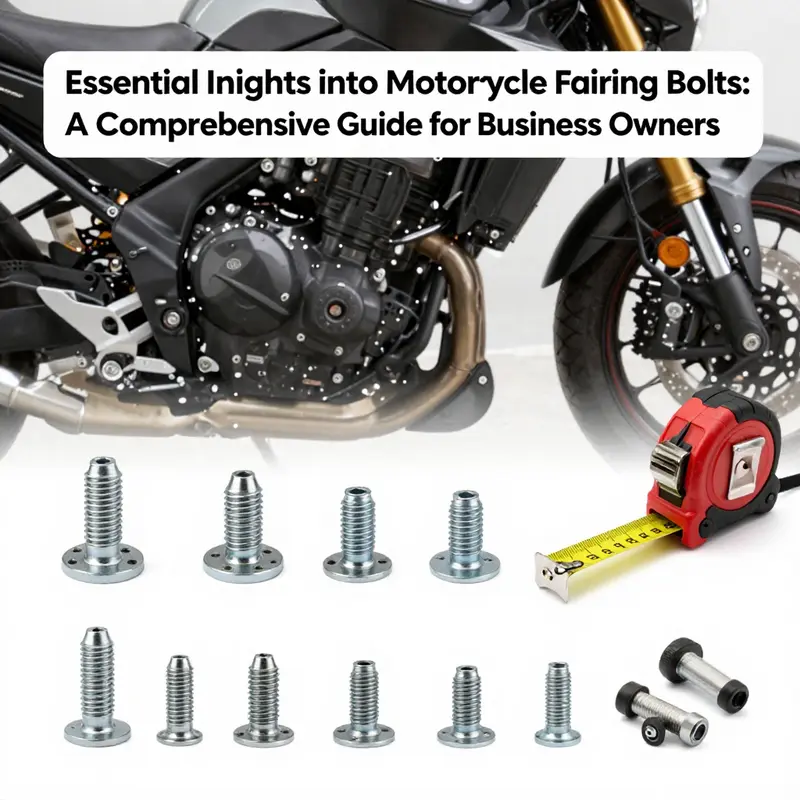
A typical fairing bolt kit accommodates the diverse mounting points on modern motorcycles. The industry standard includes a mix of metric sizes, with M6 bolts representing the backbone of larger panel attachments and M5 bolts serving lighter or more compact sections. The kit is not merely about length and thread pitch; it represents a designed system where the different components work together to minimize the risk of panel flutter, rattling, or stress cracking. For instance, longer bolts may be paired with spacers to ensure that a soft, plastic or composite panel does not deform under load. Washers in various thicknesses distribute clamping force so that the panel doesn’t sink into or gouge its mounting surfaces. Optional well nuts provide a threaded base in non-metallic panels, preserving alignment while enabling easy removal without chasing threads in fragile plastics. The inclusion of speed clips, sometimes called spire clips, offers a clean, tool-free way to secure panels in areas where a nut on the opposite side would be impractical. And the kit often contains the necessary hex wrenches or screwdrivers so that installation can proceed without a separate trip to the toolbox. These pieces are not cosmetic add-ons; they are a carefully engineered system designed to keep the fairing in place during high-speed runs and bumpy street surfaces alike.
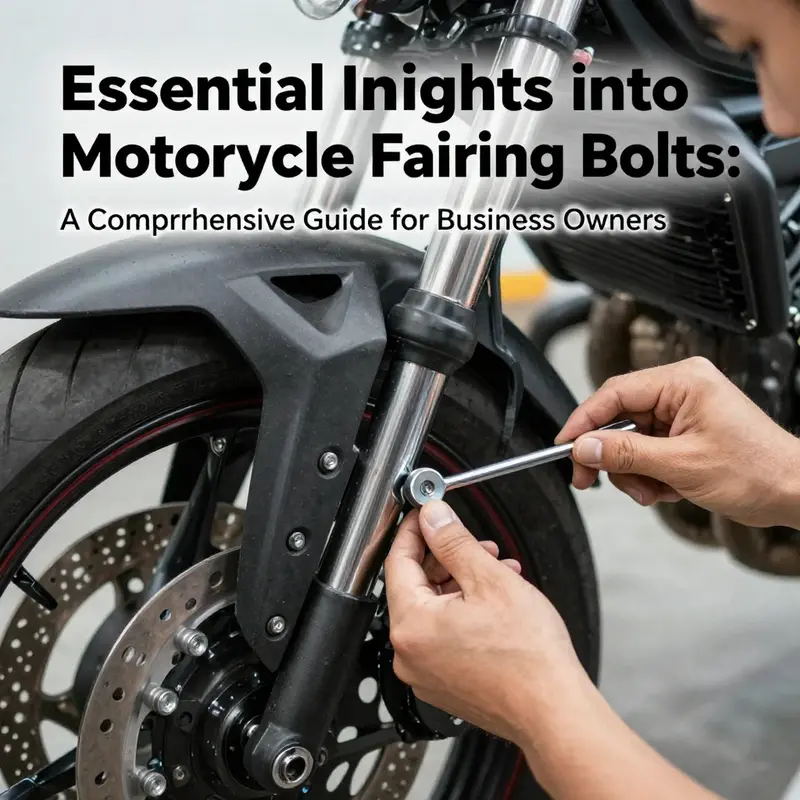
When planning installation or replacement, the rider’s approach should be methodical. Start by inspecting the panels to identify mounting points and confirm that each point accepts the standard bolt size in your kit. The objective is not to force-fit; it is to achieve a secure, clean connection with even load distribution. You’ll often find that certain panels use M6 fasteners for heavier sections, while others rely on M5 for lighter reinforcements or for panels that encounter fewer stress points. The balance of these fasteners also matters for vibration management. Panels that are mounted too loosely will vibrate, creating micro-movements that abrade the mounting threads and loosen over time. Conversely, over-tightening can crack plastic panels or strip threads, especially when well nuts or threaded inserts are involved. The correct torque is indispensable and should be guided by the panel material’s tolerance and the hardware’s strength characteristics. The goal is to create a firm bite without deforming or stressing the panel material.
A modern fairing bolt kit often emphasizes practical installation with a streamlined toolset. Some kits include a Phillips head screwdriver and an Allen wrench, enabling immediate use without hunting for tools. This feature is not merely convenient; it supports correct torque application, because using the right driver reduces the chance of cross-threading or slippage that can occur with improvised tools. With the kit in hand, it’s useful to follow a logical sequence: secure the uppermost panels first to establish a baseline alignment, then move to mid sections, and finally address the lower panels. This sequence helps maintain panel geometry and reduces the risk of misalignment that can cascade into more complicated fitting problems later. The rider who follows a disciplined approach will find that reinstallation after removing for maintenance or cosmetic work becomes simpler and more repeatable, preserving the original aesthetic of the bike.
The parts that accompany the bolts are as important as the bolts themselves. Nuts, spacers, and washers form a small ecosystem that can dramatically influence how a panel behaves under load. Spacers prevent binding of the panel against metallic frames or subframes where a direct contact could lead to galling or deformation. Washers distribute clamp forces, reducing the risk of localized damage and improving resilience to vibration. Anti-loosening features—such as threads and retaining methods designed to resist minor torque losses due to vibration—extend the life of the mounting system in the harsh environment a bike experiences on the road. Well nuts, in particular, offer a practical solution when a metal thread is not feasible in a composite or plastic panel. They provide a robust threaded base while keeping the panel lightweight and removable. When the fairings are knocked or buffeted by wind and debris, these features help retain alignment and clamp load, which, in turn, keeps seams tight and the overall silhouette of the bike intact.
From a maintenance perspective, the life of fairing bolts is largely about routine checks and deliberate re-tightening. After long rides, trips through rain, or exposure to road spray, it is prudent to inspect every mounting point for signs of loosening, corrosion, or wear. A quick toggle with an Allen wrench can confirm whether a bolt has backed out slightly or if a clip has loosened its grip. If any component shows evidence of movement, the bolt should be torqued back to specification and the panel realigned. Re-tightening is not a one-off activity; it should be part of a periodic inspection that coincides with other routine checks, such as brake fluid or tire pressure verification. In the course of this process, it is not uncommon to find a few fasteners that require a fresh protective treatment—especially near chrome or anodized surfaces where wear can dull the finish. A light reapplication of the protective coating helps preserve the anodized layer and maintain the visual uniformity that compliments the bike’s styling.
Durability in the context of fairing bolts is not merely about resisting rust. It encompasses endurance under thermal cycling, exposure to road grime, and exposure to the mechanical vibrations generated by the engine and suspension. Aluminum’s performance characteristics are well-suited to these demands, but the whole system benefits from an integrated approach. Properly combined materials—bolts, nuts, washers, spacers, and inserts—minimize galvanic interactions and wear. The result is a fastening system that remains reliable over years of riding and a visual presentation that does not degrade prematurely. A robust system also supports the rider’s peace of mind. When a rider looks down at the fairings during a highway sprint, the last thing they should notice is a panel flutter or a mounting point that looks compromised. A well-chosen bolt kit is compatible with a range of models, enabling riders to source replacements or upgrades with confidence, and enabling mechanics to stock parts that fit multiple bikes without guesswork.
In practice, the sourcing and customization of such fasteners often involves a broader ecosystem. Some suppliers offer OEM services, allowing for branding or specific design requirements that matter to teams, collectors, or riders who want a custom look or a repeatable specification across a fleet of bikes. This is not merely a branding exercise; it can be a strategy for maintaining consistency in fit and performance across different production runs or aftermarket panels. The important takeaway is that there are options beyond off-the-shelf kits, and the choice should be guided by the rider’s needs for durability, appearance, and ease of maintenance. For those planning bulk purchases or seeking consistent access to trusted suppliers, reputable marketplaces and distributors can provide a range of aluminum bolt kits designed for precision fitment and long-term use. When evaluating options, it is worth considering how the kit aligns with the panels you ride, how easily you can source compatible spacers and inserts, and whether the set includes the anti-loosening features that can save time and prevent headaches in the long run. For riders who own a bike with Honda fairings, for example, the alignment and mounting standards used in the factory setting are well documented in dedicated fairings categories, where you can find panels that align with the standard mounting systems used by many OEMs. This alignment detail is important because it reduces the guesswork of which bolts to choose and how to position spacers to maintain seamless seams and consistent gaps across the entire bike. See the Honda fairings category for related mounting considerations and compatible panels.
Beyond the immediate installation and maintenance tasks, there is a broader value proposition in choosing the right fastener system for fairings. The aesthetic continuity of the bike’s lines and the tactile quality of the panels when you grip and remove them are part of a rider’s experience. A clean, uniform finish on the bolts underlines attention to detail and can contribute to the bike’s resale value by signaling care and preventive maintenance. On the practical side, a properly fitted kit minimizes the risk of panel damage during a fall or a tight parking maneuver, where minor collisions might otherwise pull a bolt loose or pry a panel out of alignment. In racing or sport riding, where aerodynamics and airflow management are critical, keeping panels locked in their intended position helps preserve the designed drag coefficient and downforce balance. In these scenarios, the fairing bolts are not a cosmetic afterthought but a functional element of the bike’s performance envelope.
For riders seeking to source or compare options, the market offers a spectrum of solutions that cater to different needs. Bulk purchasing options can provide cost efficiencies and simplified logistics for shops, clubs, or enthusiasts who maintain multiple bikes or fleets. The emphasis remains on quality materials and precise fitment, because a mismatch between panel and fastener can quickly undermine the entire system’s reliability. The decision-making process should weigh factors such as material quality, finish durability, compatibility with various panel types, and the availability of compatible washers, spacers, inserts, and retention clips. The goal is to establish a cohesive, dependable mounting system that supports both the bike’s appearance and its performance on every ride. And while the specifics of each kit may vary, the underlying principles—correct material choice, appropriate fastener sizing, proper torque, and diligent maintenance—stay constant across makes and models.
To illustrate how these principles translate into practical action, a rider can begin with a routine inspection after a road trip through variable weather. Look for any signs of looseness at the panel edges, listen for new rattles, and check the finish for wear that might indicate thread exposure or galling on the bolt shanks. If a bolt appears loose, reseat it using the included Allen wrench, then re-torque it in a controlled fashion to the recommended spec for the panel type. When a panel has been removed for maintenance, take the opportunity to replace any worn washers or spacers, and consider reapplying a light coat of protective finish to the bolt and any exposed metal. Keeping the kit organized—installing bolts in their respective mounting points and returning spacers to their containers—reduces the likelihood of cross-overs or misplacements that can complicate future work.
In the broader marketplace, the availability of aluminum, CNC-machined fasteners and associated hardware meets the practical needs of riders who demand both performance and aesthetics. The collaboration between material science, mechanical design, and aftermarket supply chains yields a robust toolkit for maintaining fairings with integrity. For bulk buyers and shops, the ability to source standardized parts that fit a broad range of models without custom engineering saves time and reduces downtime. It also offers a pathway to consistent maintenance practices across a group of bikes, ensuring that every machine benefits from the same level of care. The combination of lightweight strength, corrosion resistance, and finish durability makes aluminum fairing bolts a sensible choice for riders who value performance without compromising appearance. In sum, the right bolt kit does not just secure panels; it establishes a reliable, repeatable maintenance routine and supports the long-term health of the bike’s bodywork and its aerodynamics.
External resource: https://www.alibaba.com/product-detail/NiceCNC-Aluminum-Fairing-Bolts-Kit-73_1601493819688.html
Internal link reference: For riders with Honda fairings, see the Honda fairings category for compatible mounting solutions and panel fitment: https://ultimatemotorx.net/product-category/honda-fairings/
Precision in the Fastening Matrix: OEM Solutions and Custom Designs for Motorcycle Fairing Bolts
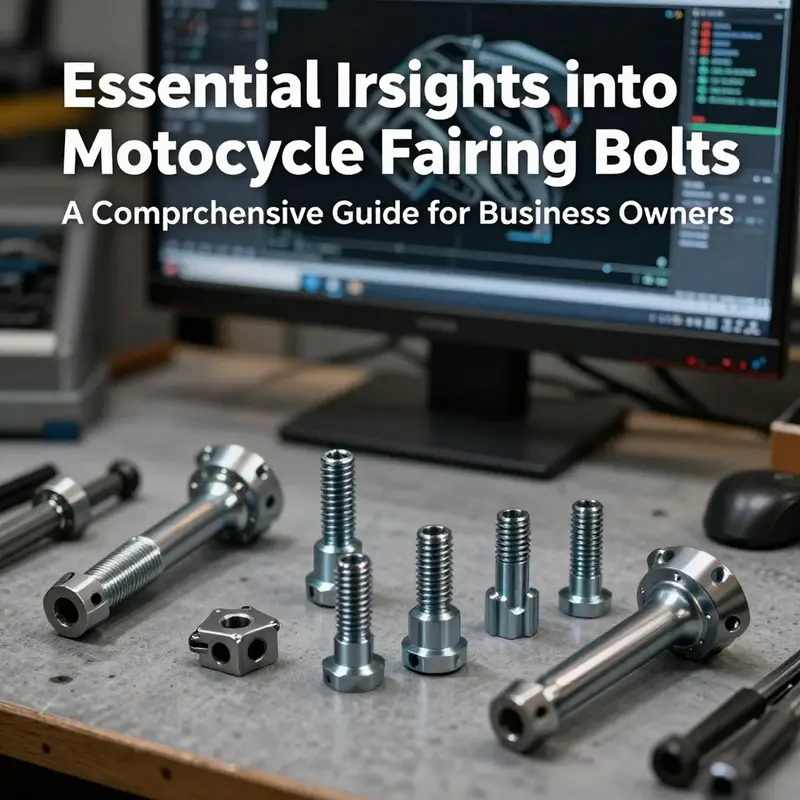
Fasteners are often treated as invisible workhorses, and nowhere is that more true than in the world of motorcycle fairings. The bolts and clips that hold panels in place do far more than tether plastic to a frame; they define alignment, influence aerodynamics, and protect components from vibration, weather, and impact. When an OEM solution or a purpose-built custom design is in play, the discussion shifts from attachment to a disciplined approach that balances fit, function, and finish. This emphasis on precision is not a mood, but a practical discipline. A factory-approved approach anticipates panel interfaces across a model’s lifecycle, from factory assembly through service intervals and restorations. In practical terms, that means a kit designed for a model features a carefully chosen set of fastener types, head styles, and thread engagements to align with mounting bosses, plastic anchors, and substructures behind cosmetic panels. An OEM mindset also helps ensure that color and finish remain cohesive over time. This results in a clean, professional look that mirrors the bike’s original integrity after years of use.\n\nMaterial choice, a core pillar of OEM and custom bolt design, deserves attention. Aluminum, configured for high-strength, low-weight performance, has become a standard bearer in fairing bolt engineering. The CNC milling process allows tight tolerances and repeatability. A well-executed aluminum bolt kit benefits from appropriate heat treatment such as a T6 temper, which hardens the material to resist bending and shear stresses. Paired with an anodizing finish, the aluminum gains corrosion resistance and a versatile color palette. The aesthetic dimension matters as well. Color options let the fasteners harmonize with the bike’s bodywork, logos, and trim, elevating a restoration or a customized build. The idea is not to chase fashion, but to deliver a consistent look that aligns with the ride’s design language.\n\nA representative OEM/custom bolt kit typically includes a robust assortment of M6 and M5 fasteners of varying lengths to match mounting points. The set may also incorporate spring-loaded retaining clips, washers in multiple thicknesses, well nuts or threaded inserts for plastic panels, and a small selection of hex or Phillips driving tools. Together, these parts create a cohesive ecosystem that keeps panels aligned, resists loosening under vibration, and can be disassembled quickly for maintenance.\n\nThe compatibility story for OEM and custom bolt kits centers on model fitment and installation reliability. Kits are precision-engineered to match mounting geometry with attention to thread sizes, pitch, and head types to prevent over-torquing or cross-threading. For enthusiasts, the ability to tailor a kit to a model becomes a meaningful form of expression. In restorations, a shop may seek a kit that reproduces the original hardware, preserving structural integrity and the original look. For ongoing maintenance, including hex and Phillips wrenches in a kit reduces downtime.\n\nBeyond the hardware itself, OEM and custom bolt solutions embrace the broader ecosystem that surrounds fairing maintenance. The installation experience matters as much as the componentry. Clean access to bolts, well-proportioned head geometry, and compatible drive profiles contribute to a smoother service sequence. Packaging and labeling of an OEM-style kit help technicians assemble or reassemble panels with confidence, reproducing the original configuration.\n\nThe practical realities of sourcing are part of the narrative. Dealers and restoration shops benefit from bulk purchasing and standardization across a model lineup, which streamlines inventory management. A well-structured bolt kit is a strategic asset that supports workshop efficiency and customer satisfaction.\n\nCustomization options extend beyond material and finish. For manufacturers, tailoring a kit to a model’s panel geometry may include specifying head types that resist cam-out during repetitive installation, selecting lengths that minimize panel distortion, and choosing coatings that preserve color stability under UV exposure. The alignment between fastener aesthetics and the bike’s visual language matters: a cohesive look reinforces quality and aftermarket value.\n\nFrom a rider’s perspective, model-specific kits with color options and included installation tools offer a turnkey solution for a complete, ready-to-use package. The goal is to minimize compatibility risks and ensure that every component fits the motorcycle’s mounting points, panels, and fastener recesses. For a model-specific upgrade or full fairing refresh, the convenience of an OEM-aligned kit reduces the risk of selecting the wrong thread pitch or an ill-fitting washer.\n\nThe broader ecosystem also includes educational resources and community knowledge. Discussions about panel thickness, load distribution, and clamp force provide context that helps builders anticipate potential failure modes and inform decisions about when to replace bolts. In this knowledge-sharing space, OEM and custom bolt solutions become a shared language that aligns riders, garages, and manufacturers toward quality and reliability.\n\nIn practical terms, a well-conceived kit includes the right sequence for installation and removal. This sequencing helps ensure fairings are aligned before final tightening and maintains intended aerodynamics and aesthetics. With carefully designed bolt kits, service intervals become predictable and the risk of panel misalignment during maintenance diminishes. The result is a bike that looks as good as it performs, with a fastening system that supports ongoing reliability.\n\nFor those seeking a bridge between OEM fidelity and modern customization, the path often involves selecting a premium aluminum bolt kit configured for the models in question. The kit’s contents, color options, and included tools create a turnkey solution that supports both aesthetics and engineering discipline. Customization should be planned: identify mounting points, understand panel material and thickness, and consider how color and finish will endure weather exposure and time. This balanced approach enables OEM-grade reliability with personalized details.\n\nAs the discussion moves toward practical sourcing and implementation, dealers and restoration shops curate catalogs that mix standard and variant bolts to accommodate a range of panel configurations within a model family. The emphasis remains on compatibility, quality, and serviceability. A model-specific kit, thoughtfully assembled with a balance of M6 and M5 fasteners, washers, clips, inserts, and tools, makes the process smoother. This is the essence of OEM solutions and custom designs: clarity, confidence, and consistency across every panel.\n\nFor readers seeking broader market options, consider model-specific discovery paths and related product categories that align with your bike’s lineage. For example, model-specific catalogs can guide you to compatible hardware and cosmetic details that harmonize with panels and paint. The goal is to find a holistic package that treats the fairing system as a cohesive fabric of components rather than a scattershot assortment.\n\nIn the end, OEM solutions and custom bolt designs for motorcycle fairings are about more than hardware. They preserve the rider’s intent and enable reliable access for maintenance. They enable a shop or home builder to realize a vision with confidence, knowing that every bolt, clip, and insert has been chosen to respect the bike’s anatomy. They are about offering options that can be matched to color schemes, panel textures, and the precise geometry of a given platform. And they are about building partnerships with suppliers who understand that the fastest way to keep a bike on the road or track is to combine engineering precision with practical ease of use.\n\nExternal reference: For further context on sourcing CNC aluminum bolt kits, see a representative listing that highlights aluminum fasteners and compatible components. https://www.alibaba.com/product-detail/NiceCNC-Aluminum-Fairing-Bolts-Kit-73-Bolts_1600544296575.html
Final thoughts
Understanding motorcycle fairing bolts is essential for business owners in the motorcycle industry. By appreciating the different types, materials, and installation methodologies, you empower yourself to make informed sourcing decisions that affect product quality and customer satisfaction. Moreover, the option for OEM solutions paves the way for branding and specific design requirements, enhancing your business’s competitive edge. Investing time in knowledge about these fasteners will translate into improved offerings for your customers, ensuring their motorcycles remain safe, reliable, and visually appealing.