
Motorcycle fairing bolt kits play a crucial role in securing the aesthetics and integrity of motorcycles by fastening bodywork and panels. As a business owner, understanding these kits helps in making informed purchasing decisions that can enhance performance and visual appeal. This article delves into the durability and material composition of these kits, compatibility and sizing considerations, aesthetic customization options, and the leading brands available on the market. Each chapter will equip you with essential knowledge to choose the right fairing bolt kits for your motorcycle business needs.
Durability and Material Composition of Motorcycle Fairing Bolt Kits
The reliability of a motorcycle’s fairing assembly rests not only on the panels themselves but on the fasteners that hold them in place. A kit that looks the part can still fail when subjected to the daily onslaught of vibration, wind pressure at speed, and the capricious pauses of weather. Durability and material composition, then, are not peripheral concerns but core determinants of safety, longevity, and performance. When riders patch a loose panel after a long ride, it is rarely a simple nuisance; it is a signal that the wrong fasteners may have compromised load paths, pre-load, or the ability to dampen micro-motions that accumulate into cracks, misalignment, or rattling over miles and seasons. The fairing bolt kit is a deceptively small component with a disproportionately large impact on how a bike behaves as one unit with its bodywork intact. This is why manufacturers and aftermarket suppliers emphasize more than just fit. They emphasize how well the kit resists corrosion, how light it is without sacrificing strength, and how the materials interact with other components under real-world stress.
At the heart of most quality kits are metal fasteners chosen for strength-to-weight advantages and for their resilience in harsh environments. Aluminum bolts are a common cornerstone because they offer a favorable balance: they are lighter than steel, they maintain a clean appearance with a bright, enduring surface, and they can be finished to resist wear and corrosion. The lightweight quality becomes especially valuable for fairings, where repeated assembly and disassembly are routine for maintenance, access, or cosmetic updates. Yet aluminum is not a universal solution. In high-load areas where strain concentrates—around critical attachment points or locations that experience abrupt loads during a crash or a hard landing—engineers often blend materials. High-grade steel or stainless variants may be used for studs or certain fasteners that demand greater sheer strength, while titanium is reserved for designs that demand the ultimate in lightness and corrosion resistance, even at higher costs. The practical effect is that a well-composed kit uses a deliberate mix rather than a single material across every fastener in the assembly, optimizing both performance and durability without turning the kit prohibitively expensive.
An important nuance in material strategy is how the hardware interfaces with other parts of the system. It is common to see kits that pair aluminum bolts with washers or spacers made from ABS plastic. This combination is not merely cosmetic. ABS provides a degree of damping and a smoother interaction with the fairing’s inner surfaces. The plastic can absorb tiny vibrations that might otherwise cause metal-to-metal chatter, galling, or loosening over time. In some universal kits, you will find a large assortment of fasteners in M5 and M6 sizes, spanning a range of lengths and thread pitches to accommodate different bikes and mounting points. These sets are designed with broad compatibility in mind, yet the buyer remains responsible for verifying the exact size and pitch required for a given model. The presence of both M5 and M6 screws and a variety of clip profiles means a single kit can cover a broad swath of late-model sport and standard bikes, while also allowing riders to customize paneling with confidence.
The subject of color and finish is often dismissed as purely cosmetic, but finish selections can aid durability in subtle ways. Some kits offer a spectrum of color options—black, silver, gold, blue, red, green, or even titanium tones—so riders can match hardware to the bike’s scheme. Color corrosion resistance matters little in one sense, but the contrast of anodized finishes against weathered fairings can reveal wear patterns and highlight when a fastener is approaching the end of its service life. A robust finish also helps shield against UV exposure, moisture, and salt spray that can degrade surfaces and corrosion resistance over time. For riders who track their bikes or ride in coastal areas where salt spray accelerates corrosion, specific coatings and oxide layers can be a meaningful investment in longevity.
A practical takeaway is that durability hinges on both the raw material and how it is treated during manufacturing. Premium kits often boast a multi-step manufacturing process that includes careful heat treating, anodizing, or ceramic-like coatings to resist wear and maintain a metallic sheen under broad temperature swings. Coatings increase surface hardness, reduce micro-pitting, and slow the onset of corrosion when the fasteners are exposed to moisture and road chemicals. In the same breath, careful machining to achieve clean threads, precise head shapes, and smooth under-head radii matters. The life of a bolt is not just about resisting pull or shear; it is about maintaining the correct clamping force and preventing fatigue through consistent engagement with mating threads.
Another facet of durability lies in the design of the kit itself. Some configurations are 177-piece or 198-piece sets, assembled to cover a wide spectrum of panel fastenings, grommets, and aligners found across common motorcycle architectures. The idea is to supply enough redundancy and variety so that the user does not chase a compatible fastener mid-ride. Yet the breadth of a kit must be matched by depth of quality. A large kit that uses low-grade aluminum or subpar spacers will erode the benefits of owning a universal solution. Conversely, a well-curated kit pairs higher-grade aluminum or specialty alloys with high-integrity spacers and damping washers, reinforcing the system against loosening and fatigue. The end result is a secure fairing that stays aligned, reduces aero buffeting, and maintains the aesthetic and structural integrity riders expect from their machines.
From an engineering perspective, the durability profile of a fairing bolt kit is also about how well the assembly tolerates environmental stressors. UV exposure from long sun exposures can degrade some plastics used in spacers or washers, which is why higher-quality ABS components are specified with UV-stable formulations. Moisture, temperature fluctuations, and road salt have a compounding effect on fasteners that are repeatedly heated by engine bay heat and cooled by night air. A robust kit will use corrosion-resistant coatings and compatible materials that resist galvanic corrosion where different metals meet. It will also feature designs that reduce chances of thread stripping or cross-threading during installation, ensuring the initial preload is achieved and maintained through hundreds of miles. The careful combination of material choice, coating, and manufacturing precision translates into a kit that can survive the rigors of long rides and adverse weather with less maintenance and fewer surprises.
When riders look for universality, they should scrutinize the claims of fitment with the same care they apply to material choices. A universal kit is a practical solution because it minimizes the number of separate purchases, but universal does not always mean perfect. The correct fit means ensuring the thread engagement is sufficient for the fairing’s mounting points, the screws do not protrude into sensitive areas, and the head design does not clash with adjacent panels. For enthusiasts who care about this balance between form and function, the material and finish choice becomes part of a broader philosophy: fewer failures, longer intervals between maintenance, and a cleaner, more resilient mounting geometry that keeps the bike’s profile and aerodynamics intact. The kit’s durability is, in this sense, inseparable from how riders experience their ride—quiet, confident, and aligned with the lines of the motorcycle rather than a fluttering, loose, or rattling panel.
For those who want to gauge how these considerations translate to real-world examples, the discussion of materials and design approaches can be anchored by looking at how fairing systems are implemented across different model families. For instance, a rider browsing a Yamaha fairings catalog would notice how the hardware is specified to balance strength and weight while allowing straightforward replacements when panels are damaged or worn. See the Yamaha fairings catalog for a representative view of how a modern fairing assembly is designed to work with a robust fastener kit that prioritizes durability without compromising aesthetic finish. Yamaha fairings.
All of this points toward a simple, enduring principle: the durability of a motorcycle fairing kit is a product of thoughtful material selection, smart design, and consistent manufacturing standards. When these elements align, the kit not only keeps panels in place but preserves the rider’s confidence through miles of exposure to sun, rain, heat, and wind. It also reduces the frequency of maintenance interventions, which matters for riders who depend on their bikes for daily transportation or long weekend adventures. A well-chosen kit minimizes downtime and keeps the fairing system performing its protective role, safeguarding radiator and electronics from debris and wind impact while also sustaining an orderly airflow around the frame. In the end, durability is not just about resisting fatigue; it is about preserving the integrity of the entire mounting system so that the fairing continues to do its job—protecting, guiding, and presenting the motorcycle’s lines with the same care with which it was built.
External resources provide practical context for these discussions. A representative listing in the market demonstrates how a broad, multi-piece kit positions itself for universal compatibility and variable color finishes, while maintaining a focus on material integrity and long-term behavior under load. For a detailed reference on a widely available 198-piece universal fairing bolt kit that highlights ABS plus aluminum construction and color options, see the external product listing: https://www.amazon.com/dp/B0CQKZJYXV
Fitment Fidelity: Navigating Compatibility and Sizing in Motorcycle Fairing Bolt Kits
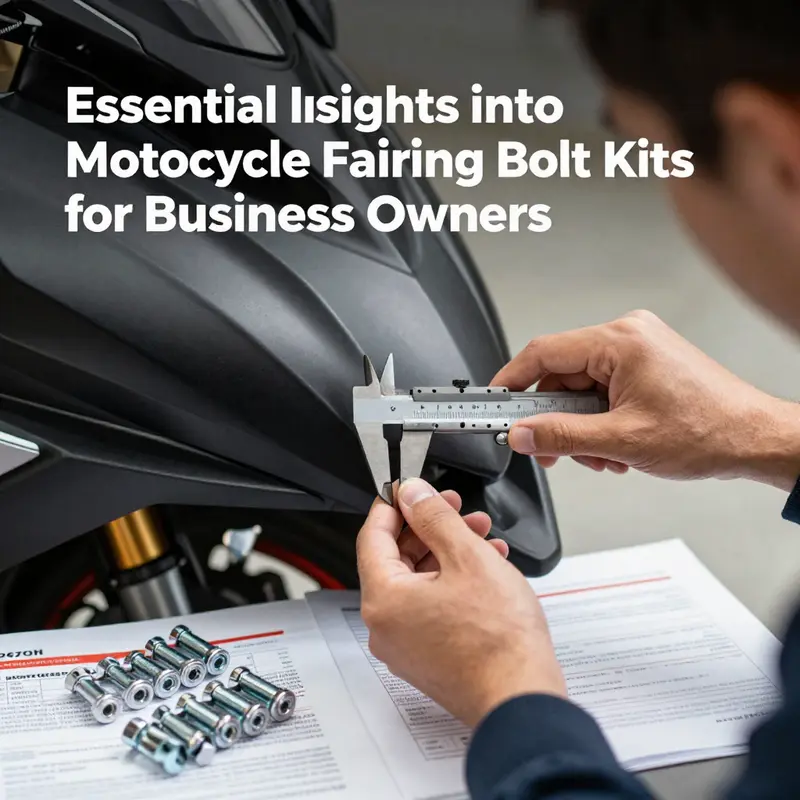
When you set out to restore or customize a motorcycle’s bodywork, the bolts, clips, and fasteners that hold the fairings in place are more than just hardware. They are the quiet sentinels that keep panels aligned under vibration, wind pressure, and the occasional edge of road debris. A well-chosen fairing bolt kit does more than fasten skin to frame; it preserves aerodynamics, maintains the bike’s silhouette, and protects internal components from exposure. The kit’s value rests on compatibility and sizing as much as on material and finish. Without a reliable fit, even the strongest bolts can become culprits, loosening over hundreds of miles and allowing flapping, chafing, or panel misalignment that invites danger at speed. The craft of selecting a kit, therefore, begins with a clear understanding of how these fasteners interact with a motorcycle’s mounting points, panels, and the environment in which the bike operates. The typical fairing kit brings together a mix of bolts, speed clips, and sometimes nuts or washers, but the real work happens when you translate that assortment into a precise, model-specific fit. In practice, this means balancing universal compatibility claims with the realities of your bike’s make, model, and year, and then validating those assumptions against the actual hardware that your service manual enumerates. The underlying logic is straightforward but demanding: you want the right diameter, the right length, the correct thread pitch, and the right type of clip that can securely engage its corresponding hole without binding, wobbling, or seizing over time. The materials you choose—aluminum for lightness and corrosion resistance, titanium for strength and a premium finish—also steer the outcome. A kit that pairs robust bolts with resilient, well-sized speed clips can maintain panel alignment through countless miles, while a mismatched combination may save weight in a brochure but invite misfit and mishap on the road. It is here that the broader landscape of compatibility comes into focus. The market presents a spectrum of offerings that claim universal applicability across sportbikes, touring bikes, and multi-model repair kits. Yet even within broad categories there are subtle but crucial distinctions: each model year can introduce slightly altered mounting points, revised bodywork, or different fastener diameters. It is not enough to rely on a catalog description that reads “universal.” Instead, you need to translate that claim into a concrete cross-check against the bike’s service manual, the manufacturer’s recommended torque values, and, if possible, the original hardware that came with the bike. A reputable supplier can be a valuable ally here, offering fitment confirmation based on your specific make, model, and year. They can tell you whether the proposed kit aligns with the bike’s clearance envelopes, whether the clips are compatible with the existing bodywork lugs, and whether any spacers or extra washers are necessary to compensate for factory changes. The practical upshot is that compatibility is more than a binary yes-or-no question. It is a nuanced assessment of how the mounting points, panel weights, and fixture patterns align with the kit’s assortment. A broad-spectrum kit may fit many bikes in a general sense, but precise fitment often requires a closer match, sometimes model-year specific, sometimes even a sub-model variant. For riders who want a frame-to-panel fidelity that looks and feels right, this is where the alignment between catalog promises and mechanical reality matters. To illustrate how this translates into everyday choices, consider the way different regions and sub-models use varying bolt diameters and thread pitches. The M5 family is common for fairings, offering a good balance of strength and size for plastic and composite panels. Yet the exact thread pitch—whether it’s fine or coarse—can vary, and the presence of threaded inserts in the fairing, or the need for nuts on the backside, can differ by year or model. In some bikes, routing and shielding require shorter bolts to avoid contact with a radiator hose or a brake line; in others, you’ll find that longer fasteners are needed to anchor a heavier plate or a larger fairing section. The truth is that fitment is a moving target because every change in bodywork can push up the required length or change the engagement point. Cross-referencing the kit’s specifications with the bike’s service manual is not merely prudent; it is essential. It’s also worth noting that many kits are marketed as universal, but “universal” often means “broadly compatible” rather than genuinely compatible with every bike. The practical approach is to view compatibility as a mapping exercise: what mounting point exists on your bike, what is the corresponding fastener type, and does the kit provide a matching variant in length, diameter, and thread pitch to fill that exact niche? When you think in those terms, you realize that the compatibility challenge is less about finding a single, perfect bolt for every panel and more about assembling a coherent set of fasteners that mirror the bike’s original geometry as closely as possible. This approach also helps when you consider the visual and surface finish aspects. A fairing that is largely black or natural aluminum benefits from a kit that either blends in or complements the bike’s color scheme. Finishes—from matte black to anodized hues—do more than dress the bike; they help resist the wear of exposure to air, moisture, and road grime. On some models, a color-matched bolt can subtly reinforce the bike’s aesthetic without drawing attention to the fasteners themselves. The decision to choose aluminum or titanium for bolts is a balancing act. Aluminum bolts are light, resistant to corrosion, and generally more affordable. They are well suited to most fairings where ultra-high tensile strength is not the limiting factor. Titanium bolts, while more expensive, offer an impressive strength-to-weight ratio and corrosion resistance that remains robust under harsher climates. The choice may hinge on your bike’s use profile—street riding in wet conditions, track days, or offshore salt exposure all tilt the decision. Beyond the bolts themselves, many kits include speed clips—often referred to as spire clips or fastener clips—that secure the bodywork at the midline and along the edges. These clips reduce the need for additional hardware while distributing load more evenly across a panel. The combination of bolts and speed clips that a kit provides must be evaluated for the panel geometry it will meet. Some panels rely on a tight grid of fasteners along a seam, while others depend on a few strategic points to anchor large sections. Any mismatch—in clip type, clip size, or bolt length—can translate into a misaligned seam, gaps that collect dirt, or panels that flex under air pressure at speed. For model-specific nuance, it helps to consult category pages that showcase fairings designed for particular brands or series. The relationship between the bike and its panels is a conversation, not a one-way assignment of parts. When shopping, you can test-fit the kit conceptually by laying out the bolts and clips against a representative panel diagram in the service manual, then checking that the locations align with the corresponding mounting bosses. If the kit is described as universal, ask whether it includes a range of bolt lengths and an assortment of clip sizes that cover the typical variations encountered on sportbikes and other modern bodies. Always confirm that the kit includes the right combination of hardware for the most critical fasteners—those on the sides and at the upper fairing temples that bear the majority of wind load. In practice, you may discover that one or two pieces in a given kit require substitutions, or you may need to order a singles pack of clips to fill a gap. This is where good supplier guidance becomes invaluable, not as mere courtesy but as a practical safeguard against misfit. It’s also where the principle of modularity shines. A well-conceived kit anticipates the need for future repairs or color-matching refreshes. It offers a spectrum of finishes and a spread of lengths to accommodate panel variations while still providing a cohesive look. For model-specific expectations, see the Honda fairings category, which can offer a sense of how a manufacturer’s panels tend to be designed and how the fasteners align with those designs. Honda fairings can serve as a practical reference point when evaluating fitment against other brands, noting that each bike will still require its own cross-check against the service manual. As you consider color and finish options, remember that aesthetics must harmonize with function. Aesthetic choices should not compromise the fastener’s ability to grip securely or to endure the mechanical stresses of riding. The right color, coating, and finish can reduce the need for frequent retorquing by resisting oxidation and galling when bolts are torqued to spec and left in place for long periods. The final measure of success is reliability. A properly sized and compatible bolt kit will not loosen under normal vibrations, will not rub against moving parts, and will not compromise the equalization of panels or the aerodynamics that the fairings are designed to support. It should also be straightforward to inspect during routine maintenance, with visible heads or access points that align with the bike’s maintenance schedule. In short, compatibility and sizing are not merely about fitting a bolt in a hole. They are about maintaining a precise geometry across the entire bodywork system, ensuring that every seam remains tight, every edge remains flush, and every panel continues to perform its protective and aerodynamic role. The rider’s experience—the feel of stability and the sense of a bike that speaks in a single, consistent line—depends on that fidelity. When you approach the task with a thoughtful plan, you can assemble a bolt kit that respects the bike’s original design while delivering the practical benefits of modern fasteners: corrosion resistance, light weight, and dependable clamping force at the speeds and stresses of real-world riding. This is the core idea of compatibility: a deliberate alignment between the vehicle’s architecture and the hardware that anchors its outer skin. It is the difference between a panel that looks assembled and a panel that feels engineered. By embracing careful cross-checks, precise sizing, and an appreciation for the material and finish choices, you can select a fairing bolt kit that preserves both form and function for years to come. For model-year specifics, rely on the official manuals and trusted suppliers who can confirm exact fitment for your bike, and remember that the right kit is the one that becomes a natural extension of your motorcycle’s body—quiet, durable, and perfectly in place. External resource: https://en.wikipedia.org/wiki/Motorcycle_fairing
Polished Threads: How Finish and Color Turn Motorcycle Fairing Bolts Into a Personal Statement
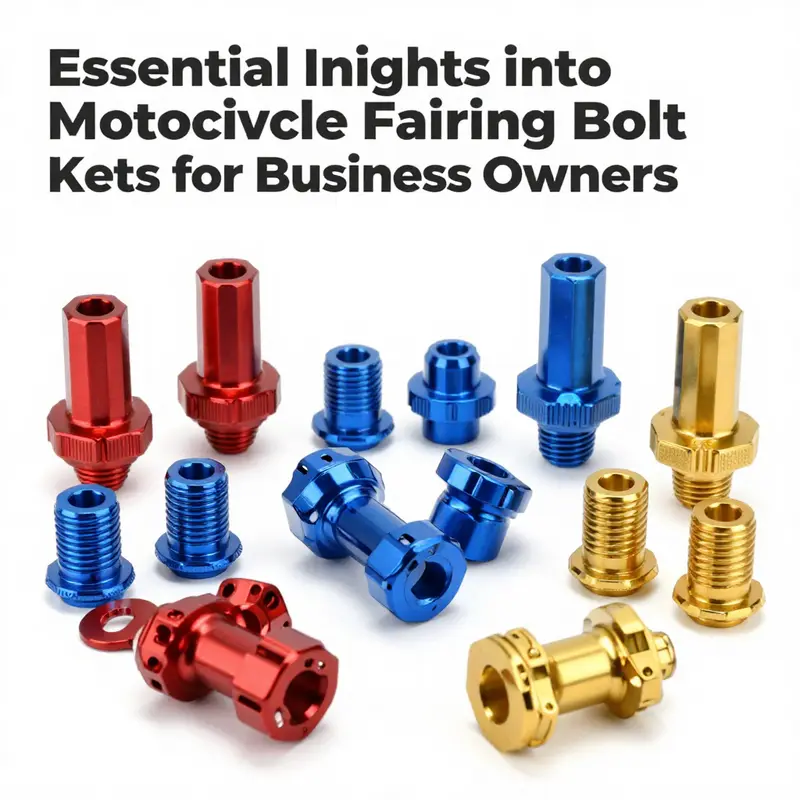
Seen from the outside, a motorcycle fairing bolt kit looks like a small, ordinary bundle. Insist on a closer look, and it becomes a design choice that shapes the bike’s presence. These kits typically include M5 bolts, speed clips, and sometimes nuts or washers, all selected to clamp fairings to the frame without allowing a single panel to loosen. The rider’s experience on the road is a daily reminder that fasteners must endure vibration, wind pressure, and occasional impacts. That durability matters as much as looks. Color and finish matter because they interact with visible surfaces. A bright, polished set can catch the sun and emphasize a sharp edge, while a matte black or gunmetal option can recede, keeping the overall silhouette uncluttered. Choosing a kit, then, is not merely about securing panels. It is about aligning hardware with the bike’s personality—how it feels to ride, how it presents itself, and how it ages under the elements.
Material choice underpins both performance and aesthetics. Titanium and aluminum appear in higher-end kits because they resist corrosion and stay lighter than steel without compromising strength. The tiny bolts can influence handling in small, perceptible ways when they contribute to the weight budget of a bike, especially on lighter builds. Precision CNC machining makes a difference: clean heads, true threads, and consistent shoulder diameters ensure fairings align correctly after every installation. Finishes range from bright polished chrome to matte coatings, and some options offer anodized colors that provide high-contrast accents or subtle complements. A well-applied surface treatment protects against corrosion, resists wear when torqued to specification, and stays legible through maintenance cycles. The goal is a kit that behaves and looks reliable across many riding seasons, so a rider can replace a worn part without breaking the visual flow of the bike.
Color is the most immediate language of customization. Many kits come in black, blue, red, gold, and silver—enough to coordinate with a bike’s paint or to create a bold contrast. Premium lines push into CNC-machined precision and offer finishes like polished chrome or specialty matte coatings that catch or diffuse light differently as the bike moves. In such sets, the hardware becomes part of the bike’s voice rather than a silent support. For riders who want a higher degree of individuality, some finishes promise unique colorways that echo the rider’s taste while remaining durable under sun and rain. The result can be a cohesive read across the visible fasteners and the surrounding bodywork, or a deliberate highlight that draws the eye to a particular seam, line, or panel edge. The visual payoff rests not only on color but also on how the fasteners age and how well the finish resists fingerprints and abrasion during maintenance.
Universal compatibility gives most fairing bolt kits broad appeal, but buyers still bear responsibility for specs. Verify thread size, bolt length, and pitch before purchase, since an M5 standard is common but not universal. Some vendors offer OEM services or sample orders, a practical option for riders with aftermarket panels or unconventional fairings. The aesthetic payoff comes when hardware aligns with the bike’s design language, so consider how fasteners sit against the surrounding curves. A dark bike might benefit from titanium or black-coated bolts that minimize glare, while a lighter scheme can welcome chrome accents as a controlled highlight. The goal is to avoid visual noise while preserving precise alignment of every panel. A well-chosen kit can harmonize with chrome, brushed metal, or carbon fiber elements that already exist on the bike, turning the small hardware choices into a coherent tonal sculpture across the fairing surface. In the end, the best selection respects fit, finish, and function while reinforcing the bike’s overall character.
Beyond color and finish, the tactile quality of a kit matters. Knurling on the heads, the shape of the Allen recess, and the smoothness of the thread pitch all influence the ease of installation and the feel when tightening panels after a wash or a ride. Precision tolerances reduce cross-threading and the risk of stripping, especially on longer trips where maintenance is routine. Durable finishes withstand vibration and keep the hardware legible for years. When panels loosen or rattle, it undermines the bike’s stance and the rider’s confidence. A high-quality kit delivers a calm tightening experience, a reliable cue that the correct torque has been reached. The result is not only secure panels but a sense of certainty during every stop and inspection. In cultural terms, a thoughtful bolt kit signals pride in craftsmanship and a willingness to treat the bike as an art object as well as a machine. It’s a micro-statement about care, durability, and the rider’s relationship to their ride.
Choosing a kit becomes a narrative rather than a simple purchase. If you want to harmonize with a specific model line, look for colorways that align with the brand’s language or other aftermarket pieces you already own. Finishes age in different ways; polished chrome gleams on bright days but shows fingerprints, while matte options resist smudges and retain a contemporary look. When the project spans multiple brands or eras, a restrained base color—paired with a few accent bolts in a vivid finish—can create a focal point without overpowering the whole. The key is balance: consider how the hardware reads from street distance and in photos, how it works with lighting across dawn and dusk, and how maintenance routines will interact with the chosen metals. A small and thoughtful test, such as trying a sample on an inconspicuous panel, can prevent costly mistakes before you commit to the full kit.
For inspiration and practical context, exploring brand-aligned fairings can be enlightening. A catalog that presents fasteners in a way that echoes the bike’s design language helps visualize how color and finish choices interact with geometry. Explore the Yamaha fairings page to see how hardware sits with sculpted lines and bold graphics. Yamaha fairings
Ultimately, aesthetic customization of a motorcycle fairing bolt kit is a reflection of a rider’s relationship with the machine. It demonstrates a willingness to tailor, refine, and honor the bike’s lines with materials that withstand the road while inviting the eye to linger on the craft. Small hardware pieces carry outsized influence: when chosen with care, they blend into the design; when used boldly, they become a focal point that communicates personality. The practical benefits—fit, corrosion resistance, maintenance friendliness—coexist with expressive potential. The result is a bike that performs and reads as a crafted object, a collaboration between rider and machine, where every bolt helps tell the story of the journey ahead. External reference: https://www.alibaba.com/product-detail/GOOD-CB190R-Motorcycle-Full-Plastic-Fairing_1600583478279.html
Gearing Up: Navigating Market Options and Brand Realities in Motorcycle Fairing Bolt Kits
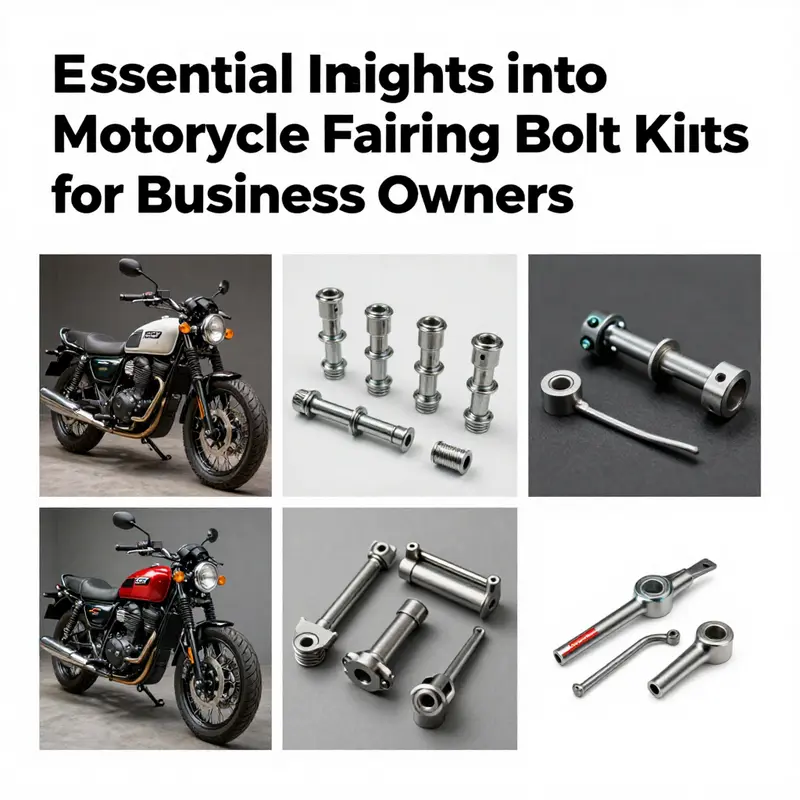
A motorcycle’s fairings are more than a cosmetic shell; they are a carefully engineered interface between the rider, the frame, and the road. The bolts and clips that secure these panels do more than hold pieces in place; they dampen vibration, resist wind pressure, and absorb the kind of micro-impacts that occur on rough roads or during a slipstream encounter with other traffic. The right fairing bolt kit thus becomes a quiet workhorse in the background, a component often overlooked until a panel sags, a clip pops, or a crash tests the limits of material strength. From the outset, the market presents a broad spectrum of options. You can find fairing bolt kits on large e-commerce platforms that host dozens of manufacturers, each presenting its own take on material, finish, and compatibility. The sheer variety is both a boon and a challenge: it invites customization and performance tuning, yet it also requires a careful appraisal of what truly matters for your bike’s weight, resilience, and appearance. Material choice is the most noticeable variable. Standard steel remains affordable and strong, but for high-performance applications or show builds, people increasingly gravitate toward high-strength alloys and corrosion-resistant finishes. Titanium alloys, especially, offer a compelling combination of low density and exceptional strength, which makes them ideal for keeping weight down without sacrificing rigidity. Stainless steel remains a dependable option, delivering excellent corrosion resistance and durability in a relatively easy-to-work category. Aluminum rounds out the trio as a lightweight alternative that still holds up well under vibration and exposure to the elements. Manufacturing quality matters as much as the material itself. A well-made bolt is as much about the precision of the thread pitch as it is about the head style and seat fit. In the market, you’ll encounter a spectrum of designs tailored to different installation points on the fairings and bodywork. Internal hex heads require a hex key for access in tighter spaces, while external hex heads accommodate common wrenches and a wider range of socket tools. Flange heads offer a broader bearing surface, reducing the risk of pullout in thin sheet metal, and butterfly heads are chosen for their ergonomic grip and distinct aesthetic on certain panels. Beyond head style, the length, thread size, and pitch must align with the panel thickness and frame clearance. M5 fasteners are a common standard for many fairing points, but not every point on every model is identical. This is where the market’s breadth becomes a practical advantage: it allows riders to assemble a kit that matches the exact junctions of their bodywork. Alongside the bolts, the kit often includes speed clips or spire clips, which secure the panels to rivets or to other clips on the frame. The clip design matters as much as the bolt; a clip that grips securely yet releases with controlled ease can save time during assembly and maintenance, particularly when you must remove panels for repairs, detailing, or upgrades. When you move from stock or generic kits to upgraded setups, you’ll notice the broader material choices begin to influence not only performance but the bike’s overall vibe. Titanium bolts, for instance, can brighten a dark paint job with a subtle gleam and a high-end feel. Aluminum bolts can contribute to a weight-neutral aesthetic while maintaining a crisp, clean finish. Stainless steel offers a space where durability and practicality meet, reducing the risk of corrosion in wet or humid climates. The finish is equally important. A black anodized coating can blend with blacked-out frames or matte paint schemes, while bright, polished surfaces may suit bikes with chrome accents or lighter color palettes. These finishes are as much about appearance as they are about resistance to road grime, salt spray, and the inevitable wear from trail debris. The global nature of the market means access to a wide range of supplier types, from specialized fastener manufacturers to broad automotive and motorcycle accessory wholesalers. You’ll find options that come directly from factories with an emphasis on precision machining and rigorous tolerances, and others that offer more budget-friendly lines suitable for non-critical panels. The distribution landscape is complemented by the promise of customization and scale. Some suppliers provide OEM services and even sample orders, allowing builders and riders to test fitment before committing to larger runs. This is particularly valuable when you are coordinating with a particular bike model or a specific aesthetic, because it helps ensure that the bolts align with factory holes, mounting points, and the blade-like geometry of the fairings themselves. It also means you can verify the finish and color in person before moving to bulk orders, a practical step for riders who care as much about presentation as about performance. When you begin choosing a kit, you’ll quickly realize that model universality is a guiding principle in many listings. A kit may claim universal compatibility, which is helpful for a broad range of models but does not replace the rider’s due diligence. It remains essential to confirm thread sizes, pitches, and the exact lengths needed for each mounting point. The reality is that fairing mounting sites are not uniform across brands or even across generations within a single model line. A careful measurement approach, cross-checking against the bike’s service manual or a trusted workshop guide, minimizes the chance of interference with fuel lines, electrical conduits, or radiator shrouds behind the fairings. For riders who want to see how these fasteners translate into real-world compatibility with specific bikes, model-specific pages can be invaluable. As a practical example for model integration, exploring model-oriented content such as the Yamaha fairings category offers practical context for how fasteners and panels interact within a given design language. This kind of reference can illuminate the relationship between the bodywork’s geometry and the securing hardware, helping you anticipate length requirements, thread standards, and how the finish will wear over time. A reader can consult the Yamaha fairings category to understand the typical mounting patterns and panel interfaces that govern bolt choices for that brand’s line, providing a grounded sense of what to expect when shopping for a kit that will live on a particular bike. For those who are assembling a build or restoration with an eye toward a clean, coordinated look, the selection process blends practicality with aesthetics. Beyond the material and hardware, many kits are designed to support the rider’s preference for color or finish. Color options—orange, black, red, gold, blue, green, titanium, silver—are not just about style; they help conceal fasteners against certain paint schemes or highlight the bike’s contours in a controlled way. The ability to pick a kit with a matching finish reduces the need for additional accessories and simplifies maintenance, because a consistent finish tends to resist staining and micro-scratches better than mismatched hardware. When it comes to the practicalities of ownership, choosing a fairing bolt kit is not a one-and-done decision. It is an ongoing process that can mirror a rider’s evolving relationship with the bike. If you race or ride aggressively, you can anticipate faster wear at critical mounting points, which raises the importance of selecting high-performance options with robust finishes and tight tolerances. If you are rebuilding after a crash or replacing worn-out hardware, a kit with a broad array of sizes and head styles becomes even more valuable. In these moments, the availability of sample orders and OEM-style offerings translates into a smoother transition from teardown to rebuild. The market also reflects a broader ecosystem that values both performance and a rider’s personal expression. The best kits deliver more than just mechanical function; they help preserve the integrity of the bodywork and the bike’s silhouette, making a visual impact while maintaining structural reliability. With this in mind, it is reasonable to expect that the most popular packages are those that strike a balance between cost, performance, and compatibility. They enable riders to replace worn or damaged fasteners without compromising pairing with the original fairing design or color scheme. In short, the market offers a spectrum: practical, durable, and affordable options for everyday use; high-performance variants for riders who seek reduced weight and enhanced rigidity; and premium finishes for those who want their hardware to contribute to the bike’s overall polish. The decision often comes down to a combination of fit accuracy, material performance, finish durability, and the confidence that the chosen kit will hold the fairings securely through the next ride, the next wash, and the next season of rallies or weekend burns. For riders who want to explore further and see how these components map onto real-world choices, a model-focused browsing path such as the Yamaha fairings category can serve as a useful reference point for understanding mounting patterns and the interplay between hardware and plastics. This approach helps a builder anticipate what to expect when collecting a kit and how the available combinations of bolts, clips, and nuts will contribute to the bike’s finished look as well as its functional resilience. As the market continues to evolve, the emphasis remains on reliability, compatibility, and the assurance that the fastening system can endure the stresses of weather, vibration, and road grit while staying true to the bike’s intended design language. In the end, a well-chosen fairing bolt kit is not merely a supply upgrade; it is a carefully considered component that harmonizes engineering demands with the rider’s aesthetic and experiential goals. For those who want to deepen their understanding of how different options align with specific bikes, the broader marketplace offers a practical way to compare materials, head styles, and finishes in a way that keeps the rider confident. The result is a kit that fits, lasts, and looks right, even after the road has thrown its challenges, and the ride continues to roll on toward the next horizon. External resources can provide guidance on material choices and industry standards as you refine your selection—an additional perspective can be found at industry marketplaces with broad supplier catalogs and verified reviews such as https://www.alibaba.com.
Final thoughts
Understanding the importance of motorcycle fairing bolt kits can significantly impact your business’s operational efficiency and customer satisfaction. By focusing on durability, compatibility, aesthetic options, and the right market choices, business owners can offer superior products that meet consumer demands while enhancing their motorcycle offerings. This knowledge not only aids in maintaining the bikes’ performance but also paves the way for appealing customization options that resonate with motorcycle enthusiasts.