
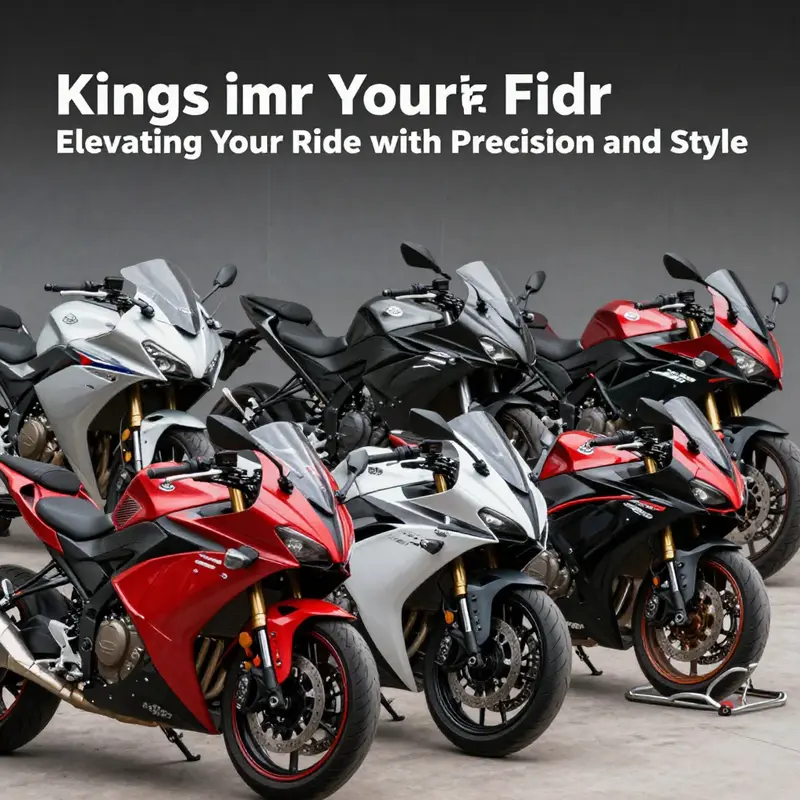
Kings Motorcycle Fairings has gained recognition as a premium option among motorcycle enthusiasts, particularly those seeking custom-fit fairings for their sport bikes and cruisers. With a keen focus on materials, build quality, and detailed engineering, these fairings promise to both enhance the look and improve the performance of motorcycles. This article will explore various aspects of Kings Motorcycle Fairings, including their high-quality materials and superior build, the ease of fitment and installation, the transformative aesthetic impact they have on bike design, and a detailed analysis of their cost against the value they present to motorcycle owners. By delving into each of these elements, business owners can gain insights into the advantages Kings Motorcycle Fairings offers in the competitive aftermarket motorcycle market.
Kings Motorcycle Fairings: Material Mastery and the Craft of Precision Fit
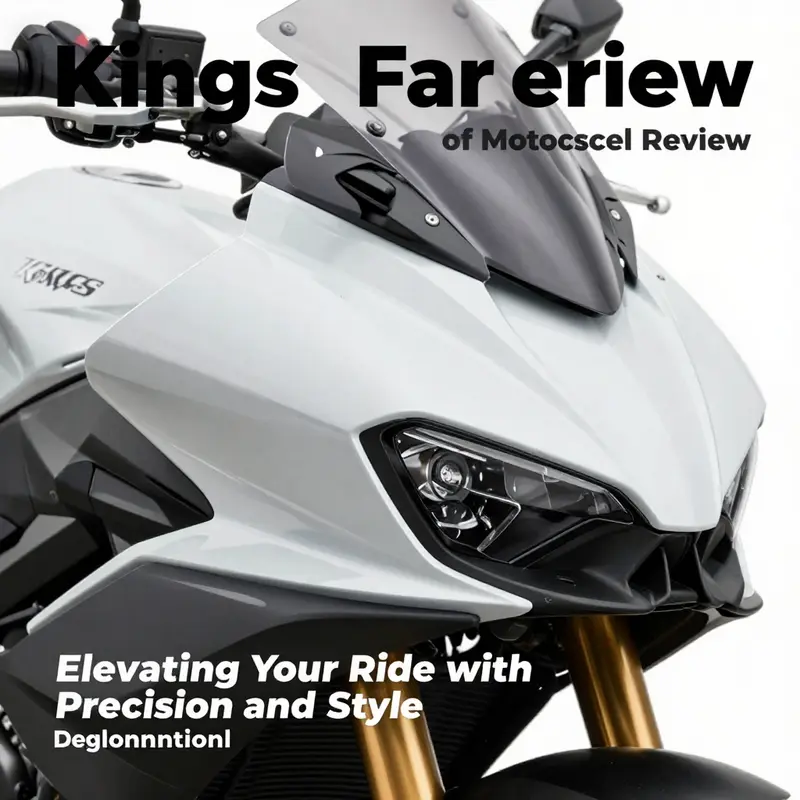
Kings Motorcycle Fairings stand as a benchmark in the aftermarket scene where aesthetics meet engineering. When riders seek a shell that not only looks the part but improves aero performance and rider confidence, the claim often rests on the material choices, the layers of protection, and the precision with which the pieces come together. In evaluating these fairings, the first thing that becomes evident is a deliberate emphasis on materials that can endure the road without sacrificing flexibility or style. The core choice is a high-grade ABS plastic, a resin that has become the industry standard for modern fairings due to its combination of impact resistance and moldability. ABS accepts complex geometries with a level of precision that lightweight composites sometimes struggle to maintain at scale, making it possible to reproduce the exact contours required for a seamless integration with a wide range of frames and components. Kings appears to extend this advantage by using formulations that include reinforced additives. These additives are aimed at enhancing durability under extreme weather, helping the finish hold up through sun exposure, rain, road grime, and the occasional encounter with road salt or brake cleaner. The chemistry here matters because a fairing that chips or crazes under a few seasons can transform from a performance upgrade into a maintenance headache. In this sense, the material backbone is more than a shell; it is the foundation of long-term reliability on which every other design decision rests.
The build quality follows this material choice with a thoughtful, almost industrial approach to surface preparation and coating. Kings employs a multi-layer coating process that mirrors prestige level automotive practices. The sequence—primer, base coat, and clear coat—might seem routine, but the implications are meaningful for riders who demand a finish that lasts. The primer is not a cosmetic afterthought; it creates a stable, uniform canvas that anchors the subsequent layers. The base coat delivers color and depth, while the clear coat provides the protective shell that battles UV radiation, scratches from gravel and debris, and chemical exposure from wheel cleaners or fuel splashes. The layering system is designed to create a glossy, durable surface that resists weathering and maintains its vibrancy even after long hours on sunlit highway slabs. The UV resistance embedded in the coatings helps prevent color fade and surface chalking, a common complaint with lighter colors exposed to sustained sun.
Beyond the finish, build quality shines through in the way parts align and fit with the bike’s original geometry. Kings’ craftsmanship emphasizes tight tolerances, a standard that matters as soon as a rider begins the installation. When fairings are manufactured to precise dimensions, gaps shrink and seams vanish into the lines of the bike, producing what many riders describe as a factory-like finish. This is not just a matter of aesthetics; the alignment of parts—fairing panels with the tank, seat, and handlebars—significantly affects airflow, noise, and tactile cues during riding. A misaligned panel can introduce wind buffeting, unexpected reflections, or tangling with quick-reach components during maintenance. The claim of precise manufacturing is not only about the first fit but about long-term reliability as the bike responds to vibration and temperature swings in real-world conditions. In practice, this means a smoother visual transition where the panels meet the chassis and a predictable, repeatable mounting experience for the DIY enthusiast who may rely on pre-drilled mounting holes or clearly documented installation guides. The virtue of this approach is the reduction of trial-and-error adjustments and the associated risk of damaging mounting points during installation.
This attention to precision echoes a broader design philosophy that balances performance with aesthetics. Kings fairings are engineered to be lightweight, a deliberate choice given that every extra gram attached to a motorcycle can influence handling, suspension response, and agility. The aim is to reduce the inertia that heavier panels contribute to during quick direction changes or when the rider leans into a corner. Lightweight construction does not come at the expense of environmental protection. The panels are designed to shield the rider from wind at speed, to buffer wind pressure onto the upper torso, and to maintain a stable ride feel in crosswinds. The result is a combination of reduced drag and improved rider confidence at higher speeds, which is a central selling point for sport-oriented models as well as for cruisers that want a more protective shell without sacrificing the factory-inspired silhouette.
A particularly practical aspect of Kings’ approach is the modular design that many of their kits embrace. This modularity enables riders to tailor their machines to personal taste and riding style while preserving the potential for future upgrades or replacements. Modularity often translates into sectioned panels that can be swapped individually rather than replacing the entire kit. For the rider, this means updates to color schemes, graphics, or even material thickness can be accommodated in a phased approach, keeping overall cost in check and minimizing downtime. It also simplifies maintenance: if one panel is damaged, it can be replaced without disturbing the entire fairing structure. The modular mindset is also a nod to real-world riding, where bikes evolve with new bodywork or performance cues as the rider’s goals shift—from a streetfighter silhouette to a track-ready look.
The design decisions are augmented by a rigorous design process that marries CAD modeling with real-world testing. The CAD-driven approach ensures a close correspondence between the digital model and the bike’s true geometry. Real-world testing then validates fitment, aerodynamics, and durability under actual riding conditions. That blend of virtual precision and tactile testing is crucial because it reduces discrepancies between the theoretical fit and the physical world. When a rider slides into the cockpit and the fairings align with minimal gaps, the sense of precision becomes tangible. It is this harmony between virtual and physical verification that underpins the perception of a factory finish rather than a mass-produced aftermarket layer.
The performance story extends beyond the shell to the rider experience. Kings’ fairings are designed with airflow in mind, not simply to look sleek. At higher speeds, properly designed fairings influence the boundary layer and reduce pressure fluctuations around the rider’s torso. The effect can translate into a calmer riding position, reduced fatigue, and a more confident sense of control. A well-designed fairing minimizes drag without creating the opposite effect of excessive lift or front-end instability. This is a subtle but important distinction—airflow management that serves both efficiency and stability rather than a purely aesthetic claim. In practice, riders who test these systems note that the improved silhouette aligns with the bike’s original lines while offering a modernized, aggressive stance that still feels cohesive with the bike’s character.
What makes a top-tier skin stand out, apart from the materials and finish, is the ease with which it can be examined, repaired, or upgraded. Kings recognizes that riders value the ability to customize without sacrificing safety or function. This is where fitment and serviceability intersect with design. The finish and seams are chosen to resist environmental exposures and to survive the occasional careless wash without hazing. The coating system supports chemical resistance against cleaners and road chemicals, an important practical factor for owners who wash their bikes with aggressive products or who ride in challenging weather. The coatings’ resilience helps maintain clarity of the panels’ finish, ensuring that the fairings look pristine year after year, even as the bike accumulates miles and the road receives its share of grime and debris.
From a market perspective, Kings’ strategy speaks to riders who want a high-end look paired with credible performance gains. The higher price point, relative to generic alternatives, reflects the integrated value of materials, coating, and precision engineering. For some buyers, the initial investment is justified by the peace of mind that comes with a consistent, repeatable fit and the avoidance of frequent replacements or modifications. The long-term durability—together with the ability to preserve the bike’s line and stance—creates a tangible value proposition for enthusiasts who treat a motorcycle as a performance instrument and a canvas for personal expression. In practice, owners often report not just aesthetic satisfaction but practical benefits, such as easier maintenance, fewer alignment adjustments after winter storage, and a finish that remains striking after countless rides and washes.
The premium feel that these fairings convey is not accidental. It is the product of a deliberate synthesis of material science, manufacturing rigor, and rider-centric design. The result is a shell that resists the rough hospitality of real-world riding—curb impacts, gravel strikes, and road spray—without revealing its compromises. Riders who value a cohesive visual identity, a sense of solidity when boarding at speed, and a finish that holds its color and gloss during the sun’s longer sessions will find that the Kings fairings deliver on those expectations. The attention to detail, from the precise alignment of panels to the tactile quality of the surface under gloves, reinforces the sense that what you’re equipping your bike with is more than a cosmetic update; it is a performative upgrade that speaks to the bike’s purpose and the rider’s ambitions.
For readers who might want to explore related fitment categories, the same level of precision that Kings brings to their line is also reflected in the broader ecosystem of fairings across different brands and model ranges. To get a sense of how dimensional accuracy translates into real-world compatibility across a spectrum of bikes, consider looking at the BMW fairings catalog, which illustrates how manufacturers address model-specific geometry and the importance of tight tolerances. This cross-reference helps underscore the shared expectations among riders who chase a clean, factory-like finish paired with dependable fitment. BMW fairings provides a useful point of comparison for those who want to gauge how premium fitment translates into ease of installation and overall aesthetics in practice.
As the riding season evolves, the conversation around fairings increasingly turns toward sustainability of finish and ease of care. The multi-layer coating system, with its UV-resistant properties, eases the burden of long-term upkeep by limiting color fade and surface micro-scratching. Maintenance routines become less about aggressive abrasion protection and more about preserving the integrity of the clear coat and avoiding chemical reactions with cyclists’ cleaners. In this sense, the Kings approach offers a practical framework: durable materials, careful surface preparation, and a coating stack that remains forgiving under routine care. The result is a composite that looks refined year after year and performs consistently across varied climates, from dry high deserts to humid coastal regions. The careful choice of materials also supports more affordable maintenance over the life of the product, since the coating can resist common contaminants that would otherwise demand frequent repainting or panel replacement.
In sum, the Kings fairings represent a thoughtful blend of material science, precision manufacturing, and rider-centered design. The ABS backbone provides impact resistance and form fidelity, while the multi-layer coating gives durable aesthetics and environmental resilience. Tight tolerances and seamless alignment ensure that the panels meet the bike’s geometry with a factory-like finish, a critical factor for riders who demand both performance and visual coherence. The modular design adds a degree of customization that respects the bike’s lines while allowing individual expression and progressive upgrades. The integrated CAD and real-world testing ethos underpin a reliable fit that reduces installation friction and supports long-term durability. And while the price point sits at the higher end of the spectrum, many riders judge the investment worthwhile when weighed against the outcome: a visually striking, aerodynamically conscious shell that endures the road and ages gracefully along with the rider’s machine. This is the kind of build quality that makes a set of fairings more than a quick upgrade; it turns them into a sustained performance and aesthetic enhancement that aligns with how modern riders experience and care for their bikes.
External resource: https://www.kingsfairings.com/products/motorcycle-fairings
Precision Fit and Clear Instructions: How Kings Motorcycle Fairings Make Installation Work
Fitment that Feels Factory, Installation that Respects Your Time
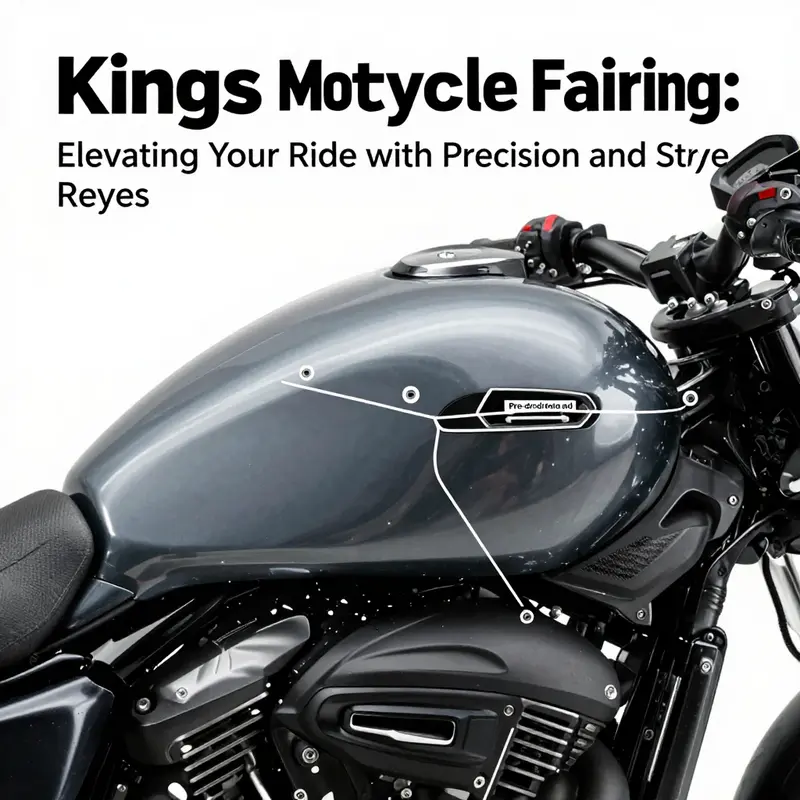
When riders decide to change a bike’s outer skin, the two biggest worries are fit and the time it takes to get the job done. Kings Motorcycle Fairings addresses both in ways that matter to everyday users. The brand’s focus on guaranteed OEM fitment changes the installation conversation from guesswork to a process you can plan. Instead of preparing for hours of sanding, drilling, and modification, riders get components engineered to match original mounting points and body lines. That matters because a precise fit reduces stress on mounting points, yields cleaner seams, and preserves the bike’s intended aerodynamics.
Kings achieves this fit through a mix of careful digital design and pragmatic production choices. Fairing panels are modeled using CAD tools, which lets designers confirm hole placements and part contours against factory measurements. Those digital models are validated with real-world templates and test assemblies before any parts go into production. The result is a set of panels that align closely with the frame and existing hardware from the start. For a rider, the payoff is immediate: fewer surprises during test fitting, less trial-and-error, and a finished look that feels factory-made rather than patched on.
This engineered approach becomes especially valuable for sport bikes where tolerances are tight and trim lines must meet precisely. With panels that slot into factory brackets and tuck neatly around lights and switches, the installation moves from custom fabrication to assembly. That does not mean there is no skill involved. Some bolts need torque checks, and small trim pieces still require careful handling. But the heavy lifting—the alignment, the mounting points, and the major interfaces—arrives ready to mate with the motorcycle’s original layout. This reduces the chance of stress cracks caused by misaligned fasteners, a common problem when generic kits are forced onto models they were not designed for.
Kings also lowers the barrier to a clean installation by providing pre-drilled mounting holes in many of their kits. Pre-drilled kits remove a major source of hesitation for do-it-yourselfers. They remove the need to mark and measure multiple times and they cut the risk of misaligned holes that lead to filler and repainting. For riders who prefer to preserve original parts, having accurate pre-drilled holes means the new fairing can be fitted, checked, and removed for painting or customization without repeated rework. For shops, those same pre-drilled patterns speed labor time and increase consistency across multiple jobs.
Complementing fitment, the inclusion of clear instructions and multimedia support makes a big difference. Written guides lay out the sequence: remove damaged trim, label fasteners, transfer any grounding points or brackets, and fit the new panels loosely before tightening. A single loose trial fit prevents forced alignments and helps identify missing clips or obstructed bolt paths. Video tutorials add visual context for tricky steps. Seeing how a panel tucks under a headlight bucket or how the lower belly pan sits against mounting studs takes the guesswork out of the process. For first-timers, these resources shorten the learning curve and reduce the time required to complete the swap.
Still, installation benefits from a few standard precautions. Always inventory the kit on arrival. Confirm bolt kits match the parts and keep small items in a labeled container. A torque wrench is a modest investment that prevents over-tightening fragile plastic tabs. Using loctite on threaded fasteners exposed to vibration helps prevent creep, while nylon washers protect painted surfaces when bolts clamp panels. When paint is required, assemble and mark gaps first while the fairing is unpainted. That helps maintain fit when panels expand or contract slightly after finishing.
For many riders, the cost premium compared to off-brand options is justified by reduced labor and a better final fit. Spending less time on drilling and sanding offsets the higher initial price. Shops that value efficient turnaround also see the advantage. When panels fit quickly, a single technician can manage more jobs in a day. That efficiency converts directly into labor savings for the owner and steadier, more predictable outcomes for the shop.
Durability is another thread that runs through fit and installation. Kings uses materials such as ABS plastic and composite blends chosen for resilience and modest weight. ABS resists weathering and delivers enough flex to survive low-speed tip-overs without shattering. That flexibility also aids installation: panels that flex slightly during final positioning are less likely to bind on brackets. The choice of material also influences how well panels accept touch-up or paint. ABS sands and adheres to common primers predictably, allowing custom paints to bond without exotic prep work.
Fitment quality also affects performance. Properly aligned fairings maintain designed airflow paths and reduce turbulence around the bike. For riders who value aerodynamics, this means a more stable ride at speed and potentially less rider fatigue on long straights. When panels sit flush, they also reduce the chance that a vibrating edge will rub paint or damage adjacent components. Small factors like these accumulate; a kit that aligns tightly at first fit reduces long-term maintenance and unexpected repairs.
Even with strong fitment and instructions, some instances require light modification. Minor trimming around vents or headlight recesses can happen when aftermarket accessories or aftermarket windscreens differ slightly from stock. When trimming is needed, it is usually limited to fractions of a millimeter rather than large-scale reshaping. A steady hand with a Dremel or an oscillating tool, plus protective masking tape, keeps the changes controlled and reversible. Where possible, consult the provided diagrams before cutting. Many riders report that tool-time rarely exceeds an hour total, and often less when pre-drilled holes and clear guides are used.
The overall installation experience also depends on parts completeness. A quality kit will include all necessary small components or clearly note any required separate purchases, such as specific fastener sizes or rubber grommets. Missing bits can be sourced at local hardware stores, but they add visits and time. That is why kits with included bolt sets and rubber trim are favored by riders who want a one-stop solution. Completeness reduces friction and aligns expectations between the shop and the bike owner.
Beyond the mechanical aspects, the psychological benefit of a well-fitting kit is worth noting. When panels install cleanly, riders feel confident about future upgrades and maintenance. The process becomes less of a chore and more of an intentional modification. That confidence encourages proper care, such as periodic bolt checks and cleaning behind seams, which in turn extends the life of both the fairings and the bike’s underlying hardware.
For those who want more model-specific information, there are resources that walk through the full install from start to finish. Video tutorials demonstrate each step visually and can be paused for reference while working. One accessible example is a step-by-step installation video that walks through removal and fitting stages. Watching a full run-through before starting helps clarify tricky sequences and reveals the order in which panels should be removed and replaced to avoid unnecessary disassembly. For riders taking on their first full fairing swap, combining the printed guide with a watchable tutorial is the most efficient strategy: read the guide, then watch the video, then start the physical work.
In short, well-engineered fairings paired with thorough instructions make a complex job approachable. Precision fit reduces corrective repairs, pre-drilled holes speed the job, and included bolt kits remove scavenging trips to the hardware store. Materials chosen for resilience ease handling, and the result is a finished appearance that closely mirrors factory intent. For riders who value neat seams, predictable installation time, and fewer surprises in the garage, choosing components designed for accurate fit and clear installation pays back in saved hours and a better-looking bike.
For a visual walk-through of the full installation process, see the accompanying tutorial here: https://www.youtube.com/watch?v=exampleinstallvideo
For model-specific replacement parts and fairing options for popular sport motorcycles, consult fairings for CBR models: https://ultimatemotorx.net/product-category/honda-fairings/fairings-for-cbr/
Shaping Speed and Style: The Aesthetic Impact of Kings Fairings on Modern Motorcycles
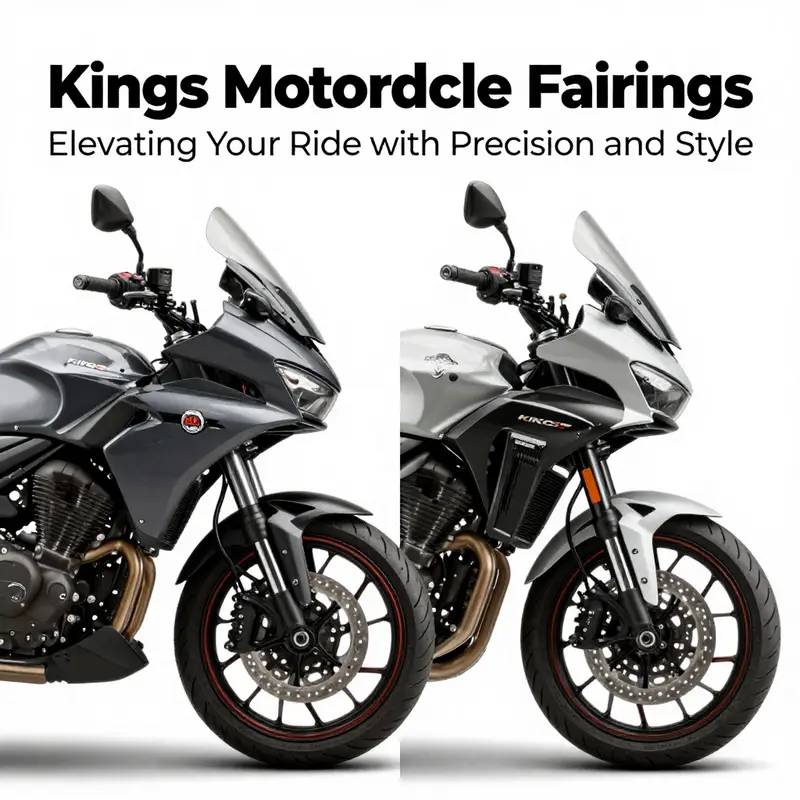
The visual language of a motorcycle is written in its curves, angles, and negative space. A well-chosen set of fairings does more than simply enclose mechanical components; it frames the rider’s posture, dictates the bike’s stance at rest, and choreographs the way air moves around the machine at speed. In this light, fairings are not afterthought covers but active design elements. Kings Fairings have earned a reputation for treating these panels as precision instruments of sculpture and engineering. They are crafted with an eye for how a shape communicates through light and shadow as much as how it slices through wind. The result is a transformative effect on the motorcycle’s identity, a visual assertion of purpose that communicates both performance intent and brand allegiance in a single, uninterrupted line of sight.
The brand’s approach to aesthetics begins long before a rider ever sits on the seat. Kings Fairings are engineered with CAD software and subjected to rigorous real‑world testing. This dual process aims to reproduce factory-level fitment while pushing the design language toward a more refined, sport‑oriented silhouette. The payoff is tangible: minimal gaps, clean seams, and a finish that wears like a high‑end component rather than a budget afterthought. That level of manufacturing discipline matters because the eye immediately notices irregularities in line continuity or misaligned mounting points. When the panels align with the bike’s existing frame geometry, the visual effect is a harmonious surface that looks as if it was always there, as if the factory produced that exact version of the bike. The importance of this seamless integration extends beyond aesthetics. It contributes to perceived quality, which shapes a rider’s sense of ownership and pride in the machine.
The aesthetic impact is especially pronounced on models designed for speed—the sport bikes and touring configurations that savor a low, aggressive profile while commanding a position of aerodynamic efficiency. Kings’ fairings offer a sleek, modern look that can transform the bike’s entire stance without sacrificing the core proportions that define its line. When a rider opts for a Kings panel set, the intention is clear: the bike should look like it means business. The lines are tightened, the angles sharpened, and the overall silhouette appears more cohesive, with each contour contributing to a sense of forward momentum even when the machine is stationary. It’s not merely about creating an eye-catching color or a glossy finish; it’s about ensuring that every curve speaks to the bike’s mechanical capabilities. In this respect, the aesthetic work is inseparable from the bike’s functional statement.
The attention to detail extends to how Kings treats the relationship between the fairings and the bike’s brand language. For riders who own Ducati, Suzuki, Honda, Yamaha, Kawasaki, Aprilia, Triumph, or BMW machines, the fairings are designed to respect and reinforce the signature design cues that define those marques. The aim is not to clash with the bike’s original styling but to extend it, to fill in the airframe with panels that look as if they belong there from the first factory roll. This means careful consideration of line continuity, curvature progression, and the way surfaces transition at joints. When the integration is successful, the bike reads as a single, continuous sculpture rather than a patchwork of aftermarket parts. The effect is a subtle but powerful enhancement that elevates the machine’s curb appeal while preserving, and in some cases amplifying, the brand’s visual language.
From a rider’s perspective, the value of this aesthetic fidelity is twofold. First, the upgrade looks authentic. There is a sense of legitimacy that comes from panels that appear to be designed with the bike in mind rather than bolted on as an afterthought. Second, the feeling of performance is reinforced by the way the bike’s form communicates through wind and posture. A properly shaped fairing reduces drag and guides airflow in a way that aligns with the machine’s intended riding dynamics. Even when the rider is not pushing the throttle, the bodywork sends a signal—this is a machine designed for speed, built with attention to precision and proportion. For enthusiasts who treat their motorcycles as expressions of taste and intent, such alignment between aesthetics and performance is a compelling reinforcement of identity.
The customization potential embedded in Kings’ approach further enhances its aesthetic appeal. Riders are not limited to a single look; they can choose finishes, lines, and color schemes that express their personal narrative while still maintaining a factory‑level fit. This is the space where imagination meets engineering. A race-inspired treatment with sharper contrasts, a minimalist scheme that emphasizes the bike’s architecture, or a bold, custom finish that asserts the rider’s personality—each option remains anchored by the underlying geometry that Kings has perfected. The result is a synergy where style and function speak a common language. The bike doesn’t appear altered; it appears enhanced, as if the rider had always intended to accentuate the model’s natural charisma with the right visual vocabulary.
The way these fairings meet the bike’s original design language is more than a stylistic choice; it’s a testament to how aftermarket components can respect core aesthetics while expanding expressive possibilities. Kings’ emphasis on precise fitment—oftentimes with pre‑drilled mounting holes and clear installation guidance—helps ensure the visual outcome is not compromised by misalignment or gaps. A consistent seam line around the edge of a fairing panel can make the entire assembly feel like it was designed as a single unit. When lines appear continuous and joints disappear into the bike’s silhouette, the eye perceives a level of craftsmanship that elevates the entire machine. This is not just a cosmetic upgrade; it is a redefinition of how the bike’s speed animal is visually narrativized.
Material choice also fortifies the aesthetic argument. Kings tends to favor durable ABS plastics and advanced composites that balance rigidity with lightness. These materials accept paint and finishes well, achieving the high gloss or matte textures that riders expect from premium components. The finish stability under sun exposure, rain, and road grime matters because a surface that fades or crazes will mar the bike’s look long before it betrays its underlying engineering. The resilience of the chosen materials keeps the aesthetic investment intact for the long haul, preserving the aggressive, clean lines that the design language requires for sustained visual impact. In practice, this means fewer touch-ups, fewer resprays, and more miles of pristine appearance—an appealing proposition for riders who view their bike as a canvas that evolves with time and use.
To illustrate how deeply aesthetics and design language intertwine with brand identity, consider how the same approach translates across different marques. A Ducati‑inspired look might emphasize sharper creases and a more angular nose—elements that convey aggression and speed. A BMW‑inspired installation could lean into sculpted panels that convey a premium, muscular certainty, with surfaces that glide and blend into the bike’s existing hardware. Honda tends to favor a smoother, more integrated wind‑tunnel feel, where the lines are elegantly restrained to preserve balance and airflow while updating the face of the bike. Yamaha and Kawasaki entries can push toward a sleek, high‑tech aesthetic that communicates precision and lightness. Kings’ capability to deliver a fairing set that respects these distinct narratives—without flattening them into a generic aftermarket look—speaks to a nuanced understanding of how aesthetics function as a language of speed and identity. The rider’s first impression is often a realization that the bike’s new appearance is not merely superficial neatening; it is a careful calibration of silhouette, line, and proportion that resonates with the machine’s core spirit.
From a practical perspective, the aesthetic benefits are complemented by considerations of installation and fitment that matter to the rider who values a clean install. Kings’ design process, with attention to CAD precision, real‑world testing, and sometimes pre‑drilled mounting points, reduces the friction that can mar the finished look. A panel that sits correctly with minimal gaps means fewer compensating brackets or heat‑sensitive adhesives and fewer compromises that could show up as visual defects after the first wash or the first ride in inclement weather. When the fit is true, the edges align with the frame, the gaps disappear, and the eye travels along a continuous surface, a cue that reinforces the perception of engineering excellence. That perception is a kind of visual proof—an assurance that the rider’s investment has been directed toward more than just a “dress‑up” upgrade. It’s about an enhanced relationship with the machine, where how it looks mirrors how it behaves on the road.
The subject of fitment meets the subject of styling most visibly in the way brand language is preserved, even as the bike is transformed. The aesthetic payoff is not a chaotic collage of shapes; it is a curated composition in which each panel and each line exists to accentuate the bike’s stance and aerodynamic profile. If the rider keeps faith with the design intent, the result can be a bike that looks as if it rolled off a precision line in a factory showroom, yet carries the personal signature of its owner through choice of color, finish, and minor detailing. That blend of factory feel and personal storytelling is what often makes the Kings option feel like a natural extension of the bike rather than a separate accessory. It is this sense of coherent design that makes the aesthetic upgrade more than skin deep. It becomes a statement about how the machine wants to be seen—and how the rider wants to be seen riding it.
For riders contemplating the next step in their bike’s visual evolution, it helps to examine how the fairing’s appearance interacts with their broader goals. Some are chasing a race‑ready vibe, where high‑contrast graphics and aggressive lines underscore performance intent. Others want a minimalist look that celebrates the purity of the bike’s original geometry, using restrained color and subtle shadow lines to emphasize form. Still others seek bold, custom finishes that express a distinctive personality, while still maintaining a coherent aerodynamic profile that does not disrupt the bike’s natural airflow patterns. Kings’ approach accommodates these divergent aims by offering a disciplined platform—one that supports a range of personal aesthetics without betraying the machine’s engineered reality. The alignment between form and function remains the constant through-line, the thread that ties together the rider’s visual ambition and the bike’s operational temperament.
As riders explore these options, a practical reference point can be a manufacturer’s own color and fairing families, which often reveal the philosophical underpinnings of a given bike’s silhouette. For those who want to anchor their choice in a specific aesthetic language, the option to explore related categories—such as the Honda fairings or the Ducati fairings offerings—can be a useful compass. These collections provide a baseline for understanding how fairings can integrate with the bike’s curves and angles, and how a third‑party set might extend, rather than alter, that established look. For readers who want to see how this logic applies to a concrete brand with a long visual heritage, the Honda fairings collection can serve as a useful reference point, illustrating how external design vocabulary can harmonize with a brand’s native silhouette. This approach helps keep the conversation grounded in the realities of fitment and compatibility while still opening space for personal interpretation.
Ultimately, the aesthetic impact of Kings fairings is about more than glossy finishes and sharper lines. It is about shaping a machine’s public perception—how it stands in the crowd, how it conveys purpose to onlookers, and how it communicates to the rider themselves. The panels become visual cues that escalate the bike’s character without overshadowing its mechanical essence. The best outcomes are those where a rider looks at the finished bike and sees a cohesive, credible extension of the original design language—an image that feels inevitable, not imposed. In that light, the Kings fairings perform the delicate task of translating speed into sight, turning aerodynamic efficiency into legible, expressive art. And for riders who want their motorcycles to speak with a clear and confident voice, that translation matters more than any single material specification or installation detail.
For those who want to explore more about Kings’ approach and the possibilities for a tailored aesthetic, the official site remains a primary resource to understand the breadth of fitment and finish options available. The broader takeaway is that the aesthetic upgrade offered by these fairings functions as a meaningful component of the bike’s overall performance identity, a visibly precise argument for why style and speed belong together on the same machine. External resources and brand‑specific references can further illuminate how these panels live in the broader ecosystem of aftermarket design, helping riders choose a path that aligns with both their visual taste and riding expectations. For more information on the brand’s offerings and philosophy, the official Kings site provides an accessible gateway to see how form, function, and finish come together in a way that respects the machine’s original design language while inviting a personal narrative to take shape.
External resource: https://www.kingsmotorcyclefairings.com
Cost vs. Value in the Aftermarket: A Critical Look at a Popular Motorcycle Fairing Line
Riding a modern sport or sport-touring machine offers a look and posture that many riders want to preserve after a crash, a mishap, or simply a cosmetic refresh. The aftermarket fairing market promises a path to that look without the sometimes brutal price tag of OEM bodywork. But price, performance, fit, and longevity are not always in perfect alignment. A practical chapter on cost versus value in this space requires more than a snapshot of sticker price; it demands a careful examination of what goes into the parts that wrap a motorcycle and how well those parts perform when they meet real roads, weather, and tire debris. The core question many riders ask is straightforward: does the lower upfront cost justify potential trade-offs in fit, finish, or durability in the long run? The answer is rarely a single yes-or-no, but a nuanced assessment that hinges on individual priorities, riding style, and expectations for maintenance and downtime.
Material choice stands at the front of that assessment. The most common materials in mainstream aftermarket fairings are injection-molded ABS plastics and various composite configurations. ABS plastic offers a favorable balance of stiffness, impact resistance, and cost, especially when UV-stabilized coatings are applied to resist sun exposure and color fading. However, ABS at a lower price point can exhibit thinner walls, less uniform thickness, and surface finish inconsistencies that become more noticeable over time. Composites—whether fiberglass-reinforced or carbon-fiber-reinforced blends—can deliver improved rigidity and sheen, but they typically inflate price and may demand more careful handling during installation and repair. The distinction is not purely about look; it is about how the parts respond to stress, heat, and highway speeds. UV stability, resin content, and the way the panel is finished in the mold or layup significantly affect color match, gloss retention, and long-term appearance under sun and heat.
From a manufacturing standpoint, the value proposition for a lower-cost line often centers on achieving correct form at a lower process cost. Injection-molded ABS with consistent wall thickness and tight tolerances can produce a clean, sprayable surface that resembles factory panels. Yet, when production runs are leaned toward the lower end of the spectrum, tolerances can drift. A panel might sit a hair off alignment, or the edges might not lay perfectly flush against adjoining shapes. In practice, small deviations in fitment can demand additional time on the bench—sanding, shimming, or perhaps thermal shaping to coax panels to sit properly. Those adjustments, while not unusual in any aftermarket project, translate into added labor costs that can erode the initial savings.
The installation experience is a crucial piece of the value equation. A line that emphasizes CAD-driven design and real-world testing to achieve precise fitment can substantially reduce the number of misalignment cues a rider or shop experiences. Pre-installed mounting holes, well-documented fitment charts, and clearly labeled hardware all contribute to a smoother install. By contrast, products with vague documentation or inconsistent pre-drilled points tend to multiply the headaches of alignment. In the best cases, the product arrives with a factory-like finish, meaning little to no post-paint prep is required and the color matches a rider’s existing scheme with minimal fuss. In less ideal cases, owners face multiple rounds of adjustment, repainting, or even replacement when the panel fails to align with the bike’s frame geometry after paint cure.
The value narrative also hinges on long-term durability. A cheaper fairing may hold up reasonably well during city commutes or weekend rides, but a rider who plans to push at higher speeds or spend extended time in exposed conditions may encounter accelerated wear. The surface may be more prone to micro-scratches, and color stability can become an issue after repeated sun exposure and rain cycles. In some cases, the protective coatings on lower-cost panels wear thinner sooner, allowing UV exposure to degrade the underlying color and gloss. When durability is compromised, the rider faces rework, repaint, or full replacement sooner than anticipated, which is precisely the kind of cost that undermines the perceived value of a bargain purchase.
This is not to dismiss the practical advantages of affordable lines. For a rider on a tight budget, the opportunity to refresh a fairing shell without the OEM price tag can be a meaningful upgrade in aesthetics and aerodynamics. The improvement in aerodynamics often correlates with the panel’s contouring and surface finish, reducing drag and smoothing the airflow at higher speeds. The aesthetic payoff can be immediate: a rider can transform the bike’s silhouette, alter color schemes, and tailor the bike’s appearance to personal taste. For a shop focusing on volume sales or a rider who intends to swap between bikes seasonally, the lower upfront cost remains compelling, provided the buyer accepts the possibility of some rework, less-than-OEM precision, or a shorter overall lifespan of the kit.
Fitment precision is the practical hinge on which this entire discussion turns. When a brand designs a fairing to follow the bike’s exact lines, it minimizes gaps that can worsen wind noise, create turbulent flow, and invite water intrusion in rain. The best performers in this space often rely on CAD-based design processes that are validated against real-world test rigs and, ideally, against a range of model years to account for minor production variances over time. This is not a universally achieved standard in the lower-cost tier, but it is a marker that separates a well-engineered line from a product that might promise an easy swap but delivers inconsistent alignment. The outcome matters not just for the eye of the observer, but for the rider who expects a clean, factory-like finish that does not require constant fiddling after installation.
For riders who want a model-specific look without the OEM price, there is a market segment that emphasizes matching geometry and mounting points, while offering an approachable price. The trade-off frequently manifests in more noticeable seams, minor misalignments in the upper fairing or belly pan, or subtle variations in edge finish that reveal the product as a non-OEM alternative. In many cases these panels do install with relative ease and can be practical if kept within the limits of the intended use—daily commuting, club rides, or occasions when pristine condition is not required for a bike that is a workhorse rather than a showpiece. In short, price can be a meaningful enabler, but it should be weighed against the probability of rework or faster wear given the rider’s expectations for long-term, high-intensity use.
Among model-specific considerations, the availability of pre-fit solutions and model-year compatibility plays a central role. For riders who lean toward particular platforms or generations, a catalog that shows clear fitment notes and model-specific panels is invaluable. It reduces the guesswork that often accompanies a purchase from the broader aftermarket pool, where misfit components can create misaligned gaps or mounting point conflicts. Those who want to navigate this landscape with confidence will often rely on detailed fitment charts, verified community feedback, and the chance to compare how different lines address the same bike. In many cases, this is where value is found: not only in the physical panel, but in the assurance that the panel aligns with the bike’s original geometry and satisfies the rider’s aesthetic and performance goals.
For riders who prioritize model-specific compatibility, an internal reference point worth exploring is the Suzuki fairings category. It aggregates options designed to fit a broad range of Suzuki platforms, making it easier to compare how different lines address common contours and mounting points. You can browse these offerings and compare fitment cues at the following page: Suzuki fairings.
The broader pricing narrative demands a mature understanding of the total cost of ownership. A lower initial price can be attractive, but rework or repaint costs can accumulate quickly if the panel does not seat properly or if the surface finish disappoints over time. Some riders find that the savings evaporate when they factor in the extra time required for meticulous preparation, refining edges, or touching up paint after installation. Others find that the final aesthetic—once the assembly sits flush and the color matches—delivers a value that justifies the trade-off. The reality is that many buyers are balancing multiple variables at once: upfront cash, the tolerance for installation time, the expected lifespan of the panel under their riding conditions, and the importance they place on achieving a near-OEM look and feel.
An expert perspective in this space reinforces the idea that budget-minded purchases can be sensible under certain conditions. If a rider is operating on a strict budget, is willing to accept potential rework, and does not require immediate, perfectly factory-fit installation, a lower-cost line can be a logical entry point into fresh bodywork. That stance—frank about the trade-offs—helps buyers avoid unrealistic expectations and align their choices with their practical needs. It also underscores a broader point: value in aftermarket fairings is not simply about the initial price; it is about the long arc of ownership, including fitment reliability, the likelihood of repeat service, and how closely the finished surface mirrors the bike’s original design language.
In practice, a prudent buyer approaches this decision with a plan. Start by clarifying what matters most: cosmetic transformation, aerodynamic gains, or long-term structural integrity. If aesthetics and quick turnaround are the focus, a budget-friendly line can deliver a striking visual without breaking the bank, provided there is patience for installation and a readiness to address minor fit issues. If ultimate fitment precision, surface clarity, and durability are non-negotiable, looking toward higher-grade lines with demonstration wear tests, tighter tolerances, and more rigorous finishing can prevent future headaches. The decision often hinges on a rider’s philosophy of ownership—whether the bike is treated as a nearly permanent showcase or as a platform for frequent changes and experimentation.
For shops and distributors weighing inventory choices, the calculus extends beyond the rider’s immediate wallet. Inventory turnover, warranty terms, and the reliability of supply chains become essential. A line that can consistently deliver panels with predictable fitment and a reasonable warranty reduces post-sale risk and supports a smoother service experience for customers. In markets where the supplier ecosystem emphasizes automation, robust export channels, and strict adherence to manufacturing standards, the risk of recurrent issues—misalignment, surface finish variance, or premature wear—drops, which improves overall brand confidence for retailers and end users alike.
In sum, value in the aftermarket fairing space is a composite measure. It includes not only the price tag but also the predictability of fit, the steadiness of surface quality, the longevity under typical riding conditions, and the ease with which a rider can complete installation and maintenance. Buyers who align their expectations with the practical realities of mass-produced panels tend to navigate the landscape more effectively. They understand that the strongest return on investment comes when the panel complements the bike’s design language, installs with minimal drama, and remains visually and structurally sound for as long as the rider expects to keep the machine in service.
External context on the materials, tolerances, and finish options that influence these decisions can be found here: https://en.wikipedia.org/wiki/Automotivebodypanels
Final thoughts
Kings Motorcycle Fairings set a high standard in the aftermarket motorcycle accessory industry, combining superior materials, meticulous engineering, and exceptional aesthetic appeal. Business owners should consider the added value these fairings bring not only in terms of functionality but also in terms of enhancing the overall motorcycle experience for riders. While the price point may be higher compared to generic alternatives, the investment in quality and fit is often justified, ultimately contributing to the long-term satisfaction and safety of motorcycle enthusiasts. As the market grows increasingly competitive, offering a brand like Kings could significantly differentiate a business focused on high-quality motorcycle accessories.