
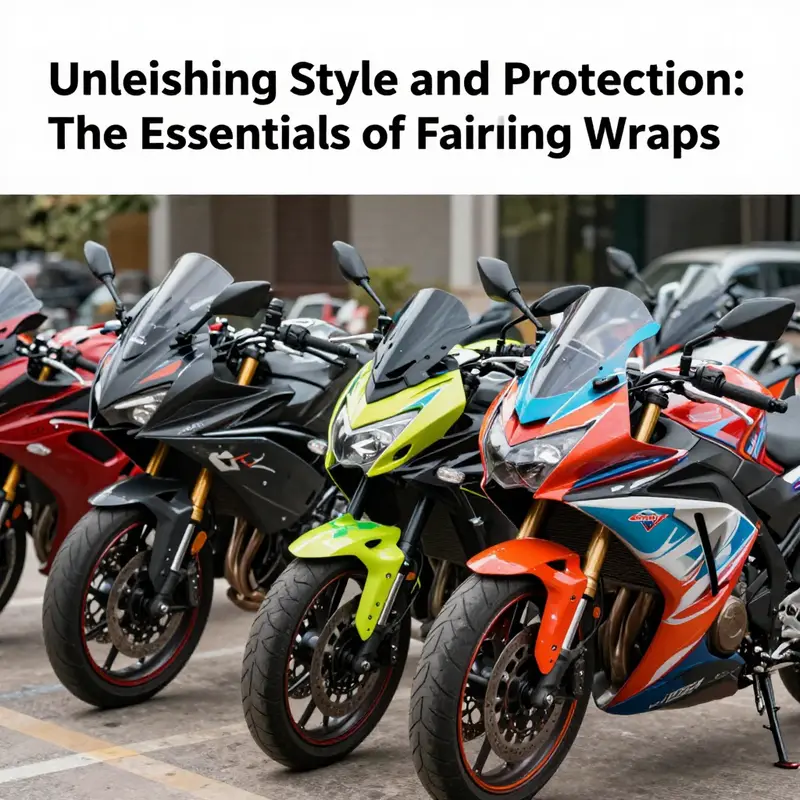
Motorcycle fairings are vital for both performance and aesthetics, covering engine components and reducing wind resistance. As a business owner in the motorcycle industry, understanding the value of motorcycle fairing wraps can enhance your offerings and appeal to customers looking for customization options. This article explores the multifaceted nature of motorcycle fairing wraps—from the numerous benefits they provide, such as aesthetic personalization and protection, to installation tips, financial comparisons against traditional paint, and how to maintain these wraps for longevity. Each chapter builds on these insights to equip you with the knowledge necessary to engage your customers effectively.
Your Motorcycle’s New Look: The Transformative Power of Fairing Wraps
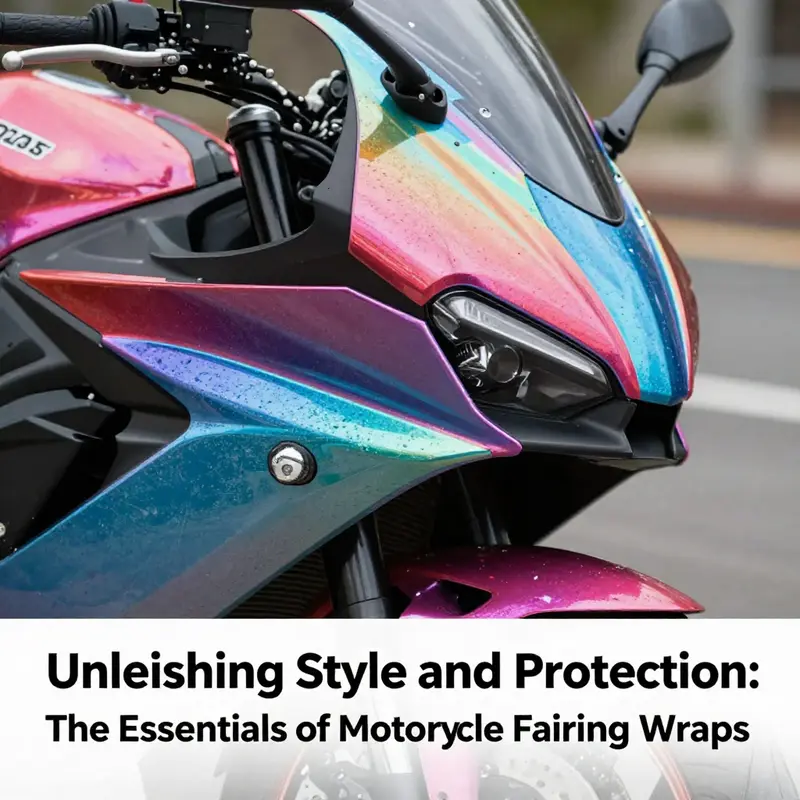
Motorcycle enthusiasts know that a bike isn’t just a means of transportation; it’s an expression of personal style and individuality. Enter motorcycle fairing wraps, a game-changing solution designed not only to enhance visual appeal but also to protect and preserve your motorcycle’s original beauty. These specialized protective and decorative coverings are becoming increasingly popular among riders, especially those who own sport bikes, touring models, and café racers, and it’s easy to see why.
Understanding Motorcycle Fairing Wraps
A motorcycle fairing wrap is a vinyl film that adheres to the fairing of a motorcycle—the panel that serves both functional and aesthetic roles. The primary function of a fairing is to reduce wind resistance and to shield the rider and the engine components from elements such as debris, rain, and insects. When equipped with a wrap, these fairings gain an added layer of protection, safeguarding them from scratches, UV damage, and minor impacts.
Unlike traditional paint jobs, wraps provide a reversible customization option that allows motorcycle owners to frequently switch up their style without the significant investment associated with repainting. The versatility of these wraps makes them a popular choice for riders looking to express their personalities through color, textures, and finishes. Whether it’s a sleek matte, a bold gloss, or a unique carbon fiber pattern, the options are nearly limitless, giving each rider the ability to create a motorcycle that stands out on the road.
The Benefits of Fairing Wraps
One of the key advantages of motorcycle fairing wraps is the protection they offer. The original factory paint can be vulnerable to various wear and tear elements, which may lead to permanent damage over time. A wrap not only preserves the paint beneath it but also adds a new layer of style that can refresh an older bike. Any nicks or dings can often be cleverly concealed with a well-placed wrap, restoring a motorcycle’s visual flair without the need for extensive repairs.
Beyond aesthetics, the installation of a fairing wrap can provide some minor aerodynamic benefits. A smoother surface finish, which can be achieved with high-quality vinyl, allows for improved airflow around the bike, leading to potentially enhanced performance. While wraps do not fundamentally change the aerodynamic principles of the motorcycle, they can subtly complement the existing design, creating a visually pleasing and performance-friendly upgrade.
Material Matters
The success of any wrapping job heavily relies on the quality of materials used. High-quality vinyl wraps designed specifically for automotive and motorcycle surfaces are essential for achieving a durable and appealing finish. These specialized materials typically include features such as:
- Matte finishes: Offering a subtle, muted look that emphasizes a sleek aesthetic.
- Gloss finishes: Providing a reflective surface that enhances color vibrancy.
- Textured finishes: Adding depth and uniqueness, suitable for riders looking for something different.
Advanced wraps can even replicate the structures of carbon fiber, giving a bike a sporty and high-performance appearance. These materials also lend themselves well to vehicles that are stored outdoors, as they are often designed to resist fading, cracking, and peeling due to UV exposure.
Professional Installation
While it’s tempting for some DIY enthusiasts to tackle fairing wraps at home, the reality is that proper installation requires skill, patience, and experience. The wrapping process begins by meticulously cleaning and prepping the fairing surface to ensure optimal adhesion of the vinyl. From there, installers must apply the wrap precisely to avoid air bubbles and wrinkles, which could compromise both the appearance and the functional qualities of the wrap.
For those new to the process, it’s highly recommended to seek the expertise of professional detailers or specialized shops. Many professionals have invested in training and tools that can significantly improve the end result, offering a seamless fit that might be challenging to achieve for novices. Additionally, skilled installers can often handle complex shapes in the fairing, ensuring that the wrap conforms perfectly to contours and edges.
Resale Value and Personalization
Another benefit of motorcycle fairing wraps is their positive impact on resale value. Riders who invest in high-value or limited-edition motorcycles often seek ways to maintain their condition and aesthetic appeal. Fairing wraps, being removable, provide an opportunity to preserve the bike’s original paint, which can be a selling point in the future. Potential buyers often appreciate motorcycles that have been well-maintained, and a wrap can minimize visible wear and tear, enhancing perceptions of durability and care among prospective buyers.
On a personal level, the ability to customize a motorcycle through wraps is liberating. For those who wish to make a statement or align their motorcycle with their lifestyle or interests, wraps present an affordable solution that allows for creativity. Riders might choose wraps that resonate with personal values, such as environmental causes or favorite art pieces, turning their motorcycle into a canvas of self-expression.
Conclusion
The world of motorcycle customization is ever-evolving, and fairing wraps occupy a significant space within it, marrying practicality with aesthetic flexibility. As both protective and decorative solutions, these wraps offer riders a cost-effective alternative to extensive paint jobs while enhancing their overall riding experience. By giving motorcycles a personalized touch and preserving their value, fairing wraps emerge as a worthy consideration for any motorcycle owner looking to stand out or simply keep their beloved machine in top condition. For thorough guidance on selecting and installing motorcycle fairing wraps, enthusiasts can refer to resources such as this comprehensive guide.
In summary, whether you’re looking to breathe new life into an old classic or merely seeking a distinctive flair for your high-performance machine, motorcycle fairing wraps are a transformative option worth exploring.
Transforming Your Ride: The Multifaceted Benefits of Motorcycle Fairing Wraps
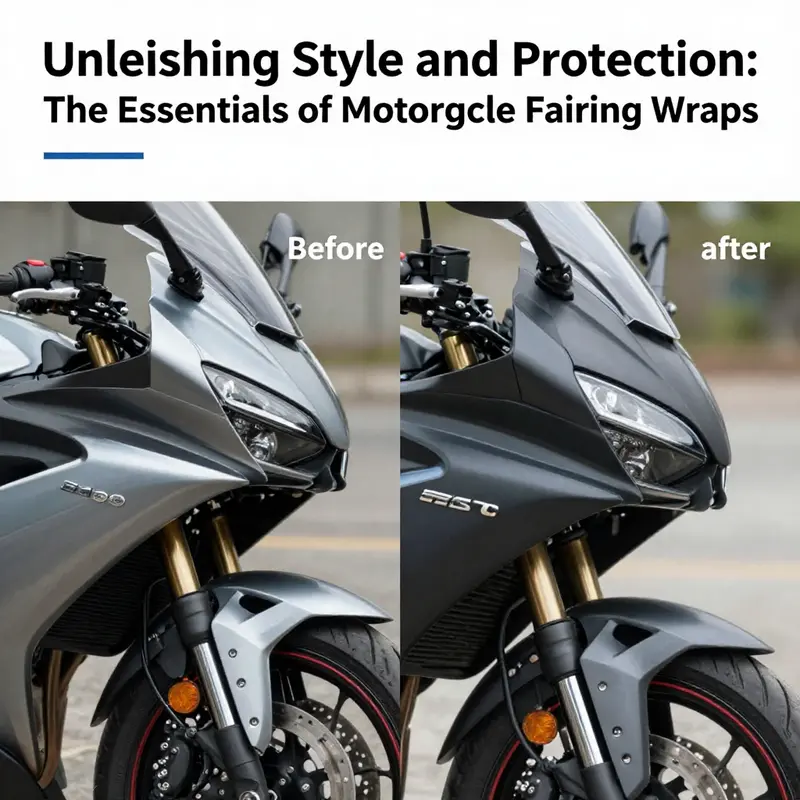
Motorcycle fairing wraps have become a popular choice among riders who seek not only to protect their bikes but also to express their individuality. They serve a dual purpose: enhancing the motorcycle’s functionality while allowing for vibrant aesthetic customization. The decision to wrap a fairing is not merely about covering the surface; it involves understanding a broader spectrum of advantages that these wraps provide.
Enhanced Protection of Your Motorcycle
One of the key benefits of motorcycle fairing wraps is their ability to enhance protection. Motorcycles, especially those used for daily commutes or sports riding, are exposed to a myriad of environmental hazards. Road debris, gravel, and even minor accidents can lead to scratches and chips on the fairing, which detract from not only the bike’s appearance but also its resale value.
By applying a fairing wrap, riders create a resilient barrier that guards against these wear and tear issues. The vinyl material used in high-quality wraps is designed to withstand external impacts and resist scratches, providing peace of mind knowing that the original paint and finish of the motorcycle will remain intact. This protective layer can extend the lifespan of the fairing, ensuring that the motorcycle maintains its appeal and structural beauty for years to come.
Aesthetic Customization Without Commitment
The appeal of aesthetic customization should not be underestimated. Fairing wraps enable riders to completely transform the look of their motorcycle without the permanence and cost of a new paint job. Riders can choose from a plethora of colors, designs, and finishes, ranging from sleek matte to eye-catching chrome. Whether it’s for a seasonal theme, promotional events, or just a change of scenery, wraps offer the freedom to alter the bike’s appearance as frequently as one wishes.
This flexibility is especially beneficial in a community where personalization is celebrated. It allows riders the opportunity to showcase their personality, style preferences, and sense of creativity. Say goodbye to the constraints of a static paint scheme and hello to a world where each ride can express a different version of oneself.
Durability and Weather Resistance
High-quality motorcycle fairing wraps aren’t just about looks; they are built to withstand the elements. The inherent durability of the vinyl material ensures that these wraps can handle the rigors of weather fluctuations, including intense UV rays from the sun, rain, and extreme temperatures. Unlike paint, which can fade or chip over time, a well-applied wrap maintains its vibrancy and integrity, even under harsh conditions. This resilience means that riders can enjoy their customized look without constant worry about losing its charm and effectiveness.
Moreover, the superior technology behind these wraps reduces the likelihood of peeling or bubbling, issues that often plague lower-quality materials. Riders can opt for wraps knowing they will serve their purpose effectively for an extended period, minimizing the frequency of replacements and the associated costs.
Ease of Installation and Removal
An attractive feature of fairing wraps is the ease of installation and removal. Many riders find the installation process straightforward and manageable, whether done personally or with professional assistance. This reduced complexity makes wrapping an attractive DIY project for many enthusiasts. Additionally, the installation does not require specialized tools or skills, enabling more riders to undertake the task with confidence.
In the case where a rider feels the need for change or simply desires to restore the motorcycle’s original colors, removing a fairing wrap is generally uncomplicated and clean. This reversibility offers riders a unique advantage—unlike paint jobs that are permanent and can complicate resale, a wrap can be taken off without substantially impacting the underlying fairing. This aspect ensures the motorcycle can always revert to its original aesthetic and potentially enhance its resale value.
Maintaining Resale Value
For many motorcycle owners, concerns regarding resale value are paramount. Customizations often cater to personal tastes, which can sometimes clash with the preferences of potential buyers. However, with fairing wraps, this risk is minimized. The ability to return a motorcycle to its original factory appearance enhances its marketability. Riders can enjoy customization without the fear of permanently altering their bike’s value.
By removing the wrap before selling, the original fairing’s condition can shine through. This makes the motorcycle much more appealing to potential buyers who may prefer the factory look or seek to make their own customization choices.
Conclusion: An Urban Essential
In a time where personalization and practicality are key for riders, motorcycle fairing wraps embody a perfect solution, blending aesthetic appeal with functional advantages. Whether shielding your motorcycle from everyday wear, allowing for creative expression through unique designs, or serving as a cost-effective alternative to costly paint jobs, the benefits are clear.
Choosing the right products and ensuring proper installation can result in wraps that protect and beautify motorcycles effortlessly. As more motorcycle enthusiasts adopt this trend, they unlock a level of creativity and functional excellence that was once limited to expensive custom paint jobs. More than just a simple covering, motorcycle fairing wraps have emerged as an essential tool in the motorcycling community, unique in their ability to enhance and protect.
This versatility reflects not only in individual rides but also in the collective spirit of motorcycling culture, where every bike tells its own story. Whether it’s a sleek sport bike, a rugged touring model, or an artistic café racer, fairing wraps hold the potential to elevate every motorcycle’s appeal.
Mastering the Art of Motorcycle Fairing Wrap Installation
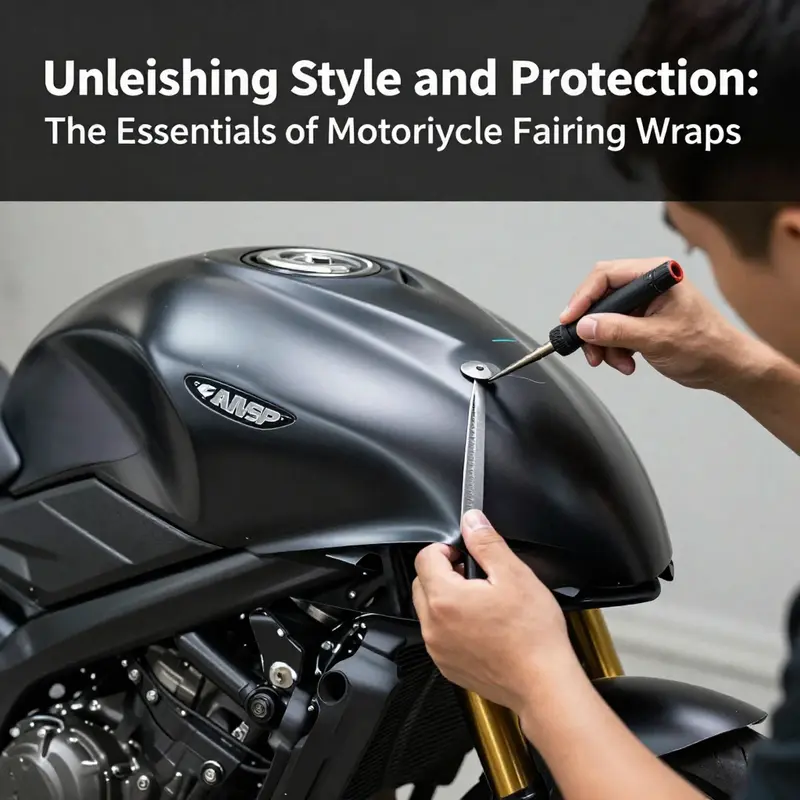
Wrapping a motorcycle fairing is an art that blends creativity and precision, allowing enthusiasts to rejuvenate their bikes while also adding a layer of protection. As riders seek options to enhance both aesthetics and durability, the motorcycle fairing wrap presents itself as a compelling alternative to repainting or replacing damaged fairings. This chapter delves into the meticulous techniques involved in installing motorcycle fairing wraps that not only accentuate the bike’s design but also ensure longevity through proper application methods.
At the heart of achieving a flawless wrap lies the preparation phase, which sets the stage for everything to follow. Before any vinyl touches the motorcycle, the first task is to clean the fairing thoroughly. This step cannot be emphasized enough; any grease, wax, or dirt left on the surface can dramatically affect adhesion. To prepare effectively, use a dedicated automotive cleaner and a microfiber cloth. Once the fairing is free of contaminants, it is essential to let it dry completely. This preparatory stage, though seemingly simple, is foundational in determining the wrap’s success.
Following a meticulous cleaning, the next phase involves cutting the vinyl wrap. To ensure that the application is seamless and devoid of mistakes, it is advisable to cut a piece of vinyl that exceeds the size of the area to be wrapped. This precautionary measure allows for adjustments and compensates for the motorcycle’s curves. Each bike features inherently unique shapes in its bodywork, which means the vinyl must adapt meticulously. By having slightly more material than needed, one can confidently trim and tuck the wrap into corners and contours later, achieving a professional finish without runs or misalignments.
Once the vinyl is cut and ready, the installation process begins; careful placement of the wrap on the fairing is crucial. Lay the cut piece on the fairing and start smoothing it out with a squeegee or heat gun. As you work, it’s imperative to constantly check for air bubbles, which can ruin the appearance and effectiveness of the wrap. If air bubbles do appear, they can often be released with gentle pressure using the squeegee, or by puncturing them with a pin and smoothing the vinyl over the area.
In many circumstances, motorcycle fairings have complex curves and edges. To effectively manage these challenges, heat is the wrap installer’s best friend. Applying heat gradually makes the vinyl more pliable, allowing it to conform to the intricate shapes of the motorcycle’s fairing. A heat gun, used with care, can soften the material enough to wrap it around tight corners and dips, ensuring a snug fit. Nevertheless, caution is needed; excessive heat can warp the vinyl or damage its adhesive properties. Thus, it is vital to find that balance between enough heat to manipulate the vinyl while avoiding temperatures that could harm the wrap’s integrity.
After achieving the desired positioning and ensuring a bubble-free application, the next step is trimming. This process requires a steady hand and a sharp blade. Carefully trim away the excess vinyl along the edges of the fairing, taking care not to cut into the fairing itself. This precision can make the difference between a seamless look and a ragged edge that detracts from the motorcycle’s overall appearance. Ensure that the blade is sharp; a dull blade can cause tearing and unnecessary damage to your wrap or fairing.
When discussing the longevity and reliability of motorcycle fairing wraps, it’s imperative to choose high-quality materials. Premium wraps are constructed from durable, UV-resistant vinyl capable of standing up to the demanding conditions that motorcycles often face—such as exposure to the elements and road debris. Low-quality wraps might save money upfront but can lead to premature fading, peeling, and general disappointment down the road.
Furthermore, a motorcycle fairing that is not structurally sound can worsen any stress on the wrap. It’s vital that the fairings themselves are made from robust materials, such as impact-resistant ABS plastic or fiberglass. Derek Langston, a Motorcycle Customization Specialist, notes that riders upgrading to well-engineered fairings often appreciate improved comfort and fewer maintenance issues. Therefore, combining quality wraps with quality fairings sets the stage for optimal performance and aesthetics.
In choosing tools, an array of professional-grade equipment can make installation smoother and more successful. Beyond the aforementioned heat gun and squeegee, utilizing a precision trimming tool allows for exact cuts that can replicate the contours of the fairing perfectly. Some enthusiasts may also include a slip solution (a mixture of water and a few drops of soap) to aid in positioning the wrap initially before securing it in place.
Lastly, following manufacturer instructions during the application process is crucial. Different vinyl types, whether cast or calendared, require distinct temperature settings and application methods. Ignoring these guidelines can result in unexpected failures, including warping or bubbling that compromise the final look of the wrap. Additionally, several manufacturers craft their wraps to cater specifically to curved surfaces, enhancing the ease of installation and overall outcome.
The meticulous nature surrounding the installation of motorcycle fairing wraps makes it a worthwhile endeavor for any motorcycle enthusiast looking to personalize their ride. Integrating artistry with protective functionality, proper techniques not only deliver an appealing aesthetic enhancement but also ensure the durability and longevity of the motorcycle components.
As you embark on your wrapping journey, it is essential to remember that investing in quality materials, adhering to preparation protocols, and executing carefully measured application techniques will culminate in a visually stunning and durable result, allowing your motorcycle to stand out on the road. For more detailed guidance about vinyl wrap application on motorcycles, refer to various online resources that delve deeper into advanced techniques and tips. Take your time, ensure precision, and enjoy the process of giving your motorcycle a fresh new look.
Unwrapping Value: A Comprehensive Cost Analysis of Motorcycle Fairing Wraps Versus Paint Jobs
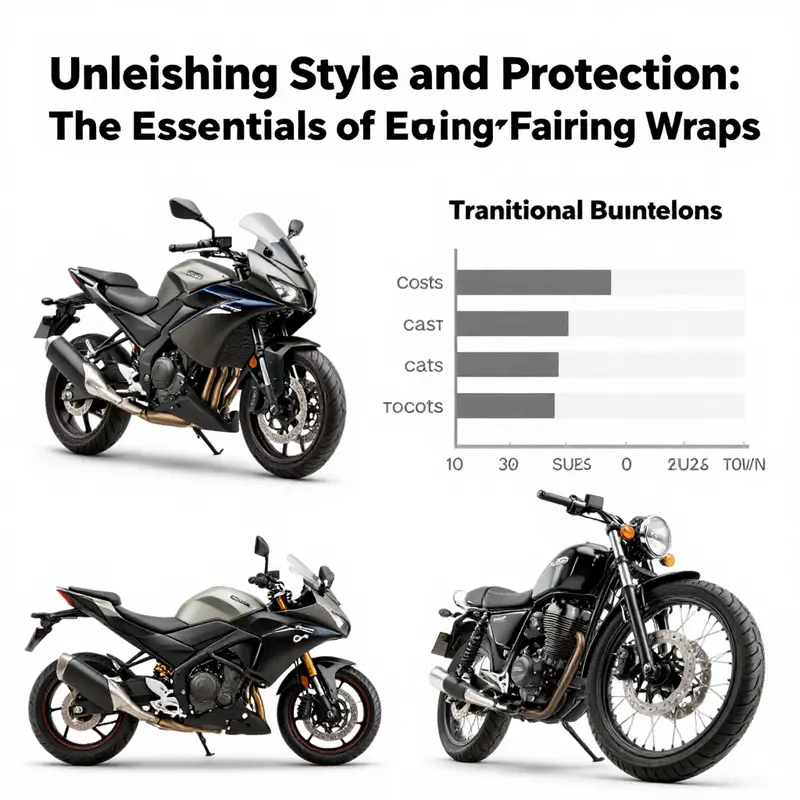
When it comes to enhancing the look of your motorcycle, one of the major considerations is the method of customization: motorcycle fairing wraps or traditional paint. This decision is often accompanied by a deep dive into the cost implications, durability, aesthetic options, and flexibility each option presents. The financial aspect is particularly crucial, as it can influence the final choice significantly, shaping not only the motorcycle’s appearance but also the wallet of the owner.
Motorcycle fairing wraps, a relatively modern innovation in motorcycle customization, are known for their cost-effectiveness and aesthetic versatility. Typically, a high-quality vinyl wrap will set you back between $300 and $800. This range can vary based on the complexity of the design chosen, the quality of the vinyl prototype (whether you prefer a matte, glossy, or even chrome finish), and the labor involved. Importantly, this price tag usually includes the expertise of professional installation, ensuring that the wrap is applied with precision and becomes a seamless extension of the bike’s original aesthetics, resulting in minimal air bubbles or unsightly wrinkles.
When you juxtapose this cost with that of a professional paint job, the distinction becomes stark. Opting for paint, especially if you fancy custom colors or intricate graphics, can escalate the expense significantly. The average cost of a paint job ranges from $1,200 to $4,000, depending on the painter’s expertise, the intricacies of the design, and the layers of clear coat needed for a glossy finish. This process requires more rigorous preparation than wrapping; it involves sanding, priming, and meticulous masking to achieve the desired look. The applied paint must cure in a controlled environment, adding further time and cost to the equation.
One of the most compelling advantages motorcycle fairing wraps offer over paint is their reversibility and customization. Unlike paint, which represents a permanent alteration to your motorcycle, a wrap can be removed and replaced with new designs at any time, preserving the dealership’s original paint and allowing for fresh expressions of individuality without the need for a costly paint respray. Therefore, for riders who enjoy continuously changing their motorcycle’s style or trying out seasonal looks, the sheer flexibility of wraps is a remarkable asset. Furthermore, evolving styles and trends in motorcycle engagement may often inspire a new wrap well before a paint job would become irrelevant.
Moreover, vinyl wraps often exhibit greater resistance to minor scratches and UV damage than typical paint finishes. They form a protective layer over the fairing, reducing the chances of unsightly marks from everyday use. This protective feature is crucial for riders who regularly navigate through less-than-ideal weather conditions or traffic scenarios that could cause incidental paint damage. However, it must be noted that while wraps are formidable against minor abrasions, they may be vulnerable to cracking or peeling in extreme weather, particularly if poor-quality materials are employed or if the application process is rushed.
The balance of initial cost and durability is another significant point of discussion. Generally, motorcycle fairing wraps may require reapplication or replacement sooner than a high-quality paint job; hence in terms of longevity, the paint might hold an upper hand, potentially paying for itself over the years if maintained. It’s essential for motorcycle owners to assess how frequently they are likely to change the bike’s aesthetics versus how long they plan to keep their motorcycle.
From a maintenance standpoint, wraps require basic upkeep to maintain their appearance over time. This often translates to regular cleaning with soft materials and specific products designed for vinyl maintenance to help prevent premature aging. On the other hand, paint jobs, albeit more resistant, require a different kind of care—more substantial polishing and waxing methods to maintain a high-shine finish. Riders should factor in these ongoing maintenance efforts as part of their long-term budget considerations.
In terms of overall value, riders leaning towards wraps are likely to appreciate the lower initial investment, allowing them to channel funds towards other bike improvements or gear. Conversely, riders willing to invest substantially in a permanent paint job may find solace in the factory-like finish and enhanced durability that may align with their longer-term ownership goals. For motorcycle enthusiasts dedicated to preserving their bike’s value, a high-end paint job may seem more appealing in terms of resale potential.
Moreover, wraps also present an eco-friendlier option when compared to traditional paint jobs that utilize chemical compounds and solvents. Vinyl films can often be more straightforward to recycle compared to leftover paint products, catering to environmentally conscious riders who still wish to personalize their motorcycles.
Ultimately, the cost comparison between motorcycle fairing wraps and paint boils down to personal preference, riding style, and how much riders wish to spend today versus in the upcoming years. Statistics show that the market for wraps grows each year as more riders recognize their advantages, opting for customization that doesn’t compromise on personal style. It’s also notable that many bike models today, from sport bikes to café racers, have found their unique aesthetics significantly enhanced by wraps, drawing new riders into the fold as they explore the vast creative potential available.
For dedicated motorcyclists, understanding the nuances between these two options is about making informed decisions that align with personal tastes and riding habits. The initial cost may suggest that wraps provide a more accessible entry point for customization, but considerations around durability and maintenance must also factor into the equation. For those taking the plunge, high-quality, weather-resistant vinyl is essential to ensure the longevity of their fairing wraps.
In conclusion, whatever your choice between a wrap or a paint job, it is vital to consider key factors such as budget, aesthetic goals, and long-term maintenance. By weighing these elements judiciously, motorcycle enthusiasts can ultimately select the best option tailored to their unique motorcycle experience and vision.
Ensuring Your Motorcycle Fairing Wrap Lasts: Maintenance and Care
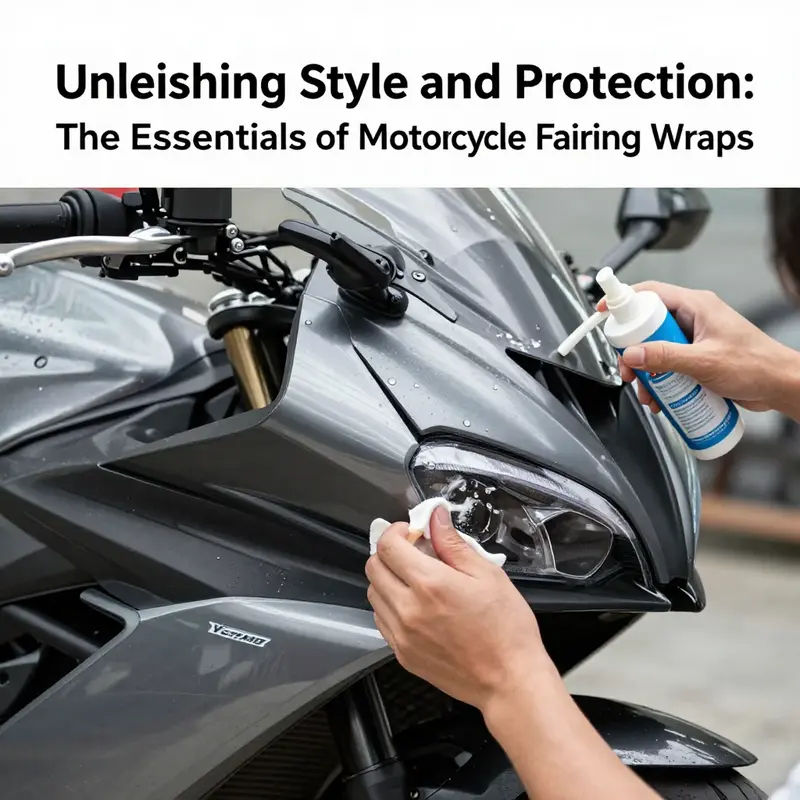
Motorcycle fairing wraps serve as an excellent blend of aesthetics and protection, transforming a rider’s machine into a personalized statement while guarding against the rigors of the road. With an average life span ranging from three to seven years, dependent on various factors, understanding proper maintenance is essential for keeping the wrap looking fresh and intact through its lifespan.
The Role of Quality Materials
The journey to a long-lasting motorcycle fairing wrap begins with the choice of material. Not all vinyl wraps are created equal; investing in high-quality, weather-resistant vinyl designed specifically for automotive and motorcycle surfaces is crucial. High-grade wraps are generally more resilient against fading, cracking, and peeling, allowing them to endure the various environmental stressors they will face. Riders are encouraged to research brands purportedly expert in manufacturing durable wraps.
Environmental Considerations
Once a motorcycle fairing wrap has been applied, external factors like UV exposure, road debris, and even weather conditions play significant roles in its longevity. UV rays are particularly damaging; over time, they can cause the colors to fade and the material to lose its integrity. Those who regularly store their motorcycles outside may consider investing in protective covers to shield their bikes from the sun when parked, significantly prolonging the life of the wrap.
Road debris, which can include everything from gravel to tree sap, poses another risk. Riders should be vigilant about where they park and ride. It’s also sensible to be cautious on roads with heavy traffic or construction, as these are prime zones for debris that could scratch or mar the vinyl.
Maintenance Practices
The most vital aspect of ensuring your wrap’s longevity is routine care. Regular cleaning can significantly enhance its appearance and life. Using mild soap and water, wipe down the fairing to remove dirt and grime. It’s critical to avoid harsh chemicals or abrasive cleaners, as they can break down the adhesive and material, leading to premature wear. Additionally, while a pressure wash might be tempting for deep cleaning, this can also compromise the wrap. Gentle washing by hand is always the safest bet.
For optimal results, riders might consider taking their bikes to professionals for installation; this not only guarantees that the wrap is fitted correctly—minimizing risks such as bubbles and lifting edges—but it also establishes a solid foundation for durability.
Regular Inspection
As part of the maintenance routine, periodically inspecting the wrap for signs of wear or damage can be incredibly beneficial. Look for lifting edges or bubbles, as these are indications that the wrap may need attention. It is far easier to address issues early on than to wait until they escalate into full-fledged deterioration. An easy fix can often be achieved with a heat gun to re-adhere loose edges, or small patches can be added to cover isolated damages.
Proactive Protection
While cleaning will maintain the wrap’s longevity, proactive protection is key. Riders should ensure that their motorcycles are equipped with protective features such as film patches for high-impact areas where the wrap is most vulnerable. Also, when not in use, consider parking the motorcycle in a shaded area or using a cover to protect the bike from the sun.
Conclusion
Motorcycle fairing wraps offer an extraordinary method for customization without the permanence of a paint job, balancing style with functionality. For riders seeking both durability and value, selecting high-quality materials and maintaining them through dedicated care is essential. With proper attention—cleaning with care, avoiding harsh environmental exposure, and ensuring professional installation—the fairing wrap can enhance a motorcycle’s aesthetic appeal while guarding it against the elements.
For riders interested in shop-specific options, visit Ultimate Motor X for a variety of fairing wraps that include superior UV protection and scratch resistance. Understanding these principles around the maintenance and care of motorcycle fairing wraps will go a long way in keeping your two-wheeled pride and joy looking its best.
Final thoughts
In summary, motorcycle fairing wraps stand out as a smart solution for business owners looking to add value to their product offerings. Understanding the benefits, installation processes, financial implications, and maintenance requirements positions you to better cater to customers. This knowledge not only enhances your business portfolio but also fulfills your customers’ desires for protection and personalization in their rides. As the motorcycle industry continues to evolve, embracing innovative options like fairing wraps could be a turning point for your success.
undefined
About us
undefined