
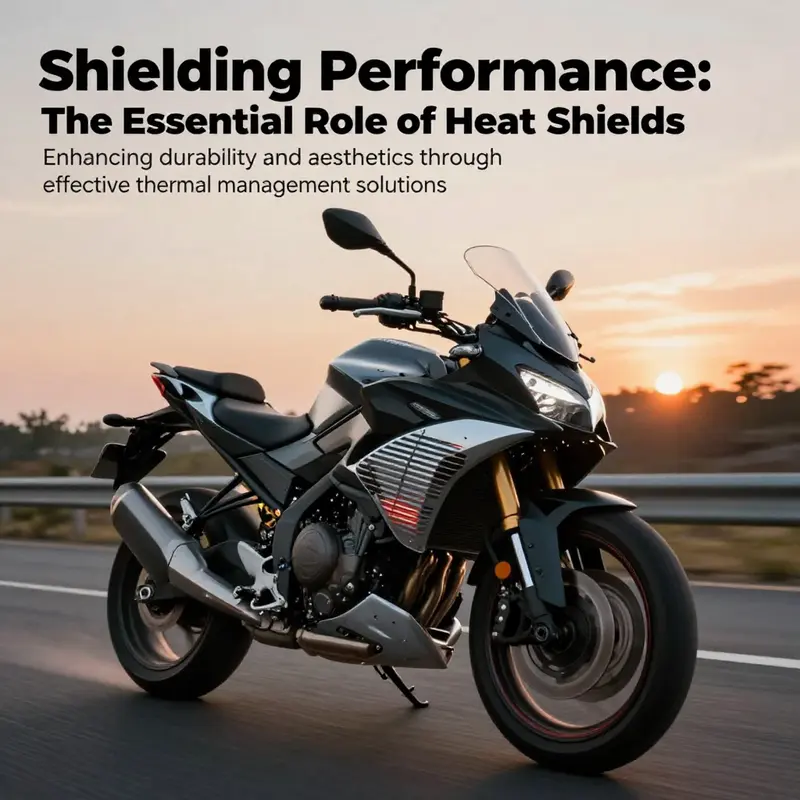
In the realm of motorcycle design and maintenance, heat management plays a crucial role in preserving the bike’s appearance and strength. Motorcycle fairings, typically crafted from plastic or composite materials, are particularly vulnerable to thermal stress from exhaust components. A heat shield serves as a protective barrier, safeguarding these fairings from warping, discoloration, or even melting due to excessive heat. The upcoming sections will delve into the multiple benefits of heat shields—exploring their construction, materials, and installation techniques—highlighting their importance in offering an optimal solution for motorcycle businesses looking to enhance performance and aesthetic integrity.
The Crucial Role of Heat Shields in Motorcycle Fairings: Enhancing Performance and Longevity
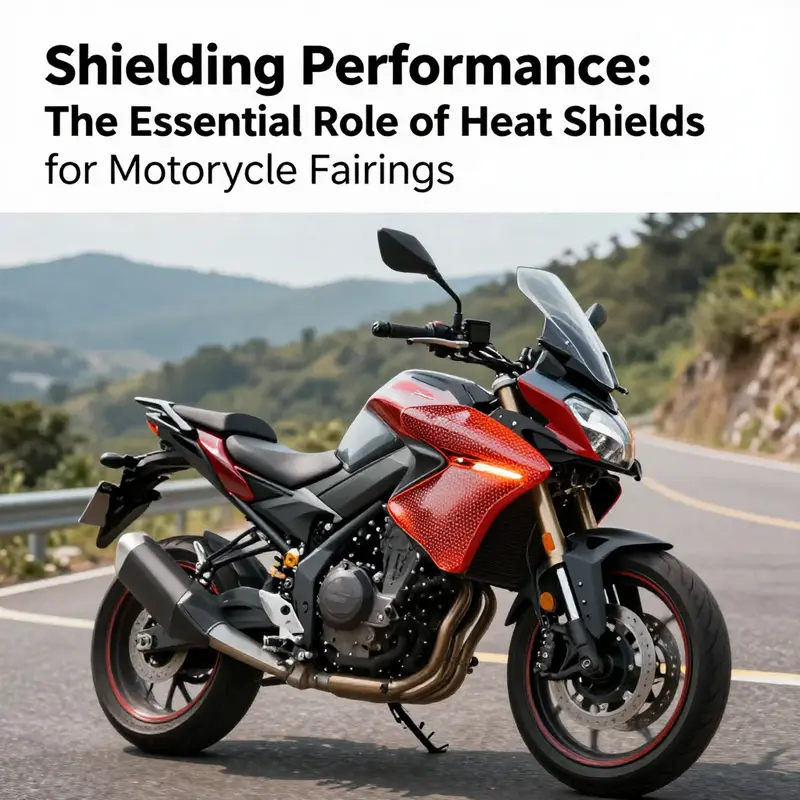
In the world of motorcycling, every component counts toward the overall performance, safety, and aesthetics of the bike. Among these components, a heat shield specifically designed for motorcycle fairings emerges as a vital element that goes beyond mere innovation—it’s a necessity for both rider comfort and fairing preservation. These shields serve as protective barriers that insulate the fairing material from the excessive heat generated by the motorcycle’s engine and exhaust systems, which, if left unchecked, can lead to catastrophic failure of the fairing materials—typically plastic or composite.
When heat from the engine and exhaust is transmitted to the fairing, thermodynamics takes its toll, particularly during prolonged rides or in heavy traffic. The detrimental effects of unmitigated heat exposure manifest in various ways, including warping, discoloration, cracking, and even melting of the fairing. These issues not only compromise the aesthetic appeal of the motorcycle but can also impact structural integrity, potentially leading to costly repairs or replacements. Therefore, the installation of effective heat shields is not simply a precaution—it’s a crucial step in ensuring the motorcycle can withstand the rigors of frequent use.
The performance characteristics of heat shields are impressive. High-quality models, often made from materials like foil-coated fiberglass with adhesive backing, are capable of withstanding temperatures in excess of 850°F. The lightweight nature of these materials makes them ideal for motorcycle applications, as they do not contribute significant weight while providing substantial thermal resistance. Advanced options, such as aluminized heat shielding sleeves, can tolerate temperatures exceeding 2000°F, thereby offering even more robust protection. Such features are particularly important for high-performance or racing motorcycles where extreme conditions are the norm.
Enhancing the Riding Experience
One of the most significant benefits of installing a heat shield is the enhanced rider comfort. Prolonged exposure to the intense heat radiating from the engine and exhaust can make the ride unbearable, especially during the warmer months. Riders often experience considerable discomfort as heat transfers to their legs and lower torso, which can be distracting and even dangerous. By incorporating a heat shield, riders effectively create a barrier that minimizes this thermal transfer, allowing them to focus on the road ahead instead of the rising temperatures around them. This comfort is particularly critical in stop-and-go traffic or during long-distance rides, where maintaining consistent comfort can contribute to both safety and enjoyment.
Preserving Aesthetics and Integrity
Another fundamental advantage of utilizing a heat shield lies in its ability to preserve the aesthetic and structural integrity of the fairing. The fairings, particularly those used in touring and touring-style motorcycles, often feature intricate designs and are painted with vibrant colors. Heat-induced damage can lead to not only material fatigue but discoloration of the paint, diminishing the beauty of the bike. Furthermore, split fairings, which are common in high-performance cruisers, have expansive surfaces near hot engine components, making them particularly vulnerable to thermal stress. By using high-quality heat shields, riders can protect these sections from the extreme heat that could otherwise lead to costly visual and structural degradation.
The structural integrity maintained by heat shields also extends the lifespan of the motorcycle’s bodywork. The reduced likelihood of warping or cracking means less time spent on repairs and replacements, allowing riders to enjoy their motorcycles worry-free. Moreover, a well-maintained fairing contributes significantly to the overall value of the motorcycle, which is essential both for seller-consideration in the long run and for maintaining the pride of ownership.
Versatility and Applications
Heat shields are not just essential for standard motorcycles; their applications extend into the custom and industrial realms as well. In the world of custom builds, vintage model restorations, and DIY projects, original equipment may often fall short in providing adequate thermal regulation. Universal heat shields become indispensable in these scenarios, engineered to fit various models and capable of providing consistent coverage over extensive exhaust sections. The versatility of these shields ensures that regardless of the motorcycle’s make or model, riders can find suitable solutions for thermal management.
Whether it’s for BMW, Honda, Ducati, Yamaha, or Suzuki, the application of heat shields in customizing motorcycle fairings opens a realm of possibilities. Enthusiasts can enhance their rides with tailored solutions that not only improve performance but also add a layer of protection across different engine configurations.
Conclusion
In essence, investing in a quality heat shield for motorcycle fairings is more than a mere upgrade—it is a crucial component contributing to rider safety, comfort, and the motorcycle’s longevity. With the ability to mitigate extreme temperatures and protect delicate fairings from damage, riders are empowered to take full advantage of their machines without fear of thermal-related failures. Therefore, as one navigates the complex decisions involved in motorcycle maintenance and enhancement, it becomes evident that a properly designed and installed heat shield is essential in preserving the riding experience, ensuring that each journey is as enjoyable and trouble-free as possible.
For further details about heat shield performance and specifications, check this comprehensive overview for motorcycle fairing protection.
The Essential Design and Material Composition of Motorcycle Fairing Heat Shields
In the world of motorcycle maintenance and performance optimization, ensuring the longevity and aesthetic appeal of fairings is a critical concern for riders and enthusiasts alike. The fairings serve not only as a protective barrier against road debris and adverse weather conditions but also play a crucial role in enhancing the bike’s aerodynamics and overall aesthetic appeal. However, one of the less obvious but equally important aspects of fairing maintenance is the effective management of heat generated by the motorcycle’s exhaust system. This necessity has led to the widespread use of heat shields specifically designed for motorcycle fairings, which are invaluable in protecting the fairing material from the deleterious effects of excessive heat.
At the heart of an effective heat shield for motorcycle fairings is its construction and the materials used therein. Most heat shields are designed using a multi-layered approach that combines specialized materials to create a barrier against thermal radiation. The primary purpose of these materials is to prevent heat transfer from the exhaust system to the fairings, which are typically made of plastic or composite materials susceptible to warping, discoloration, or even melting under intense heat conditions.
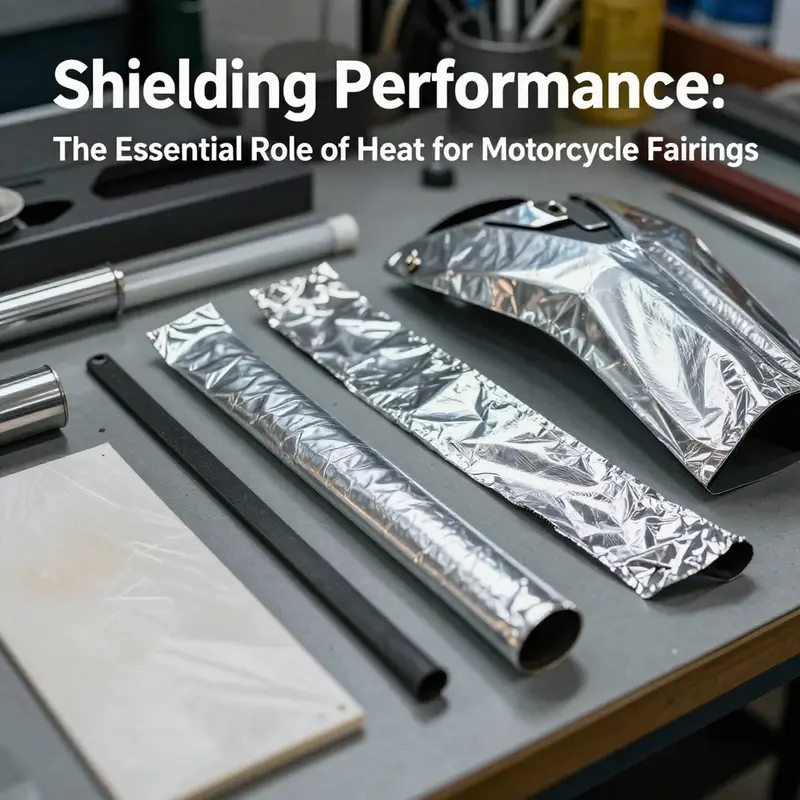
A crucial component of any heat shield is its reflective layer, which is often constructed from high-grade aluminum foil. This reflective layer acts as a radiant heat reflector, deflecting heat away from sensitive components and ensuring that it doesn’t permeate further into the fairing material. The aluminum is specifically chosen for its excellent thermal reflective properties, allowing it to thwart heat transfer efficiently. Moreover, aluminum foil is lightweight, contributing to the overall benefit of adding a minimal load to the motorcycle while providing superior heat protection.
Beneath the reflective exterior lies the insulation layer, typically made of dense fiberglass or similar insulating materials. This layer’s function is twofold: it not only absorbs high temperatures but also dissipates heat, significantly lowering the risk of exceeding temperatures that could potentially damage the fairings. Given that fiberglass can withstand high operational temperatures, its use in a heat shield ensures prolonged thermal resistance under varying riding conditions, from leisurely jaunts to high-performance racing scenarios.
While not universally present, many modern heat shields come with an aluminized self-adhesive backing that simplifies installation. This feature allows riders to adhere the heat shield directly to the inner surface of the fairing or even the engine casing with minimal fuss. The ease of installation means that even those with limited mechanical knowledge can enhance their motorcycle’s thermal management system effectively.
When considering the material properties of these heat shields, several factors come into play that speak to their durability and performance. They are designed to withstand not just high temperatures but also vibrations and other stresses that come with motorcycle operation. Over time, exposure to such conditions can lead to degradation; yet, well-constructed heat shields can mitigate this risk, thus ensuring the longevity of both the fairings and the shield itself.
A critical element of their functional design is the overall layout of these heat shields, which is intended to ensure broad, even coverage over significant exhaust sections. This characteristic prevents the formation of hot spots that can lead to localized heating, which exacerbates wear on the fairing material. By ensuring even heat distribution, these shields help maintain the structural integrity of the fairings and help avoid premature failures of the components that they protect.
Riders increasingly rely on the availability of quality heat shields; therefore, many aftermarket solutions are now available. Products made from advanced materials such as aluminized heat shielding sleeves can withstand temperatures exceeding 2000°F. These are particularly appealing for high-performance motorcycles that face extreme conditions. In terms of accessibility, platforms like eBay offer a variety of heat shield options suitable for different motorcycle models, allowing each rider to find a bespoke solution to their thermal management needs.
For riders interested in performance and the protection of their motorcycle fairings, the importance of a properly installed heat shield cannot be overstated. Not only do these shields enhance the visual appeal by preventing discoloration or warping, but they serve a critical technical function by contributing to the safety and reliability of the motorcycle. For comprehensive and detailed insights into the specifications and performance standards of these products, enthusiasts can refer to established manufacturers like Foshan Yingsha Technology Co., Ltd., which provides transparent documentation on their construction processes.
In conclusion, the construction and materials used in heat shields for motorcycle fairings represent the intersection of advanced engineering and practical motorcycling needs. By employing a sophisticated layering of heat reflective and insulation materials, such shields are vital in safeguarding the aesthetics and integrity of motorcycle fairings against the unforgiving nature of thermal wear. Such proactive measures allow riders not only to enjoy their machines with a peace of mind but also to ensure that they remain in top performance condition for countless rides ahead. Whether you’re a casual rider or a dedicated racer, understanding and utilizing heat shields can greatly enhance your motorcycle experience.
Mastering the Art of Heat Shield Installation for Motorcycle Fairings
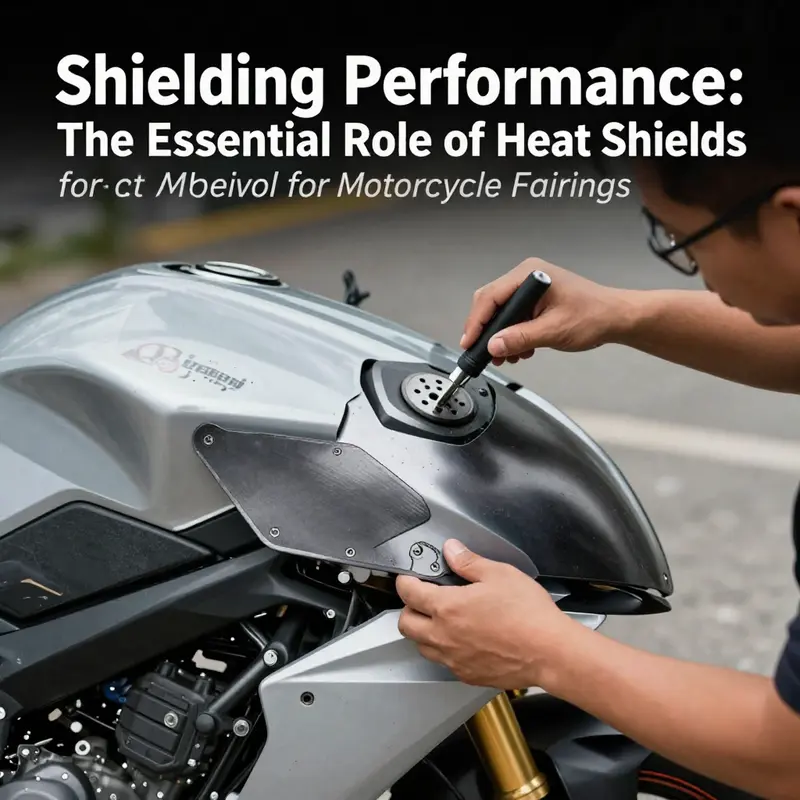
When it comes to optimizing motorcycle performance and safeguarding its structural integrity, the application of heat shields for motorcycle fairings is a critical yet often overlooked aspect. Heat shields serve as essential barriers between the fairings—typically made of plastic composites—and the intense heat radiating from the exhaust system. Proper installation of these shields is vital for not just preventing damage to the fairing material, but also for enhancing the overall aesthetics and safety of the motorcycle. This chapter delves into the nuances of installing heat shields, exploring essential techniques that ensure a perfect fit and long-lasting protection.
Preparation: The Cornerstone of Successful Installation
Before embarking on the installation process, thorough preparation is essential. Begin by confirming that the heat shield in question is specifically engineered for your motorcycle model. Variances in fairing sizes, shapes, and mounting points call for a tailored approach. Not all heat shields will fit every motorcycle, so checking compatibility is paramount. Once compatibility is verified, it’s time to clean both the motorcycle fairing surface and the heat shield’s contact area meticulously. Whether it’s leftover adhesive, dust, or grease, removing these residues ensures optimal adhesion. For cleaning, using a mild detergent followed by a thorough rinse with water, followed by drying, can significantly enhance the chances of a secure fit. A clean surface acts as the foundation for a successful installation, impacting how long the adhesive bond remains intact once installed.
Positioning: Aligning for Success
After preparing your surfaces, carefully position the heat shield on the fairing. This step requires precision and patience. Proper alignment with any dedicated mounting holes or reference marks on the fairing is crucial. Improper positioning can lead to gaps that ultimately compromise the efficiency of the heat shield. Consider how you will press the shield into place; for heat shields that are flexible or semi-rigid, start by gently placing them at the designated location before applying pressure. This allows for adjustments to be made without the risk of the adhesive prematurely sticking in the wrong position. Note that some fairing designs require additional considerations, such as accounting for curves and angles, which may necessitate a bit of careful manipulation to ensure a flawless fit.
Secure Attachment: Methods and Techniques
With the heat shield in position, the next step is to secure it effectively. This task often involves a combination of adhesive pads or double-sided tape and mechanical fasteners. Using high-temperature resistant adhesive pads is common practice; look for products that can tolerate temperatures reaching approximately 150°C (300°F). Apply the adhesive firmly to the back of the shield before pressing it onto the fairing. Mechanical fasteners, like small screws, rivets, or clips, can provide additional security, especially in sections of the motorcycle that regularly experience vibration or elevated heat levels. If you decide to use fasteners, take care while drilling pilot holes in the fairing. Excessive pressure can easily crack or damage the plastics. On securing with screws, be cautious—tighten them just enough to keep the shield in place, avoiding over-tightening that may distort the fairing’s material.
Ensuring Thermal and Functional Integrity
The installation phase does not end with simply adhering and fastening the shield. Post-installation inspection plays a crucial role in affirming the shield’s effectiveness. It’s essential to inspect the entire perimeter of the heat shield, ensuring that there are no gaps or air pockets that could allow hot exhaust gases to bypass the shield. Failures here can render the shield ineffective, exposing the fairing to potential heat damage. Another vital consideration is the functionality of motorcycle components that may lie in proximity to the newly installed heat shield. Ensuring that the shield does not impede the operation of controls, lights, or any cooling vents on the motorcycle is crucial. The installation must align with the overall operational design of the motorcycle, enhancing protection while allowing full functionality.
Conclusion and the Path Ahead
Mastering the installation of heat shields on motorcycle fairings is not just about immediate benefits; it’s about safeguarding the motorcycle’s longevity and performance. By adhering to thorough preparation, precise positioning, secure attachment methods, and careful inspections, you equip your motorcycle for optimal operation while keeping its aesthetic appeal intact. For those seeking specific model installations, detailed guides are often provided by manufacturers, offering insights into their unique requirements. For further insights, technical specifications, and model-specific considerations, consider exploring more about Heat Shield Motorcycle Fairing Explained: Structure, Material Properties, and Common Industrial Uses.
Final thoughts
In summary, heat shields for motorcycle fairings serve as an indispensable component in thermal management, protecting aesthetic and structural integrity against excessive heat. By understanding their benefits, construction materials, and proper installation techniques, business owners can provide enhanced solutions that not only prolong the life of motorcycle fairings but also improve overall performance. Investing in proper heat shielding is not merely a matter of appearance, but a necessity for maintaining quality and safety in motorcycle engineering.
undefined
About us
undefined