
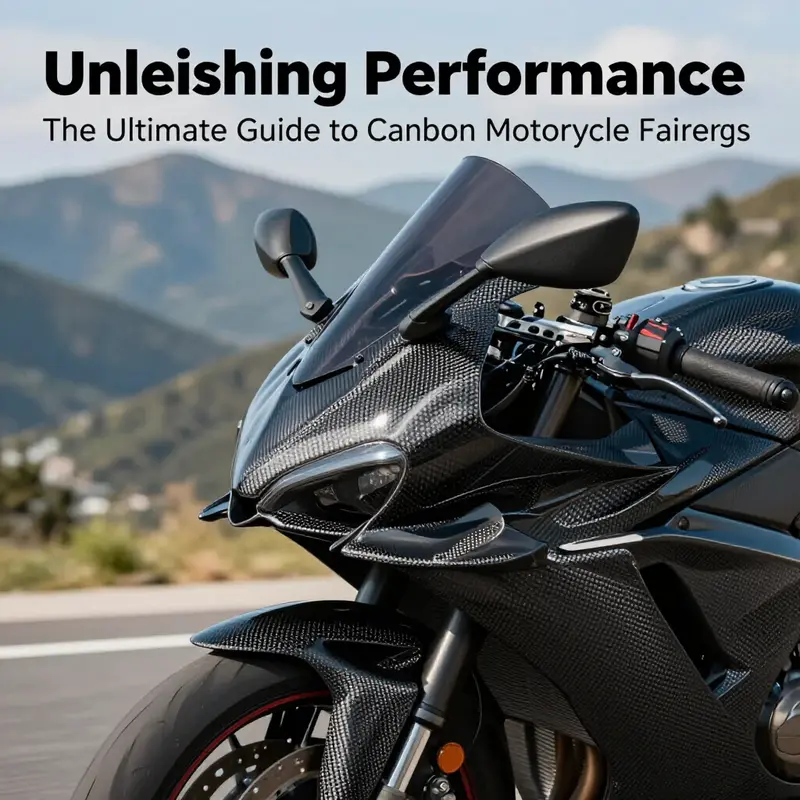
Carbon motorcycle fairings have emerged as game-changing components in the motorcycle industry, combining superior performance with aesthetic appeal. Tailored for enhancing sport bikes, touring models, and custom builds, these high-performance body parts made from carbon fiber present numerous benefits, including significant weight reduction, improved handling, and enhanced aerodynamics. This article delves into the multifaceted world of carbon motorcycle fairings, exploring their advantages in performance, manufacturing technologies, market trends, and sustainability. Each chapter will provide detailed insights essential for business owners looking to navigate this evolving landscape, ensuring they grasp the full scope of opportunities associated with carbon motorcycle fairings.
Unleashing the Power of Carbon Motorcycle Fairings: Performance and Weight Advantages
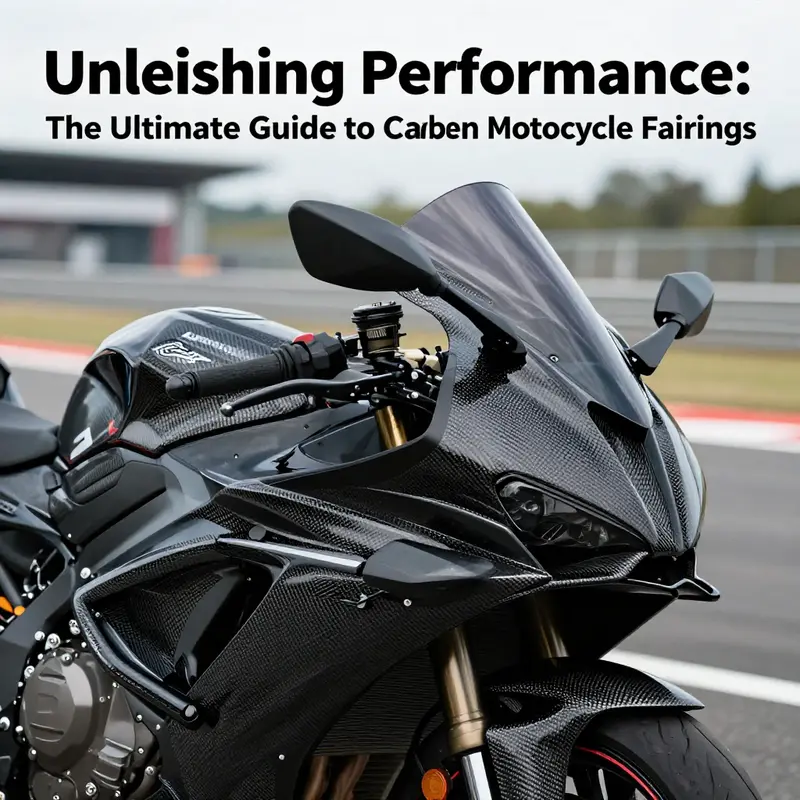
In the world of motorcycle performance, the discussion often revolves around how to enhance speed, agility, and control. One significant factor that influences these attributes is the weight of a motorcycle. Lighter machines allow for quicker acceleration and improved handling, which is where carbon motorcycle fairings shine. Crafted from carbon fiber, these fairings are not merely aesthetic upgrades but pivotal components that transform riding dynamics. The adoption of carbon motorcycle fairings stands as a testament to innovation in motorcycle enhancement, merging cutting-edge materials science with the thrill of performance riding.
A primary advantage of carbon motorcycle fairings is their exceptional strength-to-weight ratio. Unlike traditional fairings made from heavier materials such as plastic or fiberglass, carbon fiber components can reduce the overall weight of the motorcycle by up to 20%. This reduction is not merely a number; it manifests in tangible performance improvements. In racing scenarios, every ounce counts. Cutting unnecessary weight leads to quicker acceleration times, allowing a rider to leave competitors behind. With less mass to propel forward, the efficiency of the motorcycle’s engine is maximized, directly correlating to fuel efficiency—an important metric whether navigating city streets or tearing up racetracks.
Furthermore, the lightweight nature of carbon fiber enhances handling traits. Riders experience improved maneuverability, which is critical in situations that demand quick turns and victories over tight corners. This heightened responsiveness is a significant advantage in both competitive racing and recreational riding. The reduction of inertia allows motorcycles to react to rider inputs with greater immediacy, resulting in a seamless connection between the rider and the machine. This also helps alleviate rider fatigue over long distances since the motorcycle is easier to control, facilitating longer rides without the physical strain that heavier machines might impose.
Another layer of performance enhancement comes from the aerodynamic properties of carbon motorcycle fairings. The design possibilities granted by carbon fiber allow manufacturers to create fairings shaped for superior airflow management. This precision can minimize drag, which is crucial when pushing the motorcycle to its limits. Traditional fairings made from plastic or molded fiberglass simply cannot achieve the same level of aerodynamic optimization due to their inherent material limitations. Carbon fairings are typically designed to channel airflow more efficiently, which can lead to higher top speeds and improved stability at highway velocities.
On the racetrack, especially, aerodynamic stability is paramount. Advanced carbon fairing designs can even generate beneficial downforce at high speeds, enhancing tire grip. This level of grip is crucial for maintaining control during high-speed maneuvers, allowing riders to push the limits without fear of losing control. In such high-stakes environments, where milliseconds separate victory from defeat, relying on superior aerodynamic designs can be the deciding factor in a race.
Durability also plays a critical role in the appeal of carbon motorcycle fairings. Engineered to withstand extreme conditions, carbon fiber boasts remarkable robustness under stress. Unlike traditional materials that may flex, succumb to impacts, or warp under prolonged use, carbon fiber retains its structural integrity even in the toughest environments. This resilience means a longer-lasting investment in motorcycle performance. Riders can confidently navigate challenging terrains and high speeds, knowing their fairings will not falter.
Additionally, carbon fiber exhibits excellent thermal and acoustic insulation properties. Beyond the primary performance metrics, these fairings help mitigate engine noise within the cockpit, creating a more comfortable riding experience. Furthermore, they protect internal components from heat buildup—an essential feature for performance motorcycles that operate under high temperatures. This dual insulation effect is particularly advantageous on long rides, where the comfort of the rider can greatly affect overall enjoyment and focus.
When approaching the purchase of carbon motorcycle fairings, it’s essential to know how to distinguish between genuine carbon fiber products and imitations that flood the market. Authentic carbon fairings are comprised of real prepreg fabric, cured under controlled conditions that ensure the optimal balance of weight and strength. Reputable manufacturers invest in advanced techniques, such as autoclave processing, which significantly enhance the performance characteristics of the final product. Buyers should be wary of faux carbon options, which may merely utilize adhesive vinyl wraps to mimic carbon fiber’s appearance without delivering any of its sought-after benefits.
Companies like 1carbontech and Vulturbike have established themselves as leaders in the carbon motorcycle fairing industry. Their commitment to precision engineering via technologies like water jet cutting and CNC machining results in parts that are not only lightweight and strong but also designed for seamless installation. Moreover, these manufacturers utilize hybrid materials—for example, incorporating Kevlar into their designs for added impact resistance, ensuring that performance and safety go hand in hand.
For motorcycle enthusiasts looking to personalize their rides, carbon fairings hold undeniable appeal, enhancing aesthetics while also contributing significantly to performance. The visual allure of carbon fiber, with its distinctive weave and finish, elevates a motorcycle’s look, truly setting it apart from the crowd. Whether integrating full fairings for maximum protection or customizing side panels for a sleeker appearance, carbon fiber options allow for configurability aimed at a rider’s taste.
Ultimately, the transformation that carbon motorcycle fairings provide encompasses more than metrics; it’s about the freedom and empowerment that come with superior performance. With technology continually advancing, the offerings of carbon motorcycle fairings continue to expand, granting every rider the opportunity to revolutionize their experience. Investing in carbon fairings is not simply a performance upgrade; it’s an invitation to tap into the motorcycle’s true potential, combining speed, safety, and style in one sophisticated package.
To delve deeper into the technical specifications and considerations when selecting carbon fairings, consult resources such as “A Complete Insight into King Carbon Fairings: Technical Specifications, Grades, and Applications”. In doing so, riders ensure that they not only enhance their machines but also make informed decisions that support their riding needs and aspirations.
Crafting Excellence: The Intricate Manufacturing Processes Behind Carbon Motorcycle Fairings
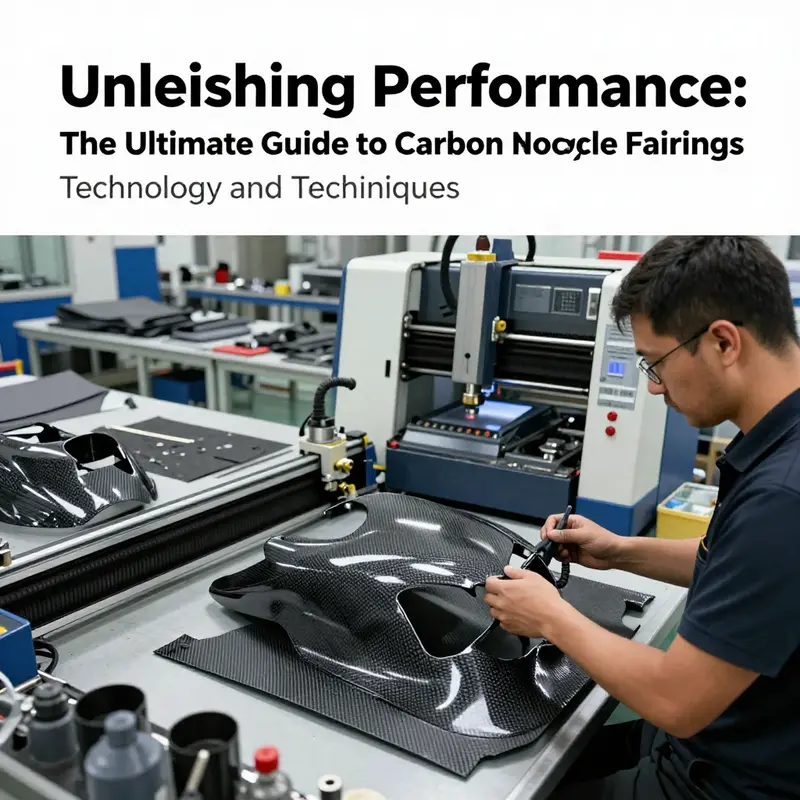
The realm of carbon motorcycle fairings embodies a synthesis of cutting-edge technology and meticulous artistry. These lightweight yet robust components, fundamentally transforming the aesthetics and performance of motorcycles, are the product of sophisticated manufacturing processes with origins steeped in advanced composite technology. This chapter delves into the techniques utilized to create carbon motorcycle fairings, touching on their significance in the performance-driven motorcycle industry and making the case for their widespread adoption among enthusiasts.
At the heart of carbon motorcycle fairing production lies the use of carbon fiber reinforced polymer (CFRP). This remarkable material, recognized for its superior strength-to-weight ratio, is often preferred over traditional materials like ABS plastic and fiberglass. The lightweight quality of carbon fiber means that motorcycles can achieve improved acceleration, enhanced fuel efficiency, and sharper handling characteristics—an advantage that is deeply appreciated by riders across various contexts, from aggressive track racing to leisurely touring. Yet, the journey from raw carbon fibers to a polished fairing is anything but straightforward.
The manufacturing process typically begins with the creation of a mold. This crucial component ensures the precision shape and design necessary for the final product. Molds are often fabricated from durable materials like fiberglass or aluminum, carefully prepared and coated with a release agent to facilitate the easy extraction of the final component. The selection of mold material influences not only the efficiency of the manufacturing process but also the final surface finish of the carbon fairing.
Next, layers of carbon fiber fabric are cut and meticulously placed into the mold. Careful attention is paid during this étape to ensure that each layer is oriented correctly, as the direction of the fibers directly affects the mechanical properties of the finished part. Once positioned, these layers are saturated with epoxy resin, initiating the consolidation process that is critical in creating a bonded structure with the desired strength and durability. To facilitate this bonding, the assembly is often subjected to vacuum pressure during curing. A vacuum bagging process pulls the air out of the bagging material surrounding the mold, which not only ensures a better resin flow but also eliminates air pockets that could compromise the structural integrity of the fairing.
Following this, the assembly is transferred to a curing oven where it is subjected to controlled heat and pressure. This curing phase is fundamental, as it solidifies the resin and promotes a strong bond between fiber layers, resulting in a completed part that is both lightweight and remarkably strong. The precision involved in this process is what allows high-performance parts to be reliably produced, meeting the exacting standards demanded in the world of motorsports.
For manufacturers producing complex shapes or working on higher volumes, automated methods become increasingly valuable. Techniques such as resin transfer molding (RTM) or autoclave curing offer advantages that labor-intensive processes cannot match. RTM involves injecting resin into a closed mold preloaded with dry carbon fiber. This method not only optimizes resin distribution but also enhances the surface quality of the finished product. Consequently, fairings manufactured using this technique often exhibit a crisp, flawless finish that appeals to the aesthetics of the motorcycle community. Autoclave curing, in contrast, applies heat and pressure within a sealed chamber, yielding components with vastly superior mechanical properties and minimal void content—a crucial factor for performance applications in motorcycle racing.
Moreover, manufacturers are increasingly exploring hybrid composites that merge carbon fiber with other materials, such as Kevlar®. The resulting composites offer unique benefits, including heightened impact resistance without sacrificing weight. This integration addresses a common concern within the motorcycle community—crash safety—allowing riders to have confidence in their gear without the looming threat of excessive weight. Companies like 1Carbontech have pioneered methods for combining fibers effectively, ensuring that the inherent strengths of each material are preserved and utilized in the most efficient manner.
The democratization of carbon fiber technology has also led to an uptick in DIY enthusiasts. The rise of comprehensive guides and video tutorials provides valuable insights into crafting carbon fiber components at home. These resources often break down the entire process—from mold preparation to final finishing—providing a structured pathway for enthusiasts who wish to engage in hands-on projects. Such accessibility fosters creativity and innovation within the motorcycle community, allowing individuals to share their unique designs and modifications. For example, crafting a carbon fiber rally fairing not only symbolizes a personal touch on a motorcycle but also reflects the technical skill and understanding of the material involved.
To achieve success in this realm, it’s essential to distinguish between genuine carbon fiber fairings and imitation products. Authentic carbon parts are crafted from prepreg fabric, which undergoes curing under heat and pressure in an oven or autoclave, assuring durability and an attractive finish. In contrast, inferior options such as vinyl wraps or decorative stickers may mimic the appearance of carbon fiber, but they do not offer the same level of performance or longevity. As a result, riders interested in making an informed choice should prioritize purchasing from reputable suppliers, ensuring that their fairings are manufactured to high standards of quality and environmental compliance.
As riders continue to seek ways to enhance their motorcycles, the development of carbon motorcycle fairings illustrates the fusion of craftsmanship and technology. The processes involved in their creation not only promote improved performance and aesthetics but also establish a connection between the rider and their machine. Understanding the intricate details of how these high-performance components are made can enrich one’s appreciation for their motorcycles and the engineering that supports them. Each fairing is not merely a component; it is a testament to modern engineering and the pursuit of excellence in motorcycle design.
In conclusion, the world of carbon motorcycle fairings is rich with innovation and expertise. As manufacturers refine their techniques and enthusiasts explore new possibilities, the desire for lightweight, durable, and visually striking motorcycle parts will continue to drive the evolution of this fascinating industry. Whether one is a racer on the track or a casual rider on the open road, the impact of well-crafted carbon fairings resonates throughout the riding experience, enhancing both performance and passion.
Unleashing Performance: The Superiority of Carbon Motorcycle Fairings Over Traditional Materials
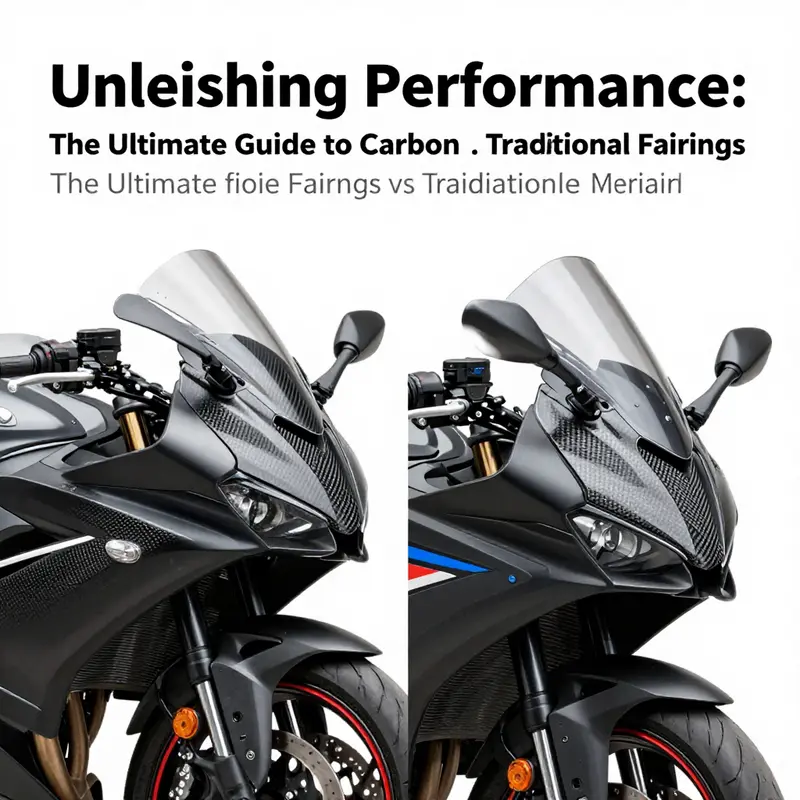
The evolution of motorcycle components has seen a radical transformation with the advent of carbon motorcycle fairings, a leap that emphasizes performance, strength, and aesthetic appeal. This chapter delves into a comparative analysis of carbon motorcycle fairings and traditional materials such as fiberglass and standard plastics, highlighting the myriad benefits offered by carbon fiber in the realm of motorcycle customization and performance enhancement.
Carbon fiber is not just another material; it is a composite of thin, strong fibers woven together and bound with epoxy resin. This meticulous crafting results in a remarkable structure that outperforms traditional materials on various fronts. For instance, the standout feature of carbon motorcycle fairings is their impressive weight reduction—typically, these fairings are 20% to 40% lighter than fiberglass and significantly lighter than plastic parts. This dramatic decrease in weight is not merely a numeric advantage; it translates directly into enhanced motorcycle dynamics. Reduced weight improves acceleration by decreasing the overall mass that the engine must move. Moreover, with less weight to manage, handling becomes more responsive, allowing riders to navigate curves and turns with agility, offering a thrilling experience on both the road and track.
In examining the impact of weight on performance, consider the AKOSO R1300GS dry carbon fairings, specifically designed for the BMW R1300GS. These parts illustrate how a 20% weight reduction can profoundly influence fuel efficiency, allowing riders to travel further on less fuel—an undeniable perk in today’s economically conscious world. From an environmental perspective, lighter motorcycles can also lead to reduced carbon emissions due to improved fuel consumption.
When it comes to strength and durability, carbon fiber is in a league of its own. Unlike traditional materials that frequently succumb to cracks, warping, or fading due to thermal expansion or prolonged UV exposure, high-quality carbon fiber fairings possess exceptional tensile strength and stiffness. For instance, components made via advanced autoclave processes using Toray 3K prepreg fabric, such as those for the KTM 1290 SUPER DUKE R, showcase not only better durability but also offer far superior impact resistance compared to fiberglass counterparts. This strength ensures that carbon fairings uphold their structural integrity even under the most demanding conditions, providing peace of mind to enthusiasts who push their machines to the limit.
Another critical performance attribute lies in the aerodynamic prowess of carbon motorcycle fairings. The rigidity of carbon fiber allows these parts to maintain their shape at high speeds, significantly enhancing aerodynamic stability. Unlike flexible plastics or fiberglass, which can bend and distort in high-speed scenarios, carbon fairings act as a steadfast shield against airflow. This stability reduces drag and wind lift, which is essential for sport-touring and performance bikes that demand consistent handling and control at extreme velocities. Riders who prioritize speed and maneuverability naturally gravitate toward carbon fiber fairings, appreciating the tangible benefits during high-speed rides and competitive environments.
Despite their numerous benefits, it is essential to address the cost associated with carbon motorcycle fairings. The intricate manufacturing processes required for carbon fiber—such as autoclave curing and precision CNC machining—contribute to higher price points relative to traditional materials. The complexity of production not only drives up costs but can also present challenges during installation and repairs. Traditional materials might be more accessible to the average consumer due to their lower price and relative ease of replacement. Nevertheless, while fiberglass and standard plastics serve as viable options for those on a budget, they inevitably fall short in performance and longevity. Riders who prioritize performance, weight savings, and long-lasting durability will find that the investment in carbon motorcycle fairings pays off in the long run.
Many riders, particularly those customizing sport bikes or looking to optimize touring models, are discovering the growing availability of certified, high-quality carbon fairings. Authenticity is a crucial aspect in this niche market, as distinguishing between genuine carbon fiber products and imitations, such as vinyl wraps or fake stickers, can significantly influence performance outcomes. Genuine fairings are meticulously crafted from prepreg fabric and cured under controlled conditions, ensuring lightweight and durable components that meet performance expectations.
Further validating the merits of carbon motorcycle fairings is adherence to environmental standards. Reputable manufacturers today comply with environmental production regulations across Europe, such as the Extended Producer Responsibility (EPR) frameworks in France and Germany. These standards not only emphasize responsible production practices but also reinforce consumer confidence in the sustainability of their purchases.
In summary, the choice between carbon motorcycle fairings and traditional materials fundamentally hinges on the rider’s priorities. If performance enhancement, weight savings, and long-term durability are key consideration factors, carbon fiber emerges as the clear victor. On the other hand, for those constrained by budget or seeking basic enhancements without delving into the complexities of high-performance components, traditional materials may still provide a satisfactory solution.
As the world of motorcycling continues to evolve, the trend toward carbon motorcycle fairings seems poised to gain further momentum. Riders are increasingly recognizing that while the initial investment may be higher, the benefits of superior performance, enhanced durability, and improved aesthetics solidify carbon fiber’s place in motorcycle customization and racing. The future is undeniably leaning toward a paradigm where the enhanced capabilities of carbon fairings are not merely an upgrade but a fundamental requisite for the avid motorcyclist.
With numerous options available, including those from reputable platforms like Ultimate Motor X, riders can explore a variety of carbon fairing choices tailored to different motorcycle models. Whether for BMW, Honda, Ducati, Yamaha, or other brands, there is a wealth of sophisticated fairings that cater to diverse styles and performance benchmarks.
Accelerating Change: The Growing Demand for Carbon Motorcycle Fairings
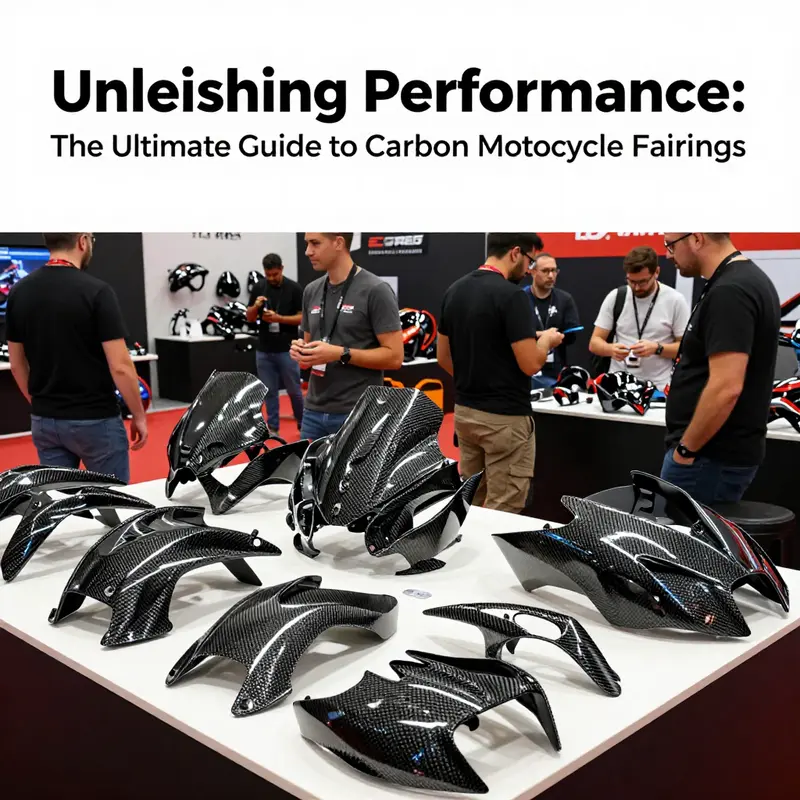
The motorcycle industry is undergoing a transformative shift, particularly in the realms of performance and design. At the forefront of this evolution are carbon motorcycle fairings, a lightweight and high-performance aftermarket upgrade that is rapidly gaining popularity. The burgeoning demand for these advanced components can be attributed to a blend of technological advancements, consumer preferences, and the broader trends affecting material use in transportation.
One of the main catalysts for the rising interest in carbon fairings is the increasing emphasis on performance in motorcycling. Riders today are not just looking for machines that can be aesthetically pleasing; they also desire bikes that can deliver unparalleled performance and handling. Carbon fiber, known for its impressive strength-to-weight ratio, has become a go-to material for enhancing these attributes. Fairings crafted from carbon fiber can significantly reduce the weight of a motorcycle—up to 20% compared to traditional materials like plastic or fiberglass. This reduction directly translates into improved acceleration, handling, and fuel efficiency, aspects riders and manufacturers alike are prioritizing.
Market research reflects this trend, revealing robust growth in the global carbon fiber market, projected to expand from $28.2 billion in 2024 to $65.4 billion by 2032, with a compound annual growth rate (CAGR) of 11.1%. This growth is not isolated to a specific sector; various domains, including automotive and motorcycle manufacturing, are increasingly adopting lightweight materials to enhance performance. In particular, the motorcycle sector has seen a pronounced shift towards high-end and sport models where the benefits of weight reduction are most pronounced. These advances have sparked innovations in motorcycle accessories, culminating in the surge of high-performance carbon fairings designed to cater to an increasingly savvy motorcycling community.
The electric motorcycle revolution further amplifies the demand for efficient bodywork solutions. Electric bike manufacturers are compelled to maximize range and augment energy efficiency through innovative designs. Carbon fairings present a promising solution as they enhance the aerodynamics of modern electric motorcycles, thus optimizing energy use and extending battery life. The integration of active aerodynamics into motorcycle design is another exciting frontier. Features like variable-angle tail wings and adaptive airflow systems are being introduced, especially in racing and high-performance models. These smart aerodynamic enhancements, powered by real-time data, offer a cutting-edge competitive advantage, further pushing the demand for carbon fiber applications in motorcycle manufacturing.
From a manufacturing perspective, the journey to producing high-quality carbon motorcycle fairings is intricate, yet advancements in production techniques have made this easier. Manufacturing innovations such as automated fiber placement (AFP) and resin transfer molding (RTM) not only improve scalability but also help reduce overall costs. These advancements address one of the critical challenges associated with carbon fiber production—its inherent complexity and raw material costs. As manufacturers streamline production processes, carbon fairings are becoming more accessible to a broader audience, moving beyond niche markets to reach everyday riders seeking performance mods.
However, this market accessibility must be balanced against ensuring quality standards. It is vital for consumers to distinguish between genuine dry carbon fiber parts and inferior products such as imitation vinyl wraps or fake carbon stickers. Authentic carbon fiber components are crafted from real prepreg fabric, cured under pressure and heat, resulting in durable, lightweight parts that deliver both functional performance and striking aesthetics. Contracts from reputable suppliers also typically include environmental standards compliance and certifications, ensuring responsible production.
In navigating this landscape, businesses and investors stand at a lucrative crossroads. The fusion of consumer desire for performance upgrades and the market’s responsiveness to these needs signals a promising opportunity for growth. With an increasing number of manufacturers, like 1carbontech and Vulturbike, entering the arena, customization and personalization of motorcycles through carbon fairings is not just a trend—it’s evolving into an industry standard.
With a strong customer inclination toward any enhancement that promises improved performance, both original equipment and aftermarket segments are primed for sustained growth in the years ahead. Manufacturers are actively investing in research and development, pushing to refine their offerings, increase production efficiencies, and enhance product features. The intersection of performance-driven innovation and aesthetic appeal is likely to propel the carbon motorcycle fairing market well into the next decade. As riders continue to explore ways to personalize their machines, the allure of carbon fiber components will only intensify.
For those immersed in the motorcycle community or on the fringes, it is crucial to understand the shifting dynamics driving the market for carbon fairings. Riders looking to upgrade their bikes can benefit immensely from customized solutions that not only improve performance but also contribute to a bike’s unique visual identity. Whether one seeks a full fairing for comprehensive protection or specific components to enhance aesthetic appeal, the carbon motorcycle fairing market holds a wealth of options to cater to diverse preferences.
In summary, the demand for carbon motorcycle fairings is soaring, underpinned by combined factors like rising performance expectations, burgeoning electric motorcycle adoption, and continuous technological innovations in manufacturing processes. As we look ahead, these factors collectively promise a vibrant future for carbon motorcycle fairings, a segment poised for expansion and diversification in a thriving motorcycle market.
For further insights into specific offerings across various motorcycle brands, visit Ultimate MotorX. Market analysis is crucial for understanding trends and potential opportunities in this dynamic landscape. To deepen your understanding of the carbon fiber market and its forecast, refer to the detailed report on this sector from MarketsandMarkets as a valuable resource for both businesses and enthusiasts.
Riding Towards Sustainability: The Environmental Impact of Carbon Motorcycle Fairings
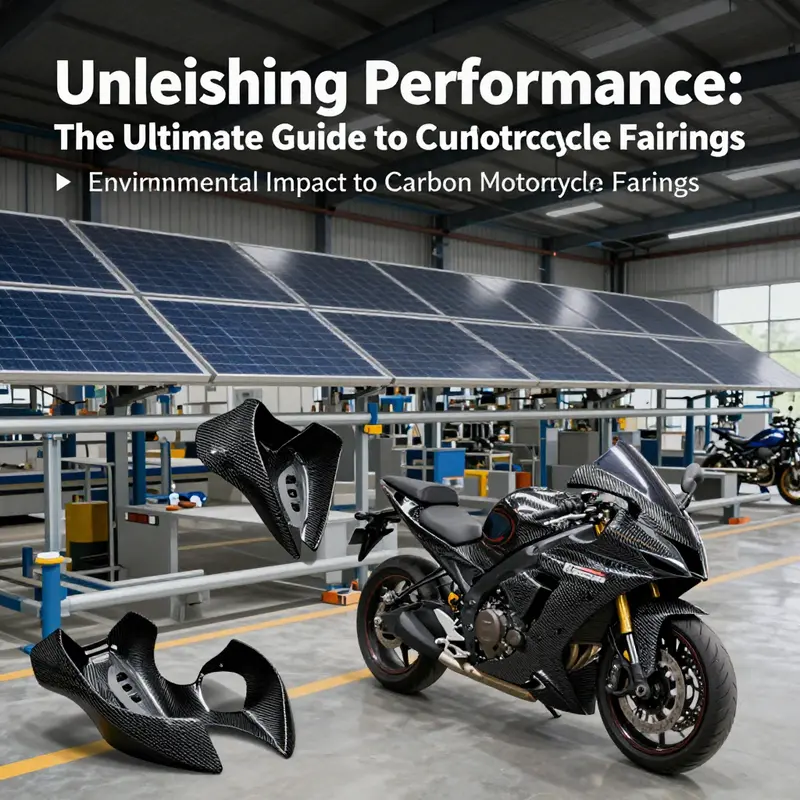
The market for motorcycle performance parts has evolved significantly, particularly with the advent of carbon fiber technology in creating motorcycle fairings. These high-performance body parts not only transform the aesthetic appeal of a motorcycle but also serve crucial functional roles, enhancing its performance through weight reduction and increased strength. However, as more riders opt for these sophisticated carbon motorcycle fairings, an essential conversation regarding their environmental impact emerges. Understanding this balance is critical for ensuring that performance enhancements do not come at the cost of our planet.
In the realm of motorcycle enhancements, carbon fiber has garnered universal acclaim. Its unique properties allow riders to experience significant performance benefits. Carbon motorcycle fairings can reduce weight by as much as 20% when compared to traditional fiberglass or plastic options. This reduction in weight translates to improved acceleration, more efficient fuel consumption, and better handling dynamics overall. By replacing bulky stock components, riders can enhance their motorcycles in a way that directly correlates with performance metrics.
However, this enviable performance profile belies a more complex environmental situation. The production process for carbon fiber is notably energy-intensive, generating substantial greenhouse gas emissions during manufacturing. The lifecycle assessment of carbon motorcycle fairings reveals that their creation is one of the most significant contributors to their overall environmental footprint. This connection underscores a paradox: while riders might choose carbon fairings to improve performance on the road, the methods of their production can have lasting implications on our environment.
The challenge lies not only in production emissions but also in understanding the entire lifecycle of these materials. Lifecycle assessments (LCA) continuously demonstrate that high-performance components, including carbon fairings, have an environmental impact that begins with resource extraction and progresses through production, use, and disposal. As motorcycles age and are cycled out of service, the disposal of carbon fiber components becomes especially critical. Unlike traditional materials, carbon fiber is notoriously difficult to recycle. Traditional recycling methods often fail to accommodate its unique properties, leading to significant waste and potential environmental hazards when these parts are discarded. This situation highlights a crucial need for responsible end-of-life solutions as the popularity of carbon motorcycle fairings continues to rise.
To address these environmental concerns, manufacturers, and researchers are honing in on various mitigation strategies. One promising avenue is the optimization of manufacturing processes to lower carbon emissions. For instance, innovations in the use of recycled carbon fiber are being explored. Recycled options reduce reliance on virgin materials, thereby lowering the environmental toll associated with carbon extraction and processing. Furthermore, advancements in resin systems, the binding agents used in carbon fiber production, are improving their environmental profile, making them less harmful in production and disposal contexts.
Additionally, closed-loop recycling technologies are emerging that aim to facilitate the recovery and reuse of carbon fiber materials. These technologies show promise in overcoming the recycling barriers currently faced by the industry. By developing systems that can efficiently process end-of-life carbon components into new products, the industry takes strides toward a more circular economy. These innovations represent an important shift in the environmental strategy of carbon-based products, including motorcycle fairings.
Moreover, the exploration of bio-based resins as alternatives presents another layer of sustainability to the conversation about carbon motorcycle fairings. Bio-based materials, derived from renewable resources, can significantly lessen the environmental impact compared to conventional petroleum-based resins. Integrating bio-based resins into carbon fiber production can contribute substantially to miles driven toward more sustainable manufacturing practices.
As the motorcycle community increasingly appreciates the performance benefits of carbon fiber, there is a concurrent responsibility to consider the environmental implications. Riders are encouraged to participate in this dialogue, making informed choices grounded in sustainability principles. Riders seeking high-performance materials often face a dilemma: to prioritize the immediate benefits of increased performance and aesthetic appeal while grappling with the longer-term consequences of their choices on the environment.
This consciousness has prompted many riders and custom bike builders to educate themselves on the products available in the market. For instance, discerning between genuine carbon fiber and faux alternatives, such as vinyl wraps or fake carbon stickers, becomes essential. High-quality carbon fairings made from rightful prepreg carbon fiber not only guarantee performance advantages but also substantiate a commitment to authenticity in material quality. This authentic carbon fiber ensures long-term durability and performance while representing a significant financial investment in one’s motorcycle.
As riders become more aware of the environmental repercussions associated with their choices, manufacturers are also responding proactively to consumer demand for accountability. This shift has seen an inclination among leading manufacturers toward sustainable practices, including compliance with environmental standards and certifications, ensuring responsible production methods, resource management, and waste disposal. Responsibilities extend beyond merely choosing a product; they encompass embracing a broader commitment to sustainable riding practices.
The journey toward sustainable performance in motorcycle components will undoubtedly evolve as carbon motorcycle fairings continue to attract attention for their advantages. Innovations in material science continually open doors to more environmentally responsible manufacturing processes, advancing toward a more resilient future. To move forward, we must embrace not just the allure of performance but also the duty to protect the environment that sustains us. Only through awareness and a commitment to progress can the positive attributes of carbon motorcycle fairings align more closely with the ideals of sustainability. As both manufacturers and consumers advocate for change, the motorcycle community can curate a future that celebrates the exhilaration of riding while honoring the health of our planet.
In conclusion, addressing the environmental impacts associated with carbon motorcycle fairings is essential for paving the way toward sustainable riding practices. The responsibility lies in striking a balance between performance gains and environmental stewardship, ensuring future generations can enjoy the thrill of motorcycling without compromising the planet. Engaging in conscientious purchasing decisions, supporting sustainable innovations, and taking part in the recycling dialogue can collectively contribute to this meaningful journey toward ecological sustainability. For more information on high-performance motorcycle options, explore the extensive range of products here.
As we continue to evolve our practices and materials in the motorcycle world, it remains crucial to prioritize the integration of sustainable methods into our riding experience—transforming every motorcycle into one that respects not just the road, but the earth.
Final thoughts
Understanding carbon motorcycle fairings is crucial for business owners looking to capitalize on the performance and aesthetic benefits these components offer. As this high-demand market continues to evolve, leveraging the advancements in materials and manufacturing processes will be integral for enhancing customer satisfaction and driving sales. The emphasis on sustainability within manufacturing processes further positions carbon motorcycle fairings as a responsible choice for both businesses and consumers. By embracing this innovation, companies can distinguish themselves in an increasingly competitive market, making informed decisions that resonate with modern motorcyclists seeking performance, durability, and environmental consciousness.