
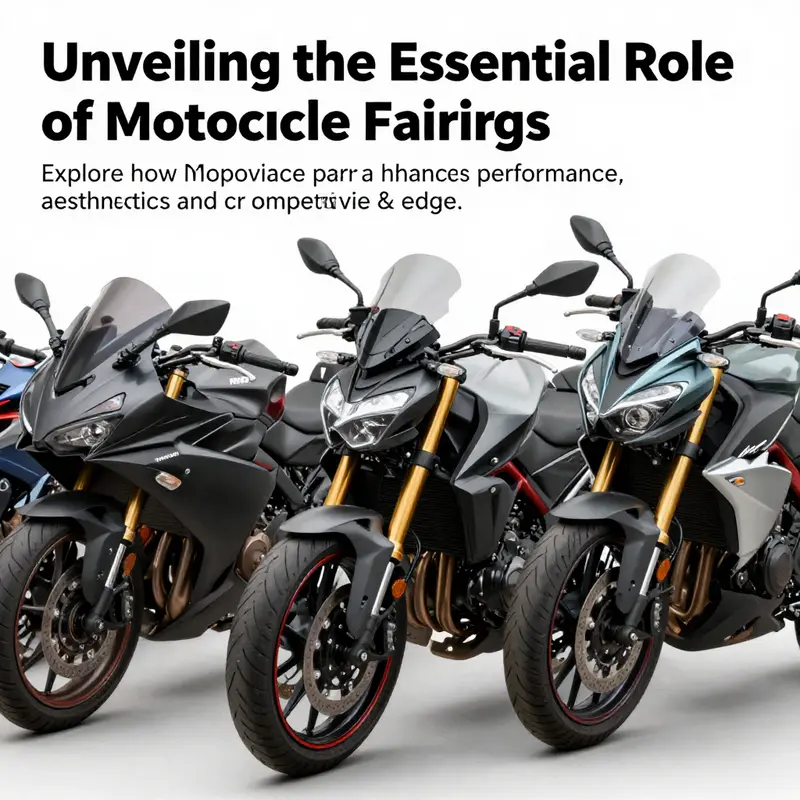
Motorcycle fairings serve as a vital component in the world of motorcycling, impacting performance, safety, and design. By understanding the various types of fairings, the materials from which they are crafted, and their aerodynamic advantages, business owners can appreciate their significance not just in aesthetics but in enhancing the overall riding experience. This article will delve into five key aspects of motorcycle fairings, starting with their types and how they influence performance, moving to the materials used in their construction, then exploring their role in aerodynamics. Following that, we will examine how fairings contribute to motorcycle design and aesthetics, and finally, we will touch upon their importance in racing and competitive motorsports. Each section will help paint a comprehensive picture of why motorcycle fairings are essential for both functionality and style.
Exploring Motorcycle Fairings: Types, Functions, and Their Performance Benefits
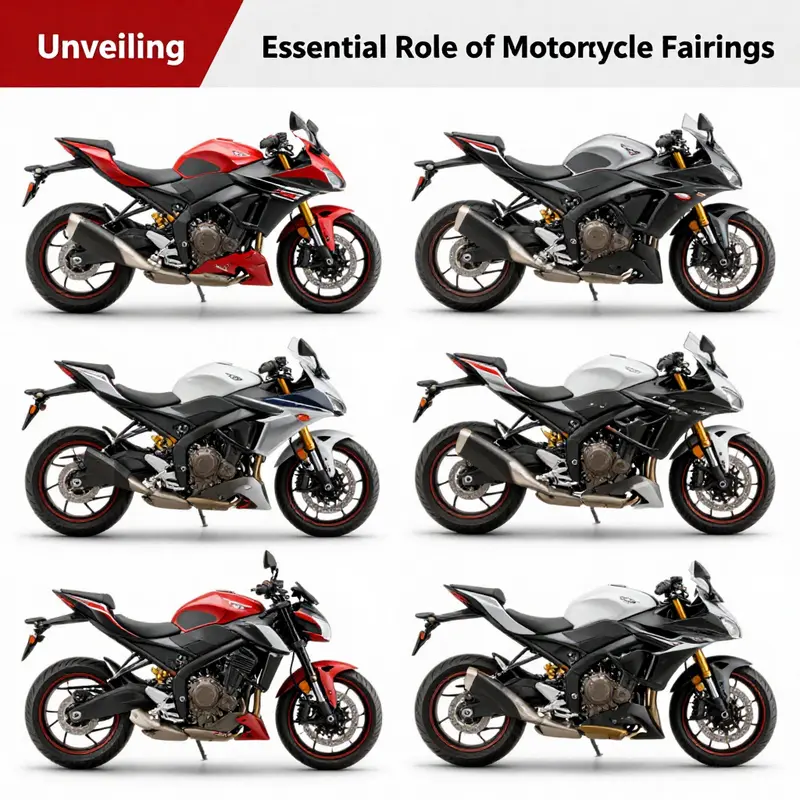
Motorcycle fairings are more than mere aesthetic enhancements; they are integral components that dramatically influence a motorcycle’s performance, comfort, and overall riding experience. Understanding the different types of fairings—full, half, and clip-ons—helps riders make informed choices that align with their riding styles and needs. Each type has unique design features, benefits, and drawbacks, effectively altering the dynamics of airflow and rider interaction with the machine.
Full Fairings are particularly associated with sport bikes and touring motorcycles. This design envelops most of the motorcycle’s upper body, including the engine, fuel tank, and typically the handlebars. By streamlining the motorcycle’s profile, full fairings optimize aerodynamic efficiency. Riders frequently gravitate towards full fairings if their priorities are high-speed performance and long-distance comfort. At elevated speeds, the reduced wind resistance translates directly into enhancements in stability and fuel economy. For racing enthusiasts or those who crave speed on the highway, the full fairing provides crucial aerodynamic advantages, reducing drag and allowing the bike to slice through the air with minimal turbulence.
However, this comes with trade-offs. Full fairings tend to be heavier compared to their half and clip-on counterparts. The added weight can slightly affect acceleration and handling in particular scenarios, making them less favorable for riders who prioritize agility and responsiveness. Additionally, the complexity of full fairings often results in increased maintenance challenges. Accessing engine components or performing routine checks can necessitate removing significant sections of the fairing, which can be an involved process. Riders should balance the allure of improved speed against the realities of maintenance and handling characteristics when considering full fairings.
In contrast, Half Fairings offer a different approach by combining slightly reduced aerodynamic benefits with a more accessible design. Covering just the upper front of the motorcycle, half fairings expose the engine while still offering notable wind protection, particularly for the upper body. This design strikes a balance that appeals to a wide range of motorcycle riders. Sport bike enthusiasts and touring riders often choose half fairings to embrace the motorcycle’s mechanical beauty while still achieving improved aerodynamics and protecting from wind.
One of the key advantages of half fairings is their relative lightness, which allows for more agile handling. This reduction in weight enhances maneuverability, making half fairings particularly suitable for those who relish quick corners and nimble handling. Moreover, the design allows for a unique aesthetic that showcases some of the motorcycle’s intricate engineering and design, connecting the rider more closely with the bike. Riders often enjoy this visual aspect while still benefiting from reduced wind resistance. However, it is essential to consider that while half fairings provide a compromise, they don’t deliver the full aerodynamic efficiency of their full fairing counterparts. For those who plan on engaging in prolonged highway riding or track days, this trade-off can impact longer ride comfort due to increased wind exposure.
Lastly, Clip-Ons embody the minimalist philosophy in motorcycle design. Comprising primarily handlebar-mounted windshields, clip-ons provide fundamental wind protection without the extensive coverage of fairings. This option is favored primarily for naked bikes or customized motorcycles where aesthetics and simplicity reign supreme.
The main advantage of clip-ons is the extreme lightweight they offer. Clip-ons enhance rider comfort at higher speeds and perform well when deflecting wind away from the torso, making them a basic yet effective choice for riders who do not prioritize significant aerodynamic benefits. Riders who appreciate a raw, unencumbered connection to their motorcycles frequently find clip-ons appealing. However, it is critical to recognize that while these components may enhance the riding experience in terms of engagement and feel, they do little to shield the rider from the elements, making them less suitable for all-weather conditions or high-speed scenarios. In some cases, riders might find themselves battling fatigue due to strong winds during longer journeys.
The selection of motorcycle fairing type ultimately hinges on a rider’s specific needs and desires. Full fairings shine in providing speed and comfort for long-distance rides; half fairings balance agility and style, allowing riders to appreciate their machines while still enhancing performance; clip-ons prioritize simplicity and engagement, often resonating with those who prefer a rawer riding experience. Each type of fairing possesses unique strengths and weaknesses that come into play depending on the rider’s context—be it daily commuting, touring adventures, or exhilarating track days.
Another important aspect to consider is the material used in the construction of motorcycle fairings. Fairings are typically crafted from various materials, including fiberglass, polycarbonate, ABS plastic, and carbon fiber. Each material carries its advantages and drawbacks. Carbon fiber, for instance, is incredibly lightweight yet strong, offering excellent protection against impacts. However, it also comes at a higher cost, which can be a factor for budget-conscious riders. Fiberglass is commonly used due to its balance of cost, weight, and durability. Nevertheless, it can be prone to cracking under extreme pressures. ABS plastic, while more affordable, may lack some of the impact resistance of fiberglass and carbon fiber but is easier to manufacture, making it a common choice for many manufacturers.
Understanding these materials not only helps in selecting the appropriate fairing type but also contributes to making informed decisions about repairs and replacements down the line. The choice of material adds another layer of complexity to the fairing decision, intertwining cost, performance, and long-term durability factors into the overall motorcycle experience.
The impact of motorcycle fairings goes beyond just visual appeal and aerodynamic performance; they also contribute to structural integrity, safety, and rider comfort. When designed correctly, fairings protect the rider from wind, rain, and debris, which enhances not just the comfort of the ride but also safety on the road. Fairings that achieve a balance of style, performance, and protective features can make a significant difference, particularly during long rides or in adverse weather conditions.
For enthusiasts who are actively looking for replacements or upgrades, understanding the variety of fairings that cater to different motorcycle brands can make a notable difference in maintaining or enhancing performance. Different motorcycle manufacturers may specialize in certain fairing types tailored to specific models, knowing this can lead to superior results in both aesthetics and performance. If you’re a rider of a specific brand like Honda, Yamaha, or Ducati, exploring their specific offerings within fairing selections can lead to fulfilling experiences.
In conclusion, motorcycle fairings serve critical functions that significantly influence how a rider interacts with their motorcycle and the road. By understanding the different types of fairings, their material compositions, and the specific advantages and trade-offs each one presents, riders can enhance their experience on two wheels. The right fairing choice aligns with riding preferences, anticipated performance needs, and even style aspirations. It’s about creating a riding experience that feels right, whether it be through the aerodynamic prowess of full fairings or the engaging simplicity of clip-ons.
The Vital Role of Materials in Motorcycle Fairings: Enhancing Performance and Protection
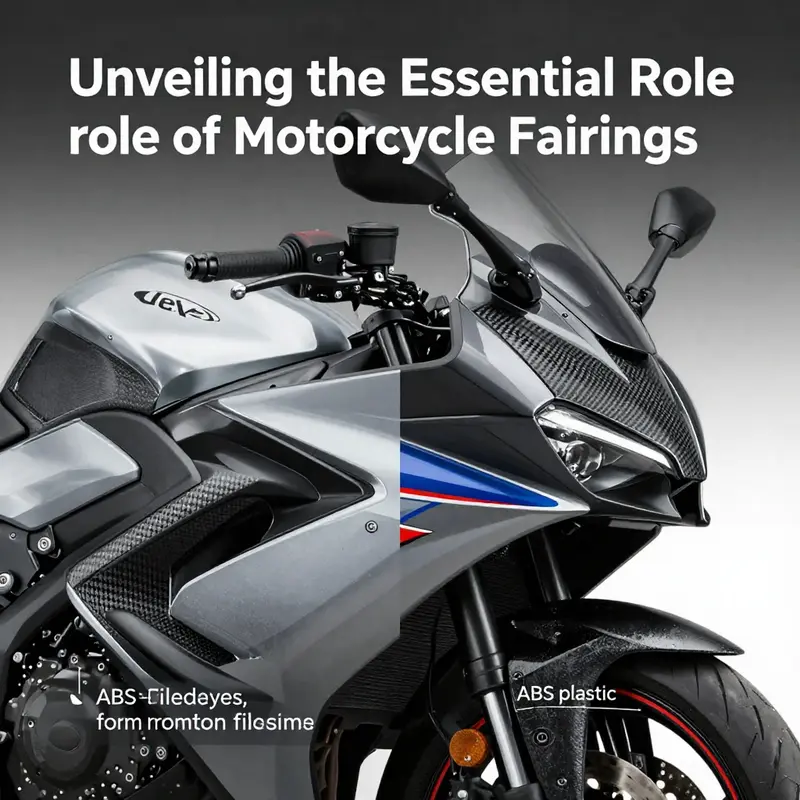
Motorcycle fairings play an integral role in defining not only the aesthetics of the bike but also its performance on the road. At the heart of any fairing’s effectiveness lies the materials from which they are constructed. Different materials deliver unique attributes, balancing factors such as durability, weight, cost, and aerodynamic efficiency—all critical for a rider’s experience. Understanding these materials is essential for motorcycle enthusiasts who seek both functionality and style in their fairings.
One of the most prevalent materials used in motorcycle fairings is ABS (Acrylonitrile Butadiene Styrene) plastic. Known for its remarkable strength-to-weight ratio, ABS offers a robust solution for manufacturers aiming to combine efficiency with cost-effectiveness. When molded correctly, ABS can take on complex shapes, ensuring a snug fit that enhances not just functionality but also the visual appeal of the motorcycle. This versatility makes it a popular choice for both OEM (original equipment manufacturer) and aftermarket fairings. Riders appreciate ABS for its ability to withstand minor impacts and harsh weather conditions, providing a reliable shield against the elements.
Transitioning from ABS, the next material often found in the realm of motorcycle fairings is polycarbonate. While more expensive than ABS, polycarbonate’s unparalleled impact resistance distinguishes it as a premium choice. It is significantly stronger than many standard plastics, making it an ideal candidate for racing and high-performance motorcycles, where the stakes are higher, and the risk of crashes is greater. The durability of polycarbonate enables fairings to withstand extreme conditions without shattering, ensuring that riders remain protected at any speed. This resilience can be the difference between a minor incident and a major safety issue.
Fiberglass is another vital material used in the construction of motorcycle fairings, particularly among custom and high-end models. Known for its exceptional rigidity and strength, fiberglass can bear significant forces, making it an excellent choice for riders who demand durability. However, it does come with a trade-off—fiberglass fairings tend to be heavier than their plastic counterparts. The manufacturing process is also more labor-intensive, leading to higher production costs which manufacturers often pass on to consumers. Nonetheless, the longevity and tough nature of fiberglass make it a desirable option for serious riders who prioritize durability over weight.
When performance is the utmost priority, carbon fiber ensures lightweight superiority without sacrificing strength. The remarkable stiffness-to-weight ratio of carbon fiber gives motorcycles an aerodynamic edge, enhancing overall performance in a way few materials can match. However, this advanced material comes at a steep price, often limiting its use to the premium market and high-performance motorcycle enthusiasts. Besides, carbon fiber’s specialized nature makes handling and repairs more demanding compared to other materials. Riders investing in carbon fiber fairings can expect superior aerodynamics—essential for those hitting the race track or navigating the curves at high speeds.
Lastly, polyurethane emerges as a noteworthy contender among fairing materials, especially for sport bikes frequently exposed to low-speed impacts. The flexibility and resilience of polyurethane allow it to absorb impact energy more effectively, thus mitigating damage during crashes. This unique attribute can be especially advantageous in scenarios where a motorcycle might topple or slide at lower speeds. However, polyurethane does not fare as well in terms of UV resistance and can degrade under prolonged sun exposure. For this reason, protective coatings are often recommended to enhance its lifespan.
The choice of material fundamentally depends on what the rider values most. For a cost-effective, reliable option, ABS remains a steadfast choice, combining strength, weight efficiency, and affordability. Those seeking maximum impact resistance should consider polycarbonate, particularly if they ride in environments where crash risks are heightened. Riders who prefer customization and are willing to invest more can lean towards fiberglass for its durability and aesthetic versatility, while performance-oriented bikers can take advantage of the weight savings offered by carbon fiber. Lastly, polyurethane appeals to the safety-conscious rider looking for added impact absorption without sacrificing too much in terms of weight.
Each material comes with its own set of benefits and drawbacks, and the final decision boils down to the rider’s priorities, riding style, and budget. Motorcycle fairings, crafted from these materials, facilitate enhanced wind protection, improved stability, and increased fuel efficiency. Furthermore, in the competitive arena of motorcycle racing, where every second counts, the role of fairings cannot be overstated. Even a slight reduction in aerodynamic drag can yield substantial gains in speed, handling, and overall performance, illustrating the critical nature of material selection.
As manufacturers continue to innovate and explore new materials, the evolution of motorcycle fairings remains an exciting frontier. Understanding the distinctions and applications of each material allows riders to make informed choices aligned with their specific needs and preferences. Ultimately, whether it’s the affordability of ABS, the impact resistance of polycarbonate, the durability of fiberglass, the weight savings of carbon fiber, or the energy absorption of polyurethane, mastering the attributes of these materials enhances the rider’s experience, safety, and joy in motorcycling. For a deeper dive into the details concerning specific motorcycle fairings and other technical specifications, interested parties can refer to extensive resources provided by well-known manufacturers in the industry for guidance and support.
Streamlined Power: The Impact of Motorcycle Fairings on Speed and Control
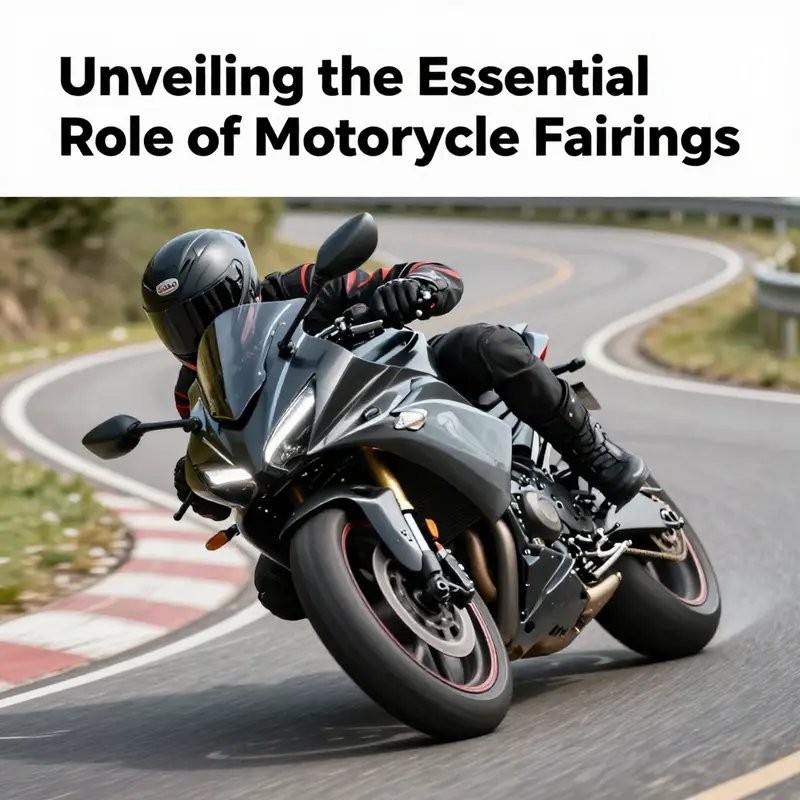
Motorcycle fairings are more than just aesthetic components adorning the frames of bikes; they are engineering marvels designed to refine performance, stability, and rider comfort. By enveloping the motorcycle in a streamlined shell, fairings play a pivotal role in reducing aerodynamic drag, allowing riders to achieve greater speeds with less effort. This union of form and function is critical when considering how fairings enhance the riding experience, particularly at high velocities.
Aerodynamics in Action
At their core, fairings minimize air resistance—a primary force that motorsport engineers tirelessly work to mitigate. When a motorcycle moves forward, it must part air to create a path. The speed at which this occurs is influenced profoundly by the motorcycle’s design. A well-designed fairing creates a more aerodynamic profile, allowing air to flow smoothly over the machine. In practice, this means that riders encounter less wind buffeting and turbulence, which can make controlling a motorcycle at high speeds much more challenging. With a superior aerodynamic design, the bike feels more stable, and the rider can maintain control without excessive effort.
Types of Fairings and Their Impact
Motorcycle fairings come in several design types—each offering unique advantages that cater to different riding styles and preferences. Full fairings cover most of the front and upper parts of the motorcycle, providing maximum wind protection. This design is particularly favored by sport and touring motorcycles, where engaging in high-speed travel is common. Concurrently, half fairings allow for limited coverage; they protect key areas like the headlight and instrument cluster without restricting the motorcycle’s agility. Riders who prefer a more maneuverable approach often opt for half fairings.
Additionally, there’s the lower fairing, which, although sometimes overlooked, plays a vital role in managing airflow beneath the bike, effectively contributing to enhanced stability by reducing turbulence.
Regardless of type, every fairing is designed to channel wind effectively and reduce drag, but the extent of these benefits varies significantly. Riders looking for ultimate performance in racing scenarios would lean towards full fairings, while commuting or casual riders might appreciate the practicality of half fairings.
Material Matters
The construction of motorcycle fairings is as important as their design. The materials underpinning each fairing affect weight, durability, impact resistance, and manufacturing costs. In the realm of motorcycle fairings, fiberglass, ABS plastic, and polycarbonate are the most common materials.
- Fiberglass is known for its strength and rigidity, making it a popular choice for custom builds, especially among speed enthusiasts seeking durability at reduced weight. Its ability to withstand cracking under stress is crucial for performance-oriented applications.
- ABS plastic is favored for its moldability and cost-effectiveness. It allows manufacturers to create complex shapes that optimize airflow and reduce production expenses, making it a go-to for many stock motorcycles.
- Polycarbonate provides outstanding impact resistance and optical clarity. It is particularly well-suited for components exposed to abrasive conditions, such as windshields and headlight covers. However, it does require a protective coating to maintain its clarity over time, as scratches can diminish visibility.
These material choices intertwine with the fairing designs to enhance the motorcycle’s overall performance profile. Lightweight options improve efficiency as the engine has to work less against wind resistance, positively impacting fuel economy—a critical consideration for long-distance riders.
Performance Boost and Rider Comfort
The impact of motorcycle fairings on performance extends beyond mere speed. They contribute significantly to fuel efficiency; with less drag, the engine can expend energy more effectively while maintaining desired velocities. This aspect becomes particularly valuable during prolonged rides, allowing the rider to experience reduced fatigue and increased comfort.
For long-distance touring, full fairings provide substantial protection against environmental elements. Riders are safeguarded against inclement weather, reducing their exposure to rain, winds, and flying debris. The reduced wind noise and turbulence are not only more comfortable but also crucial in preventing rider fatigue, which can compromise safety on lengthy journeys.
The Trade-offs of Fairing Designs
With the benefits of fairings comes the reality of trade-offs. Full fairings, while providing the greatest wind protection and potential performance, do add weight and may complicate maintenance tasks. Access to vital engine components can become burdensome, requiring more time and care when repairs are necessary. Additionally, the cost of full fairings typically surpasses that of half fairings, reflecting their complexity and manufacturing demands.
Conversely, half fairings are lighter and allow for easier access to the engine, making them suitable for riders desiring a more practical approach without committing to the limitations posed by heavier fairings. They cater to those who appreciate quick serviceability and agility in handling, particularly in urban environments where maneuverability is critical. This balance illustrates how important rider preferences and styles must be taken into account when choosing fairings.
Conclusion
Ultimately, motorcycle fairings are more than just protective shells; they are essential components that revolutionize the riding experience through smart design and material choices. As technology progresses, we expect to see even more innovative developments in fairing design that enhance performance further. For riders, understanding the implications of fairing choices allows them to tailor their motorcycles to their distinct riding styles, emphasizing how crucial these aerodynamic features are in the pursuit of speed, stability, and rider comfort.
For more detailed exploration of various fairing options, refer to the resource on motorcycle aerodynamics and performance.
The Crucial Influence of Motorcycle Fairings on Functionality and Style
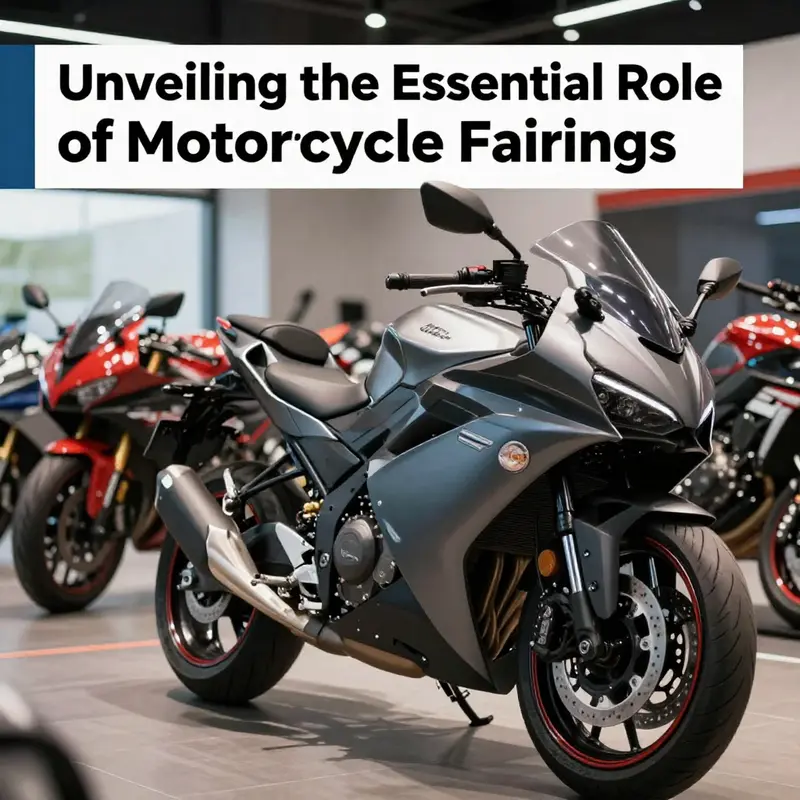
Motorcycle fairings are more than just aesthetic accessories; they represent a critical junction where functionality meets emotional appeal in motorcycle design. At first glance, one might think that these streamlined covers primarily serve to enhance the bike’s appearance. However, as we delve deeper into their multifaceted role, we discover that fairings are integral to both the performance and rider experience of motorcycles, particularly in the realms of sport and touring models.
From the very inception of motorcycle design, fairings emerged as innovations driven by the need to combat the relentless forces of wind and air resistance. As speeds increased, manufacturers recognized that the naked structures of bikes introduced significant aerodynamic drag. This drag not only impeded speed but also destabilized handling and reduced fuel efficiency. Thus, the design of fairings became an essential aspect of contemporary motorcycle engineering. These covers are meticulously shaped to direct airflow effectively, allowing motorcycles to slice through the wind with minimal resistance.
The most extensive form of fairing, known as the full fairing, envelops nearly the entire front of the motorcycle. This comprehensive coverage is prevalent in sport bikes, designed to protect riders from high-speed air and reduce drag, leading to enhanced aerodynamic efficiency. Conversely, the half fairing, which only shields the upper section, can be found on standard bikes, offering moderate protection while still providing some stylistic benefits. Here again, functionality and aesthetics intertwine, as a half fairing can present a simpler yet sporty silhouette that appeals to a different demographic of riders.
But let’s not overlook the lower fairing, often relegated to a supporting role beneath the fuel tank and engine. While it might seem less significant, this fairing component significantly contributes to streamlining airflow around and beneath the motorcycle. Besides its aerodynamic benefits, the lower fairing also plays a vital role in enhancing the bike’s overall appearance, creating a cohesive look that can transform the mechanical empathy of a machine into an expression of art.
The materials used in constructing motorcycle fairings are diverse, encompassing fiberglass, polycarbonate, ABS plastic, and carbon fiber. Each material contributes distinct characteristics vital to a motorcycle’s performance. For instance, fiberglass strikes a balance between cost and durability, often chosen for its adequate impact resistance. On the other hand, carbon fiber has garnered a reputation for being lightweight and extraordinarily strong, a premium option that appeals particularly to racetrack enthusiasts who seek every possible edge. Ultimately, the selection of materials weaves into the overall narrative of design and intention behind the motorcycle.
An even more nuanced aspect of fairings is how they protect riders. When outfitted with comprehensive fairings, riders experience a notable reduction in exposure to wind, rain, and road debris, which is crucial during long-distance rides. The added comfort can make significant differences during extended travels, keeping the rider focused on the road rather than fighting against natural elements. This layer of protection transforms a motorcycle from a mere vehicle into a touring companion, capable of embarking on cross-country journeys with an ease that wouldn’t be feasible without fairings.
Yet, the influence of motorcycle fairings extends beyond practical enhancements; they serve as a vehicle for personal expression and brand identity. The visually striking designs of fairings often reflect the engineering philosophy and branding of the motorcycle manufacturer. For instance, the sharp, aggressive angles seen in many Japanese sport bikes contrast sharply against the elegant curves dominant in European touring models. In this sense, fairings become a canvas for motorcycle manufacturers to convey their design ethos and innovate with aesthetics, tying together technology and artistry.
Customization further exemplifies the dual role of functionality and aesthetics. Riders often personalize their fairings through colorful graphics, unique paint jobs, or even different finishes, like the popular carbon fiber texture. This customization allows individuals to imbue their motorcycles with a sense of personal identity and style while still reaping the performance advantages offered by well-designed fairings. The result is a machine that is not only high-performing but also deeply resonant with its rider’s personality.
The combination of aerodynamics, protection, aesthetics, and personal expression positions motorcycle fairings as cornerstones in the design of modern bikes. They enhance not only the performance metrics of speed and fuel efficiency but also the emotive connection riders share with their machines. As we look toward the future of motorcycle design, it is clear that fairings will continue to evolve in tandem with advancements in materials and technology, ensuring that their role remains pivotal.
In conclusion, motorcycle fairings exemplify the synergy of functionality and style. They create a compelling narrative where performance enhancements do not come at the expense of visual appeal; rather, they are harmoniously integrated. Riders are drawn not only to the operational benefits but also to the artistry captured in the lines and shapes of fairings. For those interested in exploring how the delicate interplay of design and usability manifests in motorcycle aesthetics, detailed resources are available to delve deeper into this fascinating aspect of motorcycle culture.
Racing Ahead: The Crucial Role of Motorcycle Fairings in Competitive Sports
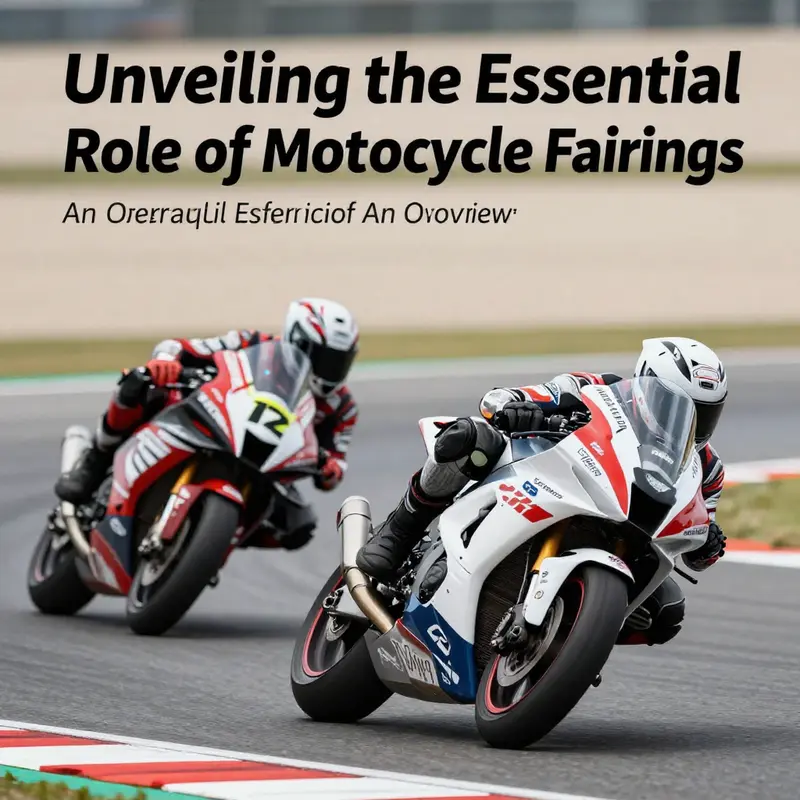
Motorcycle racing is a domain where precision, speed, and technology converge, and at the heart of this fusion lies the motorcycle fairing. These sleek, aerodynamic covers are not merely aesthetic enhancements; they are integral components of motorcycle design in racing and competitive sports. The evolution of motorcycle fairings has profoundly influenced performance, turning them into more than simple protective elements. They embody engineering breakthroughs that significantly enhance rider safety, maneuverability, and racing outcomes.
Construction and Advantages of Race Fairings
Modern motorcycle race fairings are mainly crafted from advanced materials like carbon fiber, fiberglass, and high-grade ABS plastic. Each material is selected to meet specific performance metrics.
Carbon fiber, revered in the automotive and aerospace industries alike, provides not only a lightweight solution but also exceptional strength and stiffness. This characteristic is critical in racing, where every milligram counts toward the overall power-to-weight ratio. By using carbon fiber, a racing motorcycle can shed considerable weight compared to bike models equipped with standard original equipment manufacturer (OEM) fairings. This reduction in weight translates directly into improved acceleration and handling, allowing optimal performance in competitive scenarios.
Fiberglass remains a popular choice due to its versatility and cost-effectiveness. It’s a balanced option providing decent strength while being easier on the budget, making it suitable for amateur racers or hobbyists looking for performance upgrades without incurring significant costs.
The choice of materials leads to another fundamental advantage: aerodynamics. Race fairings are meticulously designed to manage airflow around the motorcycle, minimizing turbulence and drag as the bike slices through the air at high speeds. This design is not simply about aesthetics; it has measurable impacts on the motorcycle’s overall capacity to maintain stability when leaning into turns and reaching top speeds. Enhanced aerodynamic efficiency supports higher maximum speeds and better fuel economy, essential factors for prolonged track sessions.
Aerodynamic Efficiency in Racing
The aerodynamic profile of a motorcycle equipped with race fairings promotes stable airflow dynamics. At increased speeds, motorcycles can face substantial wind resistance, which can affect handling and acceleration. Well-designed fairings minimize this resistance, ensuring that riders maintain better control while maneuvering.
For example, leading-edge fairings often feature sharp contours and integrated wind deflectors, which guide air smoothly over the motorcycle body. This design reduces turbulence around the rider’s body, and this feature becomes particularly valuable during long races, where wind fatigue can become a liability.
Fuel efficiency is another critical element of performance. Less drag means that engines can operate more efficiently, consuming less fuel over long distances. This is not just beneficial for the environment; it also allows racers to make fewer pit stops. Thus, the strategic design of fairings creates a dual benefit of enhancing speed while conserving resources.
Durability Under Pressure
In competitive racing settings, durability is as important as aerodynamics and weight reduction. Racing motorcycles often endure extreme conditions, from high-speed crashes to the wear and tear of sharp corners and changing weather. To combat these challenges, race fairings utilize composite materials that offer a unique blend of flexibility and strength, allowing them to withstand significant impacts without shattering or fracturing.
For instance, composites that combine carbon and Kevlar fibers are lauded for their high impact resistance while remaining lightweight. Such materials are essential during fallovers or collisions—a common occurrence in high-speed racing scenarios—where every element of the motorcycle must sustain harsh conditions without compromising the rider’s safety.
The Competitive Market and Innovations
The competitive market for motorcycle race fairings is dynamic, with numerous manufacturers striving to offer the best designs that push the limits of performance and safety. Companies across Asia, Europe, and North America have developed a wide range of products. For instance, European firms like BIKESPLAST specialize in producing high-performance fairings tailored for well-known racing circuits, whilst manufacturers from Asia, such as AMMA MOTORS from India and Zhejiang Riya Motorcycle Co., Ltd. from China, offer customizable solutions that cater to amateur racers and professionals alike.
This diverse landscape allows riders of all levels to access high-quality racing fairings, ensuring that both professionals and enthusiasts can equip their machines with technology that enhances performance while adhering to regulations in motorsport competitions. Additionally, advancements in manufacturing processes such as 3D printing are revolutionizing how fairings are made, allowing for quick adjustments and customizations that align perfectly with the bikes’ specific geometry.
Conclusion and Further Resources
In conclusion, the importance of motorcycle fairings in racing cannot be overstated. They play a vital role in enhancing the performance, safety, and efficiency of racing motorcycles. The ongoing innovation in materials and design reflects the competitive spirit of racing itself, with manufacturers continually striving to produce fairings that will help riders gain every possible advantage on the track.
For those interested in exploring further innovations, technical specifications, and the latest in race fairing design, resources like the official website of the Fédération Internationale de Motocyclisme (FIM) provide invaluable insights into how these essential components are integrated into racing frameworks.
For additional guidance on specific models and performance upgrades, you can check this resource on various motorcycle fairings.
Final thoughts
Motorcycle fairings are integral to the experience of riding, providing not only protection and improved performance but also significant aesthetic value. Understanding the diverse types of fairings, the materials used, and their aerodynamic benefits equips business owners, managers, and enthusiasts alike with valuable insights into the motorcycling world. From sport bikes designed for speed to touring motorcycles aimed at comfort, fairings shape how riders interact with their machines. In racing, their impact is magnified, making them critical in competitive contexts. As motorcycle riders and businesses alike seek to optimize performance and style, fairings remain an essential consideration in motorcycle design and functionality.
Upgrade your ride with UltimateMotorX’s premium motorcycle fairings—durably crafted, precision-fitted, and stylish. Meeting OEM standards for easy installation, our collection suits upgrades or replacements. Shop now for fast shipping, secure checkout, and expert support. Give your bike the ultimate quality it deserves!
About us
At UltimateMotorX, we’re rider-founded experts in top-tier motorcycle fairings. We source premium materials, partnering with trusted manufacturers for perfect fits and durability. Enjoy expert advice, hassle-free returns, and seamless shopping. Ride with confidence—style and quality guaranteed!