

Vintage motorcycle fairings are more than simple components—these iconic fixtures embody the spirit of a classic riding era that appeals deeply to collectors and enthusiasts. In exploring the aesthetic beauty of these fairings, we uncover how they enhance the visual appeal of motorcycles while simultaneously reflecting their historical significance. Furthermore, the economic impact of these fairings has created a vibrant collector’s market, where original pieces often command premium prices. Our discussion will delve into best practices for restoring vintage motorcycles to their former glory, ensuring that enthusiasts can enjoy an authentic ride enriched with nostalgia. Lastly, we’ll examine the cultural significance of vintage fairing motorcycles, which resonate not only within the biker communities but also as symbols of freedom, craftsmanship, and an era long gone. Together, these chapters will provide a holistic understanding of vintage fairing motorcycles and their enduring charm.
Reviving the Spirit: The Timeless Aesthetic of Vintage Fairing Motorcycles

Vintage fairing motorcycles possess an aesthetic charm that captures the essence of a bygone era while celebrating the artistry of engineering and design. With their sleek lines, curves, and distinctive fairing features, these machines evoke a sense of nostalgia among enthusiasts and collectors alike. From their inception in the mid-20th century, fairing-equipped motorcycles have represented the innovative spirit of their time, blending function and form into a cohesive whole. Today, those who are passionate about vintage motorcycles recognize that a fairing is not merely an accessory but a defining characteristic that enriches the bike’s visual and emotional appeal.
The evolution of motorcycle fairings began as a practical solution to reduce wind resistance and improve aerodynamics, particularly at higher speeds. However, beyond their functional purpose, these fairings became instrumental in shaping the character of the motorcycles they adorned. Vintage models, especially from the 1970s and 1980s, display a design language that is both distinct and evocative. Curved fenders seamlessly trace the edges of the bike’s bodywork, giving an almost organic feel to their form. Integrated headlights are often framed by contoured fairings, providing not only safety and visibility but also a striking visual focal point. Sculpted fuel tanks accentuate the line of sight, leading the eye from the front to the rear, creating an uninterrupted flow that is both captivating and harmonious.
The visual harmony achieved through vintage fairing designs is more than skin deep. It creates an experience for the rider—an identity that resonates deeply with the heritage of motorcycling. Owning a vintage fairing motorcycle can mean more than just possessing a piece of machinery; it is about joining a community connected by shared values and appreciation for nostalgia. These bikes often prompt stories from the road, memories of adventures, and connections with like-minded individuals who cherish that golden era of motorcycle culture.
The allure of vintage motorcycles is greatly amplified by their color schemes, which historically embraced rich and vibrant palettes. Deep reds, metallic blues, and chrome accents are classic staples that evoke the spirited energy of the time. These colors convey a sense of personality and uniqueness, much like the bikers who rode them. The use of metallic paints not only enhances the visual appeal but also draws attention to the craftsmanship involved in creating and maintaining these machines. Enthusiasts often engage in restoring these bikes, reviving their original luster and ensuring they remain a testament to quality engineering.
For collectors, the presence of authentic vintage fairings can significantly increase the value of a motorcycle. Not only do original fairings enhance the visual appeal, but they also contribute to historical significance. In the collector market, bikes boasting genuine or well-preserved fairings can command substantially higher prices, reflecting the craftsmanship and care that went into their original design and construction. The rarity of certain models, combined with the distinctiveness of their fairings, creates an enticing proposition for both restoration projects and everyday rides.
As interest in vintage fairings has surged, so too has the availability of parts for restoration and customization. Online platforms, such as eBay, serve as treasure troves for enthusiasts searching for original fairings, as well as high-quality reproductions. With countless listings showcasing a diverse range of models from renowned manufacturers, passionate restorers have the means to track down that elusive piece of their dream bike. Collectors appreciate these authentic parts for their rarity and historical significance, while customizers often seek them out to add a touch of retro flair to their modern builds. The hunt for vintage fairings becomes a narrative of its own, intertwined with the rider’s aspirations of capturing the spirit and aesthetics of classic motorcycling.
As enthusiasts dive into the intricate details of vintage fairing designs, it is essential to recognize the significance of craftsmanship. Motorcycles from the past exhibit a level of artisanal quality that is often missed in today’s mass-produced options. The artistry evident in the design of fairings—along with the careful selection of materials—offers a glimpse into the dedication and skill of the craftspeople behind these machines. Each curve, each seam, and every chromed detail tells a story of labor and passion, culminating in bikes that are more than just vehicles; they are pieces of art.
Ultimately, the allure of vintage fairing motorcycles transcends mere aesthetic appeal. These machines embody a lifestyle that celebrates both the freedom of the open road and the bonds formed through shared experiences. For many riders, stepping onto a vintage motorcycle feels like stepping back in time—each twist of the throttle and every turn of the wheel connects them to the rich history of motorcycling. It is a revival of spirit, an appreciation for craftsmanship, and a passion for the open road that continues to inspire new generations of enthusiasts.
In conclusion, vintage fairing motorcycles offer a unique blend of aesthetic beauty and historical significance that resonates deeply with both collectors and casual riders. Their distinctive designs not only highlight the engineering marvels of the past but also reveal the emotional connections fostered by the shared love of motorcycling. Whether restoring a classic model or acquiring a piece of history, the journey of discovering vintage fairings is a testament to the timeless allure of the motorcycle community.
The Economic Landscape of Vintage Fairing Motorcycles in Collecting and Restoration
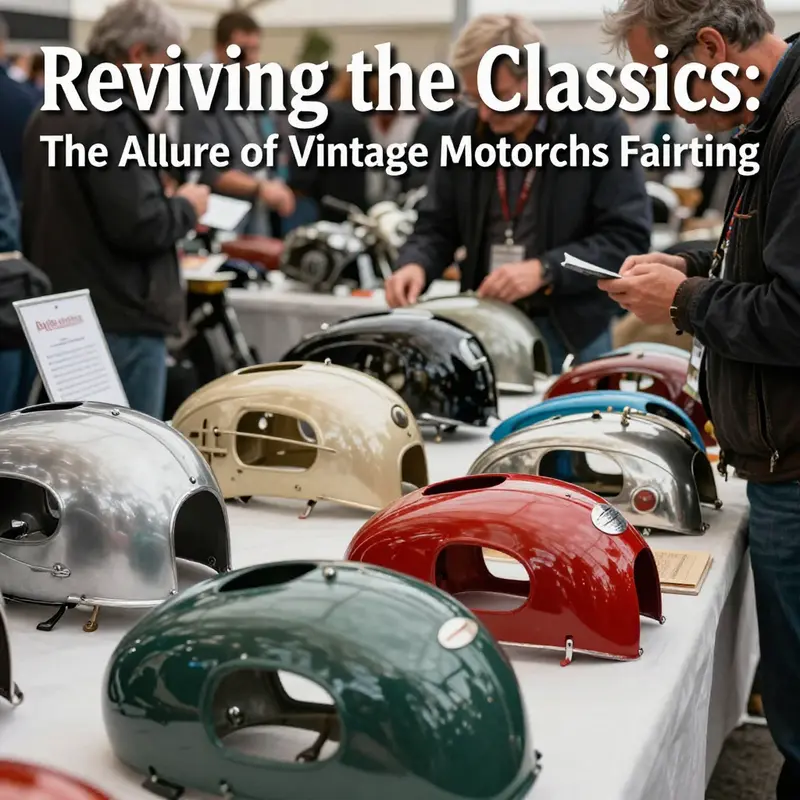
Vintage fairing motorcycles are more than just modes of transport; they are cherished artifacts of a bygone era, rife with stories, nostalgia, and aesthetic value. As collectibles, they stand at the intersection of history, craftsmanship, and investment potential. Their unique designs, often accented with distinctive fairings, contribute to their character and desirability in the collector’s market, making them invaluable assets that enthusiastically draw both seasoned collectors and newcomers alike.
The economic significance of vintage fairing motorcycles is palpable, with the demand for well-preserved or restored examples continually rising. Collectors are not merely interested in the ability of these machines to serve on roads; rather, they are captivated by the historical significance and the craftsmanship they represent. Classic models manufactured by iconic brands such as Harley-Davidson, Honda, and Triumph frequently achieve astonishing prices at auctions, where rarity and authenticity dictate their value. Bids often escalate into tens or even hundreds of thousands of dollars for exceptional specimens, particularly those showcasing original fairings or modifications that preserve their historical integrity.
Market demand plays an intricate role in the valuation of vintage fairing motorcycles. Nostalgia, coupled with a growing appreciation for retro and classic aesthetics, has given rise to a vibrant collector’s culture. This community is not just focused on owning a unique motorcycle; they often view their acquisitions as investments, appreciating in value over time similar to fine art or vintage cars. Original fairings can significantly enhance a bike’s worth; therefore, collectors often pursue models that feature these components. The rarity of certain fairing designs, especially those long out of production, further intensifies their allure, making genuine components a coveted prize among aficionados.
Additionally, the economic ecosystem surrounding vintage fairing motorcycles has been enriched by the growing scarcity of original parts. As time progresses, genuine parts become harder to come by, giving rise to a secondary market that thrives on collectors’ desires to restore their bikes to their former glory. Some enthusiasts dedicate considerable time and resources in search of these elusive pieces, turning them into passionate treasure hunts. This dynamic interplay of supply and demand keeps the market lively and ensures that rare items continue to command impressive prices.
Online platforms like eBay have revolutionized how enthusiasts buy and sell vintage fairing motorcycles and their accessories. These digital marketplaces provide a flourishing environment for both casual sellers and serious collectors. Users can explore a wide array of motorcycles and parts, often at competitive prices, enhancing accessibility and connectivity within the collector community. The vibrant online presence allows budding collectors to tear down geographical barriers and engage with a global market, making it easier than ever to find that perfect piece to complete a restoration project.
The cultural significance of vintage fairing motorcycles cannot be overstated. They represent pivotal moments in automotive design and engineering, often echoing the evolving trends that dominated the motorcycle landscape through the decades. Each model reflects the style, technology, and attitudes of its time, giving it a narrative that enhances its value as a collectible. For many, owning a vintage motorcycle is akin to holding a piece of history, a window into the past that can be both experienced and appreciated.
Auction platforms such as Bonhams Motorcycle Auctions serve as prestigious venues where collectors can assess the market value of their vehicles and discover trends in vintage fairing motorcycles. Listings typically provide detailed insights into auction results and forthcoming sales, equipping buyers with the knowledge necessary to navigate this nuanced market confidently. This level of transparency further enhances the collector experience, allowing passionate individuals to make informed decisions about their investments.
The economic landscape surrounding vintage fairing motorcycles is rich and multi-dimensional, characterized by a confluence of nostalgia, craftsmanship, and sharp market dynamics. By understanding these elements, collectors can appreciate not just the aesthetic qualities of their motorcycles but also recognize their place in the broader economic and cultural tapestry. As interests in motorcycle restoration and collection continue to burgeon, it is clear these vintage bikes offer a glimpse into the past while also serving as smart investments for the future. Whether one is restoring a beloved classic or customizing a unique ride, finding the right vintage fairing is essential to capturing the true spirit of the era and maintaining the integrity of the motorcycle experience.
Crafting the Classic: Detailed Restoration Practices for Vintage Fairing Motorcycles
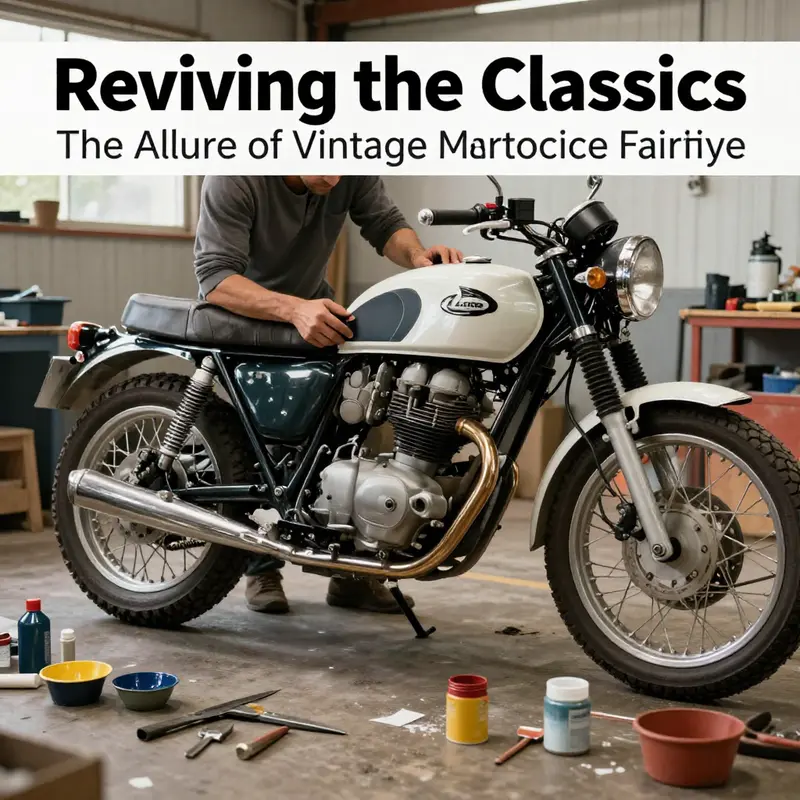
Restoring a vintage fairing motorcycle is a journey that intertwines the artistry of mechanical engineering with the spirit of nostalgia. It requires a careful blend of historical accuracy, mechanical integrity, and aesthetic authenticity, playing an essential role in preserving the allure of motorcycles from the 1970s to early 1980s. These creations are renowned for their iconic streamlined fiberglass or plastic fairings, designed not only to enhance aerodynamics but also to encapsulate the performance culture of their times. Each motorcycle has its own legacy, and undertaking its restoration is as much about honoring that legacy as it is about craftsmanship.
The process begins with a thorough assessment of the motorcycle. A meticulous evaluation of the frame, engine, suspension, and electrical systems is critical for determining the bike’s original condition. This step demands patience and knowledge; each component tells a story. Many seasoned restorers recommend documenting the motorcycle’s condition with photographs and notes for later reference, as one might need to make compromises when sourcing parts or materials.
One of the most crucial aspects of restoration is the preservation or replication of the motorcycle’s factory-original fairing design. Many cycles have missing or damaged fairings, which can severely affect the aesthetic and value of the bike. Every vintage motorcycle enthusiast understands that the fairing is not merely a protective outer shell—it is an integral piece of the bike’s identity. Therefore, sourcing period-correct parts is paramount. Restorers often turn to platforms like eBay, which can offer a treasure trove of authentic vintage components. Furthermore, if original parts are no longer available, skilled fiberglass repair or custom molding can recreate the fairing to its former glory.
In modern restoration practices, advanced materials and techniques have emerged. Employing epoxy resins, CNC machining, and digital color-matching software allows restorers to achieve not only durability but also fidelity to the original look. These technologies simplify the intricate task of fairing repair, ensuring that every curve resonates with its original design intent. However, despite these advancements, it is vital that restorers do not overlook traditional methods. Hand-sanding, paint blending, and employing vintage-style finishes can often bring out a character in the bike that modern techniques might overlook. The aesthetic touch that experienced hands provide can impart a soul to the motorcycle, making it more than just a collection of parts.
Beyond aesthetics, integrity lies at the heart of a successful restoration. Addressing underlying mechanical issues is essential. A flawlessly painted and polished fairing holds little value if the mechanical components are degraded. Worn bearings, degraded rubber bushings, outdated electrical wiring, and other common wear and tear can compromise safety and performance, not to mention significantly diminish the bike’s overall value. Thus, restorers must become detectives, uncovering hidden problems as they disassemble and evaluate each piece of the motorcycle.
The Classic Motorcycle Mechanics Association (CMMa) offers invaluable resources for those looking to navigate the restoration process effectively. Their detailed guides and forums are dedicated specifically to vintage motorcycle restoration, including the nuanced complexities of fairing systems. These resources cover everything from disassembly procedures to the correct application of vintage-style paint finishes. Engaging with this community can mean the difference between a mediocre restoration and a truly outstanding one, as the knowledge exchanged can lead to innovative solutions and connections with other enthusiasts.
As restorers embark on this intricate journey, they soon realize that the project will not only require mechanical skills but also creativity and passion. Finding the right vintage fairing may sometimes feel like searching for a needle in a haystack, especially if one aims to maintain historical accuracy. However, the thrill of the hunt adds an exciting dimension to the experience. Whether it’s browsing through online marketplaces or attending vintage motorcycle fairs, these events often showcase a variety of parts—from genuine originals to high-quality reproductions. For example, many enthusiasts seek fairings made specifically for classic models such as Honda, Ducati, and BMW, each with its distinct styling cues that reflect the quintessential characteristics of their respective eras.
As part of the restoration process, keeping in mind modifications versus authenticity can also be crucial. Some restorers choose to enhance performance by upgrading certain mechanical components, while others insist on adhering strictly to the original specifications. This decision often sparks lively debate within enthusiast circles, ultimately highlighting the philosophical divide between classic preservation and modern conveniences. This ongoing discussion adds a vibrant layer to the vintage motorcycle community, making the journey of restoration even more rewarding as it connects people through shared interests and debates over the best practices.
While planning and undertaking a restoration project, it might be wise to set realistic goals and budget limits. Restoration can quickly become a costly endeavor, especially if unexpected mechanical issues arise. Therefore, establishing a clear outline and timeline from the outset can help manage expectations and finances alike. Detailed lists, checklists for parts needed, and even timelines for conducting various stages of restoration can aid in maintaining focus and ensuring progress, preventing the project from becoming a source of frustration.
Though this intricate process may seem daunting, the rewards are immeasurable. Beyond just restoring the bike to a visually pleasing state, it is about bringing a piece of history back to life. This level of craftsmanship contributes to the motorcycle’s storytelling, revealing tales of journeys from long ago. Ultimately, each restored motorcycle stands as a testament to its rider, a beautiful harmony of metal and technology, echoing decades of design evolution.
Once the restoration is completed, the real joy emerges. Taking the bike out for its maiden ride after a refurbishment offers an unparalleled sense of accomplishment. The engine’s roar might resonate deeper than before; the feel of the fairing cutting through the wind can feel almost poetic. Riding a beautifully restored motorcycle, complete with its correct vintage fairing, is less an act of transportation and more an experience, where rider and machine unite in a vintage symphony.
In conclusion, restoring vintage fairing motorcycles transcends mechanical work; it embodies a revival of history, artistry, and engineering. Following proper restoration practices, while simultaneously fostering a deep respect for authentic design and performance, can yield motorcycles that not only take to the road but also, more importantly, capture hearts. As the motorcycle community dedicatedly preserves these classic machines, the allure and spirit of the vintage fairing motorcycle continue to thrive in the hearts of enthusiasts, ensuring the legacy of these magnificent machines will endure for generations to come. For additional information, resources, and guidance, enthusiasts can explore the official website of the Classic Motorcycle Mechanics Association (CMMa) here.
The Revved Heart of Rebellion: Exploring the Cultural Iconography of Vintage Fairing Motorcycles

The world of vintage motorcycles invokes a sense of nostalgia and a celebration of an era defined by speed, artistry, and a do-it-yourself ethos, and at the forefront of this culture stand the classic fairing-equipped bikes. The fairing is not merely an accessory; it’s a statement piece—streamlined, aggressive, and imbued with the rebellious spirit of the 1960s and 70s. The cultural significance of these machines transcends their mechanical components; they symbolize a broader artistic movement and a lifestyle grounded in freedom and individuality.
In the post-war era, Britain emerged as a hotspot for motorcycle culture, and the café racer phenomenon exemplified this burgeoning identity. Riders, dissatisfied with the commodification of motorcycles, began to customize their machines—stripping them down to essentials, adding fairings for speed or style, and adopting a mindset that celebrated personal expression over mass production. The aesthetic of these customs was both minimalist and aggressive, characterized by clip-on handlebars, low-slung seats, and, of course, those distinctive fairings that defined the genre. Each bike told a story, reflecting not just the rider’s technical skills but their personality and aspirations.
This movement wasn’t merely about aesthetics; it was also a cultural rebellion against societal norms. Motorcycle enthusiasts in this era were often young, disillusioned individuals seeking meaning and identity in a rapidly changing world. The café racers emerged as symbols of this quest for freedom, allowing riders to explore the roads that lay beyond the boundaries of conventional life. Riders forged communities built around shared values of independence, camaraderie, and an appreciation for fine craftsmanship—an ethos firmly established in the mechanics of the café racer.
The use of fairings added another layer to this cultural narrative. Designed primarily for aerodynamics, they provided functional advantages that enhanced the riding experience, permitting greater speeds while offering protection from wind and debris. Yet the significance of fairings went beyond their utilitarian purpose; they epitomized the innovation of the time. Each unique design spoke to the creativity of the era, inviting individuality in form and function. Beautifully sculpted, these fairings became canvases for creative expression, adorned with custom paint jobs or decals that reflected trends in music, art, and personal beliefs.
The influence of the café racer and its fairings extended well beyond the lonely highways of rural Britain. The sleek lines of these bikes inspired music, fashion, and film—infusing pop culture with the raw energy and aesthetic of motorcycle subcultures. Iconic films like “The Wild One” helmed by Marlon Brando captured the rebellious spirit associated with these machines and cemented their status as cultural icons. The fashion choices of the era—leather jackets, desert boots, and fitted trousers—spoke to the rugged, adventurous lifestyle that motorcycling fostered.
Gathering for informal races in cafés and parking lots, riders fostered a sense of community that persists today. Events such as the annual “Café Racer Festival” celebrate this legacy, bringing together enthusiasts who adore vintage fairing motorcycles, showcasing their restored and modified bikes with pride. It’s a not-to-be-missed event for many, offering a chance to rub shoulders with fellow aficionados, exchange stories, and admire the craftsmanship that goes into restoring these remarkable machines. It reflects the enduring legacy of the culture behind vintage motorcycling—an acknowledgment that these bikes are not merely relics of the past, but pivotal characters in an ongoing narrative.
This narrative continues to evolve. Modern manufacturers are increasingly recognizing the appeal of classic designs, breathing new life into the aesthetics associated with vintage fairings while integrating cutting-edge technology. The merging of past and present is not just a trend; it’s a testament to the lasting impact that these classic machines have had on motorcycling. Enthusiasts, young and old, strive to stay connected with the roots of motorcycle culture by restoring those vintage models or embracing their style in new builds, thereby cultivating an ongoing community where appreciation for the craftsmanship of yesteryear remains vibrant.
For prospective buyers or restorers, platforms like eBay offer a treasure trove of options ranging from authentic parts to high-quality reproductions. Securing the right fairing is crucial as it serves to accentuate the motorcycle’s character, evoking the spirit of the era it represents. Investing in a vintage motorcycle equipped with its original fairing can significantly elevate its value in the collector market. As the community continues to thrive, preserving this rich history becomes essential, ensuring that future generations can appreciate the artistry and significance embodied in these machines.
The cultural significance and aesthetic appeal of vintage fairing motorcycles have established them not just as vehicles, but as mediums of artistic expression and social connection. They genuinely reflect the spirit of their time—an ode to rebellion, innovation, and individual expression. Through unique designs and communal experiences, these bikes continue to inspire and captivate, demanding recognition not just as machines but as cultural artifacts steeped in history.
To delve deeper into the world of vintage fairing motorcycles and the communities they foster, resources like Classic Motorcycle Mechanics provide extensive insights into their heritage and ongoing allure. Vintage fairing motorcycles are more than machines; they are embodiments of a lifestyle that champions freedom, creativity, and community.
For those eager to explore various fairing options for their own bikes, check out the extensive selection dedicated to various brands of motorcycles on websites like Ultimate Motor X, where enthusiasts can find everything from BMW fairings to Ducati fairings and beyond. Each fairing not only enhances the bike’s aerodynamics but also serves as a canvas for riders to express their unique identity.
Final thoughts
In conclusion, vintage motorcycle fairings represent a unique fusion of aesthetic charm, economic viability, and cultural resonance. As these iconic components continue to captivate collectors and enthusiasts alike, their historical context becomes increasingly significant. The dedication to restoring these fairings reflects a broader commitment to preserving motorcycling heritage. In understanding the intertwined allure of style, value, and the communal enthusiasm surrounding vintage motorcycles, stakeholders—from collectors to manufacturers—can better appreciate the passion that fuels this vibrant segment of the motorcycle industry. The journey of vintage motorcycle fairings is a testament to craftsmanship and community, reminding us of the timeless appeal of classic design.
Upgrade your ride with UltimateMotorX’s premium motorcycle fairings—durably crafted, precision-fitted, and stylish. Meeting OEM standards for easy installation, our collection suits upgrades or replacements. Shop now for fast shipping, secure checkout, and expert support. Give your bike the ultimate quality it deserves!
About us
At UltimateMotorX, we’re rider-founded experts in top-tier motorcycle fairings. We source premium materials, partnering with trusted manufacturers for perfect fits and durability. Enjoy expert advice, hassle-free returns, and seamless shopping. Ride with confidence—style and quality guaranteed!