

Introduction
For motorcycle business owners, selecting the best fairings is essential in enhancing both performance and aesthetics of motorcycles. Fairings not only improve the visual appeal but also play a significant role in rider comfort and overall vehicle efficiency. With a plethora of options available, understanding the crucial aspects of durability, aerodynamics, cost-effectiveness, and model compatibility is vital for making informed purchasing decisions. This article guides business owners through these key considerations, ensuring that each chapter provides a comprehensive understanding of how to align fairing choices with optimal motorcycle performance and rider satisfaction.
Tables of Contents
Chapter 1: Mastering the Art of Material Selection for Motorcycle Fairings: A Comprehensive Guide
- Navigating Material Choices: The Key to Optimal Durability in Motorcycle Fairings
Chapter 2: The Economics of Choosing Durable Materials for Motorcycle Fairings
- Balancing Cost and Quality in Motorcycle Fairing Selection: A Comprehensive Analysis
Chapter 3: Navigating the Winds: How Aerodynamics Shapes Motorcycle Performance
- Optimizing High-Speed Stability Through Effective Aerodynamic Fairing Design
Chapter 4: Chapter 2: Aerodynamics and Performance of Best Motorcycle Fairings
- Subchapter 2.2: The Optimal Balance: Full versus Half Fairings in Motorcycle Performance
Chapter 1: Mastering the Art of Material Selection for Motorcycle Fairings: A Comprehensive Guide
1. Navigating Material Choices: The Key to Optimal Durability in Motorcycle Fairings
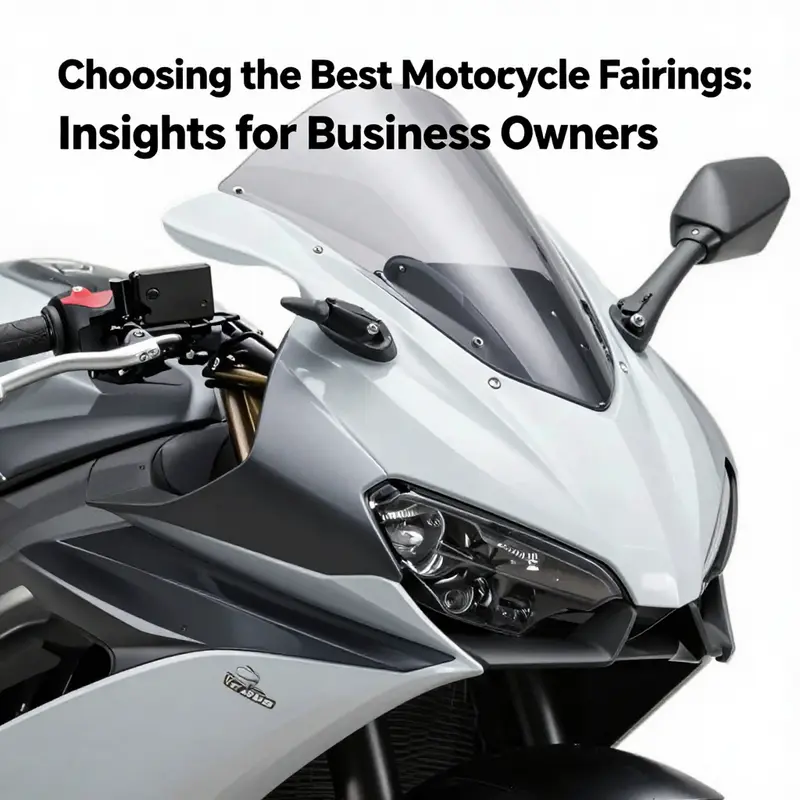
The selection of materials for motorcycle fairings is a critical, multi-faceted decision that directly influences not just the aesthetics of a motorcycle, but its performance, durability, and rider comfort as well. Each component of a motorcycle is subjected to varying environmental pressures, and the fairings, acting as the external shield, must be crafted from materials that withstand the elements, impacts, and the rigors of riding. Thus, understanding the strengths and limitations of each material type becomes vital for anyone serious about maintaining their motorcycle in peak condition.
Material Overview
The materials commonly utilized for motorcycle fairings include polycarbonate, ABS plastic, fiberglass-reinforced composites, and advanced thermoplastic elastomers (TPEs). Each of these materials boasts unique properties that lend themselves to specific motorcycle applications, making it imperative for riders and mechanics to match the material characteristics with the intended use of the motorcycle.
-
Polycarbonate
This transparent polymer is renowned for its high impact resistance and optical clarity, making it the go-to choice for windshields and fairing components requiring visibility. Polycarbonate can absorb impacts that would crack other materials, thus providing an essential layer of protection. However, its Achilles’ heel lies in its susceptibility to scratching and degradation from prolonged exposure to UV radiation. While a hard coating can improve its wear resistance, it is essential for users to understand that over time, even the best coatings may erode under intense sunlight. -
ABS Plastic
ABS plastic represents a popular material choice due to its balanced attributes of strength, rigidity, and fabrication ease. It is particularly adept at accommodating complex shapes, which are not uncommon in modern motorcycle designs. Additionally, its cost-effectiveness makes it attractive for large-scale production of fairings. However, it does not exhibit the same level of impact resistance as polycarbonate under extreme conditions. Riders must therefore consider potential exposure to harsh elements when evaluating this material. -
Fiberglass-Reinforced Composites
For those seeking optimal strength-to-weight ratios, fiberglass-reinforced composites are an excellent choice, particularly for high-performance motorcycles. These composites often outperform other materials in terms of impact resistance and internal structural integrity. They are widely used in racing environments where every gram matters. Nonetheless, the trade-off for their robustness is added weight and a more complicated repair process—fiberglass fairings can be tough to fix if damaged, typically requiring professional intervention. -
Advanced Thermoplastic Elastomers (TPEs)
Emerging materials such as TPEs offer exciting prospects for the future of motorcycle fairings. They provide a unique combination of flexibility and strength, allowing for significant freedom in design without compromising durability. Additionally, TPEs show promise in scratch resistance, presenting a potential choice for components that face high wear and tear. As manufacturers continue to innovate, TPEs could become a staple in fairing design in order to leverage their versatile properties.
Factors Influencing Material Choice
Beyond the properties of the materials themselves, various factors play a crucial role in guiding the selection process for motorcycle fairings. Thermal properties, such as thermal expansion and heat deflection temperature, must be considered to ensure compatibility with a motorcycle’s operating temperature range. Chemical resistance is also critical—certain fuels, oils, and even cleaning agents can degrade certain plastics over time. Thus, understanding these factors can lead to better decision-making when selecting fairing materials.
Structural analysis goes hand-in-hand with material characteristics to ascertain how well a fairing can resist dynamic loads from wind pressure and potential impacts during accidents. Each model of a motorcycle has its own specifications, heightening the need for extremely careful material selection to match manufacturer guidelines.
Moreover, sustainability considerations are increasingly relevant in today’s manufacturing environment. Many manufacturers now seek bio-based or recycled materials that reduce environmental impact while still providing durability and performance.
Hybrid Approaches to Material Use
Taking into account each material’s specific strengths and weaknesses, many motorcycle manufacturers employ hybrid approaches, combining different materials to achieve optimal performance and longevity. A common example is the pairing of an ABS plastic base with a polycarbonate outer layer, blending the rigidity and ease of molding of the former with the impact-resistance and protective qualities of the latter. Such strategies allow manufacturers to tailor each fairing’s performance to the needs of distinct motorcycle styles and intended usage.
Matching Materials to Motorcycle Types
When selecting fairings, one must also consider the intended application of the motorcycle. Sports bikes benefit from lightweight materials that reduce drag and enhance speed, while touring motorcycles might prioritize comfort and protection, necessitating sturdier materials that can withstand long-distance wear and tear. Off-road models might require additional flexibility and resilience to handle the rough terrains they encounter. Thus, aligning material choices with specific riding conditions and motorcycle types is not merely advisable but essential for optimal performance.
As technology advances, the field of motorcycle fairing design is becoming more dynamic, and understanding materials’ physics will enable riders to make well-informed decisions. For an even richer resource on material selection principles tailored to automotive components including motorcycle fairings, exploring comprehensive articles, such as those presented by ScienceDirect on material sciences, will provide deeper insights into the complexities of mechanical and thermal properties.
For riders looking to replace their fairings, whether for aesthetic or practical reasons, exploring specific motorcycle fairing categories suited to one’s brand is invaluable. For instance, finding specialized fairings for popular sportbike brands like Honda, Ducati, or Yamaha can significantly enhance the customization process. You can explore an array of options at various trusted vendors who cater to these specific motorcycle models, ensuring that riders not only achieve the desired look but also maintain the functionality and durability expected from high-quality fairings.
Chapter 2: The Economics of Choosing Durable Materials for Motorcycle Fairings
1. Balancing Cost and Quality in Motorcycle Fairing Selection: A Comprehensive Analysis
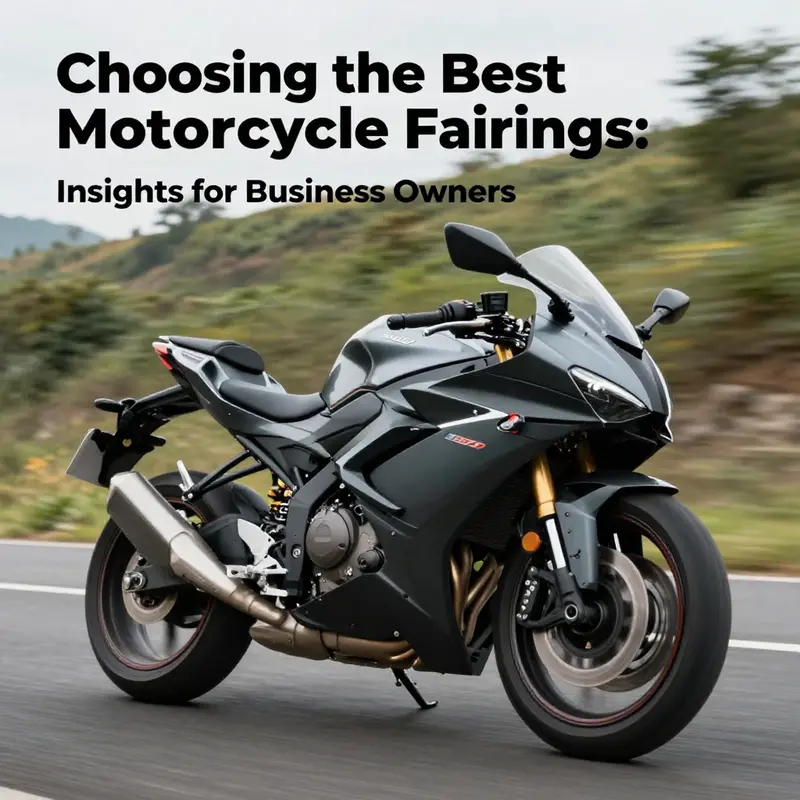
In the realm of motorcycle fairings, the interplay between cost, durability, and material choice is profound. Riders and manufacturers alike face a pivotal decision: which materials will not only withstand the rigors of the road but also offer economic viability? This analysis delves into this intricate balance, exploring how advancements in material science and manufacturing techniques affect both consumer choices and broader market trends.
The economic implications of selecting motorcycle fairings that utilize appropriate materials are multifaceted. On one hand, high-performance materials like carbon fiber provide exceptional benefits, notably superior strength and lightweight properties that significantly enhance a motorcycle’s performance. However, the elevated costs of carbon fiber often confine its use predominantly to premium motorcycles, making it less accessible for budget-conscious consumers. For those looking to optimize their riding experience without breaking the bank, fiberglass emerges as a favorable alternative. While it does not possess the same strength-to-weight ratio as carbon fiber, fiberglass offers an attractive balance of affordability, ease of repair, and adequate structural integrity suitable for the majority of mass-market motorcycles.
As the market continues to evolve, recent innovations in manufacturing processes significantly contribute to changing these dynamics. Techniques such as topological optimization allow manufacturers to create complex, lightweight fairings with minimal material waste and reduced production times. This not only lowers costs but also preserves the integrity and performance of the final product. By employing these methods, manufacturers can more effectively bridge the gap between high performance and affordability, catering to a wider demographic of motorcycle riders seeking both durability and economic efficiency.
Beyond individual consumer choices, these advancements underscore a larger trend toward sustainability and resource efficiency. The motorcycle industry, much like the automotive sector, faces increasing pressures to adopt lightweight materials that enhance performance while ensuring compliance with environmental regulations. Research indicates that weight reduction is linked closely to improved fuel economy, which can translate into long-term savings for riders. Lighter motorcycles require less energy to operate, leading to lower emissions and contributing positively to reducing the overall carbon footprint of transportation. Thus, the pursuit of durable yet lightweight fairings aligns with both consumer desires for enhanced performance and broader societal demands for sustainable practices.
Examining the long-term implications of these material choices reveals further economic dimensions, particularly in terms of lifecycle sustainability. The recyclability of advanced lightweight materials is increasingly relevant as consumers become more environmentally conscious. Fairings that are designed with end-of-life considerations in mind not only appeal to eco-aware buyers but also position manufacturers favorably within a market that prioritizes sustainability. They effectively create a feedback loop of consumer demand, where innovation in materials catalyzes the production of higher-performing motorcycles, further promoting market growth and competitive advantage.
Low-income regions present unique challenges in this dynamic. The affordability of safety equipment, including motorcycle fairings and other protective gear, is a pressing issue. Ensuring that even the most economical fairing options do not compromise on durability is essential for enhancing road safety in these contexts. Manufacturers must balance cost-effectiveness with quality, securing safer riding experiences for all demographics, regardless of economic status.
Motorcycle fairings, while sometimes regarded merely as aesthetic enhancements, play a crucial role in protecting vital components from environmental factors such as rain and debris. High-quality fairings can significantly reduce maintenance costs over time, making them an economically sound investment for riders engaged in long-distance travels. The benefits of lower wind resistance—such as reduced fatigue and improved fuel efficiency—further reinforce the importance of selecting fairings that incorporate durable materials.
The demand for motorcycle fairings made from advanced materials is rising, as evidenced by recent studies and user feedback. Customers are increasingly seeking products that promise not only aesthetic appeal but functional benefits such as protection against the elements, reduced vibration, and effective air management—all of which can elevate the overall riding experience. Consumer trends show a willingness to invest in higher-quality fairings when they understand the long-term benefits of such materials.
As highlighted by expert views in the industry, including motorcycle custom specialist Derek Langston’s assertion that well-designed fairings significantly decrease rider fatigue while lowering maintenance expenses, it is apparent that careful material selection plays a vital role in performance enhancement. The reflection of such feedback in public perception shapes purchasing decisions, leading to a market increasingly oriented toward investments in durable, cost-effective fairings.
The reality of manufacturing durable motorcycle fairings at various price points safeguards against market monopolization by high-end products, ensuring options remain accessible. This balance between cost and quality encourages innovation and healthy competition among manufacturers that cater to diverse demographic segments. As a result, consumers can select from a broader array of products that best fit their performance needs and budgets.
In conclusion, the economic implications of motorcycle fairing materials are profound and multifaceted. The tension between durability, performance, and affordability is mitigated through ongoing advancements in manufacturing and material sciences, enabling the creation of high-performing, cost-effective solutions for all riders. The industry must continuously navigate these challenges to fulfill the needs of both budget-conscious and performance-focused consumers while promoting safety and sustainability in motorcycle riding.
For those interested in exploring the best options on the market today, a thorough look at the latest designs can be found at Ultimate MotorX, which showcases a variety of durable fairings catering to multiple brands and models. As consumers become more knowledgeable and selective, it is essential for manufacturers to keep pace by delivering fairings that balance cost, quality, and performance against the backdrop of consumer expectations and advancing technologies.
Chapter 3: Navigating the Winds: How Aerodynamics Shapes Motorcycle Performance
1. Optimizing High-Speed Stability Through Effective Aerodynamic Fairing Design
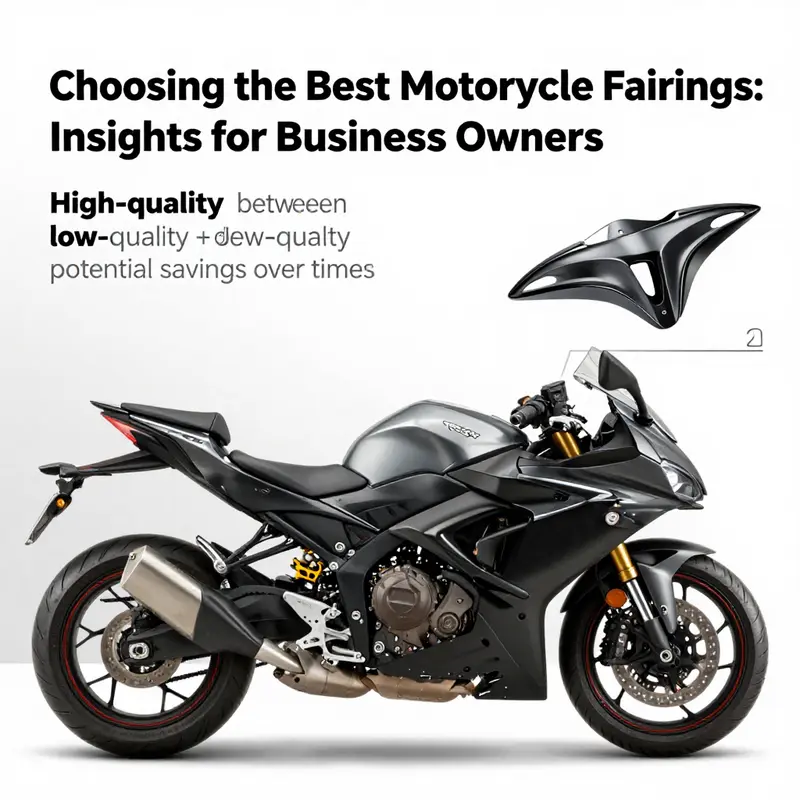
The role of aerodynamics in motorcycle design cannot be overstated, especially when it comes to high-speed stability. At speeds that many motorcycles can reach, notably those used for sport and touring, the interaction between the motorcycle and the air becomes a defining factor in safety and performance. Fairings, designed to streamline airflow around the bike, serve as the first point of contact in this intricate dance. Effective aerodynamic design dramatically reduces drag, minimizes lift, and ultimately contributes to rider confidence and bike control on the road.
When exploring the impact of high-speed aerodynamics, one must delve into how air resistance and flow patterns influence motorcycle handling. Poorly designed fairings can result in turbulence—chaotic air patterns that create additional resistance and destabilization that riders experience as unpredictable steering and potential loss of control. Conversely, optimally engineered fairings encourage smooth airflow, thereby reducing drag and unwanted lift forces that can unsettle even the most seasoned riders. This characteristic is crucial for long-distance touring bikes, which often maintain high velocities for extended periods.
The fundamentals behind aerodynamics rest upon two key principles: airflow management and the conservation of energy. The shape of the fairing directly influences how air flows around the bike and how energy-efficient the motorcycle becomes at various speeds. Riders looking for optimal performance must understand the engineering behind these designs; sleek contours and strategic openings not only enhance aesthetic appeal but also function significantly to ensure that the motorcycle’s center of gravity remains stable. By integrating features like integrated wind deflectors, optimized front profiles, and rear vortex generators, manufacturers create solutions that maintain predictable handling under different conditions.
Recent technological advancements have provided engineers with the tools to analyze the relationship between fairing design and rider experience. Computational Fluid Dynamics (CFD) simulations allow designers to visualize airflow patterns, enabling them to tweak designs to achieve the best possible aerodynamic outcomes. This science yields impressive real-world benefits; minor geometric alterations can lead to substantial changes in performance metrics, making the difference between high-speed stability and distressing ride experiences.
Besides the impact of design, materials play a pivotal role in ensuring fairings withstand the forces exerted upon them at high speeds. Traditional materials like fiberglass offer a high strength-to-weight ratio and rigidity, ideal for maintaining structural integrity. This capacity for withstanding high-velocity airflow without warping or deforming provides performance-oriented designs with much-needed durability. However, manufacturers must also contend with the material’s brittle nature; while fiberglass can endure strain without bending, it may crack upon impact—an adverse characteristic that complicates repairs. To balance durability and performance, many racing applications have gravitated toward combinations of materials, often layering resilient plastics such as ABS with fiberglass to enhance both strength and flexibility.
Furthermore, understanding the dynamics of airflow not only relates to how air moves over the motorcycle but also to how the motorcycle responds to that airflow. For instance, rising air pressure ahead of the bike, due to an incompletely optimized fairing, can lead to an unsettling lift, pushing the bike away from the road. Thus, creating a fairing that redirects air effectively without creating lift is a nuanced challenge faced by engineers. Enhanced fairings may come equipped with features designed to mitigate these linings of high pressure, directing airflow in such a manner that it alleviates pressure both at the front and back of the motorcycle.
As riders engage with their machines at every twist and turn, the feedback they receive is directly influenced by aerodynamic performance. When fairings are designed with precision, riders often report reduced fatigue, as sustained high-velocity rides become less taxing on the body. As noted by motorcycle customization experts, the impact of upgraded fairings manifests quickly during longer rides, often resulting in a more pleasurable and comfortable experience. Many riders express that the right fairing conversion leads to a tangible reduction in wind turbulence, helping direct airflow away from the body and contributing to lower resistance levels. This not only fosters improved handling dynamics but also heightens the enjoyment of the ride.
Rider feedback substantiates these claims, establishing a clear correlation between high-quality fairing kits and improved motorcycle performance. Testimonials across various riding communities consistently depict the transformational impact a well-designed fairing has on the riding experience. This aspect drives most manufacturers to invest in research that offers deeper insights into fairing functionalities, pushing for innovations that exceed the expectations of safety and performance. With the motorcycle accessory market expanding, riders now have access to a wider variety of fairings tailored to their specific needs, ranging from budget-friendly options to premium personalized solutions.
A reliable resource for evaluating various fairing kits can be found on platforms that aggregate reviews and expert analysis. It is here that riders can explore the latest trends in fairing technology and access firsthand accounts from those who have engaged in the marketplace. Detailed comparisons not only facilitate informed purchasing decisions but also illuminate the intricate balance of quality, performance, and cost.
In conclusion, effective aerodynamic design is pivotal to achieving stable and enjoyable high-speed motorcycle performance. As the industry continues evolving, the interplay between design, material choice, and technology promises to shape the future of motorcycle fairings even further. Riders prepared to embrace these advancements won’t just experience improved handling but will also find themselves mastering the art of navigating the open road with unparalleled confidence and control.
Chapter 4: Chapter 2: Aerodynamics and Performance of Best Motorcycle Fairings

1. Subchapter 2.2: The Optimal Balance: Full versus Half Fairings in Motorcycle Performance
When it comes to enhancing the performance and aesthetics of a motorcycle, the choice between full and half fairings is central to the riding experience. Each type of fairing offers unique benefits and drawbacks that cater to different riding styles and preferences. Understanding these differences is crucial for motorcyclists aiming to optimize their bike’s aerodynamics and performance while remaining conscious of practical considerations like weight, maintenance, and comfort.
Full Fairings: The Pinnacle of Aerodynamics
Full fairings represent the epitome of aerodynamic design. By enveloping the engine, frame, and front sections, they create a seamless, streamlined profile that substantially reduces aerodynamic drag. This streamlined design is essential for achieving higher top speeds and improving fuel efficiency—two primary advantages cherished by long-distance riders, sport-touring enthusiasts, and highway commuters. The airflow is channeled smoothly over the motorcycle, significantly curtailing turbulence and wind resistance. This means that riders can experience less fatigue at high speeds, enabling them to maintain stamina during extended journeys.
However, full fairings come with their own set of challenges. One of the main drawbacks is their weight—full fairings tend to be heavier than their half counterparts. This extra weight can impact handling and maneuverability, particularly in tight corners or urban environments, where agility is often paramount. Furthermore, the installation and maintenance of full fairings can be more complex due to their size and integration with a motorcycle’s chassis. Riders may find that installation often requires specialized tools and expertise, adding to the overall cost and effort involved.
Moreover, repairs or replacements of full fairings can be significantly more expensive. The enclosed design can limit access to engine components and exhaust systems, making routine maintenance more cumbersome. For riders who often need to perform mechanical checks or prioritize a minimalist look, full fairings may not align with their preferences. Nonetheless, for those who prioritize maximum aerodynamic efficiency, full fairings remain the preferred choice, especially for supersport bikes and high-performance models.
Half Fairings: A Compromise for Performance and Practicality
In contrast to the comprehensive coverage provided by full fairings, half fairings offer a more balanced solution. Covering only the upper front section of the motorcycle—from the handlebars to the midsection—half fairings provide notable aerodynamic advantages while preserving a more open feel. This partial coverage effectively reduces drag, allowing riders to enjoy improved wind protection for their upper body without fully enclosing the bike. Such a design is particularly beneficial for reducing fatigue during moderate to high-speed rides by shielding the rider from wind blast.
Moreover, half fairings serve an essential function in protecting the engine and other components from debris, moisture, and adverse weather conditions. This added protection contributes to the longevity and reliability of the bike, ensuring that crucial parts remain unscathed over time.
From a maintenance perspective, half fairings are lighter and easier to work with than full fairings. Access to the engine and vital components remains relatively straightforward, making it appealing for riders who regularly perform maintenance or modifications. This advantage not only saves time but also enhances the ownership experience. Additionally, the lighter weight of half fairings improves the bike’s agility, making it ideal for sport-touring and standard configurations where handling is important.
Half fairings also strike an aesthetic balance—offering a sleek appearance without the bulk associated with full fairings. This factor makes half fairings a popular choice among riders who value both performance and style. The open design facilitates airflow, allowing for better temperature management and a more enjoyable riding experience in warm conditions.
Comparative Summary
| Feature | Full Fairings | Half Fairings |
|——————————-|————————————–|————————————–|
| Aerodynamic Efficiency | Excellent (maximizes speed and fuel economy) | Good (significant improvement without full coverage) |
| Rider Wind Protection | High (comprehensive coverage) | Moderate (protects upper body, less effective at low speeds) |
| Weight | Heavier | Lighter |
| Maintenance Access | Limited (enclosed engine area) | Improved (engine remains accessible) |
| Installation & Repair Cost | High | Lower |
| Handling & Agility | Slightly reduced due to weight | Enhanced due to lighter weight |
| Best Use Case | Long-distance touring, sport-touring, high-speed riding | Sport-touring, commuting, balanced performance |
In conclusion, the decision between full and half fairings largely hinges on individual riding priorities. For those whose main focus is on maximizing aerodynamic performance and peak speed, full fairings are undoubtedly the gold standard. They offer unparalleled wind protection and efficiency, optimizing the motorcycle for high-speed excursions where every fractional improvement in aerodynamics counts. Conversely, riders seeking a harmonious balance between protection, ease of maintenance, and agility may find half fairings to be the most suitable option.
This bifurcation in choices highlights the diversity of motorcycle riders and their varied expectations from their machines. Enthusiasts in the sport-touring category, for example, might gravitate towards half fairings for their lightweight nature and adequate protection, while those participating in competitive racing might opt for the complete aerodynamics of full fairings.
It’s crucial for riders to assess their unique needs, riding style, and the specific performance characteristics of their motorcycles before making a choice. The key to enhancing the riding experience lies in selecting fairings that harmonize aesthetic appeal with aerodynamic and functional benefits.
Additionally, for those in the market for new fairings, further insights into motorcycle fairing materials and compatibility can enhance decision-making. A comprehensive guide from the Motorcycle Industry Association (MIA) provides critical information on material properties, installation best practices, and industry standards, making it a valuable resource for any motorcycle enthusiast looking to upgrade.
In an era where customization and performance enhancements are more accessible than ever, the right fairing choice could not only transform the look of a motorcycle but also significantly improve its functionality and the rider’s overall experience on the road.
Final thoughts
Choosing the best motorcycle fairings is not merely about aesthetics; it involves a thorough understanding of durability, aerodynamics, cost-effectiveness, and model compatibility. Ensuring that the selected fairings meet these criteria can significantly enhance rider comfort and can lead to higher customer satisfaction and repeat business. By prioritizing quality and performance, business owners can make informed decisions that elevate their offerings, driving both sales and customer loyalty.
Upgrade your ride with UltimateMotorX’s premium motorcycle fairings—durably crafted, precision-fitted, and stylish. Meeting OEM standards for easy installation, our collection suits upgrades or replacements. Shop now for fast shipping, secure checkout, and expert support. Give your bike the ultimate quality it deserves!
About us
At UltimateMotorX, we’re rider-founded experts in top-tier motorcycle fairings. We source premium materials, partnering with trusted manufacturers for perfect fits and durability. Enjoy expert advice, hassle-free returns, and seamless shopping. Ride with confidence—style and quality guaranteed!