
Introduction
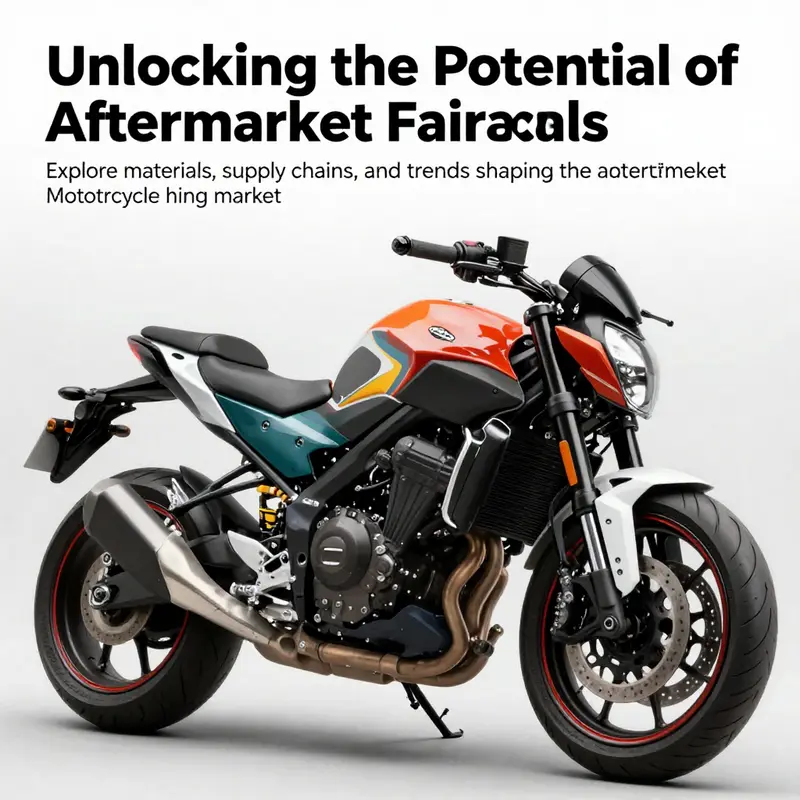
Aftermarket motorcycle fairings have emerged as a pivotal choice for business owners seeking to enhance customization and performance in the biking community. Understanding the intricacies of materials, global supply chains, supplier evaluations, performance impacts, and evolving market trends is crucial for strategic decision-making. Each chapter will delve into these essential aspects, providing insights that highlight how aftermarket fairings not only influence aesthetic appeal but also play a significant role in operational efficiency and customer satisfaction. By grasping the dynamics of this vibrant market, business owners can better align their offerings with customer preferences, ensuring they stay ahead in a highly competitive landscape.
Tables of Contents
Chapter 1: Evaluating Material Choices in Aftermarket Motorcycle Fairings: A Focus on Performance and Longevity
- The Durability and Value of ABS Plastic in Aftermarket Motorcycle Fairing Solutions
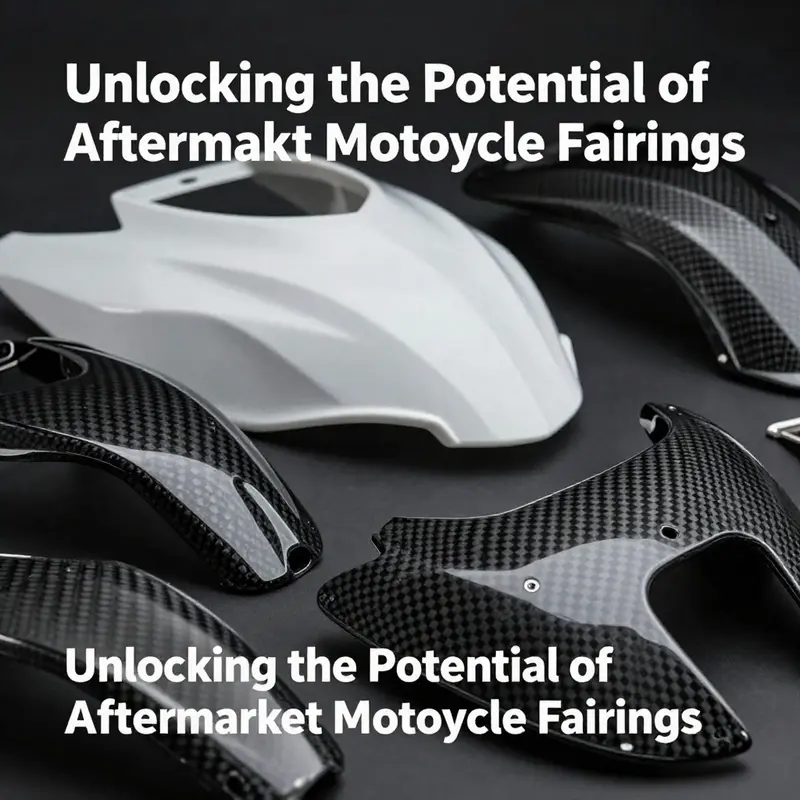
- Material Considerations in Aftermarket Motorcycle Fairing: The Premium Performance of Carbon Fiber
- Material Dynamics: Evaluating Alternatives to Traditional Plastics for Aftermarket Motorcycle Fairings
Chapter 2: Harnessing Innovation: The Impact of Technology on Aftermarket Motorcycle Fairing Production
- Transformative Tech: Redefining Efficiency in Motorcycle Fairing Supply Chains
- The Financial Reverberations of Global Manufacturing in Aftermarket Motorcycle Fairings
- Geopolitical Tensions and Their Impact on Aftermarket Motorcycle Fairing Supply Chains
Chapter 3: Strategic Sourcing in the Aftermarket Motorcycle Fairing Landscape
- Navigating the Complexities of Supplier Evaluation: Insights from Leading Manufacturing Regions
- Elevating Supplier Selection for Aftermarket Motorcycle Fairings: A Holistic Approach to Evaluation Criteria
- Navigating Supplier Evaluation: Balancing Cost and Quality in Aftermarket Fairing Procurement
Chapter 4: Elevating Velocity: The Performance Magic of Aftermarket Motorcycle Fairings
- Accelerating Aerodynamics: Enhancing Motorcycle Efficiency with Aftermarket Fairings
- Crafting Identity Through Color and Design: The Aesthetic Power of Aftermarket Motorbike Fairings
- Evaluating the Economic Impact of Aftermarket Fairings: Performance Gains Versus Investment Costs
Chapter 5: Navigating the Landscape of Aftermarket Motorcycle Fairing Innovations
- Revolutionizing Performance: Smart Technologies and Advanced Materials in Aftermarket Fairings
- The Economic Landscape and Its Impact on Aftermarket Motorcycle Fairing Trends and Consumer Preferences
- From Tariffs to Treads: The Geopolitical Landscape and Societal Preferences Shaping Aftermarket Fairing Choices
Chapter 1: Evaluating Material Choices in Aftermarket Motorcycle Fairings: A Focus on Performance and Longevity
1. The Durability and Value of ABS Plastic in Aftermarket Motorcycle Fairing Solutions
When it comes to aftermarket motorcycle fairings, the choice of material is pivotal in achieving a blend of durability, performance, and cost-effectiveness. Among the various materials available, ABS plastic stands out as the most prevalent choice, highly regarded for its striking combination of properties that cater to both casual riders and serious enthusiasts.
ABS plastic, or acrylonitrile butadiene styrene, boasts exceptional impact resistance, making it an ideal candidate for motorcycle fairings. Unlike some alternative materials, ABS displays a commendable ability to absorb shocks from minor collisions and road debris, which can be a frequent hazard during daily riding. This flexibility under stress not only minimizes the risk of catastrophic failure but also plays a crucial role in prolonging the overall lifespan of the fairings.
In addition to its protective attributes, the lightweight nature of ABS plastic significantly contributes to improved fuel efficiency and handling. For many riders, especially those using their motorcycles for everyday commutes, these factors are not merely beneficial but essential. The reduced weight translates to lower fuel consumption, which becomes a considerable advantage over long distances or during daily use. This lightweight design accommodates the need for agile handling, enabling riders to maneuver more adeptly through traffic or winding roads.
Another compelling characteristic of ABS plastic is its moldability. This property allows manufacturers to craft intricate and aerodynamic shapes that not only enhance the aesthetic appeal of motorcycles but also improve wind resistance. The combination of sleek design and functional performance is a central reason why many aftermarket fairings are so visually appealing while still serving a practical purpose.
Furthermore, ABS plastic provides an excellent surface finish, making it the material of choice for custom variations. Repairs and upgrades can be seamlessly executed since ABS allows for minimal prep work when painting. This adaptability means that riders can express their individuality through color matching and tailored designs, enhancing their motorcycle’s overall charm.
While ABS plastic excels in many areas, it is essential to note its rigidity. Though it may not be as stiff as carbon fiber or fiberglass, it performs admirably under typical riding conditions. This balance between flexibility and strength makes ABS especially suitable for routine applications, stock replacements, and OEM-style upgrades.
A valid concern regarding the long-term durability of ABS plastic is its susceptibility to UV exposure, which can cause brittleness over extended periods. Thus, while ABS plastic is a leading choice today, consideration for external factors should inform the decision-making process for long-term use. Knowing how each material reacts over time can guide riders towards making informed choices tailored to their riding habits and environment.
In summary, ABS plastic holds its ground as a reliable option for those considering aftermarket motorcycle fairings. With qualities such as impact resistance, lightweight design, moldability, and excellent finishing capabilities, the material offers a remarkable balance between durability and affordability. For those interested in exploring the diverse options of aftermarket fairings further, a comprehensive selection can be found at Ultimate MotorX.
2. Material Considerations in Aftermarket Motorcycle Fairing: The Premium Performance of Carbon Fiber
When it comes to aftermarket motorcycle fairings, selecting the right material is pivotal for enhancing performance, weight management, durability, and aesthetic appeal. Among the spectrum of materials available—namely, ABS plastic, fiberglass, and polycarbonate—carbon fiber emerges as the standout choice for riders who demand excellence in all aspects.
The prime attribute of carbon fiber fairings is their remarkable strength-to-weight ratio. Unlike traditional materials such as ABS or fiberglass, carbon fiber is considerably lighter yet significantly stronger. This reduction in weight translates directly into improved handling agility and acceleration, making it particularly advantageous for sport bikes and track enthusiasts. For riders looking to shave off every ounce and maximize performance, carbon fiber fairings are an optimal solution.
Beyond just performance, the aesthetic appeal of carbon fiber cannot be overstated. Its unique weave pattern offers a sleek and sophisticated look that resonates well with custom builds and show-stopping motorcycles. Riders appreciate not only the performance upgrades but the head-turning visuals that carbon fiber fairings provide. This material adds an air of professionalism and quality that many motorcycle aficionados seek in their builds.
However, with premium quality comes certain trade-offs. Carbon fiber fairings are considerably more expensive to produce and repair than their plastic counterparts. They can also be more vulnerable to damage from low-speed impacts or sharp objects due to their rigid nature. While they withstand high temperatures remarkably well and resist degradation under UV exposure, they require careful handling and maintenance to retain their integrity over time.
For riders who prioritize both performance and style—particularly those modifying Kawasaki Ninja models or equivalent high-performance machines—investing in carbon fiber fairings can significantly enhance their riding experience. These fairings not only optimize aerodynamics through precise shaping but also foster a more responsive and dynamic environment for the rider. The contributions to aesthetics and performance justify the investment, especially for those who see their motorcycle as an extension of personal expression.
Despite the higher initial costs and potential repair complexities, the myriad of benefits offered by carbon fiber makeup makes it an appealing option. Riders often find that the experience of riding with lightweight, robust carbon fiber far outweighs the drawbacks, leading them to better performance metrics on track days or thrilling rides on twisty roads.
To ensure quality, riders must seek reputable suppliers that guarantee the material’s integrity, providing proper certifications and adhering to stringent testing protocols. Such diligence ensures riders receive not only a visually appealing product but one that boasts durability and precision fitment. For further exploration of options and fitment specifics, potential buyers can consult comprehensive listings tailored to various models, such as the Kawasaki fairings that spotlight performance-oriented upgrades. The final choice is not merely about weight or strength but rather a holistic view that encompasses aesthetics, functionality, and rider satisfaction.
3. Material Dynamics: Evaluating Alternatives to Traditional Plastics for Aftermarket Motorcycle Fairings
When delving into the aftermarket motorcycle fairing landscape, the choice of material stands out as a principal concern that significantly influences durability, weight, appearance, and overall functionality. Among the most commonly encountered materials are polycarbonate and ABS (Acrylonitrile Butadiene Styrene), both of which strike a commendable balance between resilience, impact resistance, and design adaptability. However, as the motorcycle market diversifies, manufacturers are exploring and offering a variety of alternative materials, each presenting unique properties and advantages.
Polycarbonate, for instance, is revered for its exceptional impact resistance, providing an added layer of safety that resonates with riders prioritizing protection in case of mishaps. Although polycarbonate is typically more expensive than ABS, it excels in areas such as intrinsic strength and transparency, making it a preferred choice for some aftermarket solutions. That said, its susceptibility to scratches necessitates protective coatings during manufacturing to ensure longevity and maintain aesthetic appeal.
Conversely, ABS is widely appreciated for its cost-effectiveness, providing structural integrity that meets the demands of many riders without breaking the bank. Its ease of maintainability—especially regarding painting and repairs—further cements its popularity among enthusiasts who seek both style and efficiency. While ABS does exhibit lower impact resistance compared to polycarbonate, many riders find that its qualities suffice for everyday use.
Among the more sophisticated materials making waves in the industry are fiberglass and carbon fiber composites. These lightweight compositions not only reduce the overall weight of the motorcycle, enhancing performance characteristics like handling but also provide significant stiffness, supporting aerodynamic designs. However, the advanced manufacturing processes involved, especially for carbon fiber, can lead to steep price tags and require meticulous attention during fabrication to ensure peak performance and durability.
The emergence of innovative composite blends offers exciting possibilities, merging the desirable traits of various materials while mitigating inherent weaknesses. As technology progresses, these alternatives are being tailored to serve specific riding purposes—whether it be for track day performance, where weight is crucial, or for touring models that prioritize durability and weather resistance.
One critical aspect often overlooked is UV protection, which plays a vital role in ensuring the longevity and aesthetic retention of fairings. Prolonged exposure to harsh sunlight can lead to fading or deformation of lower-grade plastics. Therefore, selecting fairings with built-in UV inhibitors or protective coatings is essential for preserving both the functional and visual integrity.
Notably, advancements in polymer science have yielded materials that boast improved attributes such as scratch resistance, thermal stability, and sound dampening, all adding to a more enjoyable riding experience. The benefits of these updated materials are especially pertinent in designs like half fairings, commonly utilized on sport-touring motorcycles, where a balance between functionality and aerodynamic efficiency is crucial.
In conclusion, when opting for aftermarket fairings, particularly for models like the Kawasaki Ninja, riders must consider the compatibility of materials with their motorcycle’s design and their intended usage. Ensuring fitment precision and understanding how varying materials perform under specific conditions will lead to decisions that optimize both functionality and visual appeal. Whether riders are drawn to the endurance of ABS or the lightweight agility of carbon fiber, comprehensive knowledge allows for well-informed choices. For those interested in a diverse array of fairings, options can be explored further in dedicated categories such as Kawasaki Fairings.
Chapter 2: Harnessing Innovation: The Impact of Technology on Aftermarket Motorcycle Fairing Production
1. Transformative Tech: Redefining Efficiency in Motorcycle Fairing Supply Chains
Technological innovations are profoundly changing the landscape of global supply chains and manufacturing processes within the aftermarket motorcycle fairing industry. As manufacturers strive for efficiency, customizability, and sustainability, several key advances have emerged that not only enhance production capabilities but also respond to the dynamic needs of motorcycle enthusiasts worldwide.
One of the most impactful developments is the adoption of Artificial Intelligence (AI) and Machine Learning (ML). These technologies are revolutionizing demand forecasting by analyzing massive datasets derived from consumer behavior and market trends. By leveraging AI, manufacturers can optimize inventory management, ensuring that popular fairing styles are readily available without the overhead of excess stock. Additionally, AI aids in design processes, allowing for rapid prototyping and iteration, which is crucial for meeting the diverse aesthetic and functional demands of motorcycle riders.
The Internet of Things (IoT) further enhances supply chain visibility. Smart devices equipped with IoT capabilities allow manufacturers to monitor production lines in real-time, tracking everything from raw materials to finished products. This instant feedback loop reduces lead times significantly, minimizes disruptions, and ensures quality adherence throughout the manufacturing process. As raw materials transition from suppliers to production facilities, IoT technologies help confirm that each component meets the rigorous standards necessary for optimal performance—critical in a competitive market where quality directly impacts brand reputation.
Blockchain technology is also making inroads, particularly for ensuring transparency in the sourcing of high-quality materials. In an industry where authenticity matters, blockchain allows manufacturers to trace the entire journey of materials used in fairing production. This traceability bolsters consumer confidence and strengthens brand integrity, as buyers can verify the authenticity of the parts they purchase. By integrating blockchain, suppliers can enhance their accountability, giving customers peace of mind that their products meet high standards of quality and safety.
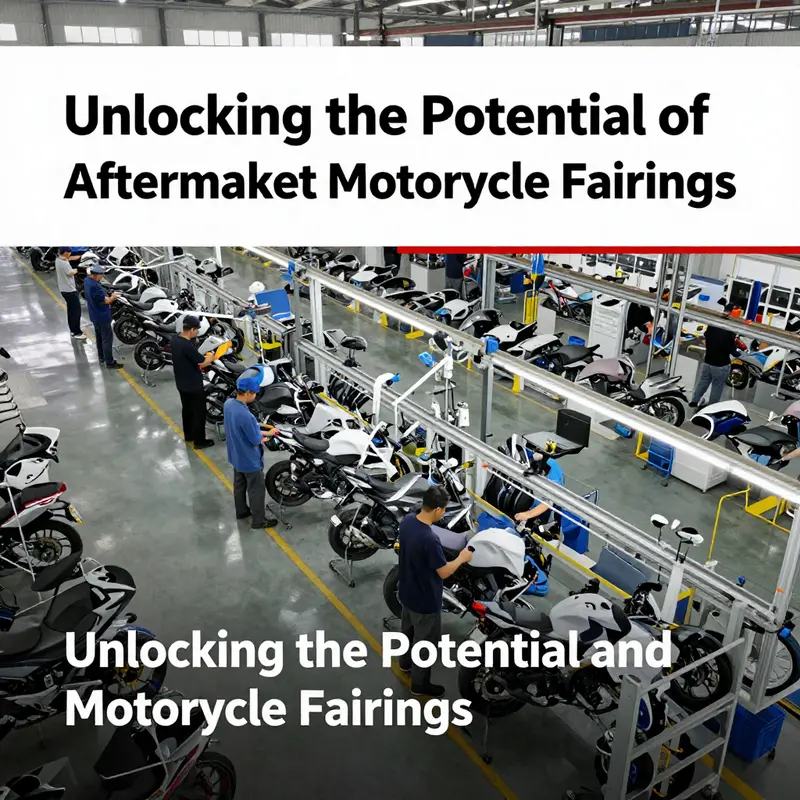
Moreover, automation and robotics are transforming manufacturing floors, enabling the production of complex fairing designs with unprecedented speed and precision. Automation tools facilitate processes such as precise molding and sophisticated painting techniques, which are essential for achieving the high-quality finishes that aftermarket fairings are known for. Through these technologies, manufacturers can reduce labor costs while maintaining consistency across products, minimizing human error and resulting in superior end products.
Collectively, these technological innovations empower aftermarket suppliers to deliver highly customized, durable, and competitively priced products on a massive scale. The impact of these advancements ensures that motorcycle enthusiasts not only receive aesthetic enhancements but also significant performance and protection benefits from aftermarket fairings. With an increasingly sophisticated global supply chain, the journey from concept to consumer has never been more efficient or reliable, meeting the evolving demands of today’s riders.
2. The Financial Reverberations of Global Manufacturing in Aftermarket Motorcycle Fairings
The aftermarket motorcycle fairing industry represents a fascinating intersection of globalization, consumer demand, and manufacturing prowess, generating substantial economic implications. Valued at approximately USD 1.2 billion in 2024, the sector is projected to grow at a CAGR of 8.1% from 2026 to 2033, potentially reaching USD 2.3 billion by the end of this forecast period. This growth reflects not merely an increase in revenue but an evolving landscape influenced by technological advancements and shifting consumer preferences.
Driving this rapid expansion are several key factors. First and foremost, there is an increasing consumer demand for customized and high-performance fairings, particularly prevalent in North American markets. This burgeoning appetite for personalization has led to a heightened competitive atmosphere among manufacturers, pushing them to innovate continually and offer distinct, quality products. For instance, companies like Wide Open Custom Plastic, LLC are refining their manufacturing bases in response to both competitive pressures and regional market complexities, particularly those observed in regions like the Middle East and Africa.
Strategic realignments of production and distribution networks are indeed central to the changing economic landscape. As manufacturers optimize operational frameworks to enhance efficiencies, regionalized production becomes increasingly pivotal. By reducing reliance on single-source suppliers, companies can adapt nimbly to changing market conditions. The shift towards regional sourcing not only mitigates risks associated with geopolitical tensions but also improves logistical efficiency and response times to customer preferences. The additional benefit of such agility lies in the refined cost structures and pricing strategies that directly impact profit margins across the value chain.
Looking at the broader economic implications, companies at the forefront of this transformation are those investing in flexible manufacturing capabilities and digital supply chain integration. Such innovations are more than essential adaptations; they enable organizations to pivot according to market demands proactively. The resulting operational efficiencies position them favorably for capturing market share and sustaining profitability amid ongoing economic changes.
The evolution of the aftermarket motorcycle fairing sector is indicative of a larger trend in manufacturing: a transformation from traditional, centralized practices to more dynamic, decentralized systems. As companies embrace this paradigm shift, they recognize the necessity of rapid adaptability, customization, and resilience in their operations. Furthermore, emerging manufacturers within this realm must remain vigilant about maintaining product integrity and offering reliable documentation, as these factors contribute significantly to their long-term success. Understanding the ongoing changes in this market is crucial for stakeholders aiming to strategize effectively within this competitive environment.
In an industry characterized by its continual evolution, recognizing these economic reverberations is paramount for informed decision-making and strategy formulation. For continued insights into the multifaceted aspects of the aftermarket motorcycle fairing market, including specific evaluations of key players and regional developments, further reading can be explored in industry analyses. Companies looking to thrive will need to navigate these complex economic landscapes with dexterity and foresight, ensuring their place in the future market dynamics of motorcycle fairings. For example, riding enthusiasts might seek tailored solutions such as fairings for popular motorcycle models as they analyze their options across various aftermarket offerings.
3. Geopolitical Tensions and Their Impact on Aftermarket Motorcycle Fairing Supply Chains
In the realm of aftermarket motorcycle fairing production, geopolitical influences increasingly shape the global supply chain landscape. The sector’s dependence on intricate international networks for essential materials—such as high-performance plastics, resins, and composite materials—places it at the mercy of geopolitical tensions, which can disrupt operations at any moment. Research indicates that disruptions stemming from trade restrictions, political instability, and sanctions can lead to severe consequences, including increased costs and prolonged delivery times. These challenges highlight vulnerabilities not often considered in the manufacturing process.
As reported in a recent study from the Journal of International Business Studies, geopolitical perturbations have been known to cause significant disruption in transportation networks. Events like these can halt production, as seen with Motorsfair Co., Ltd., a prominent supplier of aftermarket fairings for popular motorcycle brands such as Yamaha. Companies dependent on a stable supply chain find themselves challenged to mitigate the risks introduced by such tensions, which can lead to urgent sourcing migrations or cost increases that are ultimately passed on to consumers.
Compounding these challenges are climate-related risks exacerbated by geopolitical inaction regarding environmental policies. Extreme weather can inflict damage upon the infrastructure critical for transportation and manufacturing, further straining supply chain capabilities. According to a 2024 report, instances of supply chain disruptions surged by 38% globally due to climate-driven events. The implications for the aftermarket fairing sector are profound, as manufacturers often face production halts triggered by logistical challenges from such unpredictable environmental events.
In light of these risks, there is a compelling need for manufacturers within the aftermarket motorcycle fairing industry to proactively adopt reinforced and adaptive supply chain models. These models should emphasize not only diversification of sourcing regions but also investment in local production capabilities as a buffer against global disruptions. Enhanced visibility throughout the supply chain—facilitated by digital advancements—allows for quicker responses to potential threats, securing operational continuity and safeguarding product quality.
The integration of advanced manufacturing technologies, such as additive manufacturing and artificial intelligence-driven demand forecasting, presents opportunities to enhance agility while countering reliance on traditionally fragile global networks. As companies align their strategies towards decarbonization and environmental accountability, they can simultaneously strengthen their operational resilience.
Navigating the modern geopolitical landscape thus requires strategic foresight and collaboration among international partners. Industry players must focus on building sustainable and secure manufacturing ecosystems that withstand the test of geopolitical and climate-related adversities. By doing so, the aftermarket motorcycle fairing market can better adapt to the changing world, ensuring that riders receive quality products despite the complexities inherent within global supply chains.
Chapter 3: Strategic Sourcing in the Aftermarket Motorcycle Fairing Landscape
1. Navigating the Complexities of Supplier Evaluation: Insights from Leading Manufacturing Regions
Selecting the right supplier for aftermarket motorcycle fairings is pivotal in today’s competitive market. With China firmly established as the leading manufacturing hub, understanding the distinct advantages offered by its various provinces can empower businesses to make informed procurement decisions. Each region presents unique strengths that cater to different buyer needs, from rapid delivery to precision engineering.
Guangdong Province, often considered the heartbeat of China’s manufacturing sector, is renowned for its swift prototyping and high-volume production capabilities. Key cities like Guangzhou, Foshan, and Dongguan boast advanced infrastructures that facilitate quick access to essential materials such as automotive-grade ABS plastic, carbon fiber, and fiberglass. The province’s proximity to major international ports, including Shenzhen and Nansha, further enhances its logistical advantages, enabling faster shipping times. Notable suppliers in this region, such as Foshan Yingsha Technology Co., Ltd. and Dongguan Juli Composite Technology Co., Ltd., exemplify the area’s focus on speed-to-market, catering specifically to businesses looking for flexible order fulfillment. This region is ideal for companies that prioritize quick turnaround times in their supply chains.
In contrast, Zhejiang Province stands out for its commitment to engineering excellence and precision manufacturing. This area houses a plethora of technically sophisticated manufacturers equipped with robust R&D departments that focus on high-tolerance component production. The emphasis on advanced mold designs and innovative technologies, particularly in composite and hybrid fairing structures, positions Zhejiang as a preferred supplier for complex fairing designs tailored to European and North American markets. Firms looking for innovation and precision will find it here, where ISO-certified facilities uphold stringent quality standards.
Another noteworthy region is Fujian Province, which specializes in small to medium batch productions at competitive price points. This province caters to niche markets and custom design runs, offering suppliers known for their manufacturing agility and adherence to core quality standards. Businesses seeking flexibility without compromising quality should consider suppliers from Fujian for their custom projects.
As an emerging player, Jiangsu Province strikes a balance between cost-effectiveness and acceptable quality, making it suitable for budget-conscious large orders. Shandong Province is also gaining traction, particularly with recent investments in quality control systems that have boosted production standards. Known for lower operational expenses, Shandong offers competitive advantages for companies focused on cost-sensitive projects without sacrificing reliability.
Understanding the strengths of each regional hub allows companies to build resilient supply chains, optimizing their procurement strategy based on specific needs. From Guangdong’s speed to Zhejiang’s innovation and Fujian’s flexibility, businesses can strategically leverage these advantages to enhance their operations in the aftermarket motorcycle fairing market. For direct sourcing opportunities and detailed capabilities of top-tier suppliers, potential buyers can explore various options such as Suzuki fairings, ensuring they align with their operational objectives.
2. Elevating Supplier Selection for Aftermarket Motorcycle Fairings: A Holistic Approach to Evaluation Criteria
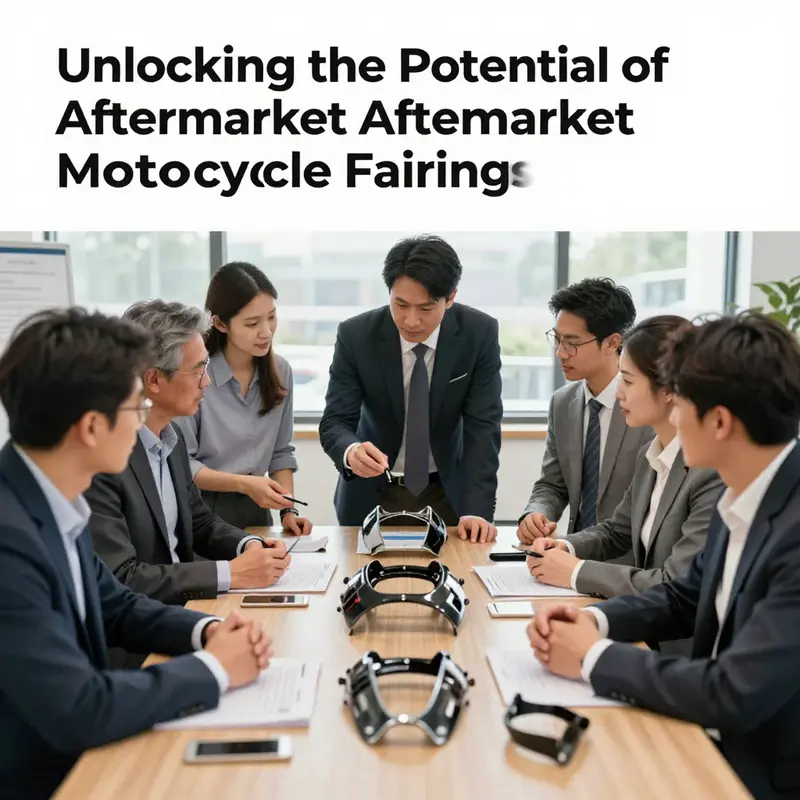
Selecting a supplier for aftermarket motorcycle fairings is more than merely a transaction; it is a strategic choice that profoundly affects a brand’s integrity and market performance. The quality of fairings—commonly sourced from extensive manufacturing networks in countries like China—can significantly influence customer satisfaction and long-term profitability. Thus, developing a comprehensive evaluation framework is essential for harnessing supplier capabilities beyond simple price comparisons.
At the heart of this evaluation is material quality and engineering capability. The choice of materials directly affects the durability, aesthetic appeal, and performance of motorcycle fairings. Buyers must require clear specifications and documentation to assess materials such as ABS and its blends, fiberglass, and advanced composites. For example, high-performance models may benefit from polycarbonate due to its enhanced impact resistance. Attention must also be paid to the supplier’s adherence to industry standards, such as ISO 9001, ensuring that their production processes are robust and consistently reliable.
Additionally, the manufacturing capabilities and production capacities of the supplier are critical to fulfilling market demands without compromising quality. Understanding the technological investments made in modern machinery—like precision injection molding—can highlight their ability to produce high-quality fairings consistently. In regions known for advanced manufacturing, such as Guangdong and Zhejiang, suppliers have adapted to meet varying order sizes while maintaining efficiency through scalable operations. This adaptability becomes crucial during peak seasons or when addressing sudden market shifts.
Equally vital is supply chain resilience and responsiveness. A supplier’s ability to provide timely deliveries can prevent backlogs and lost sales opportunities. Prospective partners must openly discuss production lead times, transparency regarding potential shipping delays, and their contingency plans for common disruptions, such as raw material shortages. Suppliers that boast vertically integrated supply chains often have an advantage here, capable of reacting swiftly to changes in demand or supply conditions.
A holistic evaluation should also focus on the supplier’s cost-efficiency and value proposition. While price is a significant factor, discerning buyers recognize the importance of assessing the total cost of ownership (TCO). This takes into account not only the upfront costs but also potential expenses related to defects, warranty claims, and return logistics. Suppliers should provide transparency in pricing breakdowns to instill confidence in their value offering, ensuring that the partnership yields long-term benefits.
Lastly, it is crucial to consider the supplier’s reputation and proven performance within the industry. Engaging with customer references or exploring reviews on platforms such as Alibaba can illuminate the supplier’s reliability and performance consistency. Additionally, certifications such as IATF 16949 signal that suppliers are committed to quality management in the automotive sector, enhancing the credibility of their operations.
By rigorously applying these assessment criteria, procurement managers can navigate the complexities of the aftermarket motorcycle fairing landscape. This strategic supplier evaluation ultimately enables businesses to forge partnerships that promise quality, reliability, and sustainable growth in a competitive market. For those seeking high-quality options, exploring detailed offerings from catalogs like those available for Honda fairings can provide additional insights into fitting choices and manufacturers.
3. Navigating Supplier Evaluation: Balancing Cost and Quality in Aftermarket Fairing Procurement
Sourcing aftermarket motorcycle fairings requires an intricate balance of economic considerations and quality assurance, making a robust supplier evaluation framework integral to successful procurement. While it may be tempting to prioritize the lowest unit price, such an approach can lead to serious downstream issues, including prolonged delivery times, inconsistent material quality, and deviations from design specifications. Therefore, a multidimensional assessment strategy is recommended—one that emphasizes manufacturing capabilities, technical compliance, and long-term reliability.
One of the first elements to consider in this evaluation is the supplier’s production ecosystem and geographic base. A significant portion of premium motorcycle fairings is manufactured in Asia, with China emerging as the leading hub. Within China, provinces like Guangdong have become industrial powerhouses, housing many of the top suppliers such as Foshan Yingsha Technology Co., Ltd. These suppliers not only operate large manufacturing spaces equipped with state-of-the-art technologies but also benefit from established industrial networks and an experienced workforce, all essential to maintaining high production standards.
When assessing potential suppliers, key performance indicators (KPIs) serve as effective yardsticks to measure operational efficiency and product reliability. For instance, an on-time delivery rate exceeding 97% typically indicates effective logistical management and production planning. A reorder rate above 30% can signify customer satisfaction and product viability in the marketplace. The responsiveness of suppliers is another crucial factor; suppliers who can address queries and issues within 6 to 8 hours are more likely to be agile and proactive in their processes. Furthermore, robust quality control measures—including the use of Coordinate Measuring Machines (CMM) and laser scanning for panel alignment—enable accurate assessments of the final product.
Equally important is the supplier’s engineering capacity. Companies with dedicated R&D teams can customize fairings to meet specific aesthetics and fitment requirements, which is particularly beneficial for models like the Honda CBR600F4i or the Suzuki SV400/SV650. Establishing long-term relationships with a select few trusted suppliers can drastically improve supply chain stability, enhance pricing opportunities, and foster innovation, resulting in mutual gains.
In summary, effective procurement of aftermarket motorcycle fairings should extend well beyond evaluating price alone. It must involve a comprehensive look at a supplier’s manufacturing prowess, quality assurance systems, responsiveness, and potential for a strategic partnership. This holistic evaluation ensures that purchases result in reliable, high-performance products that adequately address market demands. After all, the right choice in aftermarket fairings can significantly enhance both the performance and aesthetic appeal of a motorcycle, ultimately rewarding discerning buyers with value and satisfaction. To explore specific models offered, check out our extensive range of aftermarket fairings.
Chapter 4: Elevating Velocity: The Performance Magic of Aftermarket Motorcycle Fairings
1. Accelerating Aerodynamics: Enhancing Motorcycle Efficiency with Aftermarket Fairings
Aftermarket motorcycle fairings play a pivotal role in enhancing both the performance and efficiency of riders’ machines. By streamlining the motorcycle’s body and effectively optimizing aerodynamics, these aftermarket solutions transform the riding experience, particularly in terms of speed, stability, and fuel economy. The primary function of aftermarket fairings is to reduce drag, which is critical for achieving higher velocities and improving the overall dynamics of the bike.
The design of aftermarket fairings is meticulously crafted to minimize air resistance, allowing for smoother airflow over and around the motorcycle. This aerodynamically efficient structure not only enhances top speeds but also contributes to a significant reduction in wind noise and buffeting experienced by the rider. Riders report a notable increase in comfort during prolonged rides, as streamlined fairings allow them to maintain consistent speeds without as much exertion against gale-force winds.
Moreover, these enhancements are not just about thrilling speed; they also influence fuel efficiency. A well-designed aftermarket fairing can lead to a 5% to 15% improvement in fuel consumption, especially noticeable during high-speed highway riding. As fuel economy becomes increasingly important to riders, this aspect solidifies the value of investing in aftermarket options. A motorcycle equipped with quality fairings can offer substantial savings and a reduced environmental footprint on the road, thus making aftermarket fairings an attractive option for the eco-conscious rider.
In addition to boosting performance metrics, aftermarket fairings serve a protective function by safeguarding critical components of the motorcycle. They shield areas such as the engine and fuel tank from road debris and adverse weather conditions. This protective barrier further enhances the longevity of the motorcycle, making it a practical choice for those who frequently ride in varied environments.
Stability is another key benefit brought by the enhancements introduced by aftermarket fairings. With improved airflow dynamics, the motorcycle exhibits better handling characteristics, particularly at high speeds. Riders experience a heightened sense of confidence and safety, knowing that their bike is less affected by unexpected gusts of wind or turbulence. This stability not only contributes to an exhilarating ride but also significantly reduces the likelihood of accidents, especially for those who push their motorcycles to their limits.
The trend towards utilizing aftermarket fairings is largely driven by the vibrant community of motorcycle enthusiasts who prioritize personalization, performance, and practicality. Grab your aftermarket fairing suited for popular models like the Honda CBR600F4i or Suzuki SV650, and you’ll witness the remarkable transformation in both ride quality and performance metrics.
In summary, aftermarket motorcycle fairings are not just accessories; they are a vital enhancement for anyone looking to elevate their riding experience. With improved aerodynamics leading to greater speed, enhanced fuel efficiency, and added stability, these fairings offer benefits that extend far beyond aesthetics.
2. Crafting Identity Through Color and Design: The Aesthetic Power of Aftermarket Motorbike Fairings
The aesthetic appeal of aftermarket motorcycle fairings is rich in possibility, serving not merely as a functional accessory but as an expressive medium for riders seeking to communicate their identity and style. Motorcycle enthusiasts are known for their passion—not just for the power beneath the tank but for the artistry upon which that power rides. Through custom fairings, they can transform their bikes into rolling canvases that symbolize their individuality.
One of the most compelling aspects of aftermarket fairings is their ability to cater to diverse tastes and preferences. With options ranging from vibrant, attention-grabbing decals to sleek, minimalist designs, these fairings allow riders to project a visual statement that aligns with their personal style or the ethos of a particular brand. In a world where uniformity is commonplace, the custom look of aftermarket parts adds a level of distinctiveness that resonates deeply with many bikers who thrive on being unique.
Riders often choose colors, patterns, and graphics that resonate with their personality or personal story. Some gravitate towards fierce, aggressive visuals that complement a sporty riding style, while others may prefer soft curves and pastel palettes to embody a more laid-back vibe. This emotional connection to visual expression is enhanced by the advancements in technology that allow for intricate graphics to be printed directly onto the fairings, enabling riders to personalize their motorcycles to even greater extents. The combination of imaginative designs and high-quality finishes offers a significant draw for many riders.
Furthermore, customizing one’s motorcycle can instigate a sense of community. Riders often exchange ideas and inspiration online, showcasing their fairings as both a reflection of personal journey and as a testament to dedicated craftsmanship. This communal aspect enhances the aesthetic journey: sharing photos, attending bike shows, or participating in online forums fosters an environment where riders can appreciate each other’s creative expressions.
The ability to tailor aftermarket fairings to specific models also invites discussion about fit and function. For instance, a customized fairing not only speaks to one’s aesthetic preferences but can also improve airflow and reduce drag—enhancing both performance and visual appeal simultaneously. This duality exemplifies how aesthetic choices can intersect with functional enhancements, solidifying the fairing’s role as a crucial upgrade that addresses both performance and personalization.
While examining options, riders are encouraged to explore the various styles available for their specific models, from sport bikes like the Honda CBR series to cruisers like the Ducati Monster. Each model presents its own opportunity for aesthetic transformation, further empowering riders to claim their space on the asphalt.
To discover a range of fairings tailored to specific motorcycles and aesthetic sensibilities, enthusiasts can explore categories such as fairings for Suzuki or Ducati. The rich diversity within aftermarket options echoes a profound narrative—each rider’s unique story is woven into the very fabric of their motorcycle, allowing for an expression that goes beyond mere transportation. In that sense, aftermarket motorcycle fairings become not just adornments but essential components of rider identity, connecting them deeply to the art and culture of motorcycling.
3. Evaluating the Economic Impact of Aftermarket Fairings: Performance Gains Versus Investment Costs
The quest for aftermarket motorcycle fairings is undeniably tied to financial considerations, as riders weigh the balance between upfront costs and the long-term benefits these enhancements may offer. Unlike original equipment manufacturer (OEM) fairings, which fine-tune integration with a motorcycle’s design for ideal performance and aerodynamics, aftermarket options generally provide a broader scope for customization and often come in at a more accessible price point. This financial advantage is particularly compelling for budget-conscious riders eager to improve aesthetics or aerodynamic efficiency without succumbing to the higher price tags associated with OEM pieces.
However, selecting an aftermarket fairing is not simply a numbers game; it requires careful consideration of the potential trade-offs. While the appeal of lower prices is enticing, the cost savings might come with challenges related to fitment precision, material quality, and effective wind protection. Cheaper aftermarket fairings, if constructed from inferior materials or designed without rigorous engineering, may contribute to increased drag, heightened fuel consumption, or jeopardized safety as riding conditions elevate. As a result, these hidden costs can manifest over time, leading riders to consider fuel economy, maintenance implications, and risk factors—elements that could potentially overshadow initial savings.
Market dynamics are evolving in response to these issues, with a notable shift towards quality improvement within the aftermarket fairing sector. Heightened competition stemming from greater motorcycle ownership rates—especially in emerging economies where urbanization is booming—has incentivized manufacturers to innovate and enhance their offerings. This competitive pressure not only generates better quality fairings at affordable price points but also fosters investment in lighter and more resilient composite materials, such as fiberglass and high-grade carbon fiber. This growth ultimately supports a thriving ecosystem encompassing designers, mold makers, suppliers, and retailers, thus contributing to job creation in the motorcycle accessory space.
When performance is the focus, riders face a nuanced decision-making process rooted in comprehensively evaluating the perceived value of their chosen fairings. High-end options that incorporate advanced composites demonstrate tangible benefits, improving airflow management and minimizing wind resistance—critical attributes for racing scenarios or long-distance touring. When installed correctly, these high-performance fairings justify their steeper price through evident enhancements in speed and stability, aligning longer-term costs with positive riding experiences.
On the other hand, more affordable alternatives can be enticing, but they often come without guarantees of improved functionality. Poorly designed fairings may diminish performance and raise the total cost of ownership due to installation complications or unexpected repairs. As a result, it’s essential for riders to evaluate their choices based on quality, compatibility, and intended use, rather than fixating exclusively on upfront prices. A carefully selected aftermarket fairing can provide enduring value, improving efficiency and safety over time, while a misstep in choice could lead to financial repercussions.
In this evolving market landscape, transparency becomes fundamental. Buyers must be equipped with sufficient knowledge to navigate their options confidently, ensuring that their selections harmonize with both budget constraints and performance aspirations. For riders keen on customizing their motorcycles without financial pitfalls, making informed decisions in collaboration with reputable suppliers is crucial, as evidenced by increasingly available resources to facilitate smarter purchases.
Chapter 5: Navigating the Landscape of Aftermarket Motorcycle Fairing Innovations
1. Revolutionizing Performance: Smart Technologies and Advanced Materials in Aftermarket Fairings
The aftermarket motorcycle fairing market is witnessing a revolutionary shift propelled by a confluence of advanced materials and smart technologies, reshaping consumer preferences in profound ways. Riders today are not merely looking for aesthetic enhancements or replacements for damaged OEM parts; they seek performance improvements, enhanced safety features, and an integration of digital innovations that align with modern lifestyles.
One of the most significant trends includes the adoption of advanced materials, which has moved well beyond traditional ABS plastics. New lightweight composites and carbon fiber options are becoming the materials of choice for performance-driven motorcycles. These materials provide not only a reduction in weight but also enhanced durability, contributing to overall improvements in aerodynamics. A notable impact of these advancements is visible in the premium motorcycle segment, where riders edge toward solutions that boost fuel efficiency and ride comfort. The drive towards sustainable options is also palpable, as environmentally conscious consumers increasingly prefer fairings made from eco-friendly plastics, recognizing their impact on both performance and ecological footprint.
Simultaneously, the integration of smart technologies in aftermarket fairings is taking the riding experience to unprecedented heights. Features such as AI-powered sensors and IoT connectivity are making their way into the designs of fairings, enabling real-time data monitoring that includes critical metrics like speed, engine temperature, and navigation parameters. The advent of voice-activated controls and remote diagnostics adds layers of convenience and safety that were unimaginable a few years ago. This shift reflects a broader consumer preference for multifunctional accessories that enhance both riding capability and rider safety, thereby revolutionizing how enthusiasts interact with their motorcycles.
Customization is another area where technological innovations are making significant headway. Riders are increasingly looking for fairings that not only perform well but also express their unique identities. The rise of modular fairing systems allows users to tweak designs and colors, creating bespoke solutions tailored to personal taste. Thanks to advancements in 3D printing and digital design tools, customized graphics and configurations are more accessible than ever, encouraging individuality in motorcycle aesthetics without sacrificing functionality.
This evolving ecosystem of aftermarket motorcycle fairings showcases a vibrant market that is adapting to modern consumer demands by balancing performance upgrades with cutting-edge designs and personalization capabilities. Not only do these innovations provide tangible benefits for riders, such as improved aerodynamics and safety features, but they also reflect a broader cultural shift toward technology and individuality in motorcycle customization.
The need for high-quality products and reliable suppliers becomes paramount as these technologies continue to advance. As distributors and consumers navigate this landscape, selecting reputable providers that stay at the forefront of technological development is essential for ensuring quality and innovative solutions.
For more insights into the various types of aftermarket fairings available, explore selections tailored for different motorcycle brands here.
2. The Economic Landscape and Its Impact on Aftermarket Motorcycle Fairing Trends and Consumer Preferences
The aftermarket motorcycle fairing market is significantly influenced by economic conditions, which not only shape consumer capabilities but also their preferences and buying behaviors. As economies grow and disposable incomes rise, there is a notable increase in the willingness of consumers to invest in higher-quality, customized motorcycle accessories, including aftermarket fairings. This trend highlights a crucial correlation where improved economic prosperity leads to greater discretionary spending on non-essential items. With more disposable income, riders are increasingly inclined to pursue customizable options that enhance their riding experience and personalize their motorcycles.
Alongside rising disposable incomes, rapid urbanization plays a pivotal role in boosting the demand for motorcycles. In densely populated cities, motorcycle usage has surged, primarily due to their efficiency in navigating heavy traffic and the scarcity of parking spaces. More riders on the road not only expand the user base but also create a larger market for aftermarket products designed to improve motorcycles’ performance and aesthetics. In urban environments, motorcycles are not merely a means of transport but also serve as platforms for personal expression, augmenting the appeal of aftermarket fairings that offer customization and tailored designs.
At the forefront of consumer preferences is the desire for personalization. Today’s motorcycle enthusiasts seek riding experiences that resonate with their individual identities, leading to a demand for unique aftermarket fairings that reflect personal style. Customization has become a vital element in market dynamics, influencing the design and functionality of fairings available to consumers. This is further supported by advancements in manufacturing technologies such as CNC machining and 3D printing, which provide the flexibility necessary to produce bespoke parts that meet specific requests at accessible price points.
Moreover, the interplay of growing interest surrounding sports motorcycles and electric bikes is reshaping consumer preferences within the aftermarket fairing sector. Riders are leaning towards aerodynamic designs that not only enhance performance but also amplify the visual appeal of their machines. The inclination toward more technologically sophisticated motorcycles necessitates a commensurate response from aftermarket fairing manufacturers, further driving innovation in design to meet the needs of a new generation of riders.
In this evolving landscape, the dynamics of the aftermarket fairing market are heavily influenced by broader economic indicators alongside changing consumer preferences. Evaluating suppliers in this market often involves assessing their capabilities to meet specific demands for personalization and performance enhancements, with a keen focus on quality and durability across various materials. By aligning their offerings with the economic realities and desires of contemporary riders, suppliers can effectively navigate the competitive landscape of the aftermarket motorcycle fairing market.
For further exploration of motorcycle fairing options tailored to specific models, such as those for Honda or Yamaha, riders can consult the comprehensive selections available online, showcasing the diverse choices and customization opportunities that exist.
3. From Tariffs to Treads: The Geopolitical Landscape and Societal Preferences Shaping Aftermarket Fairing Choices
The aftermarket motorcycle fairing market stands at a fascinating intersection where geopolitical tensions, regulatory landscapes, and shifting societal values converge, driving trends and shaping consumer preferences. Trade disputes, particularly between major economies, have imposed tariffs on imports, placing pressure on manufacturers and consumers alike. These tariffs on essential raw materials like polycarbonate and fiberglass raise production costs, often translating to higher retail prices for aftermarket fairings. As a result, a noticeable shift is occurring; consumers are now gravitating toward more affordable, locally sourced alternatives. This reflects broader sentiments in regions such as North America and Europe, where an inclination towards local purchasing is resonating with riders who increasingly value homegrown manufacturing as a means to support local economies.
Society’s evolving values play a pivotal role in this market as well. Today’s consumer desires greater avenues for personal expression and customization, a trend that has accelerated with the rise of digital communities and social media. Platforms like Instagram and TikTok have given rise to a global motorcycle culture that emphasizes individuality. Riders consult online forums and influencer builds to inspire their unique customization projects, often seeking aftermarket fairings that align with their distinct aesthetic preferences. This blending of personal identity with motorcycle customization illustrates a fundamental shift in consumer behavior, moving away from standardized options toward bespoke solutions that enhance both performance and style.
Moreover, societal awareness of environmental issues is shaping choices within the aftermarket sector. Younger riders—who are more ecologically conscious—are increasingly demanding sustainable materials and practices in fairing production. As such, manufacturers are responding by exploring eco-friendly materials and recycling initiatives, aligning product offerings with this growing emphasis on sustainability. This not only attracts a demographic that prioritizes environmental responsibility, but also opens up potential avenues for innovation and market growth.
Regulatory frameworks are also evolving, fueled by enhanced safety standards and emissions regulations, especially in regions like the European Union. These legal shifts necessitate advancements in aerodynamics and enhanced safety features for fairings, prompting innovations that often come with increased development costs. As manufacturers strive to comply with these regulations, they find themselves investing more in research and product development, which ultimately shapes the offerings available in the aftermarket.
Emerging markets in the Middle East and Africa present both challenges and opportunities, driven by urbanization and increased disposable incomes. However, these regions may face hurdles regarding infrastructure and regulatory enforcement that could impact the stability of the aftermarket sector.
As this dynamic landscape continues to evolve, companies that prioritize innovative, sustainable, and customizable solutions will likely gain a competitive edge, resonating with a diverse consumer base driven by global community and individual expression. In conclusion, the complexities of the geopolitical and societal forces at play are pushing the aftermarket motorcycle fairing market toward a future that emphasizes adaptability and responsiveness in meeting the nuanced needs of today’s riders.
Final thoughts
The aftermarket motorcycle fairing market is a vibrant and evolving space, offering substantial opportunities for businesses willing to navigate its complexities. Understanding the different materials, manufacturing processes, and performance implications is essential for making informed decisions that cater to the diverse needs of consumers. By evaluating suppliers thoroughly and staying attuned to market trends, business owners can effectively position themselves for success in this competitive arena. Ultimately, investing in high-quality aftermarket fairings not only enhances the rider’s experience but also boosts brand loyalty and expands market presence.
Upgrade your ride with UltimateMotorX’s premium motorcycle fairings—durably crafted, precision-fitted, and stylish. Meeting OEM standards for easy installation, our collection suits upgrades or replacements. Shop now for fast shipping, secure checkout, and expert support. Give your bike the ultimate quality it deserves!
About us
At UltimateMotorX, we’re rider-founded experts in top-tier motorcycle fairings. We source premium materials, partnering with trusted manufacturers for perfect fits and durability. Enjoy expert advice, hassle-free returns, and seamless shopping. Ride with confidence—style and quality guaranteed!